First-time buyer mortgages. Your first key, sorted.

See what you can borrow, what deposit you need and the stamp duty you won’t pay, then talk it through with an adviser for free.

  • A free first call with a mortgage adviser
  • Lenders that take 5% deposits, compared for you
  • No credit check to see your budget
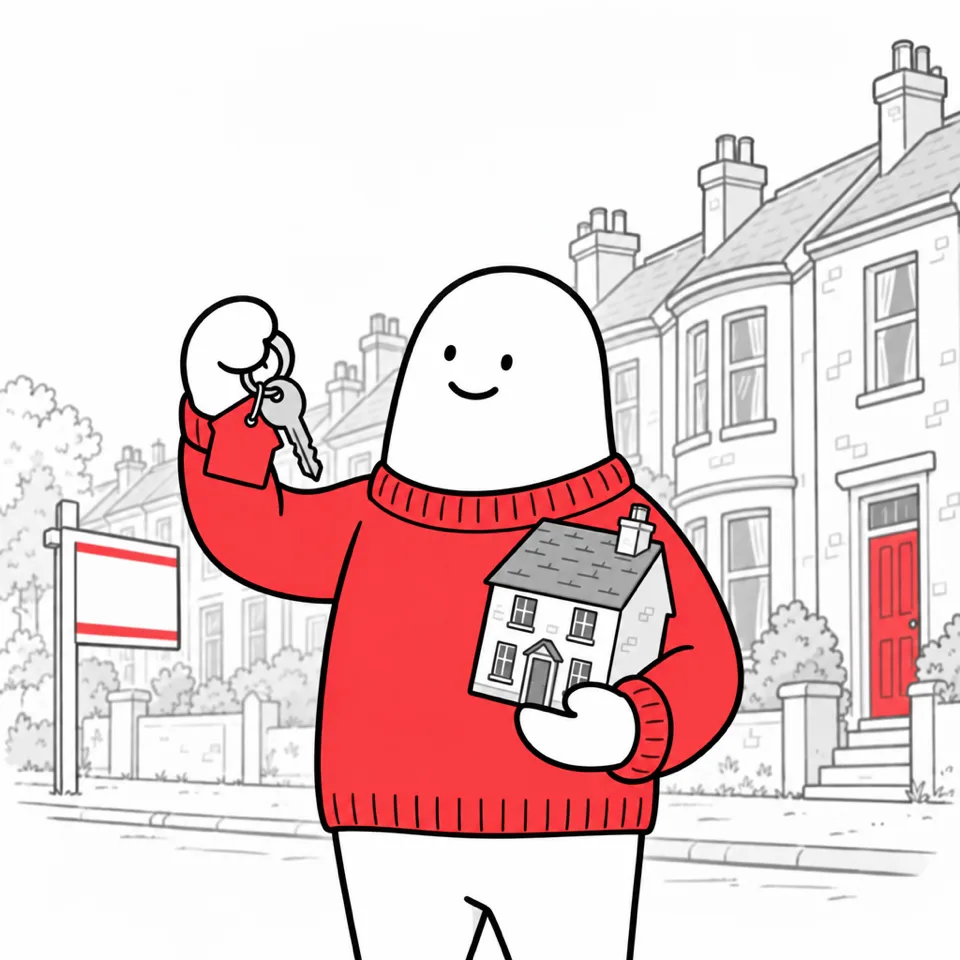
A Homie carrying a giant red key up the garden path to a small terraced starter home with a SOLD board
ITV News TV Appearance The Times Featured AI Tech Company The Guardian - Homemove Insert Feature

The short answer

First-time buyer mortgages in 30 seconds

  • Deposit: many lenders start at 5%. On a £250,000 home that is £12,500.
  • Borrowing: usually around 4 to 4.5 times your income before tax, after regular commitments.
  • Stamp duty: nothing on the first £300,000 in England and Northern Ireland, and 5% on the part up to £500,000.
  • Lifetime ISA: a 25% bonus on up to £4,000 a year, for homes costing £450,000 or less.
  • Help to Buy: closed to new buyers in 2023. Shared ownership and 5% deposit deals are the routes today.
A Homie with a red mortgage plan

The first-time buyer ladder

Deposit and stamp duty at every rung.

First-time buyer relief saves you up to £5,000, then stops at £500,001. Here is what each price really costs to get through the door in England and Northern Ireland.

Deposit and Stamp Duty Land Tax for first-time buyers and home movers at seven prices
Home price5% deposit10% depositStamp duty, first-time buyerStamp duty, everyone elseYou save
£200,000 £10,000 £20,000 £0 £1,500 £1,500
£250,000 £12,500 £25,000 £0 £2,500 £2,500
£294,000 Average home, August 2026 £14,700 £29,400 £0 £4,700 £4,700
£300,000 £15,000 £30,000 £0 £5,000 £5,000
£350,000 £17,500 £35,000 £2,500 £7,500 £5,000
£425,000 £21,250 £42,500 £6,250 £11,250 £5,000
£500,000 No LISA £25,000 £50,000 £10,000 £15,000 £5,000
£525,000 No LISA £26,250 £52,500 £16,250 £16,250 Relief lost

Stamp Duty Land Tax at HMRC rates for England and Northern Ireland: first-time buyers pay 0% to £300,000 and 5% from £300,001 to £500,000; other buyers pay 0%, 2%, 5%, 10% and 12% in bands. “No LISA” marks prices above the £450,000 Lifetime ISA limit. Scotland (LBTT) and Wales (LTT) use different rules. The highlighted row is the average price of a home in England in August 2026, from the UK House Price Index.

Your budget

How much can a first-time buyer borrow?

Put in your income and deposit for a starting range and a monthly payment. No personal details and no credit check.

The rate is an example. Change it to one you’ve been quoted. An illustration, not a quote.

Enter your figures to see a borrowing range and monthly payment.

Illustration only: we take regular commitments off your income and apply 4 to 4.5 times. A lender may offer more, less or decline.

Your first-buyer path

From saving to keys in five moves.

  1. 1

    Build the deposit

    Aim for 5% plus a few thousand for fees. A Lifetime ISA adds 25% on top of what you save.

  2. 2

    Find your number

    Work out a budget, then get a mortgage in principle so agents take your offer seriously.

  3. 3

    Offer and agree

    Once your offer is accepted, your adviser picks the lender and sends the full application.

  4. 4

    Survey and legal work

    Book a survey and a conveyancer while the lender values the home.

  5. 5

    Exchange and complete

    Contracts exchange, the deposit moves, and on completion day the keys are yours.

Why talk to an adviser

Your first mortgage shouldn’t be a guessing game.

First-time buyers face the most rules and the fewest second chances. Our partner mortgage broker compares lenders across the market, checks which ones accept your deposit and income, and handles the application.

  • A free first call, at a time that suits you
  • Lenders that take 5% deposits, gifted deposits and joint buyers
  • Any advice fee confirmed in writing before you go ahead
Get free first-time buyer advice
A Homie sitting on coins holding a little house

Ways in with a small deposit

Three routes when 5% feels like a lot.

  • 5% deposit mortgages

    Standard mortgages up to 95% of the price. Fewer lenders and slightly higher rates than at 10%.

  • Family help

    A gifted deposit, or a mortgage where a parent’s savings or income supports yours.

  • Shared ownership

    Buy a share of a home, usually 10% to 75%, and pay rent on the rest. You can buy more later.

Movers, in their words

Don’t take our word for it.

5 out of 5 on Home Reviews
Excellent experience using Homemove - I would do so again
Michelle T.Verified booking
  • 5 out of 5 on Home Reviews Excellent experience using Homemove - I would do so again
    Michelle T. · Verified booking
  • 5 out of 5 on Home Reviews Kept up to date with all aspects
    Anne L. · Verified booking
  • 5 out of 5 on Home Reviews Honestly, you guys were fantastic. You supported me through every stage of the process—from the initial enquiry, to booking the survey, and all the way through to the follow-up afterwards. I received my Level 2 Home Survey report on the very next working day, which was incredibly impressive. The whole experience was smooth, professional, and efficient. I would highly recommend your service to anyone. Excellent value for money and outstanding customer service. Thank you!
    Patrick C. · Verified booking

FAQ

First-time buyer questions, answered.

How much deposit does a first-time buyer need?

Many lenders start at a 5% deposit, so £12,500 on a £250,000 home. A 10% deposit usually opens up more lenders and lower rates, and the rates tend to step down again at 15% and 25%. Lenders check where the money came from, and a gift from family normally needs a signed gifted-deposit letter saying it is not a loan.

Do first-time buyers pay stamp duty?

In England and Northern Ireland, first-time buyers pay no Stamp Duty Land Tax on the first £300,000 and 5% on the part from £300,001 to £500,000. Above £500,000 the relief stops and the normal rates apply to the whole price. Everyone buying with you must also be a first-time buyer. Scotland and Wales have their own taxes with different rules.

What counts as a first-time buyer?

For stamp duty you must never have owned a home anywhere in the world, including one you inherited, and the home you are buying must be your main residence. Lenders use their own definitions, and some count you as a first-time buyer if you have not owned for a few years, so the two can differ.

Can I use a Lifetime ISA for my deposit?

Yes, if you are buying your first home for £450,000 or less with a mortgage and the account has been open at least 12 months. You can pay in up to £4,000 a year and the government adds a 25% bonus, up to £1,000 a year. Above £450,000 you pay a 20% withdrawal charge, which takes back the government bonus but leaves the money you paid in. Other early withdrawals still carry a 25% charge, which also costs some of your own money.

How much can a first-time buyer borrow?

Many lenders lend around four to four and a half times your income before tax, after taking off regular commitments such as loans and childcare. Some go higher for certain professions or higher earners. The calculator on this page gives a starting range in under a minute, with no credit check.

Is Help to Buy still available?

No. The Help to Buy equity loan closed to new buyers in 2023. If you already have one, the rules for repaying it are on our Help to Buy page. Today the main routes for a small deposit are 5% deposit mortgages, shared ownership and family-assisted mortgages.

What does a first-time buyer pay on top of the deposit?

Budget for legal fees and searches, a survey, any lender arrangement fee, removals and the stamp duty shown in the table above. On a £250,000 home with no stamp duty, the extras usually run to a few thousand pounds. Our conveyancing and survey pages show prices for each.

Your first key is one free call away.

A free first consultation, lenders compared for you, and no fee until you have agreed one in writing.

Get free first-time buyer advice
A Homie adviser ready to help