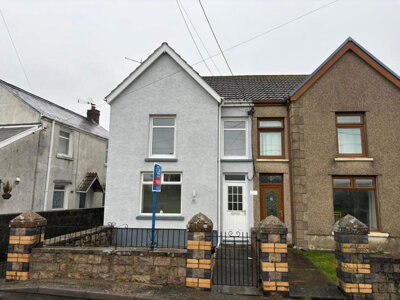
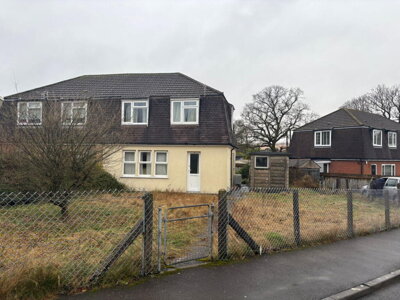
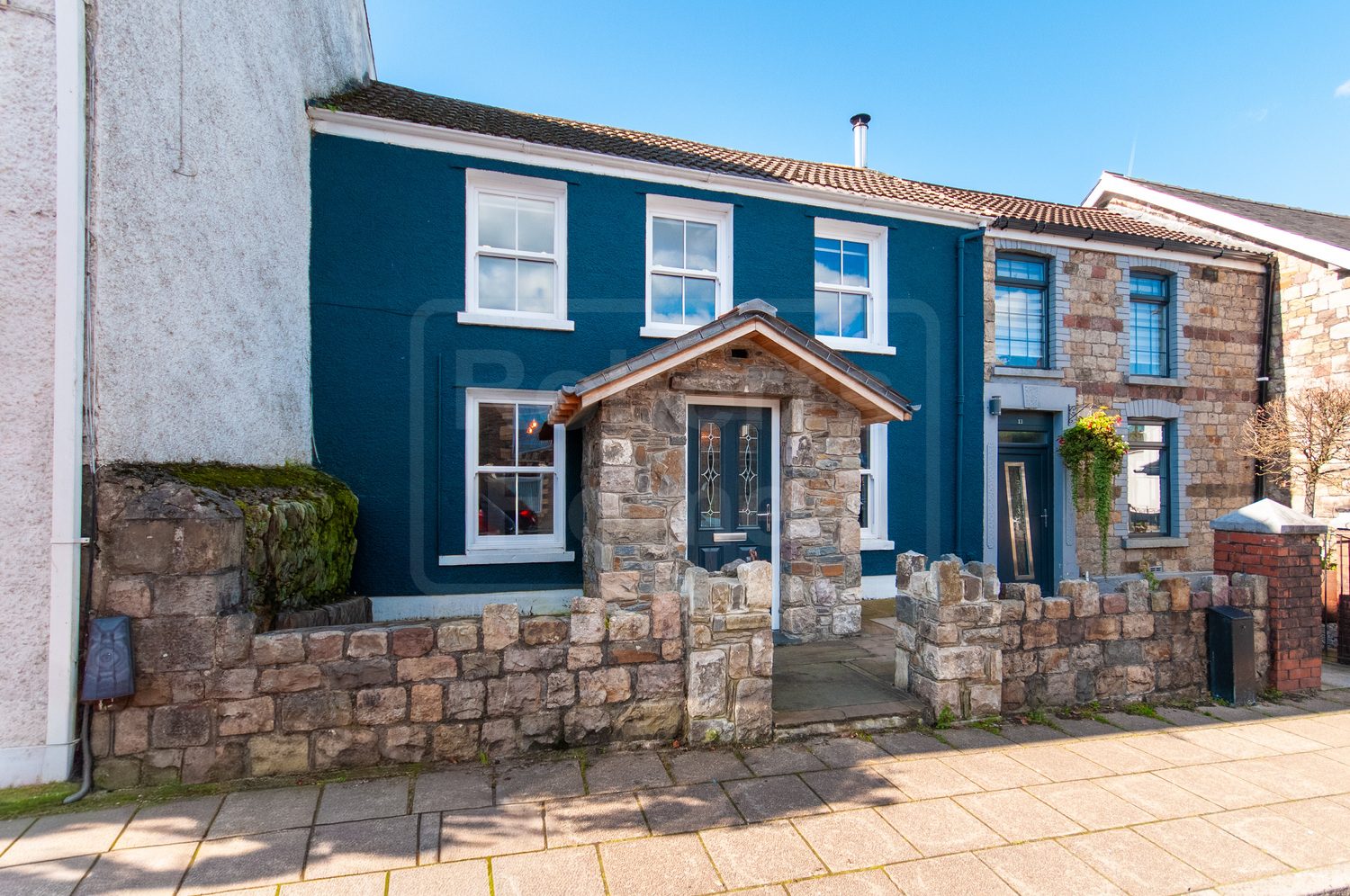
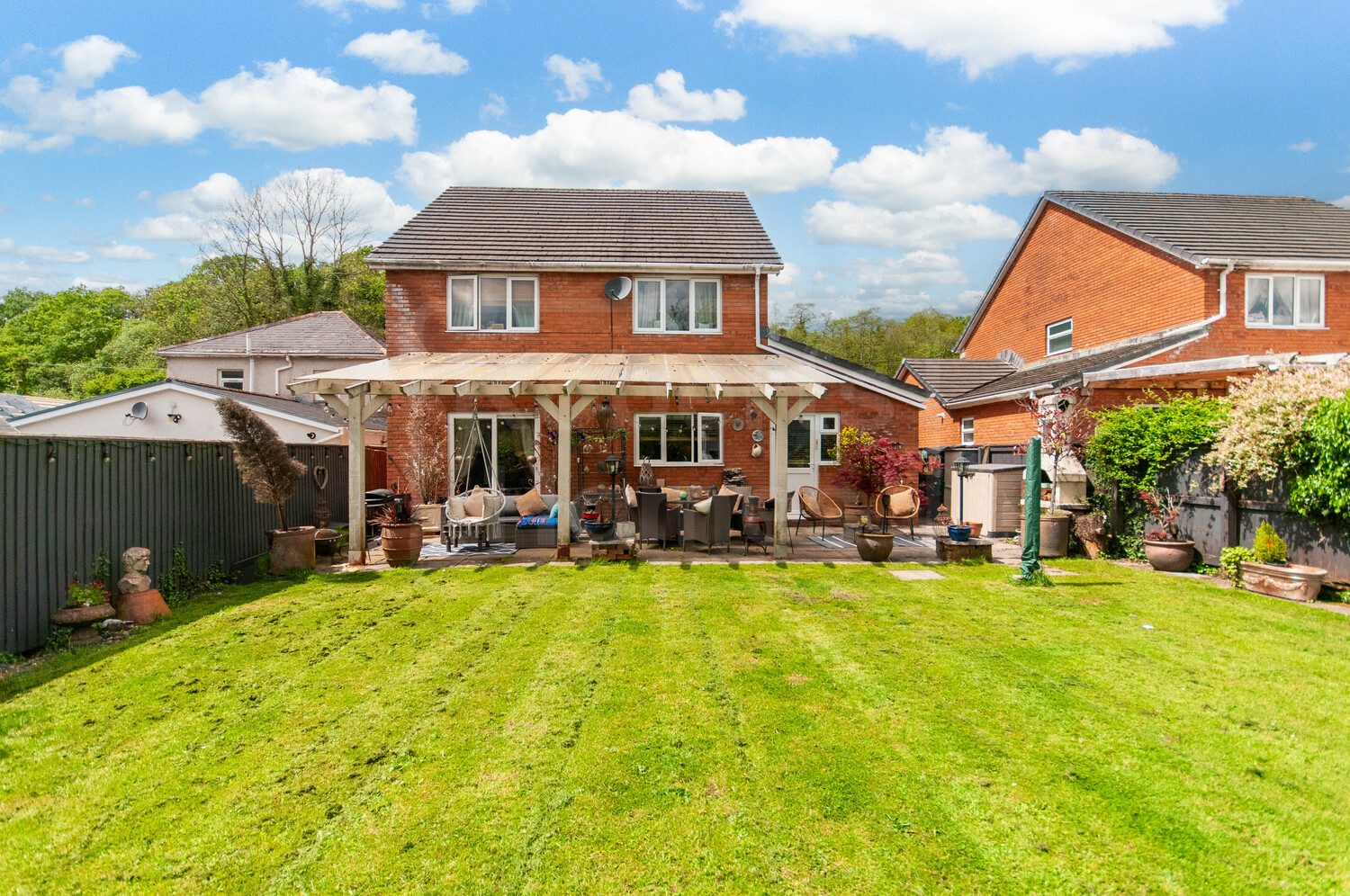
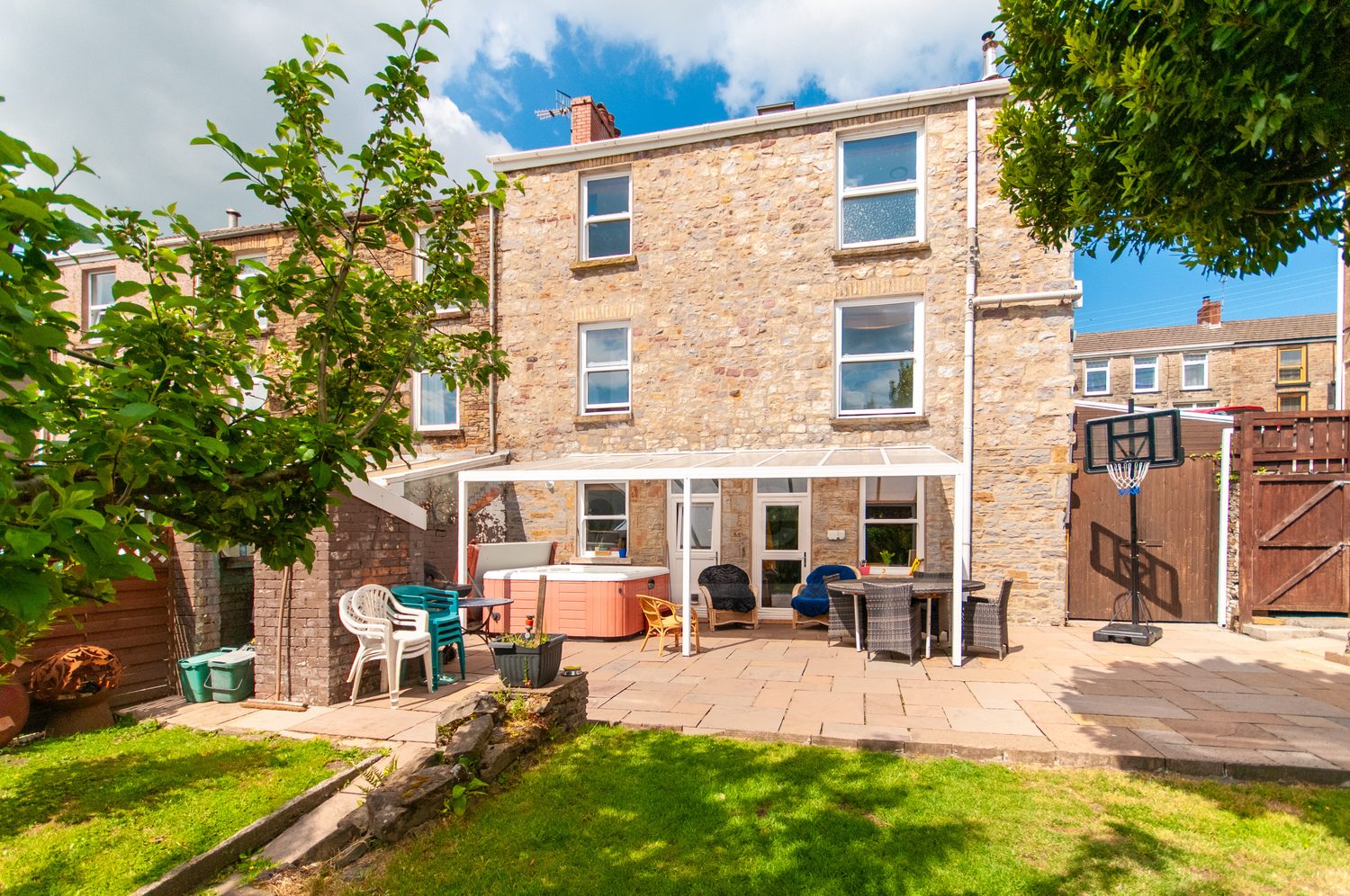
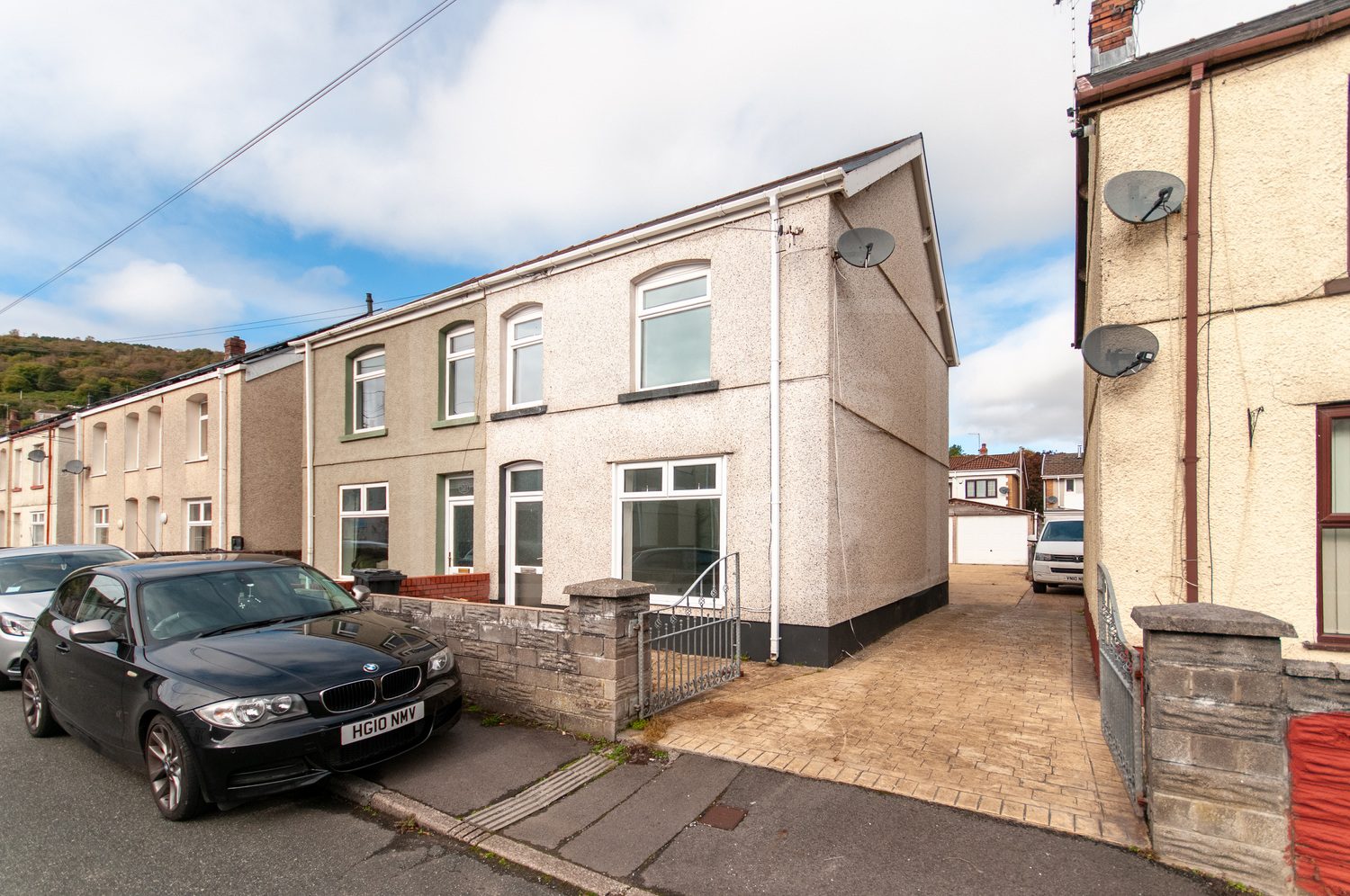
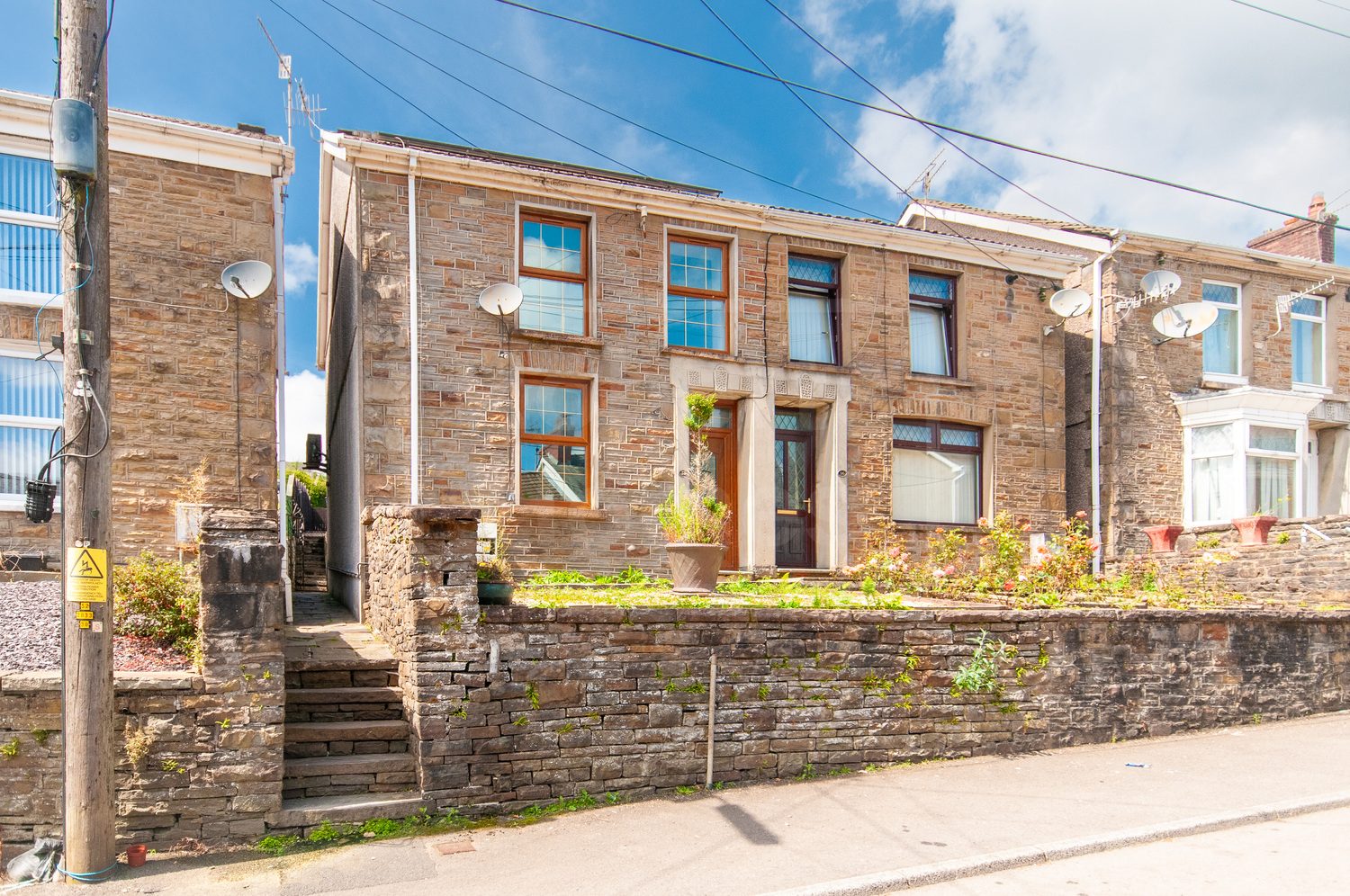
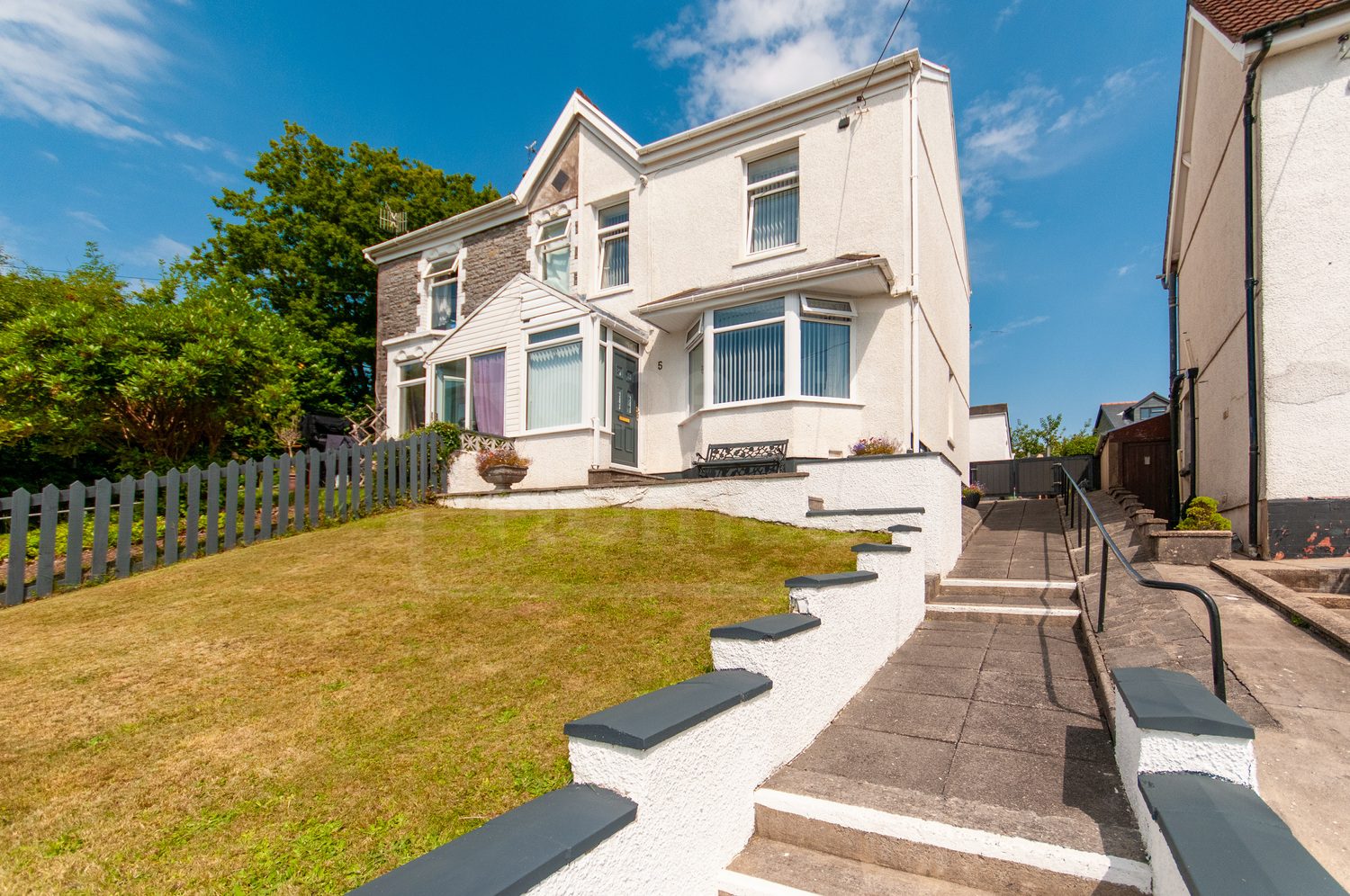
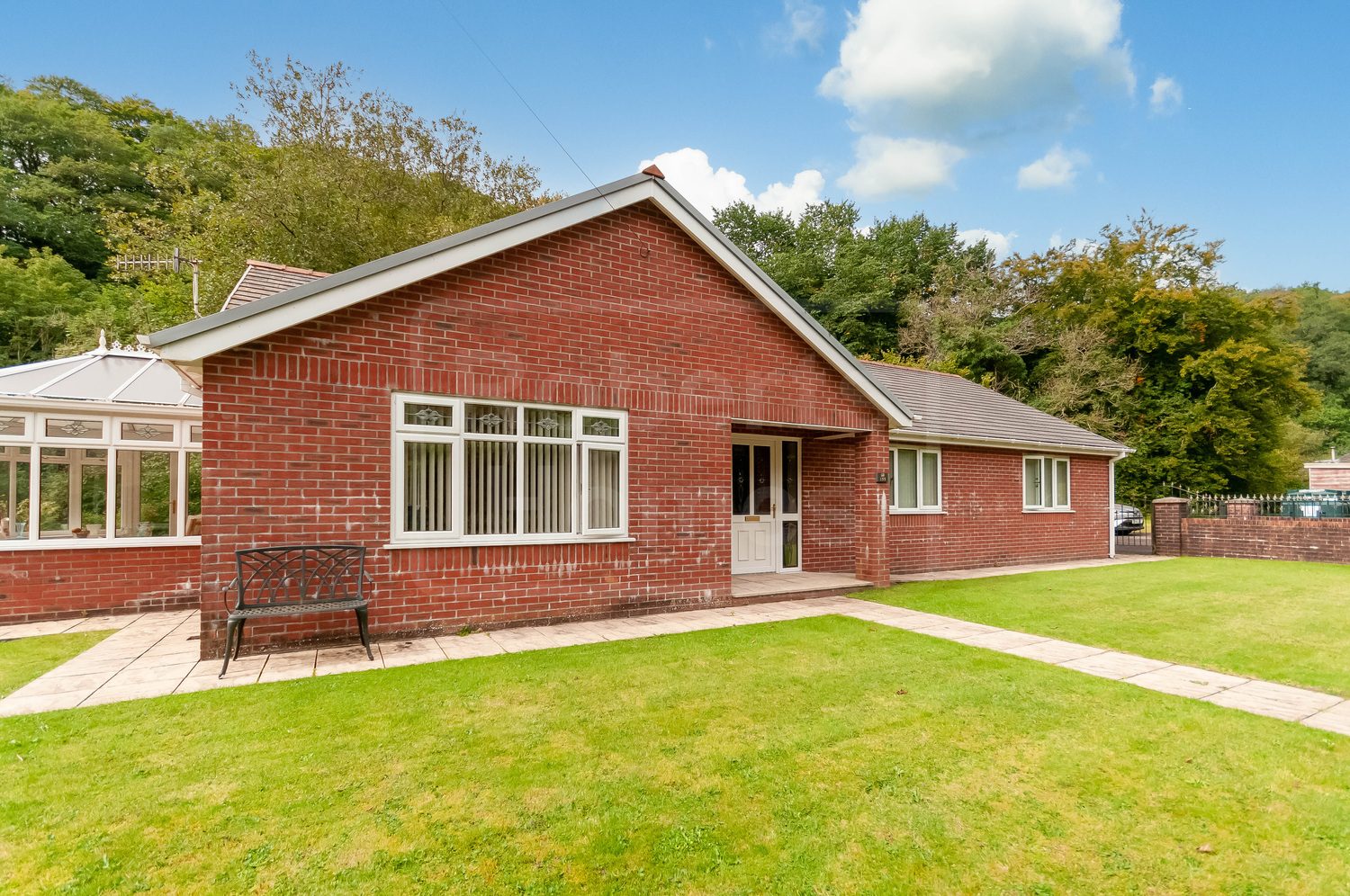
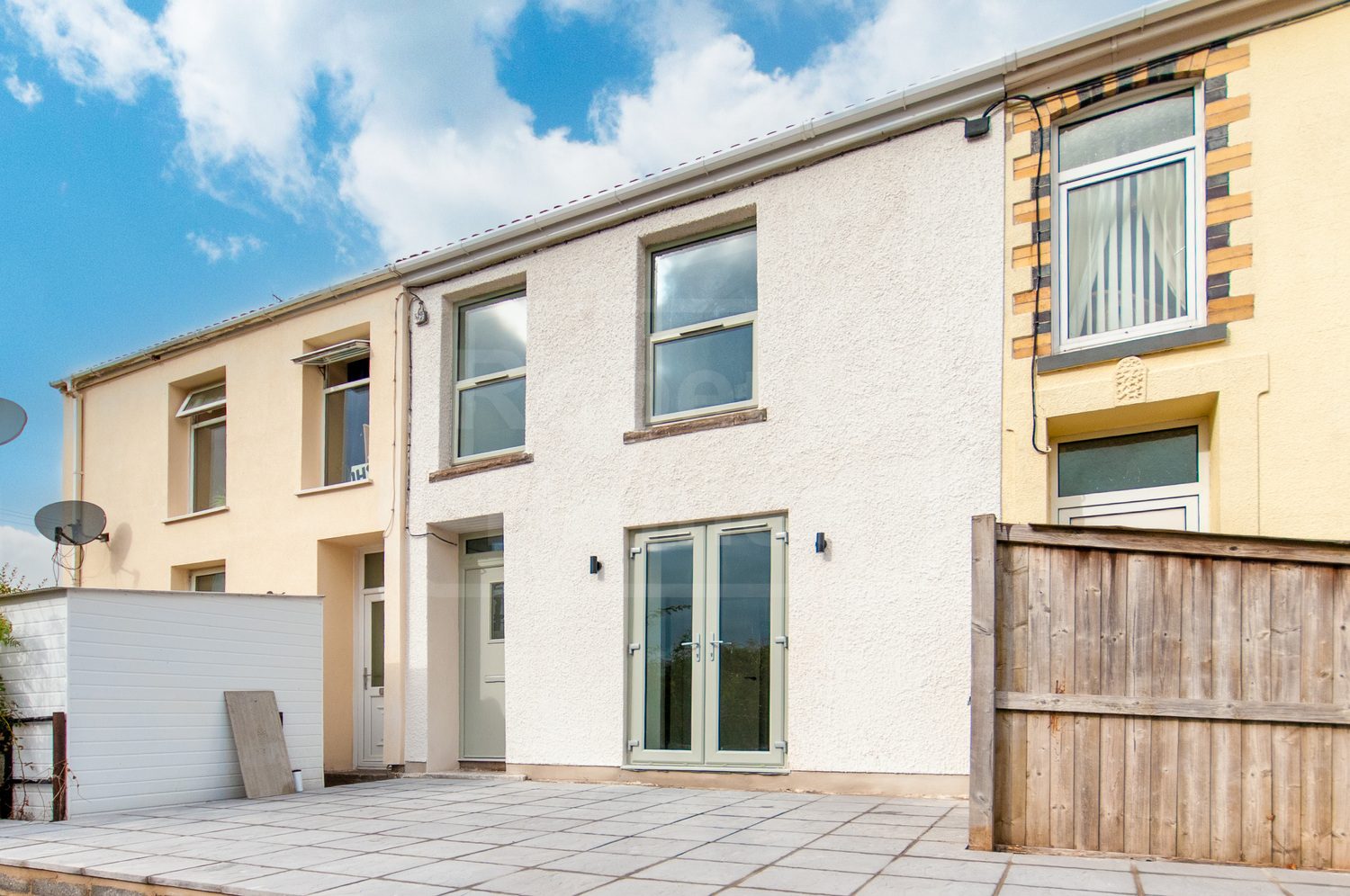
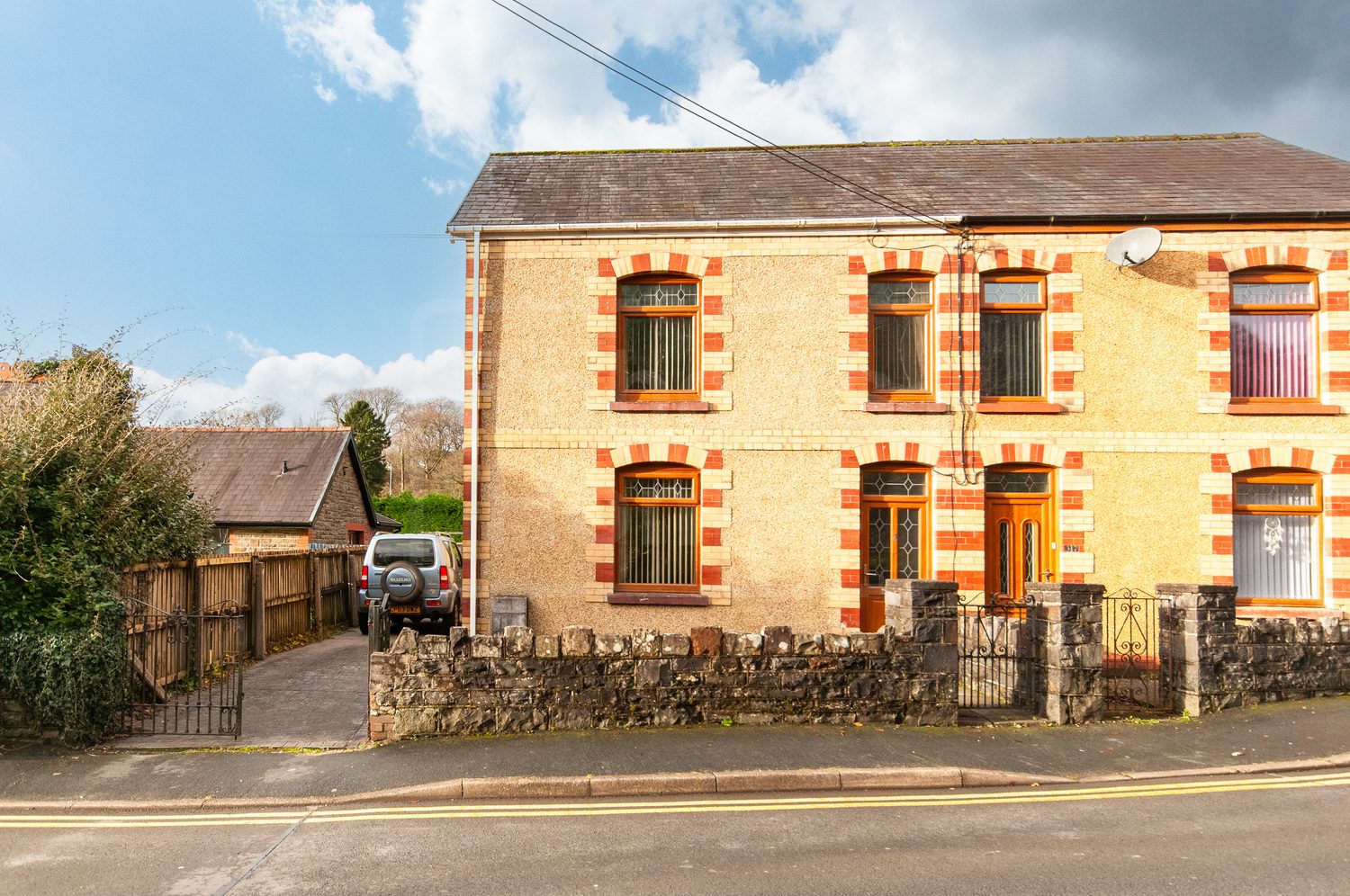
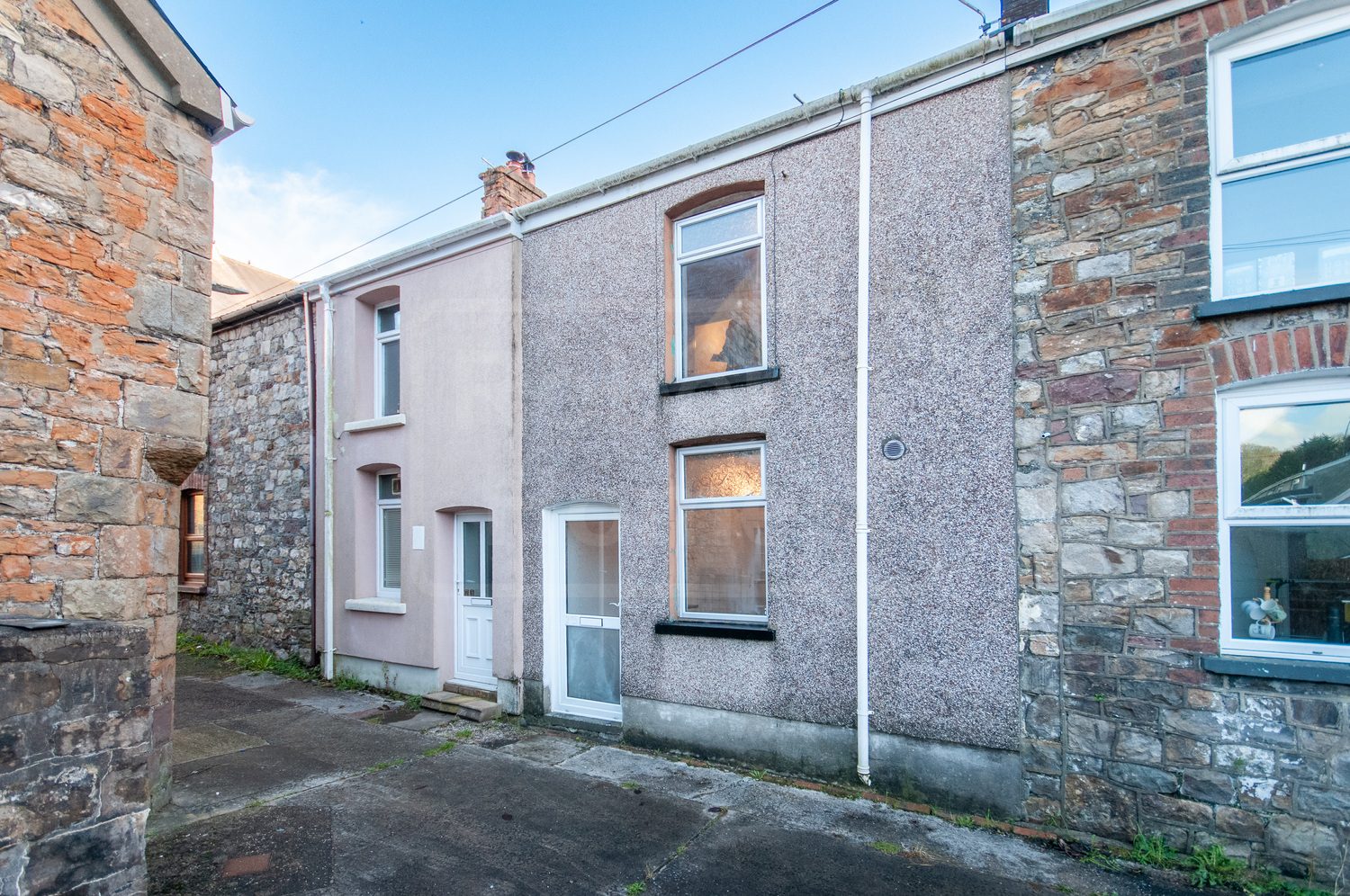
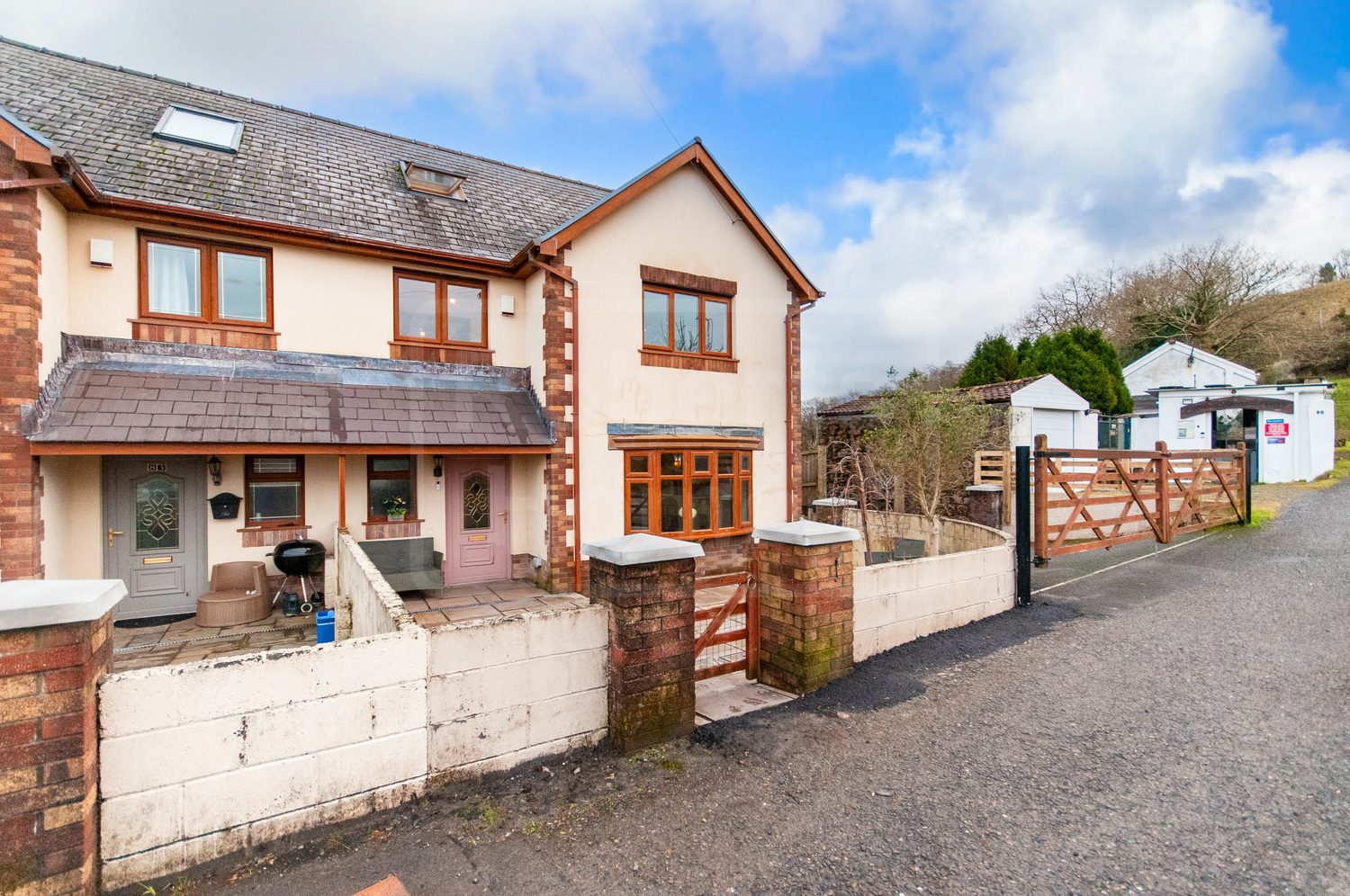
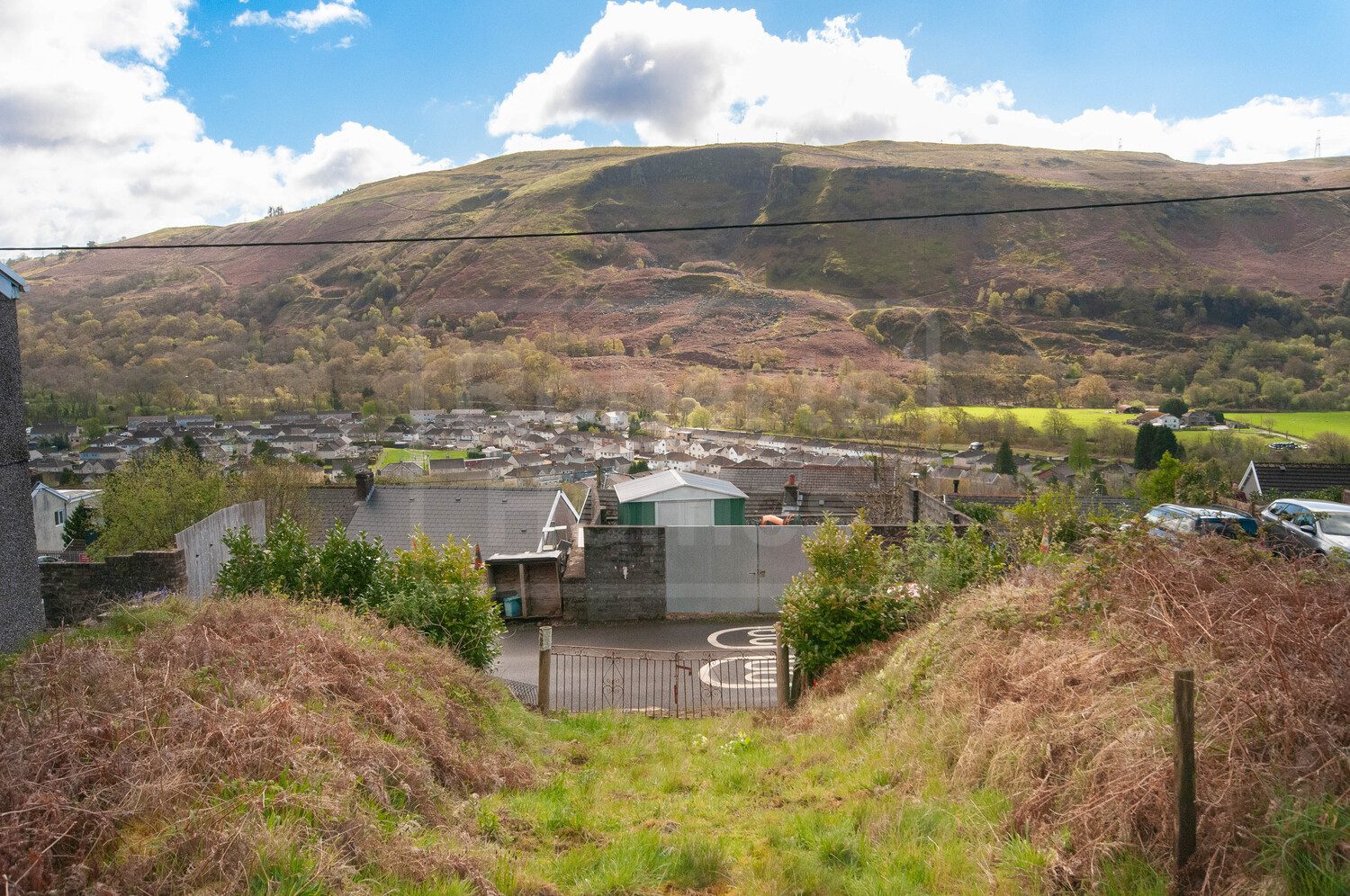
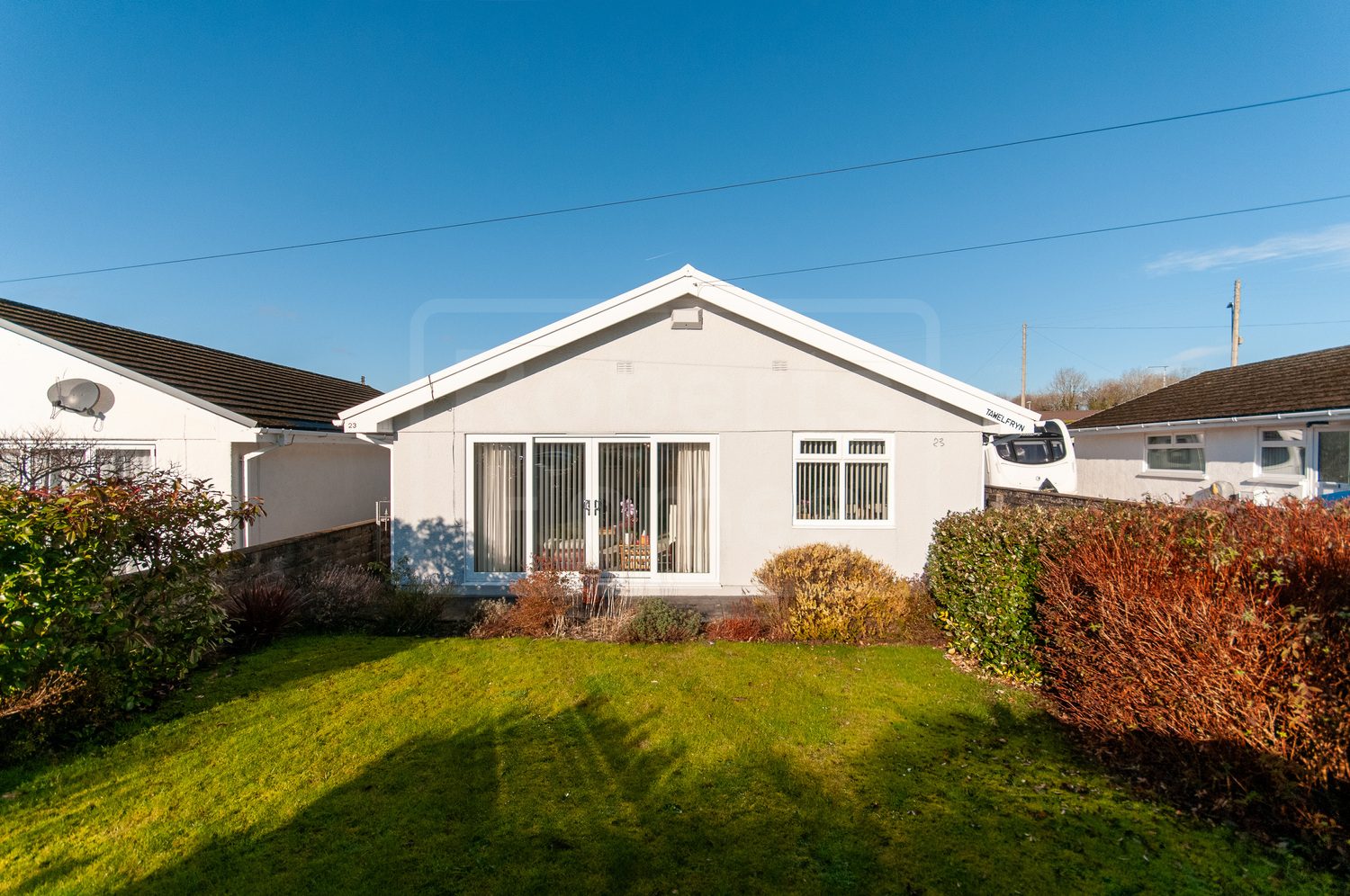
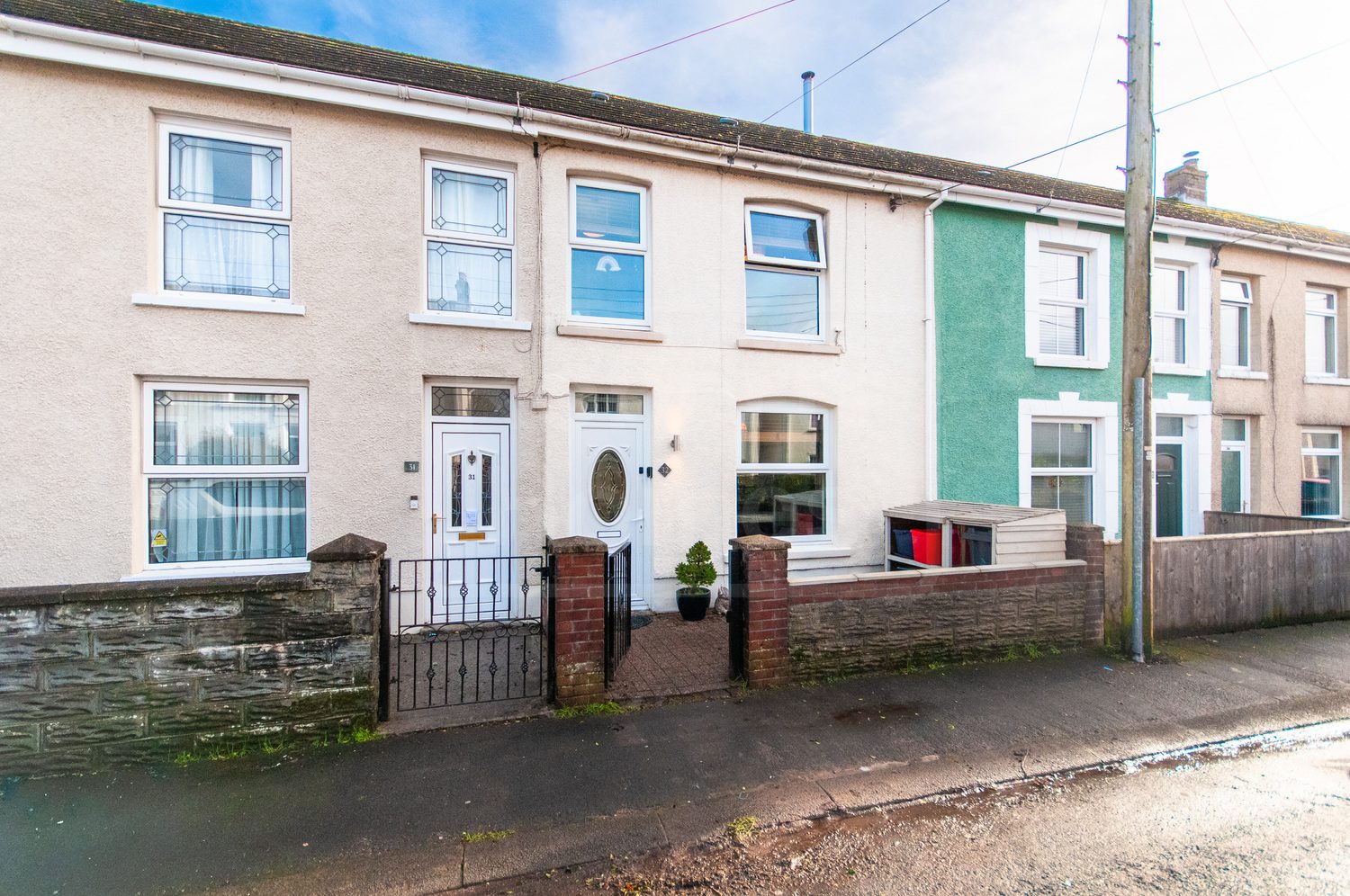
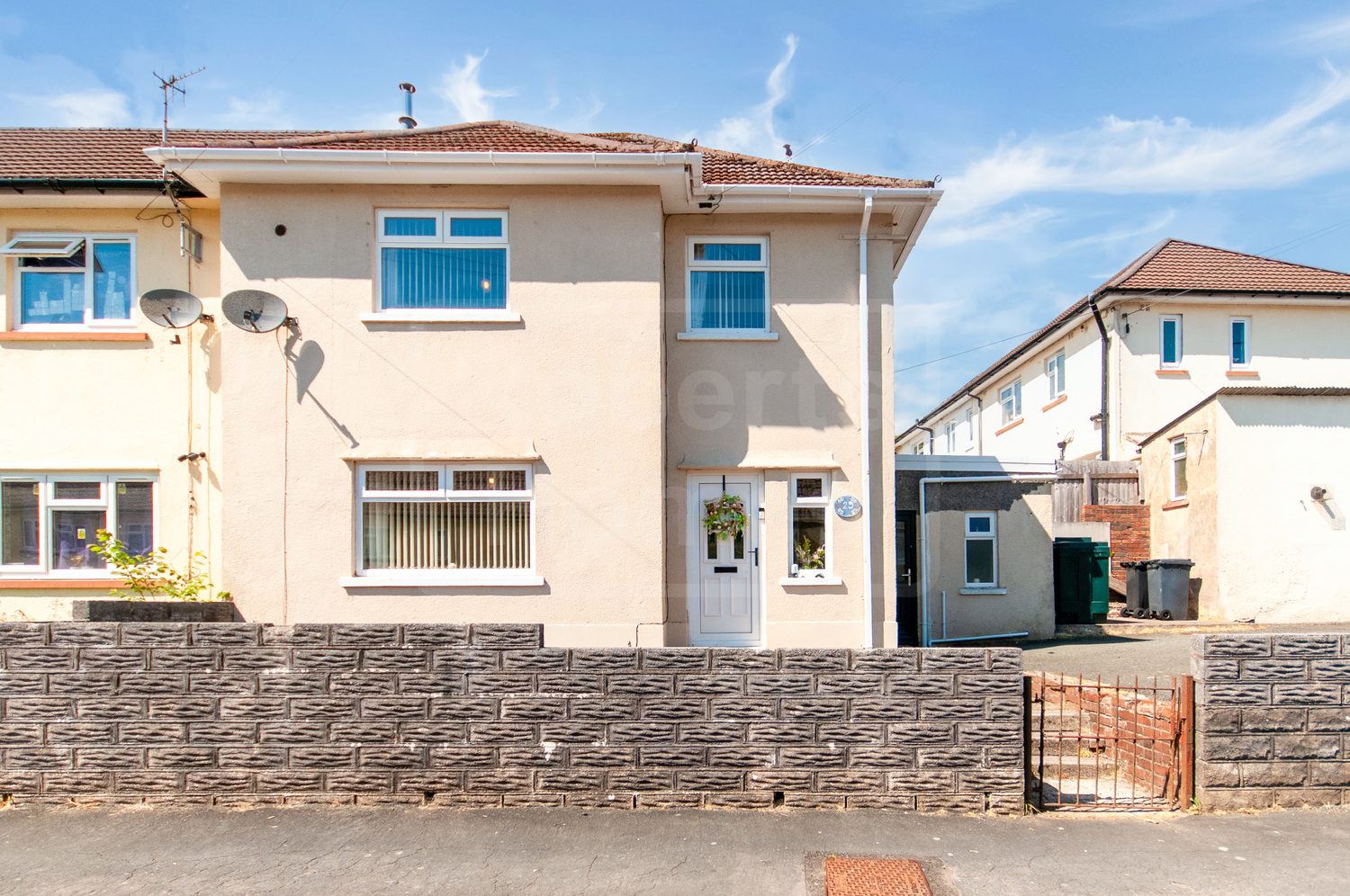
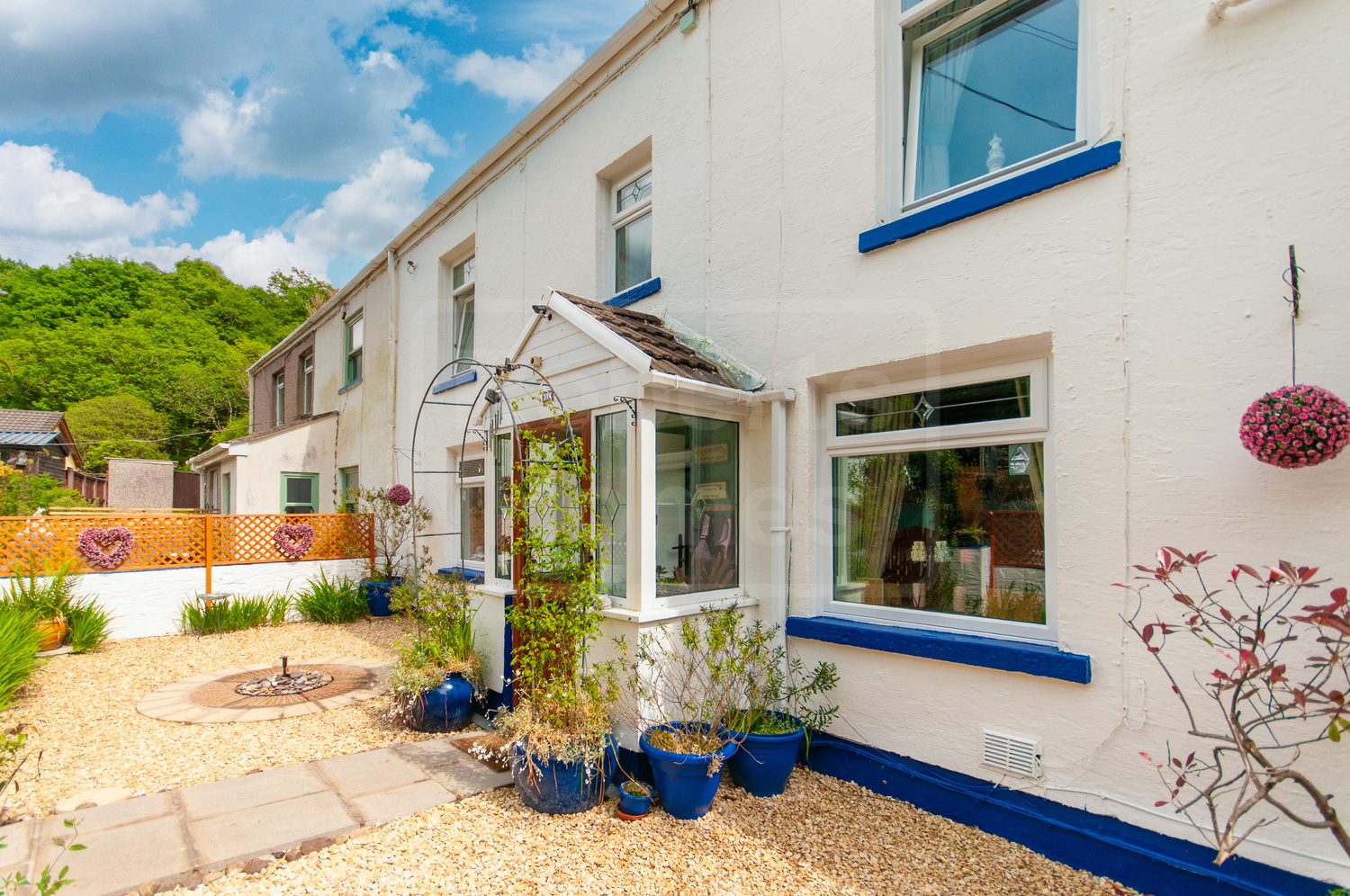
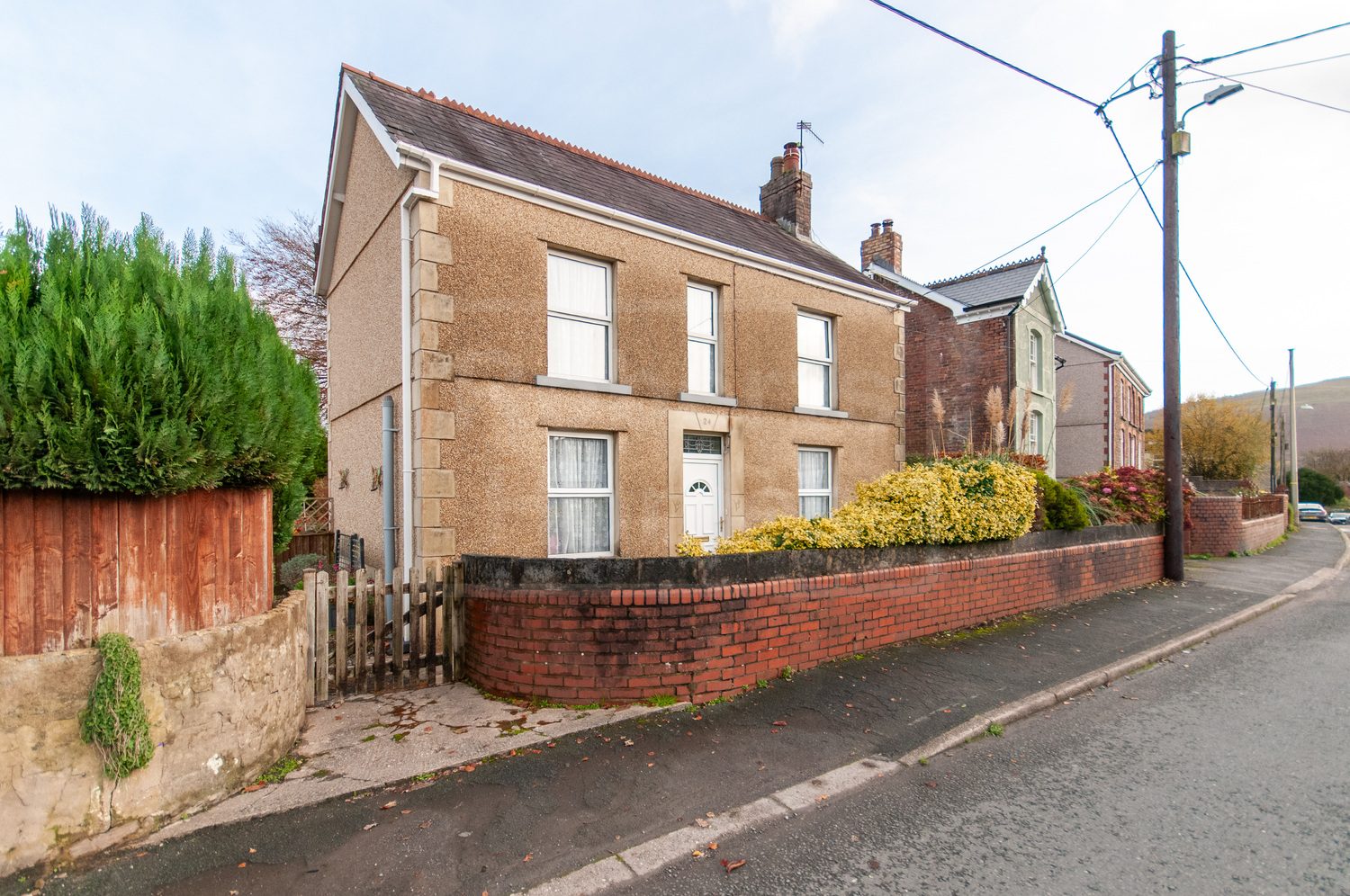
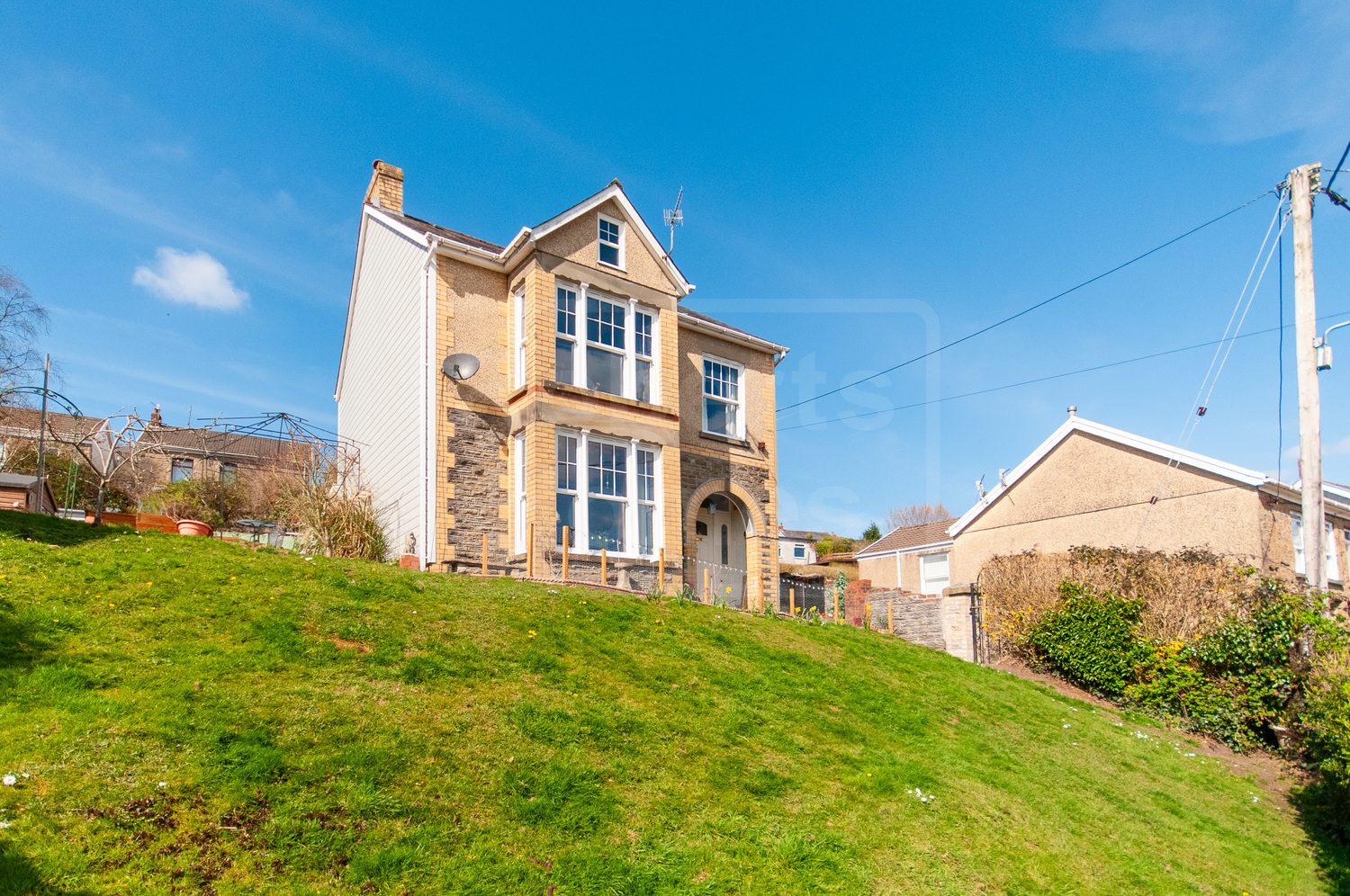
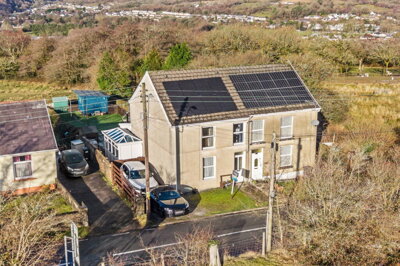
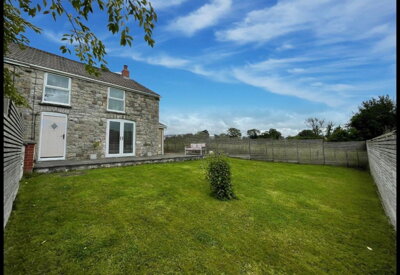
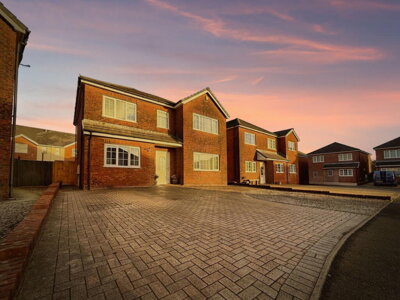
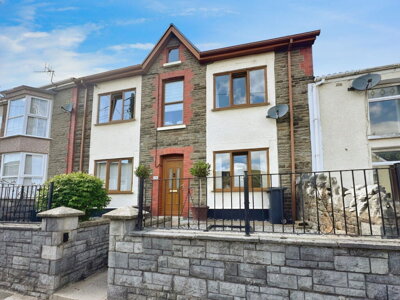
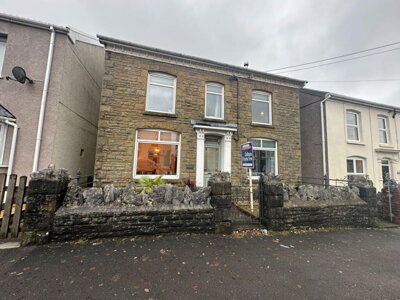
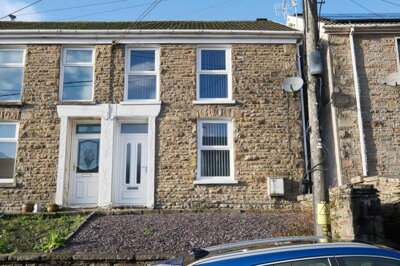
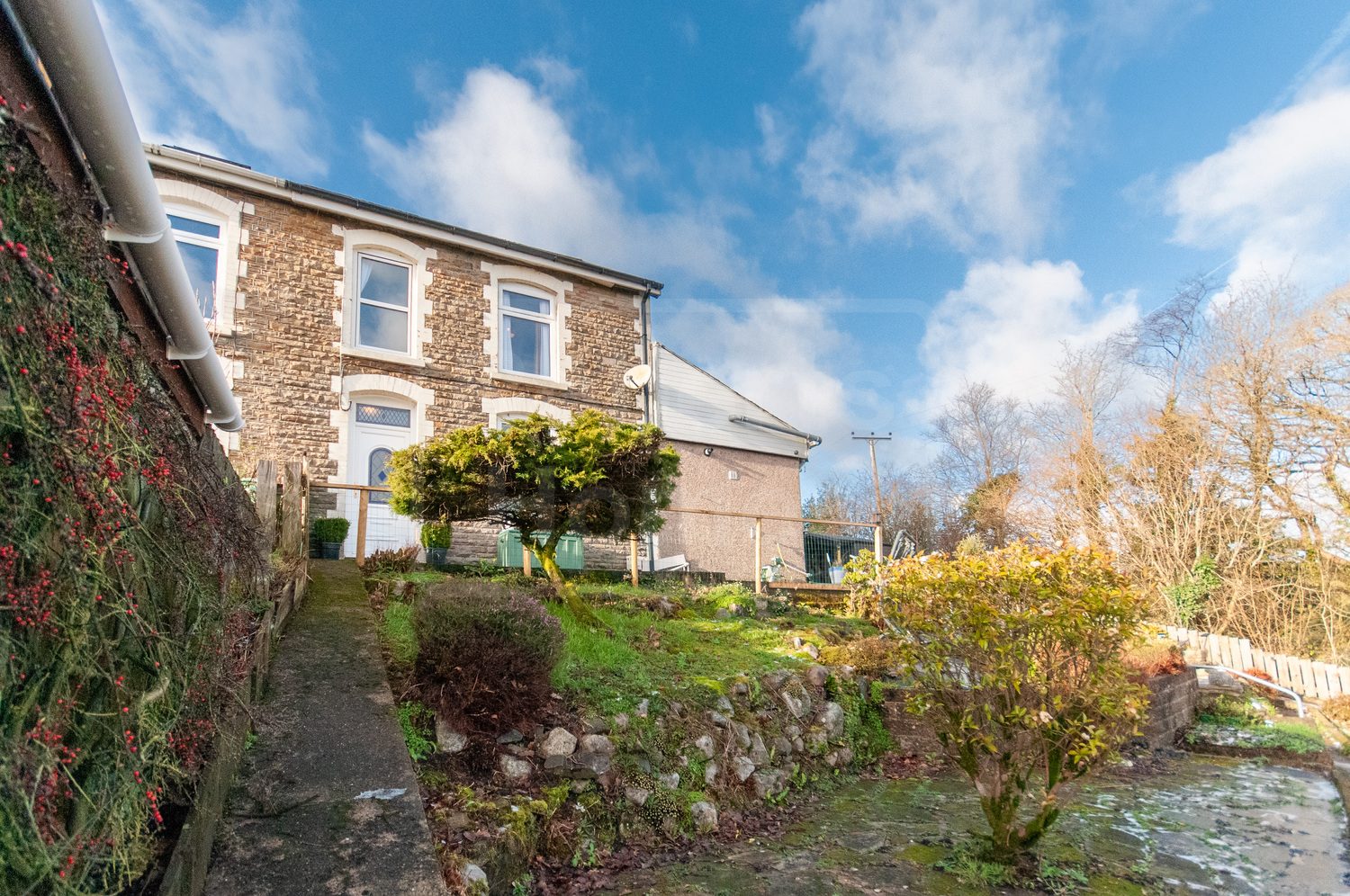
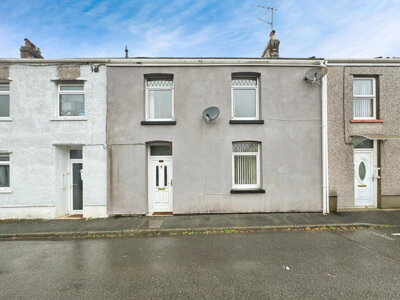
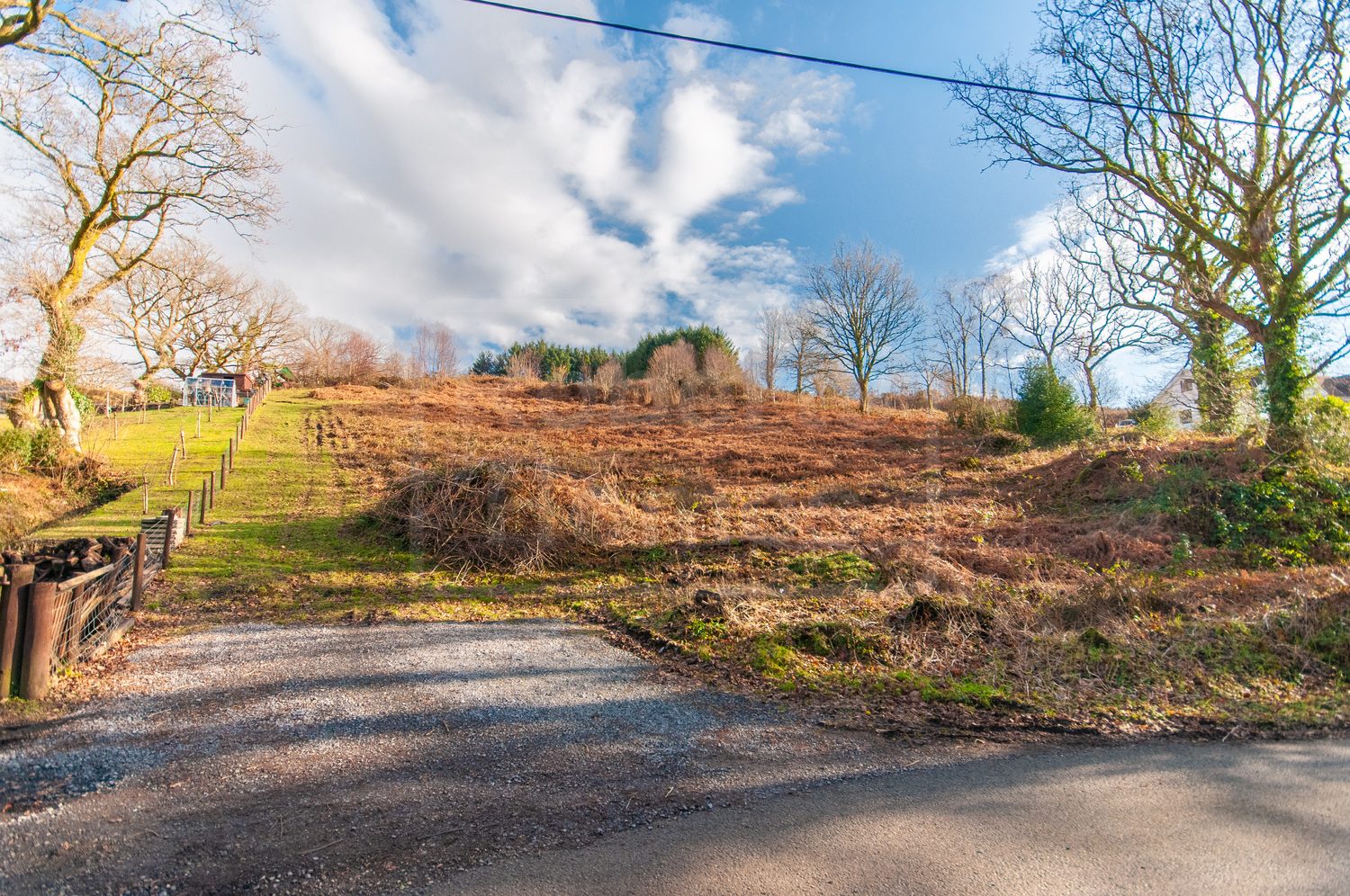
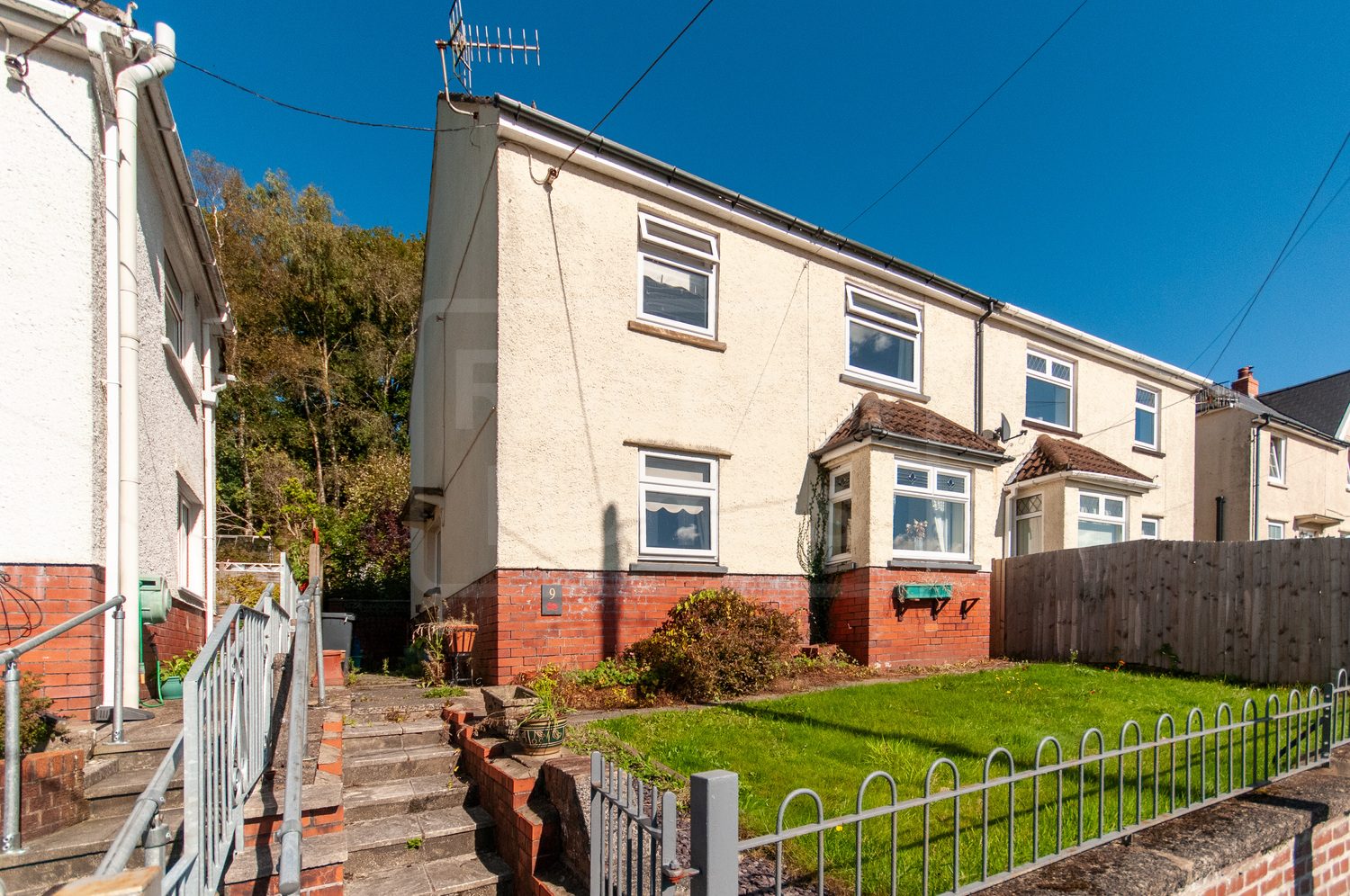
Browse 225 homes for sale in Ystradgynlais, Powys from local estate agents.
£275k
61
2
132
Source: home.co.uk
Source: home.co.uk
Detached
18 listings
Avg £415,000
Semi-Detached
14 listings
Avg £199,643
semi_detached
5 listings
Avg £239,970
End of Terrace
4 listings
Avg £145,000
Terraced
4 listings
Avg £138,750
other
4 listings
Avg £274,988
Detached Bungalow
3 listings
Avg £315,000
terraced
3 listings
Avg £188,000
Bungalow
2 listings
Avg £412,500
Semi-Detached Bungalow
1 listings
Avg £220,000
Source: home.co.uk
Source: home.co.uk
The Woolfardisworthy property market offers a traditional mix of property types that reflect its historic North Devon character. Detached homes dominate the local housing stock at around 45% of properties, with semi-detached houses comprising approximately 30% of the market. This prevalence of larger family homes makes the village particularly attractive to buyers seeking space both inside and out. Terraced properties account for roughly 15% of homes and represent the most affordable entry point into the local market, with typical prices around £200,000 for a three-bedroom property.
Current market data shows detached properties averaging £375,000, semi-detached homes at £275,000, and flats starting from approximately £150,000. The average overall price of £326,900 positions Woolfardisworthy competitively within the Torridge district, where similar villages often command higher premiums. Property prices have remained stable with modest positive growth of 2.5% year-on-year, suggesting a healthy market without the volatility seen in coastal tourist hotspots. The village lacks active new-build developments within the EX39 postcode, meaning buyers seeking modern specifications should explore nearby towns or consider properties that have undergone recent renovation.
Approximately 80% of properties in Woolfardisworthy were built before 1980, with a significant proportion constructed before 1945 using traditional methods and local materials. This older housing stock includes a substantial number of character properties featuring original stonework, slate roofing, and period details that appeal to buyers seeking homes with history and charm. Understanding the age and construction of your potential purchase is essential, and our inspectors strongly recommend arranging a RICS Level 2 Survey before committing to any property in the village.
Woolfardisworthy embodies the essence of rural Devon life with a population of approximately 1,200 residents across 500 households. The village maintains a strong sense of community, with regular events, an active parish council, and locally owned businesses serving as gathering points for neighbours. The Church of St Mary, a Grade I listed building dating from the medieval period, stands as the spiritual and historical heart of the community, its impressive tower visible from across the surrounding countryside. The presence of a Conservation Area covering the historic core ensures that new development respects the traditional character that makes Woolfardisworthy so appealing to buyers seeking authentic village living.
The local economy centres on agriculture and tourism, with many residents commuting to larger towns like Bideford or Barnstaple for employment. The surrounding countryside offers excellent walking opportunities, with footpaths crossing farmland and woodland that showcase the natural beauty of the Torridge district. Local amenities include a convenience store, primary school, village hall, and a traditional pub serving hearty meals and local ales. The slower pace of life in Woolfardisworthy appeals particularly to families seeking a safe environment for children to grow up, retirees looking to escape the pressures of urban living, and remote workers who can base themselves in this connected rural location.
Building materials in the village reflect North Devon's geological heritage, with properties constructed from local slate, sandstone, and traditional cob render over brick. The Devonian slate and sandstone geology that underlies the area contributes to the distinctive character of village buildings, many featuring slate roofs that weather beautifully in the Atlantic climate. Understanding these traditional construction methods is valuable when evaluating property condition, and our team recommends that buyers familiarise themselves with the typical building issues associated with older rural properties before making a purchase decision.

The properties in Woolfardisworthy showcase traditional building techniques that have been used in North Devon for centuries. Local sandstone and slate, quarried from the surrounding geology, form the foundation of most historic buildings in the village. These materials were chosen for their availability and durability in the local climate, though they require different maintenance approaches compared to modern construction materials. Our surveyors frequently encounter these traditional building methods when inspecting properties in the area, and understanding their characteristics helps buyers appreciate both the charm and the maintenance responsibilities that come with period properties.
Many properties built before 1945 feature solid brick or stone walls without cavity insulation, which can be more susceptible to damp penetration than modern cavity wall construction. The render finishes applied to many homes, often containing traditional lime mortar rather than modern cement, allow the walls to breathe more naturally but may require repointing and repairs over time. Our inspectors check these wall constructions carefully during surveys, looking for signs of moisture ingress, crumbling mortar, and structural movement that can indicate more serious problems. Properties with original solid wall construction that have been fitted with inappropriate modern cement render can develop significant damp issues, as the render traps moisture that would normally evaporate through breathable lime pointing.
Slate roofing predominates throughout Woolfardisworthy, with traditional Welsh or Devonian slate tiles covering most period properties. These roofs have proven durable over many decades but require regular inspection and maintenance to prevent water ingress. Our surveyors frequently find slipped, broken, or missing slates during inspections, particularly on roofs that have not been professionally maintained. Lead flashings around chimneys, valleys, and roof junctions are another common source of problems in older properties, as the lead deteriorates over time and can develop cracks or lifting that allows water to penetrate the roof structure. When commissioning a survey on any Woolfardisworthy property, buyers should ensure the surveyor pays particular attention to roof condition and the integrity of lead work.
Education provision in Woolfardisworthy centres on the local primary school, which serves children from Reception through to Year 6. The school provides a nurturing environment with smaller class sizes than typically found in urban schools, allowing teachers to offer more individual attention to each pupil. For families considering a move to the village, our team recommends visiting the school during term time to experience the learning environment firsthand and speak with staff about the curriculum and extracurricular activities available to students. The school serves as a community hub, hosting events and activities that bring together families from across the village and surrounding countryside.
Secondary education options for Woolfardisworthy residents include schools in the surrounding towns, with families typically factoring school transport arrangements into their property search. Several secondary schools in the Bideford and Barnstaple areas serve the village, with some operating catchment areas that include Woolfardisworthy. Parents should verify current catchment arrangements with Devon County Council before committing to a purchase, as school admissions policies can change and directly impact property values in certain areas. Independent schooling options are also available in nearby towns for families seeking alternative educational approaches, with some parents choosing to explore these options when making longer-term education plans for their children.
Further education opportunities are readily accessible in Barnstaple, the largest town in North Devon, which offers a college providing A-levels, vocational courses, and apprenticeships. The presence of these further education options within reasonable commuting distance adds to Woolfardisworthy's appeal for families with teenage children who wish to remain in the village through their secondary education before pursuing higher qualifications locally. Many families find that the combination of primary education in the village itself, secondary options within easy driving distance, and further education in Barnstaple provides a complete educational pathway without requiring board school children away from the family home.
Transport connections from Woolfardisworthy reflect its rural character, with residents relying primarily on private vehicles for daily commuting and errands. The village sits approximately 8 miles from Bideford and around 15 miles from Barnstaple, the main commercial centre of North Devon. The journey to Barnstaple typically takes around 35 minutes by car, passing through scenic countryside that makes even routine trips enjoyable. For those working in either town, the commute is manageable and offers the benefit of countryside living without excessive travel times. Road connections to both towns are via rural A-roads that can become narrower in places, and residents should factor this into journey planning during winter months when weather conditions may affect travel times.
Public transport options include bus services connecting Woolfardisworthy to surrounding villages and towns, though frequencies are limited compared to urban routes. Residents without cars should factor these schedules carefully into their daily routines, as missing a bus can mean significant wait times before the next service. The nearest railway stations are located in Barnstaple and Crediton, with Crediton offering connections to Exeter and the national rail network beyond. For air travel, Exeter Airport provides international connections within approximately 90 minutes' drive of the village, while Bristol Airport offers additional options for longer-haul destinations within around two and a half hours' drive.
Cycling is popular among local residents, with many using bikes for shorter journeys to nearby villages. The relatively flat terrain in parts of the surrounding area makes cycling accessible for most fitness levels, though the narrow country lanes require appropriate caution. Several signed cycle routes pass through the area, connecting Woolfardisworthy with neighbouring communities and offering opportunities for recreational cycling as well as commuting. For commuters working from home, superfast broadband is increasingly available in the village, though speeds can vary by location. Our team recommends verifying broadband availability at any specific property address, as this has become essential for remote workers and can significantly impact quality of life in rural locations.
Start by browsing available properties in Woolfardisworthy and understanding current price ranges for different property types. With 15 sales in the past year and an average price of £326,900, the local market is active enough to offer choices but not so overheated that you need to rush. Register with Homemove for instant alerts when new properties matching your criteria become available. Setting up saved searches and property alerts ensures you never miss a new listing in this desirable North Devon village.
Spend time in Woolfardisworthy at different times of day and week to get a genuine feel for village life. Visit the local amenities, explore the surrounding countryside on foot, and speak with residents about their experiences living in the community. Check travel times to your workplace and verify accessibility of local services that are important to your household. Our inspectors often comment that walking the village on a market day or during a local event provides invaluable insight into community spirit that photographs cannot capture.
Before making any offers, obtain a mortgage agreement in principle from a lender. This demonstrates your credibility as a buyer and helps you understand exactly how much you can afford to spend. Our mortgage comparison tool allows you to compare rates from multiple lenders and find the best deal for your circumstances. Factor in additional costs including stamp duty, legal fees, and survey costs when setting your budget, as these can add several thousand pounds to the total purchase price.
Once you have identified suitable properties, arrange viewings and visit properties multiple times if possible. When you find your ideal home, submit a formal offer through the estate agent. Be prepared to negotiate on price and conditions, particularly for older properties where surveys may reveal issues requiring price adjustments. In a village like Woolfardisworthy, properties in good condition can attract competitive interest, so being prepared to move quickly when you find the right property is advisable.
Arrange a RICS Level 2 Survey on the property before exchanging contracts. For the older properties common in Woolfardisworthy, this is particularly important as the survey will identify any structural issues, damp problems, or roof defects common in traditional buildings. Survey costs in the area typically range from £400 to £700 depending on property size and complexity. Our team can connect you with qualified surveyors who know the local housing stock and understand the typical defects found in North Devon properties.
Appoint a conveyancing solicitor to handle the legal aspects of your purchase. They will conduct searches, handle contracts, and coordinate with the Land Registry to register your ownership. On completion day, you will receive the keys to your new Woolfardisworthy home and can begin your life in this beautiful North Devon village.
Properties in Woolfardisworthy require careful scrutiny due to the age and traditional construction methods prevalent throughout the village. With approximately 35% of homes built before 1919 and many featuring solid walls rather than cavity insulation, our inspectors frequently identify signs of damp penetration during surveys, both rising damp and penetrating damp through traditional walls. Timber defects including rot and woodworm can affect older roof structures, particularly where maintenance has been neglected or original slate coverings have deteriorated. A thorough survey conducted by a qualified RICS surveyor will identify these issues before you commit to purchase.
Surface water flood risk exists in certain low-lying areas of Woolfardisworthy, particularly near minor watercourses that run through the village. While the village is not on a major river or coastal area, these local streams can cause localised flooding during periods of heavy rainfall. Prospective buyers should check the Environment Agency flood risk maps for any specific property and consider whether flood resilience measures have been installed. Properties in affected areas may face higher insurance premiums, so obtaining quotes before completing your purchase is advisable. Our surveyors always check for signs of previous water ingress and assess the property's drainage arrangements during inspections.
The village's Conservation Area status brings additional considerations for property owners. Any significant alterations, extensions, or changes to the exterior of properties within the Conservation Area require planning permission from Torridge District Council. These requirements preserve the village's historic character but mean that renovation projects may face more scrutiny than in non-designated areas. Listed buildings carry even stricter requirements, with works potentially needing consent from both the council and Historic England. Budget for these potential constraints when planning any purchases that may require future modification.
The average property price in Woolfardisworthy (EX39) stands at £326,900 as of February 2026. Property prices have increased by 2.5% over the past twelve months, indicating steady and sustainable growth in the local market. Detached properties average £375,000, semi-detached homes £275,000, terraced properties £200,000, and flats around £150,000. This pricing positions Woolfardisworthy as an affordable option within North Devon, particularly when compared to coastal areas where prices have risen more aggressively in recent years.
Properties in Woolfardisworthy fall under Torridge District Council and typically range from Council Tax Band A to Band D, depending on the property's assessed value. Band A properties, typically smaller terraced houses and flats, attract the lowest annual charges, while larger detached family homes often fall into Bands C or D. You can verify the specific banding for any property through the Valuation Office Agency website using the property address or postcode. Council tax bands directly affect ongoing running costs, so this should form part of your budget calculations when considering different properties.
Woolfardisworthy has a well-regarded primary school serving children from Reception through Year 6, with class sizes typically smaller than urban schools allowing for more individual attention. Secondary school options in the surrounding area include schools in Bideford and Barnstaple, with catchment areas determined by Devon County Council based on home address. Barnstaple also offers further education opportunities through the local college, providing A-levels and vocational courses for students continuing their education beyond GCSE.
Public transport options in Woolfardisworthy are limited compared to urban areas, with bus services connecting the village to surrounding towns but operating at frequencies lower than city routes. The nearest railway stations are in Barnstaple and Crediton, with Crediton offering connections to Exeter and the national rail network. Most residents rely on private vehicles for daily commuting, with the journey to Barnstaple taking approximately 35 minutes by car. For air travel, Exeter Airport is around 90 minutes' drive away, providing international connections for business and leisure travel.
Woolfardisworthy offers solid fundamentals for property investment, with steady price growth of 2.5% annually reflecting sustained demand for rural properties in North Devon. The village's limited new-build supply means demand consistently outstrips new development, supporting long-term values. Rental demand exists from professionals working in nearby towns, families seeking rural lifestyles, and seasonal workers in the agricultural and tourism sectors. However, investors should note the small market size with only around 15 sales annually, which can limit liquidity and should influence investment strategy accordingly. Capital growth prospects remain positive as more buyers seek rural locations following shifts in working patterns.
Stamp Duty Land Tax for 2024-25 applies at 0% on the first £250,000 of residential property purchases, 5% on the portion from £250,001 to £925,000, 10% from £925,001 to £1.5 million, and 12% above £1.5 million. First-time buyers benefit from increased thresholds, paying 0% on the first £425,000 and 5% between £425,001 and £625,000. Given that the average property price of £326,900 falls below the standard nil-rate threshold, many buyers purchasing at average prices may pay no stamp duty at all, representing significant savings compared to purchasing in more expensive regions.
Properties in Woolfardisworthy frequently exhibit defects related to their age and traditional construction. Common issues include damp penetration due to the absence of modern damp-proof courses, timber defects such as rot and woodworm in roof structures, and slipped or deteriorating slate tiles on older roofs. Lead flashings on traditional buildings often show age-related deterioration that can cause water ingress. Electrical systems in properties built before the 1980s frequently do not meet current safety standards and may require complete rewiring. Our inspectors strongly recommend commissioning a RICS Level 2 Survey before purchasing any property in the village, as this investment can identify problems that might cost thousands to rectify.
Broadband availability in Woolfardisworthy has improved significantly in recent years, with superfast broadband now accessible in many parts of the village. However, speeds can vary considerably depending on your exact location and the local infrastructure serving your property. We recommend testing broadband speeds at any property you are considering purchasing. Mobile coverage varies by network, with some providers offering good 4G signals while others may experience reduced coverage in parts of the village due to its rural location and surrounding topography. Remote workers should pay particular attention to both broadband speed and mobile coverage when evaluating a property, as reliable connectivity has become essential for home working.
From £400
A detailed inspection of the property condition, ideal for traditional homes in Woolfardisworthy
From £600
A comprehensive building survey for older or complex properties
From £80
Energy performance certificate required for all property sales
From 3.99%
Compare rates from multiple lenders to find the best deal
From £499
Expert legal services for your property purchase
Understanding the full costs of purchasing property in Woolfardisworthy extends beyond the asking price to include stamp duty, legal fees, surveys, and moving expenses. The good news for buyers in this price range is that the average property price of £326,900 falls entirely within the standard nil-rate stamp duty band, potentially saving thousands compared to purchases in more expensive regions. First-time buyers purchasing properties up to £425,000 can benefit from relief on the entire purchase price, making rural Devon property particularly accessible for those entering the market for the first time. Our team can provide a detailed breakdown of all purchase costs to help you budget accurately for your move.
Legal costs for conveyancing in Woolfardisworthy typically start from around £499 for straightforward purchases, though complex transactions involving listed buildings or properties within the Conservation Area may incur higher fees. Your solicitor will conduct local searches including drainage and water authority checks, environmental searches for flood risk, and verify planning history relevant to the property. These searches are particularly important in Woolfardisworthy given the surface water flood risk in certain areas and the planning restrictions applicable to conservation and listed properties. Budget around £1,000 to £1,500 for legal fees and searches on a typical purchase in the village.
A RICS Level 2 Survey is essential for properties in Woolfardisworthy given the age of much of the housing stock. Survey costs in the EX39 postcode area typically range from £400 to £700 depending on property size and complexity. This investment identifies structural issues, damp problems, roof defects, and other concerns that may not be apparent during viewings. For older properties or those showing signs of wear, a RICS Level 3 Building Survey providing more detailed analysis may be warranted. Additional costs to budget include removal expenses, mortgage arrangement fees, and any renovation work identified during the survey process.

Properties for Sale In London

Properties for Sale In Plymouth

Properties for Sale In Liverpool

Properties for Sale In Glasgow

Properties for Sale In Sheffield

Properties for Sale In Edinburgh

Properties for Sale In Coventry

Properties for Sale In Bradford

Properties for Sale In Manchester

Properties for Sale In Birmingham

Properties for Sale In Bristol

Properties for Sale In Oxford

Properties for Sale In Leicester

Properties for Sale In Newcastle

Properties for Sale In Leeds

Properties for Sale In Southampton

Properties for Sale In Cardiff

Properties for Sale In Nottingham

Properties for Sale In Norwich

Properties for Sale In Brighton

Properties for Sale In Derby

Properties for Sale In Portsmouth

Properties for Sale In Northampton

Properties for Sale In Milton Keynes

Properties for Sale In Bournemouth

Properties for Sale In Bolton

Properties for Sale In Swansea

Properties for Sale In Swindon

Properties for Sale In Peterborough

Properties for Sale In Wolverhampton

Enter your details to see if this property is within your budget.
Loans, cards, car finance
Estimated property budget
Borrowing + deposit
You could borrow between
Typical borrowing
Monthly repayment
Est. at 4.5%
Loan-to-value
This is an estimate only. Your actual budget may vary depending on interest rates, credit history, and personal circumstances. For an accurate affordability assessment, speak to one of our free mortgage advisors.
This calculator provides estimates for illustrative purposes only and does not constitute financial advice. Your home may be repossessed if you do not keep up repayments on your mortgage. Estimates based on 4.5% interest rate, repayment mortgage. Actual rates depend on your circumstances.
Homemove is a trading name of HM Haus Group Ltd (Company No. 13873779, registered in England & Wales). Homemove Mortgages Ltd (Company No. 15947693) is an Appointed Representative of TMG Direct Limited, trading as TMG Mortgage Network, which is authorised and regulated by the Financial Conduct Authority (FRN 786245). Homemove Mortgages Ltd is entered on the FCA Register as an Appointed Representative (FRN 1022429). You can check registrations at NewRegister or by calling 0800 111 6768.

We use cookies to show you personalised content and improve your experience of our website. Find out more in our Privacy policy and Cookie policy.