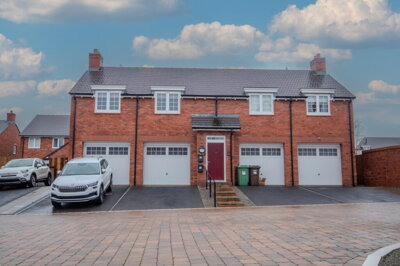
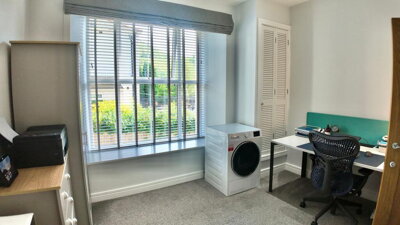
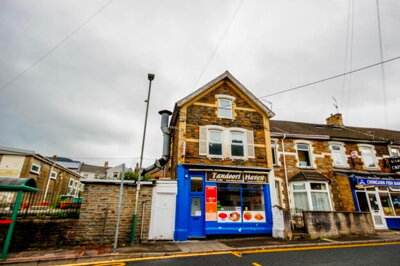
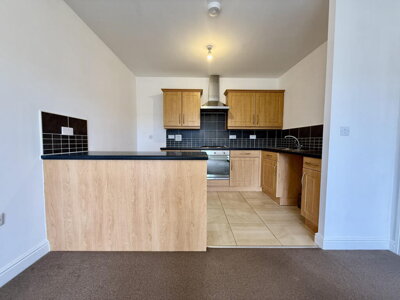
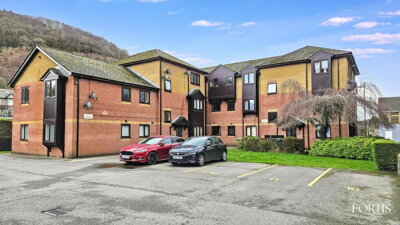
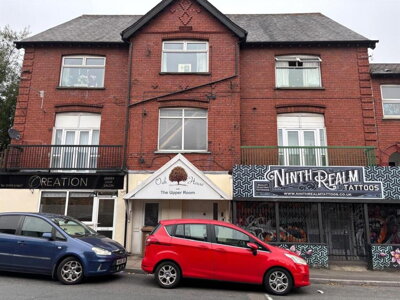
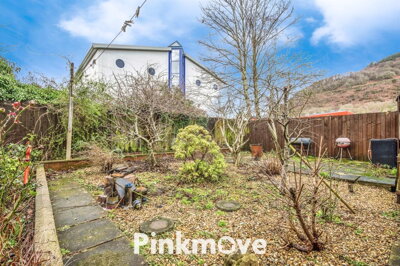
Browse 7 homes for sale in Ynysddu, Caerphilly from local estate agents.
Studio apartments feature open-plan living spaces without separate bedrooms, incorporating sleeping, living, kitchen, and bathroom facilities. The Ynysddu studio market includes properties in modern apartment complexes, converted Victorian and Georgian buildings, and purpose-built developments.
£0k
0
0
0
Source: home.co.uk
Showing 0 results for Studio Flats for sale in Ynysddu, Caerphilly.
The Ynysddu property market has demonstrated remarkable strength recently, with average house prices reaching approximately £204,000 according to the most recent home.co.uk data from February 2026. This figure represents significant growth from previous years, with price increases ranging from 36% to 48% depending on the data source and property type considered. The market benefits from a diverse range of property types, from affordable terraced homes priced around £150,000 to substantial detached family houses commanding prices upwards of £400,000. Over the past decade, approximately 506 properties have changed hands in the wider Caerphilly area, indicating steady transaction volumes that suggest a healthy, active market.
Terraced properties dominate the local housing stock in Ynysddu, with average prices hovering around £152,000 according to home.co.uk listings data. These traditional valley homes often feature the characteristic slate roofs and stone construction that define much of the Welsh Valleys architecture, appealing to buyers who appreciate period features alongside modern renovation potential. Semi-detached homes typically sell for approximately £181,000, offering additional space and garden amenities that appeal to growing families seeking more room than terraced properties provide. Detached properties represent the premium segment of the market, with average prices reaching £425,000 for larger examples, often situated on the village outskirts with views across the Sirhowy valley. Flats in the area remain the most affordable entry point, averaging around £120,000, making them attractive options for first-time buyers or investors seeking rental opportunities in this improving market.
The variation between postcode areas reflects the different character and amenities available in different parts of the village and surrounding area. Properties in the NP11 postcode area, which covers the core Ynysddu village and surrounding Sirhowy valley, average around £164,000 according to Property Insights UK data. In contrast, the nearby CF72 postcode area, which encompasses parts of the broader Caerphilly borough including Gelligaer, shows significantly higher average prices of approximately £417,500, representing a different market segment altogether. New build activity in the immediate Ynysddu area remains limited, with no verified developments confirmed within the NP11 postcode itself, though nearby new housing options exist in the neighbouring NP12 postcode area at Cwrt Sirhowy in Cwmgelli, where four-bedroom new homes are available from approximately £350,000.
For buyers considering new build options, the broader Newport area offers additional choices such as the Glan Llyn development by St Modwen Homes, approximately four miles from Newport town centre. This development provides three and four-bedroom detached homes suitable for commuters seeking modern specifications while enjoying competitive pricing compared to Cardiff or Bristol. The combination of limited new supply in Ynysddu itself and strong demand from buyers attracted to the village's character and connectivity continues to support price growth across all property types in the area.

Ynysddu offers residents a peaceful lifestyle rooted in community values, set against the backdrop of the picturesque Sirhowy valley. The village maintains a selection of local shops, schools, and healthcare facilities within easy walking distance of most residential areas, ensuring that daily necessities are readily accessible without requiring lengthy journeys. The River Sirhowy flows through the heart of the village, contributing to its scenic charm while offering pleasant walking routes along its banks. Local amenities include convenience stores, traditional pubs serving wholesome Welsh fare, and community centres that host regular events throughout the year, fostering the strong sense of neighbourliness that characterises the area.
The village benefits from its position within Caerphilly County Borough while maintaining its own distinct identity as a thriving community. Population figures show steady growth from 3,948 residents in 2011 to 3,966 by the 2021 Census, with estimates suggesting continued modest growth to nearly 4,000 by 2024, indicating sustained interest in the area as a place to live. The community includes a good mix of demographics, from young families establishing themselves in affordable terraced housing to older residents who have lived in the village for generations. The Sirhowy valley itself offers excellent opportunities for outdoor recreation, with walking trails, cycling routes, and access to the wider South Wales Valleys network of parks and natural spaces, including connections to routes maintained by cycling groups that explore the region regularly.
Ynysddu maintains an active community spirit reflected in its local institutions and social venues. The village hosts Ynysddu RFC, the local rugby club that forms the backbone of sporting traditions in the community, while various chapels and churches serve the spiritual needs of residents and reflect the strong nonconformist heritage of the Welsh Valleys. Traditional pubs throughout the village provide important social hubs where locals gather, and the Village Hall hosts community events, functions, and activities throughout the year. For shopping needs beyond daily essentials, residents typically travel to nearby Blackwood or Pontllanfraith, which offer larger supermarkets and retail options within a short drive. Employment opportunities in the surrounding area include businesses in Pontllanfraith, Blackwood, and Risca, all accessible within a reasonable commute from the village.
The proximity to the M4 motorway opens up access to larger retail centres, entertainment venues, and employment opportunities in nearby towns and cities. Healthcare facilities include a local GP surgery serving the village population, with larger hospitals located in nearby towns and in Cardiff and Newport for more specialist care. The combination of village charm, community spirit, and accessibility to urban amenities makes Ynysddu an attractive proposition for buyers seeking to balance rural character with practical convenience. Estate agents operating in the area report consistent demand from buyers drawn to this balance, particularly those priced out of Cardiff or Newport but seeking regular commuting access to these larger employment centres.

Families considering a move to Ynysddu will find a selection of educational establishments serving the local community. The village hosts primary schools that provide education for children from reception through to Year 6, with good reputations for supportive learning environments and strong community ties that reflect the village atmosphere more broadly. Parents are advised to research specific catchment areas and admissions criteria, as these can influence which schools serve particular addresses within the village, with Caerphilly County Borough Council's school admissions portal providing detailed information on catchment boundaries and application procedures. Checking current performance data through Estyn reports and comparing options across nearby villages can help families identify the most suitable provision for their children.
Secondary education is available at nearby schools in the surrounding towns, with pupils typically travelling short distances to access comprehensive or faith-based secondary schools that serve the wider area. School transport arrangements are generally available for pupils living within defined distances from their allocated school, though arrangements vary by location and specific school placement. Many families in Ynysddu choose from options including comprehensive schools in nearby towns that offer broad curriculum choices and established extracurricular programmes. Researching specific school performance data, facilities, and sixth form provision before committing to a property purchase can prevent disappointment and ensure the chosen school meets your family's educational requirements.
The broader Caerphilly area offers further educational opportunities, including sixth form provision at secondary schools and further education colleges in nearby towns such as Pontllanfraith and Blackwood. These institutions provide A-Level and vocational courses for students continuing their education beyond GCSE, with options spanning academic and technical pathways to suit different career ambitions. The presence of established schools within and near Ynysddu makes the village an attractive option for families prioritising educational accessibility when choosing their next home. Prospective buyers with school-age children should verify current school performance data, admission arrangements, and any planned changes to school provision in the area before committing to a purchase, as catchment boundaries and school performance can change over time and significantly affect property values in specific streets.

Ynysddu enjoys excellent connectivity for commuters, with the M4 motorway providing direct access to Cardiff, Newport, and Bristol and serving as the primary artery linking South Wales to England. The village sits comfortably within the M4 corridor commute zone, making it particularly attractive to workers seeking more affordable housing options while maintaining careers in larger cities where property prices remain significantly higher. Journey times to Cardiff typically take around 30-40 minutes by car, depending on traffic conditions, while Bristol remains accessible in approximately one hour during normal traffic. This strategic positioning allows residents to benefit from significant house price savings compared to living within the cities themselves while retaining full access to urban employment, shopping, and cultural amenities that make city careers attractive.
Public transport options serve the village and surrounding communities, with bus routes connecting Ynysddu to nearby towns and providing essential connectivity for residents without access to private vehicles. Regular bus services operate along routes connecting the village to Pontllanfraith, Blackwood, and the wider Gwent region, with the M4 corridor bus services offering direct connections to larger centres. Rail connections are available at nearby stations, offering access to the South Wales rail network and enabling travel to Cardiff, Newport, and beyond without the stress of driving. For those who work from home or have flexible working arrangements, the village offers a peaceful environment away from city congestion, with Superfast Cymru broadband coverage available throughout the area to support remote working demands, though actual speeds can vary by specific location.
Cycling infrastructure continues to improve in the area, with routes linking Ynysddu to neighbouring communities and employment centres throughout the Sirhowy valley. The valley terrain presents both opportunities and challenges for cyclists, with scenic routes available for leisure cycling alongside more demanding gradients that characterise the South Wales Valleys landscape. Parking availability within the village is generally adequate for residents, addressing a common concern in more urbanised areas where kerbside parking can be limited or subject to restrictions. For commuters considering the practical realities of daily travel, visiting the area during rush hour periods and timing actual journeys to potential workplaces can provide valuable insight into the reality of commuting from Ynysddu before committing to a property purchase in the village.

Spend time exploring Ynysddu before committing to a purchase. Visit at different times of day and week, check local amenities, speak to residents, and research the specific street where you are considering buying. Understanding flood risk areas near the River Sirhowy is particularly important for streets such as Station Avenue, John Street, and Bridge Street, which have historically experienced flooding. Walking the village centre, visiting local shops and pubs, and observing the neighbourhood character at different times can reveal insights that online searches cannot provide.
Before viewing properties seriously, obtain a mortgage agreement in principle from a lender. This document confirms how much you can borrow and demonstrates to sellers that you are a serious, financially prepared buyer in a market where price growth of 36-48% has created competitive conditions. Having agreement in principle in place strengthens your position when making offers and can make the difference between securing a property and losing out to another buyer. Multiple lenders offer different products and rates, so comparing options through a mortgage broker can help identify the most suitable deal for your circumstances.
Contact local estate agents to arrange viewings of properties that match your requirements and take notes during each viewing. Ask questions about the property age, construction, and any renovation work undertaken, particularly for older properties given that Wales has the oldest housing stock in the UK with 26% of homes built before 1919. Consider the age of the housing stock and potential survey requirements given that many Ynysddu properties predate 1919 and may exhibit defects common to traditional Welsh construction methods. Viewing multiple properties helps establish a realistic understanding of what your budget can achieve in the current market.
Given the age of properties in Ynysddu, a thorough survey is essential before committing to a purchase. The RICS Level 2 Home Survey checks for defects, assesses condition, and provides professional advice on maintenance and repairs needed, with costs typically ranging from £400 to £1,000 depending on property size and complexity. For older properties, additional costs may apply due to their construction type and condition. Our inspectors are experienced in assessing traditional Welsh valley properties and understand the common defect patterns found in this housing stock, including damp, structural movement, and outdated services.
Once your offer is accepted, instruct a conveyancing solicitor to handle the legal work efficiently. They will conduct searches specific to Caerphilly County Borough, check property title, and manage the exchange and completion process with attention to Welsh property law requirements. Your solicitor should be familiar with local issues affecting the area, including flood risk designations and any planning constraints that may affect the property. Budget for additional search costs including drainage and water searches, environmental searches, and planning history checks.
Your solicitor will coordinate the final steps, including searches completion, mortgage offer confirmation, and contract exchange when all conditions are satisfied. On completion day, the remaining funds are transferred and you receive the keys to your new Ynysddu home, marking the culmination of your property search journey. The typical timescale from offer acceptance to completion in Wales ranges from eight to twelve weeks, though this can vary depending on chain dynamics, mortgage processing times, and the complexity of the transaction. Having funds ready for completion and maintaining regular communication with your solicitor helps ensure a smooth transaction.
Purchasing property in Ynysddu requires careful consideration of local factors that may not be apparent during a standard viewing. Flood risk represents a significant concern for certain areas of the village, particularly properties located on or near Station Avenue, John Street, and Bridge Street, which have historically experienced flooding from the River Sirhowy during periods of heavy rainfall. While no active flood warnings were in force as of early 2026, the Flood Warning Area designation indicates ongoing risk that buyers should factor into their decision-making and property insurance calculations. A thorough survey can identify any previous flood damage or water ingress issues that may not be visible during a casual inspection, and checking the property's insurance history can reveal whether flooding has affected the building previously.
The age of properties in Ynysddu warrants particular attention, given that Wales has the oldest housing stock in the UK with more than a quarter of homes built before 1919. Older properties may exhibit common issues including structural movement, damp penetration due to failed damp-proof courses, outdated electrical wiring, and roof deterioration that require professional assessment. Many traditional Welsh valley properties were constructed using methods and materials that differ from modern standards, including solid wall construction without cavity insulation, traditional lime-based mortars, and timber frame elements that respond differently to moisture than modern materials. Nearly one in three homes built before 1919 in Wales contain a Category 1 hazard posing a risk to human health, highlighting the importance of thorough surveying before purchase.
Historical mining activity in the Sirhowy valley means some properties may have foundations affected by past subsidence, though this varies significantly by location and property type. Our inspectors understand the typical construction methods used in local mining-era housing and know what signs to look for when assessing structural integrity in this type of property. Properties with significant structural concerns may require further investigation through a RICS Level 3 survey, which provides more detailed analysis and professional advice on appropriate remedial works. Budgeting for potential repair and upgrading costs when assessing the true cost of purchasing an older property helps ensure you can afford the total commitment involved.
Understanding the distinction between freehold and leasehold ownership is important, as some properties may have leasehold elements that affect future saleability and ongoing costs. Service charges and ground rent arrangements for any leasehold properties should be reviewed carefully before commitment to understand the total cost of ownership. Properties in conservation areas or those with listed building status may have additional planning restrictions affecting what alterations or extensions are permitted, which can limit your ability to modify the property to suit your needs. Given the mining heritage of the area and the age of much of the housing stock, comprehensive surveys are particularly valuable in identifying issues that might not be apparent to untrained buyers and providing professional guidance on appropriate action.
Average house prices in Ynysddu currently range from approximately £164,000 to £220,000 depending on the data source and postcode area used. The most recent home.co.uk data shows an average price of around £204,000 as of February 2026, while home.co.uk reports £220,238 for the past year. Property prices have increased significantly, with growth of 36-48% over the past twelve months reflecting strong demand for homes in this South Wales valley location. The variation between the NP11 postcode area averaging around £164,000 and the broader CF72 area averaging significantly higher reflects different property types and locations within the broader Caerphilly borough.
Properties in Ynysddu fall within Caerphilly County Borough Council jurisdiction and are assigned bands by the Valuation Office Agency based on property value as of April 1991. Council tax bands range from A to H, with the majority of terraced and semi-detached homes in the area typically falling into bands A through D, which attract lower annual charges. The actual band for a specific property can be confirmed through the Valuation Office Agency website or the local council website using the property address, and buyers should verify this information during the conveyancing process as council tax costs form part of ongoing ownership expenses.
Ynysddu has primary schools serving the local community with good reputations for educational standards and pastoral care that reflect the village's family-oriented character. Secondary education is available at nearby schools in the surrounding towns, accessible by school transport or short bus journeys, with options including comprehensive schools and faith-based establishments serving the wider area. Parents should research specific school performance data through Estyn reports, verify catchment area boundaries on the council website, and understand admission policies, as these can influence which schools serve particular addresses and change over time. The broader area offers sixth form provision and further education colleges within reasonable travelling distance for older students.
Ynysddu benefits from bus services connecting the village to nearby towns including Pontllanfraith, Blackwood, and the wider Gwent region, with regular services operating throughout the day. The M4 motorway provides excellent road connections, placing the village within comfortable commuting distance of major employment centres in Cardiff, Newport, and Bristol. Rail connections are available at nearby stations, offering access to the South Wales rail network for travel to larger cities without relying on road transport. The village position in the Sirhowy valley means that travel to larger centres requires some planning, but most residents find the transport options adequate for daily commuting and occasional travel further afield, particularly given the convenience of the M4 corridor.
The Ynysddu property market has demonstrated strong performance with price increases of over 36% in recent years, suggesting good capital growth potential for investors. The village offers more affordable entry prices compared to Cardiff or Newport while maintaining good M4 corridor access for commuters, creating demand from both owner-occupiers and tenants. Rental demand exists in the area from tenants working in nearby towns or seeking affordable housing in South Wales, with typical rental yields varying by property type and condition. However, flood risk in certain street locations, the age of the housing stock, and potential mining-related ground conditions should be carefully considered when assessing investment potential, and investors should budget for maintenance costs on older properties.
Stamp Duty Land Tax rates from April 2024 start at 0% for properties up to £250,000, then 5% on the portion from £250,001 to £925,000, 10% from £925,001 to £1.5 million, and 12% above that threshold. First-time buyers benefit from relief on properties up to £625,000, paying 0% on the first £425,000 and 5% on the remainder, though eligibility criteria apply. For an average Ynysddu property priced around £204,000, both a first-time buyer and an additional buyer would pay zero stamp duty, as the purchase price falls entirely within the nil-rate band. Buyers purchasing above £250,000 should calculate their stamp duty liability carefully, as the additional 5% on amounts above this threshold can add several thousand pounds to purchase costs.
Several area-specific risks warrant consideration when purchasing in Ynysddu, with flood risk from the River Sirhowy being the most significant for certain streets including Station Avenue, John Street, and Bridge Street. Checking flood history, reviewing Environment Agency flood warnings for the area, and understanding insurance implications is essential before committing to a purchase on an at-risk street. The age of local housing stock means many properties may have structural issues related to traditional construction methods, outdated electrics that may not meet current regulations, or damp problems common in solid-walled properties. Historical mining activity in the valley may have affected ground conditions in some areas, though professional surveys can identify any concerns and provide guidance on necessary remedial works.
Beyond the property price, buyers should budget for professional fees including RICS survey costs of £400-£1,000 depending on property size and age, solicitor fees typically ranging from £500 to £1,500 for conveyancing, and mortgage arrangement fees that vary by lender and product. Property searches specific to Caerphilly County Borough typically cost between £200 and £400 and cover local planning constraints, flood risk, and environmental factors affecting the property. Moving costs vary by distance and volume but typically range from £300 to £1,000 for local moves in the South Wales area. Total buying costs typically represent between 2% and 5% of the property purchase price, so for an average £204,000 property, budget approximately £4,000 to £10,000 beyond the purchase price.
The typical timescale from offer acceptance to completion in Wales ranges from eight to twelve weeks for straightforward transactions, though this can extend to four months or longer depending on chain dynamics and the complexity of the transaction involved. Mortgage processing times vary by lender and can take four to eight weeks for full approval after submission of a complete application, so having mortgage in principle before making an offer helps avoid delays. Searches from Caerphilly County Borough Council typically turnaround within ten to fifteen working days, though additional searches or leasehold transactions can extend timelines. Properties with short leases, unusual titles, or known issues may require additional time for investigation and resolution before completion can proceed.
From 3.84% APR
Compare competitive mortgage rates from leading lenders to find the right deal for your Ynysddu purchase
From £499
Expert property solicitors handling your legal work, searches, and completion
From £400
Our inspectors assess traditional Welsh valley properties for defects, condition, and repair needs
From £80
Energy Performance Certificate required for all property sales in Wales
Understanding the full costs of purchasing property in Ynysddu helps you budget accurately and avoid surprises during the transaction process. The purchase price represents the largest cost, with typical properties ranging from £120,000 for flats to £425,000 for detached family homes depending on location and specification. Beyond the property price, buyers must account for Stamp Duty Land Tax, which for a property priced at the area average of approximately £204,000 would amount to nothing for first-time buyers under current relief provisions. Additional buyers purchasing at this price point would also pay zero stamp duty, as the first £250,000 falls entirely within the nil-rate band, making Ynysddu an attractive option for buyers at various price points.
Professional fees typically include a RICS Level 2 survey costing between £400 and £1,000 depending on property size and complexity, with older properties in Ynysddu potentially attracting premium rates due to their age, construction type, and any non-standard features requiring additional investigation. For pre-1919 properties, our inspectors may recommend more detailed assessment given the prevalence of traditional construction methods and materials in this age of housing stock. Solicitors' fees for conveyancing generally range from £500 to £1,500, covering title checks, local authority searches, and transaction management through to completion. Property searches specific to the Caerphilly area typically include drainage and water searches, environmental data, and planning history checks that reveal information about the property and surrounding area.
Mortgage arrangement fees, valuation fees charged by your lender, and broker charges should also be factored into your calculations when budgeting for your purchase. First-time buyers may qualify for government schemes to help with deposit requirements, though eligibility criteria apply and schemes vary between England and Wales. When calculating affordability, lenders typically assess mortgage applications based on income multiples, usually offering four to four-and-a-half times the primary applicant's salary, with joint applications potentially accessing higher borrowing limits. Deposits of 10% to 15% of the purchase price are common in the current market, though higher deposits can secure more competitive interest rates and reduce monthly repayments over the mortgage term.
Budgeting for moving costs, potential repairs or renovations, and establishing a reserve fund for unexpected expenses after purchase ensures a smooth transition to your new home. Given the age of many properties in Ynysddu, setting aside funds for essential maintenance and upgrade work is particularly important, whether addressing immediate defects identified in your survey or planning longer-term improvements to the property. Energy efficiency improvements may also warrant consideration, particularly for older properties with solid walls that lack modern insulation standards, as these can significantly impact ongoing heating costs and comfort levels. Our inspectors can provide specific advice on priority areas for attention and estimated costs when surveying properties in the village, helping you make an informed decision about your purchase.

Properties for Sale In London

Properties for Sale In Plymouth

Properties for Sale In Liverpool

Properties for Sale In Glasgow

Properties for Sale In Sheffield

Properties for Sale In Edinburgh

Properties for Sale In Coventry

Properties for Sale In Bradford

Properties for Sale In Manchester

Properties for Sale In Birmingham

Properties for Sale In Bristol

Properties for Sale In Oxford

Properties for Sale In Leicester

Properties for Sale In Newcastle

Properties for Sale In Leeds

Properties for Sale In Southampton

Properties for Sale In Cardiff

Properties for Sale In Nottingham

Properties for Sale In Norwich

Properties for Sale In Brighton

Properties for Sale In Derby

Properties for Sale In Portsmouth

Properties for Sale In Northampton

Properties for Sale In Milton Keynes

Properties for Sale In Bournemouth

Properties for Sale In Bolton

Properties for Sale In Swansea

Properties for Sale In Swindon

Properties for Sale In Peterborough

Properties for Sale In Wolverhampton

Enter your details to see if this property is within your budget.
Loans, cards, car finance
Estimated property budget
Borrowing + deposit
You could borrow between
Typical borrowing
Monthly repayment
Est. at 4.5%
Loan-to-value
This is an estimate only. Your actual budget may vary depending on interest rates, credit history, and personal circumstances. For an accurate affordability assessment, speak to one of our free mortgage advisors.
This calculator provides estimates for illustrative purposes only and does not constitute financial advice. Your home may be repossessed if you do not keep up repayments on your mortgage. Estimates based on 4.5% interest rate, repayment mortgage. Actual rates depend on your circumstances.
Homemove is a trading name of HM Haus Group Ltd (Company No. 13873779, registered in England & Wales). Homemove Mortgages Ltd (Company No. 15947693) is an Appointed Representative of TMG Direct Limited, trading as TMG Mortgage Network, which is authorised and regulated by the Financial Conduct Authority (FRN 786245). Homemove Mortgages Ltd is entered on the FCA Register as an Appointed Representative (FRN 1022429). You can check registrations at NewRegister or by calling 0800 111 6768.

We use cookies to show you personalised content and improve your experience of our website. Find out more in our Privacy policy and Cookie policy.