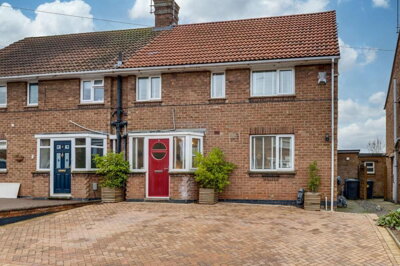
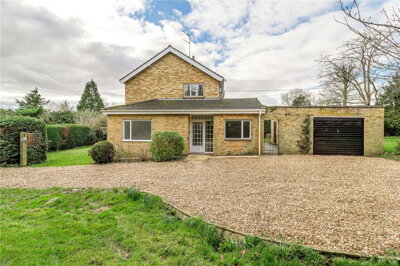
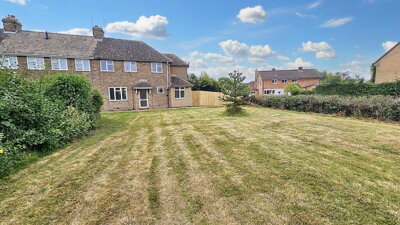
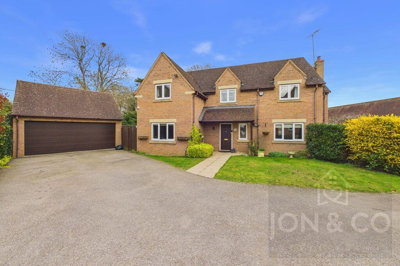
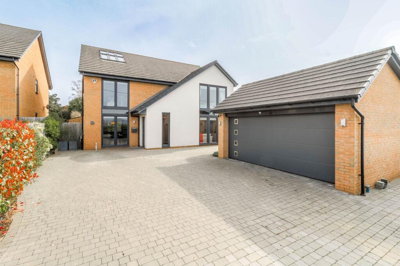
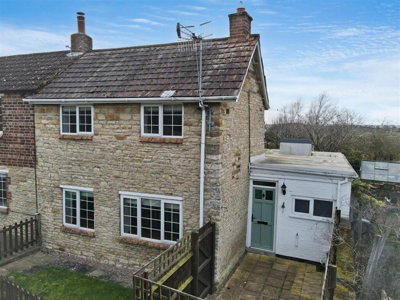
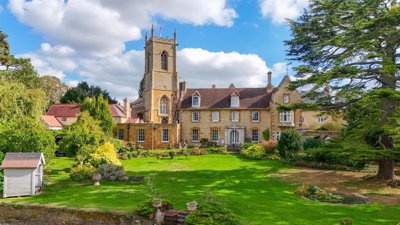
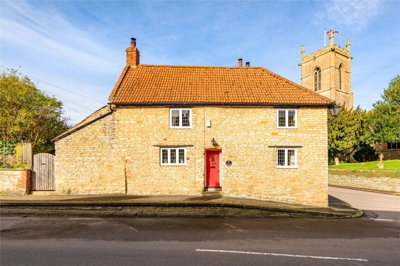
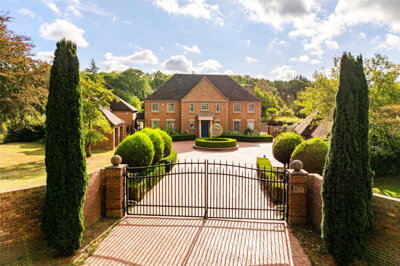
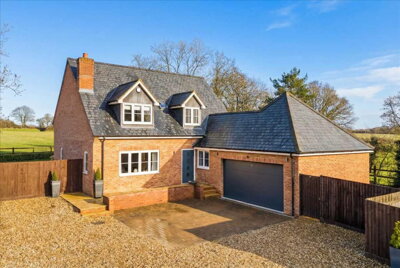
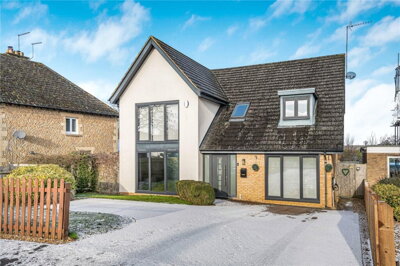
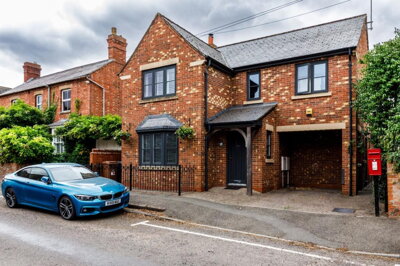
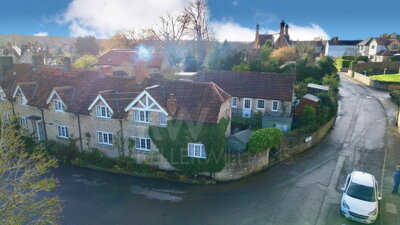
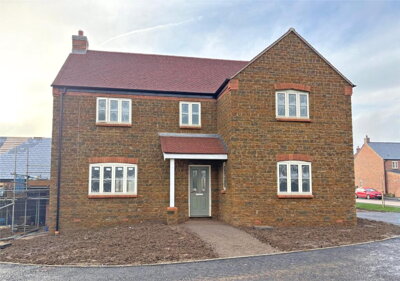
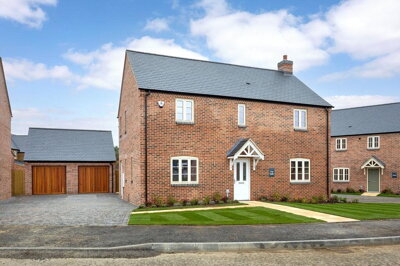
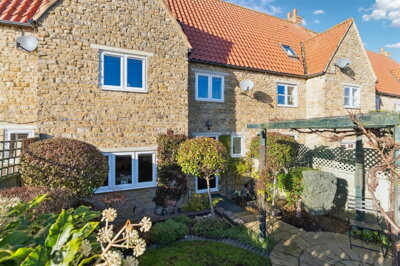
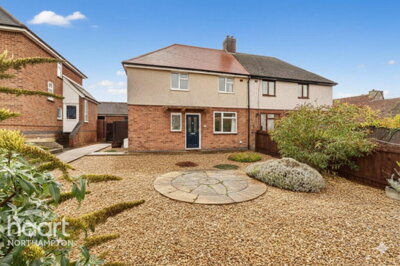
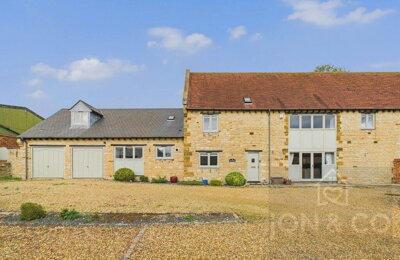
Browse 36 homes for sale in Yardley Hastings from local estate agents.
The Yardley Hastings property market reflects its position as a desirable Northamptonshire village, with detached properties commanding premium prices of around £1,136,250 on average. Semi-detached homes in the village typically sell for a median price of £375,000, while terraced properties offer more accessible entry points at approximately £250,500 to £257,000. Flats remain relatively scarce in the village, with limited availability around the £150,000 mark. The market has shown mixed signals recently, with some data sources reporting year-on-year increases while others indicate softening in certain price segments, suggesting buyers should approach with careful market awareness and research specific streets and property types before committing.
Recent transaction data shows active but measured market activity within the NN7 postcode area, with Rightmove showing 138 results for properties sold within the last year. The village benefits from a diverse housing stock that includes centuries-old period properties alongside more recent additions constructed from brick and tile. The NN7 1EY postcode area within Yardley Hastings shows terraced properties dominating recent transactions at around 89%, with semi-detached homes forming the secondary market segment. First-time buyers and families alike should note that properties in this village often come with character features that require thoughtful maintenance planning and budgeting.
The West Brook Housing Development, completed in 2023 by Francis Jackson Homes, introduced eight affordable rental properties to the area at West Brook Close, NN7 1FA. This development, which won the "Best Small Social Housing Development" category at the LABC Building Excellence Awards 2024 for the Central region, demonstrates the ongoing investment in the village. These homes are allocated to residents with strong local connections rather than sold on the open market. For buyers seeking new homes in the broader NN7 area, nearby developments include Landimore Park in NN4 6GR, Collingtree Park in NN4 0BF, and various developments in Wellingborough, though these are located outside Yardley Hastings itself.

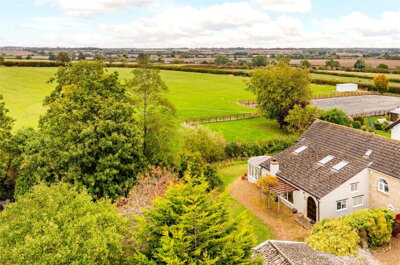
Yardley Hastings embodies the essence of English village life in rural Northamptonshire, offering residents a close-knit community atmosphere that larger towns simply cannot replicate. The village traces its origins back to at least the 13th century, with the Church of St Andrew serving as the spiritual and geographical heart of the settlement. The Grade II* listed church, along with the Manor House dating from approximately 1320-1340 and the old Rectory from 1701, demonstrates the deep historical roots of this community. Residents enjoy access to village amenities including a local garage and the kind of community spirit that develops naturally in settlements of around 700 inhabitants.
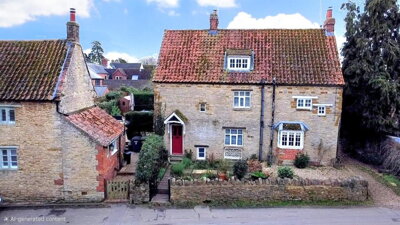
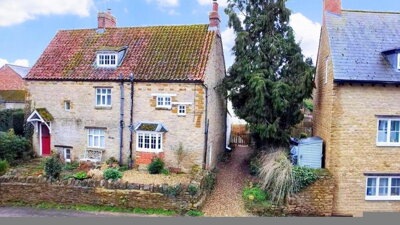
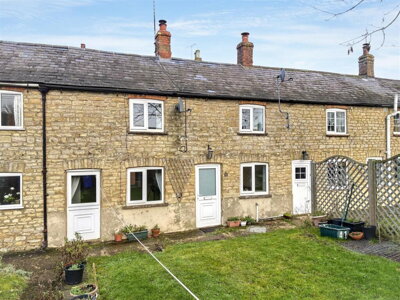
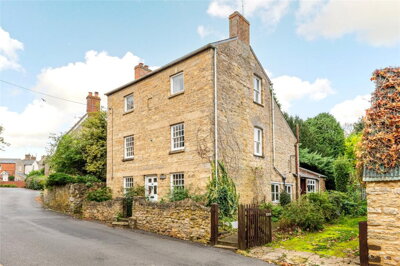
The Conservation Area encompasses the historic core, protecting buildings constructed from the local limestone rubble that defines the village's distinctive appearance. The traditional building materials reflect the local geology, with historic buildings like 43 High Street (late C17) featuring coursed limestone rubble walls with plain-tile roofs and brick end stacks. Historically, brick and tile making was a local occupation in Yardley, utilizing the local red clay deposits, which explains why traditional brick construction is also prevalent throughout the village. These materials require different maintenance approaches compared to modern construction, with lime mortar pointing typically required for historic properties rather than cement-based mortars.
The surrounding landscape of Yardley Hastings reflects the underlying geology of the Milton Formation, characterised by sandy and pebbly soils with minor clay and silt lenses that give way to the classic English countryside of rolling fields and hedgerows. The nearby Grendon Brook, part of a broader catchment area including Denton, Bozeat, Easton Maudit, and Grendon, adds to the rural charm though buyers should note flood risk considerations for properties in low-lying areas near watercourses. The village maintains good connections to neighbouring communities including Bozeat, Denton, and Grendon, with the A428 providing direct access to Bedford and Northampton. Families appreciate the sense of security that comes with raising children in a village where neighbours know one another and local events bring the community together throughout the year.

Families considering a move to Yardley Hastings will find educational provision accessible through surrounding villages and nearby towns. Primary education in the area typically serves younger children through local village schools in neighbouring communities, with pupils progressing to secondary schools in Northampton or Wellingborough. The village's historic character means many properties fall within or near school catchment areas that have established reputations for academic achievement and strong pastoral care. Parents should research specific catchment boundaries and admission arrangements through West Northamptonshire Council's education services before committing to a purchase, as catchment areas can change and may differ from what local estate agents suggest.
Secondary education options for village residents include schools in Northampton, which offers comprehensive schools and grammar school provision for academically selective pupils. Several secondary schools in the wider area have achieved strong Ofsted ratings and examination results, making them attractive options for families willing to arrange transport or utilise school bus services. The proximity to Bedford also provides additional educational options, particularly for families preferring the grammar school system available in that area. When purchasing property in Yardley Hastings, families should factor school transport arrangements into their decision-making, as secondary aged children will require bus services to reach schools in surrounding towns, with journey times varying depending on traffic conditions and specific school locations.
Sixth form and further education opportunities are well-represented in Northampton, with colleges offering vocational and academic pathways to suit various career aspirations. The Bedford area also provides additional further education options, giving residents flexibility in their educational choices. Families moving to Yardley Hastings should register with the local authority for school place allocations well in advance of required start dates, as competition for places at popular schools can be significant given the village's popularity with families seeking good educational provision within a rural setting.
The strategic position of Yardley Hastings along the A428 places the village in an advantageous location for commuters working in Bedford, Northampton, or travelling further afield. The A428 provides direct road connections to Bedford, while the broader road network offers access to the M1 motorway at Northampton for those travelling to Leicester, Milton Keynes, or London. The village's position south-east of Northampton means residents can access the bypass and major road networks without travelling through town centre congestion. For professionals working in Milton Keynes or the M1 corridor, journey times are manageable with advance planning of routes.
Bus services operate between local villages and town centres, providing essential connectivity for residents without private vehicles. However, rural bus routes typically operate with reduced frequencies compared to urban services, making advance timetable planning essential for those relying on public transport. The X46 service and similar routes connect surrounding villages to Bedford and Northampton, though weekend and evening services may be particularly limited. Residents without private vehicles should carefully assess whether bus service patterns meet their daily commuting and shopping requirements before committing to a purchase in this rural village location.
Rail services from Northampton station provide access to London Euston with journey times of around one hour, while Bedford station offers connections to the Midland Main Line serving London St Pancras and Sheffield. These rail connections make Yardley Hastings viable for professionals working in either London or the wider South Midlands region, provided they have access to private transport for the journey to the station. Parking at both stations is available though can be busy during peak commuting hours. For international travel, Birmingham Airport and London Luton Airport are within reasonable driving distance, providing connections to European destinations and beyond.
Begin by exploring what Yardley Hastings offers as a place to live. Consider your daily commute requirements, proximity to schools, and the practicalities of village living versus urban convenience. Review property prices in the NN7 postcode area and understand the factors influencing values, such as Conservation Area restrictions and flood risk designations. Pay particular attention to the age and construction of properties, as many homes in the village date from the 17th and 18th centuries and may require specialist maintenance approaches.
Before arranging viewings, obtain a mortgage agreement in principle from a lender or broker. This strengthens your position when making offers and demonstrates to sellers that you have financing secured. With average property prices around £633,000, most buyers will require substantial mortgage lending, making this step particularly important. Specialist mortgage brokers familiar with older properties can be valuable, as some lenders have specific criteria for period homes, listed buildings, and properties in Conservation Areas.
Visit properties that match your requirements, paying attention to construction materials, the condition of older buildings, and any signs of damp or structural concerns. Given the prevalence of period properties constructed from limestone rubble and traditional brick, look for evidence of lime mortar pointing, solid wall construction, and traditional timber features. Note proximity to the Grendon Brook for flood risk assessment, and check for trees close to buildings on the clay-rich geology which may indicate subsidence risk.
Once your offer is accepted, instruct a RICS Level 2 Homebuyer Survey before proceeding to completion. With local surveys available from £480 and many properties exceeding 50 years old, this inspection provides essential information about condition and any defects requiring attention. For listed buildings or properties with complex historic fabric, consider whether a more detailed RICS Level 3 Building Survey would be appropriate to assess the unique construction and any heritage considerations.
Appoint a solicitor to handle the legal aspects of your purchase, including searches related to flooding, planning permissions, and any Conservation Area requirements. Your solicitor will also manage the Land Registry transfer and ensure all documentation meets legal standards. Given the number of listed buildings in Yardley Hastings, your solicitor should conduct specific searches regarding heritage designations and any planning conditions that may affect the property.
Upon satisfactory survey results and solicitor clearance, proceed to contract exchange with a confirmed completion date. On completion day, your solicitor transfers the remaining funds and you receive the keys to your new Yardley Hastings home. Ensure you have buildings insurance in place from the point of contract exchange, as properties in this village may have specific insurance considerations given the age of the housing stock and proximity to flood risk areas.
Purchasing a property in Yardley Hastings requires awareness of specific local factors that affect homes in this part of Northamptonshire. The underlying clay-rich geology of the Milton Formation creates a notable shrink-swell hazard, meaning properties may be susceptible to subsidence during periods of extreme weather. The shrink-swell influence typically extends to the upper 1.5-2 metres of soil, though can reach up to 5 metres depth. Trees planted close to properties on clay soils can exacerbate this risk by drawing moisture from the ground, causing the clay to shrink and the foundations to settle unevenly, so inspect the relationship between vegetation and building foundations carefully.
The village's Conservation Area status brings planning restrictions that affect permitted development rights and external alterations. Anyone considering renovations or extensions should obtain guidance from West Northamptonshire Council planning department before committing to a purchase. Restrictions typically apply to extensions, dormer windows, satellite dishes, and hard landscaping, with permitted development allowances more limited than in non-designated areas. Listed buildings, which include the Church of St Andrew (Grade II*), numerous High Street properties, and Manor House, require Listed Building Consent for many alterations, adding complexity to renovation projects. Properties with original features such as lime mortar, solid walls, and traditional timber construction require different maintenance approaches compared to modern buildings.
Flood risk awareness is essential when considering properties near the Grendon Brook, which forms part of the catchment flood warning area. The Environment Agency issues flood warnings when flooding to some property is expected, and historical flood events have affected low-lying areas near the watercourse. While not all properties face significant flood risk, locations in areas like Bedford Road East require careful investigation of flood history and drainage arrangements. Drainage issues can themselves contribute to subsidence, as leaking drains can saturate clay soils and cause ground movement, creating an interconnected set of concerns that thorough surveys should address. The West Northamptonshire Council Local Flood Risk Management Strategy provides additional information on local flood risk management measures.
The predominant building materials in Yardley Hastings include coursed limestone rubble and traditional brick, reflecting local geology and historical building practices. Plain tile roofs are common on period properties, and buyers should assess the condition of tiles, ridge mortar, and flashings during any inspection. Properties with solid wall construction lack the cavity insulation of modern homes, which affects both thermal performance and moisture management. Understanding whether a property has been sympathetically upgraded with appropriate insulation measures, or retains original features requiring attention, is an important consideration when evaluating maintenance requirements and potential renovation costs.
The average house price in Yardley Hastings stands at approximately £633,000 according to recent Rightmove data, though alternative sources suggest figures closer to £683,000 depending on methodology and data range used. Detached properties command the highest prices at around £1,136,250, while terraced properties average £250,500 to £257,000. Semi-detached homes typically sell for a median of £375,000, with flats around the £150,000 mark. The NN7 1EY postcode area within the village shows terraced properties dominating recent transactions at approximately 89% of sales, which may influence the overall village average. The market has shown mixed trends recently, so prospective buyers should research specific property types and locations within the village to understand current values accurately.
Properties in Yardley Hastings fall under West Northamptonshire Council jurisdiction. Council tax bands range from A through H based on property value, with most period properties in the village likely falling within bands B through E depending on their 1991 valuation. The age and construction type of many properties in Yardley Hastings means they may have been valued at different amounts compared to modern equivalents, so banding can vary significantly between neighbouring properties. Exact bands depend on the property's 1991 valuation, and buyers can check current banding through the Valuation Office Agency website. West Northamptonshire Council sets annual charges based on these bandings to fund local services, with the current charges available on the council website.
Yardley Hastings itself has limited formal school provision, with primary-aged children typically attending schools in surrounding villages and then progressing to secondary schools in Northampton or Wellingborough. Several primary schools in nearby villages serve the local community, with some achieving strong Ofsted ratings. Secondary education options include both comprehensive and grammar school provision, with schools in Northampton offering good academic standards and extensive extracurricular activities. Families should verify current catchment areas and admission policies through West Northamptonshire Council's education department, as these can change and may affect which schools your child can access from a Yardley Hastings address.
Public transport options from Yardley Hastings include local bus services connecting to Northampton, Bedford, and surrounding villages, with the X46 route providing key connections to larger towns. However, frequencies are limited compared to urban routes, with reduced services at weekends and during evening hours, making private vehicle ownership practical for most residents. The A428 road provides direct access to Bedford and Northampton for drivers, while Northampton railway station offers services to London Euston in approximately one hour. The village's rural position means planning commutes around bus or train timetables requires advance organisation, and residents working standard office hours should carefully assess whether available services meet their needs before purchasing.
Yardley Hastings offers potential for property investment given its village character, Conservation Area protection preserving the historic environment, and proximity to major employment centres in Bedford and Northampton. The limited new build supply within the village itself, combined with demand from commuters seeking rural lifestyles, supports long-term values for well-presented properties. The West Brook Housing Development demonstrates that new affordable housing is allocated to those with local connections rather than open market purchasers, suggesting continued demand for existing properties. However, the flood risk in some areas, Conservation Area restrictions on alterations, and the small size of the local market are factors that investors should weigh carefully before committing.
Stamp Duty Land Tax rates from April 2025 start at 0% for properties up to £250,000, rising to 5% on the portion between £250,001 and £925,000. For a typical Yardley Hastings property at the village average of £633,000, this would result in stamp duty of approximately £19,150 on a primary residence purchase. First-time buyers benefit from relief on the first £425,000 of purchase price, reducing the bill substantially. Additional 3% surcharge applies for second homes or investment properties, bringing the total SDLT for second properties to approximately £38,000. Always verify current thresholds with HMRC or your solicitor, as rates and thresholds change with each Budget.
From 4.5%
Expert mortgage advice for your Yardley Hastings purchase
From £499
Solicitors experienced in Northamptonshire property transactions
From £480
Professional property surveys for Yardley Hastings homes
From £80
Energy performance certificates for property sales
Beyond the purchase price, buyers acquiring property in Yardley Hastings should budget for additional costs including Stamp Duty Land Tax, solicitor fees, survey costs, and potential maintenance expenses. With average property prices around £633,000, stamp duty on a primary residence purchase would apply at 5% on the amount above £250,000, resulting in approximately £19,150 for a home at median value. First-time buyers may benefit from relief on the first £425,000, substantially reducing this cost. Second property purchases incur an additional 3% surcharge across all bands, making the total SDLT approximately £38,000 for an average property. These figures underscore the importance of factoring all purchase costs into your financial planning before committing to a specific property.
RICS Level 2 survey costs in Yardley Hastings typically start from £480 for a standard property, rising for larger homes or those requiring more detailed inspection. Given the prevalence of older period properties in the village, surveyors may recommend additional investigation into specific concerns such as the condition of traditional lime mortar, timber framing, or the effects of clay soils on foundations. For listed buildings or properties with complex historic fabric, a RICS Level 3 Building Survey may be more appropriate despite the higher cost, as this provides more detailed assessment of unique construction methods and heritage considerations. Solicitor fees for conveyancing usually start from around £499 for standard transactions, though complex purchases involving listed buildings or properties with planning conditions may incur higher charges.
An EPC assessment, mandatory for all sales, typically costs from £80 and must be commissioned before listing a property for sale. Factor in mortgage arrangement fees, valuation charges from your lender, and moving costs to arrive at a complete budget for your Yardley Hastings purchase. For period properties, additional costs may arise from specialist surveys, heritage consultant fees for listed buildings, and the higher maintenance costs associated with traditional construction materials. Budgeting for a contingency fund above the purchase price and immediate costs is prudent, as older properties frequently reveal issues requiring attention shortly after purchase.
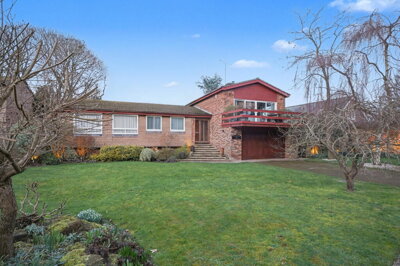
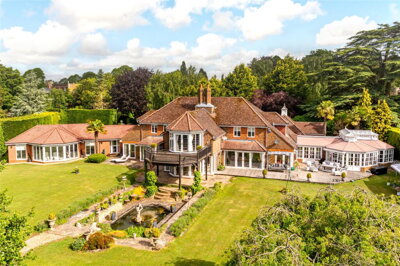
Understanding the predominant property types in Yardley Hastings helps buyers assess what to expect from the local housing stock. The village contains a significant proportion of terraced properties, particularly along the historic High Street and surrounding lanes, with the NN7 1EY postcode showing terraced properties accounting for approximately 89% of recent transactions. Semi-detached homes from various eras also feature prominently, ranging from traditional Victorian and Edwardian terraces to post-war semis from the 1950s and 1960s. Detached properties are valued accordingly, commanding prices around £1,136,250 on average, reflecting the premium associated with detached accommodation in this desirable village location.
The construction materials used in Yardley Hastings reflect the local geology and historical building practices. Historic properties are typically constructed from coursed limestone rubble, with plain-tile roofs and brick end stacks evident throughout the Conservation Area. The local red clay deposits historically supported a brick and tile making industry in the village, explaining the prevalence of traditional brick construction alongside the limestone rubble. Properties dating from the 17th and 18th centuries, including the Grade II listed 43 High Street and numerous other historic dwellings, demonstrate the quality of traditional craftsmanship that characterises this village.
Newer construction in the village includes properties from the latter part of the 20th century and the 2023 West Brook affordable housing development. The West Brook development at NN7 1FA, constructed by Francis Jackson Homes, demonstrates how new affordable housing can integrate with the village character while meeting modern standards. For buyers considering properties across different construction eras, each presents different maintenance considerations and potential issues that appropriate surveys should address. Properties with solid walls lack cavity insulation, while traditional lime mortar pointing requires different maintenance approaches than modern cement-based mortars.
Properties for Sale In London

Properties for Sale In Plymouth

Properties for Sale In Liverpool

Properties for Sale In Glasgow

Properties for Sale In Sheffield

Properties for Sale In Edinburgh

Properties for Sale In Coventry

Properties for Sale In Bradford

Properties for Sale In Manchester

Properties for Sale In Birmingham

Properties for Sale In Bristol

Properties for Sale In Oxford

Properties for Sale In Leicester

Properties for Sale In Newcastle

Properties for Sale In Leeds

Properties for Sale In Southampton

Properties for Sale In Cardiff

Properties for Sale In Nottingham

Properties for Sale In Norwich

Properties for Sale In Brighton

Properties for Sale In Derby

Properties for Sale In Portsmouth

Properties for Sale In Northampton

Properties for Sale In Milton Keynes

Properties for Sale In Bournemouth

Properties for Sale In Bolton

Properties for Sale In Swansea

Properties for Sale In Swindon

Properties for Sale In Peterborough

Properties for Sale In Wolverhampton

Enter your details to see if this property is within your budget.
Loans, cards, car finance
Estimated property budget
Borrowing + deposit
You could borrow between
Typical borrowing
Monthly repayment
Est. at 4.5%
Loan-to-value
This is an estimate only. Your actual budget may vary depending on interest rates, credit history, and personal circumstances. For an accurate affordability assessment, speak to one of our free mortgage advisors.
This calculator provides estimates for illustrative purposes only and does not constitute financial advice. Your home may be repossessed if you do not keep up repayments on your mortgage. Estimates based on 4.5% interest rate, repayment mortgage. Actual rates depend on your circumstances.
Homemove is a trading name of HM Haus Group Ltd (Company No. 13873779, registered in England & Wales). Homemove Mortgages Ltd (Company No. 15947693) is an Appointed Representative of TMG Direct Limited, trading as TMG Mortgage Network, which is authorised and regulated by the Financial Conduct Authority (FRN 786245). Homemove Mortgages Ltd is entered on the FCA Register as an Appointed Representative (FRN 1022429). You can check registrations at NewRegister or by calling 0800 111 6768.

We use cookies to show you personalised content and improve your experience of our website. Find out more in our Privacy policy and Cookie policy.