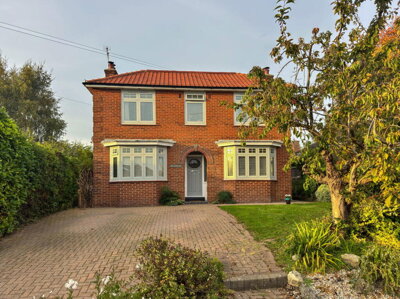
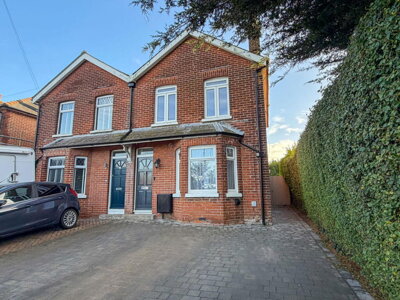
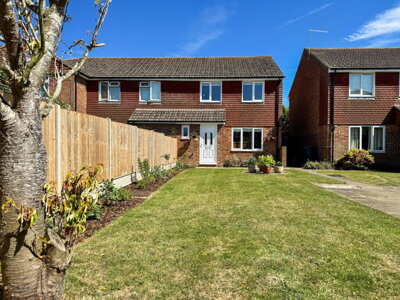
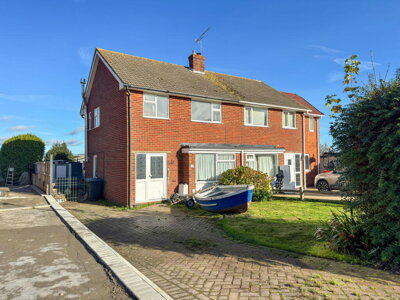
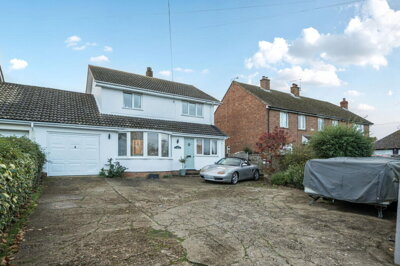
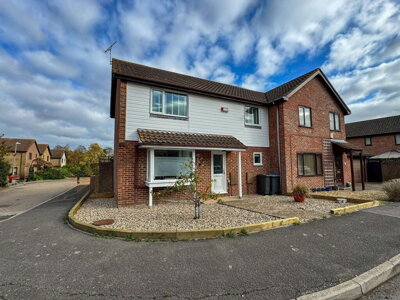
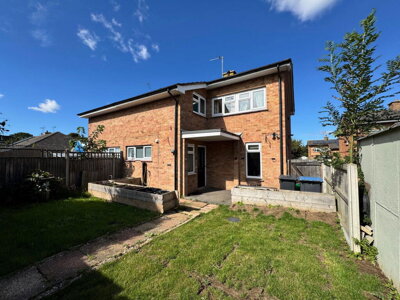
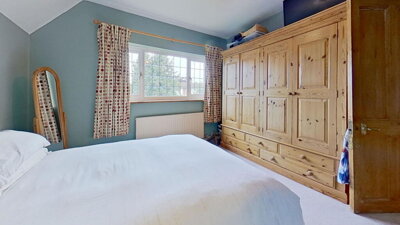
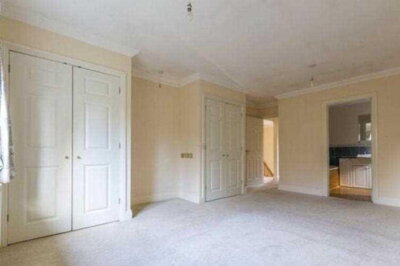
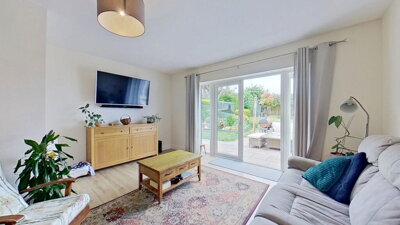
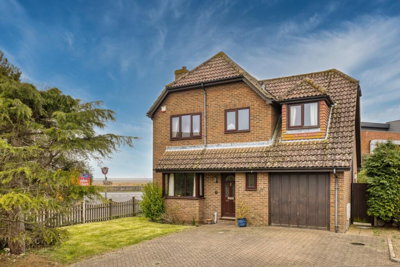
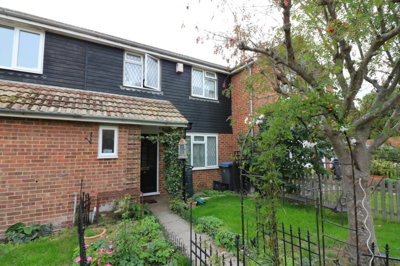
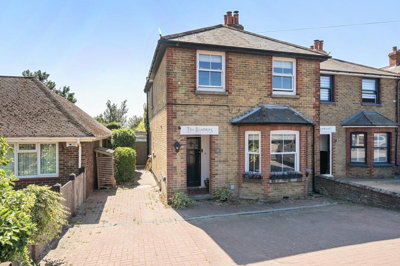
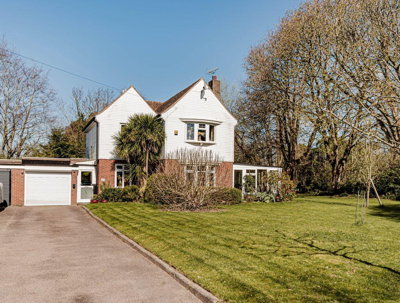
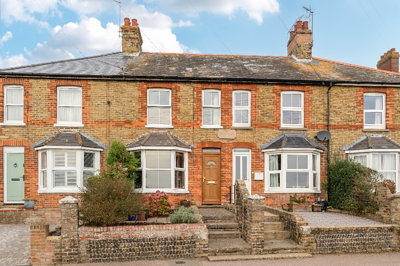
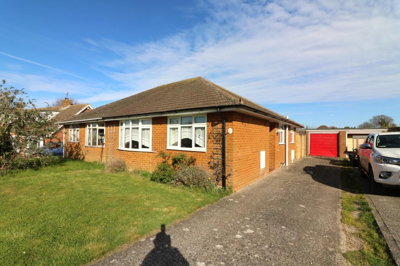
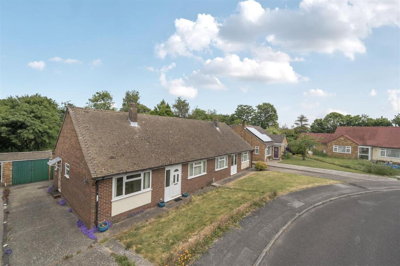
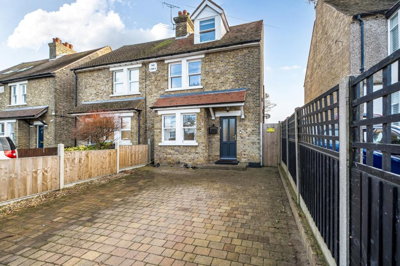
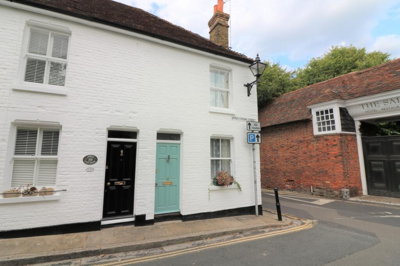
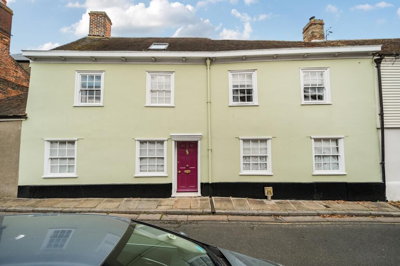
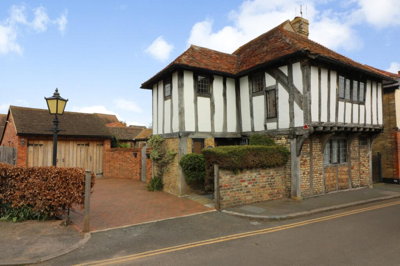
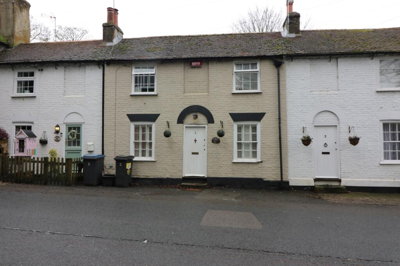
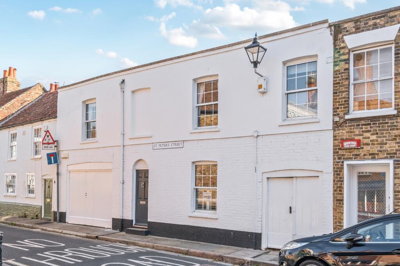
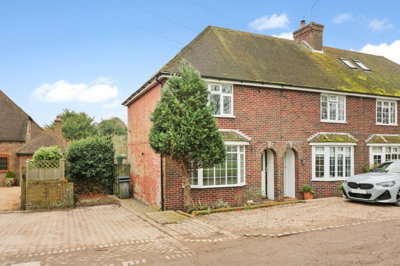
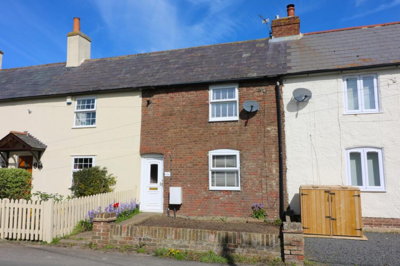
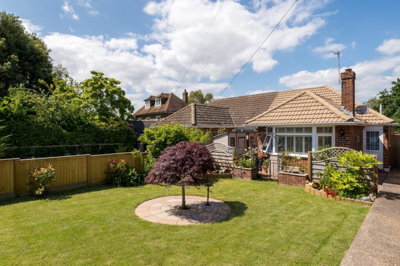
Browse 132 homes for sale in Worth from local estate agents.
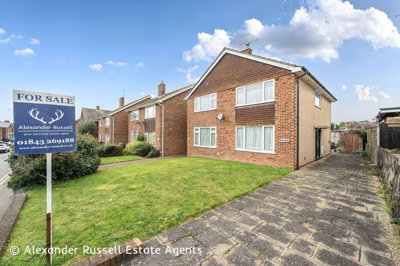
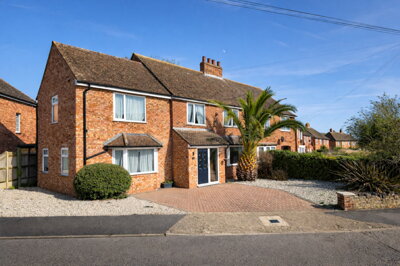
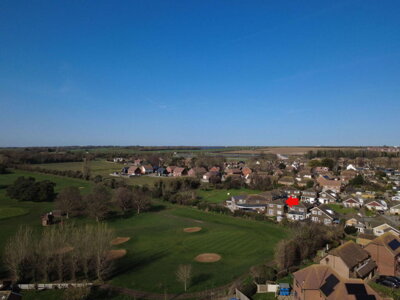
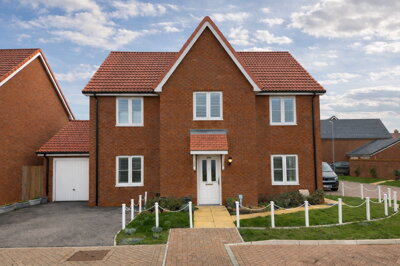
The Worth property market offers detached, semi-detached, and terraced houses spanning various price ranges and neighbourhoods. Each listing includes detailed property information, photographs, and direct contact with the marketing agent.
The property market in Worth reflects the broader Dover district trends, which have shown steady growth of 3.6% over the past year according to ONS data. Our research indicates that house prices in the CT17 0 postcode area, which encompasses Worth, grew by 3.0% in the twelve months to February 2026. The average sold price in the Dover area over the last twelve months reached approximately £236,000 according to Zoopla data, though properties in desirable village locations like Worth often command premiums above these district averages.
Property types available in the Worth area include traditional terraced cottages that form the backbone of the village centre, substantial semi-detached family homes along the main roads, and impressive detached properties offering generous gardens and period features. Zoopla data shows detached properties averaging around £396,000 for sold prices in the Dover district, while semi-detached homes achieved approximately £289,000. Flats remain available in the broader Dover district with average asking prices around £160,000, though the village of Worth primarily offers houses rather than apartments. The market has seen particular strength in semi-detached properties, which rose by 5.0% in the year to December 2025, indicating strong demand for family-sized accommodation in the area.
The village's position within the Dover district means buyers can access a range of property styles, from historic cottages with original features to more modern family homes built during the post-war period. Historical sales data for the CT17 0 postcode sector shows around 294 transactions over a 24-month period, suggesting reasonable market activity for a village location. Our team regularly monitors new listings in Worth and can alert you to properties matching your criteria as soon as they come to market.

Worth is a village that captures the essence of traditional English rural living within easy reach of the Kent coast. The village contains a designated Conservation Area that protects its historic centre, ensuring that new development respects the architectural character that has been carefully preserved over centuries. With 30 listed buildings recorded in the National Heritage List for England, residents of Worth live surrounded by architectural history, from historic farmhouses to village cottages constructed in the traditional Kentish style using local materials including brick, tile, and flint stone work.
The village benefits from its position within the Dover District, offering access to the stunning Kent coastline while maintaining a peaceful residential atmosphere away from the busier tourist areas. The surrounding Kent countryside provides extensive walking and cycling opportunities, with footpaths crossing farmland and woodland that define the rural character of this part of East Kent. The White Cliffs of Dover are visible from parts of the village on clear days, providing a dramatic backdrop to the rolling countryside. The proximity to the Channel ports and ferry services adds a continental dimension to life in Worth, with Folkestone and Dover providing regular connections to France.
Local amenities include traditional pubs serving Kentish ales, village shops providing everyday necessities, and community facilities that foster a strong sense of neighbourhood. The nearby town of Dover offers broader shopping facilities, supermarkets, healthcare services, and leisure amenities, all accessible by car or local bus services. For those who enjoy coastal walks, the Shakespeare Cliff path and the Dover to Sandwich cycle route provide popular routes for residents of Worth seeking recreation in the surrounding landscape.

Families considering a move to Worth will find educational provision available across multiple levels within reasonable travelling distance of the village. Primary education is served by schools in the surrounding villages and the nearby town of Dover, with several institutions holding good Ofsted ratings according to local education authority records. The village location means that primary school-aged children may require school transport or parental conveyance to their chosen establishment, a factor worth considering when assessing commute times and daily logistics.
Secondary education options in the Dover area include both grammar schools and comprehensive schools, providing families with choices depending on their children's academic abilities and preferences. The Dover Grammar School for Boys and Dover Grammar School for Girls serve the selective intake in the area, while non-selective options include several well-regarded comprehensive schools serving the wider district. Sixth form provision is available in Dover town centre, with several schools offering A-level courses alongside vocational qualifications. Parents should note that catchment areas can affect which schools children qualify for, and property values in particular streets can reflect school accessibility.
For families seeking independent education, Kent has a tradition of private schooling with several well-established preparatory and senior schools located throughout the county. Kent College in Canterbury and St. Lawrence College in Ramsgate provide options within reasonable driving distance of Worth. Prospective buyers with school-age children should research specific catchment areas and admission arrangements directly with Kent County Council's education department, as these can significantly influence which schools your child would qualify for based on your property address in Worth.
Worth benefits from its position providing access to major transport connections while maintaining a village atmosphere away from main roads. The A2 trunk road passes through the Dover area, providing direct links to Canterbury and the M2 motorway connecting to London and the national motorway network. Journey times to London vary depending on traffic conditions, with the M2 and A299 offering routes to the capital that avoid the heaviest congestion on coastal routes during peak periods. The journey to central London typically takes around two hours by car outside of peak times.
Rail connections from Dover Priory station provide services to London Victoria and London St Pancras International, with high-speed services making the capital accessible within approximately two hours. Commuters working in Canterbury find the journey particularly manageable, with regular services connecting the historic city to London and the Southeast. The Channel Tunnel at Folkestone is reachable within twenty minutes by car, opening possibilities for regular continental travel or international commuting for those working in France or Belgium. Eurostar services from Folkestone International provide direct connections to Paris, Brussels, and Lille.
Local bus services operated by Stagecoach and other providers connect Worth to Dover, Canterbury, and surrounding villages, though frequency may be limited on some routes, making car ownership practically essential for many residents. The 15 and 16 bus routes serve the Dover area with connections to Whitfield and other nearby settlements. Cyclists will find both on-road and bridleway routes available, though the Kentish hills provide a moderate challenge for less experienced riders. For those commuting to the Port of Dover, journey times are typically under thirty minutes by car, making Worth a practical base for workers in the logistics and ferry industries.
Understanding the construction methods and materials typical of properties in Worth is essential for any buyer considering a purchase in this historic village. The presence of 30 listed buildings indicates a significant stock of older properties constructed using traditional building techniques that predate modern building regulations. Properties in Worth were typically built using locally sourced materials including red brick, Kentish peg tiles, and flint stone work that characterises the architectural heritage of East Kent.
Roof construction in older Worth properties commonly features pitched roofs covered with clay or concrete tiles, with some historic properties displaying original slate roofing. Traditional timber frame construction with infill panels of wattle and daub or brick nogging can be found in the oldest properties, while later Victorian and Edwardian buildings typically feature solid brick walls with traditional sash windows. These construction methods differ significantly from modern builds, and our inspectors are experienced in identifying age-related issues that commonly affect these traditional building techniques.
Many properties in Worth were built before modern damp proofing measures became standard practice, meaning that rising damp and penetrating damp can be concerns in unrenovated properties. Our surveyors regularly encounter issues with timber decay including woodworm infestation and wet or dry rot in properties of this age, particularly where maintenance has been neglected or where original ventilation has been reduced by modern improvements. Understanding these construction characteristics helps buyers appreciate both the charm and the maintenance requirements of older village properties.
Spend time exploring Worth and the surrounding Dover district before committing to a purchase. Visit at different times of day and week, speak to existing residents about their experience, and check local planning authority records for any proposed developments that might affect your chosen street. Understanding the village atmosphere and proximity to amenities will help ensure the location matches your lifestyle expectations.
Contact lenders or brokers to obtain a mortgage agreement in principle before beginning property viewings. This financial groundwork strengthens your position when making offers and demonstrates to sellers that you are a serious, prepared buyer with financing already assessed. With Dover district average prices around £271,000, most buyers will require mortgage financing rather than cash purchases.
Work with local estate agents to arrange viewings of properties matching your criteria. Take notes on property condition, ask about construction materials, and specifically enquire about any works carried out on older properties, particularly those with listed building status. We recommend viewing several properties to build up a picture of what represents good value in the current Worth market.
Once your offer is accepted, instruct a RICS Level 2 Survey to assess the property condition thoroughly. Given Worth's heritage properties and potential for age-related defects, this survey is essential for identifying any structural issues, damp problems, or roof condition concerns before you commit to purchase. For properties built before 1900, additional inspection requirements may apply, and survey costs may be 20-40% higher than standard pricing.
Choose a solicitor with experience in Kent property transactions, particularly those familiar with conservation area requirements and listed building regulations. They will handle searches, contracts, and registration matters while ensuring you understand any planning restrictions that may affect your intended use of the property. Conservation area properties often require additional searches regarding planning permissions for existing works.
Your solicitor will coordinate the final steps, including contract exchange and completion. On older properties, particularly those in conservation areas, ensure all planning permissions for existing works are properly documented, as this information will be required by your lender and future buyers. Buildings insurance must be arranged from the point of exchange, and we recommend confirming coverage for the full rebuilding cost.
Properties in Worth require careful inspection due to the village's significant heritage stock and prevalence of older construction. With 30 listed buildings and a Conservation Area designation, buyers must understand that properties here may face planning restrictions on alterations, extensions, and even external decorations. If you are considering works that might normally fall under permitted development rights, you should consult with Dover District Council planning department before proceeding, as conservation area conditions can significantly limit what changes are allowed without formal planning consent.
Structural issues deserve particular attention in Worth's older properties, which may show signs of ground movement, subsidence, or the effects of tree roots on foundations. Clay soil conditions, common across parts of Kent, can cause subsidence problems particularly in properties with inadequate foundations or those near trees and hedgerows. Our surveyors frequently identify subsidence damage manifesting as diagonal cracks in walls, sticking doors or windows, and uneven floor levels in properties of this age. A thorough RICS Level 2 Survey will identify such issues and enable you to negotiate repairs or price adjustments before completing your purchase.
Damp problems frequently affect period properties built before modern damp proofing standards were introduced, and signs of penetrating or rising damp should be properly assessed by a qualified surveyor. Our inspectors use moisture meters and thermal imaging equipment to identify the extent and cause of damp problems, distinguishing between condensation issues that require improved ventilation and more serious penetrating damp from defective wall ties or roof covering failures. Similarly, timber defects including woodworm and wet rot are commonly found in older properties where maintenance has been deferred, and our survey reports will detail any treatment requirements or structural repairs needed.
Roof condition requires particular attention on Worth's older properties, where original roof structures may have been in place for many decades. Our surveyors check for slipped or missing tiles, deteriorated felt underlay, and condition of flashings around chimneys and dormer windows. Properties with original lead flashing may require renewal, while those with cement-based mortar flashings are often prone to cracking and subsequent water ingress. Understanding these common defect patterns helps buyers budget for any remedial work identified during survey.
Specific average price data for Worth itself is not separately tracked, but the broader Dover district provides useful context. The average sold price in Dover over the past twelve months was approximately £236,000 according to Zoopla, with the overall average asking price around £271,000 according to Rightmove data from February 2026. Property types vary significantly in price, with terraced properties averaging around £204,000 for sold prices and detached homes reaching approximately £396,000. Worth's conservation area status and heritage properties may command premiums above these district averages for well-presented period homes. The CT17 0 postcode area covering Worth has seen prices grow by 3.0% in the twelve months to February 2026.
Properties in Worth fall under Dover District Council's jurisdiction for council tax purposes. Bands range from A through H based on property value, with the majority of traditional cottages and smaller period properties typically falling in bands A to C. You can verify specific bandings on the Valuation Office Agency website using the property address, and current Dover District Council tax rates can be confirmed directly with the authority or viewed on their official website. For budgeting purposes, band D properties in Dover typically pay around £1,800 to £2,000 annually, though this varies based on any exemptions or discounts that may apply to your specific situation.
The Dover area offers educational provision across all levels, with primary schools serving local villages and secondary options including both grammar and comprehensive schools. Primary schools in the surrounding area include Whitfield and Schools, while secondary options include the selective Dover Grammar Schools for Boys and Girls and non-selective comprehensive schools serving the wider district. Specific school performance data and current Ofsted ratings should be checked on the Ofsted website, as these are regularly updated and reflect the most recent inspection outcomes. Parents should research individual school websites and contact Kent County Council's education department to confirm catchment areas and admission policies, as these can affect which schools your child would qualify for based on your property address in Worth.
Worth is a rural village where public transport options are limited compared to larger towns. Bus services operated by Stagecoach and other providers connect Worth to Dover and Canterbury, though service frequency varies and may not be suitable for daily commuting without a car. Rail services are accessed via Dover Priory station, offering connections to London Victoria and St Pancras International with journey times of approximately two hours to the capital. For continental travel, the Channel Tunnel at Folkestone is reachable by car within twenty minutes, making this an excellent location for those who travel regularly to mainland Europe via Eurostar services.
Worth offers several investment considerations that may appeal to buyers. The village's conservation area status and listed buildings suggest that property values are likely to be maintained by the restricted supply of new development and the inherent desirability of historic properties. The broader Dover district has shown consistent price growth of around 3.6% annually according to ONS data, though this should not be taken as a guarantee of future performance. Rental demand in the Dover area is supported by factors including the Port of Dover, Channel Tunnel connections, and local employers in the logistics and service sectors. Properties requiring renovation may offer opportunities for value-add investments, though buyers should budget for survey costs on older properties as repairs can be substantial.
Stamp Duty Land Tax applies to all residential purchases in England and applies equally in Worth, Dover. For standard purchases, you pay nothing on properties up to £250,000, then 5% on the portion between £250,001 and £925,000. First-time buyers benefit from relief on properties up to £425,000, paying 5% only on the amount between £425,001 and £625,000, with no relief available above that threshold. Given Dover district average prices around £271,000, many properties may fall entirely within the zero-rate band for standard buyers, though higher-value detached properties or additional property purchases will incur the relevant rates and any surcharge. Our team can provide guidance on stamp duty calculations based on your specific circumstances.
We strongly recommend commissioning a RICS Level 2 Survey on any property you are considering purchasing in Worth. Given the village's significant heritage stock, with 30 listed buildings and numerous properties constructed using traditional methods before modern building regulations were introduced, professional survey inspection is particularly valuable here. Our surveyors are experienced in identifying common defects affecting older properties in Kent, including structural movement related to clay soil subsidence, timber defects such as woodworm and wet rot, damp problems resulting from absent or failed damp proof courses, and roof condition issues on period properties. Survey costs for properties under £200,000 typically start from £376, with higher costs applying to properties valued above £600,000 or those built before 1900 where additional inspection requirements apply.
Understanding the full costs of purchasing property in Worth requires consideration of Stamp Duty Land Tax alongside other expenses. For properties in the Dover area with average prices around £271,000, standard buyers purchasing as their main residence would pay no stamp duty on the first £250,000, with 5% applying only to the remaining £21,000, resulting in a SDLT liability of £1,050. First-time buyers purchasing properties valued at £425,000 or below would pay no stamp duty at all under current first-time buyer relief provisions. These calculations assume the property is your main residence and that you are not a UK non-resident or purchasing an additional property.
Beyond stamp duty, buyers should budget for survey costs, with a RICS Level 2 Survey typically ranging from £376 for properties under £200,000 up to £930 for homes valued above £600,000. Given Worth's heritage properties, the survey cost may be at the higher end of this range if the property is pre-1900 construction, as older properties often incur additional inspection requirements and surcharges of 20-40% above standard pricing may apply. Our team can provide specific quotes based on the property type, size, and construction age.
Conveyancing fees in Kent typically start from around £499 for standard transactions, though leasehold properties, conservation area transactions, and listed buildings may involve additional work that increases costs. Searches including local authority, drainage, and environmental checks typically cost between £250 and £400 in total. Buildings insurance should be arranged from the point of exchange, and buyers purchasing flats should carefully examine any service charge and ground rent obligations that may apply to their specific property. For properties in conservation areas, additional planning searches may be required to verify that all existing works have the necessary permissions.
From 4.5%
Expert mortgage advice and competitive rates from our approved lenders
From £499
Conveyancing solicitors experienced in Kent property transactions
From £376
Thorough condition survey essential for Worth's heritage properties
From £85
Energy performance certificate required for all property sales
Properties for Sale In London

Properties for Sale In Plymouth

Properties for Sale In Liverpool

Properties for Sale In Glasgow

Properties for Sale In Sheffield

Properties for Sale In Edinburgh

Properties for Sale In Coventry

Properties for Sale In Bradford

Properties for Sale In Manchester

Properties for Sale In Birmingham

Properties for Sale In Bristol

Properties for Sale In Oxford

Properties for Sale In Leicester

Properties for Sale In Newcastle

Properties for Sale In Leeds

Properties for Sale In Southampton

Properties for Sale In Cardiff

Properties for Sale In Nottingham

Properties for Sale In Norwich

Properties for Sale In Brighton

Properties for Sale In Derby

Properties for Sale In Portsmouth

Properties for Sale In Northampton

Properties for Sale In Milton Keynes

Properties for Sale In Bournemouth

Properties for Sale In Bolton

Properties for Sale In Swansea

Properties for Sale In Swindon

Properties for Sale In Peterborough

Properties for Sale In Wolverhampton

Enter your details to see if this property is within your budget.
Loans, cards, car finance
Estimated property budget
Borrowing + deposit
You could borrow between
Typical borrowing
Monthly repayment
Est. at 4.5%
Loan-to-value
This is an estimate only. Your actual budget may vary depending on interest rates, credit history, and personal circumstances. For an accurate affordability assessment, speak to one of our free mortgage advisors.
This calculator provides estimates for illustrative purposes only and does not constitute financial advice. Your home may be repossessed if you do not keep up repayments on your mortgage. Estimates based on 4.5% interest rate, repayment mortgage. Actual rates depend on your circumstances.
Homemove is a trading name of HM Haus Group Ltd (Company No. 13873779, registered in England & Wales). Homemove Mortgages Ltd (Company No. 15947693) is an Appointed Representative of TMG Direct Limited, trading as TMG Mortgage Network, which is authorised and regulated by the Financial Conduct Authority (FRN 786245). Homemove Mortgages Ltd is entered on the FCA Register as an Appointed Representative (FRN 1022429). You can check registrations at NewRegister or by calling 0800 111 6768.

We use cookies to show you personalised content and improve your experience of our website. Find out more in our Privacy policy and Cookie policy.