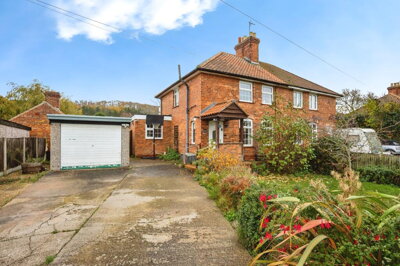
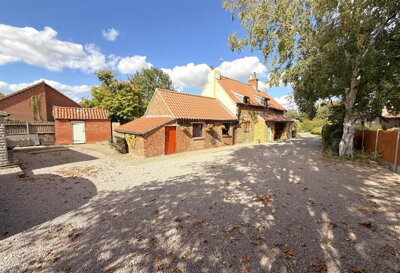
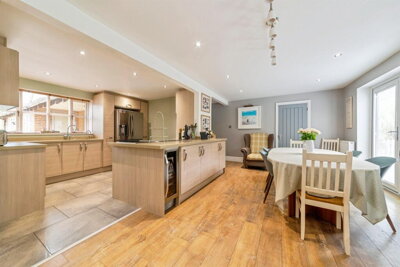
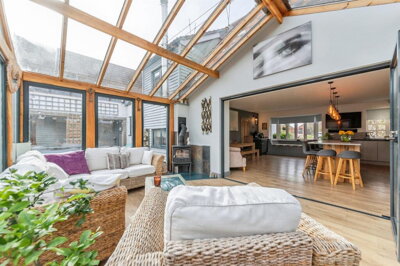
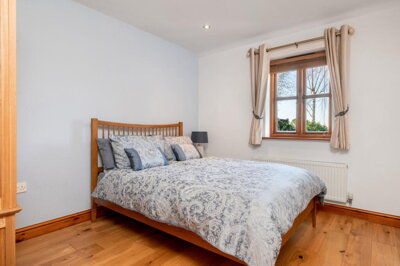
Browse 9 homes for sale in Woolsthorpe By Belvoir from local estate agents.
The Woolsthorpe By Belvoir property market reflects the character of this traditional English hamlet, with detached family homes and period cottages forming the majority of available stock. Our data shows that 4-bedroom detached houses represent the most common property type sold in the village, appealing to families seeking generous living space and the privacy that comes with larger rural properties. The average sold price of £290,000 positions the village competitively within the broader South Kesteven market, where comparable properties in larger towns often command significantly higher premiums. Detached properties with good-sized gardens are particularly sought after, given the village's semi-rural setting and the desire for outdoor space that characterises buyers moving away from urban areas.
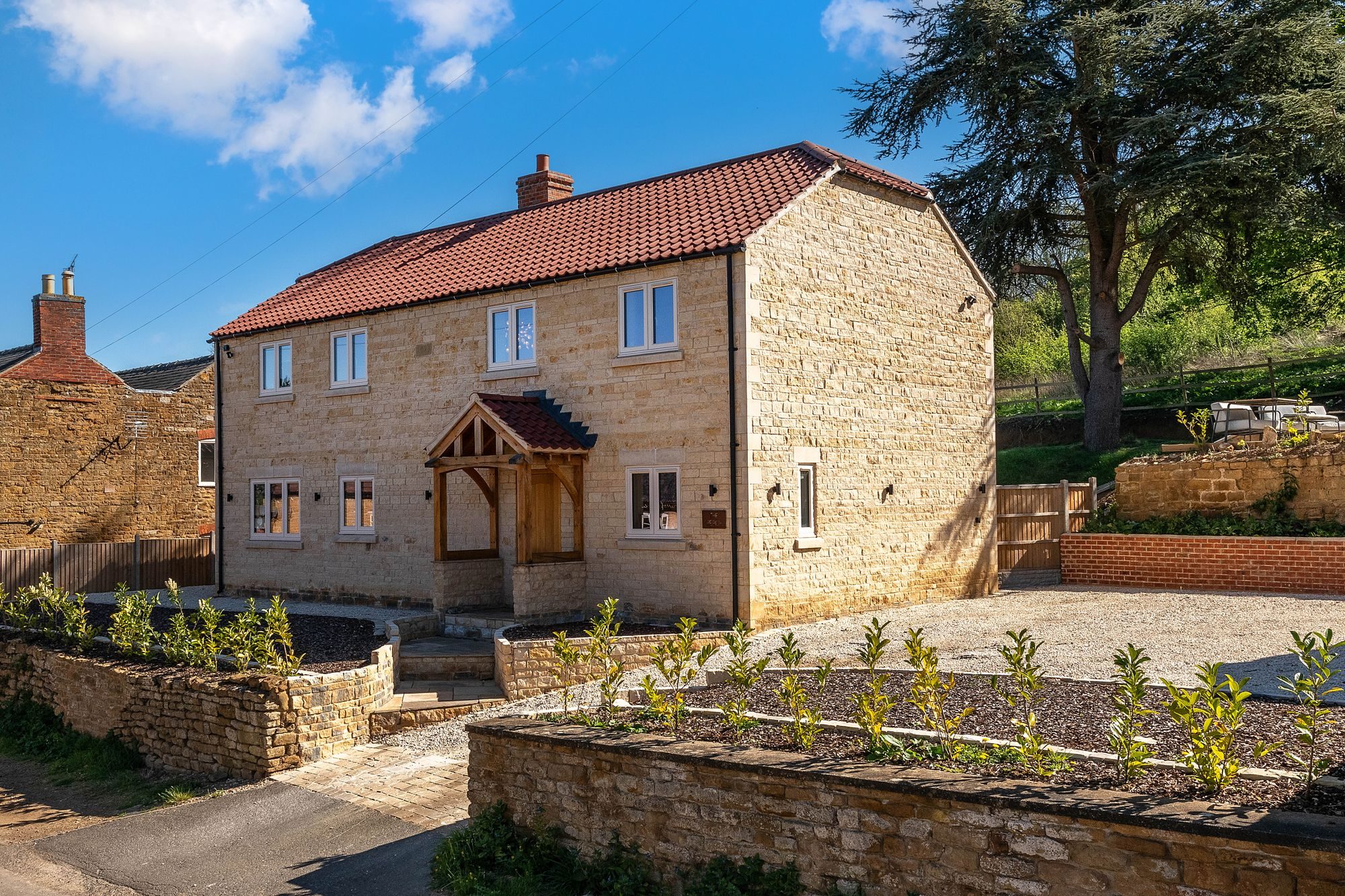
Recent market activity in Woolsthorpe By Belvoir indicates a slight softening in prices, with sold prices falling by 5.7% over the last twelve months. This adjustment reflects broader national trends in rural property markets, though demand for village homes with good transport links remains steady. Rightmove records show around 32 property sales in the wider Woolsthorpe area, with buyers drawn to the village's characterful properties and proximity to the Belvoir Estate. New build opportunities in the village remain limited, though planning permissions have been granted for individual dwellings that may come to market in coming years. One recent development on Belvoir Lane offers four-bedroom detached new build properties as part of a small, exclusive two-unit development, representing one of the few opportunities for buyers seeking modern construction in the village.
The village's historic housing stock includes properties dating from the 17th and 18th centuries, predominantly constructed in coursed ironstone with later additions in red brick. These traditional buildings command loyal interest from buyers who appreciate the character and solid construction methods of older English homes. For investors and owner-occupiers alike, understanding the local market dynamics in Woolsthorpe By Belvoir means recognising that village charm and location drive values more than modern amenities alone, though well-presented properties in good condition do achieve the strongest prices.

Life in Woolsthorpe By Belvoir centres on the River Devon, which flows gently through the village, contributing to the tranquil atmosphere that defines this South Kesteven community. The hamlet sits within the Vale of Belvoir, a low-lying agricultural landscape that has shaped the local economy and character for generations. Farming remains important to the surrounding area, and the working countryside provides residents with the kind of scenic walks and outdoor pursuits that make rural living so desirable. The footpaths and bridleways that cross the fields around the village offer excellent walking routes, with the local countryside providing views towards the Belvoir Estate and across the Vale of Belvoir.
The village architecture showcases the building traditions of rural Lincolnshire, with older properties dating from the 17th and 18th centuries constructed in coursed ironstone and mellow limestone. Red brick additions and buildings reflect later periods of construction, while roofs typically feature slate, clay pantiles, or plain tiles. St James' Church stands as a focal point of the community, built in ironstone and serving the spiritual needs of residents. Dry stone walls line many pathways and boundaries throughout the village, adding to the picturesque quality that makes Woolsthorpe By Belvoir such an appealing place to call home. Woolsthorpe House, dating from the mid-18th century, is constructed in red brick and represents the architectural transition seen in the village's building history.
The local geology of the Vale of Belvoir consists of Triassic and Jurassic age rocks, with overlying sands and gravels that create the gentle, rolling terrain characterising the landscape. Historically, the area supported marl ironstone quarrying, with quarries in Woolsthorpe itself worked from 1879 until 1923, leaving a legacy that forms part of the village's industrial heritage. Today, the surrounding land is primarily agricultural, with the gentle topography supporting a mix of arable farming and pastoral fields. Local amenities in neighbouring villages and the nearby market town of Grantham ensure residents have access to shops, restaurants, and services without sacrificing their peaceful village setting.

Families considering a move to Woolsthorpe By Belvoir will find a selection of educational options within reasonable travelling distance. Primary education is available at schools in nearby villages, with several good-rated primaries serving the wider Belvoir area. Children in Woolsthorpe By Belvoir typically attend primary schools in settlements such as Bottesford, Long Bennington, or other surrounding villages, where class sizes tend to be smaller than in larger towns, allowing for more individual attention and a strong sense of community. The village's small population means that local primary schools often benefit from strong parental involvement and community links that support children's educational development.
Secondary education options include schools in Grantham, which offers several secondary schools and grammar school provision for academically able students. Grantham's location just a short drive from Woolsthorpe By Belvoir means secondary-aged children can access good educational facilities while returning to village life each afternoon. The grammar schools in Grantham, including Kesteven and Grantham Girls' School and The King's School, draw students from across the wider area and maintain strong academic reputations. For families prioritising education in their property search, the presence of well-regarded schools in the surrounding area adds to the appeal of this rural hamlet as a place to raise children in a supportive, community-focused environment. School transport arrangements are typically available for secondary pupils commuting from the village.
Woolsthorpe By Belvoir benefits from its position between major road routes, providing relatively straightforward access to the wider region. The A1 trunk road runs nearby, connecting the village to Grantham to the north and providing a direct route south toward Newark and beyond. The A52 offers an alternative route to Nottingham and Grantham, while the village's proximity to the Grantham Canal adds to the rural character of the area, though the canal is primarily of interest for walking and wildlife rather than transport. For those who commute for work, the location offers a practical balance between peaceful countryside living and access to employment centres in the East Midlands and beyond.
Rail connections are available from Grantham station, which provides regular services to London King's Cross, with journey times of around one hour to the capital. Grantham also offers direct connections to Leeds, Newcastle, Edinburgh, Birmingham, and Cambridge, making it a useful hub for professionals who need to travel regularly. East Midlands Parkway station, located further south, provides access to East Midlands Airport and additional rail services for those needing to travel internationally or regionally. Local bus services connect Woolsthorpe By Belvoir to nearby towns and villages, though those commuting daily will likely find a car essential. The village's position in the heart of the East Midlands places Nottingham, Leicester, Lincoln, and Peterborough all within reasonable driving distance, opening up a wide range of employment and leisure opportunities for residents.
Start by exploring available properties in Woolsthorpe By Belvoir on Homemove, reviewing recent sale prices, and understanding what each neighbourhood offers. With average prices around £290,000, consider whether flats, cottages, or larger detached homes suit your budget and lifestyle needs. Take time to walk through the village and get a feel for different areas, paying attention to proximity to the River Devon, road noise from nearby routes, and the character of surrounding properties.
Before arranging viewings, approach a lender to obtain an Agreement in Principle. This demonstrates to sellers that you are a serious buyer with financing in place, which is particularly valuable in villages where properties may attract multiple interested parties. Given the rural nature of Woolsthorpe By Belvoir and the character of the available properties, having your finances arranged will put you in a strong position when viewing period homes that may come to market with limited competition.
Visit homes in Woolsthorpe By Belvoir to assess their condition, the village atmosphere, and proximity to amenities. Pay attention to property construction materials given the area's ironstone and limestone buildings, noting any maintenance requirements specific to these traditional building types. When viewing period properties, take time to examine the condition of stonework, mortar joints, and roofing materials, as these are critical areas for traditional construction in the village.
Commission a RICS Level 2 Survey before committing to purchase, especially for older period properties. Given the village's mining history and geological characteristics, a thorough survey will identify any potential issues with the property's structure or foundations. Our inspectors are experienced with traditional Lincolnshire construction and will check for common issues affecting ironstone and limestone buildings, including weathering, structural movement, and damp penetration.
Choose a solicitor experienced in rural property transactions to handle the legal aspects of your purchase, including searches related to flooding, drainage, and any local planning restrictions that may affect the property. Properties in Woolsthorpe By Belvoir may have restrictions related to the River Devon flood plain or conditions attached to historical planning permissions. A solicitor familiar with South Kesteven will ensure all local requirements are properly addressed.
Once all checks are satisfactory and your mortgage offer is confirmed, your solicitor will coordinate the exchange of contracts and set a completion date. On completion day, you will receive the keys to your new Woolsthorpe By Belvoir home. Our team wishes you every success with your purchase and hopes you enjoy many happy years in this charming village.
Property buyers in Woolsthorpe By Belvoir should pay particular attention to the construction materials and age of buildings, as many homes in this village date from the 17th and 18th centuries. Traditional ironstone and limestone construction requires ongoing maintenance, and prospective buyers should look for signs of weathering, cracking, or previous repairs. The older part of the hamlet features mellow limestone dwellings with red pantile roofs, and these materials require specific maintenance approaches that differ from modern brick or tile construction. When viewing properties, examine the condition of mortar joints in stone walls, as these are often the first area where deterioration becomes apparent in traditional buildings.
The local geology in the Vale of Belvoir includes clay deposits, though these are classified as low plasticity, meaning significant ground movement from shrink-swell is unlikely. However, the historical ironstone quarrying in the area, with operations in Woolsthorpe itself from 1879 until 1923, means that some properties may be situated on or near former quarry sites. Our inspectors pay particular attention to properties in areas with historical mining or quarrying activity, checking for any signs of ground instability or settlement that might affect the structural integrity of buildings. A comprehensive survey will provide detailed assessment of any property you are considering.
Flood risk is another consideration for Woolsthorpe By Belvoir properties, given the presence of the River Devon flowing through the village. While current monitoring shows river levels within the normal range, prospective buyers should review flood risk assessments for specific properties and consider whether flood resilience measures are in place. Properties near the river or in lower-lying areas of the village may warrant additional insurance consideration and should be thoroughly inspected for signs of previous water ingress. Those purchasing newer additions to the village should check that all necessary planning permissions were obtained, as small-scale developments and conversions may have specific conditions attached. Recent planning permissions in the village include developments at Chapel Hill and Main Street, which prospective buyers should verify were completed in accordance with approved plans.
Purchasing a property in Woolsthorpe By Belvoir involves several costs beyond the purchase price, with stamp duty Land Tax being a significant consideration for many buyers. At the current average property price of £290,000, a standard buyer purchasing with a mortgage would pay £2,000 in SDLT, calculated on the £40,000 portion above the £250,000 nil-rate threshold. This represents a meaningful cost that should be factored into your overall budget when planning your move to this South Kesteven village. Understanding these costs upfront helps buyers plan their finances effectively and avoid surprises during the transaction process.
First-time buyers purchasing properties up to £425,000 pay no stamp duty on the first £425,000, meaning those buying at the village average of £290,000 would pay zero SDLT. Properties between £425,001 and £625,000 incur 5% on the amount above £425,000. For buyers who own property already, the nil-rate threshold remains at £250,000. Additional costs to budget for include solicitor fees typically ranging from £800 to £2,000, surveyor fees from £350 for a Level 2 Survey, mortgage arrangement fees which vary by lender, and searches including local authority, drainage, and environmental checks which together may cost £300 to £500. Homemove provides access to competitive conveyancing and survey services to help you manage these costs effectively when buying in Woolsthorpe By Belvoir.
The average sold house price in Woolsthorpe By Belvoir is currently around £290,000 as of early 2026. This figure reflects the village's position in the rural South Kesteven market, where properties tend to be priced competitively compared to towns and cities in the East Midlands. Recent data shows that sold prices have experienced a modest decline of 5.7% over the last twelve months, which buyers may find creates opportunities in the current market. The most common property type sold locally is 4-bedroom detached houses, which typically command prices at or above the village average.
Properties in Woolsthorpe By Belvoir fall under South Kesteven District Council for council tax purposes. Specific bands depend on property valuation, though traditional village homes in this area typically range from Band B to Band E. Period stone cottages and smaller terraces often fall into Bands B or C, while larger detached family homes and more recent constructions may be in Bands D or E. Prospective buyers should check the specific banding with the Valuation Office Agency or include a council tax search in their conveyancing process.
Primary schools in nearby villages such as Bottesford and Long Bennington serve Woolsthorpe By Belvoir families, with several achieving good Ofsted ratings. Bottesford Primary School is a popular choice for village families, offering small class sizes and strong community links that reflect the village atmosphere parents often seek. Secondary education is available in Grantham, which offers both comprehensive and grammar school options including Kesteven and Grantham Girls' School and The King's School. For families prioritising educational outcomes, the surrounding South Kesteven area provides a reasonable selection of schools within commuting distance of the village.
Woolsthorpe By Belvoir has limited public transport options, with local bus services connecting to neighbouring villages and towns for essential journeys. The nearest major rail station is in Grantham, providing regular services to London King's Cross in around one hour, as well as direct connections to Leeds, Newcastle, Edinburgh, Birmingham, and other major cities. Most residents find a car essential for daily life, though the village's position near the A1 and A52 provides reasonable road connections to surrounding areas including Nottingham, Leicester, and Lincoln.
Woolsthorpe By Belvoir appeals to buyers seeking rural lifestyle rather than high rental yields. The village's characterful period properties, tranquil setting, and good transport links to major cities make it attractive to families and professionals who appreciate countryside living. While new build supply is limited, planning permissions have been granted for individual dwellings including developments on Belvoir Lane, Chapel Hill, and Main Street, suggesting continued interest in the village. Property values have shown relative stability with recent modest adjustments, suggesting a resilient market for quality homes in this desirable rural location.
Stamp duty Land Tax rates from April 2025 start at 0% for properties up to £250,000, rising to 5% on the portion between £250,001 and £925,000. For homes priced at the village average of £290,000, a buyer would pay £2,000 in SDLT on the portion above £250,000. First-time buyers may qualify for relief on properties up to £625,000, reducing costs further. At the village average price, first-time buyers would pay zero SDLT, making Woolsthorpe By Belvoir an accessible option for those taking their first step onto the property ladder. Always verify your position with a financial advisor, as rates depend on your circumstances and whether you are a first-time buyer.
Many homes in Woolsthorpe By Belvoir are constructed from traditional materials including ironstone, limestone, and red brick, often dating from the 17th and 18th centuries. When viewing period properties, look for signs of structural movement, mortar condition in stone walls, and the state of roofing materials. The older part of the village features mellow limestone dwellings with red pantile roofs, while coursed ironstone construction is common in properties from the 17th and 18th centuries. Given the village's river setting, check for any history of flooding and whether properties have appropriate drainage. Our inspectors are experienced with traditional Lincolnshire construction and will identify any issues specific to these building types.
New build opportunities in Woolsthorpe By Belvoir are limited, but a small development on Belvoir Lane offers four-bedroom detached new build properties as part of a two-unit exclusive development. Planning permissions have also been granted for individual dwellings at locations including Chapel Hill and Main Street, though these may come to market in future years. Belvoir Developments operates in the wider Vale of Belvoir area, though no specific active large-scale projects within Woolsthorpe By Belvoir are currently listed. Buyers seeking modern construction may need to consider the wider South Kesteven area or accept that new build options in this particular village are scarce.
From 4.5%
Finance your Woolsthorpe By Belvoir home purchase
From £499
Legal services for your property transaction
From £350
Detailed inspection for standard properties
From £500
Comprehensive structural survey for older properties
Properties for Sale In London

Properties for Sale In Plymouth

Properties for Sale In Liverpool

Properties for Sale In Glasgow

Properties for Sale In Sheffield

Properties for Sale In Edinburgh

Properties for Sale In Coventry

Properties for Sale In Bradford

Properties for Sale In Manchester

Properties for Sale In Birmingham

Properties for Sale In Bristol

Properties for Sale In Oxford

Properties for Sale In Leicester

Properties for Sale In Newcastle

Properties for Sale In Leeds

Properties for Sale In Southampton

Properties for Sale In Cardiff

Properties for Sale In Nottingham

Properties for Sale In Norwich

Properties for Sale In Brighton

Properties for Sale In Derby

Properties for Sale In Portsmouth

Properties for Sale In Northampton

Properties for Sale In Milton Keynes

Properties for Sale In Bournemouth

Properties for Sale In Bolton

Properties for Sale In Swansea

Properties for Sale In Swindon

Properties for Sale In Peterborough

Properties for Sale In Wolverhampton

Enter your details to see if this property is within your budget.
Loans, cards, car finance
Estimated property budget
Borrowing + deposit
You could borrow between
Typical borrowing
Monthly repayment
Est. at 4.5%
Loan-to-value
This is an estimate only. Your actual budget may vary depending on interest rates, credit history, and personal circumstances. For an accurate affordability assessment, speak to one of our free mortgage advisors.
This calculator provides estimates for illustrative purposes only and does not constitute financial advice. Your home may be repossessed if you do not keep up repayments on your mortgage. Estimates based on 4.5% interest rate, repayment mortgage. Actual rates depend on your circumstances.
Homemove is a trading name of HM Haus Group Ltd (Company No. 13873779, registered in England & Wales). Homemove Mortgages Ltd (Company No. 15947693) is an Appointed Representative of TMG Direct Limited, trading as TMG Mortgage Network, which is authorised and regulated by the Financial Conduct Authority (FRN 786245). Homemove Mortgages Ltd is entered on the FCA Register as an Appointed Representative (FRN 1022429). You can check registrations at NewRegister or by calling 0800 111 6768.

We use cookies to show you personalised content and improve your experience of our website. Find out more in our Privacy policy and Cookie policy.