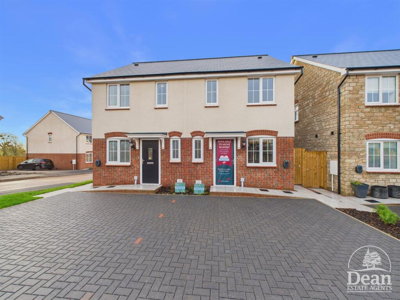
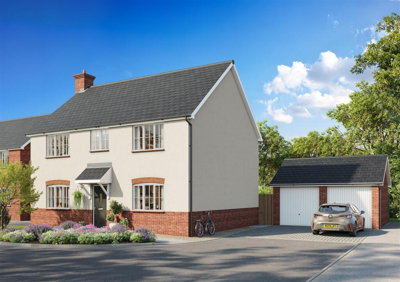
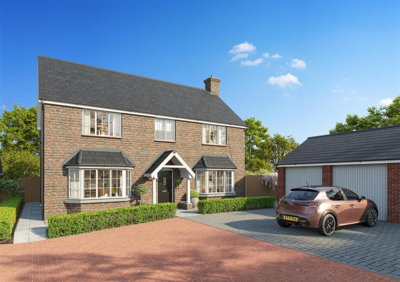
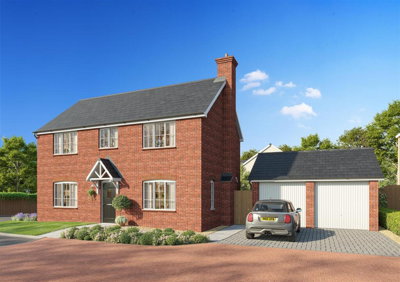
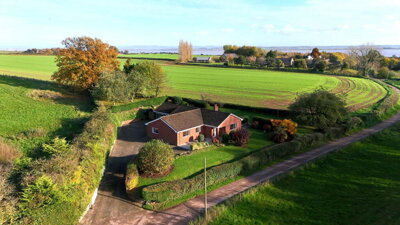
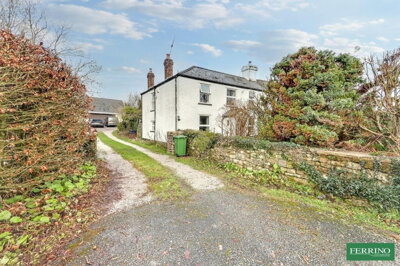
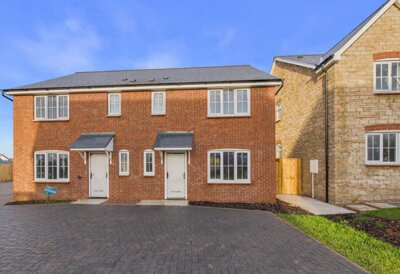
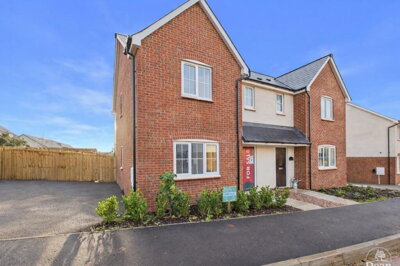
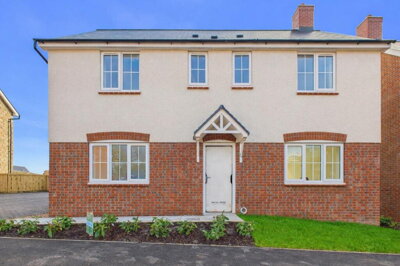
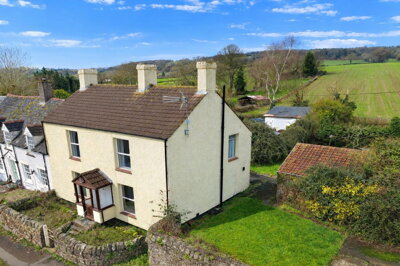
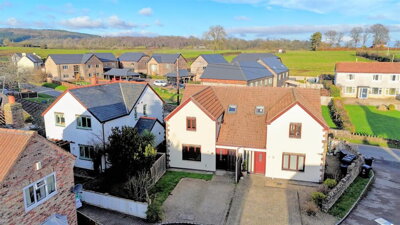
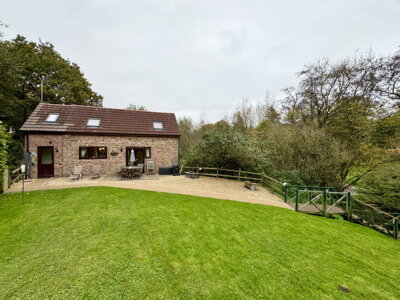
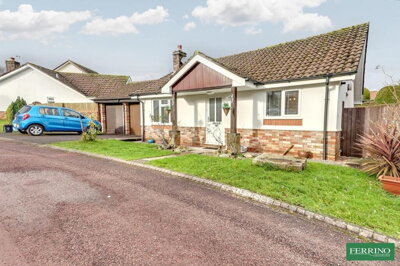
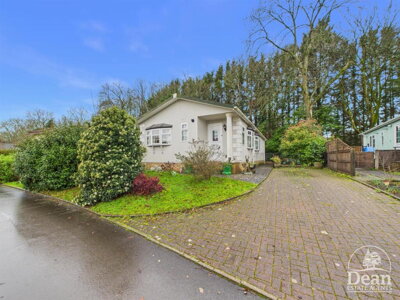
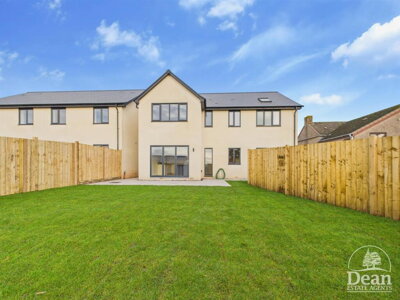
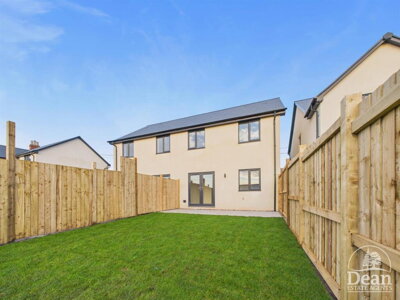
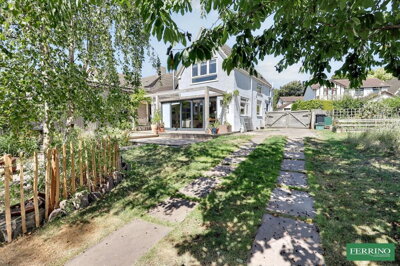
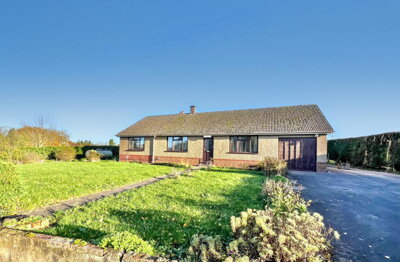
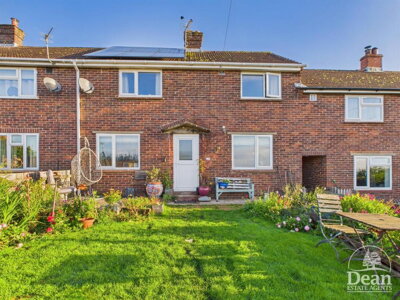
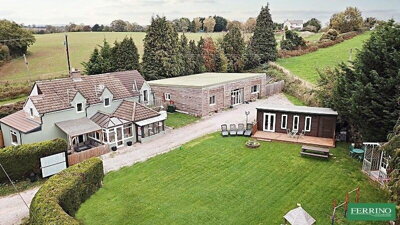
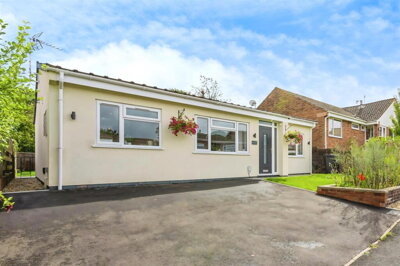
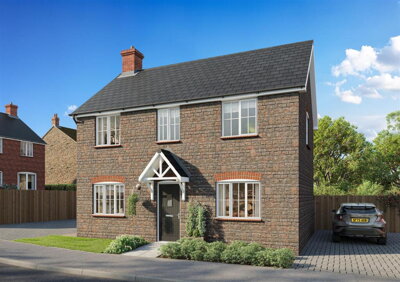
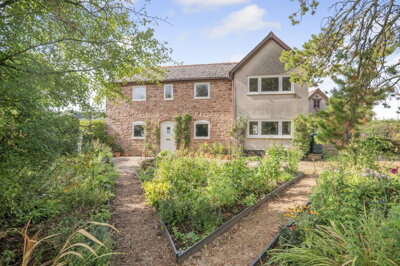
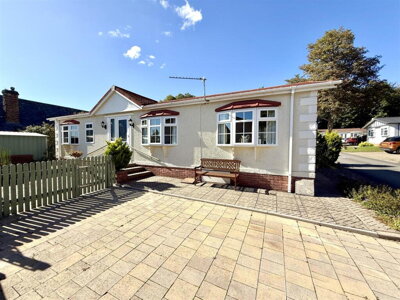
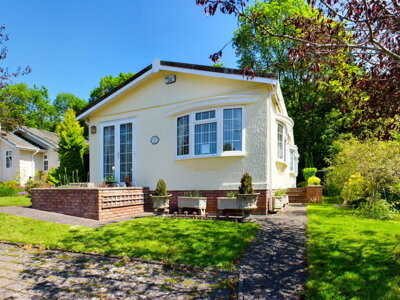
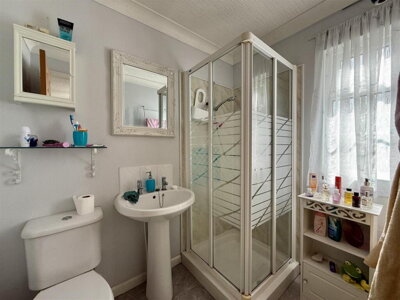
Browse 48 homes for sale in Woolaston, Forest of Dean from local estate agents.
£503k
20
1
147
Source: home.co.uk
Source: home.co.uk
Detached
12 listings
Avg £657,479
Semi-Detached
4 listings
Avg £302,238
Bungalow
1 listings
Avg £599,000
Cottage
1 listings
Avg £415,000
Detached Bungalow
1 listings
Avg £380,000
Terraced
1 listings
Avg £270,000
Source: home.co.uk
Source: home.co.uk
The Woolaston property market presents a compelling opportunity for buyers seeking value in the Forest of Dean area. Detached properties dominate the sales landscape, commanding an average price of £467,500 and reflecting the preference for spacious homes with gardens in this semi-rural setting. Semi-detached properties offer more accessible entry points at around £250,000, while terraced homes in the surrounding areas of High Woolaston, Woolaston Slade, and Woolaston Woodside average approximately £230,273. This diversity in property types ensures that first-time buyers, growing families, and those seeking more expansive accommodation can all find suitable options within the village and its surrounding hamlets.
Recent market data reveals that house prices in Woolaston have experienced a 4% decrease over the past twelve months, though they remain 12% higher than the 2022 peak of £401,000. This moderation in prices following the post-pandemic surge creates a more balanced market where buyers can negotiate with greater confidence. Interestingly, the sub-areas of High Woolaston, Woolaston Slade, and Woolaston Woodside have seen prices dip 8% year-on-year and sit 2% below their 2022 peak of £370,656. In contrast, Woolaston Common has bucked this trend with a significant rise in average sold prices over the last twelve months, suggesting strong demand in certain pockets of the village. Rightmove currently lists 226 properties sold in Woolaston, providing a substantial pool of comparable sales data for buyers assessing property values.
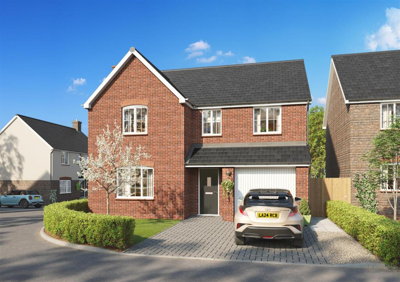
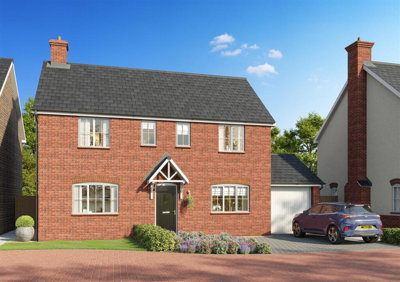
New build activity continues to shape the Woolaston market, with notable developments including Old Dairy Way (GL15 6NN) offering properties from £250,000 to £425,000, and planning approvals for 11 new homes off Netherend granted in July 2024. These new developments include a mix of two, three, and four-bedroom properties, with all being two storeys in height. The continued interest from developers reflects confidence in Woolaston's long-term appeal, driven by its excellent transport connections and natural environment.

Life in Woolaston revolves around community spirit and the stunning natural surroundings of the Forest of Dean. The village centre features essential amenities including Woolaston Primary School, a village shop, and a welcoming pub where locals gather for evening meals and weekend drinks. The Church of St Andrew, a Grade II listed building dating from centuries past, stands as both a spiritual centre and the village's rich heritage. Historical records reveal a fascinating architectural legacy, with properties ranging from 17th-century farmhouses like High Woolaston Farm and Burnt House to late 17th-century Tan House and early 18th-century Brookend House, reflecting the village's evolution through the Georgian and Victorian periods.
The geological diversity of Woolaston parish contributes to its distinctive landscape character and has shaped local construction methods over centuries. The higher elevations feature Carboniferous Limestone outcrops, while the ancient Old Red Sandstone extends along the Gloucester-Chepstow road corridor. The southeastern lowlands are characterised by Keuper Marl deposits, creating varied terrain that has shaped both the village's agricultural use and its distinctive architecture. This varied geology sits against the backdrop of the Severn Estuary, with walking routes offering panoramic views across to Wales on clear days. The village is well-served by public footpaths and bridleways, making it ideal for walkers and nature enthusiasts who appreciate the connection between built and natural environments.
Historically, the economy of Woolaston and the surrounding Forest of Dean was rooted in traditional industries including forestry, quarrying, and coal mining. These activities shaped the village's development and contributed to its distinctive character, with many properties built to serve the needs of workers in these sectors. Today, while the primary industries have declined, the legacy of this heritage remains visible in the architecture and layout of the village. Many residents now commute to employment centres in Bristol, Gloucester, and Cardiff, taking advantage of the excellent transport links that make village life practical for professionals. The combination of historical character, natural beauty, and modern connectivity makes Woolaston an attractive location for those seeking a balanced lifestyle.

Education provision in Woolaston centres on Woolaston Primary School, serving families with children from nursery age through to Year 6. The school prides itself on its nurturing approach and strong links with the local community, providing young learners with a solid foundation before they transition to secondary education. Parents in Woolaston benefit from several secondary school options within easy commuting distance, including popular choices in the surrounding towns of Lydney, Cinderford, and Chepstow. These schools serve families from across the Forest of Dean district, with catchment areas and admissions policies that parents should carefully review when considering properties in the village.
For families seeking alternative educational paths, the surrounding area offers several options. A selection of faith schools operates within the wider Forest of Dean region, alongside independent schools serving Gloucestershire and Monmouthshire. Sixth form provision is available at nearby secondary schools and colleges in larger towns, with students typically travelling to Lydney or Cinderford for advanced level studies. The proximity to the Welsh border means some families also explore educational opportunities across the Severn Bridge in Monmouthshire, broadening their options considerably. Parents should note that school catchment areas are determined by Forest of Dean District Council and can change, so verification of which schools serve specific addresses is essential before committing to a property purchase.
The age of properties in Woolaston is particularly relevant for families, as many homes date from the 17th, 18th, and 19th centuries. Properties such as Plusterwine House and Brookend House represent the historic housing stock that characterises much of the village, while newer developments like Old Dairy Way offer contemporary accommodation for those preferring modern construction standards. When purchasing older properties in school catchment areas, families should be aware that some period homes may require maintenance or renovation, and factor this into their overall budget and timeline.
Woolaston enjoys excellent connectivity despite its village setting, making it particularly attractive to commuters who work in Bristol, Gloucester, or Cardiff. The Woolaston railway station provides regular services on the Gloucester to Chepstow line, offering direct connections to key destinations. Journey times from Woolaston station include approximately 35 minutes to Gloucester, around 50 minutes to Bristol Parkway, and convenient access to the historic city of Hereford. This rail connectivity transforms the village from a purely rural retreat into a practical base for professionals working across the wider region.
Road connections from Woolaston are equally impressive, with the A48 providing direct access to the M48 and M4 motorway networks. The village sits comfortably within driving distance of major employment centres, with Bristol accessible in approximately 45 minutes during off-peak hours. The Severn Bridge and Second Severn Crossing connect Woolaston to South Wales, opening up opportunities in Newport and Cardiff within roughly an hour. Local bus services connect Woolaston to surrounding villages and towns, while Lydney, just a short drive away, offers additional rail services and amenities. For those working in Gloucester, the drive along the A48 is straightforward, passing through the scenic Forest of Dean landscape.
The combination of rail and road connections makes Woolaston particularly competitive against more expensive property markets in Bristol and Cardiff. Commuters can access major employment centres while enjoying significantly lower property prices and the quality of life that village living provides. The railway station serves as a key asset for the village, with regular services throughout the day connecting residents to healthcare, shopping, and cultural amenities in larger cities without the need for car ownership.
Start by exploring our comprehensive listings to understand what is available within your budget. With average prices around £447,727 for detached properties and more affordable terraced options available from approximately £230,273, set realistic expectations before arranging viewings. Review recent sales data and new developments such as Old Dairy Way to understand the full range of options, from period properties to contemporary new builds.
Contact estate agents active in the Forest of Dean area to arrange viewings of properties that match your criteria. We recommend viewing at least three properties before making any decisions, paying close attention to the condition of older properties given the village's historic housing stock. Many properties in Woolaston date from the 17th, 18th, and 19th centuries, so understanding their construction and maintenance history is essential before committing.
Before making an offer, secure a mortgage agreement in principle from a lender. This strengthens your position when negotiating with sellers and demonstrates your commitment and financial capability. With Woolaston property prices ranging from around £230,000 for terraced homes to over £467,500 for detached properties, understanding your borrowing capacity early in the process helps narrow your search effectively.
Work with your estate agent to submit a competitive offer. Given the recent 4% price adjustment in the local market following the post-pandemic surge, there may be room for negotiation, particularly on properties that have been listed for some time. The sub-area of High Woolaston has seen prices dip 8% year-on-year, creating opportunities for buyers in certain segments of the market.
Appoint a conveyancing solicitor to handle the legal aspects of your purchase. They will conduct searches, review contracts, and liaise with the seller's representatives throughout the transaction. Given Woolaston's varied geology and number of listed buildings, searches may need to address specific considerations around planning history and heritage designations.
Once all searches are satisfactory and finances are confirmed, you will exchange contracts and set a completion date. On completion day, the remaining funds are transferred and you receive the keys to your new Woolaston home. Our team can recommend conveyancing solicitors and surveyors experienced with properties in the Forest of Dean area to help ensure a smooth transaction.
When purchasing property in Woolaston, understanding the local housing stock is essential given the village's varied architectural heritage spanning several centuries. Several properties carry listed building status, including the Grade II Church of St Andrew, Brookend House and its gate piers and boundary wall, Burnt House Farmhouse, High Woolaston Farmhouse and Barn, and Plusterwine House. If you are considering a listed property, be aware that any alterations or renovations will require Listed Building Consent from Forest of Dean District Council, potentially limiting future modification options. Your survey should specifically flag any listed status and associated obligations.
The geological diversity of the Woolaston area, ranging from Carboniferous Limestone at higher elevations to Old Red Sandstone along the Gloucester-Chepstow road and Keuper Marl in the southeastern lowlands, means that buyers should commission thorough structural surveys before completing. Properties in areas with varied geology may be susceptible to ground movement, and a RICS Level 2 Survey can identify potential issues with foundations, subsidence risk, or drainage before you commit to purchase. This is particularly important for older properties dating from the 17th and 18th centuries that may have been built to different construction standards than modern homes. Properties such as Burnt House Farmhouse feature rendered walls with asbestos-cement slate roofs, which require specific maintenance knowledge.
Flood risk should be considered given Woolaston's position on the Severn Estuary, though specific flood risk areas within the village require detailed local research. Properties in low-lying areas near watercourses or the estuary may be more susceptible to flooding during periods of high tides or heavy rainfall. We recommend requesting flood risk searches as part of your conveyancing process and discussing any concerns with your surveyor, particularly for properties in the southeastern parts of the parish where Keuper Marl deposits create different ground conditions.
For buyers considering new build properties, recent developments include Old Dairy Way (GL15 6NN) by Bell Homes offering 2, 3, and 4-bedroom houses priced from £250,000 to £425,000. Planning approvals for 11 homes off Netherend granted in July 2024 indicate continued new supply entering the market. New builds typically come with warranties such as NHBC cover, but buyers should still conduct thorough inspections at each construction stage and before completion to identify any snagging issues.
The average house price in Woolaston stands at £447,727 according to Rightmove and £456,786 according to Zoopla. Detached properties average £467,500, semi-detached homes around £250,000, and terraced properties approximately £230,273. House prices have decreased 4% over the past year but remain 12% above the 2022 peak of £401,000, indicating a market that has stabilised following post-pandemic growth. Rightmove currently shows 226 properties listed as sold in Woolaston, providing substantial comparable data for buyers assessing property values in this Forest of Dean village.
Properties in Woolaston fall under Forest of Dean District Council for council tax purposes. Bands range from A through to H depending on the property's assessed value, with most period properties and new builds likely to fall within the lower to mid-range bands given typical property values in the village. You can verify the specific band for any property through the Valuation Office Agency website or on the property listing details where available. Council tax funds local services including education, waste collection, and road maintenance, all of which contribute to Woolaston's quality of life.
Woolaston Primary School serves families in the village for children aged 4-11 years, providing education from nursery through to Year 6 with a focus on community values and individual pupil development. For secondary education, popular choices include schools in nearby Lydney and Cinderford, both accessible via the A48 or by school bus services that serve the village. The school catchment areas are determined by Forest of Dean District Council, so parents should verify which schools serve specific addresses before purchasing, as catchment boundaries can affect admissions outcomes.
Woolaston railway station provides regular train services on the Gloucester to Chepstow line, with direct connections to Gloucester in approximately 35 minutes, Bristol Parkway in around 50 minutes, and onward connections to Cardiff. Local bus services connect the village to surrounding communities including Lydney, where additional rail services and amenities are available. The A48 provides straightforward road access to the M48 and M4 motorways for those preferring to drive, with Bristol accessible in roughly 45 minutes during off-peak conditions.
Woolaston offers several investment considerations for buyers seeking value in the Forest of Dean area. The village benefits from excellent transport links to major employment centres in Bristol, Gloucester, and Cardiff, making it attractive to commuters who wish to maximise property space while maintaining career options. Recent planning approvals for new developments, including 11 homes approved at Netherend in July 2024 and the Bell Homes development at Old Dairy Way, indicate continued interest in the area from developers and buyers alike. Property prices have recovered strongly from the 2022 peak of £401,000, suggesting underlying demand, though the recent 4% annual decline suggests a buyer-friendly market with negotiating potential.
Stamp Duty Land Tax (SDLT) rates from April 2025 are 0% on the first £250,000 of residential property purchases, 5% on the portion from £250,001 to £925,000, 10% on £925,001 to £1.5 million, and 12% on amounts exceeding £1.5 million. First-time buyers benefit from relief on the first £425,000, with 5% charged between £425,001 and £625,000. For a typical Woolaston property at the village average of £447,727, a standard buyer would pay approximately £9,886 in SDLT, while first-time buyers may qualify for relief reducing this cost significantly depending on their eligibility status and property price.
Woolaston contains numerous listed buildings reflecting its historic heritage, including the Grade II Church of St Andrew at the village centre, Brookend House with its gate piers and boundary wall, Burnt House Farmhouse, High Woolaston Farmhouse and Barn, and Plusterwine House. Properties at Plusterwine and Brookend dating from the late 18th or early 19th century are also listed, along with various agricultural buildings including a barn approximately 75 metres west of Woolaston Grange and a farm building possibly serving as a pigeon house about 25 metres east of Plusterwine House. Buyers considering listed properties should budget for the additional costs and restrictions associated with heritage designations.
Currently, Old Dairy Way (GL15 6NN) offers new homes by Bell Homes with 2, 3, and 4-bedroom properties ranging from £250,000 to £425,000. At Netherend, planning approval was granted in July 2024 for 11 new homes including a mix of two, three, and four-bedroom properties, all two storeys in height. These new developments provide options for buyers seeking modern construction standards, energy efficiency, and the warranties that typically accompany new build purchases, complementing the older housing stock that characterises much of the village.
Understanding the full costs of purchasing property in Woolaston is essential for budgeting effectively. Beyond the property purchase price, buyers should account for Stamp Duty Land Tax, which applies to all purchases above £250,000 at standard rates from April 2025. For a typical Woolaston property at the village average of £447,727, a buyer would pay £250,000 at 0%, the next £197,727 at 5%, resulting in SDLT of approximately £9,886. First-time buyers purchasing properties up to £625,000 may qualify for relief, potentially reducing this cost significantly.
Additional purchase costs include solicitor fees for conveyancing, typically ranging from £499 to £1,500 depending on the complexity of the transaction and whether the property is freehold or leasehold. Given the number of listed buildings in Woolaston and the village's varied geology, some transactions may require additional searches or specialist advice, potentially increasing legal costs. Survey costs for a RICS Level 2 Homebuyer Report start from around £350, with more comprehensive Level 3 Structural Surveys priced higher for older or more complex properties, including the many 17th and 18th-century homes in the village.
Search fees, land registry fees, and mortgage arrangement fees should also be budgeted for, bringing total additional costs to approximately 2-3% of the property purchase price. For a property at the Woolaston average of £447,727, buyers should anticipate additional costs of roughly £8,954 to £13,432 on top of the purchase price. We recommend obtaining quotes from several providers to ensure competitive pricing on these essential services, and our platform can connect you with recommended conveyancers and surveyors experienced in Forest of Dean property transactions.
Properties for Sale In London

Properties for Sale In Plymouth

Properties for Sale In Liverpool

Properties for Sale In Glasgow

Properties for Sale In Sheffield

Properties for Sale In Edinburgh

Properties for Sale In Coventry

Properties for Sale In Bradford

Properties for Sale In Manchester

Properties for Sale In Birmingham

Properties for Sale In Bristol

Properties for Sale In Oxford

Properties for Sale In Leicester

Properties for Sale In Newcastle

Properties for Sale In Leeds

Properties for Sale In Southampton

Properties for Sale In Cardiff

Properties for Sale In Nottingham

Properties for Sale In Norwich

Properties for Sale In Brighton

Properties for Sale In Derby

Properties for Sale In Portsmouth

Properties for Sale In Northampton

Properties for Sale In Milton Keynes

Properties for Sale In Bournemouth

Properties for Sale In Bolton

Properties for Sale In Swansea

Properties for Sale In Swindon

Properties for Sale In Peterborough

Properties for Sale In Wolverhampton

Enter your details to see if this property is within your budget.
Loans, cards, car finance
Estimated property budget
Borrowing + deposit
You could borrow between
Typical borrowing
Monthly repayment
Est. at 4.5%
Loan-to-value
This is an estimate only. Your actual budget may vary depending on interest rates, credit history, and personal circumstances. For an accurate affordability assessment, speak to one of our free mortgage advisors.
This calculator provides estimates for illustrative purposes only and does not constitute financial advice. Your home may be repossessed if you do not keep up repayments on your mortgage. Estimates based on 4.5% interest rate, repayment mortgage. Actual rates depend on your circumstances.
Homemove is a trading name of HM Haus Group Ltd (Company No. 13873779, registered in England & Wales). Homemove Mortgages Ltd (Company No. 15947693) is an Appointed Representative of TMG Direct Limited, trading as TMG Mortgage Network, which is authorised and regulated by the Financial Conduct Authority (FRN 786245). Homemove Mortgages Ltd is entered on the FCA Register as an Appointed Representative (FRN 1022429). You can check registrations at NewRegister or by calling 0800 111 6768.

We use cookies to show you personalised content and improve your experience of our website. Find out more in our Privacy policy and Cookie policy.