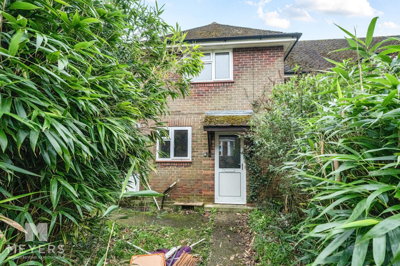
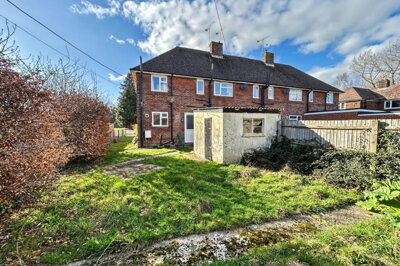
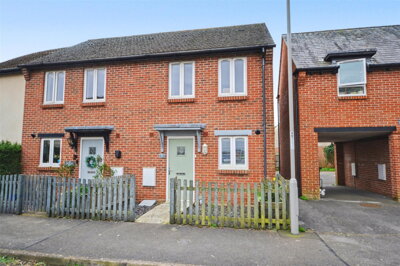
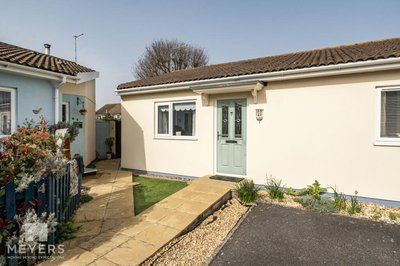
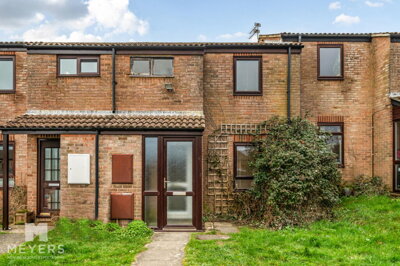
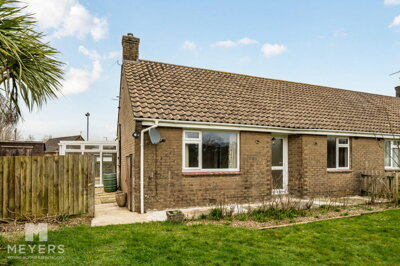
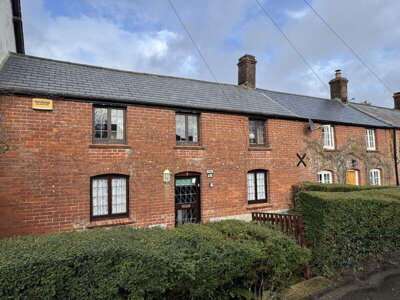
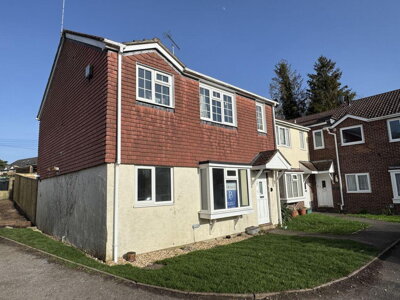
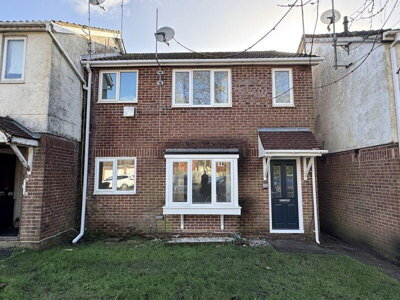
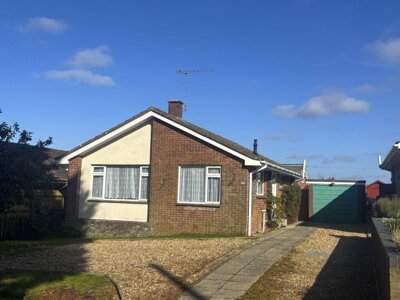
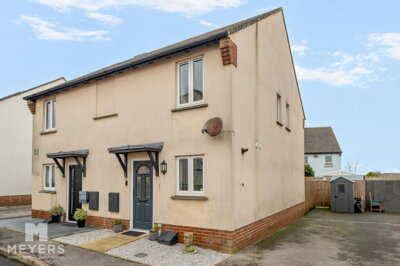
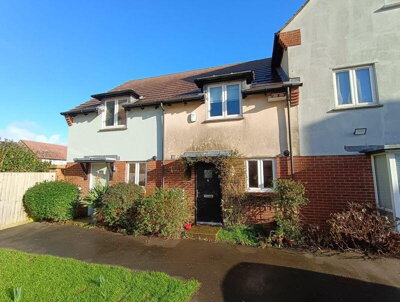
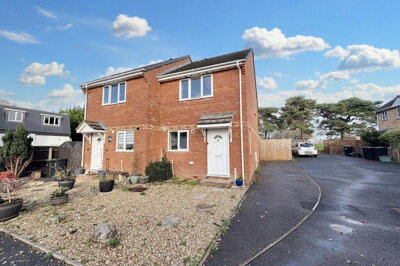
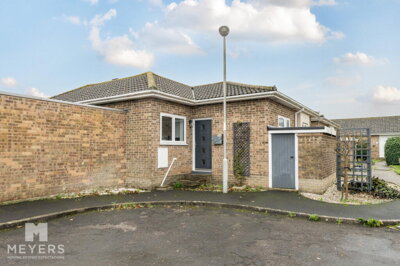
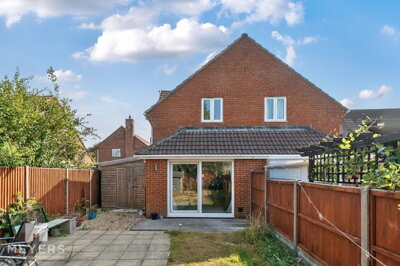
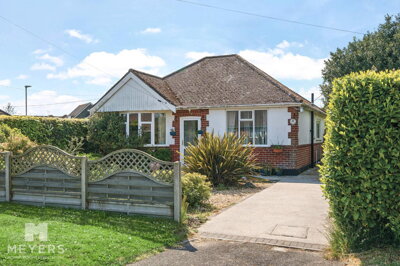
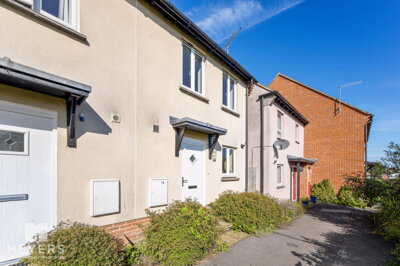
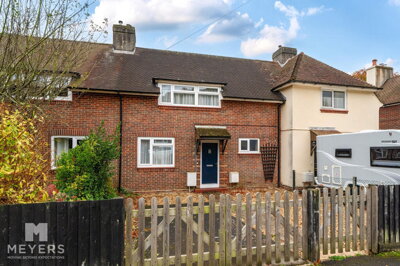
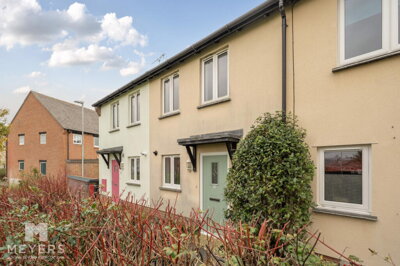
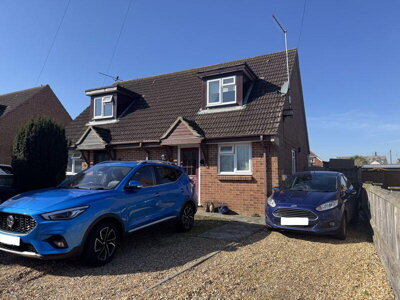
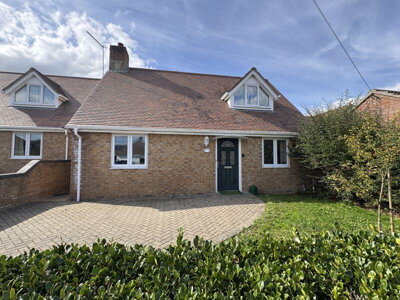
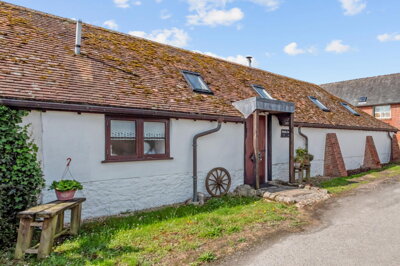
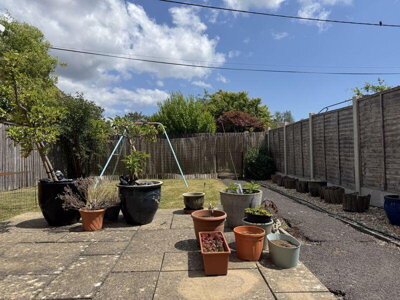
Browse 23 homes for sale in Wool, Dorset from local estate agents.
The 2 bed house market features detached, semi-detached, and terraced properties with two separate bedrooms plus living spaces. Properties in Wool range from Victorian and Edwardian period homes to modern new builds, with pricing varying across different neighbourhoods.
£250k
9
0
120
Source: home.co.uk
Showing 9 results for 2 Bedroom Houses for sale in Wool, Dorset. The median asking price is £250,000.
Source: home.co.uk
Semi-Detached
4 listings
Avg £267,500
Terraced
4 listings
Avg £251,238
Detached
1 listings
Avg £385,000
Source: home.co.uk
Source: home.co.uk
The St. Clether property market is characterised by its scarcity and quality, with homes rarely appearing on the open market. Our current listings show a range of property types from traditional stone cottages to substantial detached farmhouses, with recent sales data indicating an average sold price of approximately £2,320,000. This figure reflects several high-value transactions including the notable sale of Ta Mill on Ta Mill Road for £2,320,000 in late 2025. For buyers seeking more modest accommodation, two-bedroom cottages typically start from around £250,000, while spacious family homes with land can exceed £750,000.
Property availability in St. Clether fluctuates significantly given the village's small size and the traditional nature of its housing stock. Houseprices.io records indicate 59 sales transactions in the St Clether area over time, demonstrating consistent activity when properties do come to market. The market attracts buyers from across the UK seeking an escape to Cornwall, with many properties purchased as second homes or holiday lets. First-time buyers face challenges given the limited stock of affordable properties, though shared ownership arrangements and rural mortgage schemes may provide pathways onto the property ladder in this area.
The predominant housing stock in St. Clether consists of period properties built before 1919, predominantly using traditional Cornish stone and render construction methods. These older properties offer tremendous character but require careful consideration during purchase. Many homes in the village feature original features such as exposed beams, inglenook fireplaces, and slate roofs that reflect the craftsmanship of previous centuries. The limited new-build activity in the area means that modern, energy-efficient properties are rarely available, making any newly constructed homes particularly sought after. Our team regularly advises buyers to factor in the costs of modernising older properties when budgeting for a purchase in this village.
The variety of property types in St. Clether reflects its agricultural heritage and centuries of continuous habitation. Detached farmhouses with land represent the premium end of the market, often featuring multiple reception rooms, outbuildings, and grounds extending to several acres. These substantial homes typically command prices well above £750,000 and appeal to buyers seeking space, privacy, and the rural lifestyle that Cornwall offers. Semi-detached and terraced cottages form the backbone of more affordable options, with two-bedroom properties beginning around the £250,000 mark. Many of these cottages have been lovingly maintained by their current owners, though some require updating to bring them in line with modern standards.
The Camel Valley location influences property construction throughout St. Clether, with local stone being the predominant building material for walls, boundary walls, and garden features. Properties built in the 18th and 19th centuries often feature solid wall construction rather than cavity walls, which affects insulation properties and can contribute to damp issues if not properly maintained. Roofs are typically constructed using natural slate or stone tiles, materials that weather beautifully but require occasional replacement as they age. Our inspectors frequently note that prospective buyers should pay particular attention to the condition of these traditional features when viewing properties, as replacement costs can be substantial. The village also contains several converted agricultural buildings, offering contemporary living spaces within characterful structures.

Life in St. Clether revolves around the rhythms of rural Cornwall, where community spirit runs deep and the pace of life remains unhurried. The village sits within the Camel Valley, an area renowned for its outstanding natural beauty and productive farmland that has shaped the local economy for centuries. Local agriculture includes livestock farming and the cultivation of vegetables, with farm shops and markets providing fresh produce to residents. The surrounding countryside offers extensive walking opportunities along public footpaths and bridleways that traverse rolling hills and valley bottoms. The River Camel flows through the valley, providing scenic walks and supporting the diverse wildlife habitats that attract nature enthusiasts to the area.
The village itself is compact, centred around St. Clether's historic church dedicated to St. Marcellella, which dates from the 15th century and represents an important feature of the local heritage. A traditional village pub provides a focal point for social gatherings and serves home-cooked food using locally-sourced ingredients. The nearby town of Launceston, just six miles distant, offers comprehensive shopping facilities including major supermarkets, independent retailers, and a weekly market. Cultural attractions in the wider area include Tintagel Castle, the Eden Project, and numerous National Trust properties that draw visitors to North Cornwall throughout the year. The tourist season brings additional vitality to the local economy, with many residents benefiting from the visitors who explore the beautiful surrounding countryside.
Community events throughout the year bring residents together, including seasonal celebrations at the village hall and occasional farmer's markets showcasing local produce. The slower pace of life in St. Clether appeals particularly to those seeking an escape from urban, though the village remains connected enough to offer modern conveniences. High-speed broadband has improved significantly in recent years, enabling more residents to work remotely from the village. The Camel Valley itself is famous for its vineyards and farmland, with the area producing award-winning vegetables and dairy products that are celebrated throughout Cornwall and beyond. Many residents appreciate the sense of self-sufficiency that rural living in St. Clether provides.

Families considering a move to St. Clether will find educational options available within reasonable travelling distance, though rural schools in this part of Cornwall tend to be smaller than their urban counterparts. The nearest primary school is located in the neighbouring village of Trenoth or in the town of Linkinhorne, both serving the surrounding rural community with classes typically organised in mixed-age groups. Primary education in Cornish rural schools emphasises outdoor learning and community connections, reflecting the agricultural heritage of the area. School transport arrangements are essential for families without private vehicles, with Cornwall Council providing bus services to schools within a defined radius.
Secondary education is available at schools in Launceston, including the popular Launceston College which offers A-level courses and has a strong reputation for academic achievement. Transport to secondary school typically involves a bus journey of 15-25 minutes depending on the specific route and traffic conditions. For younger children, early years provision includes the nearby St. Clether Community Centre which runs occasional childcare sessions and mother and toddler groups. Parents should verify current school catchments and admission arrangements directly with Cornwall Council, as these can change and may influence property values in specific streets or hamlets.
Several primary schools in the surrounding area serve the broader community, including St. Stephen's Community Primary School in St. Stephen and Linkinhorne School in the nearby village of the same name. These schools maintain strong links with the local agricultural community and offer curricula that incorporate the natural environment surrounding the village. For families prioritising education, the journey times to secondary schools should be carefully considered, as transport arrangements can significantly impact daily family routines. Some families choose to board children locally during the week or opt for independent schooling options available in the wider Cornwall area. The small class sizes typical of rural Cornish schools often provide individual attention that can benefit students who thrive in more personal learning environments.
Transport connections from St. Clether reflect its rural character, with private motoring being the primary means of travel for most residents. The village sits approximately eight miles from the A30, Cornwall's main trunk road, which provides access to Exeter and the M5 motorway for longer journeys. The journey to Truro takes approximately 50 minutes by car, while Plymouth can be reached in around an hour. Bristol is approximately three hours away, making this location practical for those who occasionally need to travel further afield for business or family connections. Daily commuting to major employment centres is challenging given the distance involved, though remote working has made rural Cornish living more viable for many professionals.
Public transport options are limited, as is typical for small Cornish villages. Bus services operate on routes connecting Launceston with surrounding villages, though frequencies are typically hourly or less frequent outside peak times. The nearest railway station is at Liskeard or Bodmin Parkway, both offering connections to London Paddington via Plymouth. Bodmin Parkway station is approximately 25 miles away, with a journey time of around four hours to London. For air travel, Newquay Airport provides seasonal flights to UK destinations and some European locations, situated approximately 40 miles from St. Clether. Cyclists benefit from quiet country lanes, though the hilly terrain requires a reasonable level of fitness for longer rides.
For residents who work in Launceston, the daily commute by car takes approximately 20 minutes via the A395, making reverse commuting a practical option for some professionals. Those employed in tourism-related industries in popular destinations such as Padstow and Rock find the access to the north Cornwall coast particularly convenient from St. Clether. The village's position within the Camel Valley means that journeys to the coast at Daymer Bay or Rock take around 35 minutes, allowing residents to enjoy beach access while living in a tranquil rural setting. Planning permission for home working spaces has become increasingly common in the village, reflecting the shift towards flexible employment arrangements that make rural living more compatible with professional careers.
Spend time exploring St. Clether and surrounding villages to understand what makes this part of North Cornwall special. Visit at different times of day and week, speak to residents, and familiarise yourself with local amenities and travel connections before committing to a purchase. Our team can arrange viewings across multiple properties to help you compare the different characteristics of homes available in this sought-after village.
Speak to a mortgage broker about your financial situation and obtain an agreement in principle before viewing properties. Rural properties can sometimes involve complex mortgage requirements, particularly for older properties or those with land attached. Specialist rural mortgage products are available for properties with land, and a broker experienced in Cornish property transactions will understand the specific requirements that may apply to traditional stone buildings.
Work with local estate agents who know the St. Clether area intimately. View multiple properties to compare condition, character, and value. Be prepared to travel for viewings as properties are scattered across this rural parish. Many properties in St. Clether are viewed by multiple interested parties, so moving quickly when a suitable property becomes available is advisable in this competitive market.
Once you have an offer accepted, arrange a professional survey before proceeding. Older Cornish properties may have issues with damp, roofing, or outdated services that require specialist assessment. Our RICS Level 2 surveyors understand the construction methods typical of traditional Cornish buildings and can identify defects that a less experienced surveyor might miss.
Choose a solicitor with experience in Cornwall property transactions to handle the legal work. They will conduct searches with Cornwall Council and handle the transfer of ownership. Rural properties sometimes involve unregistered titles or complex boundaries that require additional expertise, making local knowledge valuable during the conveyancing process.
Work with your solicitor and mortgage provider to finalise the transaction. Rural property sales can take longer than urban transactions due to the complexity of some titles and the need for additional searches. Factor in extra time for surveys of agricultural land or outbuildings, and maintain regular communication with all parties to ensure a smooth completion.
Purchasing property in rural North Cornwall requires careful consideration of factors that may not affect urban buyers. Properties in St. Clether are often older construction, potentially dating from the 18th or 19th century, which brings character but also potential maintenance concerns. Look closely at the condition of roofs, as slate and stone tiles on older buildings can require expensive replacement. Check for signs of damp in walls, particularly in properties with solid walls rather than cavity construction. The presence of single-glazed windows and outdated heating systems will affect your ongoing costs and comfort.
Rural properties frequently come with additional land or outbuildings that require maintenance and insurance consideration. Septic tanks or private drainage systems are common in areas without mains sewerage, requiring regular emptying and maintenance. Property boundaries may be poorly defined in older parcels, making a professional survey essential. Flood risk in this part of Cornwall is generally low given the village's elevation, though you should check with the Environment Agency for specific flood maps covering your potential purchase. Properties in conservation areas or those with listed building status will have restrictions on alterations and may require specialist surveys and consent for any changes.
The geology of the Camel Valley means that properties may be built on variable ground conditions, and our surveyors always check for signs of subsidence or ground movement during inspections. Traditional Cornish stone buildings are generally robust, but the mortar between stones can deteriorate over time, leading to damp penetration and structural issues if not addressed. Electrical systems in older properties frequently require complete rewiring to meet modern standards, with costs typically ranging from £3,000 to £8,000 depending on property size. Heating systems using oil or LPG are common, as mains gas is not available in many rural Cornish locations, meaning buyers should budget for fuel storage and delivery arrangements. Our inspectors pay particular attention to these rural-specific issues when surveying properties in the St. Clether area.
Recent data shows an average sold price of approximately £2,320,000 in St. Clether, though this figure is skewed by high-value rural properties with land such as the notable sale of Ta Mill on Ta Mill Road for £2,320,000 in December 2025. More modest cottages and terraced properties can be found from £250,000, while substantial detached homes with gardens command prices of £500,000 to over £1 million. The limited number of sales in this small village means prices can fluctuate significantly based on what has recently sold, and Houseprices.io records indicate 59 total sales in the area over time. Buyers should focus on properties matching their specific requirements rather than average figures when searching in this village.
Properties in St. Clether fall under Cornwall Council's jurisdiction and most traditional cottages and farmhouses in the village are likely to be in council tax bands A to C, reflecting their smaller size and older construction from the pre-1919 period. Larger detached properties and converted farm buildings may be in bands D or E. The village's position within the Camel Valley means that property values vary considerably between different parts of the parish, with homes commanding views or with additional land typically falling into higher banding categories. You can check specific bandings on the Cornwall Council website or the gov.uk valuation office database.
Primary education is available at schools in nearby villages and Launceston, with St. Stephen's Community Primary School and Linkinhorne School serving the surrounding rural area with strong community links. Launceston College provides secondary education and has strong academic results, with many students progressing to university courses after completing their A-levels there. Parents should verify current admission arrangements and consider transport requirements when choosing a property, as catchment areas can span considerable distances in this rural part of North Cornwall. Some families also explore independent schooling options available in Truro or Plymouth for those seeking alternative educational approaches.
Public transport links from St. Clether are limited, as is typical for small rural villages in Cornwall. Bus services to Launceston run several times daily but are not frequent enough for regular commuters, with the last service often departing mid-afternoon. The nearest railway stations at Bodmin Parkway and Liskeard require a car journey of 25-30 minutes, with trains to London Paddington taking approximately four hours. Most residents rely on private vehicles for daily transport, making car ownership essential for comfortable living in this area. The village's position near the A395 provides reasonable access to the A30 for longer journeys towards Exeter and beyond.
St. Clether offers potential for property investment, particularly for holiday lets or second homes given the area's popularity with visitors to North Cornwall and the proximity to beaches at Padstow and Rock. The limited supply of properties for sale helps maintain values, though the small market means capital growth may be slower than in more active areas. Rural properties with land or character features tend to hold their value well over the long term. Cornwall's tourism economy supports holiday let demand, though buyers should check current planning regulations regarding holiday rental arrangements with Cornwall Council before purchasing with this intention.
Stamp duty rates for 2024-25 are 0% on the first £250,000, 5% on £250,001 to £925,000, 10% on £925,001 to £1.5 million, and 12% above that. First-time buyers relief applies 0% on the first £425,000 with 5% between £425,001 and £625,000. For a typical cottage priced at £350,000, a first-time buyer would pay £0 in stamp duty, while a subsequent buyer would pay £5,000. Premium properties above £925,000 attract the higher rate bands. Given the high average property values in St. Clether, many purchases will fall into the 5% bracket, making accurate calculation essential when budgeting for your purchase.
Understanding the full costs of buying property in St. Clether requires budgeting beyond the purchase price itself. Stamp duty land tax applies to all purchases above £250,000 at standard rates, with the exception of first-time buyer relief which raises the zero-rate threshold to £425,000. For a £350,000 cottage in St. Clether, a first-time buyer would pay no stamp duty, while a home mover would pay £5,000. Properties priced above £925,000 attract the 10% rate on the portion above that threshold, making accurate budgeting essential for higher-value rural homes with land.
Additional buying costs include solicitor fees typically ranging from £800 to £2,000 for conveyancing work, with complex rural titles or listed buildings potentially requiring additional fees to cover extra searches. A RICS Level 2 survey costs from £350 depending on property size and value, while an Energy Performance Certificate is mandatory and costs from £60. Mortgage arrangement fees typically range from 0% to 2% of the loan amount, though many lenders offer fee-free deals. Land registry fees for registering your ownership depend on the property price. Buyers should set aside funds for moving costs, immediate repairs, and the higher heating costs often associated with older rural properties.
Given the age of many properties in St. Clether, buyers should anticipate costs for updating electrical systems, replacing heating equipment, and addressing any maintenance issues identified during survey. Properties with septic tanks will require ongoing maintenance costs including emptying and potential upgrade to meet current regulations. Buildings insurance in rural areas can be higher than urban premiums due to the costs associated with traditional construction methods and the potential for subsidence in some locations. Setting aside a contingency fund equivalent to at least 10% of the purchase price is advisable for older properties requiring modernisation.
Properties for Sale In London

Properties for Sale In Plymouth

Properties for Sale In Liverpool

Properties for Sale In Glasgow

Properties for Sale In Sheffield

Properties for Sale In Edinburgh

Properties for Sale In Coventry

Properties for Sale In Bradford

Properties for Sale In Manchester

Properties for Sale In Birmingham

Properties for Sale In Bristol

Properties for Sale In Oxford

Properties for Sale In Leicester

Properties for Sale In Newcastle

Properties for Sale In Leeds

Properties for Sale In Southampton

Properties for Sale In Cardiff

Properties for Sale In Nottingham

Properties for Sale In Norwich

Properties for Sale In Brighton

Properties for Sale In Derby

Properties for Sale In Portsmouth

Properties for Sale In Northampton

Properties for Sale In Milton Keynes

Properties for Sale In Bournemouth

Properties for Sale In Bolton

Properties for Sale In Swansea

Properties for Sale In Swindon

Properties for Sale In Peterborough

Properties for Sale In Wolverhampton

Enter your details to see if this property is within your budget.
Loans, cards, car finance
Estimated property budget
Borrowing + deposit
You could borrow between
Typical borrowing
Monthly repayment
Est. at 4.5%
Loan-to-value
This is an estimate only. Your actual budget may vary depending on interest rates, credit history, and personal circumstances. For an accurate affordability assessment, speak to one of our free mortgage advisors.
This calculator provides estimates for illustrative purposes only and does not constitute financial advice. Your home may be repossessed if you do not keep up repayments on your mortgage. Estimates based on 4.5% interest rate, repayment mortgage. Actual rates depend on your circumstances.
Homemove is a trading name of HM Haus Group Ltd (Company No. 13873779, registered in England & Wales). Homemove Mortgages Ltd (Company No. 15947693) is an Appointed Representative of TMG Direct Limited, trading as TMG Mortgage Network, which is authorised and regulated by the Financial Conduct Authority (FRN 786245). Homemove Mortgages Ltd is entered on the FCA Register as an Appointed Representative (FRN 1022429). You can check registrations at NewRegister or by calling 0800 111 6768.

We use cookies to show you personalised content and improve your experience of our website. Find out more in our Privacy policy and Cookie policy.