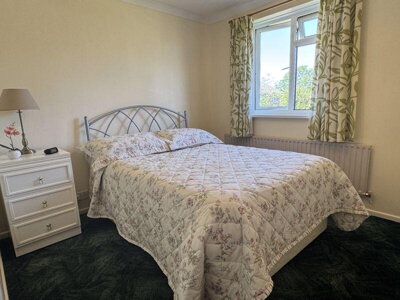
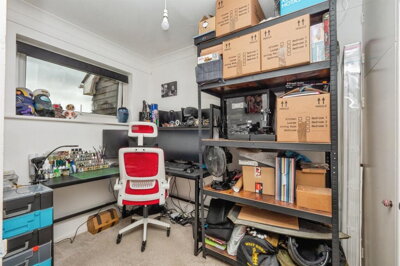
Browse 2 homes for sale in Wool, Dorset from local estate agents.
The 2 bed flat sector typically includes two separate bedrooms, dedicated living areas, and bathroom facilities. Properties in Wool span purpose-built blocks, converted period houses, and modern apartment complexes on various floors.
£175k
3
0
111
Source: home.co.uk
Showing 3 results for 2 Bedroom Flats for sale in Wool, Dorset. The median asking price is £175,000.
Source: home.co.uk
Flat
3 listings
Avg £175,000
Source: home.co.uk
Source: home.co.uk
The property market in St. Clether operates within Cornwall's rural housing sector, where limited supply meets steady demand from buyers seeking countryside living away from coastal tourist hotspots. Recent transaction data for the PL15 postcode area shows approximately 24 recorded sales over the past year, though the village's small scale means individual transactions can significantly influence aggregate statistics. The most notable recent sale in the immediate area was Ta Mill on Ta Mill Road, which sold for £2,320,000 in December 2025, highlighting that substantial period properties with land occasionally appear on the market. For context, this single high-value transaction skews the average price significantly, so buyers should focus on comparable sales of similar property types rather than headline averages when assessing value.
Property types in St. Clether and its surrounding parish typically include traditional stone cottages, detached farmhouses, converted agricultural buildings, and sympathetically extended period homes. Semi-detached and terraced properties are less common in this truly rural setting, as the housing stock reflects the agricultural heritage of the area rather than modern suburban development. Many properties feature traditional Cornish construction methods, including solid stone walls, slate or clay tile roofs, and original timber windows that require ongoing maintenance but contribute to the authentic character of the village. New build activity in St. Clether itself remains minimal, consistent with the character of a village that prioritises preservation of its historic environment over expansion.
For buyers, the limited stock in St. Clether means that properties coming to market deserve careful attention and swift action when they appear. Working with a local estate agent familiar with the Launceston area proves valuable, as many properties in rural Cornwall change hands through off-market arrangements or through agents with deep community connections. Given the small number of annual transactions, building relationships with local agents before you find your ideal property often proves more effective than relying solely on public listing portals. The village's proximity to Launceston provides access to a wider range of amenities while maintaining the peace and privacy that defines life in St. Clether.

St. Clether embodies the essence of rural Cornwall, offering residents a lifestyle defined by open countryside, historic architecture, and a genuine sense of community that has endured for generations. The village takes its name from the River Clether, a tributary that winds through the parish and contributes to the lush, green landscape characteristic of this part of North Cornwall. Settled since medieval times, St. Clether developed as a farming community, and today its landscape still reflects this agricultural heritage with hedgerow-lined fields, working farms, and traditional stone buildings that have stood for centuries. The surrounding landscape includes Bodmin Moor to the south-east, an Area of Outstanding Natural Beauty that provides extensive walking and riding territory right on the village's doorstep.
Community life in St. Clether centres around the village's historic church and local pub, where residents gather for events, celebrations, and the informal socialising that sustains village communities. The local economy operates primarily within agriculture, tourism, and small local businesses, consistent with patterns found throughout Cornwall's rural interior. Many residents work remotely or commute to larger towns like Launceston, Bodmin, and Truro, taking advantage of improved digital connectivity that has made rural living increasingly viable for professionals. The village's position provides relatively easy access to the surfing beaches of the North Cornwall coast, including popular destinations like Bude and Polzeath, which are within approximately 25 miles, giving residents the best of both inland and coastal Cornwall within a short drive.
The surrounding countryside offers extensive walking and cycling opportunities, with footpaths crossing farmland and connecting to the broader network of trails that make North Cornwall popular with outdoor enthusiasts. The village's position provides relatively easy access to Bodmin Moor to the south and the surfing beaches of the North Cornwall coast to the west, giving residents the best of both inland and coastal Cornwall within a short drive. St. Clether residents enjoy a true rural lifestyle while remaining connected to the practical amenities offered by nearby Launceston, where supermarkets, healthcare facilities, and professional services are available. The balance between peaceful countryside living and accessible town amenities makes the village particularly attractive to buyers seeking to escape the busier coastal areas without sacrificing essential services.
Families considering a move to St. Clether will find educational options concentrated in the nearby town of Launceston, approximately 8 miles from the village centre. Launceston Primary School serves younger children from the town and surrounding villages, providing Key Stage 1 and Key Stage 2 education within reasonable travelling distance of St. Clether. The school transport arrangements for pupils living in St. Clether typically involve school bus services operated by Cornwall Council, though parents should verify current routes and timings with the local authority before committing to a property purchase. Typical journey times by car to Launceston schools are around 20 minutes, making daily school runs manageable for families willing to factor in the drive.
For secondary education, Launceston College offers a comprehensive sixth form provision and a range of GCSE courses, making it the primary destination for teenagers from the PL15 postcode area and surrounding parishes. Cornwall operates a selective education system with grammar schools, and students in the Launceston area may have access to these selective places depending on catchment boundaries and assessment results. Parents should verify current catchment arrangements with Cornwall Council's education department, as these can change and may affect school placement decisions for families moving to the area. Independent schooling options in Cornwall include institutions in Exeter, Plymouth, and Truro, accessible to families willing to travel for private education, with St. Clether's position making these destinations practical for weekly boarding arrangements.
For further education beyond GCSEs, Truro and Penwith College in Truro offers A-level and vocational courses widely regarded as excellent, while Plymouth colleges provide additional options, with most St. Clether students requiring transport arrangements for these destinations. Parents moving to St. Clether with school-age children should research current Ofsted ratings and admission policies for their preferred schools before committing to a property purchase, ensuring the educational pathway aligns with family requirements. The Launceston area offers a range of primary schools including St. Mary's Catholic Primary School, giving families some choice in educational approach depending on availability and catchment areas.
Transport connections from St. Clether reflect its rural character, with private vehicle travel remaining the primary means of getting around this part of North Cornwall. The village sits approximately 3 miles from the A395 road, which runs between Launceston and the A30 trunk road, providing the main route for regional travel. The A30 itself connects Cornwall to Devon and the motorway network at Exeter, with Launceston serving as a convenient junction point for residents heading further afield. For residents commuting to Plymouth, the drive takes approximately 45 minutes, while Bristol is around 2.5 hours away, making day commuting challenging but feasible for those working flexible hours or hybrid schedules.
Public transport options serving St. Clether include local bus routes connecting the village to Launceston, where further connections are available. Bus services in rural Cornwall operate on limited timetables, typically providing a handful of services per day rather than the frequent connections found in urban areas. Launceston railway station, approximately 8 miles away, offers services on the Gunnislake branch line connecting to Plymouth and the national rail network, with onward connections to London Paddington available. The journey time from Launceston to Plymouth by train is approximately 45 minutes, while Exeter can be reached in around 90 minutes, and London Paddington in approximately 3.5 hours, making the rail network viable for occasional commuters despite the distance from the village itself.
For daily commuting, most working residents travel by car, with Launceston offering parking facilities and local employment opportunities in retail, healthcare, and light industry. Plymouth, approximately 30 miles east of St. Clether, represents the nearest major city and employment hub for those working in professional sectors, with the A30 providing relatively quick access for those with flexible working arrangements. Most amenities are accessible within a 20-minute drive from St. Clether, including supermarkets, GP surgeries, and pharmacies in Launceston, reducing the need for frequent long journeys for everyday requirements.
Explore current listings and recent sales in St. Clether and the wider PL15 postcode area. Understanding property values and what specific properties sell for helps you make informed decisions and recognise fair prices when properties become available. The village's small size means few transactions occur each year, so being aware of any comparable sales in the broader Launceston area provides useful context for pricing expectations.
Before viewing properties, obtain a mortgage agreement in principle from a lender. This demonstrates your seriousness to sellers and agents, and clarifies your budget range. Rural properties in St. Clether may require specialist mortgage products, particularly for older properties or those with land, so speaking with a broker experienced in countryside homes proves worthwhile.
Work with estate agents familiar with the Launceston and North Cornwall area. Local knowledge helps identify properties that match your requirements and provides insight into the village's character, planning considerations, and anything that might affect your purchase. Many properties in rural Cornwall come to market through agents with established community connections rather than public portals.
Once your offer is accepted, arrange a professional property survey. Given the age of many properties in St. Clether, a thorough inspection identifies structural issues, condition of roofs, walls, and any potential problems before you commit to purchase. Older period properties particularly benefit from detailed surveys that assess construction materials and identify any maintenance concerns.
Choose a solicitor experienced in Cornwall property transactions to handle the legal aspects of your purchase. They will conduct searches, review contracts, and manage the transfer of ownership through to completion. Local solicitors familiar with Cornwall properties understand the specific issues affecting rural homes, including drainage arrangements and rights of way.
Finalise your purchase by transferring funds and receiving keys. Your solicitor coordinates the final steps, and you can arrange your move to your new home in St. Clether. Given the rural nature of the village, booking removal firms well in advance proves sensible, as availability can be limited during peak moving periods.
Properties in St. Clether and the surrounding North Cornwall countryside require careful inspection to assess their condition, history, and any limitations that may affect your enjoyment or future resale value. The age of many buildings in this rural parish means that traditional construction methods and materials prevail, including stone walls, slate or clay tile roofs, and original windows that may require ongoing maintenance or sympathetic upgrading. Understanding the condition of these elements before purchasing helps avoid unexpected repair costs that can quickly accumulate with period properties. Many homes in the village date from the 18th or 19th century, and while their solid construction often proves durable, the absence of modern insulation and damp-proof courses means that ventilation and maintenance require particular attention.
Planning considerations in St. Clether may include listed building status for historic properties, as the village contains buildings of architectural and historical interest that benefit from protected status. Buyers should confirm whether any property under consideration is listed and understand the implications for alterations, extensions, or outbuilding conversions. Cornwall Council planning records for the Launceston area provide information on recent permissions, enforcement actions, and any planning constraints affecting specific properties. Properties with land may also be subject to agricultural occupancy conditions or other restrictions that limit their use, so conducting thorough due diligence through your solicitor's searches proves essential before committing to purchase.
Environmental factors worth investigating include flood risk assessments for the River Clether and its tributaries, as well as any history of drainage issues in the immediate vicinity. While specific flood risk data for St. Clether requires individual property searches, the presence of the river means that low-lying properties near the watercourse merit particular attention. The rural location means that some properties may rely on private water supplies, septic tanks, or drainage systems rather than mains connections, and these require proper maintenance and appropriate permissions. Checking these details during conveyancing searches provides important information for budgeting and planning purposes, while a thorough survey can identify any immediate concerns with these systems.
Average house prices in St. Clether should be interpreted with caution due to the village's small size and limited transaction volumes. The PL15 postcode area shows a significant average price influenced by the sale of Ta Mill on Ta Mill Road for £2,320,000 in December 2025. Standard detached houses, cottages, and smaller period properties typically command more moderate prices, with actual values depending heavily on property size, condition, and land attached. Prospective buyers should discuss current market conditions with local estate agents who can provide comparable sales data relevant to specific property types in this part of North Cornwall.
Properties in St. Clether fall under Cornwall Council's jurisdiction for council tax purposes, with bands ranging from A to H based on property values. Most traditional Cornish cottages and smaller period homes typically fall into bands A through C, while larger detached properties and farmhouses may be in higher bands. Cornwall Council sets the annual council tax rates, and buyers can verify the specific band for any property through the Valuation Office Agency website before purchase, which also provides information on any exemptions or discounts that may apply.
The nearest primary school to St. Clether is located in Launceston, approximately 8 miles away, serving Reception through Year 6 with typical journey times of around 20 minutes by car. For secondary education, Launceston College provides GCSE and A-level courses and serves as the main secondary school for students from the village and surrounding parishes. Parents should verify current catchment boundaries and admission policies with Cornwall Council's education department, as these can affect school placements for families relocating to the area, and school transport arrangements should be confirmed before committing to a property purchase.
Public transport connections from St. Clether are limited, reflecting the village's rural character and small population, with local bus services typically running only a few times per day rather than providing frequent connections. Launceston railway station, approximately 8 miles away, offers services on the Gunnislake branch line connecting to Plymouth and the national rail network, with onward connections to London Paddington available. Most residents rely on private vehicles for daily transport, with the A30 trunk road providing the main route for regional and longer-distance travel, and the proximity to Launceston means most amenities are accessible within a 20-minute drive.
Property investment in St. Clether appeals to buyers seeking countryside living rather than rental income, as the village's small size and limited amenities mean tenant demand is limited. Well-presented period properties in good condition within this desirable North Cornwall village can hold their value well and attract buyers seeking rural lifestyles when the time comes to sell. The property market here moves slowly due to low transaction volumes, so capital growth potential should be viewed over longer timeframes rather than short-term trends, with the village's protected character suggesting stability rather than rapid change.
Stamp Duty Land Tax applies to all property purchases in England, with current rates for 2024-25 meaning a standard family home priced around £350,000 attracts SDLT of £5,000, while properties above £925,000 incur substantially higher charges. First-time buyers purchasing properties up to £625,000 benefit from relief that increases the zero-rate threshold to £425,000, reducing costs for eligible purchasers. Given the rural nature of St. Clether, most residential cottages and village properties fall within lower tax bands, but buyers of premium country houses should budget accordingly for higher SDLT costs.
From 4.5%
Expert mortgage advice for St. Clether properties
From £499
Specialist solicitors for Cornwall property
From £350
Comprehensive inspection for your new home
From £60
Energy performance certificate
Understanding the full costs of purchasing property in St. Clether helps you budget accurately and avoid financial surprises during the transaction process. Stamp Duty Land Tax represents the most significant additional cost for most buyers, and current rates for 2024-25 mean that a standard family home priced around £350,000 would attract SDLT of £5,000, while properties above £925,000 incur substantially higher charges. First-time buyers purchasing properties up to £625,000 benefit from relief that increases the zero-rate threshold to £425,000, reducing costs for eligible purchasers. For example, a first-time buyer purchasing a traditional Cornish cottage at £295,000 would pay zero SDLT, while a buy-to-let investor or second home buyer would pay £8,850 on the same property.
Professional fees form another important category of purchase costs, with conveyancing solicitor fees for a standard property purchase typically ranging from £500 to £2,000 depending on complexity and property value. Survey costs vary based on property type and the level of inspection required, with a thorough inspection starting from around £350 for smaller properties and a comprehensive structural survey costing more for larger or older homes. Given that many properties in St. Clether are period buildings of considerable age, investing in a thorough survey proves particularly valuable for identifying any structural concerns before completion, potentially saving thousands in unexpected repair costs.
Additional costs to factor into your budget include mortgage arrangement fees charged by lenders, which often range from £500 to £2,000 and may be added to your mortgage loan. Property searches conducted by your solicitor cover local authority planning records, environmental searches for flood risk and contamination, and water and drainage enquiries, typically costing £200 to £400 in total. Removal costs, potential renovation expenses, and buildings insurance starting from your completion date round out the total expenditure associated with purchasing and moving into your new St. Clether home, with quotes for home insurance particularly important given the age and construction of many village properties.
Properties for Sale In London

Properties for Sale In Plymouth

Properties for Sale In Liverpool

Properties for Sale In Glasgow

Properties for Sale In Sheffield

Properties for Sale In Edinburgh

Properties for Sale In Coventry

Properties for Sale In Bradford

Properties for Sale In Manchester

Properties for Sale In Birmingham

Properties for Sale In Bristol

Properties for Sale In Oxford

Properties for Sale In Leicester

Properties for Sale In Newcastle

Properties for Sale In Leeds

Properties for Sale In Southampton

Properties for Sale In Cardiff

Properties for Sale In Nottingham

Properties for Sale In Norwich

Properties for Sale In Brighton

Properties for Sale In Derby

Properties for Sale In Portsmouth

Properties for Sale In Northampton

Properties for Sale In Milton Keynes

Properties for Sale In Bournemouth

Properties for Sale In Bolton

Properties for Sale In Swansea

Properties for Sale In Swindon

Properties for Sale In Peterborough

Properties for Sale In Wolverhampton

Enter your details to see if this property is within your budget.
Loans, cards, car finance
Estimated property budget
Borrowing + deposit
You could borrow between
Typical borrowing
Monthly repayment
Est. at 4.5%
Loan-to-value
This is an estimate only. Your actual budget may vary depending on interest rates, credit history, and personal circumstances. For an accurate affordability assessment, speak to one of our free mortgage advisors.
This calculator provides estimates for illustrative purposes only and does not constitute financial advice. Your home may be repossessed if you do not keep up repayments on your mortgage. Estimates based on 4.5% interest rate, repayment mortgage. Actual rates depend on your circumstances.
Homemove is a trading name of HM Haus Group Ltd (Company No. 13873779, registered in England & Wales). Homemove Mortgages Ltd (Company No. 15947693) is an Appointed Representative of TMG Direct Limited, trading as TMG Mortgage Network, which is authorised and regulated by the Financial Conduct Authority (FRN 786245). Homemove Mortgages Ltd is entered on the FCA Register as an Appointed Representative (FRN 1022429). You can check registrations at NewRegister or by calling 0800 111 6768.

We use cookies to show you personalised content and improve your experience of our website. Find out more in our Privacy policy and Cookie policy.