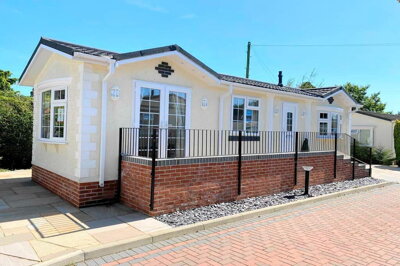
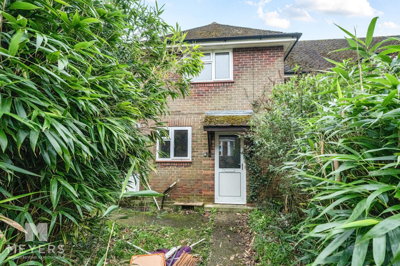
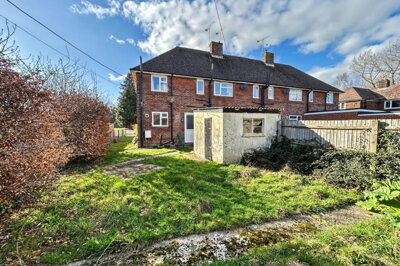
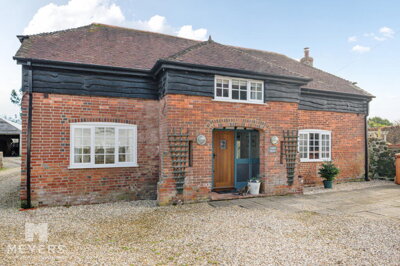
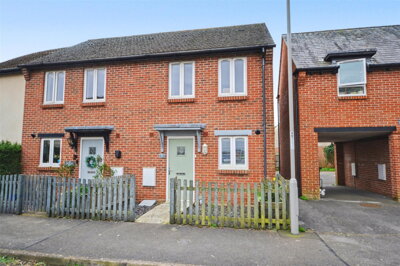
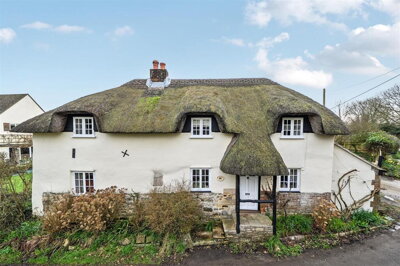
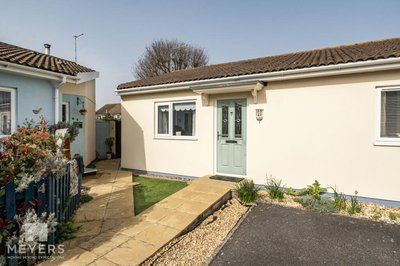
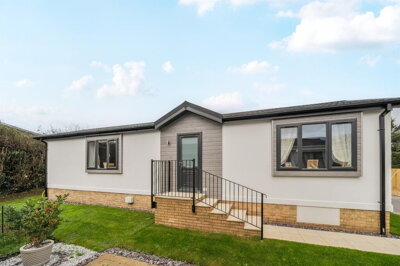
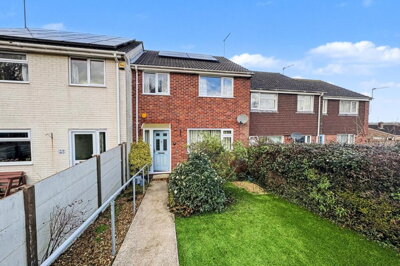
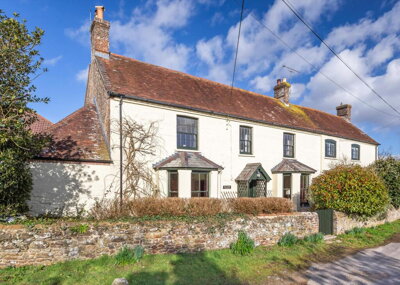
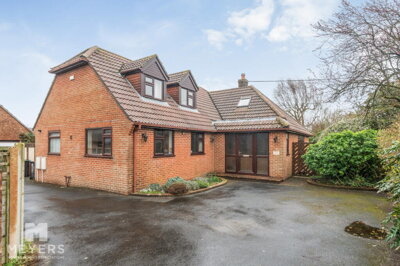
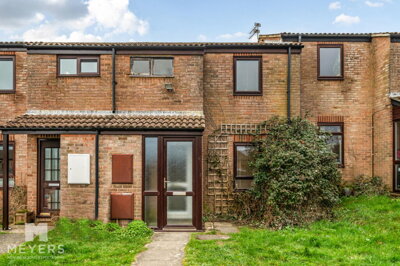
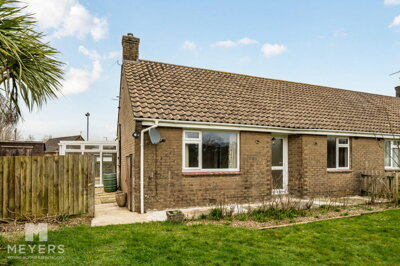
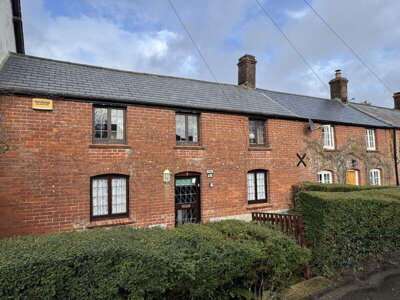
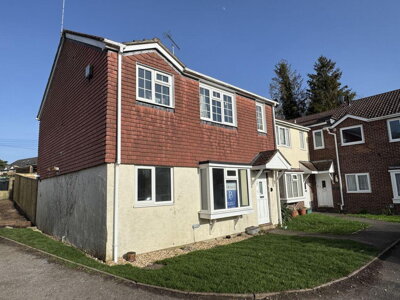
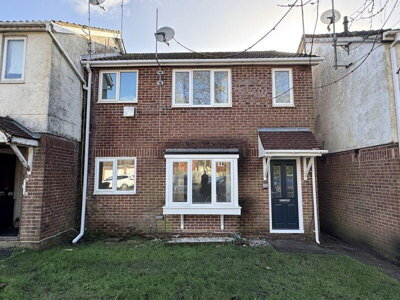
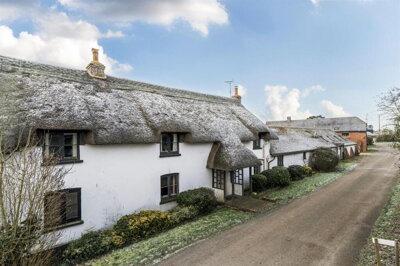
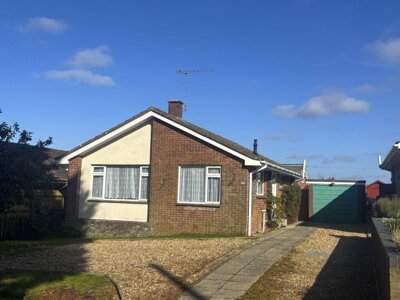
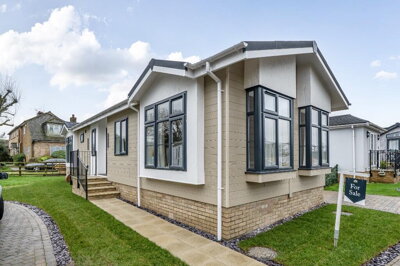
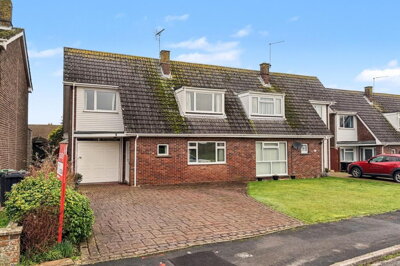
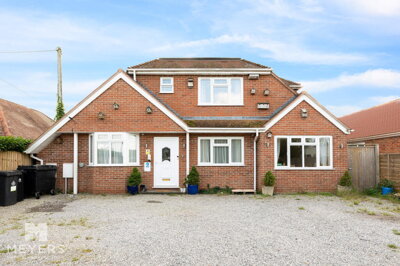
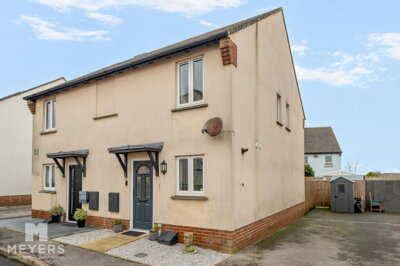
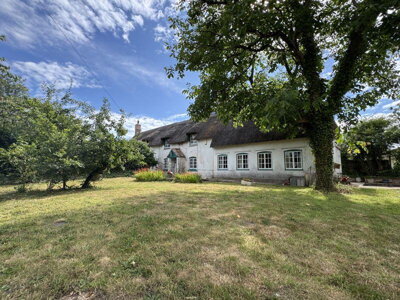
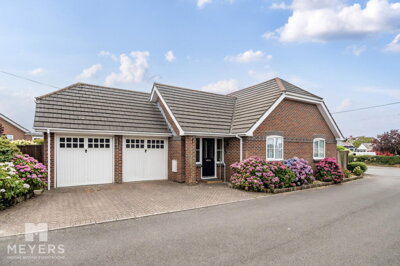
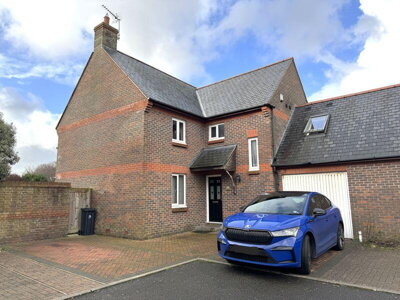
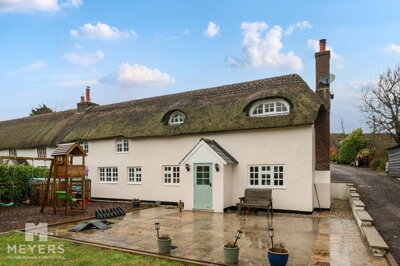
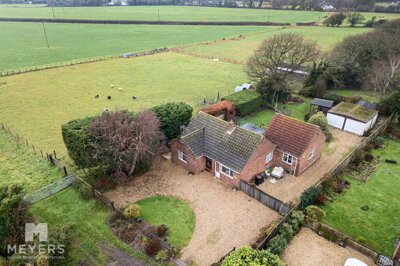
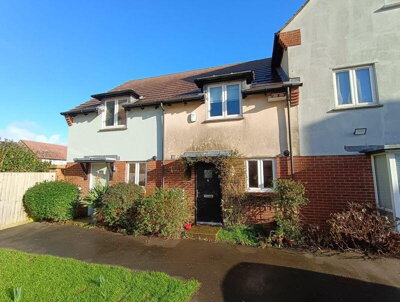
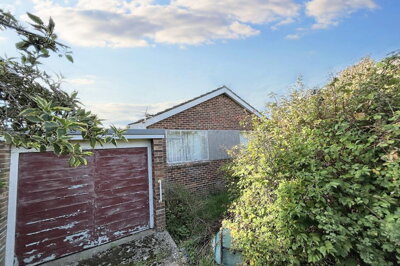
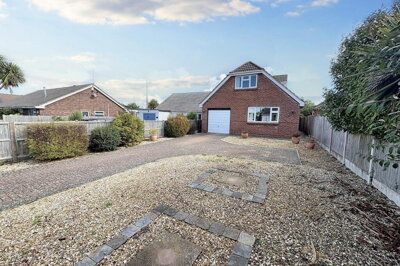
Browse 86 homes for sale in Wool, Dorset from local estate agents.
£350k
41
0
99
Source: home.co.uk
Source: home.co.uk
Semi-Detached
8 listings
Avg £377,494
Terraced
8 listings
Avg £284,369
Detached Bungalow
7 listings
Avg £509,286
Detached
5 listings
Avg £477,000
End of Terrace
3 listings
Avg £233,333
Flat
3 listings
Avg £175,000
Bungalow
2 listings
Avg £562,500
Semi-Detached Bungalow
2 listings
Avg £292,500
Barn Conversion
1 listings
Avg £685,000
Chalet
1 listings
Avg £475,000
Source: home.co.uk
Source: home.co.uk
The property market in St. Clether and the surrounding PL15 postcode area reflects the unique dynamics of rural North Cornwall. Recent transaction data indicates that average sold prices for properties in this area have been significantly influenced by high-value sales, with one notable transaction at Ta Mill on Ta Mill Road achieving £2,320,000 in December 2025. This figure demonstrates the premium that discerning buyers place on traditional Cornish properties with land, character features, and secluded rural settings. Houseprices.io records indicate that details of 59 property sales are available for this postcode area, suggesting a steady level of market activity despite the village's small size.
Property types available in St. Clether typically include traditional stone cottages, converted barns, detached farmhouses, and period properties that showcase the best of Cornish rural architecture. New build development activity in the immediate St. Clether area remains limited, with no active development sites identified within the parish itself. This scarcity of new supply has contributed to sustained interest in existing properties, particularly those offering character features such as exposed stone walls, original fireplaces, and mature gardens. Buyers should note that properties in this area frequently come with land, outbuildings, or agricultural potential, which adds both value and complexity to the purchasing process.
The limited number of properties that come to market in St. Clether each year means that buyers should register their interest with multiple local estate agents and consider setting up automated alerts for new listings. Properties in this price range and location tend to attract serious buyers quickly, and well-presented homes with traditional features can achieve strong prices given the consistent demand from buyers seeking rural Cornwall lifestyles. Working with agents who cover the Launceston and North Cornwall market ensures you have the best chance of securing a property when the right one becomes available.

The housing stock in St. Clether reflects the village's agricultural heritage and centuries of continuous occupation. Traditional stone cottages form a significant proportion of available properties, often featuring thick walls, slate or clay tile roofs, and interior features such as exposed beam ceilings and inglenook fireplaces. These properties were typically built for agricultural workers or smallholding owners and have been carefully maintained or sympathetically renovated over the years. Many retain their original character while incorporating modern amenities suitable for contemporary living.
Converted agricultural buildings represent another popular category of property in the St. Clether area. Former barns, granaries, and farm buildings have been transformed into spacious family homes that blend rustic charm with modern comfort. These conversions often feature high ceilings, exposed stonework, and large windows that take advantage of the rural views. The conversion process typically required substantial investment, and this is reflected in both the quality of the finished properties and their market values. Buyers should verify that all necessary planning permissions and building regulations approvals were obtained during the conversion process.
Detached farmhouses with accompanying land represent the premium end of the St. Clether property market. These substantial properties often include multiple bedrooms, formal reception rooms, traditional farm buildings suitable for various uses, and acreage that may be used for equestrian purposes, small-scale agriculture, or simply as private grounds. The Ta Mill transaction demonstrates the values achievable for the finest rural estates in this area, where the combination of principal dwelling, traditional outbuildings, and land holdings can command significant premiums from buyers seeking complete rural packages.

Life in St. Clether offers a quality of rural living that has become increasingly rare in modern Britain. This small parish, situated in North Cornwall approximately 4 miles northeast of Launceston, maintains the unhurried pace and strong community spirit that define traditional village life. The surrounding countryside forms part of the designated Cornwall AONB, protecting the outstanding natural beauty of the landscape and ensuring that the area retains its scenic charm for generations to come. Residents enjoy panoramic views across rolling farmland, deep valleys, and the characteristic hedgerows that make Cornish countryside so distinctive.
The local economy in this part of North Cornwall relies primarily on agriculture, with many working farms still operating in the surrounding parish. Tourism also plays a significant role, with visitors drawn to the area for walking, cycling, and exploring the beautiful Cornish countryside. The village itself features St. Clether's historic church, which stands as the parish's long history dating back centuries. Local amenities are concentrated in nearby Launceston, where residents can access supermarkets, independent shops, restaurants, healthcare facilities, and banking services. The combination of village tranquility and access to town amenities makes St. Clether particularly appealing to families, retirees, and anyone seeking a balanced lifestyle in rural England.
Community life in St. Clether revolves around traditional events and gatherings that bring residents together throughout the year. The local pub serves as a focal point for village social activities, offering a place for meals, drinks, and conversation in an authentic Cornish setting. Walking routes through the surrounding countryside provide excellent opportunities for exercise and exploration, with footpaths crossing farmland, through woodland, and along valley bottoms that showcase the variety of the local landscape. The River Tamar valley, visible from elevated properties in the area, forms part of the natural boundary between Cornwall and Devon, offering dramatic scenery and excellent wildlife habitat.
Families considering a move to St. Clether will find educational provision centred on the nearby town of Launceston, approximately 4 miles away. Launceston Primary School serves younger children from the surrounding villages and has built a reputation for providing quality primary education within a supportive community environment. The school welcomes pupils from Reception through to Year 6, with strong links to the local community that extend beyond academic achievement to include various extracurricular activities and community events that involve families from across the catchment area.
For secondary education, Launceston College offers a comprehensive curriculum for students aged 11 to 18, providing both GCSE and A-Level qualifications. The college has undergone significant investment in recent years, enhancing its facilities and expanding its curriculum offerings to meet the needs of students from across North Cornwall. Students from St. Clether typically travel to Launceston by car or, for those within cycling distance, by bicycle along the country lanes that connect the village to the town. The journey takes approximately 15 minutes by car under normal conditions, making daily attendance practical for local families.
Additional educational options in the wider area include several primary schools in surrounding villages, providing flexibility for families who prefer smaller class sizes and close community connections. Cornwall as a county offers a range of educational pathways, including grammar school options in certain areas, although St. Clether falls outside the designated grammar school catchment areas. Parents should verify current admission policies and catchment boundaries with Cornwall Council's education department, as these can influence school placement decisions. For families requiring early years childcare, several settings operate in Launceston and the surrounding villages, offering flexible care solutions for working parents.
Transport connections from St. Clether reflect its rural character, with the village situated approximately 4 miles from Launceston, the nearest town with comprehensive transport facilities. The A30 trunk road passes near Launceston, providing direct access to Exeter to the east and Truro to the west, making this route essential for residents who commute by car or travel regularly to Cornwall's larger towns. The A395 road connects Launceston to Bude and the North Cornwall coast, opening up additional routes for residents who wish to explore the wider region. Those considering property in St. Clether should be aware that a car is effectively essential for daily living, with public transport options limited in this rural location.
For rail travel, the nearest mainline station is at Exeter St Davids, approximately 35 miles east of St. Clether, offering connections to London Paddington, Bristol, and the national rail network. The journey from Exeter to London Paddington takes approximately two hours by train, making day trips to the capital feasible for those who plan their travel carefully. Exeter Airport, also approximately 35 miles away, provides domestic flights and limited international services, connecting Cornwall with the rest of the UK and Europe. Visitors to St. Clether from further afield typically fly into Exeter or Bristol airports and then drive to the property.
Within Cornwall, local bus services operated by various providers connect Launceston with surrounding villages and towns, though frequency is limited compared to urban routes. Bus services to St. Clether itself are minimal, making private transport the practical choice for most residents. Residents planning regular commutes should factor in these travel times and consider whether hybrid or remote working arrangements might suit their circumstances better than daily commuting. The peaceful nature of rural Cornwall means that traffic delays are rarely an issue on local roads, making the drive to Launceston pleasant and straightforward for those with vehicles.
Before viewing properties, spend time exploring St. Clether and the surrounding Launceston area at different times of day and week. Understand the local amenities, road networks, and community atmosphere. Consider factors such as mobile phone coverage, broadband speeds, and nearest school catchment areas. Visit the village at various times to experience the level of traffic, noise, and community activity that might affect your daily life.
Contact a mortgage broker or lender to obtain an Agreement in Principle before starting your property search. This strengthens your position when making offers and demonstrates to sellers that you are a serious, financed buyer. Several specialist rural mortgage brokers understand the unique requirements of traditional and non-standard properties, including those with land, agricultural buildings, or unusual construction types that may require non-standard mortgage products.
Work with local estate agents who know the St. Clether area intimately. View multiple properties to understand the range available, and pay attention to property condition, potential renovation requirements, and any historic features that may require specialist maintenance or consent. Take photographs and notes during viewings to help compare properties later in the decision-making process.
Before purchasing any property in this area, particularly older traditional cottages and farmhouses, arrange a RICS Level 2 or Level 3 survey to identify any structural issues, defects, or renovation concerns. Properties of traditional construction may require specialist assessment due to materials like cob, stone, or solid walls. A thorough survey can identify issues that might affect the property's value or require significant expenditure to address.
Choose an experienced property solicitor who understands rural transactions, including those involving land, outbuildings, or agricultural holdings. Your solicitor will conduct searches, handle legal documentation, and ensure smooth transfer of ownership through to completion. For properties with land or agricultural buildings, additional searches and enquiries may be required to verify rights and obligations.
Purchasing property in rural Cornwall requires careful attention to factors that may not arise in urban locations. Properties in St. Clether and the surrounding area are often of traditional construction, potentially featuring solid walls, original timber frames, and period features that require specialist understanding during survey and renovation. Buyers should investigate whether the property is listed, as Grade I, Grade II*, or Grade II listed buildings will require Listed Building Consent for any alterations, and standard renovation approaches may not be appropriate. The age and construction type of traditional Cornish properties can significantly affect insurance costs, energy efficiency, and ongoing maintenance requirements.
Flood risk assessment is advisable for any property in Cornwall, particularly those near watercourses or in valley locations. While specific flood risk data for St. Clether was not identified in current searches, the rural nature of the area means that drainage and water management should be considered. Properties with land, agricultural buildings, or planning permissions for diversification should be reviewed carefully to understand rights, obligations, and potential income opportunities. Drainage arrangements in rural areas can differ from urban properties, with some properties relying on private septic systems or borehole water supplies rather than mains services. Buyers should verify all utility connections and service arrangements before completing a purchase.
Traditional Cornish properties often require different approaches to maintenance and renovation compared to modern buildings. Building materials sourced locally, such as Delabole slate for roofing and local stone for walls, may require specialist contractors for repairs. Energy efficiency improvements in older properties need to be balanced against preserving character features and meeting listed building requirements. Buyers should budget realistically for the ongoing costs of maintaining traditional properties, including regular maintenance of roofs, stonework, and period features that contribute to the property's character and value.
The average sold price for properties in the St. Clether PL15 postcode area shows £2,320,000 based on recent data, though this figure is significantly influenced by a single high-value sale of a substantial rural estate. More typical properties in the village and surrounding area include traditional cottages, converted barns, and farmhouses that command prices reflecting their character, condition, and land holdings. The limited number of annual transactions in this small village means that average prices can vary considerably depending on the types of properties sold in any given period.
Properties in St. Clether fall under Cornwall Council's jurisdiction for council tax purposes. Council tax bands in Cornwall range from Band A for the lowest-value properties through to Band H for the highest-value homes. Rural properties with significant land or period features often fall into higher bands. Prospective buyers should check specific properties on the Valuation Office Agency's council tax valuation list or request band information from the selling agent before completing a purchase.
The most convenient primary school for St. Clether residents is typically Launceston Primary School, located in the nearby town approximately 4 miles away. Secondary education is provided by Launceston College, which offers comprehensive educational programs from ages 11 through 18. Several village primary schools in the surrounding area also serve families who prefer smaller educational settings. Cornwall has a range of grammar schools in certain areas, though access depends on meeting catchment requirements and passing the selection assessment.
St. Clether has limited public transport connections, reflecting its status as a small rural village. The nearest bus services operate from Launceston, approximately 4 miles away, with routes connecting to surrounding towns and villages. Daily commuting by public transport is generally not practical for most employment locations. The nearest mainline railway station is at Exeter St Davids, approximately 35 miles east, serving regional and national rail connections. Prospective residents should be prepared to rely on private vehicle transport for most daily requirements.
Property in St. Clether can represent a sound investment for buyers seeking rural lifestyle properties or holiday home opportunities in North Cornwall. The area's inclusion within the Cornwall Area of Outstanding Natural Beauty helps protect property values by maintaining the quality of the local environment. Limited new build supply in the village means existing traditional properties are likely to remain in demand. Buyers should consider factors such as rental potential for holiday lets, the costs of maintaining traditional properties, and the availability of services when evaluating investment potential.
Stamp Duty Land Tax rates from April 2024 apply zero percent on the first £250,000 of residential property purchases, five percent on the portion between £250,001 and £925,000, ten percent up to £1.5 million, and twelve percent above that threshold. First-time buyers benefit from relief on the first £425,000, with five percent applied between £425,001 and £625,000. For high-value rural properties in St. Clether, including farmhouses or homes with land, buyers should budget for the higher rate bands and consider seeking professional tax advice to understand their specific obligations.
Traditional stone cottages represent the most common property type in St. Clether, often dating from the 18th or 19th century with features such as thick walls, slate roofs, and original fireplaces. Converted agricultural buildings provide modern living spaces within historic shells, while detached farmhouses with land represent the premium segment of the local market. New build properties are extremely rare in the immediate area, meaning buyers typically purchase existing traditional properties that may require varying degrees of renovation or updating.
Rural broadband speeds in St. Clether can vary significantly depending on the property's location and connection type. Some properties may have access to fibre broadband through the local exchange, while others in more remote locations may rely on slower ADSL connections or satellite broadband services. Mobile phone coverage similarly varies, with some networks providing better reception than others in this rural location. Buyers should test signal strength at any property they are considering and research current and planned broadband provision before completing a purchase.
From 4.5%
Find competitive mortgage rates for your St. Clether property purchase
From £499
Expert property solicitors for your St. Clether transaction
From £350
Professional survey for your St. Clether property
From £60
Energy performance certificate for your property
Understanding the full costs of purchasing property in St. Clether is essential for budgeting effectively. Stamp Duty Land Tax represents the most significant additional cost beyond the purchase price, with current thresholds from April 2024 applying zero percent on the first £250,000, five percent between £250,001 and £925,000, ten percent up to £1.5 million, and twelve percent on any amount above that. For a typical cottage or small farmhouse in St. Clether priced around £400,000, a buyer would pay £7,500 in stamp duty. Properties at higher price points, including the substantial rural estates that occasionally come to market, will incur considerably higher SDLT charges.
Beyond stamp duty, buyers should budget for solicitor conveyancing costs typically starting from £499 for standard transactions, with additional costs for searches, land registry fees, and electronic transfer fees bringing total legal costs to approximately £1,500 to £2,500. A RICS Level 2 Homebuyer Report costs from £350 for a modest property, rising depending on property size and value. Properties of traditional construction in St. Clether may benefit from a more comprehensive RICS Level 3 Building Survey, which provides detailed assessment of structural condition. Mortgage arrangement fees typically range from zero to £2,000 depending on the lender and product chosen.
Additional costs to consider when purchasing in St. Clether include removal expenses, potential renovation works identified during survey, and the time required to settle into a new community. For properties with land or agricultural buildings, additional insurance costs may apply, and buyers should factor in ongoing maintenance expenses for traditional features such as slate roofing, stone walls, and period windows. First-time buyers should also budget for moving costs, potential furniture replacement, and the initial setup costs of establishing a household in a new location. Professional advice from a financial adviser can help ensure that all costs are properly accounted for in your purchasing budget.
Properties for Sale In London

Properties for Sale In Plymouth

Properties for Sale In Liverpool

Properties for Sale In Glasgow

Properties for Sale In Sheffield

Properties for Sale In Edinburgh

Properties for Sale In Coventry

Properties for Sale In Bradford

Properties for Sale In Manchester

Properties for Sale In Birmingham

Properties for Sale In Bristol

Properties for Sale In Oxford

Properties for Sale In Leicester

Properties for Sale In Newcastle

Properties for Sale In Leeds

Properties for Sale In Southampton

Properties for Sale In Cardiff

Properties for Sale In Nottingham

Properties for Sale In Norwich

Properties for Sale In Brighton

Properties for Sale In Derby

Properties for Sale In Portsmouth

Properties for Sale In Northampton

Properties for Sale In Milton Keynes

Properties for Sale In Bournemouth

Properties for Sale In Bolton

Properties for Sale In Swansea

Properties for Sale In Swindon

Properties for Sale In Peterborough

Properties for Sale In Wolverhampton

Enter your details to see if this property is within your budget.
Loans, cards, car finance
Estimated property budget
Borrowing + deposit
You could borrow between
Typical borrowing
Monthly repayment
Est. at 4.5%
Loan-to-value
This is an estimate only. Your actual budget may vary depending on interest rates, credit history, and personal circumstances. For an accurate affordability assessment, speak to one of our free mortgage advisors.
This calculator provides estimates for illustrative purposes only and does not constitute financial advice. Your home may be repossessed if you do not keep up repayments on your mortgage. Estimates based on 4.5% interest rate, repayment mortgage. Actual rates depend on your circumstances.
Homemove is a trading name of HM Haus Group Ltd (Company No. 13873779, registered in England & Wales). Homemove Mortgages Ltd (Company No. 15947693) is an Appointed Representative of TMG Direct Limited, trading as TMG Mortgage Network, which is authorised and regulated by the Financial Conduct Authority (FRN 786245). Homemove Mortgages Ltd is entered on the FCA Register as an Appointed Representative (FRN 1022429). You can check registrations at NewRegister or by calling 0800 111 6768.

We use cookies to show you personalised content and improve your experience of our website. Find out more in our Privacy policy and Cookie policy.