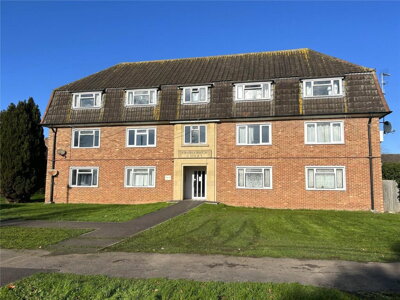
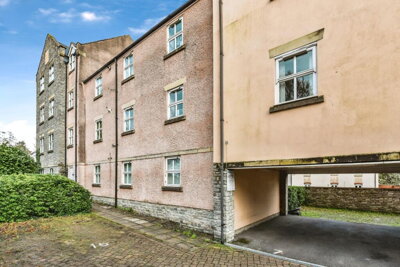
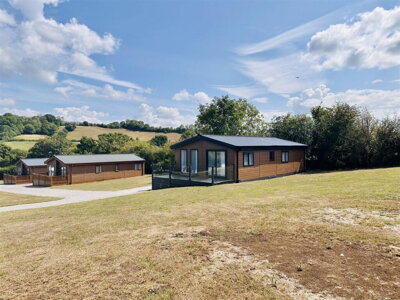
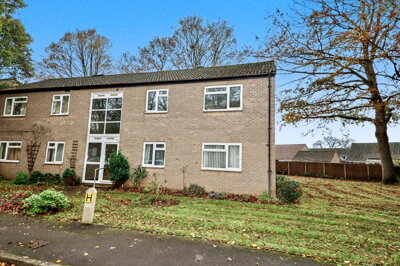
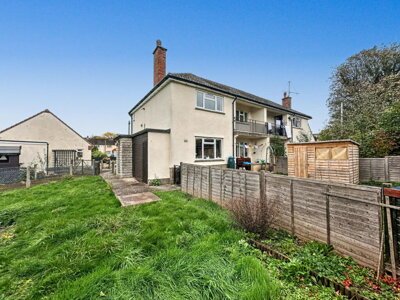
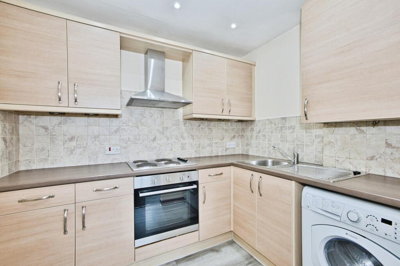
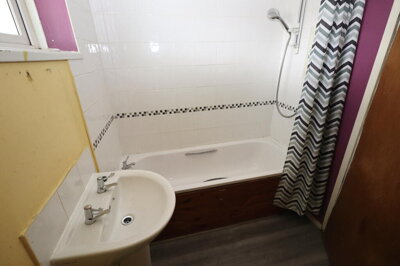
Browse 7 homes for sale in Wookey, Somerset from local estate agents.
Studio apartments feature open-plan living spaces without separate bedrooms, incorporating sleeping, living, kitchen, and bathroom facilities. The Wookey studio market includes properties in modern apartment complexes, converted Victorian and Georgian buildings, and purpose-built developments.
£0k
0
0
0
Source: home.co.uk
Showing 0 results for Studio Flats for sale in Wookey, Somerset.
The Highampton property market reflects the character of this West Devon village - predominantly detached homes set within generous plots. According to ONS Census 2021 data, detached properties comprise 57.1% of the local housing stock, a figure significantly higher than the national average and testament to the village's spacious character. Semi-detached homes make up 23.8% of properties, with terraced housing at 11.9% and flats accounting for just 7.1%. This distribution shapes what buyers can expect to find, with detached homes commanding an average price of £399,750 and representing the largest segment of the market offering the space and privacy that families and retirees seek.
Semi-detached homes average £273,333, providing a more affordable route to property ownership in this desirable rural location. The market shows strong stability with prices rising 0.3% over the past twelve months, suggesting consistent demand from buyers drawn to village life. This modest growth stands in contrast to the volatility seen in some urban markets, making Highampton particularly attractive to buyers prioritising long-term value over rapid price appreciation. The village's relative insulation from market fluctuations reflects both its desirability as a place to live and the limited supply of properties coming to market in any given year.
The housing stock spans several eras, with a significant proportion of properties pre-dating 1919, reflecting the village's historic core around farms and cottages. More recent construction from the post-war period and later decades adds variety to the available options. Properties built between 1945 and 1980 represent moderate infill development, while post-1980 construction includes individual builds and small clusters that blend with the traditional village fabric. Homemove lists properties across all price points and property types, ensuring you can find the right match regardless of your requirements or budget.

Highampton embodies the essence of rural Devon living, offering a tranquil environment where the pace of life slows and community bonds strengthen. The village economy historically centred on agriculture, and farming continues to shape the landscape surrounding the settlement. Local employment opportunities span farming operations, small businesses, and services, with many residents commuting to nearby towns like Okehampton or Holsworthy for work. The village attracts families seeking space for children to explore, retirees embracing countryside retirement, and those working remotely who value an inspiring setting away from urban pressures.
The geology of Highampton plays a significant role in shaping the local environment and properties. The area sits on Culm Measures, a geological formation of shales, sandstones, and limestones that influences soil composition and drainage patterns. Clay-rich soils dominate lower-lying areas, creating the fertile farmland that defines the surrounding countryside. This geological setting has implications for property buyers, as the presence of expansive clay creates moderate to high shrink-swell risk in parts of the village. Properties built on uncompacted or expansive clay may show signs of ground movement, particularly during periods of drought or heavy rainfall, making thorough surveys essential before purchase.
Traditional building materials reflect local resources, with stone walls, rendered exteriors, and slate or tile roofs creating the distinctive character that defines the village streetscene. Properties often feature thick walls built from local stone, providing excellent thermal mass and a connection to centuries of building tradition. The village contains several Grade II listed buildings, primarily historic farmhouses and cottages that form part of Highampton's heritage. Notably, despite this concentration of historic properties, Highampton does not have a designated conservation area, meaning fewer planning restrictions apply to property alterations than might be found in comparable villages with conservation status.

Families considering a move to Highampton will find educational provision focused on primary education within the village and surrounding area. The primary school serving Highampton provides education for children in the early years, with smaller class sizes that allow teachers to give individual attention to each pupil. The village school benefits from strong community involvement, with parents and local residents contributing to school events and activities. This supportive environment often produces well-rounded pupils who develop both academically and socially within a nurturing setting.
For secondary education, students typically travel to schools in nearby towns, with bus services connecting the village to secondary schools in Okehampton and surrounding towns. Parents should research current catchment areas and admissions policies, as these can change and will influence which schools their children can access. The journey time to secondary schools in Okehampton, approximately 9 miles away, means families should factor school transport arrangements into their moving decisions. Some families choose to locate properties along established bus routes to simplify the daily school run and reduce dependence on car travel.
The village attracts families precisely because of the balance between rural lifestyle and educational opportunity. West Devon offers a range of schooling options, from small village primaries that provide excellent foundations to secondary schools with strong academic records. For families prioritising education, viewing the property market in context of school performance data is essential. Ofsted inspection reports for individual schools should be reviewed, and prospective buyers may wish to visit schools directly to assess their suitability. Schools in the wider West Devon area include both community schools and faith schools, providing choices for families with specific educational preferences.
Transport connectivity defines daily life for Highampton residents, whether commuting to work, accessing amenities, or exploring Devon and beyond. The village sits within reasonable reach of the A39, which provides access to Barnstaple to the north and Exeter to the south-east. The market town of Okehampton, located approximately 9 miles away, offers additional transport options and services including supermarkets, banks, and specialist retailers. Many residents make weekly trips to Okehampton for shopping and services not available locally, with the journey taking around 20 minutes by car.
For rail travel, the nearest mainline station is in Exeter, with regular services to London, Bristol, and other major destinations. The journey to Exeter by car typically takes around 35-40 minutes, making day trips to the city feasible for shopping, entertainment, or business meetings. Exeter St Davids and Exeter Central provide connections to the broader rail network, with services to London Paddington taking approximately two hours. For residents working in Exeter or other larger cities, the commuting distance is significant but manageable for those working hybrid schedules with several days remote.
Local bus services connect Highampton with surrounding villages and towns, providing essential transport for those without cars. The bus network links residents to schools, medical appointments, and weekly markets in nearby towns where they can access larger supermarkets, banks, and specialist retailers. Service frequency may be limited compared to urban areas, so residents should check timetables carefully when planning journeys. For cyclists and walkers, the Devon countryside offers an extensive network of quiet lanes and footpaths. The surrounding farmland and moorland fringes provide excellent opportunities for outdoor recreation, with dramatic scenery and wildlife visible from village doorsteps. Parking in the village itself is generally straightforward, with properties typically offering off-road parking or garage space, a significant advantage over larger towns.
Before committing to a purchase, spend time exploring Highampton at different times of day and week. Visit local shops, speak with residents, and get a feel for the community atmosphere. Check broadband speeds and mobile phone coverage, as these vary in rural areas and affect daily life significantly. The village shop and local pub provide excellent opportunities to meet residents and learn about the community from those who live there year-round.
Contact lenders to discuss mortgage options and obtain an Agreement in Principle before viewing properties. Having your finances confirmed strengthens your position when making offers. In Highampton's market, sellers often favour buyers who demonstrate clear financial capability. With average prices around £340,111, most buyers will find mortgage products readily available, though rural properties may require specialist lending approaches in some cases.
Work with Homemove to arrange viewings of properties matching your criteria. Once you find your ideal home, submit a competitive offer with your agreed conditions. In a village market with limited stock, being prepared and decisive gives you an advantage. The tight-knit nature of the village means that properties sometimes sell through local connections before reaching wider market, making early engagement with estate agents essential.
Arrange a RICS Level 2 Survey before proceeding to completion. For Highampton's older properties, this report identifies defects common to the area including damp, roof condition, and potential issues with clay soils. Survey costs in the area typically range from £400 to £800 depending on property size and complexity. Given that a significant proportion of Highampton properties pre-date 1919, professional surveys are particularly valuable for identifying issues that may not be apparent during viewings.
Choose a conveyancing solicitor to handle the legal aspects of your purchase. Your solicitor will conduct searches, review contracts, and coordinate with the seller's representatives to ensure a smooth transaction through to completion. Searches will include drainage and water authority checks, local authority enquiries, and environmental searches that assess flood risk and ground conditions specific to the Highampton area.
Once all searches are satisfactory and finances are confirmed, your solicitor will exchange contracts and set a completion date. On completion day, the remaining funds are transferred and you receive the keys to your new Highampton home. The village's small scale means transactions can often proceed smoothly with fewer complications than urban purchases, though the limited local surveyors and solicitors mean booking services well in advance is advisable.
Purchasing property in Highampton requires awareness of local factors that affect homes throughout the village and surrounding area. The presence of clay-rich soils means buyers should pay particular attention to foundations and signs of subsidence or ground movement. Look for cracking in walls, doors that stick, or uneven floors that might indicate structural issues. Properties with mature trees nearby face increased risk of shrink-swell movement as tree roots extract moisture from clay soils during dry periods. A thorough survey will identify these concerns, but wise buyers also look for indicators during viewings.
Flood risk deserves careful consideration for any property near the River Lew or in lower-lying areas of the village. The River Lew poses a fluvial flood risk to properties in its immediate vicinity, while surface water flooding can occur after heavy rainfall, particularly where drainage is limited. The village's topography means that water flows toward the river valley, creating potential flooding issues for properties on lower ground. Check the property's flood risk history and consider whether appropriate insurance will be available at reasonable cost. Flood resilience measures such as raised electrics and hard flooring may indicate previous flooding has been addressed.
The village does not fall within a designated conservation area, but the presence of Grade II listed buildings means some properties carry additional obligations for maintenance and alteration. If your chosen property is listed, budget for specialist survey work and potentially more expensive renovation work that must respect historical features. Listed building consent is required for many alterations, adding time and cost to any renovation project. However, the character and quality of listed properties often justifies the additional investment for buyers seeking period features.
Building materials in Highampton reflect the village's age and construction traditions. Traditional stone and rendered walls provide excellent durability but may lack modern insulation standards. Electrical and plumbing systems in older properties often require updating to meet current regulations. During viewings, ask about recent improvements to heating systems, double glazing, and insulation. Properties that have been thoughtfully upgraded will offer better energy efficiency and lower running costs, important considerations given rising utility prices. The solid wall construction common in older properties can be upgraded with internal or external insulation, though such work should be specified by appropriate contractors to avoid causing damp issues.
The average house price in Highampton stands at £340,111 as of February 2026, according to recent market data. Detached properties average £399,750, semi-detached homes around £273,333, and terraced properties approximately £220,000. The market has shown remarkable stability with prices rising just 0.3% over the past twelve months, suggesting steady rather than volatile conditions. This stability makes Highampton an attractive option for buyers seeking predictable property investment in a desirable rural location. The village's consistent performance reflects its enduring appeal and limited supply of available properties.
Properties in Highampton fall under Torridge District Council's jurisdiction for council tax purposes. Bands range from A through to H, with most traditional stone cottages and smaller terraced properties typically falling in bands A to C, while larger detached homes and more modern properties may be in higher bands. The village's predominantly older housing stock means many properties fall in lower bands, keeping annual council tax costs reasonable compared to urban areas. Prospective buyers should check specific properties on the Valuation Office Agency website to confirm the exact band and associated annual charges before completing a purchase.
Highampton has a primary school serving the village and immediate surrounding area, providing education for children in the early year groups. For secondary education, students typically travel to schools in nearby towns such as Okehampton, with regular bus services connecting the village. Parents should research individual school performance through Ofsted reports and consider catchment area boundaries when evaluating properties. Schools in the wider West Devon area include both community schools and faith schools, providing choices for families with specific educational preferences. Visiting schools during the application process helps families assess which institution best suits their children's needs.
Public transport options from Highampton include local bus services connecting the village with surrounding towns and villages. These services provide essential links to markets, medical facilities, and secondary schools. For rail travel, the nearest major station is in Exeter, requiring a car journey of approximately 35-40 minutes. Many Highampton residents choose to maintain car ownership given the rural location, though the village itself offers walkable access to most daily amenities within its bounds. The A39 provides convenient road access to Barnstaple and Exeter for those travelling further afield.
Highampton offers several factors that appeal to property investors seeking long-term value. The village benefits from consistent demand driven by its attractive rural setting and proximity to larger employment centres in Okehampton and Holsworthy. Twelve property sales in the past year demonstrates active market activity, though the relatively small pool of available properties means opportunities arise infrequently. The predominance of detached properties provides options across different price segments. However, buyers should note that the village market is relatively illiquid, which means properties may take longer to sell than in larger towns. Anyone considering investment should weigh the village's charm against the practical realities of rural living, including limited amenities and transport options.
Stamp duty rates for 2024-25 apply as follows: there is no stamp duty on properties up to £250,000. For properties priced between £250,001 and £925,000, the rate is 5% on that portion. Properties between £925,001 and £1.5 million attract 10% stamp duty. Anything above £1.5 million is taxed at 12%. First-time buyers benefit from increased relief, paying no stamp duty up to £425,000 and 5% between £425,001 and £625,000. At Highampton's average price of £340,111, most buyers would pay no stamp duty, or minimal amounts under current thresholds. First-time buyers purchasing at the village average would typically pay no stamp duty at all.
Given Highampton's geological setting on clay-rich soils, watch for signs of subsidence or heave, particularly in properties with mature trees nearby. The moderate to high shrink-swell risk in parts of the village means foundation movement is a genuine concern that warrants professional assessment. Older stone-built properties commonly show damp issues, including rising damp and penetrating damp, due to age and sometimes inadequate damp-proof courses. Roof condition deserves careful inspection, with slipped tiles and degraded pointing common on older slate and tile coverings. Electrical systems in period properties often require updating, and timber defects including woodworm and rot can affect floor joists and roof structures. A RICS Level 2 Survey will identify these issues before you commit to purchase.
Highampton has areas with flood risk that prospective buyers should understand before purchasing. The River Lew, which flows through the village, poses a fluvial flood risk to properties in its immediate vicinity. Surface water flooding can occur after heavy rainfall, particularly in lower-lying areas where drainage is limited. The village's topography means water naturally flows toward the river valley during periods of heavy rain. Properties in higher positions on the village slopes generally face lower flood risk. Check the Environment Agency flood maps and speak with current owners about any historical flooding before proceeding with a purchase.
Competitive mortgage rates for Highampton buyers
From 4.5%
Expert legal services for your Highampton purchase
From £499
Professional surveys for Highampton properties
From £400
Energy performance certificates for Highampton homes
From £80
Understanding the full costs of buying property in Highampton helps you budget accurately and avoid surprises during the transaction process. Stamp duty land tax represents a significant cost for many buyers, though those purchasing at or below the average Highampton price of £340,111 may find their liability reduced or eliminated entirely. Under current thresholds, a property purchase at the village average would attract zero stamp duty for most buyers. Those paying above £250,000 will need to budget for the standard rate, with first-time buyers enjoying relief up to £425,000.
Beyond stamp duty, buyers should account for solicitor fees, typically ranging from £500 to £1,500 depending on complexity and whether the property is freehold or leasehold. The village's older housing stock may require additional searches related to flooding risk and ground conditions, adding to typical legal costs. Survey costs in Highampton and the surrounding West Devon area typically range from £400 to £800 for a RICS Level 2 Survey, with larger detached properties or those with complex histories attracting higher fees. Search fees charged by local authorities vary but generally fall between £200 and £300.
Land registry fees, bank transfer charges, and mortgage arrangement fees complete the typical cost breakdown. Mortgage arrangement fees vary significantly between lenders, ranging from zero to around £2,000, so comparing deals carefully is worthwhile. Budgeting for a buffer of around 1-2% of the purchase price for fees and incidental costs ensures you can complete your purchase without financial pressure. For a property at the village average of £340,111, this suggests setting aside approximately £3,400 to £6,800 beyond the deposit and mortgage amount for associated purchase costs.
Properties for Sale In London

Properties for Sale In Plymouth

Properties for Sale In Liverpool

Properties for Sale In Glasgow

Properties for Sale In Sheffield

Properties for Sale In Edinburgh

Properties for Sale In Coventry

Properties for Sale In Bradford

Properties for Sale In Manchester

Properties for Sale In Birmingham

Properties for Sale In Bristol

Properties for Sale In Oxford

Properties for Sale In Leicester

Properties for Sale In Newcastle

Properties for Sale In Leeds

Properties for Sale In Southampton

Properties for Sale In Cardiff

Properties for Sale In Nottingham

Properties for Sale In Norwich

Properties for Sale In Brighton

Properties for Sale In Derby

Properties for Sale In Portsmouth

Properties for Sale In Northampton

Properties for Sale In Milton Keynes

Properties for Sale In Bournemouth

Properties for Sale In Bolton

Properties for Sale In Swansea

Properties for Sale In Swindon

Properties for Sale In Peterborough

Properties for Sale In Wolverhampton

Enter your details to see if this property is within your budget.
Loans, cards, car finance
Estimated property budget
Borrowing + deposit
You could borrow between
Typical borrowing
Monthly repayment
Est. at 4.5%
Loan-to-value
This is an estimate only. Your actual budget may vary depending on interest rates, credit history, and personal circumstances. For an accurate affordability assessment, speak to one of our free mortgage advisors.
This calculator provides estimates for illustrative purposes only and does not constitute financial advice. Your home may be repossessed if you do not keep up repayments on your mortgage. Estimates based on 4.5% interest rate, repayment mortgage. Actual rates depend on your circumstances.
Homemove is a trading name of HM Haus Group Ltd (Company No. 13873779, registered in England & Wales). Homemove Mortgages Ltd (Company No. 15947693) is an Appointed Representative of TMG Direct Limited, trading as TMG Mortgage Network, which is authorised and regulated by the Financial Conduct Authority (FRN 786245). Homemove Mortgages Ltd is entered on the FCA Register as an Appointed Representative (FRN 1022429). You can check registrations at NewRegister or by calling 0800 111 6768.

We use cookies to show you personalised content and improve your experience of our website. Find out more in our Privacy policy and Cookie policy.