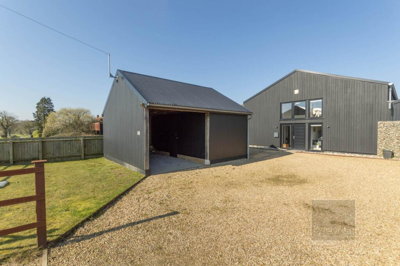
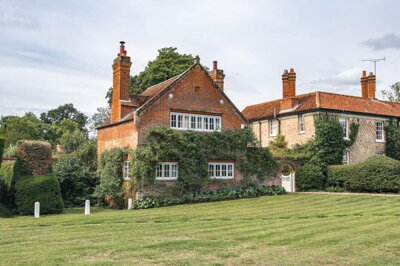
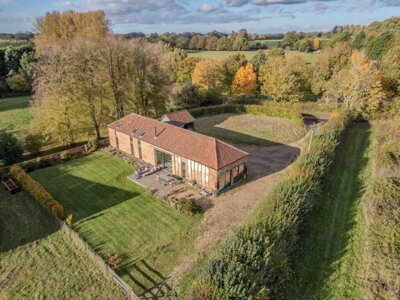
Browse 3 homes for sale in Wood Dalling from local estate agents.
The larger property sector typically features multiple bathrooms, substantial reception space, and private gardens or off-street parking. Four bedroom houses in Wood Dalling span detached, semi-detached, and occasionally terraced configurations, with styles ranging from period properties to modern executive homes.
The Wood Dalling property market presents a compelling picture for buyers seeking quality rural homes. Average property values across the village's postcode areas range from £645,416 on Wood Dalling Road to £765,738 in the Church Lane area, with one postcode on Front Road averaging £703,365. These figures demonstrate the premium nature of property in this village setting, where discerning buyers pay for the combination of rural character, period properties, and strong community spirit that defines village life here.
Recent sales activity confirms the strength of demand in this NR11 postcode. Detached properties have commanded impressive prices, with Low Farm on Church Lane selling for £970,000 in September 2024 and Hill Farm on Crabgate Lane South achieving £803,500 in August 2024. Semi-detached properties have sold between £258,000 for a smaller cottage up to £545,000 for a substantial family home, while terraced properties such as Churchgate Cottage on Briston Road have sold for around £343,500. This diversity in property types and price points means there is genuine opportunity across different buyer budgets.
Price trends over the past year show consistent growth, with property values rising by 4.9% in the Wood Dalling Road area and 5.2% in the Front Road postcode. Looking at longer-term trends, prices in the Church Lane area have increased by an impressive 34.4% over the past decade, indicating strong and sustained demand for property in this desirable Norfolk village. For buyers wondering about new build opportunities, the village has seen limited new development, with focus instead on barn conversions that add character properties to the local housing stock.

Wood Dalling is a village that rewards those who value peace, character, and genuine community connection. With a population of approximately 200 residents, the village offers an intimate community atmosphere that is increasingly rare in modern Britain. The village centre features a historic collection of listed buildings that reflect centuries of Norfolk heritage, including the Grade I listed Church of St Andrew and the impressive Grade II* Wood Dalling Hall dating from around 1600. This architectural heritage creates a distinctive village character that new developments simply cannot replicate.
The local economy centres on agriculture and rural services, with residents benefiting from the village hall and post office facilities at nearby Norton Corner. The community spirit in Wood Dalling manifests through various village events and activities that bring residents together throughout the year. Many households choose this location specifically for the lifestyle balance it offers: complete tranquility when at home combined with the ability to reach larger towns for work, shopping, and leisure. The village falls within the Broadland district, providing residents with access to local authority services while enjoying their rural parish setting.
The natural landscape around Wood Dalling reflects the complex geology of Norfolk, shaped by the Anglian glaciation over 400,000 years ago. The local area features a mixture of sands, gravels, and clay deposits that influence both the character of the land and the construction of local properties. Agricultural fields surround the village, with the broader NR11 postcode area offering beautiful Norfolk countryside that attracts walkers, cyclists, and nature enthusiasts throughout the year.
Families considering a move to Wood Dalling will find a selection of educational options within reasonable travelling distance. The village itself is served by primary schools in surrounding villages and market towns, with the nearest options typically located in the nearby town of Reepham, approximately 3 miles north of Wood Dalling. Primary school children in the village usually attend schools that have built strong reputations for pastoral care and academic achievement within the Norfolk education system.
Secondary education options for Wood Dalling residents include schools in the broader North Norfolk area, with many families travelling to Cromer, Holt, or Aylsham for secondary schooling. These schools offer good academic standards and a range of extracurricular activities that serve pupils from across the surrounding villages. For families with older children, sixth form provision is available at secondary schools in nearby towns, while further education colleges in Norwich provide comprehensive vocational and academic pathways for post-16 students.
The presence of listed buildings and period properties throughout Wood Dalling means that families purchasing older homes should be aware of the potential need for flexibility as they navigate school catchment areas. Property prices in the village reflect the family-friendly nature of the area, with detached homes commanding significant premiums. Parents are advised to research specific catchment areas and school admissions policies before committing to a purchase, as these can vary and change over time.
Wood Dalling benefits from a strategic position that balances rural tranquility with practical connectivity. The village is located approximately 17 miles from Norwich, the regional capital of Norfolk, making regular commuting feasible for those who work in the city but prefer countryside living. The journey to Norwich typically takes around 35-40 minutes by car, following routes that take in the beautiful Norfolk countryside. For residents who need to reach Norwich for work, shopping, or leisure, this proximity is a significant advantage.
Rail connections from the broader NR11 area provide access to Norwich, with the city offering direct services to London Liverpool Street with journey times of approximately 90 minutes to two hours. The nearest major railway stations are located in Norwich and, for coastal routes, in Cromer. Bus services connect Wood Dalling with surrounding villages and market towns, though families considering the village as a primary residence should be aware that car ownership remains practically essential for most daily activities given the rural location.
Road infrastructure around Wood Dalling provides good access to the wider Norfolk road network. The A140 runs through the region providing connections to Norwich and the north Norfolk coast, while local roads connect the village to Reepham and other nearby settlements. For those who need to travel further afield, the A47 provides east-west connectivity across Norfolk. Cyclists will find some scenic routes through the local countryside, though the narrow rural lanes require appropriate caution and consideration.
Begin by exploring current listings for Wood Dalling on Homemove and understanding local property values. With prices ranging from around £258,000 for smaller cottages to over £970,000 for substantial detached homes, setting a realistic budget is essential. Consider the village character, listed building implications, and proximity to schools and transport.
Before viewing properties, obtain a mortgage agreement in principle from a lender. This demonstrates your financial credibility to sellers and estate agents. Given the higher property values in Wood Dalling, many buyers will be seeking mortgages of £500,000 or more, so understanding your borrowing capacity early saves time and disappointment later.
Visit properties that match your criteria and assess their condition, location within the village, and suitability for your needs. Pay particular attention to the age of properties, any signs of damp or structural movement, and the implications of listed building status. Take notes and photographs to help compare properties later.
For most properties in Wood Dalling, particularly older homes and listed buildings, a RICS Level 2 Survey is strongly recommended. With many properties dating from before 1919 and the presence of clay lump construction and traditional building methods, a professional survey can identify defects that might not be visible during viewings. Survey costs in Norfolk typically start from around £395 for a standard property.
Once your offer is accepted, instruct a solicitor to handle the legal aspects of your purchase. They will conduct searches, handle contracts, and ensure everything is in order for completion. Conveyancing costs in Norfolk typically start from around £499 for a standard transaction.
Your solicitor will arrange for contracts to be exchanged, at which point you commit legally to the purchase. Completion typically follows within days or weeks, after which you receive the keys to your new Wood Dalling home.
Buying property in Wood Dalling requires careful consideration of several area-specific factors that differ from urban property purchases. The village's geology includes clay-rich soils that are susceptible to shrink-swell movement, which can cause structural issues for properties with shallow foundations. This is particularly relevant during drought cycles when clay soils contract, potentially affecting older buildings. A thorough survey can identify any existing structural concerns related to ground movement.
Flood risk in Wood Dalling primarily relates to surface water rather than river or coastal flooding, given the village's inland position. Norfolk generally has a significant risk of surface water flooding during intense rainfall events, with approximately 37,000 properties across the county estimated to be at risk during a 1 in 200 annual chance rainfall event. While specific data for Wood Dalling is limited, buyers should consider drainage and the property's position in relation to local topography when assessing flood vulnerability.
The concentration of listed buildings in Wood Dalling adds another dimension to property purchase. Properties listed at Grade I, Grade II*, or Grade II are protected for their historic significance, meaning that any alterations or extensions require planning permission and must respect the building's character. Unauthorised work on listed buildings constitutes a criminal offence. Buyers should factor in the potential costs of maintaining and improving period properties, which may require specialist materials and craftsmen. Buildings insurance for listed properties can also be more expensive, and mortgage lenders may have specific requirements.
Property values in Wood Dalling are significantly above the broader Norfolk average, reflecting the village's desirable character and quality housing stock. Average prices across the village's postcode areas range from approximately £645,000 to £765,000, with some areas averaging over £700,000. Detached properties command the highest prices, with recent sales exceeding £970,000 for substantial period homes. Semi-detached properties typically sell between £258,000 and £545,000, while terraced cottages have sold for around £343,000. These prices compare with an average of £296,000 for the broader Norwich postcode area.
Wood Dalling itself does not have a primary school on-site, with children typically attending schools in nearby villages such as Reepham, approximately 3 miles away, or in market towns like Aylsham and Holt. These primary schools serve catchment areas that include Wood Dalling and have built good reputations for educational standards. Secondary education is provided by schools in the broader North Norfolk area, with many families choosing institutions in Cromer, Holt, or Aylsham. Families are advised to check current catchment areas and admissions policies, as these can affect which schools children can attend.
Wood Dalling has limited public transport options, with bus services connecting the village to surrounding areas but not providing the frequency or coverage of urban services. The nearest major railway stations are in Norwich, offering direct services to London Liverpool Street in approximately 90 minutes to two hours. For day-to-day activities, most residents rely on car ownership, with the village located approximately 17 miles from Norwich and within reasonable driving distance of North Norfolk coastal towns. The A140 and A47 provide good road connections to the wider region.
Wood Dalling presents a solid investment case for buyers seeking long-term value in a desirable rural location. Price trends show consistent growth, with property values rising by between 4.9% and 5.2% over the past year depending on the specific postcode. The longer-term picture is even more encouraging, with prices in some areas increasing by over 34% over the past decade. The village's rural character, listed buildings, and limited new development supply suggest that property values are likely to remain supportive. However, buyers should be aware that the market is relatively small and illiquid compared to urban areas.
Properties in Wood Dalling fall under Broadland District Council administration, with council tax bands ranging from A to H depending on the property value and type. Detached period homes and converted barns typically fall into higher bands due to their higher values, while smaller cottages may be in bands B or C. Exact council tax charges vary based on the specific property and current rates set by Broadland District Council and Norfolk County Council. Buyers should verify the council tax band for any specific property they are considering.
Stamp Duty Land Tax rates for 2024-25 are 0% on the first £250,000 of property value, 5% on the portion from £250,001 to £925,000, 10% on the portion from £925,001 to £1,500,000, and 12% on any amount above £1,500,000. First-time buyers receive relief on properties up to £625,000, paying 0% on the first £425,000 and 5% on the portion between £425,001 and £625,000. Given that most properties in Wood Dalling exceed £250,000, stamp duty costs are likely to apply. A £600,000 property would incur approximately £17,500 in stamp duty for a buyer without first-time buyer relief.
From 4.5%
Compare mortgage rates and find the best deal for your Wood Dalling property purchase
From £499
Expert solicitors to handle your property purchase in Wood Dalling
From £395
Homebuyer report for your new property
From £600
Building survey for period or listed properties
Purchasing a property in Wood Dalling involves several costs beyond the purchase price itself, and understanding these upfront helps buyers budget accurately. Stamp Duty Land Tax is calculated on a tiered basis, with the standard rates for 2024-25 applying 0% to the first £250,000, 5% between £250,001 and £925,000, 10% between £925,001 and £1,500,000, and 12% on any amount above £1,500,000. For a typical detached home in Wood Dalling priced at around £700,000, a buyer without first-time buyer relief would pay approximately £22,500 in stamp duty. First-time buyers purchasing properties up to £625,000 benefit from relief, reducing their stamp duty liability significantly.
Survey costs represent an important consideration for Wood Dalling buyers, particularly given the age and character of many local properties. A standard RICS Level 2 Survey for a 2-3 bedroom property in the Norwich and Norfolk area typically starts from around £395, with costs increasing for larger properties or those valued above £500,000, where prices often range from £500 to £800. Given that Wood Dalling has numerous period properties, listed buildings, and homes built using traditional methods like clay lump construction, a thorough survey is money well spent. For Grade II* listed properties like Wood Dalling Hall or other historically significant homes, a RICS Level 3 Building Survey may be more appropriate, costing from £600 upwards.
Solicitor fees for conveyancing in Norfolk typically start from around £499 for standard transactions, though more complex purchases involving listed buildings or unregistered property may incur higher costs. Search fees, land registry fees, and mortgage arrangement fees should also be budgeted for. Buildings insurance should be arranged from the point of exchange, and for listed properties, specialist insurance providers may be required. Factor in moving costs and any immediate post-purchase expenses such as furnishing a new home or addressing issues identified during survey.
Properties for Sale In London

Properties for Sale In Plymouth

Properties for Sale In Liverpool

Properties for Sale In Glasgow

Properties for Sale In Sheffield

Properties for Sale In Edinburgh

Properties for Sale In Coventry

Properties for Sale In Bradford

Properties for Sale In Manchester

Properties for Sale In Birmingham

Properties for Sale In Bristol

Properties for Sale In Oxford

Properties for Sale In Leicester

Properties for Sale In Newcastle

Properties for Sale In Leeds

Properties for Sale In Southampton

Properties for Sale In Cardiff

Properties for Sale In Nottingham

Properties for Sale In Norwich

Properties for Sale In Brighton

Properties for Sale In Derby

Properties for Sale In Portsmouth

Properties for Sale In Northampton

Properties for Sale In Milton Keynes

Properties for Sale In Bournemouth

Properties for Sale In Bolton

Properties for Sale In Swansea

Properties for Sale In Swindon

Properties for Sale In Peterborough

Properties for Sale In Wolverhampton

Enter your details to see if this property is within your budget.
Loans, cards, car finance
Estimated property budget
Borrowing + deposit
You could borrow between
Typical borrowing
Monthly repayment
Est. at 4.5%
Loan-to-value
This is an estimate only. Your actual budget may vary depending on interest rates, credit history, and personal circumstances. For an accurate affordability assessment, speak to one of our free mortgage advisors.
This calculator provides estimates for illustrative purposes only and does not constitute financial advice. Your home may be repossessed if you do not keep up repayments on your mortgage. Estimates based on 4.5% interest rate, repayment mortgage. Actual rates depend on your circumstances.
Homemove is a trading name of HM Haus Group Ltd (Company No. 13873779, registered in England & Wales). Homemove Mortgages Ltd (Company No. 15947693) is an Appointed Representative of TMG Direct Limited, trading as TMG Mortgage Network, which is authorised and regulated by the Financial Conduct Authority (FRN 786245). Homemove Mortgages Ltd is entered on the FCA Register as an Appointed Representative (FRN 1022429). You can check registrations at NewRegister or by calling 0800 111 6768.

We use cookies to show you personalised content and improve your experience of our website. Find out more in our Privacy policy and Cookie policy.