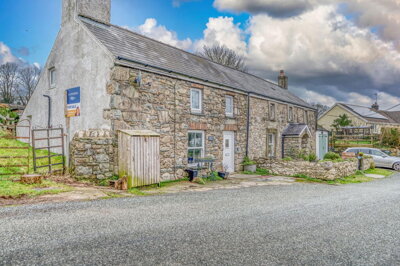
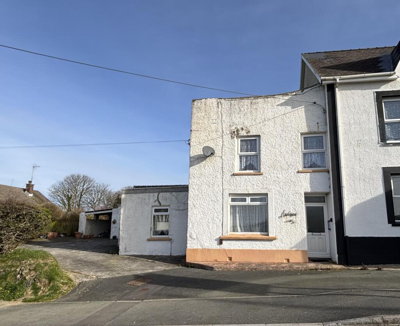
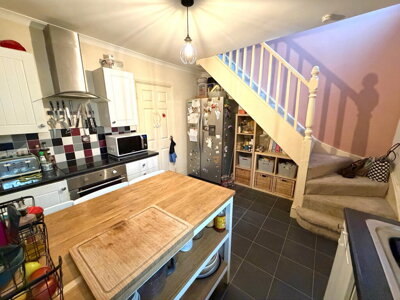
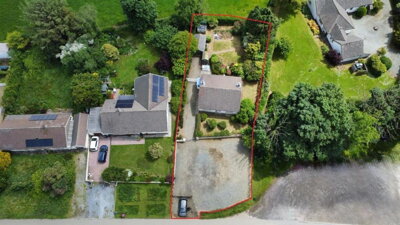
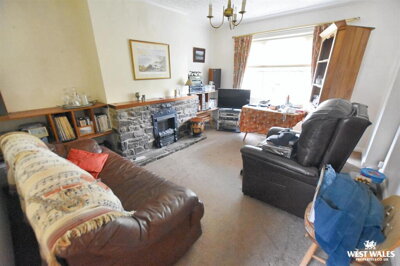
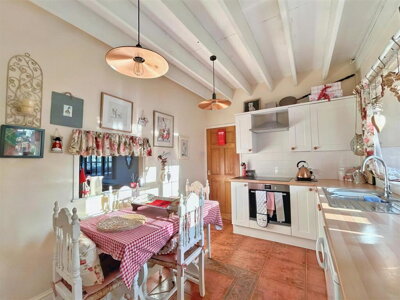
Browse 6 homes for sale in Wolfscastle, Pembrokeshire from local estate agents.
The 2 bed house market features detached, semi-detached, and terraced properties with two separate bedrooms plus living spaces. Properties in Wolfscastle range from Victorian and Edwardian period homes to modern new builds, with pricing varying across different neighbourhoods.
£0k
0
0
0
Source: home.co.uk
Showing 0 results for 2 Bedroom Houses for sale in Wolfscastle, Pembrokeshire.
The Wolfscastle property market reflects the dynamics of rural Pembrokeshire, where limited supply meets consistent demand from buyers seeking the village lifestyle. Our data shows that properties in the broader SA62 area have achieved an average value of £374,465, with the Wolfscastle sales market demonstrating impressive long-term growth of 49.3% over the past decade. The most recent recorded sale in the village fetched £355,000 in June 2025, while previous transactions include a detached property sold for £435,000 in April 2024 and additional sales ranging between £230,000 and £250,000 from 2022. These figures illustrate a market that has recovered well from a slight correction, with current prices sitting just 4% below the 2018 peak of £370,800.
Housing stock in Wolfscastle consists predominantly of houses rather than flats, reflecting the rural nature of the community. The available properties tend toward traditional construction, with many homes built using solid stone walls and slate roofs that characterise the Pembrokeshire countryside. Detached properties with generous gardens are common, offering buyers space both inside and out that is often difficult to find in urban areas. New build activity in the immediate Wolfscastle area remains limited, meaning that most properties on the market are established homes with character and history. This scarcity of new development helps maintain property values and ensures that Wolfscastle retains its distinctive village character for years to come.
The ONS Census 2021 data for the residential street of Wolfscastle indicates approximately 123 properties in the immediate area, comprising 51 houses and only 2 flats, with the remainder being other property types. This overwhelming preference for houses over flats underscores the family-oriented nature of the village and explains why cottages and detached homes command premium prices in this part of Pembrokeshire. Properties in the village span several eras of construction, from cottages dating back to the 17th century through to Victorian and Edwardian farmhouses, providing a diverse range of options for buyers seeking character properties at various price points.

Understanding the construction methods used in Wolfscastle properties helps buyers appreciate the character and potential maintenance requirements of homes in this area. The traditional buildings in and around Wolfscastle were constructed using locally sourced materials that reflect the geology of the area. Properties dating from the 17th and 18th centuries typically feature solid stone walls built from the distinctive grey and cream limestones found in the Western Cleddau valley, with roofs covered in natural slate quarried from nearby operations that once flourished in this part of Pembrokeshire. The former St Margaret's Church, built in 1672 just south of Wolfscastle, exemplifies this traditional approach with its solid stone structure beneath a slate roof.
Properties from the Georgian and Victorian periods, including many farmhouses and the former rectory at Church Hill House in nearby Treffgarne (built in 1832), often feature roughcast rendered walls with grouted slate pyramidal roofs. This construction method was common throughout rural Pembrokeshire as it provided good weather resistance while using locally available materials. Many Wolfscastle properties retain their original features including exposed beam ceilings, stone fireplaces, and flagstone floors, though potential buyers should arrange a thorough survey to assess the condition of these period features and any essential repairs or renovations they may require.
The local geology beneath Wolfscastle presents some interesting considerations for property owners. The western edge of the village sits on igneous intrusions dating from Pre-Cambrian times, some of the oldest rocks in Britain at 550 to 1,000 million years old. West of the Western Cleddau river, Cambrian mudstones and sandstones dominate, while the eastern side rests on younger Ordovician sandstones and shales. A band of hard volcanic rocks runs through the southern part of the community, creating the impressive Great Treffgarne Rocks that characterise the landscape. This complex geology means that foundations and ground conditions can vary significantly even within short distances, making professional surveys particularly valuable when purchasing property in this area.
Life in Wolfscastle revolves around the rhythms of the Pembrokeshire countryside, where agriculture remains the beating heart of the local economy. Dairy, sheep, and beef farming operations dot the landscape surrounding the village, contributing to a community atmosphere that feels genuinely connected to the land. The Wolfscastle Country Hotel and the Wolfe Inn provide local amenities and social hubs where villagers gather, while the stunning natural beauty of the Western Cleddau valley offers daily inspiration for residents who value outdoor living and scenic walks along the river banks.
The geographical setting of Wolfscastle contributes significantly to its appeal as a place to call home. The village occupies a position on either side of the Western Cleddau, a river of significant environmental importance designated as both a Special Area of Conservation and a Site of Special Scientific Interest. This environmental protection ensures that the surrounding countryside retains its quality and character, providing residents with access to protected landscapes and wildlife habitats. The local geology adds further interest, with igneous intrusions dating back to Pre-Cambrian times visible in rock formations throughout the area. Despite its small scale, Wolfscastle enjoys a rich historical fabric, with the remains of the motte-and-bailey castle and several nearby listed buildings including the Grade II* Church of Saint Dogfael and the medieval Ford Bridge offering tangible connections to the past.
The historical heritage of Wolfscastle provides residents with a genuine sense of place and continuity. The Wolfscastle Castle Mound, a Scheduled Monument comprising the remains of a medieval motte and bailey fortress dating from the Norman period, stands as a reminder of the village's strategic importance in centuries past. The Grade II* listed Church of Saint Dogfael represents centuries of religious worship in the community, while Ford Bridge, constructed across the Western Cleddau in medieval times, still serves as a crossing point for residents today. Properties such as Glenview, Nantycoy Mill, and Sealyham carry their own listed status, each contributing to the architectural heritage that makes Wolfscastle such a distinctive place to live in Pembrokeshire.

Families considering a move to Wolfscastle will find educational facilities available in the surrounding Pembrokeshire area, though the village itself operates on a smaller scale than larger towns. The rural nature of the community means that primary education is typically accessed in nearby villages or the town of Haverfordwest, which lies approximately 8 miles to the south. Parents should research specific catchment areas and admission policies when considering properties in Wolfscastle, as school placements can vary depending on individual circumstances and capacity at local facilities.
For secondary education, pupils generally travel to schools in Haverfordwest or Fishguard, both of which offer a range of educational options including Welsh medium education for families seeking bilingual schooling opportunities. Pembrokeshire County Council maintains a network of schools throughout the region, with institutions serving the local community providing good standards of education within reasonable travelling distance of Wolfscastle. The presence of several listed buildings and the Scheduled Monument of Wolfscastle Castle Mound in the village itself reflects the area's historical significance, making it an interesting location for children to grow up surrounded by heritage and learn about the rich history of their local area.
Pembrokeshire has seen continued investment in educational facilities across the county, with schools in Haverfordwest and the surrounding areas offering modern amenities alongside traditional values. For families prioritising Welsh language education, Ysgol Gyfun Aberystwyth and other Welsh medium secondary schools in the region provide options for children to develop bilingual skills that are highly valued in this part of Wales. Private schooling options are more limited in the immediate area, though several preparatory schools in the wider Pembrokeshire region serve families seeking independent education for their children. Parents should factor school transport arrangements into their decision-making process when considering properties in Wolfscastle, as daily travel requirements can significantly impact family routines and logistics.
Connectivity proves surprisingly strong for a village of Wolfscastle's rural character, with strategic positioning on main communication routes enhancing its accessibility. The A40 road passes through the village, providing direct road connections to Haverfordwest to the south and Fishguard to the north, where the ferry port offers crossings to Ireland. The Fishguard to London railway line also follows the Western Cleddau valley, with local train services linking communities throughout Pembrokeshire and offering access to the broader UK rail network via connections at larger stations.
For commuters and visitors requiring air travel, the nearest major airport is Cardiff Wales Airport, accessible via the M4 motorway through Swansea or alternatively via the rail network. Daily travel for work or leisure to centres like Cardiff, Bristol, and beyond is achievable from Wolfscastle, though it requires planning given the rural location. Local bus services connect Wolfscastle with surrounding villages and towns, providing essential transport options for residents without private vehicles. Parking in the village remains straightforward due to its compact scale, and the surrounding road network is generally well-maintained by Pembrokeshire County Council, though some rural lanes may require careful driving during adverse weather conditions.
The Fishguard ferry port represents a significant asset for Wolfscastle residents with international connections or family abroad, offering regular sailings to Rosslare in Ireland with crossing times of approximately 3.5 hours. This direct link to continental Europe distinguishes the northern Pembrokeshire area from many other rural locations in Wales and the UK. For those who need to travel regularly to London or other major cities for business, the rail connection via Fishguard provides access to the intercity network, with journey times to London achievable in around 4 to 5 hours. The relatively short distance to the A40 also allows straightforward access to the M4 corridor for those preferring to drive to larger urban centres.
Before diving into viewings, spend time understanding current listings, recent sale prices, and local property trends in Wolfscastle and the wider SA62 area. Our platform provides comprehensive data including average prices of £355,000 and the 14% annual growth rate, helping you establish realistic expectations for what your budget can achieve in this village market. Pay particular attention to how properties in Wolfscastle compare with similar villages along the Western Cleddau valley, as this will help you assess whether the asking prices reflect genuine value for this part of Pembrokeshire.
Contact local mortgage advisors to obtain an agreement in principle before viewing properties. Given that Wolfscastle properties often include character homes, farms, and older stone buildings, having your financing confirmed removes uncertainty from the buying process and positions you favourably when making offers on homes you wish to purchase. Some lenders may require a property valuation or survey before approving a mortgage on older properties, particularly those of non-standard construction or with potential structural issues, so understanding your lender's requirements early in the process can help avoid delays later.
Use our search platform to browse available properties in Wolfscastle and book viewings with listed estate agents. When viewing, pay attention to the construction materials typical of the area, including solid stone walls and slate roofs, and consider how properties might suit your lifestyle needs both inside and in surrounding garden areas. Many properties in Wolfscastle sit on generous plots, and understanding how the outdoor space aligns with your requirements whether for gardening, keeping animals, or simply enjoying the countryside views is an important consideration when evaluating different homes.
Once your offer is accepted, arrange for a professional survey of the property. Given the age of much of Wolfscastle's housing stock, with many properties dating back to the 17th and 19th centuries, a Level 2 survey will identify any structural concerns, signs of damp, or issues with roofing that are common in older rural properties. Budget approximately £400-£1,000 depending on property value and size, with older stone properties potentially attracting a premium due to their construction complexity and the need for assessors to evaluate traditional building methods and materials.
Appoint a solicitor experienced in Pembrokeshire property transactions to handle the legal work. They will conduct local searches, check for planning restrictions, and ensure the property's title is clean before proceeding to exchange contracts. Given Wolfscastle's proximity to rivers and listed buildings, searches should confirm there are no environmental or conservation issues affecting the property. Local searches in Pembrokeshire typically include drainage and water authority checks, environmental searches given the Western Cleddau's SAC and SSSI designations, and planning searches to identify any historic or proposed developments in the vicinity.
Once all searches are satisfactory and your mortgage is finalised, you will exchange contracts and pay your deposit. Completion typically follows within weeks, at which point you will receive the keys to your new Wolfscastle home and can begin enjoying life in this historic Pembrokeshire village. Our team can recommend local tradespeople and services to help you settle into your new property, from builders experienced with traditional stone construction to garden landscapers familiar with the local soil conditions and climate.
Purchasing property in Wolfscastle requires careful attention to factors specific to rural Pembrokeshire. The village's position at the confluence of the Western Cleddau and Anghof rivers means that some properties may carry a degree of flood risk, particularly those located in lower-lying areas near watercourses. Prospective buyers should review Environment Agency flood risk data and consider the flood history of any property they are considering. Buildings insurance costs can be higher for properties in flood-prone areas, and this ongoing expense should factor into your overall budget calculations when assessing property affordability.
The geology of Wolfscastle presents another consideration for buyers, as the underlying boulder clays can create shrink-swell risks that affect building foundations over time. Properties constructed on clay soils may show signs of movement, especially during periods of drought or heavy rainfall. A thorough survey will identify any foundation issues, but it is worth asking vendors about any previous structural problems or underpinning work that may have been carried out. The presence of older properties built with traditional solid stone construction and slate roofing adds character but may require more maintenance than modern homes, so factoring in renovation and maintenance costs is advisable when setting your budget.
Several properties in and around Wolfscastle carry listed building status, which brings both privileges and responsibilities. Grade II listed properties like Church Hill House, Glenview, and Nantycoy Mill enjoy legal protection ensuring their preservation, but owners must obtain consent for alterations that might affect the building's character. If you are considering a listed property, understand that this status can limit renovation options and increase maintenance costs. The village also contains the Scheduled Monument of Wolfscastle Castle Mound, and nearby development may be subject to archaeological considerations that affect planning applications in certain areas.
The historical slate quarrying operations at Sealyham and Treffgarne have left their mark on the local landscape, though these former industries ceased around the turn of the century. While specific mining-related structural issues were not identified in the search results, buyers should be aware that past quarrying activity in the vicinity may have implications for ground conditions in some locations. Any concerns about ground stability should be raised during the survey process, and our team can advise on appropriate investigations if required. Properties located near former quarry sites may also be subject to different planning considerations, and local search results should flag any relevant issues that require attention before proceeding with a purchase.
The average house price in Wolfscastle currently stands at £355,000 following a recent sale in June 2025. This represents a 14% increase year-on-year, though prices remain approximately 4% below the 2018 peak of £370,800. Properties in the broader SA62 postcode area have achieved average values of £374,465, and the local market has grown by 49.3% over the past decade, indicating strong long-term demand for homes in this rural Pembrokeshire village. The number of active listings in the village itself remains low at any given time, which contributes to competitive conditions when quality properties come to market.
Properties in Wolfscastle fall under Pembrokeshire County Council administration, and council tax bands are assigned based on property value as assessed by the Valuation Office Agency. Most residential properties in the village would typically fall within bands A through D, which cover the majority of homes in rural Pembrokeshire. The band for a specific property can significantly impact annual running costs, with Band A properties paying considerably less than Band D homes. You can check the specific banding for any property by searching the Valuation Office Agency website using the property address or council tax reference number, and this information is typically included in property listings or available from the vendor's solicitor.
Wolfscastle is a small village, so primary education is accessed in nearby communities or the town of Haverfordwest approximately 8 miles away. Families should research specific catchment areas and admission criteria for their circumstances, as these can change and may not always align with geographic proximity to schools. Secondary schools are available in Haverfordwest and Fishguard, offering a range of GCSE and A-level courses, and Pembrokeshire County Council provides detailed information about school locations, Ofsted ratings, and admission arrangements on their website to help parents make informed decisions. Welsh medium education options are available in the broader area for families seeking bilingual schooling opportunities, with transport arrangements varying depending on the specific school and catchment area.
Despite its rural setting, Wolfscastle enjoys reasonable public transport connections that belie its village status. The A40 road passes through the village, linking it directly to Haverfordwest and Fishguard with regular bus services operating on this route. The Fishguard to London railway line serves the broader area, with local train services connecting communities throughout Pembrokeshire and offering access to the broader UK rail network. For international travel, the ferry port at Fishguard provides crossings to Ireland, making Wolfscastle surprisingly well-connected for a rural Pembrokeshire village. However, service frequency may be limited compared to urban areas, so checking timetables in advance is advisable for daily commuters, and those relying on public transport should factor journey times and connection availability into their commute planning.
Wolfscastle offers several factors that appeal to property investors, including strong long-term price growth of 49.3% over the past decade and a limited supply of properties that helps maintain values. The village's position in Pembrokeshire, a popular tourist destination with coastal attractions, creates potential for holiday let income from suitable properties, particularly those with established gardens or outbuildings that could be converted to guest accommodation. However, investors should consider the rural location, which may limit tenant demand compared to towns or coastal villages, and the presence of older properties that could require maintenance investment. The local rental market tends to be smaller than in towns, so thorough research into rental demand before purchasing is recommended, and our team can provide guidance on typical rental values in the SA62 area based on current market data.
Stamp Duty Land Tax rates for residential properties purchased in England or Wales are as follows: 0% on the first £250,000, 5% on the portion from £250,001 to £925,000, 10% on the portion from £925,001 to £1.5 million, and 12% on any amount exceeding £1.5 million. First-time buyers purchasing properties up to £625,000 pay 0% on the first £425,000 and 5% on the portion between £425,001 and £625,000, though this relief phases out completely for purchases above £625,000. Given that Wolfscastle's average price of £355,000 falls within the lower tax bands, most buyers would pay stamp duty only on amounts exceeding £250,000, resulting in a bill of £5,250 for standard buyers purchasing at the current average price.
Properties in Wolfscastle that are located near the Western Cleddau or its tributaries, including the Anghof river and Nant y Coy brook, may be subject to riverine flood risk, particularly those in lower-lying areas close to watercourses. The Western Cleddau is designated as both a Special Area of Conservation and a Site of Special Scientific Interest, reflecting its environmental importance, and this designation extends to its tributaries. Prospective buyers should obtain a detailed flood risk assessment for any specific property they are considering, as flood risk can vary significantly even within the same village depending on location, elevation, and proximity to water. Buildings insurance premiums may be higher for properties with a flood risk history, and this ongoing cost should be factored into your budget when assessing affordability.
Understanding the full costs of purchasing property in Wolfscastle goes beyond the advertised asking price. Stamp Duty Land Tax represents a significant expense for most buyers, and understanding current thresholds helps you budget accurately. For properties purchased at the current average price of £355,000, a standard buyer would pay nothing on the first £250,000 and then 5% on the remaining £105,000, resulting in a stamp duty bill of £5,250. First-time buyers benefit from relief on purchases up to £625,000, meaning they would pay no stamp duty on the first £425,000 and only 5% on the amount between £425,000 and £625,000, though this relief phases out completely for purchases above £625,000.
Beyond stamp duty, buyers should budget for survey costs, solicitor fees, and various third-party charges that accompany every property transaction. A RICS Level 2 survey for a property valued at around £355,000 typically costs between £400 and £700, depending on the property's size, age, and construction type. Given that many Wolfscastle properties are older stone buildings dating from the 17th to 19th centuries, an uplift may apply for properties over 100 years old or those of non-standard construction, with costs potentially reaching £600 to £900 for the most complex period properties. Listed buildings may require additional specialist assessment, adding further to survey costs but providing valuable regarding the property's condition and any maintenance requirements.
Solicitors' fees for conveyancing usually range from £500 to £1,500, plus additional costs for local searches, which in Pembrokeshire may include drainage and environmental searches given the village's position near the Western Cleddau and its environmental designations. Additional expenses to factor into your budget include mortgage arrangement fees, which can range from nothing to 1% of the loan amount depending on the deal you choose, and buildings insurance, which may cost more for older properties or those in flood risk areas. Land Registry fees for registering your ownership and any mortgage also apply, typically around £200 to £500 depending on the property value. By accounting for these costs from the outset, you can approach your Wolfscastle property purchase with confidence, knowing that your financial planning covers every aspect of acquiring your new rural home in this historic Pembrokeshire village.
From 4.5% APR
Expert mortgage advice tailored to your circumstances
From £499
Expert legal support for your property purchase
From £400
Comprehensive survey for properties in Wolfscastle
From £80
Energy performance certificate for your new home
Properties for Sale In London

Properties for Sale In Plymouth

Properties for Sale In Liverpool

Properties for Sale In Glasgow

Properties for Sale In Sheffield

Properties for Sale In Edinburgh

Properties for Sale In Coventry

Properties for Sale In Bradford

Properties for Sale In Manchester

Properties for Sale In Birmingham

Properties for Sale In Bristol

Properties for Sale In Oxford

Properties for Sale In Leicester

Properties for Sale In Newcastle

Properties for Sale In Leeds

Properties for Sale In Southampton

Properties for Sale In Cardiff

Properties for Sale In Nottingham

Properties for Sale In Norwich

Properties for Sale In Brighton

Properties for Sale In Derby

Properties for Sale In Portsmouth

Properties for Sale In Northampton

Properties for Sale In Milton Keynes

Properties for Sale In Bournemouth

Properties for Sale In Bolton

Properties for Sale In Swansea

Properties for Sale In Swindon

Properties for Sale In Peterborough

Properties for Sale In Wolverhampton

Enter your details to see if this property is within your budget.
Loans, cards, car finance
Estimated property budget
Borrowing + deposit
You could borrow between
Typical borrowing
Monthly repayment
Est. at 4.5%
Loan-to-value
This is an estimate only. Your actual budget may vary depending on interest rates, credit history, and personal circumstances. For an accurate affordability assessment, speak to one of our free mortgage advisors.
This calculator provides estimates for illustrative purposes only and does not constitute financial advice. Your home may be repossessed if you do not keep up repayments on your mortgage. Estimates based on 4.5% interest rate, repayment mortgage. Actual rates depend on your circumstances.
Homemove is a trading name of HM Haus Group Ltd (Company No. 13873779, registered in England & Wales). Homemove Mortgages Ltd (Company No. 15947693) is an Appointed Representative of TMG Direct Limited, trading as TMG Mortgage Network, which is authorised and regulated by the Financial Conduct Authority (FRN 786245). Homemove Mortgages Ltd is entered on the FCA Register as an Appointed Representative (FRN 1022429). You can check registrations at NewRegister or by calling 0800 111 6768.

We use cookies to show you personalised content and improve your experience of our website. Find out more in our Privacy policy and Cookie policy.