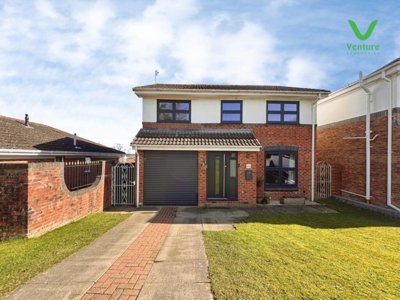
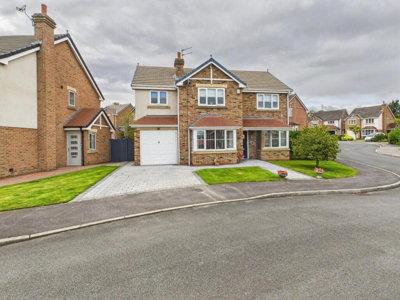
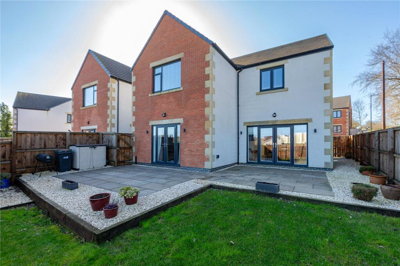
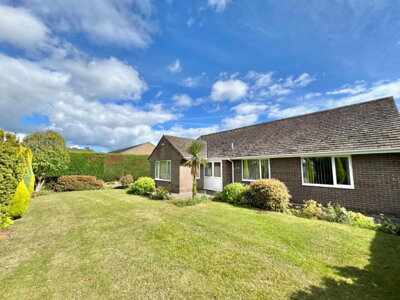
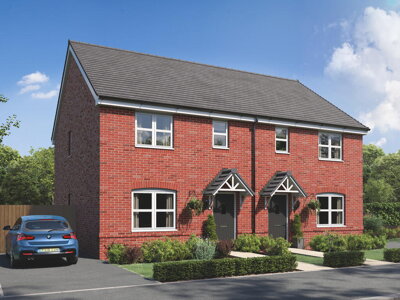
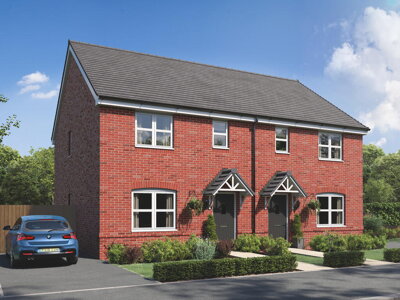
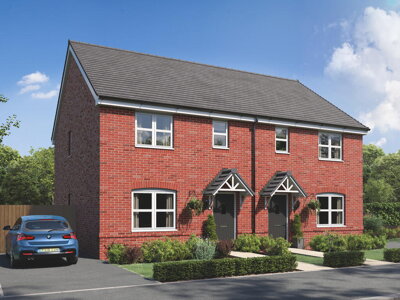
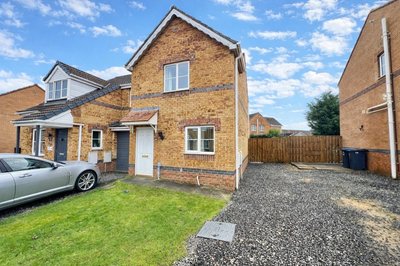
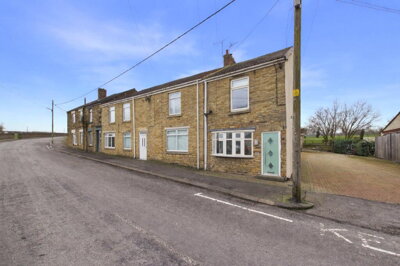
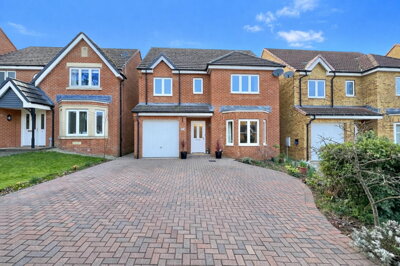
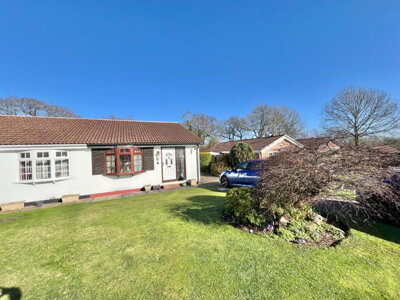
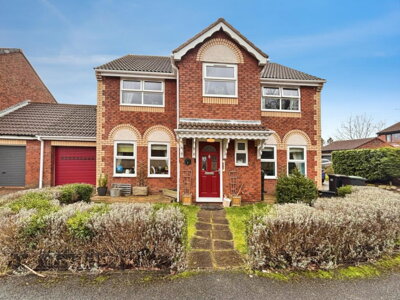
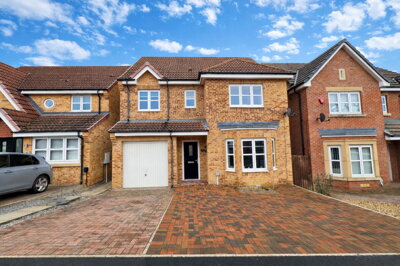
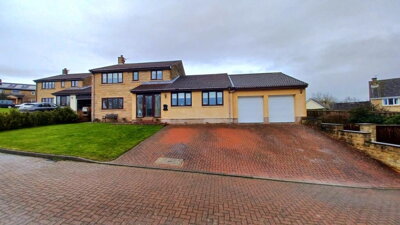
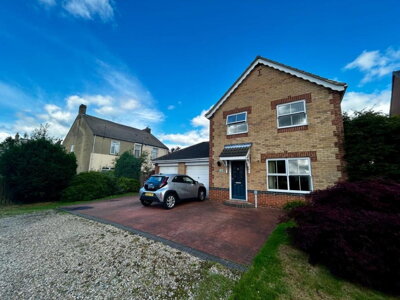
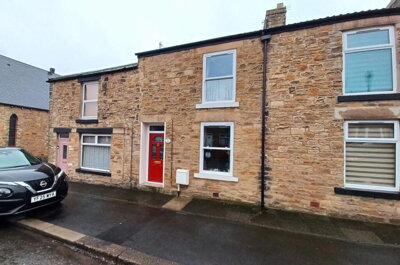
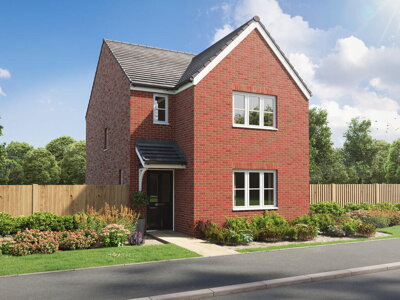
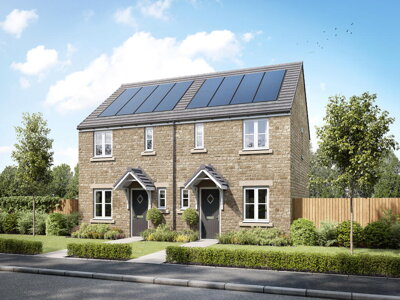
Browse 105 homes for sale in Witton-le-Wear from local estate agents.
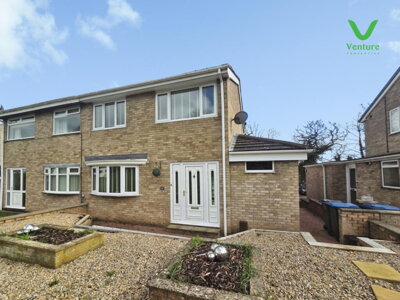
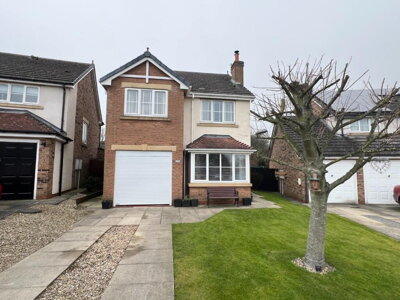
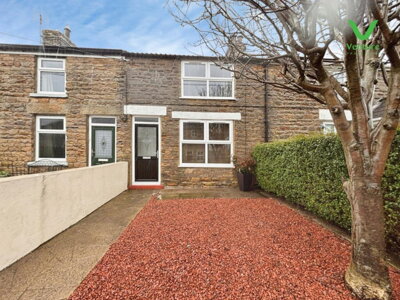
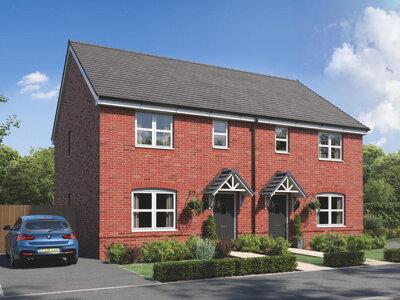
The Witton Le Wear property market offers detached, semi-detached, and terraced houses spanning various price ranges and neighbourhoods. Each listing includes detailed property information, photographs, and direct contact with the marketing agent.
The Witton-le-Wear property market reflects the characteristics of a small rural village in County Durham, with property values showing variation across different segments. Recent data indicates an overall average house price of approximately £165,301, though individual property types command different prices. Terraced properties in the village have sold for around £125,334 on average, while semi-detached homes achieve higher prices at approximately £265,000. Flats in Witton-le-Wear have recorded average prices around £185,500, though the volume of flat sales in such a small village tends to be limited.
Market activity in Witton-le-Wear has experienced notable fluctuation over recent years. Overall sold prices over the last year show a significant decrease of approximately 38% compared to the previous year, according to Rightmove data. However, this figure requires careful interpretation given the small number of transactions in a village location, where individual sales can heavily influence percentage changes. The postcode area DL14 0AX, which covers parts of High Street and surrounding streets in Witton-le-Wear, has shown more resilience with prices rising by 7.8% over the past year, suggesting some streets within the village have maintained stronger values.
Semi-detached properties dominate the local housing stock in Witton-le-Wear, accounting for around 65% of recent transactions according to property type analysis. This prevalence of semi-detached homes reflects the development pattern typical of English villages, with families and couples often gravitating toward these properties for their combination of space and relative affordability compared to detached alternatives. The village lacks significant new build development activity, meaning buyers typically purchase existing properties that form part of the established residential fabric of Witton-le-Wear.
When examining specific street-level data within Witton-le-Wear, price performance varies considerably. High Street properties saw a 9% decline compared to the previous year, while Wear Terrace recorded a 53% decrease from its 2020 peak, demonstrating how individual street performance can differ from village-wide averages. These variations underline why buyers searching for homes for sale in Witton-le-Wear should research specific locations within the village rather than relying solely on aggregate village statistics.

Witton-le-Wear occupies a picturesque setting in the Wear Valley, with the River Wear flowing through the heart of the village. The village location provides residents with direct access to riverside walks and the surrounding Durham Dales countryside. The rural setting appeals particularly to those seeking an escape from urban life while maintaining connections to larger settlements for work and amenities. The village atmosphere fosters a strong sense of community, with local residents often knowing one another and participating in village events and activities.
Daily life in Witton-le-Wear reflects the rhythms of a traditional English village, where essential services serve the local population without the extensive facilities of larger towns. The village contains facilities typical of small rural communities, with local shops and services meeting everyday needs. For more comprehensive shopping, dining, and entertainment, residents travel to nearby towns such as Bishop Auckland, which lies a short distance to the north, or Durham city further afield. The proximity to the A688 provides reasonable road connections to these destinations, while the surrounding countryside offers extensive opportunities for outdoor recreation including walking, cycling, and fishing along the River Wear.
The character of Witton-le-Wear combines residential areas with agricultural land and natural landscapes that define the village's relationship with its environment. Property buyers considering the village should note that rural living brings certain considerations, including the likelihood of car ownership for most daily activities and potential journeys for accessing healthcare, secondary education, and specialist services. The Durham County Council area provides local authority services, with bin collections, council tax, and local planning matters handled through the county council structure. The village maintains its historic layout, with properties along main streets and lanes that reflect centuries of development alongside the river valley.
The River Wear itself provides both amenity value and practical considerations for residents. Riverside properties benefit from attractive views and direct water access for recreation, though proximity to the river warrants careful consideration of flood risk factors. Our inspectors have seen how properties in villages along the River Wear can experience damp-related issues in periods of heavy rainfall, making professional surveys particularly valuable for riverside homes in Witton-le-Wear.

Education provision for Witton-le-Wear families centres primarily on primary school age children, with the village served by local primary schools within reasonable travelling distance. Primary school-aged children from Witton-le-Wear typically attend schools in the surrounding area, with options including schools in nearby villages and towns. Parents selecting properties in Witton-le-Wear should research specific school catchment areas and admission arrangements through Durham County Council's education services, as catchment boundaries determine which schools children can access.
Secondary education requires travel to schools in nearby towns, with several options available to Witton-le-Wear families within the County Durham area. Secondary schools in the surrounding region include both comprehensive schools and potentially grammar school options, depending on specific locations and admission criteria. Parents should note that distance from school can be a significant factor in daily routines for secondary school pupils, particularly given the rural location of Witton-le-Wear. School transport arrangements and bus services to secondary schools warrant investigation before committing to a property purchase if school-age children will be joining the household.
Further education opportunities for post-16 students are available at colleges and sixth form centres in larger towns within County Durham, including Bishop Auckland and Durham. These institutions offer a range of A-level courses, vocational qualifications, and apprenticeship opportunities. Families with older children should consider the practical implications of further education travel when selecting homes for sale in Witton-le-Wear, as sixth form and college students will typically need to commute to their place of study. The proximity of Witton-le-Wear to several towns provides reasonable access to these educational pathways, though journey times should be factored into family planning.
When evaluating properties in Witton-le-Wear for family buyers, the accessibility of school transport routes and the timing of bus services can significantly impact daily family routines. Some properties may be better positioned for access to school transport pick-up points than others, particularly during winter months when rural roads may be affected by weather conditions. We recommend families research specific transport arrangements and consider how school travel fits with working parents' commuting requirements.
Transport connections from Witton-le-Wear reflect its rural village status, with road travel serving as the primary means of getting around for most residents. The A688 runs through the area, providing a direct route north to Bishop Auckland and connections south toward Barnard Castle. This main road forms a key artery for Witton-le-Wear residents accessing nearby towns and services. The A1(M) motorway is reachable within reasonable driving distance, offering connections north to Newcastle upon Tyne and south toward Darlington and Leeds. For residents working in larger cities, the village location requires careful consideration of commuting requirements and acceptable journey times.
Public transport options in Witton-le-Wear include bus services connecting the village to surrounding towns and villages. Bus routes serve the community with varying frequency, meaning residents relying on public transport may need to plan journeys around specific timetables. For longer distance rail travel, the nearest railway stations are located in larger towns in the region, with mainline stations in Newcastle, Durham, and Darlington offering connections to destinations across the UK. The village position means that accessing rail services requires a car journey or multi-stage public transport journey, which can add significant time to longer commutes.
For cyclists and pedestrians, the rural lanes around Witton-le-Wear offer scenic routes for local travel and recreation. The River Wear valley provides attractive walking routes along the riverbank, though cycling on busier roads requires appropriate caution. Daily commuting by bicycle to nearby towns is feasible for the more energetic, though the distances involved limit this option for most workers. Parking in the village is generally straightforward given the low traffic volumes, though properties without dedicated parking may require street parking arrangements that require consideration for households with multiple vehicles.
The practical realities of rural commuting mean that Witton-le-Wear residents working in Durham city typically face a round trip of approximately 30-40 minutes by car, while Newcastle commuters should allow around an hour each way. Those considering homes for sale in Witton-le-Wear while working in larger cities may wish to factor these journey times into their decision-making, particularly if regular office attendance is required.
Start by exploring property listings in Witton-le-Wear to understand what is available at your budget. With average prices around £165,301 and terraced properties from approximately £125,000, the village offers accessible entry points for rural living. Use Homemove to set up property alerts for new listings matching your criteria, including alerts for the DL14 0AX postcode area where street-level prices have shown more resilience recently.
Before viewing properties, obtain a mortgage agreement in principle from a lender. This document confirms how much you can borrow and strengthens your position when making offers. Contact our mortgage partners through Homemove to compare rates and find the best deal for your situation. Given the village property market can move slowly due to limited transaction volumes, having your finance arranged early gives you a competitive edge when suitable properties become available.
Visit Witton-le-Wear properties in person to assess the village atmosphere and specific property conditions. Consider factors such as proximity to the river, road noise from the A688, and access to local services. Take time to explore the surrounding area and get a feel for daily life in the village. We recommend visiting at different times of day to understand traffic patterns and noise levels, particularly for properties near the main road.
Once your offer is accepted, arrange a RICS Level 2 Survey to assess the property condition. Our inspectors check for defects that may affect value or require attention, which is particularly important for older village properties that may have solid floors, limited insulation, or dated electrical systems. Budget approximately £350-500 for this essential assessment, with the investment potentially saving thousands by identifying issues before completion.
Appoint a solicitor to handle the legal transfer of the property. Our recommended solicitors conduct searches with Durham County Council, handle contracts, and manage the registration of your ownership. Conveyancing costs typically start from around £499 through Homemove's recommended providers. Given the rural location of Witton-le-Wear, searches may include environmental data for the River Wear floodplain and local drainage considerations.
Final preparations include arranging buildings insurance from the point of exchange, confirming your mortgage offer, and scheduling your move. On completion day, funds are transferred and you receive the keys to your new Witton-le-Wear home. Our team can provide guidance on arranging buildings insurance for properties in flood-risk areas if applicable to your purchase.
Property buyers considering Witton-le-Wear should pay particular attention to specific local factors that can affect properties in rural County Durham villages. Flood risk assessment deserves careful attention given the village location alongside the River Wear. While specific flood risk data for Witton-le-Wear was not detailed in available research, properties close to the river valley warrant thorough investigation of flood history and any flood prevention measures in place. Our RICS Level 2 Survey includes assessment of any signs of damp or water damage that may indicate historic flooding issues, particularly relevant for riverside properties.
The age and construction of properties in Witton-le-Wear varies across the village housing stock. Older properties may have solid floors rather than suspended timber, different insulation standards compared to modern homes, and potentially outdated electrical systems. Our inspectors frequently identify these characteristics in village properties of traditional construction. A comprehensive survey will identify these issues and allow you to budget for any necessary improvements. Properties that have been vacant for periods or that show signs of limited maintenance may present opportunities for negotiation on price, though the associated renovation costs must be carefully calculated.
Parking availability represents another practical consideration for Witton-le-Wear property buyers. Many village properties were built in an era when car ownership was less common, resulting in limited or no dedicated parking spaces. Street parking may be available but can be constrained in narrow village lanes, particularly for households with multiple vehicles. Properties with driveways or garages command premiums but provide valuable certainty around parking arrangements. Similarly, garden sizes vary significantly between properties, with some enjoying generous rear gardens while others have more modest outdoor spaces.
The village lacks new build development activity, meaning buyers are purchasing from the existing housing stock. This means properties may require updating or renovation over time. When viewing homes for sale in Witton-le-Wear, check the condition of roofs on period properties, as these can require significant maintenance. Electrical systems in older village homes often need upgrading to meet current standards, and our surveyors will report on these matters as part of the RICS Level 2 assessment.
The average house price in Witton-le-Wear is approximately £165,301 according to Rightmove data, with similar figures reported by Zoopla at £154,417 and OnTheMarket at £154,000 over the last 12 months. Property types command different prices, with terraced properties averaging around £125,334, semi-detached homes reaching approximately £265,000, and flats averaging £185,500. These figures reflect a market with limited transaction volumes, meaning individual sales can significantly influence average prices in either direction. The postcode DL14 0AX, covering parts of High Street and surrounding streets, has shown stronger performance with prices rising 7.8% over the past year, demonstrating micro-market variations within the village.
Properties in Witton-le-Wear fall under Durham County Council's jurisdiction for council tax purposes. Council tax bands in County Durham range from Band A for lower-value properties through to Band H for the highest-value homes. Specific band allocations depend on the property's assessed value. Given the range of property values in Witton-le-Wear from terraced homes around £125,000 to semi-detached properties approaching £265,000, council tax bands will vary accordingly across the village. You can check the council tax band for any specific property through the Valuation Office Agency website or by contacting Durham County Council directly.
Witton-le-Wear is served by primary schools in the surrounding area, with specific school allocations determined by catchment areas managed by Durham County Council. Parents should research individual school performance data, Ofsted ratings, and catchment boundaries when considering properties in the village. For secondary education, students typically travel to schools in nearby towns, with options including schools in Bishop Auckland and surrounding areas. Further education is available at colleges in larger towns within County Durham, with Bishop Auckland College and Durham College providing vocational and A-level courses within reasonable commuting distance of Witton-le-Wear.
Public transport connections from Witton-le-Wear reflect its rural village status, with bus services providing the main public transport option for residents. Bus routes connect the village to nearby towns and villages, though service frequencies may be limited compared to urban areas. The nearest railway stations are located in larger towns, requiring road travel to reach them. Residents working in cities such as Durham or Newcastle typically rely on car travel for commuting, though some may combine bus journeys with train travel for longer journeys. The village lacks direct rail connections, making car ownership practically essential for most working residents.
Witton-le-Wear offers an accessible entry point to the County Durham property market with average prices around £165,000, significantly lower than many comparable village locations closer to major cities. The village provides genuine rural living within reach of employment centres in the North East. However, the small size of the local market means limited rental demand and potentially slower resale times compared to larger towns. Property investors should carefully consider their target tenant profile, likely rental yields, and holding period before purchasing in this village location. The recent price fluctuations in the village market, with some streets showing resilience while others have declined more significantly, suggest that location-specific analysis is important for investment decisions.
Stamp Duty Land Tax (SDLT) applies to property purchases in Witton-le-Wear based on the purchase price. Current thresholds for standard buyers mean you pay 0% on the first £250,000, 5% on the portion between £250,001 and £925,000, and 10% on the portion between £925,001 and £1.5 million. First-time buyers benefit from relief on the first £425,000, paying 5% only on the portion between £425,001 and £625,000. At the village average price of around £165,301, most buyers would pay no stamp duty or only a minimal amount under current thresholds. A first-time buyer purchasing a terraced property averaging £125,334 would pay no stamp duty whatsoever.
When viewing properties in Witton-le-Wear, assess the property's position relative to the River Wear for flood risk considerations. Check the condition of older properties carefully, including roof condition, damp signs, and electrical systems. Consider parking arrangements given village parking constraints on narrow lanes. Evaluate garden sizes and aspect, as these vary significantly between properties. Investigate whether the property has central heating and insulation standards, as older village properties may have higher energy costs. Our RICS Level 2 Survey provides professional assessment of all these factors before completing your purchase, giving you confidence in your decision.
From 4.5%
Compare mortgage deals and get expert advice from our panel of lenders
From £499
Our recommended solicitors handle your legal work, searches, and registration
From £350
Professional property survey covering condition, defects, and valuation
From £60
Energy performance certificate required for all property sales
Understanding the full costs of buying a property in Witton-le-Wear helps you budget accurately for your purchase. Beyond the property price, buyers need to account for Stamp Duty Land Tax, solicitor fees, survey costs, and various other expenses. At the village average price of approximately £165,301, many buyers will find that Stamp Duty either does not apply or applies only to a small portion of the purchase price, making Witton-le-Wear an attractive option for cost-conscious buyers compared to more expensive property markets.
Stamp Duty Land Tax rates for 2024-25 mean that purchases up to £250,000 attract no SDLT for standard buyers, which covers the majority of properties in Witton-le-Wear at current average prices. First-time buyers enjoy even more generous thresholds, paying no SDLT on purchases up to £425,000 and reduced rates up to £625,000. For a first-time buyer purchasing a terraced property averaging £125,334 in Witton-le-Wear, no stamp duty would be payable under current thresholds. Higher-value properties approaching or exceeding £250,000 would incur SDLT on the amount above the threshold, which may apply to larger semi-detached homes in the village.
Additional buying costs to budget for include RICS Level 2 Survey fees of approximately £350-500 depending on property size, conveyancing solicitor fees from around £499 for standard transactions, and search fees with Durham County Council typically in the region of £250-400. Mortgage arrangement fees vary by lender but often range from £500-2,000, though many deals are available without arrangement fees. Land Registry fees for registering your ownership transfer are relatively modest at around £200-500 depending on property price. Buildings insurance should be arranged from the point of contract exchange, with annual premiums typically between £200-500 for a standard village property.
Properties for Sale In London

Properties for Sale In Plymouth

Properties for Sale In Liverpool

Properties for Sale In Glasgow

Properties for Sale In Sheffield

Properties for Sale In Edinburgh

Properties for Sale In Coventry

Properties for Sale In Bradford

Properties for Sale In Manchester

Properties for Sale In Birmingham

Properties for Sale In Bristol

Properties for Sale In Oxford

Properties for Sale In Leicester

Properties for Sale In Newcastle

Properties for Sale In Leeds

Properties for Sale In Southampton

Properties for Sale In Cardiff

Properties for Sale In Nottingham

Properties for Sale In Norwich

Properties for Sale In Brighton

Properties for Sale In Derby

Properties for Sale In Portsmouth

Properties for Sale In Northampton

Properties for Sale In Milton Keynes

Properties for Sale In Bournemouth

Properties for Sale In Bolton

Properties for Sale In Swansea

Properties for Sale In Swindon

Properties for Sale In Peterborough

Properties for Sale In Wolverhampton

Enter your details to see if this property is within your budget.
Loans, cards, car finance
Estimated property budget
Borrowing + deposit
You could borrow between
Typical borrowing
Monthly repayment
Est. at 4.5%
Loan-to-value
This is an estimate only. Your actual budget may vary depending on interest rates, credit history, and personal circumstances. For an accurate affordability assessment, speak to one of our free mortgage advisors.
This calculator provides estimates for illustrative purposes only and does not constitute financial advice. Your home may be repossessed if you do not keep up repayments on your mortgage. Estimates based on 4.5% interest rate, repayment mortgage. Actual rates depend on your circumstances.
Homemove is a trading name of HM Haus Group Ltd (Company No. 13873779, registered in England & Wales). Homemove Mortgages Ltd (Company No. 15947693) is an Appointed Representative of TMG Direct Limited, trading as TMG Mortgage Network, which is authorised and regulated by the Financial Conduct Authority (FRN 786245). Homemove Mortgages Ltd is entered on the FCA Register as an Appointed Representative (FRN 1022429). You can check registrations at NewRegister or by calling 0800 111 6768.

We use cookies to show you personalised content and improve your experience of our website. Find out more in our Privacy policy and Cookie policy.