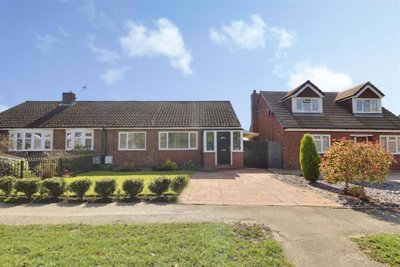
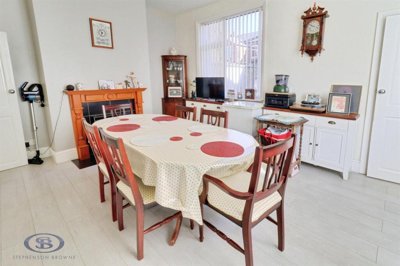
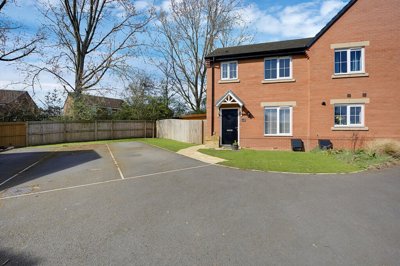
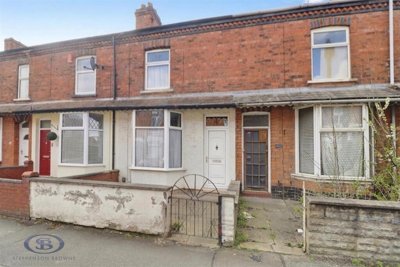
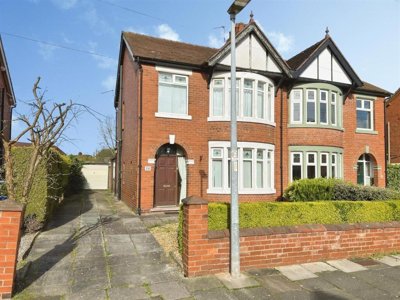
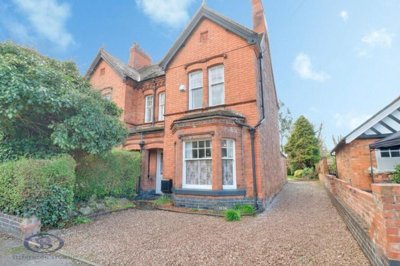
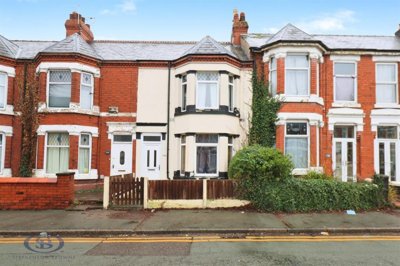
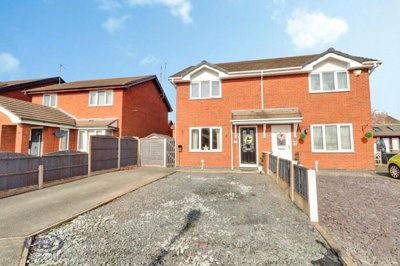
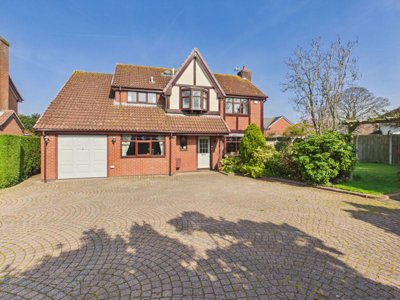
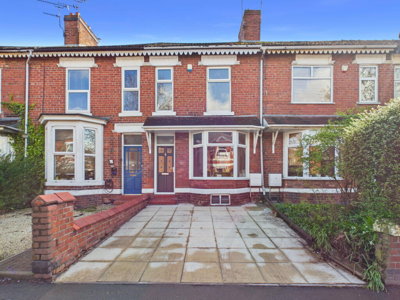
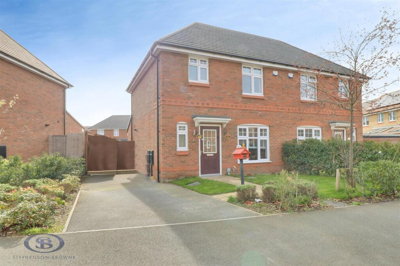
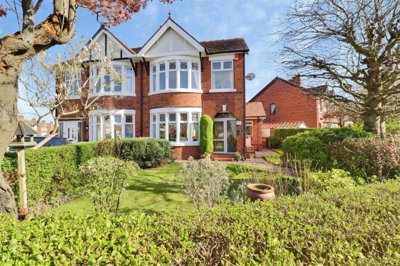
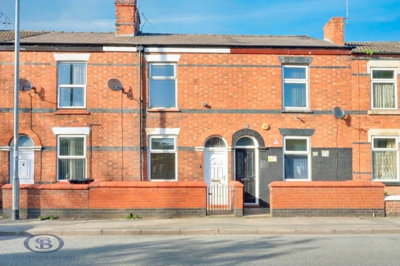
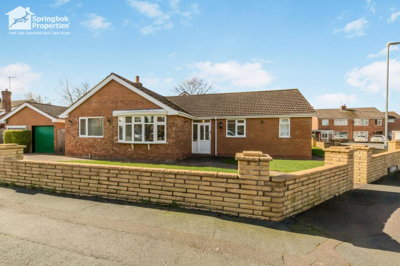
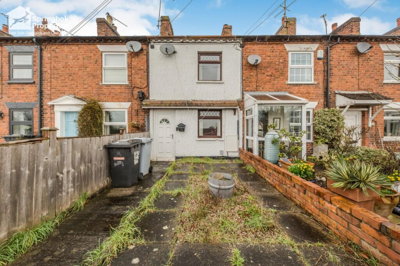
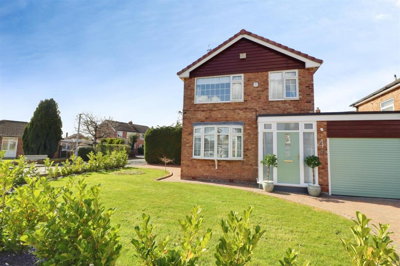
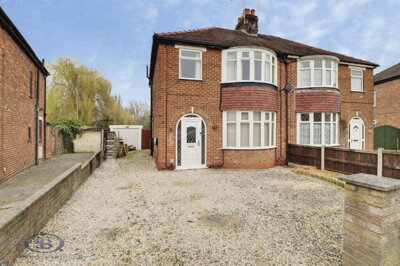
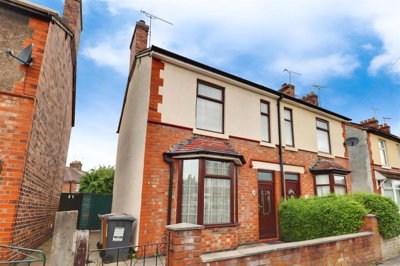
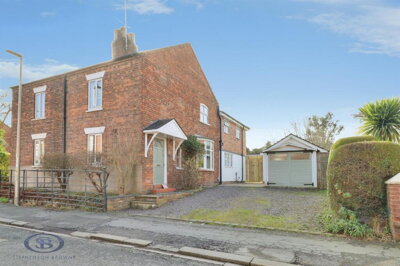
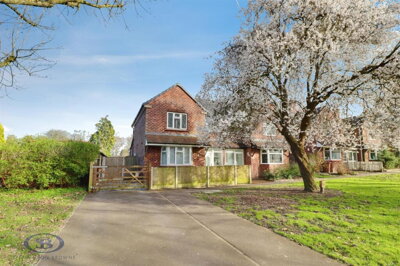
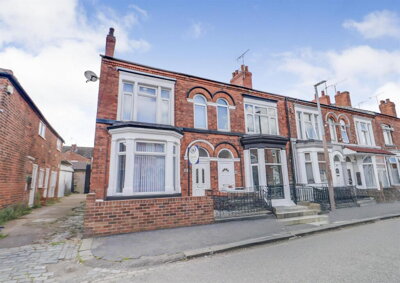
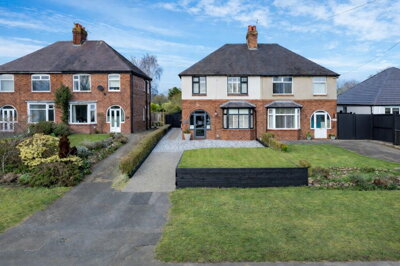
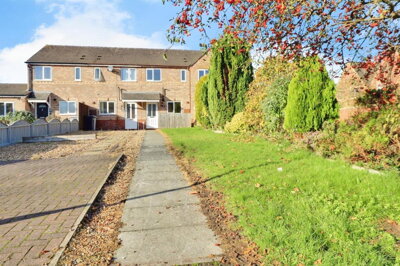
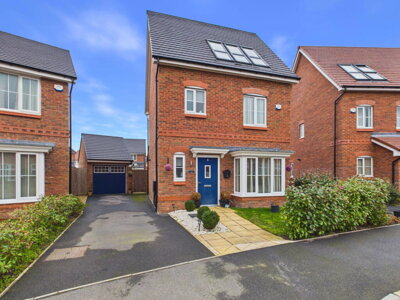
Browse 650 homes for sale in Wistaston, Cheshire East from local estate agents.
£350k
69
4
103
Source: home.co.uk
Source: home.co.uk
Detached
27 listings
Avg £468,241
Semi-Detached
21 listings
Avg £274,595
Bungalow
7 listings
Avg £322,857
Detached Bungalow
3 listings
Avg £396,650
Terraced
3 listings
Avg £148,333
Apartment
2 listings
Avg £125,625
Semi-Detached Bungalow
2 listings
Avg £187,500
Character Property
1 listings
Avg £550,000
End of Terrace
1 listings
Avg £100,000
Flat
1 listings
Avg £120,000
Source: home.co.uk
Source: home.co.uk
The Wistaston property market has demonstrated impressive resilience and growth, with the village emerging as one of Cheshire's more dynamic residential areas that continues to attract buyers from across the region. Recent data shows that 147 properties sold in Wistaston during 2025 with a median sale price of £295,000, reflecting strong buyer demand driven by the village's appealing combination of amenities, transport links, and village atmosphere. Over the past year, house prices in the CW2 8 postcode area climbed by 13.3%, outperforming many neighbouring locations and indicating sustained confidence in Wistaston as a place to invest in property. Historical sold prices over the last year sit 11% above the previous year and have returned to levels comparable with the 2022 peak of £280,360, suggesting that the market has recovered from any previous softening and entered a period of solid growth.
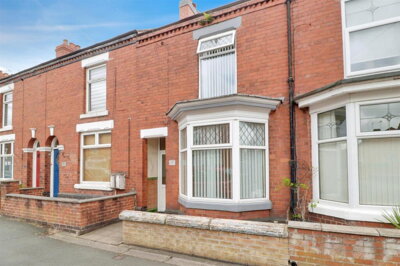
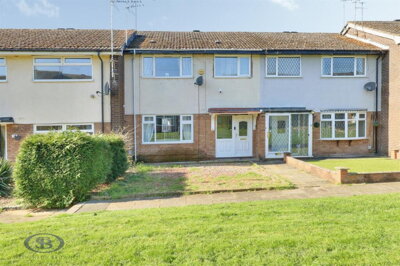
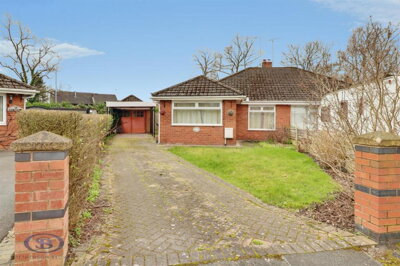
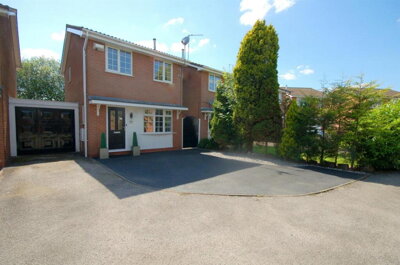
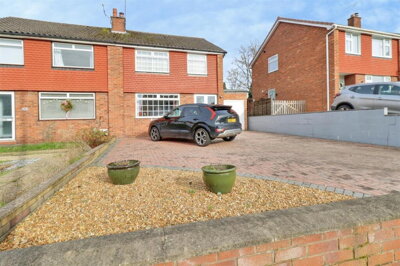
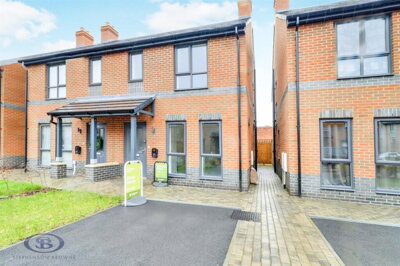
Property types available in Wistaston cater to a wide spectrum of buyers, from first-time purchasers taking their first step onto the property ladder to growing families seeking larger homes with gardens. Detached properties dominate the market, accounting for 53.1% of all sales in 2025 with a median price of £340,000 across 78 completed transactions, making them the most common transaction type in the village. Semi-detached homes represent the next most popular choice, with 60 sales recorded at a median of £214,000, offering excellent value for families needing extra space without the premium attached to detached living. Terraced properties in the village average around £190,000 based on recent sales and remain popular with first-time buyers, while flats remain relatively scarce with limited transactions but available from approximately £125,000 for those seeking lower entry costs into the Wistaston market.

Wistaston embodies the appeal of Cheshire village life, offering residents a strong sense of community alongside practical access to larger towns and cities for work and leisure. The village maintains its own character through a mix of traditional housing developments, local shops, and community facilities that have evolved over the years to serve resident needs while preserving the village atmosphere that makes it so desirable. Walking through the village, you will encounter a variety of architectural styles reflecting different periods of development, from period properties to more modern family homes constructed in later decades. The surrounding Cheshire countryside provides beautiful walking routes and green spaces, with the River Weaver flowing nearby and contributing to the area's rural charm that draws so many buyers to the village each year.
Daily amenities in Wistaston include local shops, convenience stores, and traditional pubs where villagers gather for social occasions and Sunday roasts with friends and neighbours. The village centre features several independent traders serving the community, while the nearby town of Crewe, just a short drive or bus ride away, expands the range of retail, dining, and entertainment options considerably with major supermarkets, high street chains, and a cinema complex. Families are drawn to Wistaston for its peaceful environment, lower crime rates compared to urban centres, and the strong community spirit that develops naturally in villages of this size where neighbours know one another. The proximity to the M6 motorway makes weekend trips to the Lake District, Welsh coast, or Manchester straightforward, while Crewe railway station provides direct connections to London, Birmingham, and Liverpool for those commuting further afield.
The village hosts several community events throughout the year that bring residents together and reinforce the village's welcoming atmosphere. Local pubs often feature in these community gatherings, with establishments such as those along Crewe Road serving as gathering points for neighbours and offering a traditional village pub experience. The Wistaston area benefits from numerous green spaces and parks that are particularly popular with families with young children, providing safe places for outdoor play and community interaction. Healthcare facilities are accessible within the village and in nearby Crewe, with doctors' surgeries and dental practices serving local residents without requiring travel to larger centres.

Education provision in and around Wistaston serves families well, with several primary schools within the village and easy access to excellent secondary options in the surrounding area. Primary-aged children in Wistaston can attend local schools that have built solid reputations for academic achievement and caring environments, with Ofsted ratings consistently placing local options among the better-performing schools in Cheshire East. The village falls within the catchment area for respected secondary schools in the Crewe and Nantwich area, where students consistently achieve results above national averages and go on to pursue further education or vocational pathways. Parents moving to Wistaston often cite educational provision as a key factor in their decision, with the combination of good local schools and proximity to quality secondary options providing families with genuine choice when selecting the right educational environment for their children.
For those seeking academic excellence beyond the state system, several independent schools operate within reasonable driving distance of Wistaston, offering private education options for families who prioritise this aspect of their children's upbringing. Secondary students have access to grammar school options in nearby areas, with selective admissions based on academic ability providing a pathway to some of the region's most prestigious secondary schools for those who pass the entrance examinations. Sixth form provision in the region includes sixth form colleges and school-based options, preparing students for university applications, apprenticeships, and vocational pathways that lead to rewarding careers. The presence of good schools significantly influences property values in Wistaston, with homes in desirable catchment areas commanding premium prices that reflect the educational advantages they offer to resident families. When purchasing a property in the village, understanding the local school landscape and any catchment area boundaries becomes essential for families planning their children's education and ensuring they can access their preferred school options.

Wistaston benefits from excellent transport connections that make it particularly attractive to commuters and those who travel regularly for work or leisure across the region and beyond. The village sits within easy reach of Crewe railway station, one of the North West's major rail hubs offering frequent services to destinations across the country including direct routes to London, Manchester, Birmingham, and Liverpool. From Crewe station, travellers can reach London Euston in approximately 90 minutes, Manchester Piccadilly in around 40 minutes, and Birmingham New Street in roughly one hour, making Wistaston particularly appealing to professionals who need access to major business centres while enjoying village-style living. The West Coast Main Line runs through Crewe, providing access to the most important business and leisure destinations in England and connecting the village to the broader national rail network with excellent frequency and reliability.
Road connectivity from Wistaston is equally strong, with the M6 motorway accessible within minutes via the A534 or other local routes that carry residents efficiently to the national motorway network. The M6 provides a direct link to Manchester to the north and Birmingham to the south, while the A500 connects the area to Stoke-on-Trent and the Potteries for those seeking employment or leisure opportunities in the ceramics capital. Local bus services operate through Wistaston, connecting residents to Crewe town centre and surrounding villages for those who prefer public transport over car travel, with regular services making the village accessible without private vehicle ownership. Parking provision in the village accommodates residents and visitors, while the proximity of Manchester Airport and Liverpool John Lennon Airport offers convenient international travel options for business and leisure trips abroad, with both airports reachable within approximately 45 minutes to an hour by car.

Explore Wistaston thoroughly before committing to a purchase. Visit at different times of day and on different days of the week to understand how the village operates throughout the week. Check local amenities, review current listings and sold prices, and spend time understanding the village character and community atmosphere that will become part of your daily life.
Speak to a mortgage broker or lender to secure an agreement in principle before viewing properties in Wistaston. This demonstrates your financial credibility to sellers and estate agents, strengthening your position when making an offer on homes in this sought-after village where competition between buyers can be significant. Having your finances arranged also helps you understand your true budget and avoids disappointment when viewing properties outside your price range.
Work with local estate agents to arrange viewings of properties matching your requirements across Wistaston and the surrounding area. In a village like Wistaston with limited stock and strong demand, being prepared and responsive helps you secure good properties quickly when they come to market. Take notes during viewings and ask questions about any aspects of the property or the local area that concern you.
Once your offer is accepted, arrange a Level 2 Homebuyer Report for your new property. This survey identifies structural issues, defects, and areas requiring attention before you commit to the purchase, providing essential information about the property condition. Given the variety of property ages and types in Wistaston, a professional survey can reveal issues that might not be apparent during a standard viewing and could affect your decision or your negotiating position on price.
Appoint a solicitor experienced in Cheshire property transactions to handle the legal work for your Wistaston purchase. They will conduct searches, review contracts, and manage the transfer of ownership through to completion, ensuring all legal requirements are met and any issues are identified and resolved before you commit fully to the purchase.
After all searches return satisfactorily and mortgage finances are confirmed, you will exchange contracts and agree a completion date with the seller. On completion day, the remaining funds transfer and you receive the keys to your new Wistaston home, marking the culmination of your property search and the beginning of life in your new village community.
Property buyers considering Wistaston should pay particular attention to specific local factors that can influence both the purchasing experience and long-term satisfaction with their investment in this popular Cheshire village. The village's popularity with families means that certain property types, particularly semi-detached and detached homes, command strong prices and may sell quickly when listed, making it important to act decisively when you find a property that meets your requirements. Understanding the difference between freehold and leasehold tenure matters significantly, as some properties in newer developments may carry service charges and ground rent arrangements that affect ongoing costs beyond the purchase price. Prospective buyers should verify all details with their solicitor during conveyancing to avoid unexpected expenses after purchase.
While detailed flood risk data for Wistaston requires specific local searches as part of your conveyancing process, buyers should commission appropriate environmental searches that will reveal any flood risk, ground conditions, or other environmental factors affecting the property. The Cheshire landscape can present clay-related considerations for property foundations, making a thorough building survey particularly valuable for older properties or those showing any signs of structural movement that might indicate foundation issues. Energy Performance Certificate ratings vary across the housing stock in Wistaston, and buyers should factor potential renovation costs into their budget if purchasing a less efficient property that may require insulation, double glazing, or heating system upgrades to meet modern standards. Properties near the village centre offer convenience but may experience higher traffic volumes, while those on the village outskirts provide greater peace and countryside views at the cost of slightly longer walks to local amenities.
The age of properties in Wistaston varies across different developments, with some areas featuring older properties that may require more maintenance or updating while newer builds offer modern construction standards and energy efficiency. When viewing properties, pay attention to the condition of roofs, windows, and external walls, as these can indicate how well the property has been maintained and whether significant expenses may arise in coming years. Ask the seller or estate agent about recent renovations, improvements, or any known issues with the property, and factor the answers into your assessment of value and potential future costs.Properties in established residential areas such as those around Wistaston Primary School or along the main Crewe Road often benefit from mature gardens and established landscaping that adds to their appeal but may also require ongoing maintenance to keep in good condition.

The median house price in Wistaston currently stands at £295,000 based on 147 sales recorded in 2025, though different sources show slightly varying averages with Zoopla citing £327,260 and Rightmove reporting £281,271 over the past 12 months. Detached properties average around £340,000 to £375,000 depending on the source, semi-detached homes around £214,000 to £232,000, and terraced properties approximately £190,000 to £205,000 based on recent transactions. The market has shown strong growth with prices rising 13.2% over the past year, making Wistaston an appreciating market worth considering for both home buyers and property investors seeking long-term value in the Cheshire property market.
Properties in Wistaston fall under Cheshire East Council tax banding, with specific bands depending on the property valuation and type assessed by the Valuation Office Agency. Typical residential properties in this village area range from Band B through to Band E for larger family homes, with the exact band affecting your annual council tax liability significantly. Prospective buyers should check the specific banding for any property they are considering through Cheshire East Council records or within the property details listed by the estate agent before purchasing, as council tax costs form part of the ongoing cost of ownership that should feature in your budget planning for your Wistaston home.
Wistaston offers good primary education options serving the local community, with several schools within the village itself that have built solid reputations for academic achievement and supportive learning environments. The area falls within catchment zones for respected secondary schools in the nearby Crewe and Nantwich area that consistently achieve above-average examination results and prepare students effectively for further education and careers. Grammar school options are accessible for academically selective students in surrounding areas including those in Cheshire East, and several independent schools operate within reasonable driving distance for families seeking private education options that might better suit their children's needs and aspirations.
Wistaston benefits from excellent transport connectivity despite its village setting, with local bus services connecting the village to Crewe town centre and surrounding villages for those who prefer public transport over car travel. Crewe railway station provides frequent direct services to London, Manchester, Birmingham, and Liverpool via the West Coast Main Line, with journey times of around 90 minutes to London, 40 minutes to Manchester, and approximately one hour to Birmingham making commuting entirely feasible for professionals working in major cities. The M6 motorway is easily accessible within minutes via the A534, making road travel to major cities straightforward and providing flexibility for those who need to travel by car rather than public transport for work or other commitments.
Wistaston represents a solid property investment opportunity given its 13.2% annual price growth, consistent demand from buyers, and strong fundamentals underpinning the local property market. The village's proximity to Crewe, excellent transport links to major employment centres, and strong appeal to families underpin stable property values that have shown steady appreciation over recent years. Detached family homes have performed particularly well in Wistaston, accounting for over half of all sales in 2025, reflecting continued demand from buyers seeking this property type in the village. While no investment is guaranteed, Wistaston's fundamentals including its village character, good schools, and commuting connectivity suggest continued demand from buyers seeking village living within commuting distance of major employment centres.
Stamp Duty Land Tax for England applies at standard rates across all property purchases in Wistaston: 0% on the first £250,000, 5% on amounts from £250,001 to £925,000, 10% on £925,001 to £1.5 million, and 12% on any portion above £1.5 million. First-time buyers receive enhanced relief on properties up to £625,000, paying 0% on the first £425,000 and 5% only on the remainder, which can result in significant savings compared to standard rates for eligible purchasers. For a typical Wistaston property at the median price of £295,000, most buyers would incur stamp duty on the £45,000 above the nil-rate threshold, working out at approximately £2,250 at current rates, though first-time buyer relief conditions must be met to qualify for the enhanced thresholds.
Wistaston offers a diverse range of property types to suit different buyer requirements and budgets, from detached family homes commanding the highest prices to terraced properties providing more affordable entry points into this desirable Cheshire village market. Detached properties dominate the Wistaston market, accounting for 53.1% of all sales in 2025 with 78 transactions recorded, typically featuring three or four bedrooms, gardens, and off-street parking that appeals to families. Semi-detached homes represent the next largest segment with 60 sales in 2025, offering excellent value at around £214,000 median while still providing good family accommodation. Terraced properties in Wistaston average around £190,000 and remain popular with first-time buyers, while flats are relatively scarce in the village with limited availability from approximately £125,000 for those seeking lower-cost options in the village.
Understanding the full cost of purchasing property in Wistaston extends beyond the advertised sale price to include stamp duty, legal fees, survey costs, and various other charges that accumulate throughout the transaction process. The current Stamp Duty Land Tax thresholds for England apply to all properties in Wistaston, with standard rates starting at 0% for purchases up to £250,000 before any tax becomes payable on the portion above this threshold. For a median-priced property in Wistaston at £295,000, most buyers purchasing at this price point would incur stamp duty charges on the amount exceeding £250,000, with the calculation working out at 5% on the £45,000 difference above the nil-rate threshold, resulting in approximately £2,250 in stamp duty costs.
First-time buyers in Wistaston benefit from enhanced Stamp Duty relief, paying nothing on properties up to £425,000 and 5% only on the portion between £425,000 and £625,000, which can significantly reduce the upfront costs of purchasing your first home in this desirable village. This relief applies to properties purchased without previous ownership and requires meeting certain eligibility criteria that your solicitor can confirm during the conveyancing process. Beyond stamp duty, buyers should budget for conveyancing solicitor fees typically starting from around £499 for standard transactions, plus mortgage arrangement fees which vary by lender but may range from £500 to £2,000 or more depending on the deal secured. A RICS Level 2 survey costs from approximately £350 depending on property size and complexity, while removals, Land Registry fees, and potential renovation costs should also feature in your budget planning for a complete picture of moving expenses in Wistaston.

From 4.5% APRC
Find competitive mortgage deals for your Wistaston purchase
From £499
Expert legal services for your property transaction
From £350
Professional survey for your new Wistaston home
From £60
Energy performance certificate for your property
Properties for Sale In London

Properties for Sale In Plymouth

Properties for Sale In Liverpool

Properties for Sale In Glasgow

Properties for Sale In Sheffield

Properties for Sale In Edinburgh

Properties for Sale In Coventry

Properties for Sale In Bradford

Properties for Sale In Manchester

Properties for Sale In Birmingham

Properties for Sale In Bristol

Properties for Sale In Oxford

Properties for Sale In Leicester

Properties for Sale In Newcastle

Properties for Sale In Leeds

Properties for Sale In Southampton

Properties for Sale In Cardiff

Properties for Sale In Nottingham

Properties for Sale In Norwich

Properties for Sale In Brighton

Properties for Sale In Derby

Properties for Sale In Portsmouth

Properties for Sale In Northampton

Properties for Sale In Milton Keynes

Properties for Sale In Bournemouth

Properties for Sale In Bolton

Properties for Sale In Swansea

Properties for Sale In Swindon

Properties for Sale In Peterborough

Properties for Sale In Wolverhampton

Enter your details to see if this property is within your budget.
Loans, cards, car finance
Estimated property budget
Borrowing + deposit
You could borrow between
Typical borrowing
Monthly repayment
Est. at 4.5%
Loan-to-value
This is an estimate only. Your actual budget may vary depending on interest rates, credit history, and personal circumstances. For an accurate affordability assessment, speak to one of our free mortgage advisors.
This calculator provides estimates for illustrative purposes only and does not constitute financial advice. Your home may be repossessed if you do not keep up repayments on your mortgage. Estimates based on 4.5% interest rate, repayment mortgage. Actual rates depend on your circumstances.
Homemove is a trading name of HM Haus Group Ltd (Company No. 13873779, registered in England & Wales). Homemove Mortgages Ltd (Company No. 15947693) is an Appointed Representative of TMG Direct Limited, trading as TMG Mortgage Network, which is authorised and regulated by the Financial Conduct Authority (FRN 786245). Homemove Mortgages Ltd is entered on the FCA Register as an Appointed Representative (FRN 1022429). You can check registrations at NewRegister or by calling 0800 111 6768.

We use cookies to show you personalised content and improve your experience of our website. Find out more in our Privacy policy and Cookie policy.