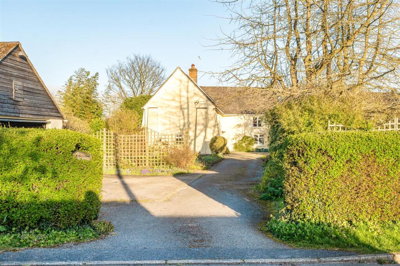
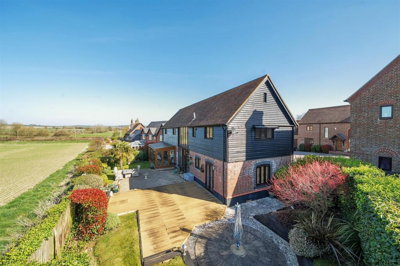
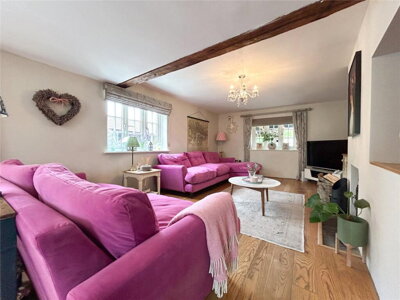
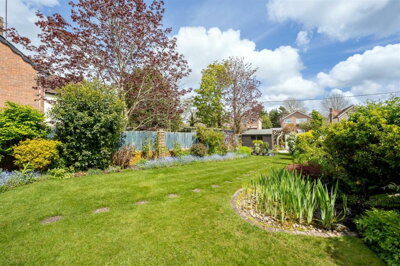
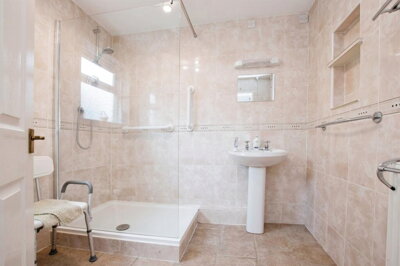
Browse 5 homes for sale in Winterborne Kingston from local estate agents.
The larger property sector typically features multiple bathrooms, substantial reception space, and private gardens or off-street parking. Four bedroom houses in Winterborne Kingston span detached, semi-detached, and occasionally terraced configurations, with styles ranging from period properties to modern executive homes.
The Winterborne Kingston property market has demonstrated steady growth, with prices increasing by 1.72% over the past twelve months. This modest but consistent appreciation reflects the enduring appeal of rural Dorset village life and the limited supply of properties coming to market in this area. The average detached property commands around £677,000, while semi-detached homes typically sell for approximately £420,000. Terraced properties, which form a smaller portion of the local housing stock, average around £350,000. These figures position Winterborne Kingston as a premium rural location within Dorset, attracting buyers who prioritise character, space, and a strong sense of community over urban conveniences.
Given the village's Conservation Area status and concentration of historic properties, many homes in Winterborne Kingston date from before 1919. The housing stock includes traditional stone cottages, farmhouses, and period properties that have been carefully maintained and modernised over the years. Flats are exceptionally rare in this village setting, as the predominance of houses and cottages reflects the historical development pattern of rural Dorset communities. The combination of limited new development, strict planning controls within the Conservation Area, and the enduring appeal of period properties ensures that available homes are well sought after when they appear on the market.
Investment in Winterborne Kingston property appeals to buyers who recognise the stability of rural Dorset property values. The village's Conservation Area designation, limited development potential, and concentration of historic properties suggest that values are likely to remain stable or appreciate over time. However, the village's small size means liquidity is lower than in larger towns, with typically fewer than 10 property sales annually. Anyone purchasing here should view it as a long-term commitment rather than a short-term investment opportunity. The buyer demographic in Winterborne Kingston typically includes families seeking space and good schools, retired couples looking for a peaceful location, and professionals who work remotely and value the countryside lifestyle while maintaining reasonable commuting access to major employment centres.

Winterborne Kingston embodies the essence of traditional English village life, with origins dating back to Saxon times and a heritage that remains visible in its architecture and layout today. The village centre features the Grade I listed Church of St Nicholas, a focal point of the community that dates from the medieval period and reflects the village's long-standing importance in the local area. Numerous Grade II listed cottages and farmhouses line the village lanes, constructed from traditional Dorset materials including local stone, flint, and brick. The Conservation Area designation ensures that new development respects the historic character, preserving the village's distinctive appearance for future generations to appreciate.
The landscape surrounding Winterborne Kingston is characterised by the chalk geology of the Dorset Downs, rolling farmland, and the Winterborne stream that flows through the village before joining the River Stour. Beneath the chalk bedrock, areas may include Gault Clay and Upper Greensand deposits, which can influence local ground conditions and drainage patterns. Residents enjoy extensive countryside walks, cycling routes, and opportunities to observe local wildlife in this designated rural area. The network of public footpaths and bridleways connecting Winterborne Kingston to neighbouring villages provides miles of scenic routes for walkers and riders to explore the Dorset countryside.
The village itself offers essential amenities including a village hall that hosts community events, while the nearby town of Blandford Forum, approximately three miles away, provides additional services including shops, restaurants, and healthcare facilities. The population of 370 residents creates a close-knit community where local events, parish meetings, and village traditions continue to bring people together throughout the year. Economic activity in the village and surrounding area centres on agriculture, small businesses, and services, with many residents commuting to larger nearby towns such as Blandford Forum, Dorchester, or Poole for employment. The local economy is also influenced by the wider Dorset economy, including tourism and public sector employment in nearby towns.

Families considering a move to Winterborne Kingston will find educational options available both within the village and in surrounding towns. The surrounding area includes primary schools serving rural communities, with many villages operating small schools that provide a strong foundation in early years education. Parents should research specific catchment areas and admission policies for primary schools in Blandford Forum and nearby villages, as these determine which schools children residing in Winterborne Kingston can access. The rural nature of the area means school transport arrangements are an important consideration, with bus services operating to transport children from outlying villages to their allocated schools.
Secondary education is available at schools in Blandford Forum, with bus services operating to transport students from outlying villages. The journey times and transport arrangements vary depending on the specific school and location within the catchment area, so families should factor these practical considerations into their house-hunting plans. For families seeking additional educational options, the wider Dorset area offers several secondary schools including grammar schools and comprehensive schools with strong academic records. Independent schools in Dorset and Wiltshire provide alternative educational paths for those considering private education, with several options within reasonable commuting distance of Winterborne Kingston.
Sixth form provision is available in Blandford Forum and Dorchester, offering A-level courses and vocational qualifications for students continuing their education beyond GCSE. Students from Winterborne Kingston typically choose between schools offering strong academic programmes and those providing vocational pathways, depending on their career aspirations and learning preferences. Parents are encouraged to visit potential schools, review latest Ofsted reports, and understand admission arrangements well in advance of any house purchase to ensure the educational needs of their children can be met in their chosen location. The limited number of schools serving the village means early research is essential to avoid disappointment during the admissions process.
Winterborne Kingston benefits from its position between the market towns of Blandford Forum and Dorchester, providing residents with access to road connections that link to the wider transport network. The A357 road passes nearby, connecting the village to Blandford Forum in the north and Dorchester in the south, while also providing routes towards Poole and the south coast. The strategic position of the village on these arterial routes means residents have reasonable access to the main road network serving Dorset and surrounding counties. For those who commute for work, major employment centres including Poole, Bournemouth, and Southampton are accessible by car via the A31 and A35 trunk roads.
Journey times to major employment centres vary depending on traffic conditions, but residents typically find the balance between rural living and commuting practical for their circumstances. The commute to Poole or Bournemouth typically takes around 30-40 minutes by car, while Southampton is approximately one hour away. Many residents who work in these areas choose to commute on flexible or hybrid schedules to minimise the impact of peak-time traffic on the A31 and A35. The village's position also provides access to the wider south coast, with Portsmouth and Southampton offering ferry connections to the Isle of Wight and continental Europe respectively.
Public transport options include bus services that connect Winterborne Kingston with Blandford Forum and surrounding villages, providing access to shops, services, and rail connections. The nearest railway stations are located in Blandford Forum and Gillingham, offering services towards London Waterloo and the south coast. For those travelling further afield, Bournemouth Airport provides domestic and European flights, while Southampton Airport and Portsmouth ferry terminals offer additional international travel options. Cyclists and walkers will appreciate the network of country lanes and footpaths that connect Winterborne Kingston with neighbouring villages, providing sustainable travel options for local journeys and recreational purposes. The scenic countryside routes are popular with cycling clubs and walking groups from across the region.
Understanding the traditional construction methods used in Winterborne Kingston properties is essential for any prospective buyer. The village's location on the chalk geology of the Dorset Downs has influenced building practices for centuries, with local builders drawing on materials readily available in the surrounding landscape. Properties in this area commonly feature walls constructed from solid stone, flint, or cob, rather than the cavity wall construction found in modern buildings. These solid wall constructions typically range from 300mm to 600mm in thickness and were built using lime mortar rather than cement, which allows the walls to breathe and manage moisture naturally.
Local stone types including Portland stone, Purbeck stone, and chalk have been used extensively throughout the village, with different stone types reflecting the geological formations found in various parts of the surrounding area. Flint, particularly common in buildings dating from the medieval period onwards, was often used in combination with stone quoins and dressings to create visually distinctive elevations. Many properties feature render or limewash finishes that protect the underlying masonry from weather exposure while maintaining the traditional appearance expected within the Conservation Area. The timber frame construction found in some older properties, combined with infill panels of brick, cob, or wattle and daub, represents some of the earliest building techniques still visible in the village today.
Roof construction in older Winterborne Kingston properties typically features timber rafters, purlins, and ceiling joists formed from locally sourced timber. Traditional roof coverings include clay tiles, slate, and thatch, with the latter being particularly characteristic of the Dorset countryside. Properties with thatched roofs require specialist maintenance and insurance arrangements, as the fire risk and repair costs differ significantly from tiled or slated alternatives. Rainwater goods in traditional properties were often constructed from cast iron or lead, materials that offer long service lives but require periodic maintenance to prevent leaks and damage to masonry. Understanding these construction details helps buyers appreciate both the character and the maintenance requirements of period properties in this sought-after village.
Properties in Winterborne Kingston require careful inspection due to their age and traditional construction methods, with several defect types being particularly common in the local housing stock. Damp represents one of the most frequently encountered issues in period properties, manifesting as rising damp where original damp-proof courses have failed, penetrating damp from damaged render or pointing, and condensation resulting from inadequate ventilation in well-insulated homes. Our inspectors regularly identify moisture penetration through solid walls that were not designed to cope with modern heating and ventilation regimes, particularly in properties where double glazing has been installed without adequate background ventilation.
Timber defects including woodworm (infestation by the common furniture beetle) and both wet rot and dry rot are commonly found in older properties throughout Winterborne Kingston. These issues particularly affect exposed timber in ground floor constructions, window frames, and roof structures where moisture has been allowed to accumulate. The traditional solid wall construction found in many local properties can trap moisture within the fabric of the building, creating conditions favourable to timber decay. A thorough survey will identify any active infestation and assess the extent of any damage to structural or non-structural timber elements.
Roof condition issues commonly arise in Winterborne Kingston properties due to the age of many roof structures and the challenging coastal weather conditions experienced in Dorset. Defective flashings, damaged or slipped tiles and slates, and deterioration of mortar joints in chimneys and verges all provide potential routes for water ingress. The thatched roofs found on some period properties require specialist inspection by professionals experienced with traditional techniques and materials. Rainwater goods that have become blocked or damaged can direct water into the building fabric, causing extensive damage to walls, timbers, and internal finishes if left unaddressed.
Structural movement, while less common in Winterborne Kingston than in some other areas, can occur due to localised ground conditions or foundation issues. The chalk geology of the Dorset Downs is generally stable, but areas with overlying clay soils may experience some shrink-swell movement during periods of drought or saturation. Our inspectors pay particular attention to crack patterns in walls, sticking doors and windows, and differences in floor levels that might indicate foundation movement. The presence of trees close to properties can exacerbate ground movement as roots extract moisture from shrinkable clay subsoils.
Start by exploring our property listings and understanding the Winterborne Kingston housing market, which has an average price of £584,000 and typically sees fewer than 10 property sales annually. Given the limited supply of properties coming to market, understanding current availability and price trends is essential before beginning your search. We recommend visiting the village at different times of day and week to experience the local atmosphere, and speaking with residents about community life and any properties that might be coming to market through private channels that may not appear on major portals.
Before arranging viewings, obtain a mortgage agreement in principle from a lender to strengthen your position when making offers. Having financing in place demonstrates to sellers that you are a serious and capable buyer, which is particularly important in a competitive market where desirable properties may attract multiple offers. Our mortgage comparison tool helps you find competitive rates suitable for properties in the £350,000 to £700,000 price range typical of Winterborne Kingston. Consider speaking with a whole-of-market mortgage broker who can advise on the best products for your circumstances and help structure your application.
Contact estate agents listing properties in Winterborne Kingston to arrange viewings and take time to examine property condition, noting the age of the property, construction materials, and any features that might require further investigation such as thatched roofs, original windows, or period fireplaces. Many properties in the village have been carefully maintained but still retain their original fabric, which may require ongoing maintenance or eventual replacement. Take photographs and notes during viewings to help compare properties after you have visited several options.
Given the village's significant number of historic, listed, and Conservation Area properties, we strongly recommend commissioning a RICS Level 2 Survey before purchase. This thorough inspection identifies defects common in older properties including damp, structural movement, timber defects, and outdated services, providing you with negotiating leverage or alerting you to issues that might affect your decision to proceed. For listed buildings or properties of unusual construction complexity, a more detailed RICS Level 3 Survey may be more appropriate. You can arrange a Level 2 Survey through our approved surveyors who operate in the Winterborne Kingston area.
Once your offer is accepted, instruct a solicitor experienced in rural property transactions to handle the legal work efficiently. They will conduct local authority searches, review contracts, and coordinate with your mortgage lender to ensure a smooth transaction through to completion. Given the Conservation Area status of the village and the presence of listed buildings, your solicitor should pay particular attention to any planning conditions, historic permissions, and restrictions that might affect your use or future development of the property.
Properties in Winterborne Kingston require careful inspection due to their age and traditional construction methods. Many homes are built from solid walls using traditional materials such as flint, stone, and cob, which require different maintenance approaches compared to modern cavity wall constructions. Prospective buyers should pay particular attention to the condition of roofs, as older properties often feature original roof structures with tiles, slates, or thatch that may require ongoing maintenance or eventual replacement. The complexity of traditional building techniques means that repairs and alterations should ideally be carried out by contractors experienced with historic properties and appropriate materials.
The flood risk from the Winterborne stream warrants consideration, particularly for properties located in low-lying areas adjacent to the watercourse. Surface water flooding can also affect certain parts of the village during periods of heavy rainfall, so buyers should review flood risk information from government sources and consider the history of any property they are contemplating purchasing. While the chalk geology of the Dorset Downs generally provides good drainage, areas with overlying clay deposits may be more prone to localised flooding after prolonged rainfall. Your survey report should address any flood risk implications for the property.
The Conservation Area designation brings additional planning considerations, as any external alterations or extensions may require consent from the local planning authority. Listed buildings carry further restrictions on alterations to preserve their historic character, and works to such properties may require Listed Building Consent in addition to any planning permission. Understanding these constraints is important for buyers planning any future modifications to their property. Your solicitor should explain any planning conditions attached to the property and advise on the practical implications of Conservation Area and listed building status.
As of February 2026, the average property price in Winterborne Kingston stands at £584,000, with detached properties averaging £677,000, semi-detached homes around £420,000, and terraced properties approximately £350,000. Prices have increased by 1.72% over the past twelve months, indicating a stable market with steady demand for properties in this desirable Dorset village. The limited number of sales in any given year means that market data should be interpreted cautiously, as individual transactions can have a significant impact on average prices when based on small sample sizes.
Winterborne Kingston falls under the Dorset Council authority, with council tax bands in the village ranging from Band A for lower value properties through to Band G for the most expensive homes. Given the average sale price of £584,000, the average property would likely fall in Bands D to F, though this varies significantly depending on property type, size, and valuation. Prospective buyers should check the specific band for any property they are considering, as council tax forms part of the ongoing cost of homeownership alongside mortgage payments, insurance, and maintenance reserves.
Winterborne Kingston is a small village without its own school, but surrounding areas offer good educational options for families relocating to the area. Parents should research primary schools in nearby villages and Blandford Forum, checking current Ofsted ratings and understanding catchment area boundaries, as these can change over time. Secondary schools in Blandford Forum serve the area, with additional options accessible by bus from outlying villages including formal arrangements for transport to grammar schools in Dorset for academically able students.
Bus services connect Winterborne Kingston with Blandford Forum and surrounding villages, providing access to essential services and rail connections at Gillingham and Blandford Forum stations offering routes towards London Waterloo. For daily commuting, a car is generally necessary due to the limited public transport options serving this rural village, though the village's position between major roads provides reasonable access to employment centres in Poole, Bournemouth, and Southampton. Bournemouth Airport provides domestic and some European flights, while the ferry terminals at Portsmouth and Southampton offer international travel options.
Winterborne Kingston offers several factors that appeal to property investors and homebuyers seeking stable long-term value. The village's Conservation Area status, limited development potential, and concentration of historic properties suggest that property values are likely to remain stable or appreciate over time as demand for rural Dorset property continues. However, the limited number of properties sold annually means liquidity may be lower than in larger towns, and any investment should be viewed with a long-term perspective of five to ten years or more. The rental market in the village is extremely thin, with few properties available to let, making capital appreciation rather than rental income the primary investment consideration.
Stamp duty rates for 2024-25 are 0% on the first £250,000 of property value, 5% on £250,001 to £925,000, 10% on £925,001 to £1.5 million, and 12% on amounts above £1.5 million. First-time buyers receive relief on the first £425,000, with 5% charged between £425,001 and £625,000. For a typical Winterborne Kingston property at £584,000, a non-first-time buyer would pay approximately £16,700 in stamp duty after the nil-rate threshold, while a first-time buyer would pay approximately £7,950.
Properties located adjacent to the Winterborne stream in Winterborne Kingston may be at risk of river flooding during periods of high rainfall, and surface water flooding can affect low-lying areas of the village during heavy storms. The chalk geology of the surrounding Dorset Downs generally provides good natural drainage, but areas with overlying clay deposits may experience slower drainage and localised flooding after prolonged wet weather. Your survey should investigate any evidence of past flooding, and we recommend checking the government flood risk maps and speaking with the Environment Agency about specific property risks before committing to a purchase.
Period properties in Winterborne Kingston typically require more maintenance than modern homes, with annual budgets of 1-2% of property value being a reasonable starting point for budgeting purposes. Solid wall constructions built with lime mortar require re-pointing every 30-50 years, while roofs may need repairs or renewal depending on their age and condition. Thatched roofs require specialist attention from contractors experienced with traditional materials, and insurance costs for thatched properties are typically higher than for tiled alternatives. Electrical wiring, plumbing, and heating systems in older properties often require updating to meet current standards and ensure safety.
From £400
A detailed inspection of the property condition, essential for older homes
From £600
Comprehensive survey for historic or complex properties
From £80
Energy performance certificate required for sale
From 4.5%
Compare competitive mortgage rates
From £499
Expert legal services for your purchase
When purchasing a property in Winterborne Kingston, budget carefully for all associated costs beyond the purchase price. The stamp duty land tax (SDLT) represents a significant expense, with standard rates applying to purchases above £250,000. For the village's average property price of £584,000, a non-first-time buyer would pay SDLT of approximately £16,700 on completion, while first-time buyers may benefit from relief on the first £425,000 of purchase price, reducing their SDLT liability to around £7,950 for a property at the average price point. The nil-rate threshold for SDLT will return to £125,000 from April 2025, which will reduce the SDLT burden for future buyers purchasing properties under this threshold.
Additional buying costs include solicitor fees for conveyancing, typically ranging from £500 to £2,000 depending on complexity and whether the property involves additional considerations such as being a listed building or located within a Conservation Area. Survey costs should also be factored in, with a RICS Level 2 Survey recommended for the older properties prevalent in Winterborne Kingston, typically ranging from £400 to £1,000 depending on property size and value. Search fees from Dorset Council, Land Registry fees for registration, and mortgage arrangement fees complete the picture of upfront costs, typically adding £1,500 to £3,000 to the total transaction costs.
Mortgage lenders may also require a valuation survey, which is separate from a full property survey and is conducted for the lender's benefit rather than the buyer's. This valuation typically costs between £150 and £500 depending on property value and is often added to the mortgage loan rather than paid separately. Planning for all these costs ensures a smooth transaction without financial surprises at completion, and we recommend setting aside a contingency fund equivalent to 5-10% of the purchase price for unexpected expenses that may arise during the conveyancing process or identified by your survey.
Properties for Sale In London

Properties for Sale In Plymouth

Properties for Sale In Liverpool

Properties for Sale In Glasgow

Properties for Sale In Sheffield

Properties for Sale In Edinburgh

Properties for Sale In Coventry

Properties for Sale In Bradford

Properties for Sale In Manchester

Properties for Sale In Birmingham

Properties for Sale In Bristol

Properties for Sale In Oxford

Properties for Sale In Leicester

Properties for Sale In Newcastle

Properties for Sale In Leeds

Properties for Sale In Southampton

Properties for Sale In Cardiff

Properties for Sale In Nottingham

Properties for Sale In Norwich

Properties for Sale In Brighton

Properties for Sale In Derby

Properties for Sale In Portsmouth

Properties for Sale In Northampton

Properties for Sale In Milton Keynes

Properties for Sale In Bournemouth

Properties for Sale In Bolton

Properties for Sale In Swansea

Properties for Sale In Swindon

Properties for Sale In Peterborough

Properties for Sale In Wolverhampton

Enter your details to see if this property is within your budget.
Loans, cards, car finance
Estimated property budget
Borrowing + deposit
You could borrow between
Typical borrowing
Monthly repayment
Est. at 4.5%
Loan-to-value
This is an estimate only. Your actual budget may vary depending on interest rates, credit history, and personal circumstances. For an accurate affordability assessment, speak to one of our free mortgage advisors.
This calculator provides estimates for illustrative purposes only and does not constitute financial advice. Your home may be repossessed if you do not keep up repayments on your mortgage. Estimates based on 4.5% interest rate, repayment mortgage. Actual rates depend on your circumstances.
Homemove is a trading name of HM Haus Group Ltd (Company No. 13873779, registered in England & Wales). Homemove Mortgages Ltd (Company No. 15947693) is an Appointed Representative of TMG Direct Limited, trading as TMG Mortgage Network, which is authorised and regulated by the Financial Conduct Authority (FRN 786245). Homemove Mortgages Ltd is entered on the FCA Register as an Appointed Representative (FRN 1022429). You can check registrations at NewRegister or by calling 0800 111 6768.

We use cookies to show you personalised content and improve your experience of our website. Find out more in our Privacy policy and Cookie policy.