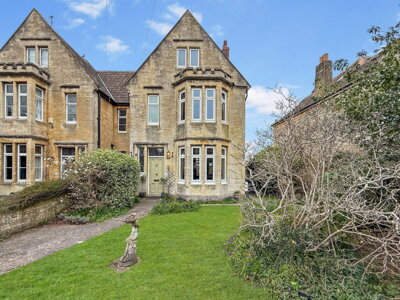
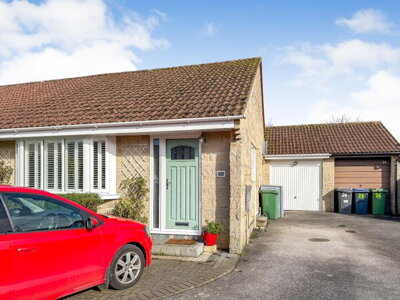
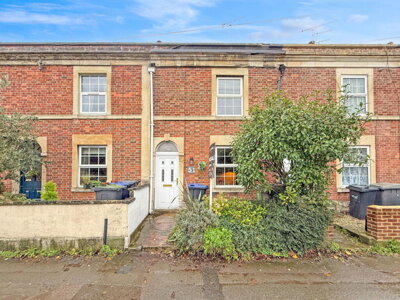
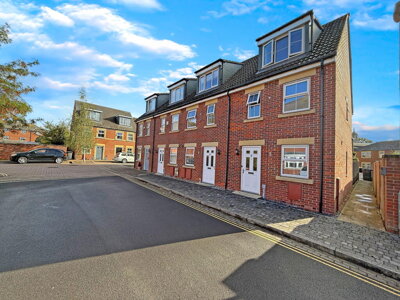
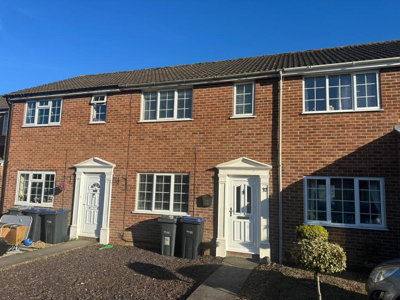
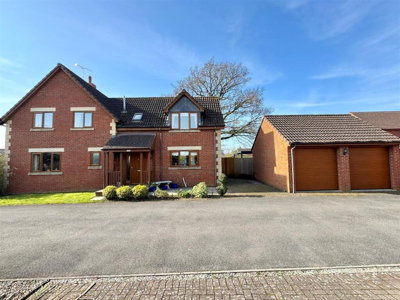
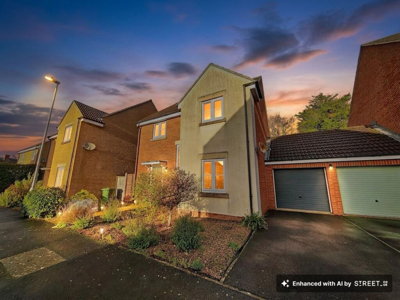
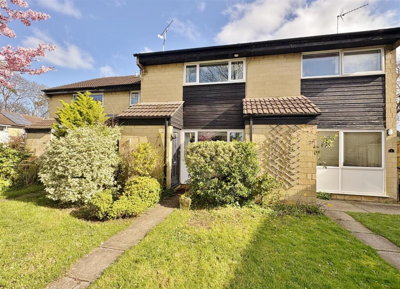
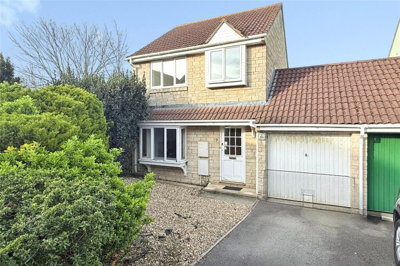
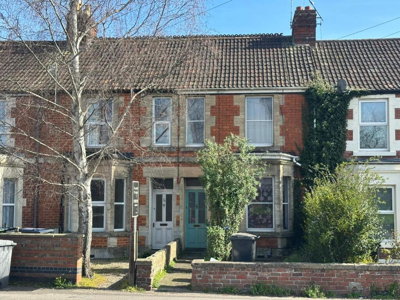
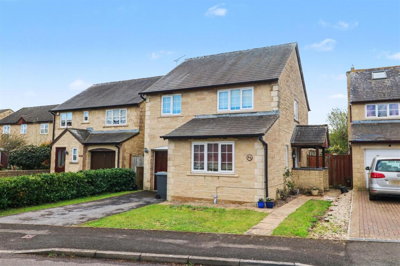
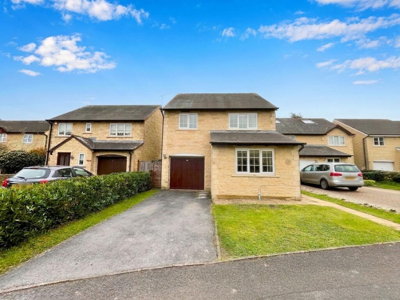
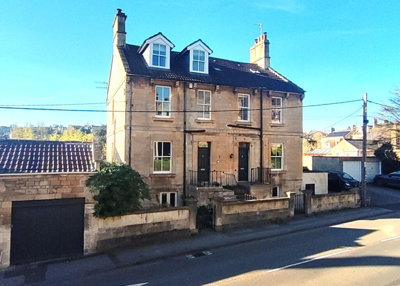
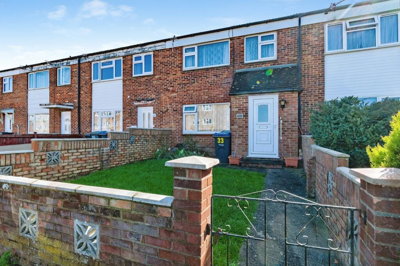
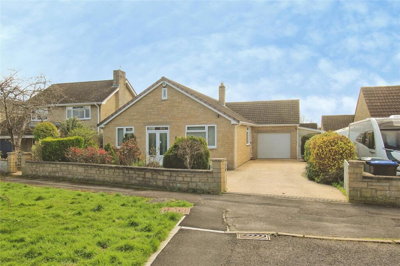
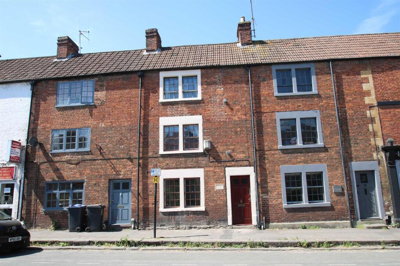
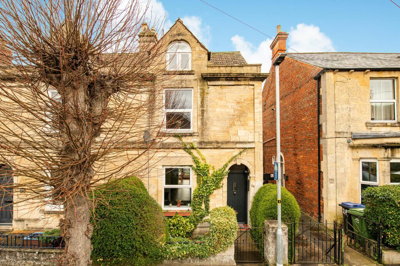
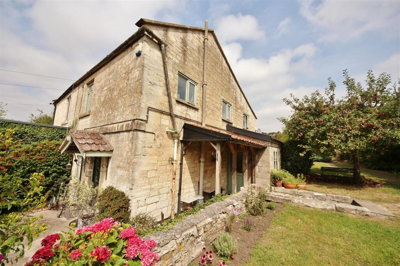
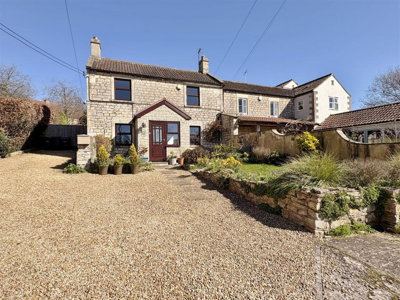
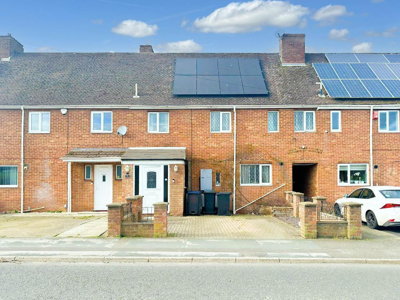
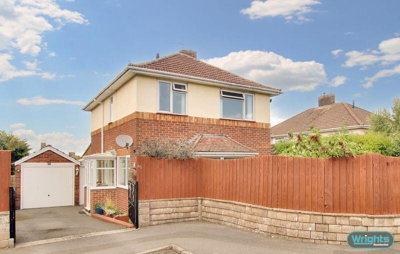
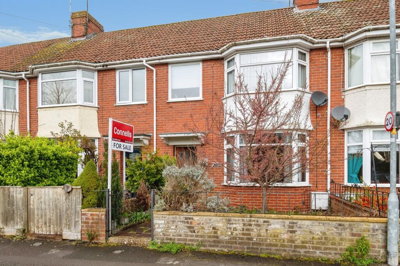
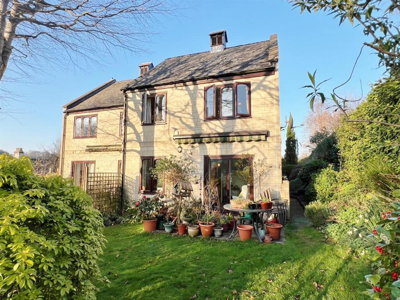
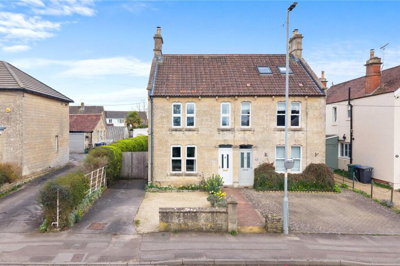
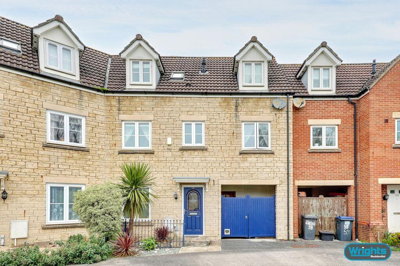
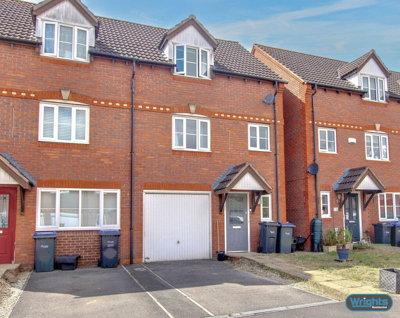
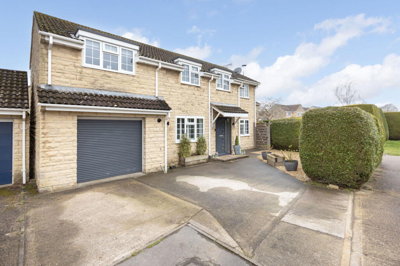
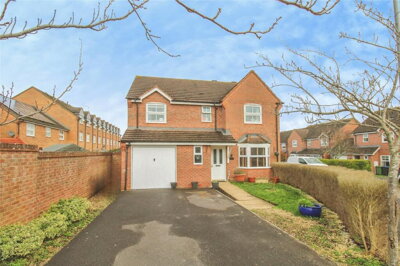
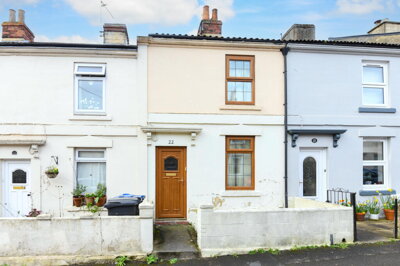
Browse 206 homes for sale in Wingfield from local estate agents.
The Wingfield property market offers detached, semi-detached, and terraced houses spanning various price ranges and neighbourhoods. Each listing includes detailed property information, photographs, and direct contact with the marketing agent.
The Wingfield property market presents a selective opportunity for buyers, with only 4 property sales recorded in the village over the past twelve months. This limited turnover reflects the tight-knit nature of the local housing market, where properties rarely become available and when they do, they attract significant interest from buyers across the South West. The current market shows an overall price adjustment of 14% over the past year, creating potential entry points for buyers who act decisively when suitable properties emerge.
Detached properties command the highest prices in Wingfield, with the current average sitting at £750,000, reflecting the generous plot sizes and substantial accommodation these homes typically offer. Semi-detached properties average £450,000, while terraced homes, though less common in this predominantly rural setting, average around £350,000. The absence of new-build developments in the immediate area means buyers can only access established properties, many of which require varying degrees of modernisation but offer irreplaceable character and solid construction using traditional materials such as local limestone and brick.
Our inspectors regularly survey properties throughout Wingfield's Conservation Area, and we frequently encounter issues typical of the village's older housing stock. Properties built between the 17th and 19th centuries often feature solid two-skin walls without cavity insulation, making them susceptible to thermal inefficiency and damp penetration if not properly maintained. The traditional lime mortar pointing used on these properties requires periodic renewal using appropriate materials rather than modern cement, which can trap moisture and cause stone weathering.

Wingfield parish encompasses a traditional Wiltshire village that has retained its historic character despite proximity to larger towns. The village was established centuries ago, and its Conservation Area designation ensures that new development respects the traditional scale, materials, and character of the existing built environment. Residents enjoy views across rolling farmland and the valley carved by the River Frome, which flows through the lower parts of the parish and contributes to the area's lush, verdant appearance throughout the year.
The local economy of Wingfield is rooted in agriculture and local services, though many residents commute to nearby towns including Trowbridge, Bradford-on-Avon, and Bath for employment. The village benefits from its position within Wiltshire, a county known for its strong economic growth and excellent transport connections to London and the South West. Weekend and evening life centres on the local pub, village hall events, and easy access to the recreational opportunities offered by the Wiltshire countryside, including footpaths, bridleways, and the nearby Cotswolds Area of Outstanding Natural Beauty.
The River Frome flows through the lower parts of Wingfield parish, creating the valley that contributes to the area's attractive landscape. The local geology includes the Blue Lias and Westbury Formations of mudstone and limestone beneath superficial Alluvium deposits along watercourses. These geological conditions have shaped the village's development over centuries and continue to influence foundation conditions for properties in different parts of the parish.
Families considering a move to Wingfield will find a selection of primary schools within reasonable driving distance in the surrounding villages and towns. The village's position in Wiltshire places it within reach of several primary schools that have achieved good or outstanding Ofsted ratings, including schools in nearby Steeple Ashton, West Lavington, and the market town of Devizes. Secondary education options include renowned grammar schools in nearby Trowbridge and Bradford-on-Avon, with private schooling available at establishments in Bath and Salisbury for families seeking alternative educational pathways.
For older students, sixth form provision is available at schools in Trowbridge and nearby towns, with further education colleges accessible in Swindon and Bath for those pursuing vocational or academic qualifications beyond GCSE level. The proximity to Bath, home to some of the region's most prestigious independent schools, provides additional educational choices for families willing to travel. Parents moving to Wingfield should research specific catchment areas and school admissions policies, as these can vary and may influence which properties prove most suitable for their family's educational needs.
Wingfield enjoys excellent connectivity despite its rural village setting, with the nearby town of Trowbridge providing direct train services to major destinations. From Trowbridge station, passengers can reach Bath Spa in approximately 25 minutes and Bristol Temple Meads in around 45 minutes, making these major cities accessible for daily commuting. The journey to London Paddington via Bath or Bristol takes approximately 90 minutes to two hours, positioning Wingfield as viable for professionals who need to access the capital regularly.
Road connections from Wingfield are equally strong, with the A361 and A350 providing routes to Trowbridge, Devizes, and the M4 motorway at Junction 17 or 18. The A36 runs through nearby Salisbury, connecting residents to Southampton and the south coast. For air travel, Bristol Airport and Southampton Airport are both within 90 minutes' drive, offering international destinations. Bus services operate between Wingfield and surrounding villages, though private transport remains essential for many daily activities given the rural nature of the area.
Wingfield's status as a Conservation Area with numerous listed buildings means the village has a distinctive architectural heritage. Properties here span several centuries, from 17th-century farmhouses to Victorian terraces, with most homes predating 1919. Traditional solid-wall construction using local limestone, brick, and rendered finishes predominates, with timber floor joists, thatched or slate roofs, and original sash windows characterising many period properties.
Our inspectors frequently identify damp as a concern in Wingfield's older properties. Solid walls without cavity insulation can suffer from rising damp where groundwater penetrates through capillary action, particularly where original damp-proof courses have failed or were never installed. Penetrating damp may occur through weathered stonework or degraded lime mortar joints, while condensation damp affects areas with inadequate ventilation, commonly in kitchens and bathrooms without extraction fans.
Timber defects represent another common finding during surveys of Wingfield properties. Traditional timber floorboards, beams, and window frames may show evidence of woodworm activity or fungal decay, particularly where moisture has accumulated over time. Our surveyors check all accessible timber for signs of rot, beetle infestation, and structural integrity, as these elements are integral to period property construction and expensive to repair or replace.
The local geology including Alluvium deposits along watercourses means some Wingfield properties face shrink-swell risk where clay soils contract and expand with moisture changes. This movement can affect foundations, particularly where mature trees are present drawing moisture from the ground during dry periods. Properties in low-lying areas near the River Frome may also face flood risk from river flooding or surface water accumulation during heavy rainfall events, and we recommend reviewing Environment Agency flood maps and historical records before purchasing.
Properties in Wingfield require careful inspection due to their age and traditional construction methods. Many homes in this Conservation Area were built using solid walls of local limestone or brick, with lime-based mortars that require different maintenance approaches compared to modern properties. Prospective buyers should check for signs of damp, which commonly affects older properties without modern damp-proof courses, and assess the condition of timber features including floors, beams, and window frames that may be susceptible to rot or woodworm.
Listed building status applies to numerous properties throughout Wingfield, imposing obligations on owners regarding alterations and renovations. Before purchasing, confirm exactly what listing category applies and understand that any works affecting the character of a listed building will require consent from Wiltshire Council. Buildings insurance for listed properties can also be more expensive, and specialist insurers may be required to ensure appropriate cover for traditional construction and materials.
A RICS Level 2 Survey from our inspectors provides essential insight into the condition of any Wingfield property before you commit to purchase. Survey costs in this area typically range from £400 for smaller properties up to £900 or more for larger detached homes with complex historic construction. For particularly historic or complex properties, a more detailed RICS Level 3 Survey may be advisable, providing a thorough assessment of structure, condition, and maintenance requirements.

Explore current listings in Wingfield and understand price trends. With only around 4 sales annually, patience is essential. Monitor new listings closely and build relationships with local estate agents who often know about properties before they appear on major portals. Set up property alerts and be prepared to move quickly when a suitable home becomes available, as historic village properties attract strong interest from multiple buyers.
Speak to lenders and obtain an Agreement in Principle before viewing properties. This demonstrates to sellers that you are a serious buyer and can move quickly. Given the competitive nature of historic village properties, having your finances confirmed strengthens your position significantly. In Wingfield's small market, sellers expect buyers to be financially prepared.
Visit Wingfield in person to experience the village atmosphere and assess different properties. Pay particular attention to the condition of older properties, their construction materials, and any signs of damp or structural issues that may require attention or indicate future maintenance costs. Viewing properties at different times of day can reveal aspects such as light, noise from nearby roads, and the local community atmosphere.
Before purchasing any property in Wingfield, particularly one of the many listed or historic buildings, arrange a thorough RICS Level 2 Survey. Given the age of most properties and the local geology including clay soils, a professional survey will identify any issues with subsidence, damp, or timber defects that are common in period properties. We recommend booking your survey as early as possible to allow time for any follow-up investigations.
Choose an experienced conveyancing solicitor who understands rural property transactions. They will handle local authority searches, check the property's Conservation Area status, verify listed building permissions, and ensure all legal requirements are satisfied before exchange of contracts. The legal process for buying in Wingfield typically takes 8-12 weeks for straightforward transactions.
Once all surveys and searches are satisfactory, your solicitor will exchange contracts and set a completion date. On completion day, the remaining funds are transferred and you receive the keys to your new Wingfield home. Allow time for registering ownership at the Land Registry and updating utility providers with your new address.
The average house price in Wingfield stands at £599,000, with detached properties averaging £750,000, semi-detached homes around £450,000, and terraced properties approximately £350,000. The market has experienced a 14% adjustment over the past year, creating opportunities for buyers. However, with only around 4 property sales annually, the market moves slowly and suitable properties appear infrequently, making it important to act quickly when appropriate homes do become available.
Properties in Wingfield fall under Wiltshire Council, and council tax bands vary depending on property value and type. Historic and larger detached homes in the village typically fall into higher bands (E, F, or G), while smaller period cottages may be in bands C or D. Prospective buyers should check the specific band for any property they are considering, as this forms part of the ongoing cost of ownership alongside mortgage payments, maintenance, and utilities.
Wingfield itself does not have its own primary school, but families can access good primary education at nearby village schools in Steeple Ashton, West Lavington, and other surrounding communities. Secondary options include grammar schools and comprehensive schools in Trowbridge and Bradford-on-Avon, both easily reachable by car in approximately 15-20 minutes. Bath and Salisbury offer additional independent school options for families seeking private education, with several prestigious establishments within reasonable commuting distance from Wingfield.
Wingfield has limited bus services connecting to nearby towns, while train access is available from Trowbridge station, approximately 10 minutes away by car. Trowbridge provides regular services to Bath (25 minutes), Bristol (45 minutes), and connections to London Paddington. For residents without cars, the limited public transport options mean that daily commuting or accessing amenities without private transport can be challenging, making a vehicle an important consideration for prospective residents.
Wingfield offers strong appeal for buyers seeking a long-term investment in a character village with Conservation Area protection. Property values benefit from the scarcity of available homes, the prestige associated with living in a historic Wiltshire village, and the ongoing demand from buyers seeking rural lifestyles within commuting distance of major cities. However, the small size of the market and limited rental demand may make quick resale more challenging compared to larger towns. Properties requiring renovation may offer opportunities to add value through sensitive improvements, but buyers should carefully assess renovation costs and planning constraints before committing.
For residential purchases, stamp duty rates from April 2025 start at 0% on the first £250,000 of purchase price, 5% on the portion from £250,001 to £925,000, 10% up to £1.5 million, and 12% above that. First-time buyers relief applies 0% on the first £425,000 with 5% between £425,001 and £625,000. Given Wingfield's average property price of £599,000, a first-time buyer would pay approximately £8,750 in stamp duty, while additional purchasers would pay around £17,450.
From 4.5%
Compare mortgage rates from leading lenders
From £499
Expert property solicitors for Wingfield purchases
From £400
Structural survey by qualified inspectors for Wingfield properties
From £600
Comprehensive building survey for historic properties
When purchasing a property in Wingfield, budget for stamp duty alongside your deposit and mortgage costs. For a typical Wingfield property at the village average of £599,000, a standard residential purchase incurs stamp duty of approximately £17,450 after April 2025 rates. First-time buyers benefit from relief that reduces this to around £8,750, though this relief is capped at properties worth up to £625,000. Investors and additional property purchasers pay a 3% surcharge on each band, significantly increasing costs.
Beyond stamp duty, buyers should budget for solicitor fees averaging £800 to £1,500 for conveyancing on a property of this value, plus disbursements including local authority searches (approximately £200 to £300), land registry fees, and bank transfer charges. Survey costs vary based on property type and size, with Wingfield's historic properties potentially requiring more detailed inspection. A RICS Level 2 Survey costs from £400 for smaller properties up to £900 or more for larger detached homes with complex historic construction. Mortgage arrangement fees typically range from 0% to 1.5% of the loan amount, and buildings insurance should be in place from completion day, particularly for listed properties where specialist insurers may be required.
Ongoing costs after purchase include council tax (typically bands C to G depending on property size and type), utility bills that may be higher in older properties with solid walls and less modern insulation, and maintenance costs that can exceed those for newer homes. Listed buildings require specialist tradespeople for many repairs, which can increase costs compared to standard properties. Despite these expenses, many buyers find that the character, location, and community atmosphere of Wingfield justify the investment required to purchase and maintain one of Wiltshire's most attractive rural villages.
Properties for Sale In London

Properties for Sale In Plymouth

Properties for Sale In Liverpool

Properties for Sale In Glasgow

Properties for Sale In Sheffield

Properties for Sale In Edinburgh

Properties for Sale In Coventry

Properties for Sale In Bradford

Properties for Sale In Manchester

Properties for Sale In Birmingham

Properties for Sale In Bristol

Properties for Sale In Oxford

Properties for Sale In Leicester

Properties for Sale In Newcastle

Properties for Sale In Leeds

Properties for Sale In Southampton

Properties for Sale In Cardiff

Properties for Sale In Nottingham

Properties for Sale In Norwich

Properties for Sale In Brighton

Properties for Sale In Derby

Properties for Sale In Portsmouth

Properties for Sale In Northampton

Properties for Sale In Milton Keynes

Properties for Sale In Bournemouth

Properties for Sale In Bolton

Properties for Sale In Swansea

Properties for Sale In Swindon

Properties for Sale In Peterborough

Properties for Sale In Wolverhampton

Enter your details to see if this property is within your budget.
Loans, cards, car finance
Estimated property budget
Borrowing + deposit
You could borrow between
Typical borrowing
Monthly repayment
Est. at 4.5%
Loan-to-value
This is an estimate only. Your actual budget may vary depending on interest rates, credit history, and personal circumstances. For an accurate affordability assessment, speak to one of our free mortgage advisors.
This calculator provides estimates for illustrative purposes only and does not constitute financial advice. Your home may be repossessed if you do not keep up repayments on your mortgage. Estimates based on 4.5% interest rate, repayment mortgage. Actual rates depend on your circumstances.
Homemove is a trading name of HM Haus Group Ltd (Company No. 13873779, registered in England & Wales). Homemove Mortgages Ltd (Company No. 15947693) is an Appointed Representative of TMG Direct Limited, trading as TMG Mortgage Network, which is authorised and regulated by the Financial Conduct Authority (FRN 786245). Homemove Mortgages Ltd is entered on the FCA Register as an Appointed Representative (FRN 1022429). You can check registrations at NewRegister or by calling 0800 111 6768.

We use cookies to show you personalised content and improve your experience of our website. Find out more in our Privacy policy and Cookie policy.