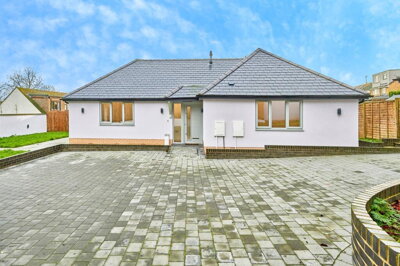
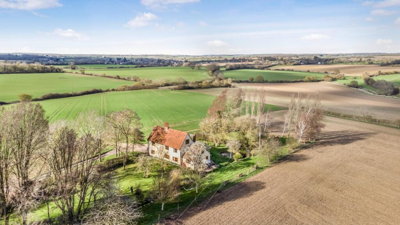
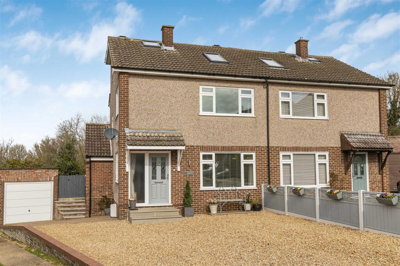
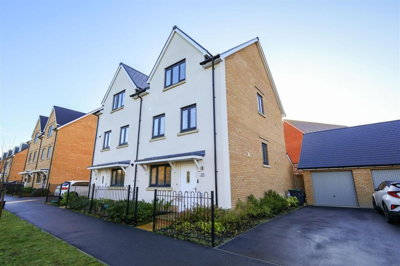
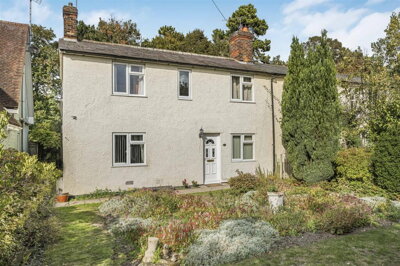
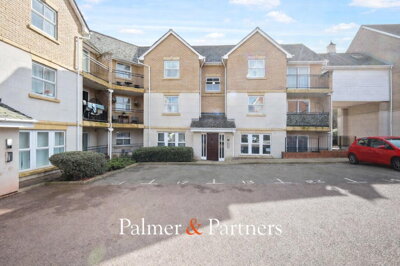
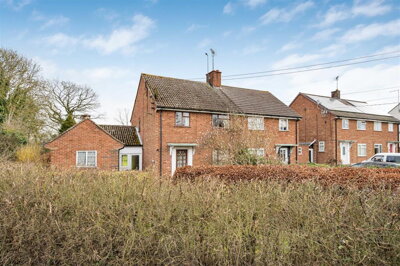
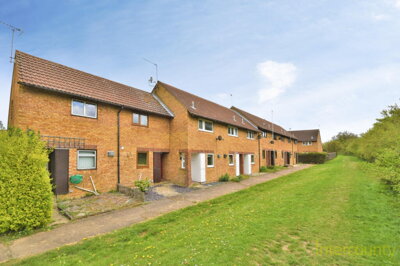
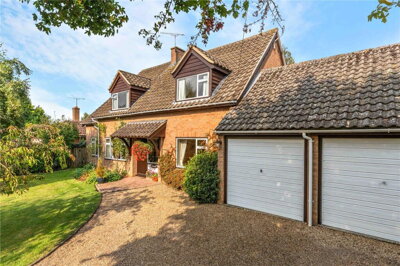
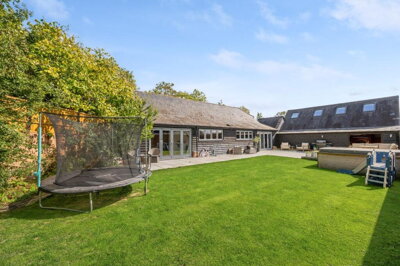
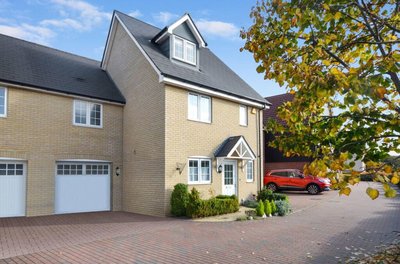
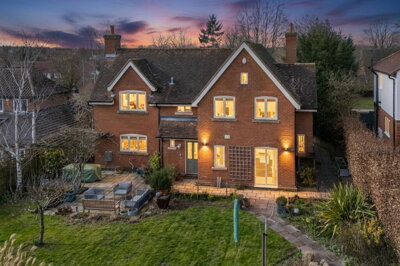
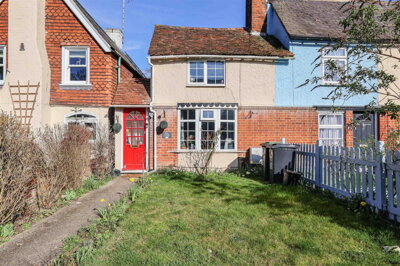
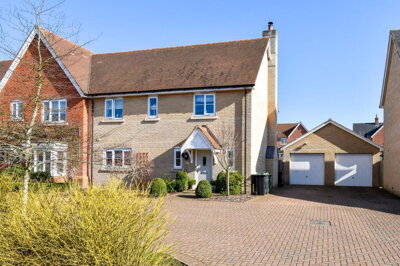
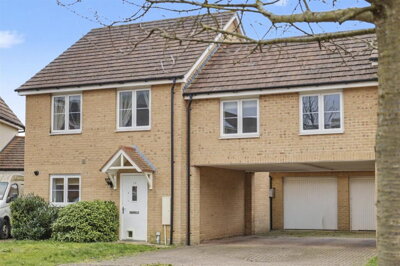
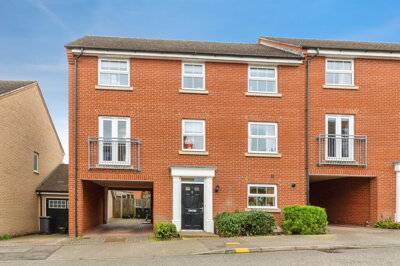
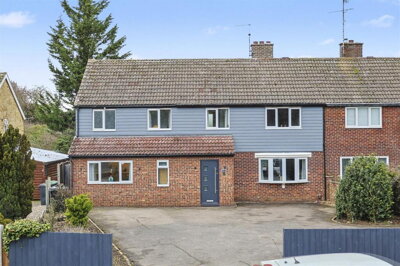
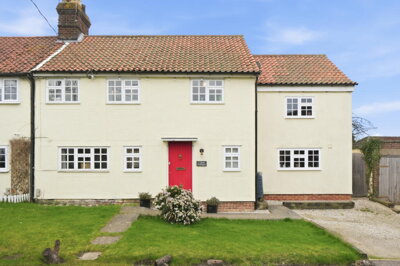
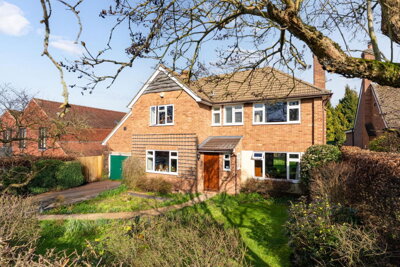
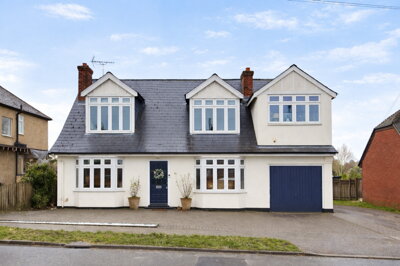
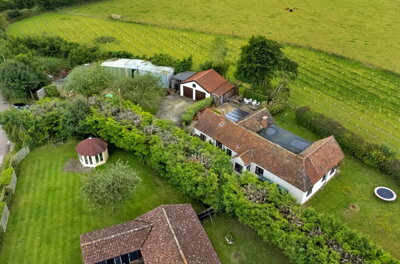
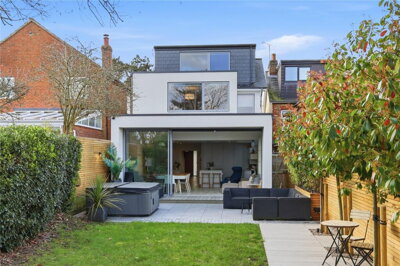
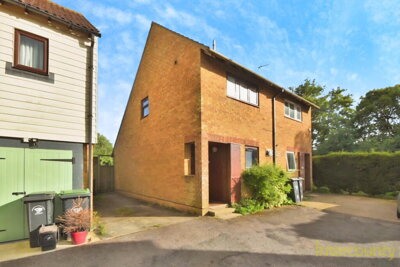
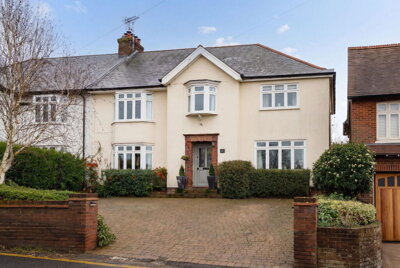
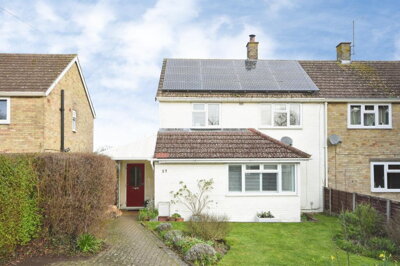
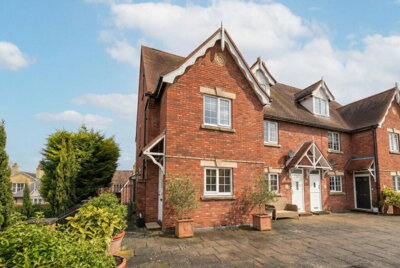
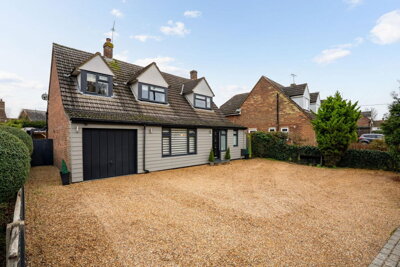
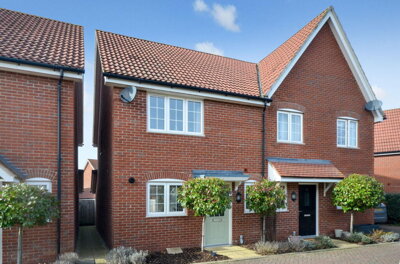
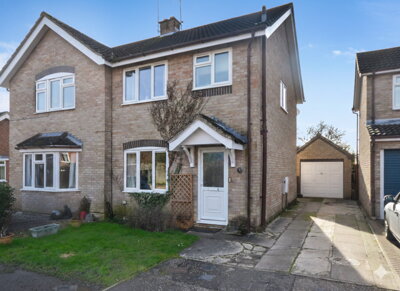
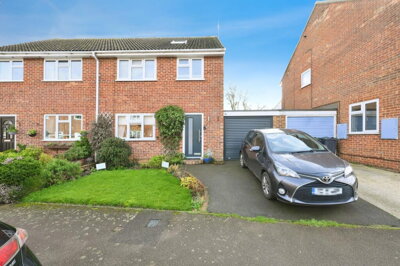
Browse 150 homes for sale in Wimbish, Uttlesford from local estate agents.
The Wimbish property market offers detached, semi-detached, and terraced houses spanning various price ranges and neighbourhoods. Each listing includes detailed property information, photographs, and direct contact with the marketing agent.
£675k
1
0
191
Source: home.co.uk
Showing 1 results for Houses for sale in Wimbish, Uttlesford. The median asking price is £675,000.
Source: home.co.uk
Detached
1 listings
Avg £675,000
Source: home.co.uk
Source: home.co.uk
The property market in Witham Friary reflects the character of the village itself: modest in volume but rich in quality. Our data shows an average house price of £400,000 across the village, with detached properties commanding around £450,000 and semi-detached homes typically reaching £350,000. Terraced properties in the village centre offer a more accessible entry point at approximately £300,000, making them popular among first-time buyers seeking a foothold in this desirable rural location. Over the past 12 months, property values in Witham Friary have increased by 2.5%, indicating steady demand despite the limited supply.
The housing stock in Witham Friary skews heavily toward larger properties, with detached homes comprising approximately 60% of the available housing. This reflects the village's appeal to families and those seeking generous outdoor space. Semi-detached properties account for around 25% of the market, while terraced homes make up approximately 10%, with flats representing just 5% of the housing stock. Given the limited number of transactions each year, properties in Witham Friary tend to come to market infrequently, making early registration with estate agents essential for serious buyers. There are currently no active new-build developments within the village itself, so purchasers should expect to find character homes within the existing stock.
Property age across Witham Friary tells an important story for prospective buyers. Approximately 45% of the housing stock pre-dates 1919, lending the village its distinctive historic character with features such as thick stone walls, original timber windows, and traditional lime mortar pointing. Properties built between 1919 and 1945 account for around 15% of homes, typically featuring more modern construction while retaining period charm. The 1945-1980 period accounts for approximately 25% of housing, often providing good family accommodation with larger rooms and more private gardens. Properties constructed after 1980 make up roughly 15% of the stock, offering more contemporary layouts and improved insulation standards.

Life in Witham Friary centres on the rhythms of the Somerset countryside, with a population of approximately 250-300 residents spread across 100-120 households. The village maintains an intimate scale that is increasingly rare in modern Britain, where most daily needs are met through local connections rather than chain supermarkets. The community spirit here is tangible, with events throughout the year bringing residents together to celebrate everything from harvest festivals to summer fetes. For those seeking respite from city life, Witham Friary offers something precious: genuine quiet, star-filled skies, and neighbours who take the time to know one another by name.
The surrounding Mendip Hills provide exceptional walking and cycling opportunities, with footpaths criss-crossing the limestone landscape to reveal hidden valleys, ancient woodlands, and panoramic viewpoints. The local geology, characterised by limestone bedrock typical of the Mendip region, shapes both the landscape and the distinctive character of village architecture. Properties throughout Witham Friary predominantly feature local Hamstone and traditional brick construction, with rendered finishes adding variety to the street scene. Approximately 45% of the housing stock pre-dates 1919, lending the village an established, weathered beauty that newer developments simply cannot replicate. The presence of numerous listed buildings and the Conservation Area designation ensure that future development will respect this heritage for generations to come.
The local economy in Witham Friary remains rooted in agriculture, with farms in the surrounding countryside providing employment and maintaining the rural landscape that defines the area. Small businesses operate from home offices and converted outbuildings, contributing to the village's character without disrupting its peaceful atmosphere. Many residents commute to larger towns including Frome, Bruton, and Shepton Mallet for work, taking advantage of the A361 road that connects the village to these employment centres. The balance between rural tranquility and access to town amenities makes Witham Friary particularly attractive to professionals seeking a countryside base without complete isolation.

Families considering a move to Witham Friary will find educational options within reasonable driving distance, though the village itself operates on a smaller scale than suburban areas. Primary education is typically accessed through schools in neighbouring villages and towns, with several well-regarded primaries serving the surrounding area. Parents should research specific catchment areas, as rural school admissions can be competitive for properties outside the immediate school postcode. The village's small population means that class sizes tend to be smaller than in urban schools, allowing for more individualised attention and a strong sense of community among pupils and staff.
Primary schools in the surrounding villages include those in the Frome area, such as St John's Primary School and Hayesdown First School, both of which serve families from the wider rural catchment. Selwood Academy in Frome provides education for children through to secondary age, offering a smooth transition for families remaining in the area long-term. Parents travelling from Bruton may consider the primary schools in that town, which benefit from smaller class sizes and strong community ties. Given the rural nature of school transport in this area, families should verify bus routes and timing before committing to a property purchase, as journey lengths can significantly impact daily routines.
Secondary education options in the region include schools in Frome, Bruton, and Shepton Mallet, all of which are accessible by car and some by public transport. Frome Community College provides secondary education for students from the town and surrounding villages, offering a comprehensive curriculum and good facilities. Bruton is particularly notable for its independent school scene, with the renowned Bruton School for Girls attracting families from across Somerset and beyond. For families seeking academic excellence with boarding facilities, Bruton offers options that simply are not available in most rural villages. The town's location on the A359 makes it accessible from Witham Friary for those willing to travel for premium education.
For sixth-form and further education, the larger towns offer comprehensive provision, while Bristol provides access to specialist institutions and university courses including the University of Bristol and University of the West of England. Many families choose to remain in the Witham Friary area through secondary school, with older children travelling to schools in Frome or Bruton, before relocating to Bristol or other university cities for higher education. Given that many Witham Friary residents commute to work, school transport arrangements should be factored into any property search, particularly for families with secondary-age children who may need to travel further for their education.
While Witham Friary is unquestionably a rural location, it benefits from reasonable connections to the wider transport network. The village sits within easy reach of major road routes, including the A361 which provides access to Frome and the M5 motorway beyond. For commuters working in Bristol, Bath, or Yeovil, a car remains essential for most journeys, though the scenic Somerset countryside on these routes transforms what might otherwise be a tedious commute into something more pleasant. Journey times to Bristol typically fall within 45-60 minutes, making day-trips to the city entirely feasible for those who need occasional access to urban amenities.
The A361 itself follows an historic route through the Somerset countryside, connecting Frome to Ilminster and providing access to the M5 motorway at junction 23. From Witham Friary, drivers can reach the M5 at Bridgwater or Taunton in approximately 30-40 minutes, opening up the motorway network for journeys further afield. Bath is accessible via the A367 through Radstock, typically taking around 40 minutes from the village. These road connections make Witham Friary viable for those working in the larger Somerset towns while enjoying the benefits of countryside living.
Public transport options are limited but functional for a village of this size. Bus services connect Witham Friary with surrounding villages and market towns, providing essential access for those without private vehicles. The 65 bus route serves the local area, connecting villages to Frome where shoppers can access wider amenities. For those planning occasional trips rather than daily commutes, these services provide a workable alternative to car travel.
The nearest railway stations are located in Frome and Castle Cary, both offering regular services to major destinations including London Paddington. Castle Cary station provides particularly strong connections, with direct trains to the capital taking approximately two hours. From Castle Cary, travelers can also access Exeter, Plymouth, and the south-west peninsula. For international travel, Bristol Airport offers flights across Europe and beyond, located approximately 45 minutes from the village by car. Cycling is popular among residents for local journeys, with the surrounding countryside providing both challenges and rewards for enthusiastic riders.
Before viewing any properties in Witham Friary, arrange a mortgage agreement in principle with a lender. With average prices around £400,000, having your funding confirmed strengthens your position when making offers in what can be a competitive village market. Rural properties sometimes attract multiple interested parties, so financial preparation gives you the confidence to move quickly when the right property becomes available.
Spend time exploring Witham Friary at different times of day and week. Speak with residents, visit the local pub if available, and understand the community dynamics. This due diligence helps ensure the village matches your lifestyle expectations before committing. Pay attention to practical matters such as mobile phone signal strength, internet connectivity, and the availability of local services. Some rural properties may have limited broadband speeds that could affect those working from home.
Given the small number of annual sales in Witham Friary, early registration with estate agents is essential. Properties may not always appear on national portals, so direct agent relationships give you first sight of new listings. Contact agents operating in the Frome and Bruton areas, as they often handle properties in the surrounding villages. Expressing your specific requirements clearly helps agents flag suitable properties before they reach the open market.
With over 85% of properties in Witham Friary pre-dating 1974, we strongly recommend booking a RICS Level 2 Survey before purchase. Local survey costs range from £450-£800, and this investment can reveal issues with traditional construction methods common to the area. Properties constructed from Hamstone and traditional brick often exhibit defects associated with older construction, and a professional survey helps you understand the true condition of any property before committing to purchase.
Once your offer is accepted, instruct a solicitor immediately. Rural property transactions can involve additional complexity including drainage arrangements, rights of way, and conservation area consents. Experienced local conveyancers understand these village-specific requirements. Properties within Witham Friary's Conservation Area may require additional searches related to planning permissions and historic building consents.
Work closely with your solicitor and mortgage lender to meet all deadlines. Village transactions sometimes involve unique documentation such as compliance with Listed Building consent requirements or shared maintenance arrangements for communal areas. Factor in additional time for any specialist surveys that may be required for listed properties. The Rural Land Register may also need to be checked for certain rural property transactions.
Purchasing a property in Witham Friary requires attention to several area-specific considerations that differ from urban property searches. The village's Conservation Area status brings planning restrictions that affect permitted development rights, so prospective buyers should understand what alterations might be possible before purchase. Many properties are listed buildings, which impose additional obligations regarding maintenance and consent for any works. These designations preserve the village's character but require commitment from owners to maintain properties to appropriate standards. A RICS Level 3 Building Survey may be advisable for period properties given their complex construction and historical significance.
The limestone geology of the Mendip Hills provides generally stable foundations, but older properties in Witham Friary may have shallow footings that require careful assessment. Common issues in this age of property include damp affecting both walls and floors, timber defects such as rot or woodworm, and roof deterioration including slipped tiles and failing leadwork. Approximately 45% of the housing stock pre-dates 1919, meaning traditional construction methods including solid walls without cavity insulation are prevalent. These properties require different maintenance approaches than modern buildings, and prospective buyers should budget for the different costs associated with older property ownership.
Flood risk in Witham Friary is generally low from rivers, though some surface water flooding can occur in low-lying areas during heavy rainfall. The limestone bedrock underlying the village creates good drainage in most locations, but localised topography can lead to water pooling after extreme weather events. Our surveyors routinely check drainage arrangements and guttering, as these become particularly important in older properties where cast iron systems may be deteriorating. Checking the property's history of any flooding or water ingress provides valuable before purchase.
The age profile of properties in Witham Friary means that electrical wiring and plumbing systems often require updating to modern standards. Rewiring projects in period properties need careful planning to preserve the character of Hamstone walls and original features. Similarly, heating systems in older homes may be inadequate by contemporary standards, with some properties still relying on solid fuel heating that requires significant running costs. Budgeting for these potential upgrades should form part of any purchase decision in this historic village.
Properties in Witham Friary reflect the building traditions of the Mendip Hills region, with local Hamstone being a defining feature of the village's architectural character. This golden-hued limestone, quarried locally for centuries, features prominently in the village's older properties and contributes to the warm tones that make Witham Friary so visually appealing. Understanding the properties constructed from this material helps buyers appreciate both their charm and their maintenance requirements. Hamstone is relatively soft compared to other building stones, making it susceptible to erosion over time, particularly in exposed positions.
Traditional brick construction also appears throughout the village, often combined with Hamstone for quoins and door surrounds. These mixed-material properties demonstrate the craftsmanship of local builders who selected materials for both practical and aesthetic purposes. Lime mortar rather than cement was traditionally used in these properties, and inappropriate modern repairs using cement can trap moisture within the walls, leading to accelerated deterioration. Our surveyors pay particular attention to pointing quality and material compatibility when assessing older properties in the village.
Solid wall construction without cavity insulation characterises the majority of properties in Witham Friary, presenting both challenges and opportunities for modern living. These walls breathe differently from modern cavity constructions, and modern insulation solutions must be applied carefully to avoid moisture-related problems. The thermal performance of solid wall properties can be improved through internal or external insulation systems, though listed buildings may require consent for such alterations. Living in a character property in Witham Friary means accepting a different relationship with heating and energy costs compared to modern homes.
Common defects our surveyors identify in Witham Friary properties include rising damp where original damp-proof courses have failed or were never installed, penetrating damp caused by deteriorated pointing or damaged render, and timber decay in floor joists and roof structures. Roof defects frequently include slipped or broken tiles, corroded lead flashing, and deteriorating ridge tiles. In older properties, evidence of woodworm activity in structural timbers requires careful assessment to determine whether active treatment is needed. The historic nature of many properties means that defects may develop slowly over years, making thorough survey essential before purchase.
Properties in Witham Friary have an average price of £400,000 based on recent sales data. Detached homes typically sell for around £450,000, semi-detached properties for approximately £350,000, and terraced homes for about £300,000. The market has shown modest growth of 2.5% over the past 12 months, indicating stable demand in this Somerset village. Given the limited supply of approximately 10 properties sold annually, prices tend to remain resilient even during broader market fluctuations.
Properties in Witham Friary fall under Mendip District Council administration, with council tax collected to fund local services including education, highways, and refuse collection. Council tax bands in the village follow the standard national classification system, with most period properties likely falling into bands C through E depending on their value and size. Exact bands vary property by property, and prospective buyers should check specific properties on the Valuation Office Agency website. Rural properties sometimes have unique banding considerations for elements like agricultural buildings or annexes, and some larger farmhouses may fall into higher bands.
Witham Friary itself has limited schooling facilities due to its small scale, with primary education accessed through schools in neighbouring villages. Several well-regarded primary schools operate within a reasonable drive, and parents should research specific catchment areas as admissions can be competitive. Secondary education options include schools in Frome, Bruton, and Shepton Mallet, all accessible by car. Bruton is notable for independent schooling options including Bruton School for Girls, which offers both day and boarding places for pupils from age 2 to 18. Families should factor school transport arrangements into their property search, particularly for secondary-age children, as journey times from Witham Friary to schools in surrounding towns can be 20-30 minutes by car.
Public transport in Witham Friary reflects its rural character, with bus services providing connections to surrounding villages and towns. The 65 bus route serves the local area, linking Witham Friary with Frome where passengers can access the town's train station and further bus connections. The nearest railway stations are in Frome and Castle Cary, with Castle Cary offering direct services to London Paddington in approximately two hours via the West of England main line. Castle Cary station also provides connections to Exeter, Bristol, and Weymouth. For those dependent on public transport, living in Witham Friary requires careful planning of journeys, though occasional trips to larger towns for shopping and amenities are entirely feasible. A car remains essential for most daily requirements in this countryside location.
Witham Friary offers strong appeal for lifestyle buyers seeking countryside living, which translates to consistent demand for properties when they come to market. The Conservation Area designation and limited new-build supply help protect property values, while the shortage of available homes means demand typically outpaces supply when properties are listed. Rental demand in the village may be limited due to the small population and lack of commuting links suitable for tenants. Capital growth has been modest at 2.5% annually, suggesting this is a market for those prioritising quality of life over rapid returns. Properties with period features and good-sized gardens tend to retain their value well in this desirable village setting.
Stamp Duty Land Tax rates for 2024-25 apply zero percent on the first £250,000 of property value, five percent on the portion between £250,001 and £925,000, ten percent up to £1.5 million, and twelve percent above that threshold. First-time buyers receive relief on the first £425,000, paying five percent between £425,001 and £625,000 with no relief above that. For a typical Witham Friary property at £400,000, a standard buyer would pay £7,500 in stamp duty, while a first-time buyer would pay £1,250. Additional properties including second homes and buy-to-let investments attract a three percent surcharge on all rates.
From 4.5%
Expert mortgage advice tailored to your purchase
From £499
Specialist rural property solicitors
From £450
Thorough inspection of your Witham Friary property
From £60
Energy performance certificate for your property
Budgeting for a property purchase in Witham Friary requires consideration of several costs beyond the purchase price itself. Stamp Duty Land Tax applies according to national thresholds, with standard buyers paying nothing on the first £250,000, then five percent on amounts between £250,001 and £925,000. For a typical Witham Friary home at £400,000, this translates to £7,500 in SDLT for a standard buyer. First-time buyers benefit from the increased threshold of £425,000, reducing their SDLT liability to £1,250 on the same property. These figures demonstrate the significant savings available to those entering the property market for the first time.
Solicitor fees for conveyancing in rural Somerset typically start from £499 for straightforward transactions, though Witham Friary's Conservation Area status and prevalence of listed buildings may add complexity. The additional searches required for conservation areas and listed buildings can increase legal costs modestly, but these expenses are justified by the protection they offer against unforeseen issues. Survey costs warrant particular attention given the age of the local housing stock, with RICS Level 2 Surveys in the area ranging from £450-£800 depending on property size and complexity. Given that over 85% of properties in Witham Friary pre-date 1974, the investment in a thorough survey is money well spent, potentially revealing issues that could cost thousands to rectify if left undiscovered.
Mortgage arrangement fees, broker charges, and moving costs complete the picture, and we recommend budgeting approximately 2-3% of the purchase price for these additional expenses. Removal costs for moving to rural Somerset may be higher than average if your new home is difficult to access, and insurance for period properties may cost more than for modern equivalents. Setting aside a contingency fund for unexpected repairs discovered after purchase is advisable for any character property in the village. Our related services section above provides access to competitive quotes for mortgages, conveyancing, and surveys tailored to the Witham Friary market.
Properties for Sale In London

Properties for Sale In Plymouth

Properties for Sale In Liverpool

Properties for Sale In Glasgow

Properties for Sale In Sheffield

Properties for Sale In Edinburgh

Properties for Sale In Coventry

Properties for Sale In Bradford

Properties for Sale In Manchester

Properties for Sale In Birmingham

Properties for Sale In Bristol

Properties for Sale In Oxford

Properties for Sale In Leicester

Properties for Sale In Newcastle

Properties for Sale In Leeds

Properties for Sale In Southampton

Properties for Sale In Cardiff

Properties for Sale In Nottingham

Properties for Sale In Norwich

Properties for Sale In Brighton

Properties for Sale In Derby

Properties for Sale In Portsmouth

Properties for Sale In Northampton

Properties for Sale In Milton Keynes

Properties for Sale In Bournemouth

Properties for Sale In Bolton

Properties for Sale In Swansea

Properties for Sale In Swindon

Properties for Sale In Peterborough

Properties for Sale In Wolverhampton

Enter your details to see if this property is within your budget.
Loans, cards, car finance
Estimated property budget
Borrowing + deposit
You could borrow between
Typical borrowing
Monthly repayment
Est. at 4.5%
Loan-to-value
This is an estimate only. Your actual budget may vary depending on interest rates, credit history, and personal circumstances. For an accurate affordability assessment, speak to one of our free mortgage advisors.
This calculator provides estimates for illustrative purposes only and does not constitute financial advice. Your home may be repossessed if you do not keep up repayments on your mortgage. Estimates based on 4.5% interest rate, repayment mortgage. Actual rates depend on your circumstances.
Homemove is a trading name of HM Haus Group Ltd (Company No. 13873779, registered in England & Wales). Homemove Mortgages Ltd (Company No. 15947693) is an Appointed Representative of TMG Direct Limited, trading as TMG Mortgage Network, which is authorised and regulated by the Financial Conduct Authority (FRN 786245). Homemove Mortgages Ltd is entered on the FCA Register as an Appointed Representative (FRN 1022429). You can check registrations at NewRegister or by calling 0800 111 6768.

We use cookies to show you personalised content and improve your experience of our website. Find out more in our Privacy policy and Cookie policy.