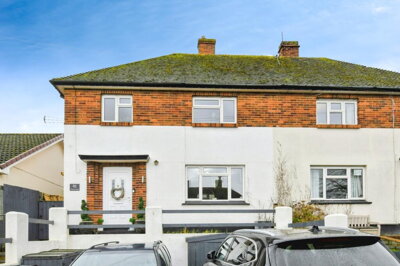
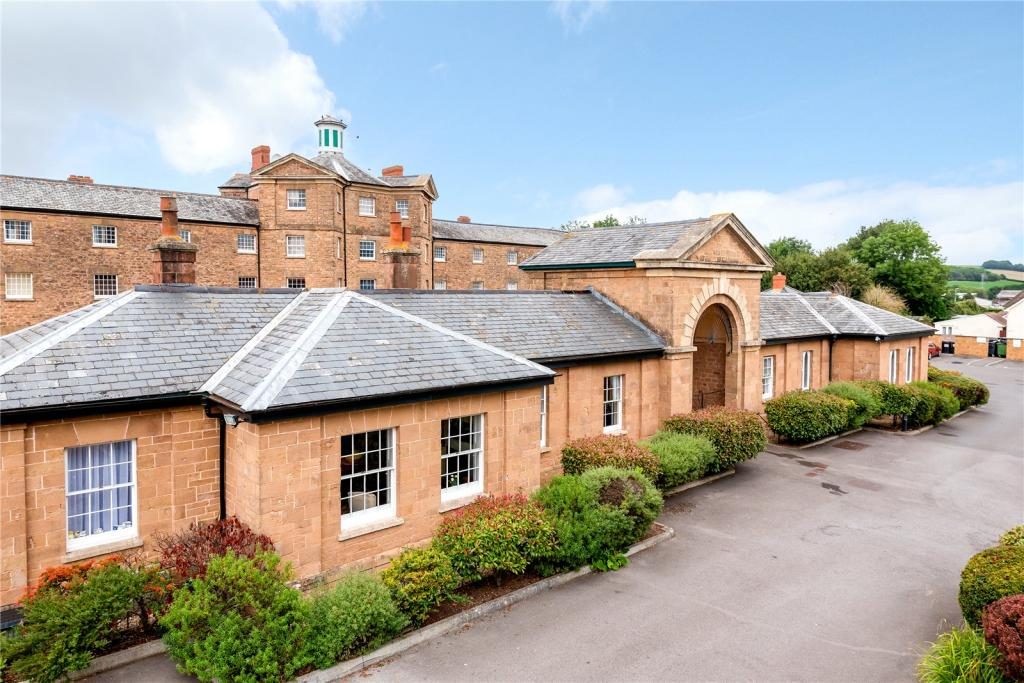
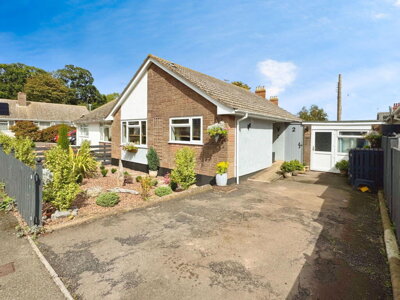
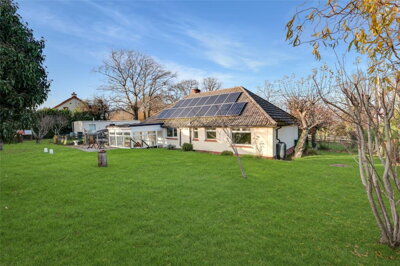
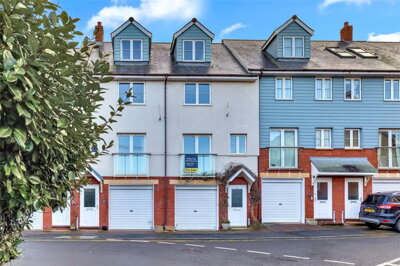
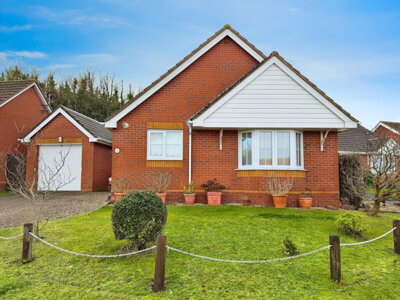
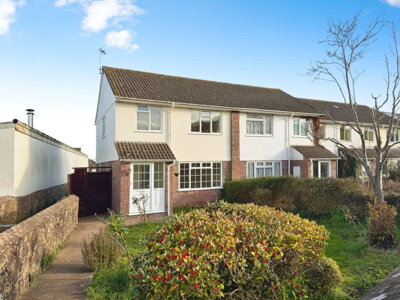
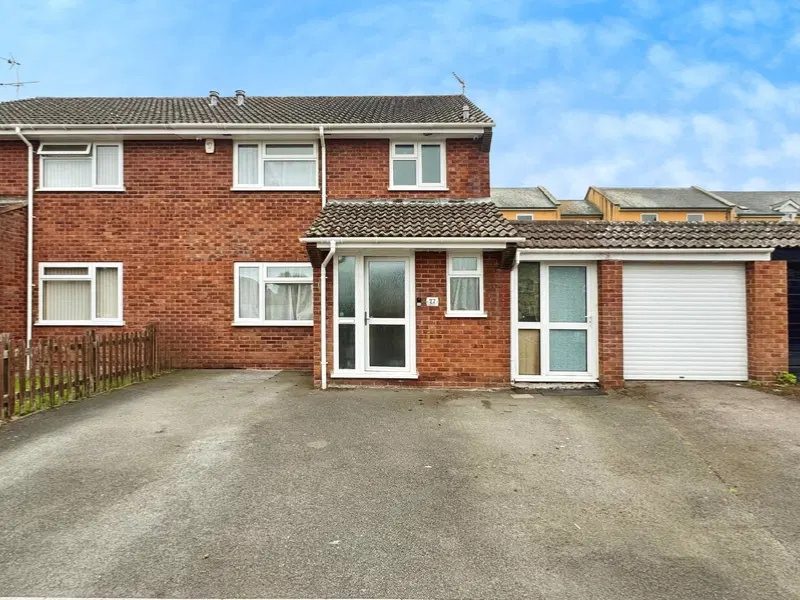
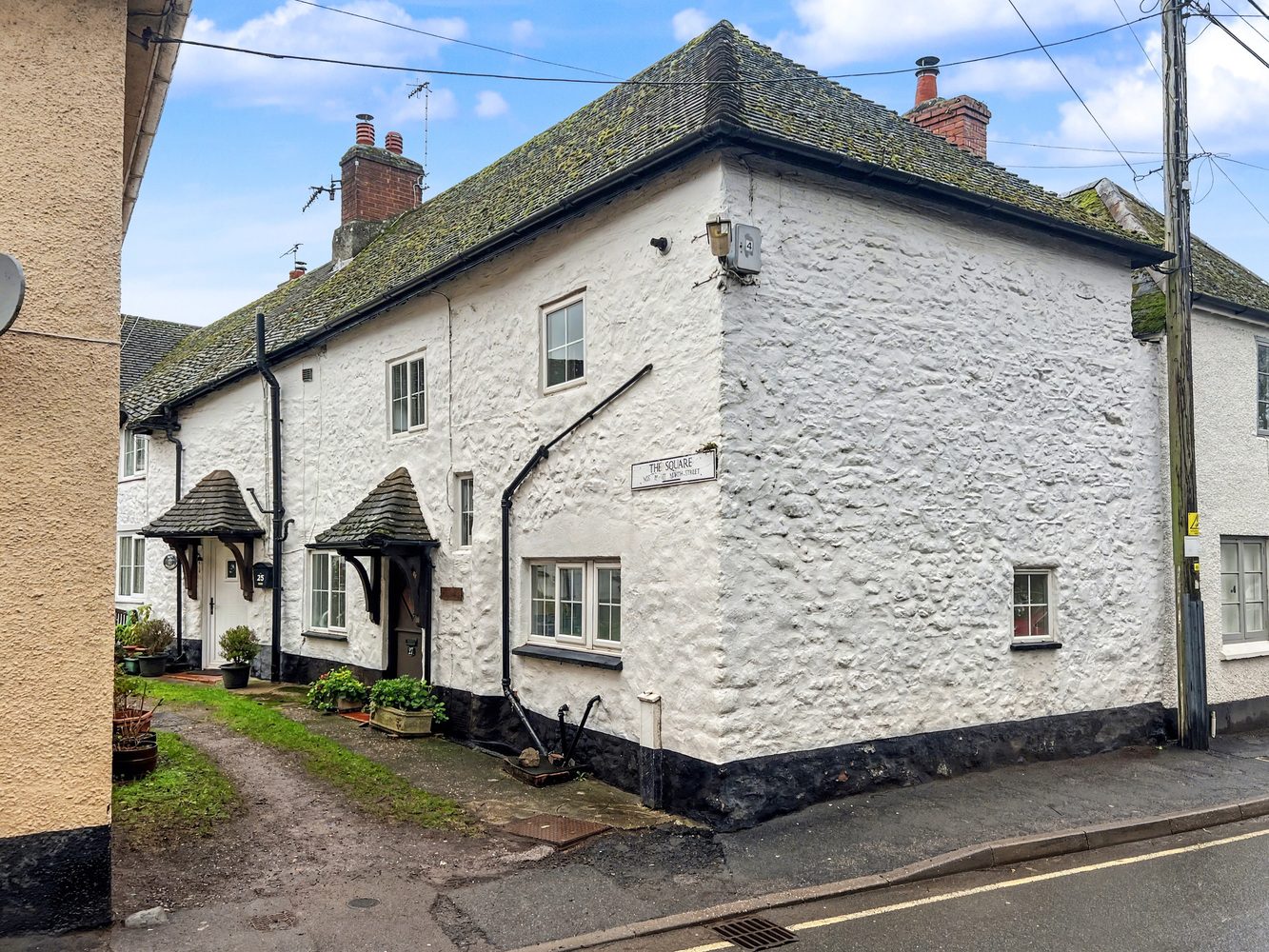
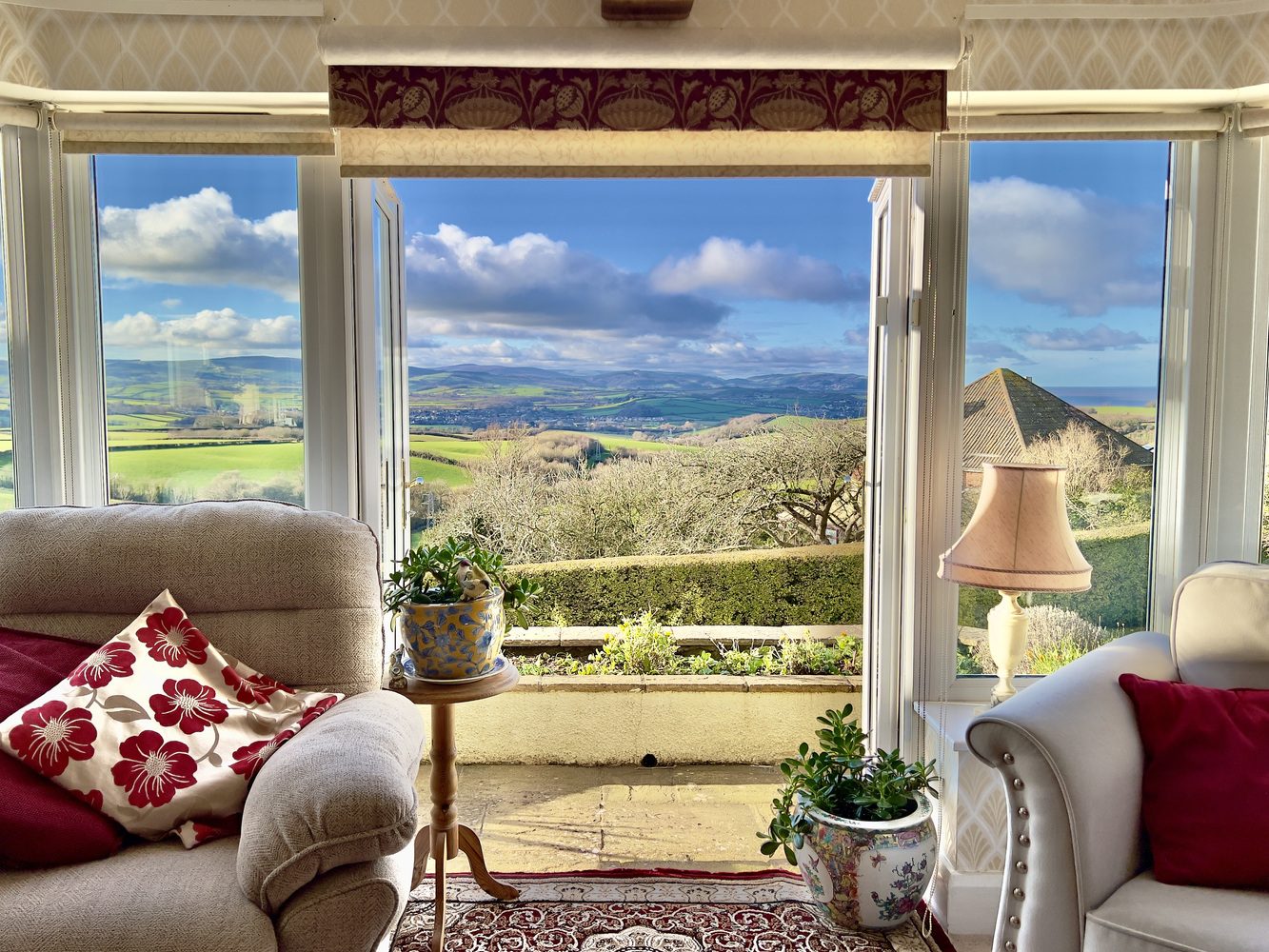
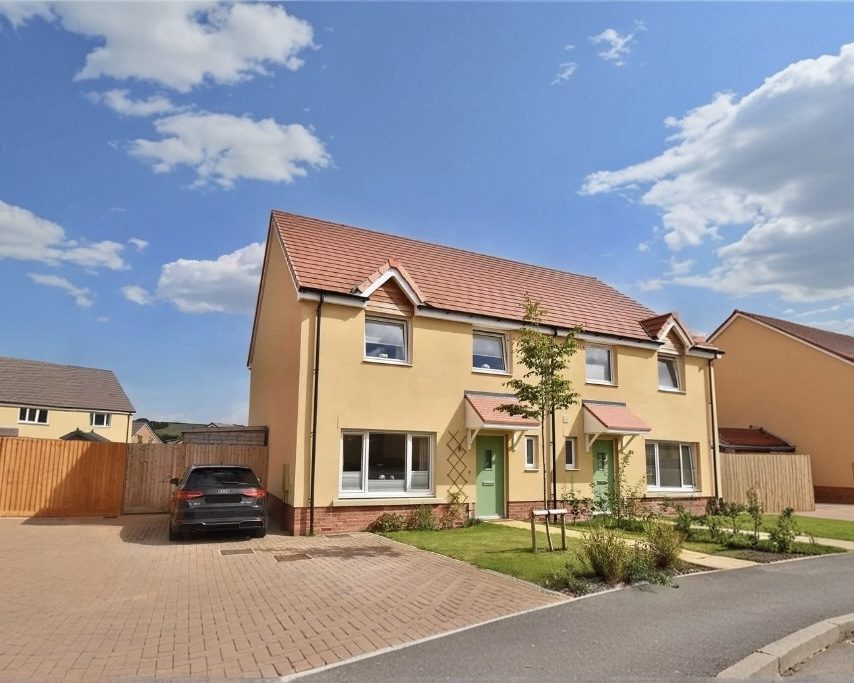
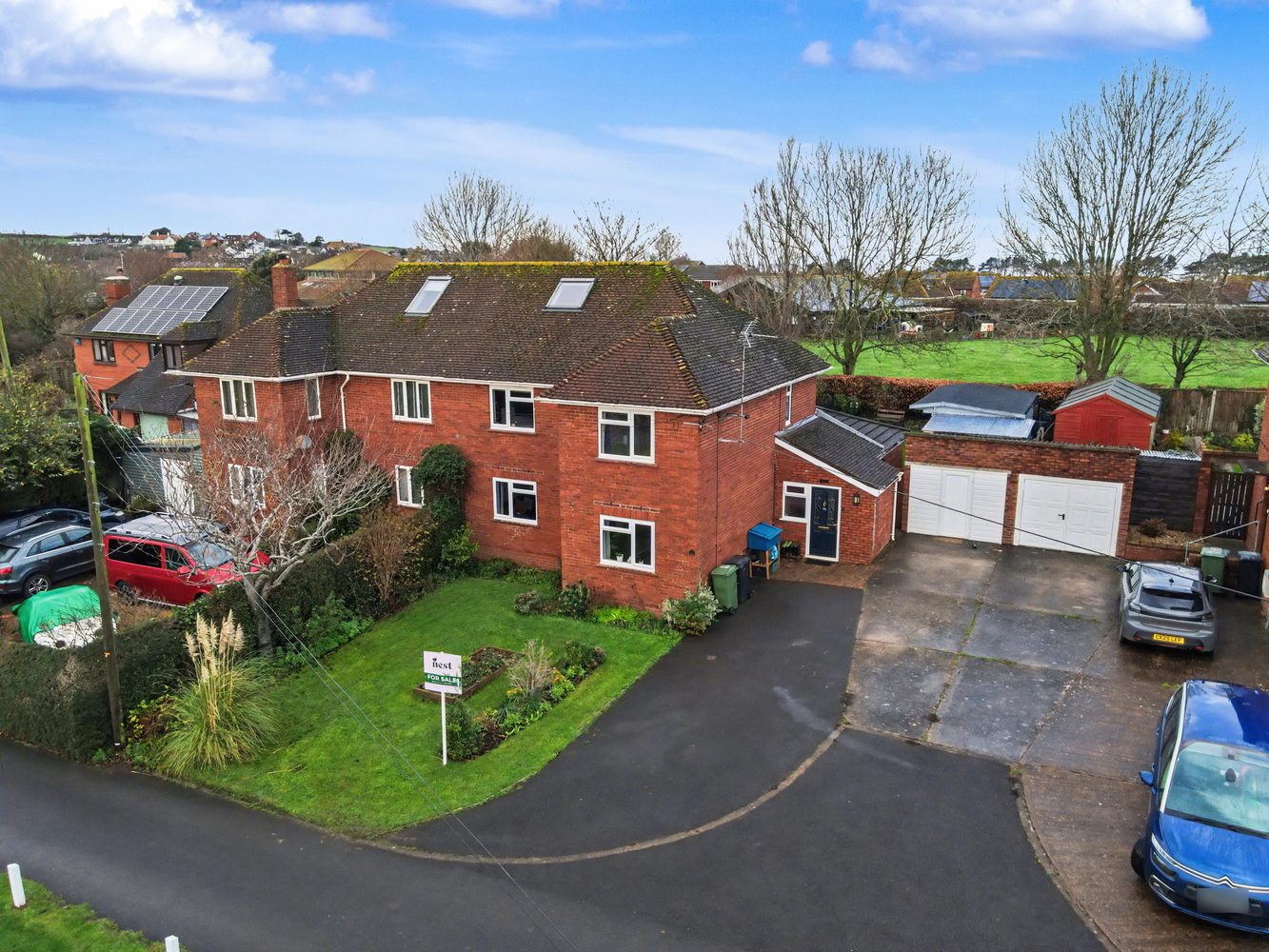
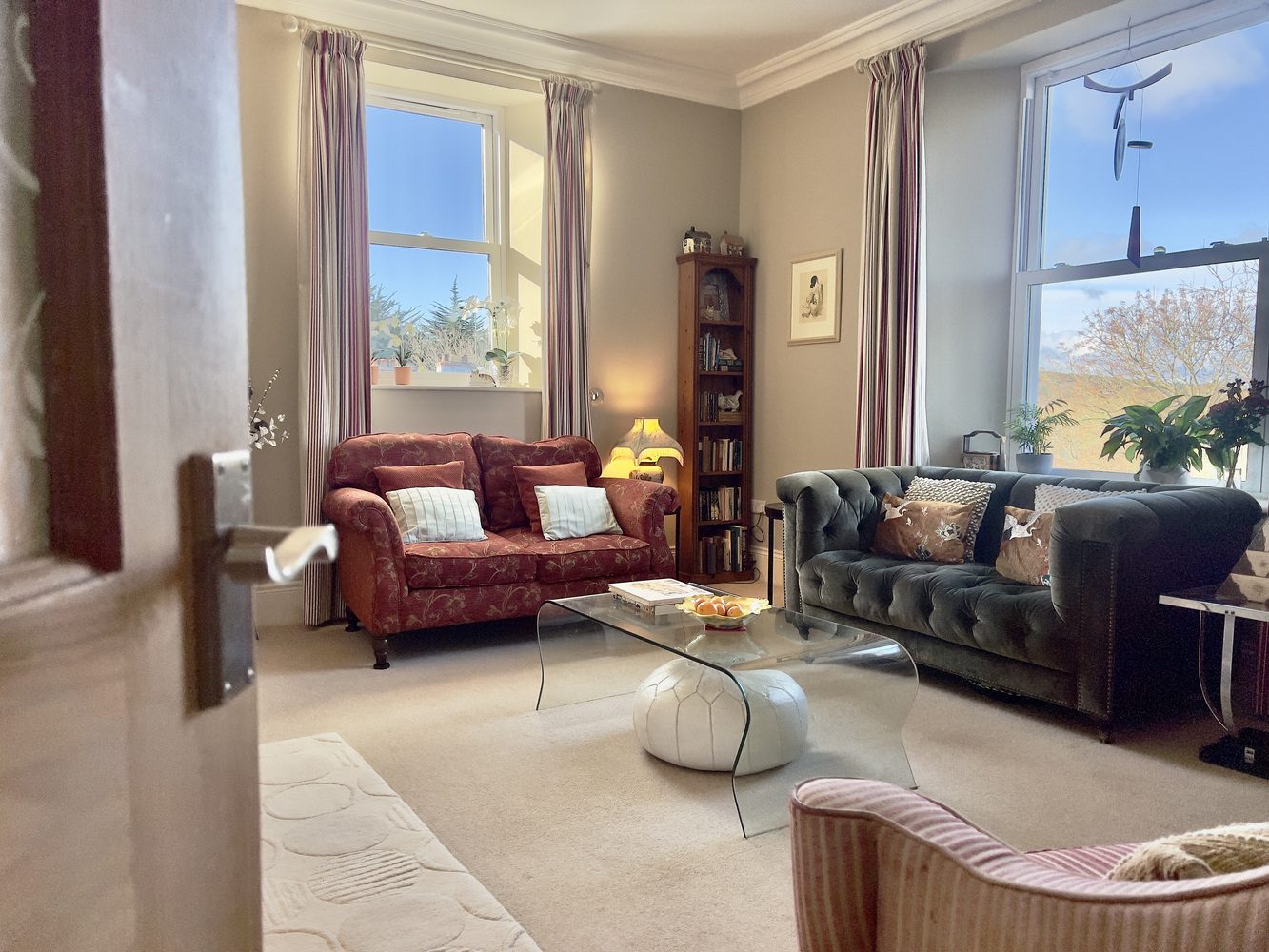
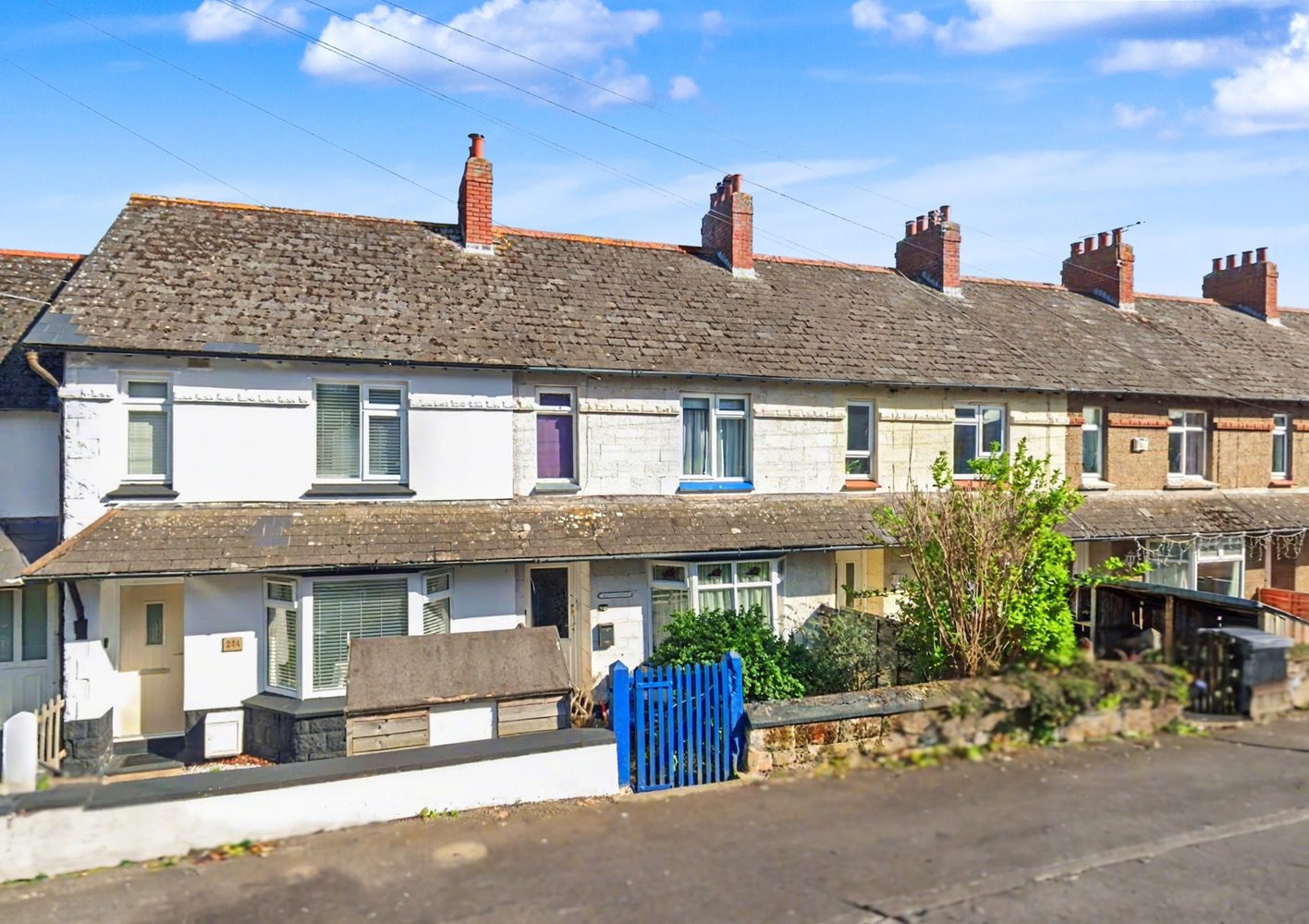
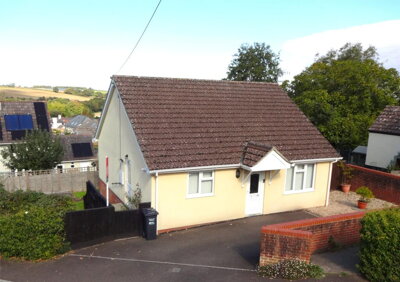
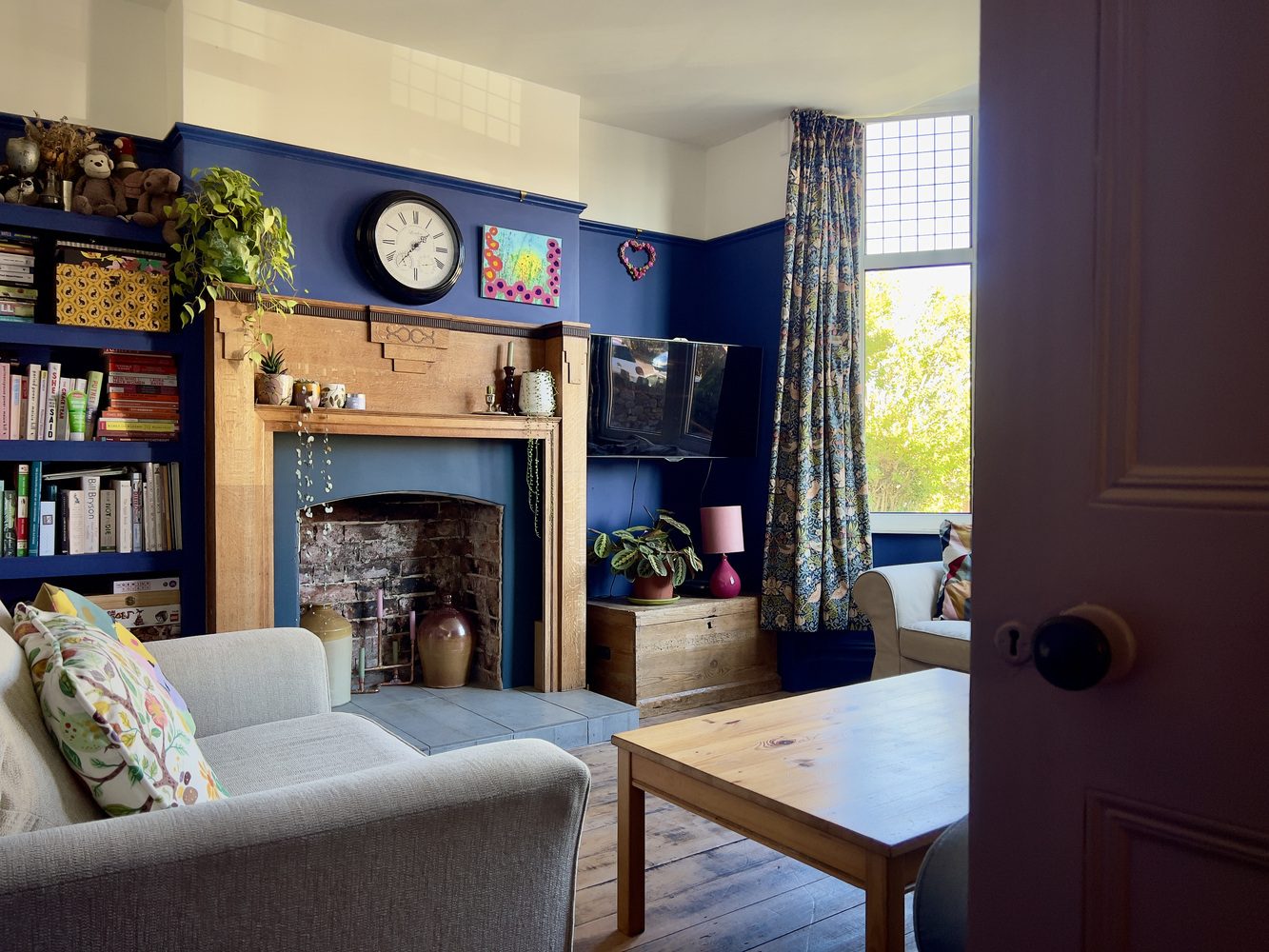
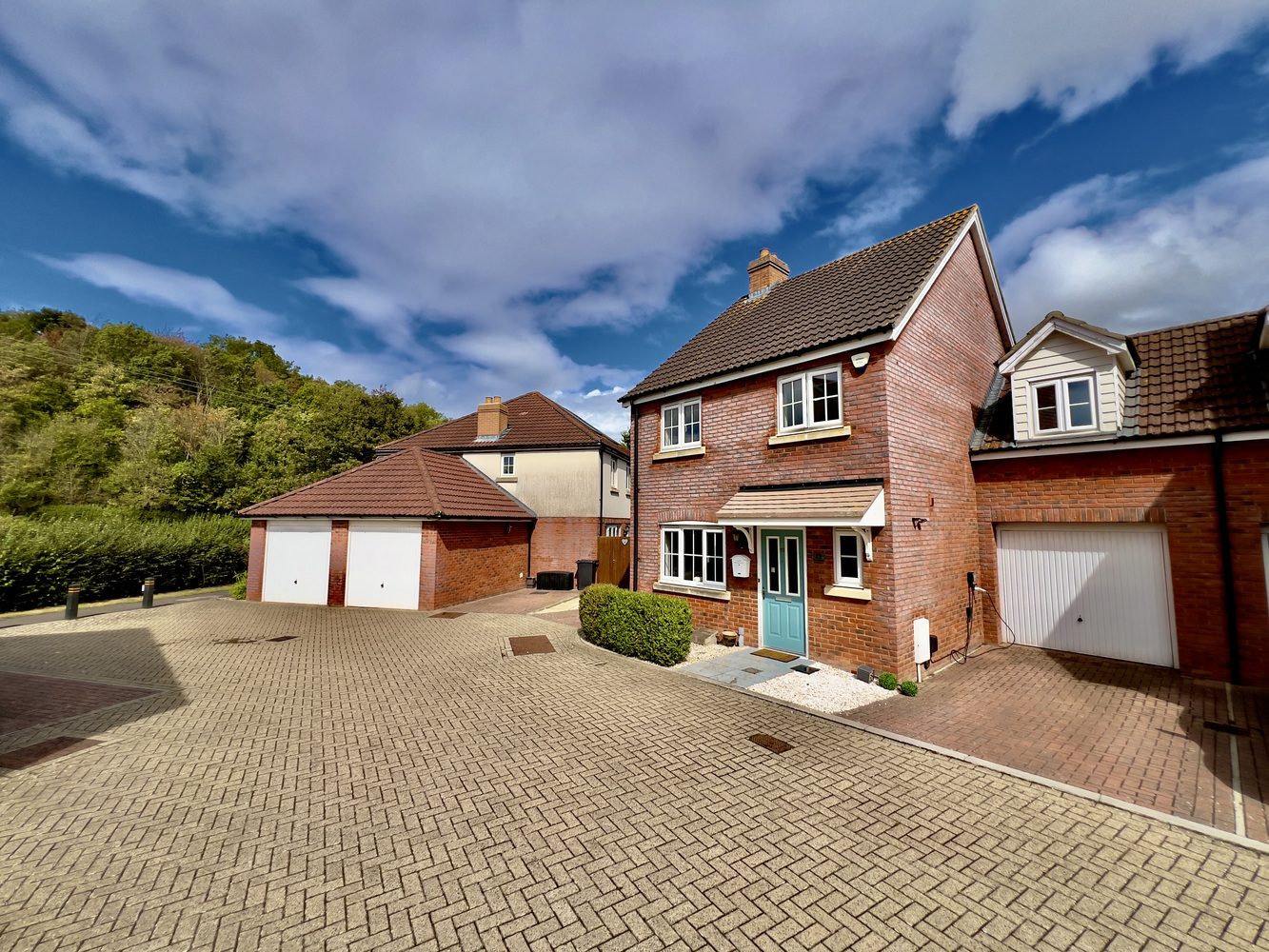
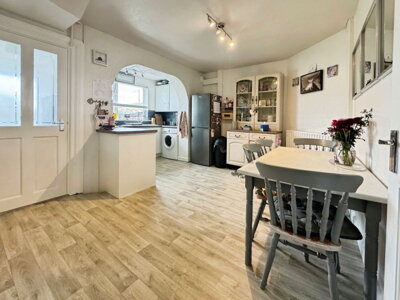
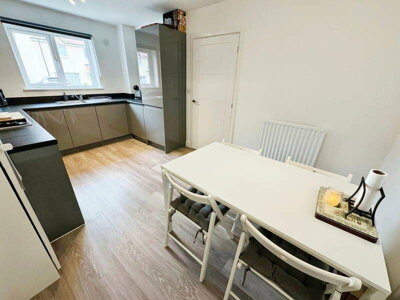
Browse 230 homes for sale in Williton, Somerset from local estate agents.
£265k
51
0
155
Source: home.co.uk
Source: home.co.uk
Semi-Detached
14 listings
Avg £278,139
Detached
9 listings
Avg £306,100
Bungalow
5 listings
Avg £339,000
Detached Bungalow
4 listings
Avg £318,738
Park Home
4 listings
Avg £102,986
Terraced
2 listings
Avg £218,975
semi_detached
2 listings
Avg £322,500
Apartment
1 listings
Avg £175,000
Coach House
1 listings
Avg £175,000
Cottage
1 listings
Avg £265,000
Source: home.co.uk
Source: home.co.uk
We track the Marystow property market within the broader context of West Devon, where rural homes command strong interest from buyers seeking escape from urban centres. Devon county recorded an average property price of £321,000 as of December 2025, with detached properties averaging £481,428 and semi-detached homes at £303,511 over the past year. Within Marystow parish itself, transaction volumes are extremely limited, with no registered Land Registry sales in several recent years including 2023, 2022, 2021, 2020, 2019, 2017, and 2016. This scarcity reflects both the parish's tiny size and the tendency for properties to change hands privately or remain within families for generations.
Housing stock in Marystow skews heavily towards larger family homes, with Census 2021 data revealing that 34.8% of properties have four or more bedrooms, significantly above the England and Wales average of 21.1%. A further 42.4% are three-bedroom homes, whilst two-bedroom properties comprise 21.2% of the housing stock. This predominance of substantial period homes reflects the agricultural heritage of the parish, where farmhouses and estate cottages were built to accommodate working families and their workers. One-bedroom properties are rare at just 1.5% of the total stock, making Marystow particularly unsuitable for first-time buyers seeking affordable entry to the market but ideal for families requiring space and character.
The broader West Devon housing market has experienced a 2% decline in average prices over the twelve months to December 2025, following a 5% peak in 2023. Despite this short-term softening, long-term fundamentals remain supportive given chronic undersupply, high demand from urban leavers, and the area's proximity to the Tamar Valley AONB. For buyers with flexibility on timing, this period of relative stability may present opportunities to negotiate favourably on premium rural properties.

Marystow embodies the timeless appeal of West Devon living, where centuries-old farmhouses sit alongside traditional cottages built from local stone and rendered cob. The parish takes its name from the Church of St Mary The Virgin, a Grade I listed building whose origins trace back to the 12th century, with subsequent additions from the 14th, 15th, and 16th centuries. The church's construction using local stone rubble, dressed granite, and freestone dressings exemplifies the vernacular building traditions that continue to define the area's distinctive character. The surrounding countryside remains largely agricultural, with patchwork fields, hedgerow boundaries, and small woodlands creating habitat for diverse wildlife including birds of prey, deer, and rare wildflowers.
The demographic profile of Marystow reveals a community of relative prosperity and stability. Some 49.3% of households report no deprivation across any dimension, whilst only 5.2% experience deprivation in two dimensions. The population demonstrates strong economic activity, with 62.2% in employment and just 2.3% unemployed. Notably, 33.3% of working residents primarily work from home, reflecting the national trend towards flexible working that has made rural locations increasingly attractive. The parish's historic population peaked at 570 in 1851, declining during the mid-19th century as manganese mining operations wound down and agricultural mechanisation reduced labour requirements. This long history of habitation has left a legacy of character properties, ancient field patterns, and a tight-knit community spirit that endures today.
The legacy of manganese mining in Marystow deserves attention from prospective buyers. Historical mining activity in the mid-1800s caused subsidence in localised areas, and properties in former mining zones may be built on unstable ground or have underlying void issues. Our inspectors always recommend checking the Coal Authority mining reports for any property in West Devon parishes with mining heritage, as insurance and mortgage providers may require this documentation before proceeding. This historical context adds character to the area but also necessitates thorough due diligence when purchasing period properties in Marystow.
Families considering a move to Marystow will find educational provision centred on small, community-focused schools in the surrounding villages and towns. The parish falls within the catchment area of primary schools in nearby Lifton, Sydenham, and Bratton Clovelly, where class sizes tend to be smaller than urban equivalents, allowing for more individual attention. St Peter's Church of England Primary School in Bridestowe serves the local area, whilst the primary school in Lifton provides another option for Marystow families, with both schools benefiting from strong community links and outdoor learning opportunities that leverage their rural settings. Parents should verify current catchment boundaries with Devon County Council, as these can affect school placement decisions.
Secondary education is available at Tavistock College in the historic market town of Tavistock, approximately nine miles from Marystow, which offers a comprehensive curriculum and sixth form provision. For families seeking grammar school education, the respected grammar schools in Plymouth are accessible via the A386, though transport arrangements require careful planning. Examination results and Ofsted ratings vary across local schools, and prospective buyers should research individual school performance on the Gov.uk website. The nearest further education colleges are located in Plymouth and Truro, providing vocational and academic courses for older students, whilst Exeter and Plymouth universities offer degree programmes within reasonable commuting distance for students who may wish to continue living at home during higher education.
The proximity of Marystow to Lifton provides particular educational advantages, as the village hosts the Oakdene development by Wain Homes, which offers new-build properties alongside existing housing stock. Lifton's community facilities include a primary school rated Good by Ofsted, making it a natural choice for Marystow families with younger children. For secondary education, Tavistock College's recent investments in facilities and curriculum have improved its standing, though transport via the A390 requires a dedicated school bus service or parental arrangements. The rural location means parents should factor school run logistics into their property search, particularly for families with children at different educational stages.
Marystow sits at the intersection of several minor roads that connect the scattered farms and hamlets of West Devon, providing access to the wider road network whilst maintaining a sense of rural seclusion. The A390 provides the main east-west corridor, connecting Tavistock to Launceston and offering routes towards Plymouth to the south and Bodmin to the west. The A386 runs north-south through the area, providing access to Okehampton and Exeter via the A30, Devon's main trunk road connecting Cornwall to the M5 motorway at Exeter. For air travel, Exeter International Airport offers domestic and international flights within approximately 50 miles, whilst Newquay Airport in Cornwall provides additional options for holidaymakers and business travellers.
Public transport options reflect Marystow's rural character, with bus services limited but functional for those without private vehicles. The 118 service operates between Tavistock and Launceston, passing through nearby villages and providing connections to the national rail network at both towns. Tavistock railway station offers services to Plymouth and Exeter, though direct trains to London require a change at Plymouth or Exeter. For commuters working in Plymouth, the journey by car takes approximately 40 minutes outside peak hours, making Marystow a viable base for those whose employers allow hybrid working arrangements. The significant proportion of residents working from home, at 33.3%, demonstrates that many have already adapted their working patterns to suit the rural lifestyle that Marystow provides.
Road conditions in West Devon require consideration, as minor lanes serving Marystow properties are often single-track with passing places and can be affected by winter weather and heavy rainfall. The steep-sided valleys characteristic of the area, whilst visually stunning, mean that some properties sit considerable distances from main road access. Prospective buyers should assess driveways and access tracks during viewings, particularly for outlying farmsteads, and verify that they are legally established rights of way. During periods of intense rainfall, surface water flooding on minor roads is not uncommon, and we recommend checking current road conditions with the local council before committing to a purchase in more remote locations.
Before viewing properties, spend time exploring Marystow at different times of day and week. Visit local pubs, attend community events, and speak with residents to understand what daily life is really like. Check broadband speeds and mobile phone coverage, and identify the nearest GP surgery, school, and shop. Pay particular attention to access roads and winter weather conditions, as the rural nature of the parish means some properties can become isolated during extreme weather events.
Once you identify properties of interest, arrange viewings through Homemove and attend with a notebook to assess condition, room sizes, and potential renovation works. For older properties, look beyond cosmetic presentation to identify potential issues with roofs, damp courses, and structural integrity. In Marystow, properties often feature non-standard construction materials such as cob, stone, or thatch, which require specialist maintenance knowledge.
Approach a mortgage broker or lender to obtain an Agreement in Principle before making an offer. This demonstrates to sellers that you are a serious buyer with financing in place, strengthening your negotiating position in what can be a competitive market. Given that Marystow properties often exceed £500,000, ensure your mortgage advisor is familiar with higher-value rural properties and any non-standard construction considerations.
Given the age of many Marystow properties, a thorough survey is essential. A Level 2 HomeBuyer Report typically costs between £400 and £600 depending on property size and will identify defects ranging from damp and timber issues to structural movement and roof condition problems. For listed buildings or properties with unusual construction, a Level 3 Building Survey may be more appropriate, and our team can recommend specialists familiar with West Devon's historic housing stock.
Choose a solicitor experienced in rural property transactions to handle the legal work. They will conduct local authority searches, check for planning restrictions, and manage the transfer of ownership through to completion. For Marystow properties, mining searches are particularly important given the parish's historical manganese mining activity, and your solicitor should obtain a Coal Authority mining report as standard practice.
Once all searches are satisfactory and finances are confirmed, your solicitor will exchange contracts and agree a completion date. On the day, the remaining funds are transferred and you receive the keys to your new Marystow home. Buildings insurance must be arranged from exchange of contracts, and we recommend confirming that your insurer is comfortable with the property's construction type before committing.
Purchasing a property in Marystow requires careful consideration of factors specific to West Devon's rural housing stock and geography. The age of many properties means solid wall construction without modern cavity insulation is common, potentially affecting energy efficiency and heating costs. Prospective buyers should assess the condition of original features such as lime mortar pointing, which allows walls to breathe, versus modern cement renders that can trap moisture and cause damp problems in historic buildings. The presence of traditional building materials such as cob, stone, and thatch requires specialist knowledge to maintain correctly, and insurance costs for non-standard construction may be higher than for modern properties.
Flood risk assessment is advisable for any property in Devon, where steep-sided valleys and limited drainage infrastructure can lead to surface water flooding during periods of intense rainfall. Check the Environment Agency flood maps for the specific property location and ask vendors about any historical flooding incidents. Properties near watercourses or in low-lying areas warrant particular scrutiny, as climate change appears to be increasing the frequency of extreme weather events across the region. For properties with large gardens or land, be aware of potential Japanese knotweed presence, a non-native invasive plant that can damage structures and requires professional treatment.
Marystow's mining heritage warrants specific attention during property surveys. Historical manganese mining activity in the parish has left potential subsurface voids and unstable ground in localised areas. Our surveyors recommend obtaining mining reports from the Coal Authority for all properties in former mining zones, as mortgage lenders increasingly require this documentation. Look for signs of subsidence such as diagonal cracks extending from door frames, uneven floors, or sticking doors and windows, particularly in older farmhouses that may have been built over or adjacent to mine workings. Properties with original Georgian or Victorian foundations on shrinkable clay soils may also show seasonal movement, and a thorough survey will distinguish between cosmetic cracking and structural concerns requiring remediation.

Specific average price data for Marystow is not available due to the extremely low number of property transactions. The last open market sale within the parish was recorded in 2018 at £572,500. For broader context, Devon county averaged £321,000 in December 2025, with detached properties at £481,428 and terraced homes at £255,407. Buyers should expect to pay premiums for period properties with land or exceptional character features, particularly those with original features, thatched roofs, or proximity to the Church of St Mary The Virgin. The affordability ratio for Devon stands at 9.5 compared to the national average of 7.7, reflecting sustained demand pressure from urban leavers seeking rural lifestyles.
Marystow falls under West Devon Borough Council, which sets council tax bands based on property valuation. Bands range from A to H, with most period cottages and farmhouses likely falling in bands B to D, whilst larger detached properties and converted farm buildings may be in higher bands. Exact bands are confirmed on the Valuation Office Agency website using the property address. For buyers budgeting monthly outgoings, council tax for a band D property in West Devon is approximately £1,900 annually, making it competitive with urban areas whilst reflecting the rural character of services provided.
Primary education is provided by small rural schools in nearby villages including Lifton, Sydenham, and Bratton Clovelly, whilst St Peter's CofE Primary in Bridestowe serves families across the parish. Secondary education is available at Tavistock College, with grammar school options in Plymouth accessible by car. All schools should be researched individually via Ofsted reports and league tables available on Gov.uk. Parents should note that Lifton Primary School has been rated Good by Ofsted and benefits from its proximity to the Oakdene new development, whilst transport to Tavistock College involves a nine-mile journey via the A390, requiring either school bus arrangements or parental drop-offs.
Public transport options are limited, reflecting Marystow's rural location. Bus service 118 connects nearby villages to Tavistock and Launceston, where connections to the national rail network are available. The A390 provides the main road route to these towns and onwards to Plymouth. For commuting to Exeter or London, a car is essential for reaching train stations, though the 33.3% of residents who work from home demonstrate that many have adapted successfully to rural connectivity. Exeter St David's station provides direct services to London Paddington in around two and a half hours, whilst Plymouth offers faster journey times to the capital.
Marystow offers potential for capital appreciation given its rural character, limited housing supply, and proximity to Areas of Outstanding Natural Beauty. The Devon market has experienced growth pressure from urban-to-rural migration, with the county's affordability ratio of 9.5 exceeding the national average of 7.7. However, the extremely low transaction volume means liquidity is poor, and investors should be prepared for a long holding period. Holiday let potential exists given the area's tourism appeal, though planning permission requirements for second homes are evolving. The recent 2% price decline across Devon presents a window for patient investors, whilst the chronic undersupply of Marystow properties suggests limited downside given persistent demand from buyers seeking the West Devon lifestyle.
Stamp Duty Land Tax applies to purchases above £250,000 at 5% on the portion between £250,001 and £925,000. For a £400,000 property, this would be £7,500. First-time buyers benefit from relief on the first £425,000, paying 5% on amounts between £425,001 and £625,000. Properties priced above £1.5 million incur a 12% rate on the remainder. Given Marystow property prices, most purchases will fall in the standard 5% bracket. The SDLT holiday thresholds have returned to standard rates following pandemic-era relief, so buyers should budget accordingly and factor SDLT into their overall purchase costs alongside legal fees, survey fees, and moving expenses.
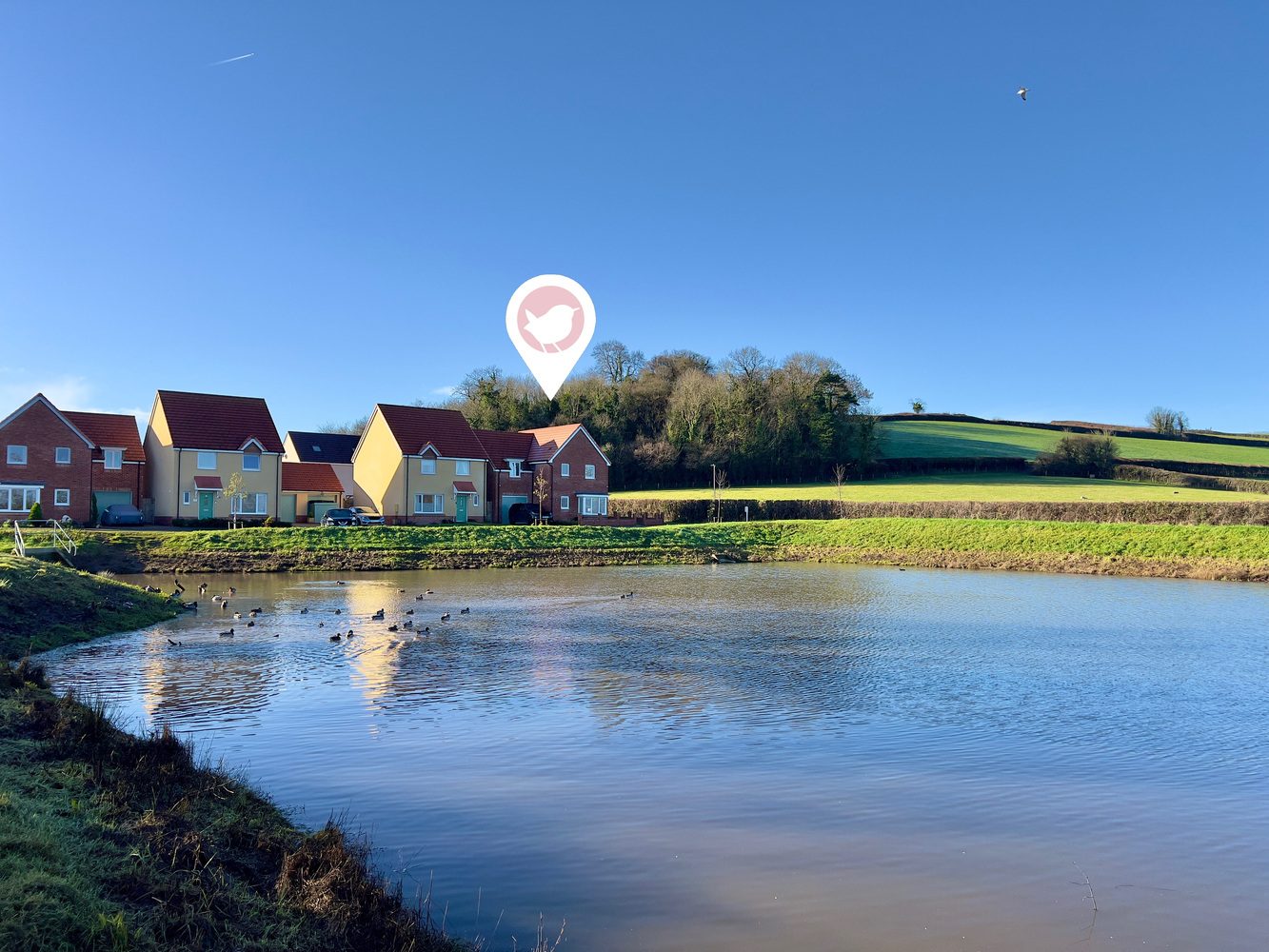
New build activity within Marystow parish itself is essentially non-existent due to the tiny scale of the community and planning restrictions protecting its historic character. However, the neighbouring village of Lifton hosts the Oakdene development by Wain Homes, which offers 2, 3, and 4-bedroom homes including a house type named The Marystow. This development is approximately three miles from Marystow and provides an alternative for buyers seeking modern construction with manufacturer warranties, though at prices typically comparable to period properties in the area. The Lifton postcode area PL16 has seen limited new development, making Oakdene one of the few opportunities for newly built homes in this part of West Devon.
Properties in Marystow frequently feature non-standard construction including cob walls, solid stone, and thatched roofs, which require specialist assessment beyond a standard RICS Level 2 survey. A Level 3 Building Survey provides more detailed analysis of structural issues, material conditions, and renovation requirements for historic properties. Listed buildings, including many period farmhouses and cottages in the parish, may require a specialist conservation survey by a surveyor experienced with historic building regulations. Our team can arrange all survey types and recommend specialists familiar with West Devon's traditional building materials, including those experienced in assessing cob construction, lime mortar pointing, and thatch maintenance requirements.
🏠
From 4.5% - Secure financing for your Marystow property purchase
📋
From £499 - Expert legal support for rural property transactions
🏠
From £420 - Thorough inspection of Marystow properties
📋
From £80 - Energy performance certificate required for sale
Beyond the property price, buyers should budget for additional costs including Stamp Duty Land Tax, legal fees, survey fees, and moving expenses. For a typical Marystow property priced around £500,000, Stamp Duty under current 2024-25 rates would be £12,500, calculated at 5% on the amount between £250,001 and £925,000. First-time buyers purchasing residential property may qualify for first-time buyer relief, which raises the zero-rate threshold to £425,000, reducing SDLT to £3,750 on the same £500,000 purchase. These thresholds change periodically, so your solicitor will confirm the applicable rates at the time of purchase.
Legal costs for conveyancing typically start from £499 for standard transactions, rising to £1,500 or more for complex rural properties involving additional searches or leasehold elements. A RICS Level 2 HomeBuyer Report costs between £400 and £600 depending on property size, whilst an Energy Performance Certificate costs from £80 and is legally required before marketing can begin. Removal costs vary according to distance and volume, but budgeting £1,000 to £3,000 for a local move within Devon is reasonable. Buildings insurance should be arranged from exchange of contracts, and mortgage arrangement fees, if applicable, should be factored in when comparing the true cost of different mortgage products.
For non-standard construction properties common in Marystow, additional costs may arise including specialist survey fees, which can exceed standard Level 2 rates by 30-50% for complex historic buildings. Listed building consent requirements may incur planning fees, and any renovation works to period properties should budget for the use of traditional materials and specialist contractors. Our inspectors regularly identify properties requiring additional specialist reports for electrical installations, thatch condition, or Japanese knotweed treatment, and we always factor these potential costs into our assessment during survey recommendations.
Properties for Sale In London

Properties for Sale In Plymouth

Properties for Sale In Liverpool

Properties for Sale In Glasgow

Properties for Sale In Sheffield

Properties for Sale In Edinburgh

Properties for Sale In Coventry

Properties for Sale In Bradford

Properties for Sale In Manchester

Properties for Sale In Birmingham

Properties for Sale In Bristol

Properties for Sale In Oxford

Properties for Sale In Leicester

Properties for Sale In Newcastle

Properties for Sale In Leeds

Properties for Sale In Southampton

Properties for Sale In Cardiff

Properties for Sale In Nottingham

Properties for Sale In Norwich

Properties for Sale In Brighton

Properties for Sale In Derby

Properties for Sale In Portsmouth

Properties for Sale In Northampton

Properties for Sale In Milton Keynes

Properties for Sale In Bournemouth

Properties for Sale In Bolton

Properties for Sale In Swansea

Properties for Sale In Swindon

Properties for Sale In Peterborough

Properties for Sale In Wolverhampton

Enter your details to see if this property is within your budget.
Loans, cards, car finance
Estimated property budget
Borrowing + deposit
You could borrow between
Typical borrowing
Monthly repayment
Est. at 4.5%
Loan-to-value
This is an estimate only. Your actual budget may vary depending on interest rates, credit history, and personal circumstances. For an accurate affordability assessment, speak to one of our free mortgage advisors.
This calculator provides estimates for illustrative purposes only and does not constitute financial advice. Your home may be repossessed if you do not keep up repayments on your mortgage. Estimates based on 4.5% interest rate, repayment mortgage. Actual rates depend on your circumstances.
Homemove is a trading name of HM Haus Group Ltd (Company No. 13873779, registered in England & Wales). Homemove Mortgages Ltd (Company No. 15947693) is an Appointed Representative of TMG Direct Limited, trading as TMG Mortgage Network, which is authorised and regulated by the Financial Conduct Authority (FRN 786245). Homemove Mortgages Ltd is entered on the FCA Register as an Appointed Representative (FRN 1022429). You can check registrations at NewRegister or by calling 0800 111 6768.

We use cookies to show you personalised content and improve your experience of our website. Find out more in our Privacy policy and Cookie policy.