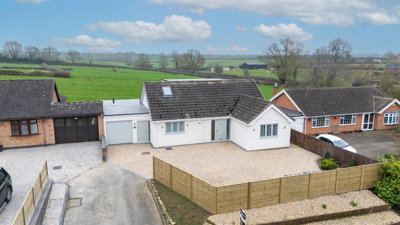
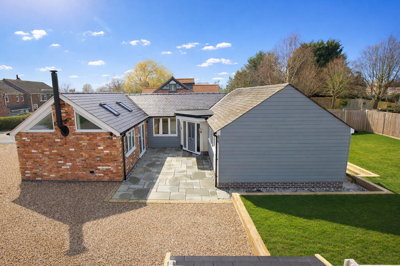
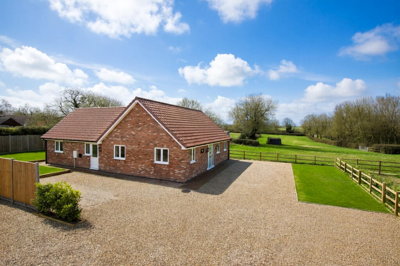
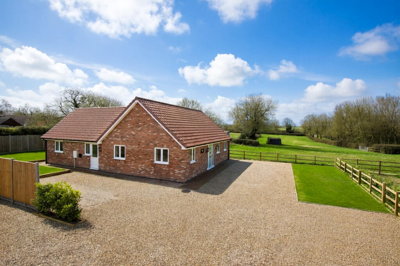
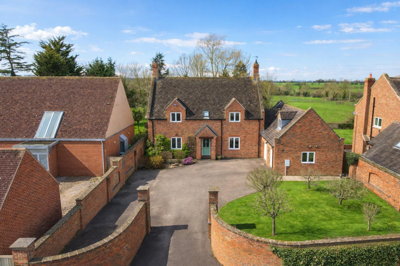
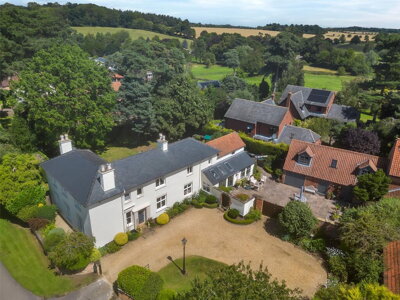
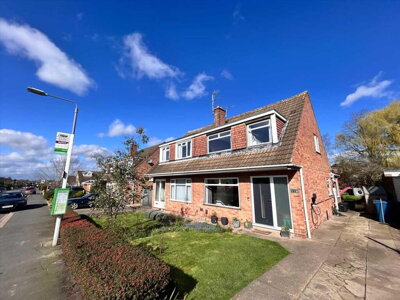
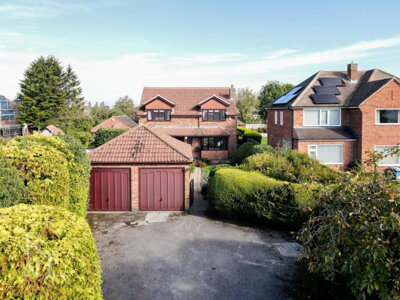
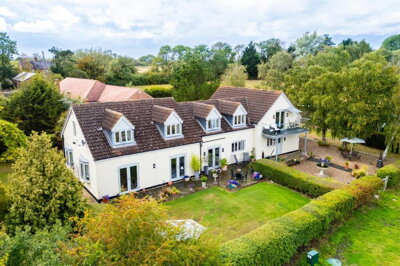
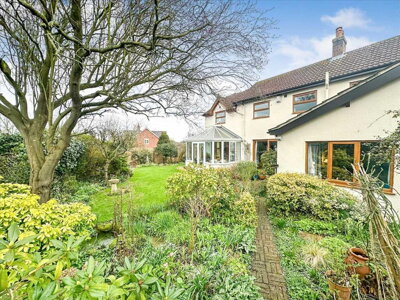
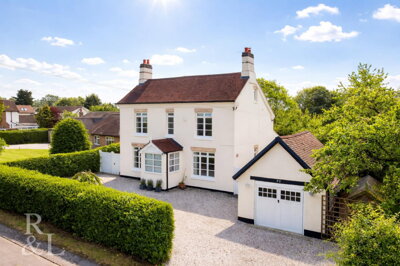
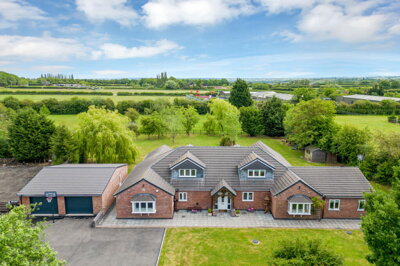
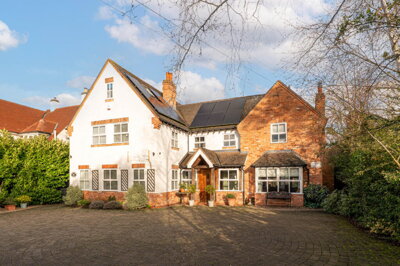
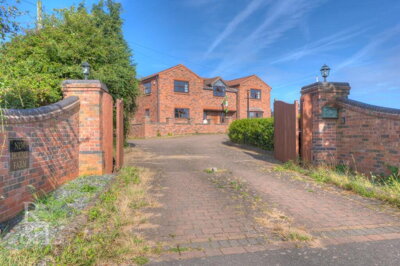
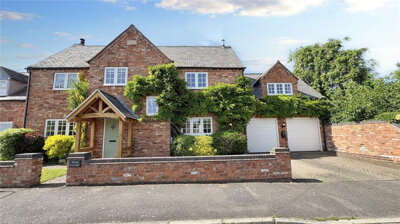
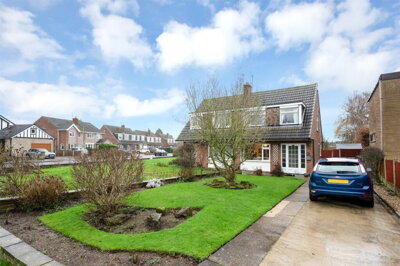
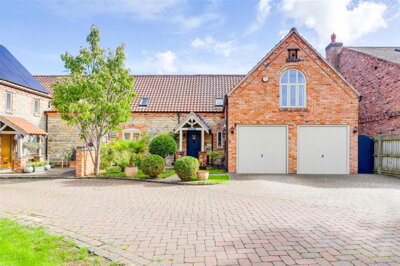
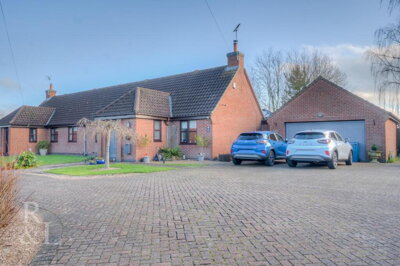
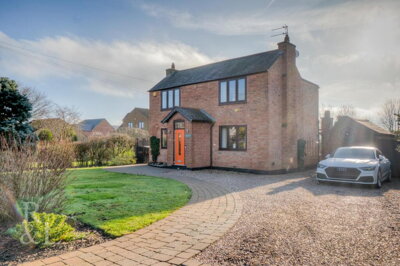
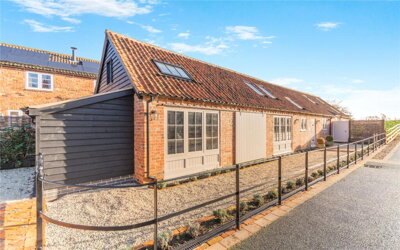
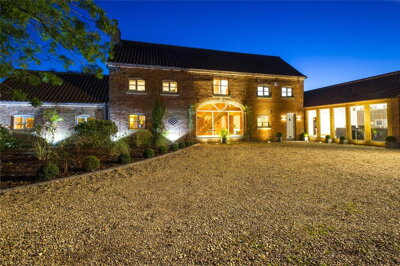
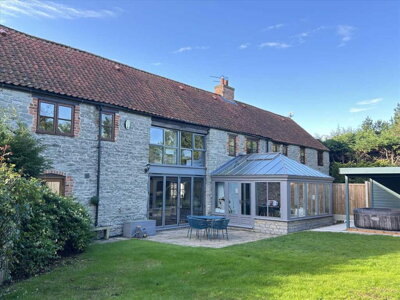
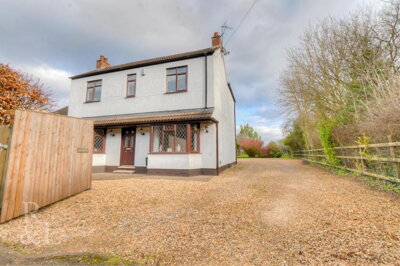
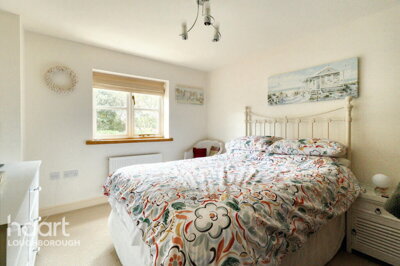
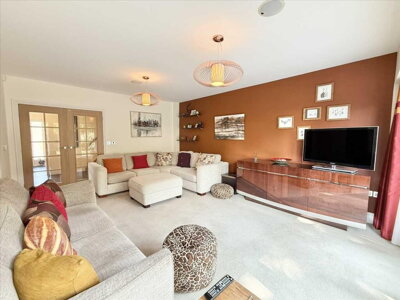
Browse 41 homes for sale in Widmerpool, Rushcliffe from local estate agents.
The Widmerpool property market offers detached, semi-detached, and terraced houses spanning various price ranges and neighbourhoods. Each listing includes detailed property information, photographs, and direct contact with the marketing agent.
£1.05M
2
0
136
Source: home.co.uk
Showing 2 results for Houses for sale in Widmerpool, Rushcliffe. The median asking price is £1,050,000.
Source: home.co.uk
Detached
2 listings
Avg £1.05M
Source: home.co.uk
Source: home.co.uk
The Coney Weston property market reflects the characteristics of a desirable rural Suffolk village, with average house prices standing at around £500,833 according to recent data from Rightmove and Zoopla. Property values in the village have shown resilience despite broader market fluctuations, with OnTheMarket reporting an 8.8% increase in sold prices over the past twelve months. The market peaked in 2022 at approximately £562,083, and current prices represent a correction of roughly 11% from that high point, presenting potential opportunities for buyers who missed the previous cycle.
Given Coney Weston's status as a small rural village, the property stock tends toward traditional detached and semi-detached homes constructed from the materials characteristic of Suffolk. These include red brick, flint, and timber-framed buildings, many dating from the 17th century and beyond. The village forms part of the IP31 postcode area, which recorded 61 property sales over the past thirty years, indicating a measured turnover rate typical of stable rural communities. For buyers seeking period properties with character, the local housing stock offers considerable appeal, with features such as exposed timbers, thatched or clay pantile roofs, and generous gardens being common attributes.
The village's population stands at approximately 373 residents according to recent estimates, a slight decrease from the 2011 census figure of 394, though this reflects the national trend of rural population fluctuation rather than any decline in desirability. In 1988, after a boundary change, there were around 150 houses in the village, illustrating the limited but consistent development that has occurred over the decades. This measured growth pattern means that available properties in Coney Weston remain relatively scarce, making early market engagement essential for serious buyers.
For the broader West Suffolk district, property prices have shown modest growth of 1.0% over the last year as of February 2026, with detached properties averaging £450,000, semi-detached homes at £281,000, terraced properties at £230,000, and flats at £147,000. Suffolk county overall saw 9,700 property sales in the twelve months leading to December 2025, representing a drop of 14.1% compared to previous periods, indicating a tightening market across the region.

Life in Coney Weston revolves around the rhythms of a traditional English village, where community spirit remains strong despite the small population of approximately 373 residents. The Swan pub serves as a focal point for social gatherings, offering locals a place to dine and connect with neighbours. Beyond the pub, the village supports a surprising range of local enterprises including a sawmill and timber yard, a nursery, a game farm, and even a wood sculpture yard, demonstrating the entrepreneurial spirit that exists within this rural setting. The presence of these businesses, along with a telephone exchange, builder's yards, and a cattery, means that everyday needs can often be met without lengthy journeys to larger towns.
The village's ownership statistics reveal a community with strong homeowner representation, with 69.43% of residents owning their homes outright or with a mortgage. This figure exceeds both the West Suffolk average of 60.2% and national averages, reflecting the stability and long-term commitment of residents to the area. Housing affordability presents challenges typical of West Suffolk, where the ratio of median house prices to median earnings stands at 8.4, slightly above the England average of 8.26. Rental costs in West Suffolk are also higher than the rest of England, making purchase an increasingly attractive option for those seeking to establish roots in the community.
The broader West Suffolk district, with a population of 179,951 as of 2021 (an increase of 5.3% since 2011), offers additional employment opportunities across diverse sectors including tourism, horseracing, manufacturing, renewables, technology, and life sciences. The area maintains strong commuting links to Cambridge, making Coney Weston viable for workers in the technology and research sectors who prefer rural living. The village's dormitory town status means that many residents work in surrounding towns while enjoying the quality of life that village life provides.

Families considering a move to Coney Weston will find educational facilities available in surrounding villages and towns within reasonable daily commuting distance. The village itself falls within the catchment areas served by primary schools in neighbouring communities, which typically accommodate children from Reception through to Year 6. Secondary education options in the region include schools in Bury St Edmunds and nearby market towns, with several institutions offering a range of GCSE and A-Level programmes. Parents are advised to check current catchment boundaries and admissions criteria, as these can influence school placement decisions.
The broader West Suffolk area hosts several well-regarded educational establishments, with schools regularly appearing in performance tables for the region. For families prioritising education in their property search, the availability of school performance data through government databases allows for detailed comparisons between different locations. Given Coney Weston's rural nature, many families factor transport arrangements for school-age children into their decision-making process, with school bus services operating to primary and secondary schools in nearby towns.
Those seeking private education will find options in Bury St Edmunds, which offers independent schooling at both primary and secondary levels. Families should note that Suffolk generally has an older housing stock, with over 25% of properties constructed before 1945, and the majority of dwellings built between 1945-1964. This means school catchment areas may include a diverse mix of period properties alongside more modern homes, reflecting the organic growth patterns of villages like Coney Weston. We recommend visiting schools and speaking with local residents to understand the educational landscape before committing to a property purchase.
Coney Weston benefits from its position within the West Suffolk countryside while maintaining accessibility to the major transport routes serving the region. The village lies approximately 6 miles from the market town of Bury St Edmunds, which provides comprehensive railway connections via Bury St Edmunds railway station. From Bury St Edmunds, direct services operate to Cambridge, Ipswich, and Norwich, with journey times to Cambridge typically taking around 45 minutes to an hour. For commuters working in Cambridge or the technology hubs along the M11 corridor, this connectivity makes rural village living a practical proposition.
Road transport from Coney Weston connects to the A14 trunk road, which provides east-west access across Suffolk and links to the A11 for travel toward Norwich and the M11 for London. The village sits approximately 15 miles from the A14, giving reasonable access to the strategic road network. Local bus services operate in the surrounding area, though potential buyers should verify current timetables and service frequency, as rural bus provision can be limited compared to urban areas.
For those dependent on car travel, the peaceful nature of village roads and the absence of significant congestion provide a more pleasant daily commute than might be experienced in larger towns. Parking availability within the village is generally good, reflecting the lower population density and larger plot sizes typical of rural properties. The IP31 postcode area benefits from proximity to major employers in Bury St Edmunds and beyond, while those working in Cambridge can take advantage of the direct rail link for occasional office days without the burden of daily commuting.
Begin by exploring current listings in Coney Weston through Homemove, comparing prices across Rightmove, Zoopla, and OnTheMarket. Understanding the local market context, including the average price of around £500,833 and recent price trends, will help you set realistic expectations and identify well-priced properties. Given the village's limited stock of approximately 150 properties, patience may be required to find the right home.
Before scheduling viewings, approach a lender to obtain an Agreement in Principle. This document confirms how much you can borrow and demonstrates to sellers that you are a serious, financially prepared buyer. Given the rural nature of many Coney Weston properties, having your financing arranged is particularly important, as sellers of character homes often favour buyers who can move quickly.
Visit properties that match your requirements, paying attention to construction materials typical of the area such as flint, red brick, and timber framing. Consider viewing properties in different conditions, from modernised homes to those requiring renovation, as the village stock encompasses a range of property ages and styles. We recommend attending multiple viewings to understand the nuances of different properties.
Once your offer is accepted, book a RICS Level 2 Survey (Homebuyer Report) for the property. Given Coney Weston's older housing stock, including 17th-century buildings, a thorough survey is essential to identify any structural issues, potential damp problems, or issues with traditional building materials. Our team can connect you with qualified surveyors familiar with Suffolk period properties.
Appoint a solicitor to handle the legal aspects of your purchase, including local searches, title checks, and coordination with the Land Registry. Your solicitor should be familiar with West Suffolk properties and any local planning considerations that may affect the purchase, including conservation area restrictions and listed building implications.
After satisfactory survey results and completed legal checks, you will exchange contracts and pay your deposit. Completion typically follows within weeks, at which point you will receive the keys to your new Coney Weston home. We recommend arranging buildings insurance from the point of exchange, particularly given the age of many village properties.
Purchasing a property in Coney Weston requires attention to several area-specific factors that differ from urban property searches. The village's flood history warrants particular consideration, with significant surface water flooding incidents occurring in December 2020 and January 2021 that affected The Street and resulted in internal flooding to four properties. These events saw water depths of approximately 200-300mm on The Street, with ditches adjacent to the highway overflowing due to overland runoff from adjacent fields. Prospective buyers should investigate the drainage characteristics of any plot, the maintenance status of adjacent ditches, and whether previous flooding has affected the property. The local authority maintains that ditch maintenance is the responsibility of householders, so evidence of well-maintained drainage infrastructure should form part of your property assessment.
The prevalence of historic and listed buildings in Coney Weston means that many properties will be constructed using traditional Suffolk materials and techniques. Flint and timber-framed buildings, while characterful, can require specialist maintenance knowledge, and insurance costs may differ from standard brick-built properties. The presence of clay tiles, thatch, or pantile roofing materials affects both the character and maintenance requirements of these homes. Notable listed buildings in the village include Coney Weston Hall (Grade II), Coney Weston House (Grade II), Blacksmiths Cottage (Grade II), and The Old Parsonage (Grade II), illustrating the architectural heritage present throughout the community.
Buyers should verify whether properties are freehold or leasehold, as some older properties may have unusual tenure arrangements. For properties constructed before certain dates, an Electrical Installation Condition Report (EICR) and gas safety check become particularly important given the age of the housing stock. Suffolk's geology includes areas of clay soil that can exhibit shrink-swell behaviour, particularly with changes in moisture content due to weather extremes or tree root proximity, though Coney Weston is generally in an area with low shrink-swell potential according to geological surveys.
Conservation considerations are relevant for the substantial number of listed buildings in the village, even for properties not themselves listed. Planning restrictions in West Suffolk may affect permitted development rights, and any external alterations to older properties may require Listed Building Consent. Buyers considering renovation projects should obtain specialist advice on what works can be undertaken and what constraints apply. The West Suffolk Council planning portal provides access to historical planning decisions and current restrictions that may affect your intended use of the property.
Properties in Coney Weston predominantly reflect the traditional building methods that have shaped rural Suffolk for centuries. The most common construction materials include flint, red brick, and timber framing, each bringing their own characteristics to the village's built environment. Flint, noted for its durability and aesthetic charm, was extensively used in medieval churches and cottages throughout the region. Red brick, a strong material, was widely adopted in both historic and modern construction, with traditional Suffolk brickwork commonly using soft red bricks from sandy iron-rich clay and white bricks from chalky clay.
Timber framing represents another defining feature of the local housing stock, characteristic of Tudor architecture and continuing to influence modern construction methods. Many 17th-century buildings in Coney Weston feature exposed timber frames, which require careful maintenance to prevent issues with woodworm, rot, and structural movement. The traditional Suffolk approach to rendering involved smooth plaster finishes in neutral colours such as white, ivory, cream, and buff, creating a distinctive contrast with darker roof tiles. Tarred or black-stained weather-boarding represents another traditional material, particularly common on farm buildings and outbuildings throughout the village.
Roofing materials throughout Coney Weston typically consist of black or orange clay pantiles and grey slates, with some older properties featuring thatch. Coney Weston House, a Grade II listed building, exemplifies local construction with its partly timber-framed and rendered structure, predominantly encased in red brick, topped with angular Roman tiles. These traditional materials require specific maintenance approaches that differ from modern construction, and buyers should factor specialist repair costs into their budget when considering period properties. Our inspectors frequently identify issues with traditional materials during surveys, making a thorough property assessment essential for any purchase in the village.
The underlying geology of the Coney Weston area includes chalk, sand and crags, and London clay, with much of central and western Suffolk overlaid with boulder clay. While this generally presents low shrink-swell risk compared to other parts of Britain, specific site investigations remain recommended for major alterations or new construction projects. Understanding local geology helps explain the construction choices made historically and informs decisions about extensions, foundations for outbuildings, and landscaping works.
The average house price in Coney Weston stands at approximately £500,833 according to recent data from major property portals, with OnTheMarket reporting £501,000. This figure reflects the village's appeal as a rural Suffolk location with significant period property stock. Prices have shown some variation recently, with the market peaking at around £562,083 in 2022 and showing an 11% correction since that high point, though OnTheMarket reports an 8.8% increase in sold prices over the past twelve months. For context, West Suffolk district prices for specific property types include detached homes averaging £450,000, semi-detached properties at £281,000, terraced homes at £230,000, and flats at £147,000.
Properties in Coney Weston fall under West Suffolk Council jurisdiction for council tax purposes, having been formed from the merger of St Edmundsbury Borough Council and Forest Heath District Council in 2019. The specific band depends on the property's valuation, and bands range from A through to H, with the lowest values in Band A paying approximately £1,400 annually and the highest in Band H paying considerably more. As Coney Weston contains many period properties with varying values and sizes, council tax bands will vary considerably across the village, with larger detached homes often falling into higher bands. Prospective buyers should check the specific property's council tax band through the Valuation Office Agency website or request this information during the conveyancing process.
Coney Weston itself does not have a school within the village boundaries, with primary education provided by schools in surrounding villages within the IP31 postcode area and beyond. Families typically access primary schools in nearby communities, with secondary education available at schools in Bury St Edmunds including King Edward VI School and St Benedict's Catholic School. West Suffolk hosts several well-performing schools, and parents are encouraged to research current Ofsted ratings and performance data when considering property locations. School transport arrangements should be verified with Suffolk County Council for the specific schools within your preferred catchment areas, as bus routes may affect which properties prove most practical for family living.
Public transport connectivity in Coney Weston reflects its rural village status, with bus services operating to nearby towns and villages, though frequency may be limited compared to urban areas. The nearest railway station is in Bury St Edmunds, approximately 6 miles away, providing services to Cambridge (approximately 45 minutes to an hour), Ipswich, and Norwich. For commuting purposes, most residents rely on private car travel, with the A14 trunk road accessible for east-west journeys across Suffolk and the A11 providing connections toward Norwich and the M11 corridor toward London. Commuters working in Cambridge technology sector frequently use the Bury St Edmunds rail service for occasional office attendance.
Coney Weston offers several characteristics attractive to property investors, including a strong homeownership rate of 69.43% indicating stable demand, a limited supply of available properties given the village's small size of approximately 150 homes, and the village's proximity to growing economic centres including Cambridge and Bury St Edmunds. The ratio of house prices to earnings at 8.4 suggests sustained demand, though potential investors should consider the village's small population of 373 residents and the challenges of achieving rental yields in rural locations where tenant demand may be limited. Properties requiring renovation may offer opportunities for value enhancement given the village's period housing stock, though any investment should factor in potential flood risk documented in 2020-2021 incidents and maintenance costs associated with older buildings. First-time buyers and those seeking lifestyle purchases often find Coney Weston more attractive than pure investment buyers given the village's character appeal.
Stamp Duty Land Tax (SDLT) rates from April 2025 apply as follows: 0% on the first £250,000 of property value, 5% on the portion from £250,001 to £925,000, 10% on the portion from £925,001 to £1,500,000, and 12% on any amount above £1,500,000. First-time buyers benefit from increased thresholds, paying 0% on the first £425,000 and 5% between £425,001 and £625,000, though this relief does not apply above £625,000. Given the average Coney Weston price of around £500,833, a standard buyer would pay approximately £12,542 in SDLT, while first-time buyers would pay around £3,792. Properties purchased as second homes attract an additional 3% surcharge on each band, making accurate budget planning essential.
Flood risk represents a significant consideration for any property buyer in Coney Weston, with the village experiencing repeated surface water flooding incidents. During December 2020 and January 2021, The Street experienced water depths of approximately 200-300mm, with ditches overflowing due to overland runoff from adjacent fields, and four properties experienced internal flooding. The majority of flooded properties in Coney Weston are identified as being at risk from surface water flooding on indicative flood maps maintained by the Environment Agency. A nearby Anglian Water foul water pumping station also failed and flooded with sewage during these events. The Parish Council is actively working with Suffolk County Council to address drainage maintenance, though poorly maintained ditches remain a householder responsibility. Prospective buyers should request drainage surveys, verify the property's flood history, and consider the potential insurance implications of flood risk when making an offer.
From £350
A thorough inspection ideal for conventional properties
From £550
Comprehensive survey for older or complex properties
From £60
Energy performance certificate for your property
From £499
Expert legal support for your purchase
From 4.5%
Competitive rates from trusted lenders
Understanding the full costs of purchasing property in Coney Weston extends beyond the advertised purchase price. The primary additional cost is Stamp Duty Land Tax, which for a property at the current average price of £500,833 would amount to £12,542 for a standard buyer purchasing with a mortgage or cash. First-time buyers would benefit from reduced rates under current relief provisions, bringing their SDLT liability to approximately £3,792. These calculations assume the property is not a second home, which would attract an additional 3% surcharge on each band. Prospective buyers should use the HMRC SDLT calculator to obtain precise figures based on their specific circumstances.
Beyond stamp duty, buyers should budget for solicitor conveyancing costs, which typically range from £500 to £2,000 depending on complexity and whether the property is freehold or leasehold. Survey costs represent another important consideration, with a RICS Level 2 Survey costing from £350 depending on property size, and a more comprehensive Level 3 Building Survey recommended for older period properties given Coney Weston's 17th-century building stock. Removal costs, mortgage arrangement fees, and property valuation fees (if required by your lender) complete the typical cost picture.
For Coney Weston specifically, buyers should also consider potential costs related to the property's condition, given the age of the housing stock and the village's flood history, which may require investigation or remediation. Specialist surveys for flint, timber-framed, or thatched properties may cost more than standard assessments, and buyers should factor potential maintenance costs into their offer. Building insurance should be arranged from the point of exchange, and life or buildings insurance may be required by your mortgage lender, with flood risk potentially affecting premium levels. Our recommended conveyancing solicitors and surveyors can provide detailed cost estimates based on your specific property.
Properties for Sale In London

Properties for Sale In Plymouth

Properties for Sale In Liverpool

Properties for Sale In Glasgow

Properties for Sale In Sheffield

Properties for Sale In Edinburgh

Properties for Sale In Coventry

Properties for Sale In Bradford

Properties for Sale In Manchester

Properties for Sale In Birmingham

Properties for Sale In Bristol

Properties for Sale In Oxford

Properties for Sale In Leicester

Properties for Sale In Newcastle

Properties for Sale In Leeds

Properties for Sale In Southampton

Properties for Sale In Cardiff

Properties for Sale In Nottingham

Properties for Sale In Norwich

Properties for Sale In Brighton

Properties for Sale In Derby

Properties for Sale In Portsmouth

Properties for Sale In Northampton

Properties for Sale In Milton Keynes

Properties for Sale In Bournemouth

Properties for Sale In Bolton

Properties for Sale In Swansea

Properties for Sale In Swindon

Properties for Sale In Peterborough

Properties for Sale In Wolverhampton

Enter your details to see if this property is within your budget.
Loans, cards, car finance
Estimated property budget
Borrowing + deposit
You could borrow between
Typical borrowing
Monthly repayment
Est. at 4.5%
Loan-to-value
This is an estimate only. Your actual budget may vary depending on interest rates, credit history, and personal circumstances. For an accurate affordability assessment, speak to one of our free mortgage advisors.
This calculator provides estimates for illustrative purposes only and does not constitute financial advice. Your home may be repossessed if you do not keep up repayments on your mortgage. Estimates based on 4.5% interest rate, repayment mortgage. Actual rates depend on your circumstances.
Homemove is a trading name of HM Haus Group Ltd (Company No. 13873779, registered in England & Wales). Homemove Mortgages Ltd (Company No. 15947693) is an Appointed Representative of TMG Direct Limited, trading as TMG Mortgage Network, which is authorised and regulated by the Financial Conduct Authority (FRN 786245). Homemove Mortgages Ltd is entered on the FCA Register as an Appointed Representative (FRN 1022429). You can check registrations at NewRegister or by calling 0800 111 6768.

We use cookies to show you personalised content and improve your experience of our website. Find out more in our Privacy policy and Cookie policy.