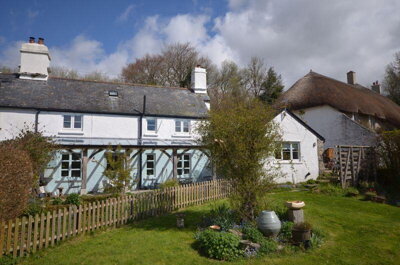
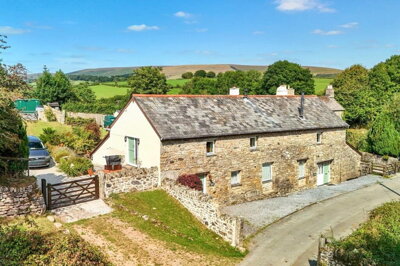
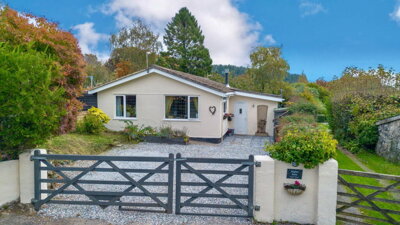
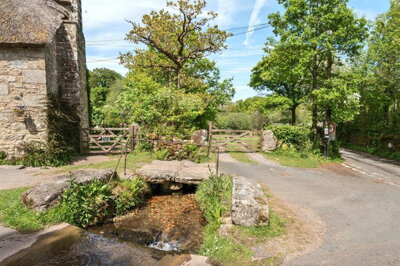
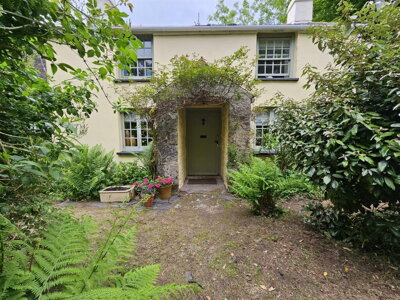
Browse 5 homes for sale in Widecombe-in-the-Moor from local estate agents.
Three bedroom properties represent a significant portion of the Widecombe In The Moor housing market, offering space for families with multiple reception rooms and gardens in many cases. Browse detached, semi-detached, and terraced options ranging from period character homes to contemporary developments.
The Widecombe-in-the-Moor property market has demonstrated remarkable resilience, with average prices climbing almost a third compared to the previous year. Detached properties form the majority of recent sales in this Dartmoor village, averaging £722,800 and reflecting buyer demand for spacious family homes with moorland views. Semi-detached properties have sold for an average of £395,000, offering more accessible entry points for those seeking traditional village living without the premium attached to detached accommodation.
Despite recent growth, current prices remain approximately 20% below the 2019 peak of £698,000, presenting opportunities for buyers who missed the previous market high. The village's property stock is overwhelmingly traditional, with buildings dating from the 16th century through to the late 19th and early 20th centuries. No active new-build developments exist within the village's specific postcode area, meaning purchasers in Widecombe-in-the-Moor acquire properties with genuine historical character rather than modern constructions.
A 2016 Housing Needs Assessment identified demand for six affordable units in the village, with two affordable units delivered on other sites since 2008, highlighting ongoing community efforts to maintain housing accessibility. Concerns exist within the community about the housing crisis affecting affordability for working-class and lower-middle-class buyers, with fears that rising property values may gradually hollow out the community character that makes Widecombe-in-the-Moor so desirable. This tension between desirability and affordability shapes the local market dynamics significantly.
For investors, the village's popularity with tourists and connection to the famous "Widecombe Fair" folk song support a robust holiday let market. The lack of new developments means demand for character properties consistently outstrips supply, providing potential for capital appreciation over time. However, Teignbridge District Council maintains affordable housing policies, and any future development would need to demonstrate it serves identified local needs within the parish.

Widecombe-in-the-Moor offers an exceptional quality of life surrounded by some of England's most dramatic moorland scenery. The parish is notably large and sprawling, encompassing numerous isolated cottages and working moorland farms that dot the landscape around the main village centre. During tourist season, the village population of permanent residents more than doubles, testament to the area's appeal as a destination for visitors seeking authentic Dartmoor experiences. The Church House hosts a weekly village market where local artisans sell handmade crafts, produce, and gifts, providing a focal point for community interaction.
The village derives much of its economic activity from tourism, capitalising on its scenic beauty and connections to the famous "Widecombe Fair" folk song that tells the tale of Uncle Tom Cobley and company travelling to the fair. Two traditional pubs, The Old Inn dating from the 1500s and The Rugglestone Inn, provide convivial venues for residents and visitors alike, while gift shops and a village cafe complete the local amenity offering. The Old Inn, along with Glebe House (dated 1527) and the Church House, represents some of the oldest surviving buildings in the village, their timber-framed construction and thatched or slate roofs exemplifying traditional West Country architecture.
Community life in Widecombe-in-the-Moor centres around village events and traditional gatherings that have persisted for generations. The annual Widecombe Fair, held each September, draws visitors from across the country to celebrate the village's unique heritage and traditions. Beyond the fair, the village hosts regular markets, events, and gatherings that foster the strong sense of community that residents prize. For families, the village offers a safe, nurturing environment where children can grow up knowing their neighbours and participating in community life from an early age.
Some concerns exist within the community about the housing crisis affecting affordability for working-class and lower-middle-class buyers, with fears that rising property values may gradually hollow out the community character that makes Widecombe-in-the-Moor so desirable. The 2016 Housing Needs Assessment recognised these concerns, identifying a need for affordable housing provision to ensure the village remains accessible to local people. Prospective buyers should be aware of these sensitivities and the community's desire to maintain a balanced population mix.

Families considering a move to Widecombe-in-the-Moor will find educational provision centred around the wider Teignbridge district, with primary schooling available in nearby villages and towns. The village itself has historically served as a focal point for the surrounding rural community, with local schools serving scattered settlements across the moorland landscape. School transport arrangements are essential considerations for families, as the rural nature of the parish means children may travel significant distances to reach their nearest school.
The wider Teignbridge area and Dartmoor National Park host several primary schools that serve the local village communities, with Ofsted-rated establishments providing education for children up to age eleven. Primary schools in nearby towns and villages typically serve as catchment schools for Widecombe-in-the-Moor, with bus services providing transport for pupils who live beyond walking distance. Parents should research specific catchment areas and school performance data when considering properties in Widecombe-in-the-Moor, as these arrangements can significantly impact family logistics.
Secondary education options are typically accessed through daily transport links to larger towns in Devon, where a broader range of secondary schools and sixth-form colleges operate. The nearest secondary schools are located in towns including Newton Abbot, which offers comprehensive schools serving the wider Teignbridge area. Sixth-form provision is available at colleges in these larger towns, with students typically commuting daily or boarding during the week.
The community's strong family traditions and village events provide excellent opportunities for children to grow up within a supportive, close-knit environment that many buyers find invaluable. Outdoor activities are central to life in Widecombe-in-the-Moor, with children having access to extensive moorland footpaths, bridleways, and open spaces that form the backdrop to daily life. The village market and community events offer additional educational and social opportunities, while the Church of England primary schools in nearby villages provide faith-based education aligned with the village's traditional values.
Transport connections from Widecombe-in-the-Moor reflect its status as a small rural village within Dartmoor National Park, with residents primarily relying on private vehicles for daily commuting and larger journeys. The village sits within the stunning moorland landscape, with the A38 and other major roads providing routes to larger towns including Exeter, Plymouth, and Newton Abbot. Local bus services connect Widecombe-in-the-Moor to surrounding villages and market towns, though frequency may be limited compared to urban areas.
The scenic nature of the surrounding moorland makes driving a popular option for those who appreciate the journey as much as the destination, with spectacular views available along the approach roads to the village. Routes through the National Park offer constantly changing scenery as weather and seasons alter the character of the moorland. The A38 provides relatively quick access to Exeter (approximately 30 miles) and Plymouth (approximately 25 miles), while the smaller A383 connects to Newton Abbot and the south Devon coast.
For residents requiring rail connections, the nearest mainline railway stations are located in Newton Abbot and Exeter St Davids, offering direct services to major cities including London Paddington. Newton Abbot station provides regular services to London Paddington with journey times of approximately two and a half hours, while Exeter St Davids offers additional route options and faster services. Aviemore connects to the national rail network, making Widecombe-in-the-Moor accessible from locations across the UK.
Walking and cycling are popular local activities, with extensive public footpaths and bridleways providing access to the open moorland that forms the backdrop to daily life in Widecombe-in-the-Moor. The village sits within an extensive network of rights of way, offering routes for all abilities across the National Park. For commuters working from home, superfast broadband is increasingly available in the village, enabling residents to enjoy the rural lifestyle while maintaining professional connections.
Start by exploring current listings in Widecombe-in-the-Moor to understand the property types available and price ranges. Given the village's lack of new-build developments, most properties will be character homes requiring careful assessment of condition and historical features. Properties range from 16th-century farmhouses to cottages converted from agricultural buildings in the 1950s, with prices reflecting location, size, and condition.
Contact lenders or mortgage brokers to obtain an Agreement in Principle before viewing properties. This demonstrates your seriousness to sellers and helps you understand your true budget when considering properties averaging £558,900. Specialist rural mortgage brokers may offer products suitable for traditional and Listed properties, which sometimes require different lending criteria than standard residential homes.
Arrange viewings to assess properties firsthand, paying particular attention to the condition of traditional building materials including granite walls and slate roofs that characterise properties in this Conservation Area village. Examine windows, doors, and exterior finishes for signs of deterioration or inappropriate modern replacements that may require remediation to comply with conservation guidance.
Given the age of many Widecombe-in-the-Moor properties, we recommend a RICS Level 2 Survey for modern houses or a Level 3 Building Survey for properties built before 1920. These reports identify defects common in older construction including roof condition, damp issues, and structural movement. Our surveyors have experience with traditional West Country construction methods including cob walls and historic lime mortar pointing.
Appoint a solicitor experienced in Dartmoor properties to handle legal work, searches, and contracts. They will check local planning constraints, Conservation Area requirements, and any covenants affecting the property. Specialist knowledge of Listed Building obligations and National Park planning policies is essential when purchasing in Widecombe-in-the-Moor.
Once searches are satisfactory and finance is confirmed, your solicitor will coordinate the exchange of contracts and set a completion date. At this point, you will pay your deposit and await the keys to your new Widecombe-in-the-Moor home. Completion typically takes place at a solicitor's office or remotely, with keys handed over by the previous owner or their agent.
Properties in Widecombe-in-the-Moor are subject to strict planning controls as a designated Conservation Area within Dartmoor National Park. Any modifications to properties, including window replacements, extensions, or alterations to exterior finishes, may require planning permission from the National Park Authority. Buyers should investigate these constraints before purchasing, as restrictions on uPVC windows and modern extensions reflect the community's commitment to preserving traditional character built from exposed granite walls and grey-blue slate roofs. The Dartmoor National Park Authority has published detailed guidance on appropriate materials and designs that owners should follow.
The village's historical properties present both opportunities and considerations for buyers. Buildings dating from the 16th century, including the Church House, The Old Inn, and Glebe House, demonstrate the traditional construction methods including cob and solid-wall structures that remain prevalent throughout the village. Many properties feature original features such as exposed beam ceilings, open fireplaces, and flagstone floors that require ongoing maintenance but contribute significantly to the character and value of the property. Understanding these traditional building methods helps buyers appreciate both the charm and the maintenance responsibilities that come with historic properties.
The British Geological Survey indicates that the potential hazard from shrink-swell clays in the immediate vicinity of Widecombe-in-the-Moor is very low, suggesting generally stable ground conditions. However, a thorough survey should still assess foundation conditions and any historical movement in older properties. The solid-wall construction common in historic Dartmoor properties can be susceptible to damp penetration if original lime mortar pointing has been replaced with cement, which traps moisture and can cause deterioration of the stonework. Standard surveys should specifically examine the condition of pointing and any signs of past movement.
Properties with thatched roofs may carry higher maintenance costs and insurance premiums, while Listed Buildings carry additional obligations for preservation. Of the eleven Listed Buildings within the Conservation Area, several have thatched roofs, which require specialist maintenance every 10-15 years and may attract higher insurance costs. Grade I and Grade II* listings impose the most stringent requirements, meaning any works affecting the character or structure of the building require consent from Historic England. Buyers should factor these ongoing responsibilities into their purchasing decision and budget accordingly for specialist maintenance work.
Properties in Widecombe-in-the-Moor sold for an average price of £558,900 over the past year, according to Rightmove data. Detached properties were the dominant sales type, averaging £722,800, while semi-detached homes sold for around £395,000. Prices have risen almost a third compared to the previous year, though they remain approximately 20% below the 2019 peak of £698,000, suggesting potential value opportunities for buyers who missed the previous market high.
Widecombe-in-the-Moor falls under Teignbridge District Council for council tax purposes. Specific band allocations vary by property depending on the valuation band assigned by the Valuation Office Agency. Properties in this scenic Dartmoor village range from historic cottages to larger detached homes, each assigned to bands A through H based on their assessed value. The village's traditional stone and cob properties often fall into mid-range bands, though larger detached homes with moorland views may attract higher valuations.
Widecombe-in-the-Moor is a small rural village, with primary education typically provided in nearby communities accessible by school transport. The wider Teignbridge area offers several Ofsted-rated primary and secondary schools, with detailed performance data available through government websites. Families should research specific catchment areas and consider transport arrangements when choosing a property, as rural school provision requires careful planning. Secondary schools in Newton Abbot typically serve the area, with school buses providing daily transport for pupils from Widecombe-in-the-Moor.
Public transport options in Widecombe-in-the-Moor reflect its status as a small Dartmoor village, with local bus services connecting to surrounding towns and villages on limited timetables. The nearest mainline railway stations are in Newton Abbot (approximately 14 miles) and Exeter St Davids (approximately 30 miles), providing services to London Paddington and other major destinations. Most residents rely on private vehicles for daily commuting and larger journeys, while the village offers excellent walking and cycling routes across the moorland landscape for local travel.
Widecombe-in-the-Moor offers strong appeal as an investment destination given its location within Dartmoor National Park and limited new-build supply. The village's popularity with tourists, connection to the famous "Widecombe Fair" folk song, and traditional pub trade support a robust holiday let market. The lack of new developments means demand for character properties consistently outstrips supply. However, buyers should note that Teignbridge has affordable housing policies and the community has expressed concerns about properties becoming unaffordable for local residents, with a 2016 Housing Needs Assessment highlighting the need for six affordable units.
Standard SDLT rates apply for purchases in Widecombe-in-the-Moor, with 0% charged on properties up to £250,000, 5% on the portion from £250,001 to £925,000, and 10% on the portion from £925,001 to £1.5 million. First-time buyers pay 0% up to £425,000 with 5% on the portion from £425,001 to £625,000. Given the village's average price of £558,900, most buyers would expect to pay SDLT on £308,900 at the 5% rate, resulting in approximately £15,445 in tax, while first-time buyers would pay around £6,700.
From 4.5%
Expert mortgage advice for Widecombe-in-the-Moor properties
From £499
Specialist solicitors for Dartmoor properties
From £350
Ideal for properties built from 1920 onwards
From £600
Recommended for historic properties built pre-1920
Purchasing a property in Widecombe-in-the-Moor involves several costs beyond the property purchase price. The current SDLT thresholds for 2024-25 set the nil rate band at £250,000 for standard purchases, meaning buyers of properties at the village average price of £558,900 would pay SDLT on £308,900 at the 5% rate, resulting in a tax liability of approximately £15,445. First-time buyers benefit from a higher threshold of £425,000, reducing their SDLT liability to around £6,700 on a typical village property. These costs should be factored into your overall budget alongside the purchase price.
Additional buying costs include solicitor fees for conveyancing, which typically range from £499 to £1,500 depending on complexity and property value. Given the Conservation Area status and potential Listed Building considerations in Widecombe-in-the-Moor, conveyancing may involve additional searches and specialist advice that could increase costs slightly. Your solicitor will conduct local authority searches with Teignbridge District Council, environmental searches, and drainage searches specific to the Dartmoor area.
Survey costs should be budgeted at £350-600 for a RICS Level 2 Survey or £600+ for a Level 3 Building Survey given the age of many Widecombe-in-the-Moor properties. Our surveyors have experience assessing traditional West Country construction, including cob walls, granite construction, and slate or thatched roofs that characterise local properties. The detailed assessment provided by these surveys can identify defects that might otherwise prove costly after purchase, making them money well spent on historic village properties.
Searches specific to the Dartmoor area and Teignbridge district will be required by your solicitor, while mortgage arrangement fees and valuation fees may apply depending on your lender. We recommend budgeting approximately 2-3% of the purchase price for these additional costs to ensure your purchase proceeds smoothly. For a property at the village average price of £558,900, this translates to roughly £11,000-17,000 in additional buying costs beyond the purchase price itself.
Properties for Sale In London

Properties for Sale In Plymouth

Properties for Sale In Liverpool

Properties for Sale In Glasgow

Properties for Sale In Sheffield

Properties for Sale In Edinburgh

Properties for Sale In Coventry

Properties for Sale In Bradford

Properties for Sale In Manchester

Properties for Sale In Birmingham

Properties for Sale In Bristol

Properties for Sale In Oxford

Properties for Sale In Leicester

Properties for Sale In Newcastle

Properties for Sale In Leeds

Properties for Sale In Southampton

Properties for Sale In Cardiff

Properties for Sale In Nottingham

Properties for Sale In Norwich

Properties for Sale In Brighton

Properties for Sale In Derby

Properties for Sale In Portsmouth

Properties for Sale In Northampton

Properties for Sale In Milton Keynes

Properties for Sale In Bournemouth

Properties for Sale In Bolton

Properties for Sale In Swansea

Properties for Sale In Swindon

Properties for Sale In Peterborough

Properties for Sale In Wolverhampton

Enter your details to see if this property is within your budget.
Loans, cards, car finance
Estimated property budget
Borrowing + deposit
You could borrow between
Typical borrowing
Monthly repayment
Est. at 4.5%
Loan-to-value
This is an estimate only. Your actual budget may vary depending on interest rates, credit history, and personal circumstances. For an accurate affordability assessment, speak to one of our free mortgage advisors.
This calculator provides estimates for illustrative purposes only and does not constitute financial advice. Your home may be repossessed if you do not keep up repayments on your mortgage. Estimates based on 4.5% interest rate, repayment mortgage. Actual rates depend on your circumstances.
Homemove is a trading name of HM Haus Group Ltd (Company No. 13873779, registered in England & Wales). Homemove Mortgages Ltd (Company No. 15947693) is an Appointed Representative of TMG Direct Limited, trading as TMG Mortgage Network, which is authorised and regulated by the Financial Conduct Authority (FRN 786245). Homemove Mortgages Ltd is entered on the FCA Register as an Appointed Representative (FRN 1022429). You can check registrations at NewRegister or by calling 0800 111 6768.

We use cookies to show you personalised content and improve your experience of our website. Find out more in our Privacy policy and Cookie policy.