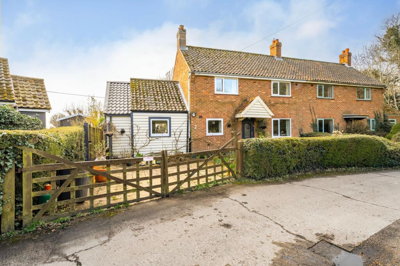
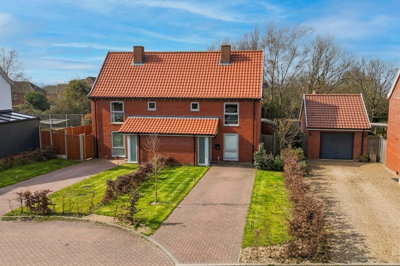
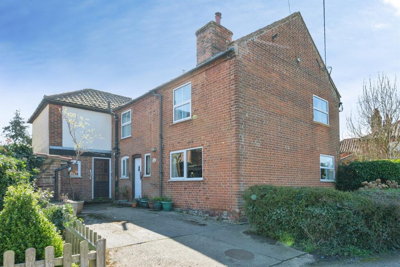
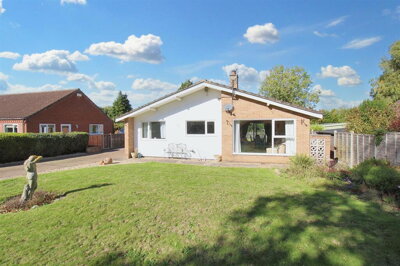
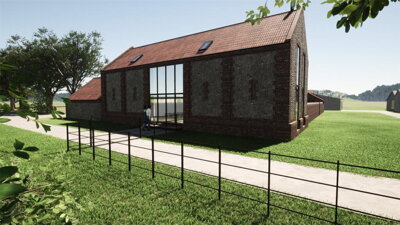
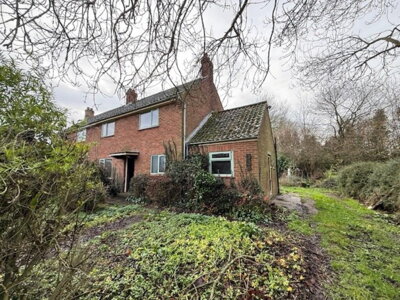
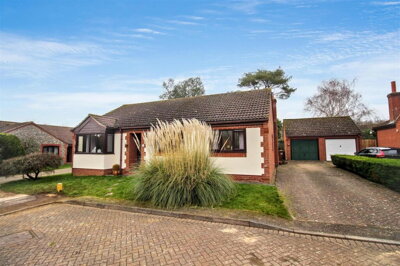
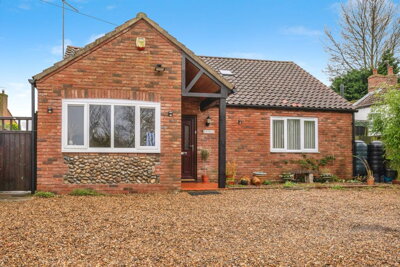
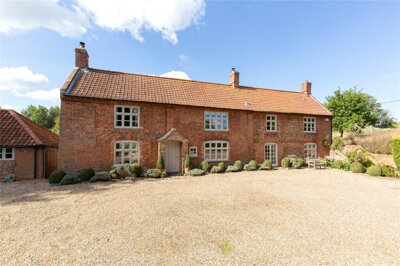
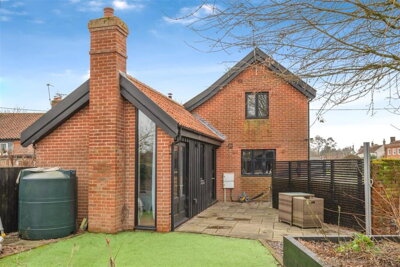
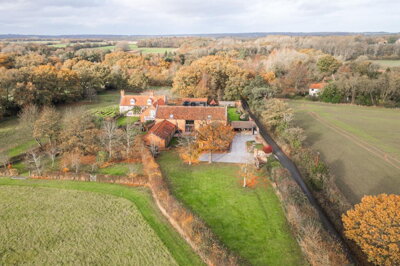
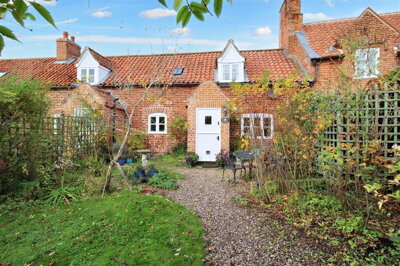
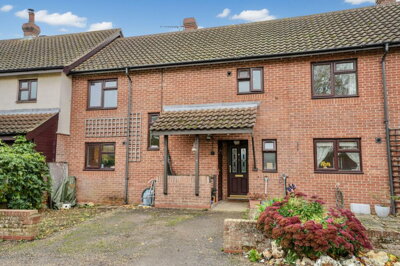
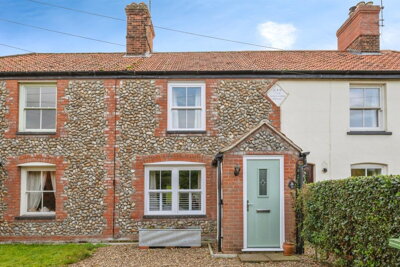
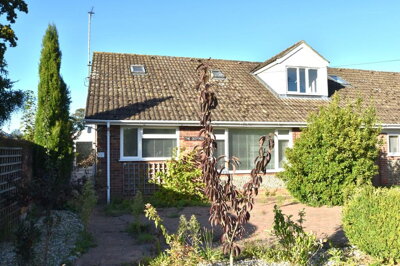
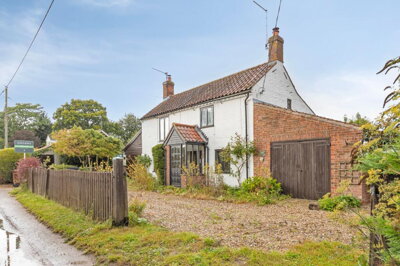
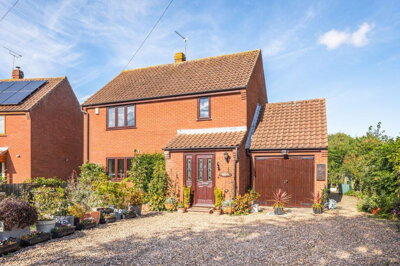
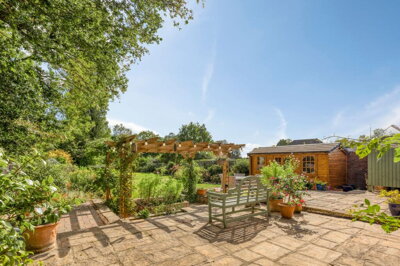
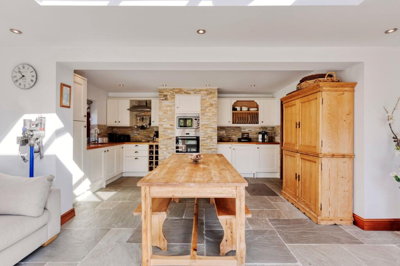
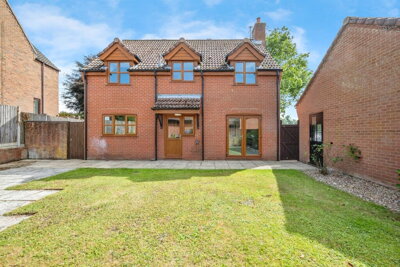
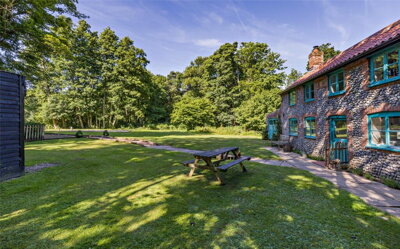
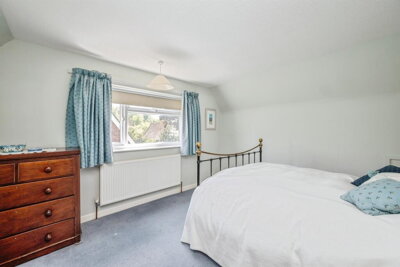
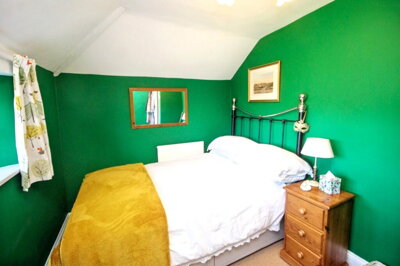
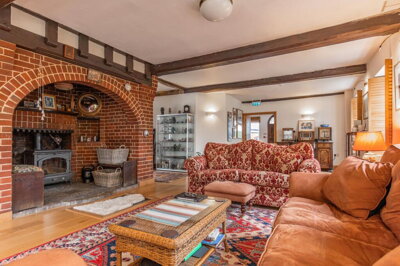
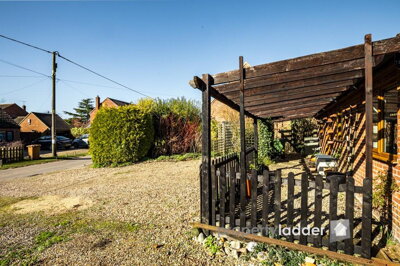
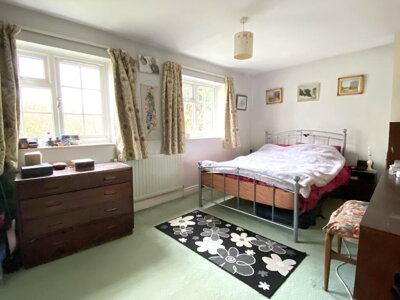
Browse 29 homes for sale in Wickmere, North Norfolk from local estate agents.
The Wickmere property market offers detached, semi-detached, and terraced houses spanning various price ranges and neighbourhoods. Each listing includes detailed property information, photographs, and direct contact with the marketing agent.
£0k
0
0
0
Source: home.co.uk
Showing 0 results for Houses for sale in Wickmere, North Norfolk.
The Tenbury property market presents a picture of steady, sustainable growth within a genuinely rural context. Our listings reveal a healthy mix of property types that reflect the towns historic character and gradual expansion over the centuries. Detached homes dominate the upper end of the market at an average of £408,034, offering generous gardens and the space that families increasingly seek. Semi-detached properties average £265,392 and represent excellent value compared to similar homes in nearby Worcester or the West Midlands conurbation, where prices can easily run 30-40% higher. Terraced properties averaging £215,700 provide an accessible entry point for first-time buyers looking to establish themselves in this attractive corner of Worcestershire.
The housing stock in Tenbury reflects its development over many centuries. According to 2021 Census data for the Tenbury and Hanley area, detached properties account for 38.6% of homes, semi-detached for 30.6%, terraced for 19.1%, with flats and maisonettes making up the remaining 10.9%. This distribution shows a market weighted toward family-sized homes with gardens, quite different from urban areas where flats dominate. New build activity in the WR15 postcode area remains limited, with no major active developments verified at the time of writing, meaning most buyers purchase existing properties where the character and construction history are immediately apparent.
Property values in Tenbury have shown remarkable stability over recent years, with the 0.51% decrease in the past 12 months reflecting a market that has not experienced the dramatic price fluctuations seen in some urban areas. This stability makes Tenbury particularly attractive to buyers who want to invest in a property without the anxiety of rapid market shifts. The limited supply of new homes in the area helps maintain values, while continued demand from buyers seeking rural lifestyle options supports the market for years to come.

Life in Tenbury revolves around its role as a traditional market town serving the surrounding rural communities of the Teme Valley. With a population of approximately 4,924 residents across 2,210 households, the town maintains an intimate scale where neighbours know each other and local businesses thrive on repeat customers. The historic town centre clusters around the Market Square, where a weekly market has drawn buyers and sellers for centuries. Local shops include independent butchers, bakeries, cafes, and antique dealers, alongside everyday amenities such as a post office, pharmacy, and GP surgery. The absence of major chain stores preserves Tenbury distinctive retail character and supports the local economy.
The River Teme runs through the heart of Tenbury, providing both aesthetic appeal and recreational opportunities. The riverbanks offer pleasant walks, and the surrounding countryside provides excellent rambling terrain with views across the Teme Valley. The towns Georgian and Victorian heritage is evident in its architecture, with many timber-framed buildings, red brick properties, and rendered facades creating an attractive streetscape. A Conservation Area protects the historic town centre, recognising the architectural significance of buildings that span several centuries of English construction. Community life centres on local schools, the church, village halls, and seasonal events that bring residents together throughout the year.
Tenbury serves as an important market town for the surrounding agricultural area, with farming and related services forming the backbone of the local economy alongside tourism, healthcare, and education. The towns accessibility to larger centres like Worcester and Ludlow makes it popular with those who work in cities but want to enjoy countryside living. The quality of life here attracts families, retirees, and professionals seeking a slower pace without the pressures of urban life.

Education provision in Tenbury serves families with children of all ages within the town itself and the surrounding villages. Tenbury Primary Academy provides reception through to Year 6 education, giving younger children the benefit of a local school with strong community ties. The school occupies a central position in the town, and its pupils often walk to lessons from homes within the conservation area. For secondary education, pupils typically travel to schools in nearby towns, with several options within reasonable commuting distance by school transport. Families moving to Tenbury should research the transport arrangements carefully, as school bus services may affect which year groups can realistically attend which schools.
For families prioritising educational provision, viewing the specific schools during property searches and speaking directly with school admissions teams provides the most accurate information for planning purposes. Beyond statutory education, Tenbury offers opportunities for continued learning and extracurricular activities. Local organisations provide music tuition, sports clubs, and youth groups that complement the formal curriculum. Parents researching schools should check current Ofsted ratings and admission criteria, as these can change and catchment areas may influence placement offers.
The presence of good primary education within a market town setting is a significant factor for families considering a move to the area. Tenbury primary school serves as a focal point for the local community, and many families specifically choose properties within walking distance of the school when relocating to the town. For secondary-aged children, the travel time to schools in surrounding towns is worth factoring into any property search, particularly for those with complex extracurricular schedules or limited transport options.
Transport connectivity from Tenbury reflects its position as a rural market town, with road travel being the primary means of getting around. The town sits at the intersection of roads connecting to Worcester, Ludlow, Leominster, and Kidderminster, providing access to wider amenities and employment centres. For commuters working in Worcester, the journey takes approximately 40 minutes by car, while Birmingham is reachable in around an hour and a quarter under normal traffic conditions. The A456 provides connections toward the West Midlands, and the nearby A49 links north-south routes through Herefordshire and Shropshire.
Public transport options are more limited than in urban areas, as is typical for rural towns of this size. Bus services connect Tenbury with surrounding villages and nearby towns on scheduled routes, though frequency may be lower than urban routes. Rail access requires travelling to larger stations in nearby towns, which may influence commuting options for those working in major cities. However, many residents who choose Tenbury do so specifically for the quality of life offered by countryside living and accept the trade-off in transport convenience.
For those working from home or running businesses online, the excellent broadband infrastructure now available in many rural areas reduces the practical impact of limited public transport. The ability to work remotely has transformed the viability of living in rural locations like Tenbury, allowing residents to enjoy the countryside lifestyle while maintaining careers that previously would have required urban proximity. When searching for properties in Tenbury, prospective buyers should verify broadband speeds at specific addresses, as coverage can vary even within short distances.
Properties in Tenbury showcase the traditional building methods that have shaped English rural architecture over several centuries. Local red brick features prominently in many period properties, quarried from clay deposits in the surrounding area. Some historic buildings display visible timber framing, particularly in the older structures within the Conservation Area where exposed beams and black-and-white facades contribute to the towns distinctive character. Local sandstone, sourced from nearby quarries, appears in older properties and public buildings including the parish church, demonstrating the craftsmanship of local builders throughout history.
Traditional solid wall construction predominates in Tenbury older properties, built before the cavity wall techniques that became standard after the Second World War. These solid walls, whether brick, stone, or rendered over timber frame, require different maintenance approaches than modern cavity walls. The lack of a cavity can lead to greater susceptibility to penetrating damp, particularly in exposed locations, and owners should ensure adequate ventilation to prevent condensation issues. Understanding these construction methods helps buyers appreciate both the character and the maintenance requirements of period properties in the area.
Roofing across Tenbury typically features slate or clay tiles, reflecting the traditional materials used throughout Herefordshire and Worcestershire. Many roofs on older properties will have been replaced over the years, with modern concrete tiles sometimes used in more recent work. Leadwork on chimneys and valleys requires regular inspection, and buyers should look for signs of deterioration in these critical areas. The age of the local housing stock means that electrical wiring, plumbing, and heating systems often require updating to meet current standards, particularly in properties that have not been renovated in recent decades.
The age and construction of many properties in Tenbury means that certain defects occur more frequently than in newer housing stock. Damp problems rank among the most common issues found during surveys of period properties, whether rising damp through solid walls lacking a damp-proof course, penetrating damp through damaged render or roof defects, or condensation resulting from inadequate ventilation. Given the local geology with alluvial clay deposits along the River Teme, properties in low-lying areas are particularly susceptible to moisture-related issues that affect both the structure and the living environment.
Timber defects represent another significant category of problems in Tenbury older homes. Wet rot, dry rot, and woodworm infestations can affect structural timbers and joinery, particularly in properties where maintenance has been neglected or where damp has been allowed to penetrate. Our inspectors regularly find evidence of timber deterioration in properties with original sash windows, traditional floor structures, and roof frames. These issues are often remediable but require professional assessment and appropriate remedial work to prevent recurrence.
Foundation movement related to shrink-swell clay soils occurs in parts of Tenbury, particularly during periods of drought followed by wet weather. The mudstone bedrock and alluvial clay deposits in the area can cause ground movement that affects properties built without modern foundation techniques. Signs of such movement include cracking in walls, doors that stick or fail to close properly, and uneven floors. Our inspectors assess these issues carefully, distinguishing between historical movement that has stabilised and active movement that may require further investigation or remedial underpinning.
Properties in Tenbury require careful inspection given the significant proportion of older homes in the local housing stock. The towns geology presents particular considerations, as the underlying mudstone and alluvial clay deposits create potential shrink-swell risk that can affect foundations over time. Look for signs of subsidence such as cracking in walls, doors that stick, or uneven floors. Properties built before modern foundation standards may show movement over their lifetime, though this does not necessarily indicate serious problems if movement has stabilised and appropriate remedial work has been carried out.
Flood risk from the River Teme affects properties in low-lying areas near the river, and Tenbury has experienced significant flooding events in the past. Ask estate agents and neighbours about flood history and check whether the property has flood resilience measures installed. Surface water flooding can also occur during heavy rainfall due to drainage capacity limitations. Consider properties with elevated positions or adequate drainage systems when evaluating options in this area.
The Conservation Area status of the town centre brings planning considerations for buyers. Properties within the Conservation Area may face restrictions on alterations, extensions, and exterior changes to preserve the historic character. Listed Buildings carry additional requirements and may need specialist surveys beyond a standard RICS Level 2 assessment. If you are considering any works to a period property, consult the Malvern Hills District Council planning department before committing to a purchase. Our team can recommend specialist surveyors experienced in historic buildings if the property you are considering requires this level of expertise.
Start by browsing current listings on Homemove to understand what is available within your budget. With properties ranging from terraced cottages at £215,700 to detached family homes at £408,034, identify areas and property types that match your requirements. Visit the town at different times to get a feel for the community and check local amenities. Consider spending time in the Market Square on a Thursday when the traditional market is held to experience the towns atmosphere firsthand.
Before arranging viewings, obtain a mortgage agreement in principle from a lender. This demonstrates your seriousness to sellers and estate agents while helping you understand your realistic budget. Our mortgage partners can connect you with competitive rates and specialist advice for buyers purchasing in rural areas. For properties in the WR15 postcode, several lenders offer products specifically designed for older properties, which may be relevant given the prevalence of period construction in Tenbury.
Once you have identified properties of interest, arrange viewings through the listed estate agents. Take time to examine the property thoroughly and note any potential issues. Given Tenbury historic housing stock, pay particular attention to the condition of roofs, timber elements, and signs of damp in older properties. We recommend visiting properties at least twice, including once in wet weather if possible, to assess how the building performs under different conditions.
Before completing your purchase, arrange a RICS Level 2 Survey to assess the condition of the property. Given Tenbury many period properties, surveys typically cost between £400 and £700 depending on property size. This professional assessment identifies defects that may not be visible during viewings, from roofing issues to potential damp problems. Our survey partners understand local construction methods and can provide thorough assessments that give you confidence in your purchase.
Choose a solicitor with experience in rural property transactions to handle the legal aspects of your purchase. They will conduct searches, review contracts, and coordinate with your mortgage lender to ensure a smooth transaction. Our conveyancing partners offer transparent pricing and specialist knowledge of Worcestershire property law, including experience with Conservation Area and Listed Building transactions that require additional attention.
Once all searches are satisfactory and financing is confirmed, you will exchange contracts and pay your deposit. Completion typically follows within weeks, at which point you will receive your keys and take ownership of your new Tenbury home. We recommend arranging building insurance from the moment contracts are exchanged to protect your investment against any unexpected events during the final stages of the transaction.
The average house price in Tenbury Wells is £304,874 as of February 2026, based on Land Registry data. Detached properties average £408,034, semi-detached homes £265,392, terraced properties £215,700, and flats around £135,000. House prices have decreased modestly by 0.51% over the past 12 months, indicating a stable market rather than rapid price inflation or contraction. This stability makes Tenbury an attractive option for buyers seeking predictable property values in a rural setting.
Properties in Tenbury fall under Malvern Hills District Council and are assigned council tax bands A through H depending on property value and type. Most terraced properties and smaller homes fall into bands A to C, while larger detached homes may be in bands D through F. You can check the specific band for any property through the Valuation Office Agency website using the property address. Council tax for a typical band D property in the Malvern Hills area currently runs to approximately £1,800 per year.
Tenbury Primary Academy serves local children for Reception through Year 6, with the school located centrally in the town and serving families from across the WR15 postcode area. For secondary education, families typically consider schools in surrounding towns including those in Herefordshire and Shropshire, accessible by school transport or car. When researching schools, check current Ofsted inspection reports and consider visiting during open days to assess which establishment best matches your child educational needs and family circumstances.
Public transport in Tenbury reflects its rural location, with scheduled bus services connecting the town to nearby villages and larger centres including Worcester, Ludlow, and Leominster. However, frequency is limited compared to urban areas, with some routes operating only on specific days. Road travel remains the primary transport option, with the town well-positioned for access to the A456 and A49 roads connecting to the wider West Midlands region. For commuters to Worcester, the 40-minute drive is generally straightforward outside peak hours, though those working in Birmingham should allow around 75 minutes.
Tenbury offers several attractions for property investors and homebuyers seeking rural lifestyle values. The gap between Tenbury prices and those in nearby Worcester or Birmingham creates potential for long-term value appreciation as buyers are priced out of urban markets and seek countryside alternatives. Limited new build supply in the WR15 area helps maintain property values, while the towns market town status ensures continued demand for housing from families and individuals valuing the community atmosphere and scenic setting. Properties with character features in the Conservation Area tend to hold their value well, particularly those that have been sympathetically modernised.
For standard residential purchases, stamp duty rates are 0% on the first £250,000, 5% on £250,001 to £925,000, 10% on £925,001 to £1.5 million, and 12% on any amount above £1.5 million. First-time buyers receive relief on the first £425,000, with 5% charged between £425,001 and £625,000. At Tenbury average price of £304,874, a first-time buyer would pay no stamp duty, while a moving buyer would pay approximately £2,743. For additional property purchases, the 3% surcharge applies on top of these rates.
The primary risks when purchasing older properties in Tenbury include damp (particularly in solid-walled construction without damp-proof courses), timber defects such as rot and woodworm, roofing wear on slate and tile roofs, and potential foundation movement due to shrink-swell clay soils. Flood risk near the River Teme affects some properties, and Conservation Area or Listed Building status may restrict future alterations. A thorough RICS Level 2 Survey is essential to identify these issues before completing your purchase, and our survey partners understand the specific construction methods used in this area.
Tenbury has experienced significant flooding events from the River Teme in the past, with properties in low-lying areas near the river being most at risk. Surface water flooding can also occur during heavy rainfall due to the capacity of local drainage systems. Before purchasing any property near the river or in lower areas of Tenbury, ask the seller and neighbours about flood history, check the Environment Agency flood risk maps, and consider whether the property has flood resilience measures installed. Buildings insurance may be more expensive for properties with a known flood risk.
Tenbury has a notable concentration of Listed Buildings within its Conservation Area, reflecting the towns historic significance and architectural heritage. Properties that are Listed (either Grade I, Grade II*, or Grade II) carry additional planning restrictions and require consent for most alterations, extensions, and even some maintenance work. If you are considering purchasing a Listed Building, factor in the potential costs of specialist surveys and the time required for obtaining listed building consent. Our recommended surveyors include specialists experienced in historic buildings who can advise on the implications of listing status.
Understanding the full costs of purchasing property in Tenbury helps you budget accurately and avoid surprises at the point of completion. Beyond the property price, buyers should budget for stamp duty, solicitor fees, survey costs, and moving expenses. For a typical terraced property at the average price of £215,700, a first-time buyer would pay no stamp duty while an additional property buyer would pay around £1,214. At the overall average price of £304,874, the stamp duty bill would be £2,743 for a main residence purchase or £8,997 for an additional property including the 3% surcharge.
Survey costs represent an important investment in protecting your purchase. A RICS Level 2 Survey in the Tenbury area typically costs between £400 and £700 depending on the property size and type, with larger detached homes commanding higher fees. Given the age of many properties in Tenbury and the potential for hidden defects in period construction, this cost is money well spent. Conveyancing fees typically start from £499 for standard purchases, though complex transactions involving Listed Buildings or unusual tenure arrangements may cost more. Factor in removal costs, mortgage arrangement fees, and a contingency fund for any issues discovered during the survey process.
When budgeting for your Tenbury purchase, remember that older properties may require ongoing investment in maintenance and upgrading. Electrical rewiring, new heating systems, and damp remediation are common expenses in period properties that buyers should anticipate. Setting aside a contingency fund equivalent to at least 10% of the purchase price for unexpected works is a prudent approach when buying any older property in the area.
From £400
A detailed condition report ideal for most properties including Tenbury period homes
From £600
A comprehensive building survey recommended for older, larger, or unusual properties including Listed Buildings
From £85
Energy Performance Certificate required for all property sales
From £499
Specialist property solicitors experienced in Tenbury and Worcestershire transactions
From 4.5%
Specialist mortgage brokers with access to products suitable for rural properties
Properties for Sale In London

Properties for Sale In Plymouth

Properties for Sale In Liverpool

Properties for Sale In Glasgow

Properties for Sale In Sheffield

Properties for Sale In Edinburgh

Properties for Sale In Coventry

Properties for Sale In Bradford

Properties for Sale In Manchester

Properties for Sale In Birmingham

Properties for Sale In Bristol

Properties for Sale In Oxford

Properties for Sale In Leicester

Properties for Sale In Newcastle

Properties for Sale In Leeds

Properties for Sale In Southampton

Properties for Sale In Cardiff

Properties for Sale In Nottingham

Properties for Sale In Norwich

Properties for Sale In Brighton

Properties for Sale In Derby

Properties for Sale In Portsmouth

Properties for Sale In Northampton

Properties for Sale In Milton Keynes

Properties for Sale In Bournemouth

Properties for Sale In Bolton

Properties for Sale In Swansea

Properties for Sale In Swindon

Properties for Sale In Peterborough

Properties for Sale In Wolverhampton

Enter your details to see if this property is within your budget.
Loans, cards, car finance
Estimated property budget
Borrowing + deposit
You could borrow between
Typical borrowing
Monthly repayment
Est. at 4.5%
Loan-to-value
This is an estimate only. Your actual budget may vary depending on interest rates, credit history, and personal circumstances. For an accurate affordability assessment, speak to one of our free mortgage advisors.
This calculator provides estimates for illustrative purposes only and does not constitute financial advice. Your home may be repossessed if you do not keep up repayments on your mortgage. Estimates based on 4.5% interest rate, repayment mortgage. Actual rates depend on your circumstances.
Homemove is a trading name of HM Haus Group Ltd (Company No. 13873779, registered in England & Wales). Homemove Mortgages Ltd (Company No. 15947693) is an Appointed Representative of TMG Direct Limited, trading as TMG Mortgage Network, which is authorised and regulated by the Financial Conduct Authority (FRN 786245). Homemove Mortgages Ltd is entered on the FCA Register as an Appointed Representative (FRN 1022429). You can check registrations at NewRegister or by calling 0800 111 6768.

We use cookies to show you personalised content and improve your experience of our website. Find out more in our Privacy policy and Cookie policy.