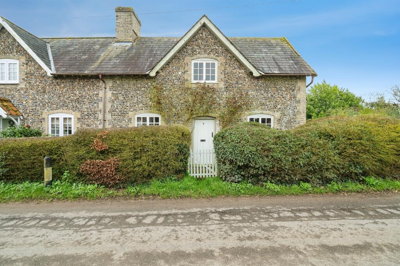
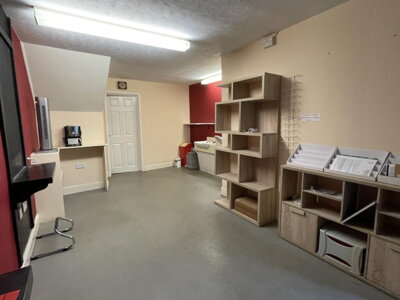
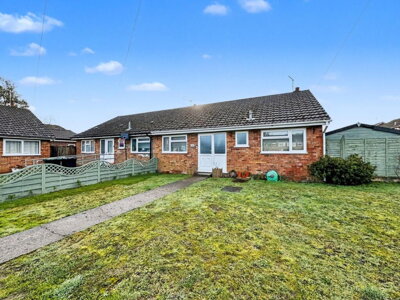
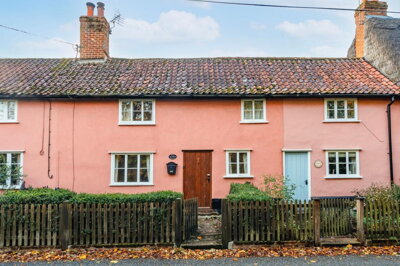
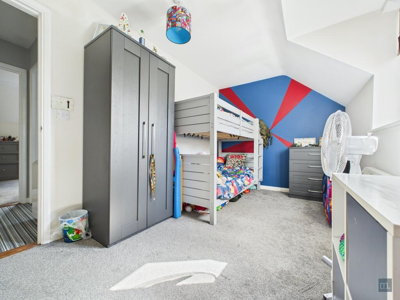
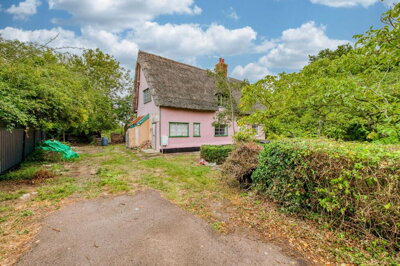
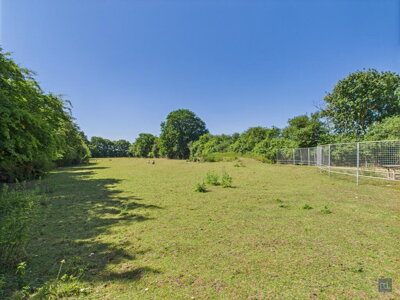
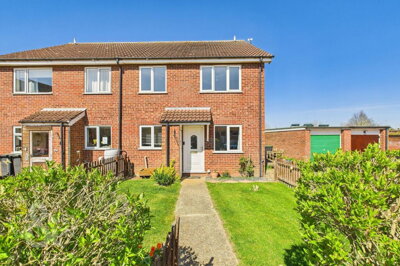
Browse 8 homes for sale in Wickham Skeith from local estate agents.
The 2 bed house market features detached, semi-detached, and terraced properties with two separate bedrooms plus living spaces. Properties in Wickham Skeith range from Victorian and Edwardian period homes to modern new builds, with pricing varying across different neighbourhoods.
The Wickham Skeith property market has demonstrated remarkable resilience and growth in recent years, with the average house price reaching £455,000 over the past twelve months according to data from Rightmove and Zoopla. This figure represents a significant 28% increase compared to the previous year, though it remains 42% below the peak of £788,750 recorded in 2023. The market has therefore experienced some correction from its high point, creating potential opportunities for buyers who missed the previous peak while still reflecting the desirability of rural Suffolk living. Our inspectors frequently survey properties in the IP23 area and have noted the quality of construction and finish common in homes throughout this part of Mid Suffolk.
Within the wider East Suffolk district, property prices vary considerably by type, providing buyers with diverse options depending on their budget and requirements. Detached properties command an average price of £412,000, while semi-detached homes average £271,000. Terraced properties offer more accessible entry points at around £210,000, with flats and maisonettes averaging £145,000. The semi-detached sector has shown particular strength, with prices rising by 2.5% in the year to December 2025, suggesting strong demand for family-sized accommodation in the region. Recent sales on The Street in Wickham Skeith achieved an average price of £352,500, while properties in Dodmans Pightle sold between £275,000 and £365,000 during early 2024.
For buyers considering new build properties, our research indicates limited active development within Wickham Skeith itself, though building plots occasionally become available in nearby villages. The scarcity of new construction in the immediate area means existing properties benefit from enduring demand, as the supply of homes for sale remains constrained by planning restrictions and the village's rural character. We always recommend that buyers factor in potential renovation costs when considering older properties, as many homes in the village may require updates to insulation, wiring, or plumbing systems to meet modern standards.
The East Suffolk market showed steady growth of 1.2% in December 2025 compared to the previous year, indicating continued interest in rural property purchases across the region. Flats in the district saw a slight decrease of 1.7% over the same period, reflecting a broader trend toward larger properties with more outdoor space since the shift to remote working arrangements. Given the village's position within this market, Wickham Skeith properties are likely to remain attractive to buyers seeking additional space and a rural lifestyle without compromising on connectivity.

Wickham Skeith embodies the quintessential English village experience, sitting within the rolling agricultural landscape that characterises much of Mid Suffolk. The village features a mix of historic properties including charming detached homes that were once three separate cottages, alongside more modern developments that have expanded the settlement over recent decades. The presence of a Grade II listed village house in the broader IP23 area underscores the architectural heritage that defines this part of Suffolk, with many properties featuring traditional construction methods and materials typical of the region. Common building materials in this part of rural Suffolk include red brick, Suffolk white brick, and rendered exteriors, reflecting the traditional construction practices that have shaped the local housing stock over generations.
The village community is supported by local amenities in surrounding villages, with residents typically travelling to nearby Eye, Diss, or Stowmarket for broader shopping, healthcare, and leisure facilities. Eye offers a weekly market and several independent shops, while Diss provides access to major supermarkets and a cinema complex. Stowmarket serves as the main commercial hub for Mid Suffolk, hosting a twice-weekly market, retail parks, and the Museum of East Anglian Life. Our team has found that new residents often appreciate having all three towns within easy reach, providing flexibility for different shopping needs and social activities throughout the week.
The surrounding countryside offers extensive walking and cycling opportunities, with the Suffolk lanes providing scenic routes through farmland and woodland. The local footpath network connects Wickham Skeith to neighbouring villages, allowing residents to explore the area without relying on their cars. The rural economy of the area has historical links to agriculture, though many residents now commute to larger towns and cities for work, benefiting from the improved transport connections that link Wickham Skeith to regional employment centres. The village hall serves as a focal point for community activities, hosting regular events that bring together residents of all ages and helping maintain the strong social fabric that defines life in this part of Suffolk.
Families considering a move to Wickham Skeith will find a selection of educational options within reasonable travelling distance of the village. The local area is served by primary schools in surrounding villages, with many small rural schools providing intimate learning environments for younger children. Hartismere School in Eye offers secondary education for students from Wickham Skeith and the surrounding villages, providing a range of GCSE and A-Level courses alongside specialist facilities for arts and sciences. Parents should research specific catchment areas and admission policies when considering properties, as school places can be competitive in popular rural areas.
For families requiring childcare or early years education, several options exist within the local cluster of villages, with childminders and preschool groups operating from village halls and community facilities. The Early Years Foundation Stage curriculum is delivered through various settings, ensuring children are well-prepared for the transition to formal schooling. We often advise families to register interest with schools well in advance of any planned move, as popular rural schools can have waiting lists extending beyond the standard admission timeline.
For families seeking broader educational choices, the presence of independent and grammar schools in larger towns such as Bury St Edmunds and Ipswich provides additional pathways. The King Edward VI School in Bury St Edmunds consistently achieves strong academic results, while Ipswich offers several well-regarded secondary options. Transport arrangements for secondary school pupils typically involve school bus services, which families should factor into their relocation planning. Sixth form colleges in nearby Stowmarket and Diss offer continued education opportunities for older students, with Stowmarket Sixth Form College providing a wide range of A-Level subjects and vocational courses. Those considering grammar school entry should note that the 11-plus examination is administered through Suffolk County Council, with places allocated based on catchment areas and available spaces.

Connectivity from Wickham Skeith is primarily road-based, with the village sitting off local lanes that connect to the A140, providing access to Norwich to the north and Ipswich to the south. The A14 trunk road is accessible within reasonable driving distance, offering connections to Cambridge, Felixstowe port, and the wider motorway network. For local travel, the village benefits from being reasonably equidistant from the market towns of Eye, Diss, and Stowmarket, each of which offers train stations with regular services to major destinations. Residents have found this triangulation particularly useful when planning weekly activities, with each town offering distinct shopping, dining, and entertainment options within approximately 20 minutes drive.
The nearest railway stations are located in Diss and Stowmarket, both offering regular services to London Liverpool Street with journey times typically ranging from around 90 minutes to two hours depending on connections. Diss station provides access to the East Norfolk line, connecting to destinations including Norwich, Great Yarmouth, and Lowestoft. Stowmarket offers connections to both Cambridge via the Cambridge to Ipswich line and the East Suffolk line running to Ipswich and Felixstowe. Our team frequently works with commuters who appreciate having both stations within reach, allowing flexibility when planning journeys to different destinations.
For residents working in Norwich, the journey by car takes approximately 40 minutes under normal traffic conditions, making day commuting feasible for those employed in the city. The drive follows the A140 north through the Suffolk countryside, passing through villages such as Debenham and Framlingham before joining the outer ring road. Bus services connect the village to nearby towns, though schedules may be limited, making car ownership practically essential for most residents. Those considering public transport options should check current timetables with Suffolk County Council, as rural bus routes can be subject to seasonal changes or reduced services during school holidays.
Start by exploring current listings in Wickham Skeith and the surrounding IP23 postcode area. Understand the price ranges for different property types, from terraced homes averaging £210,000 to detached properties at around £412,000. Familiarise yourself with the village character and consider proximity to amenities in nearby Eye, Diss, and Stowmarket. Use our search tool to set up alerts for new listings, as properties in desirable villages like Wickham Skeith can sell quickly once they come to market.
Before viewing properties, obtain a mortgage agreement in principle from a lender. This strengthens your position when making offers and demonstrates your financial readiness to estate agents. Current interest rates vary, so compare deals from multiple providers to secure the most favourable terms for your purchase. Speak with a mortgage broker who understands the rural property market, as they can help navigate the specific challenges of financing homes in smaller communities where property values may differ from urban markets.
View properties that match your criteria, paying attention to the construction type and condition of homes. Many properties in Wickham Skeith are older, so consider whether the character of period properties suits your lifestyle or whether you prefer modern construction methods with cavity wall insulation and updated systems. Our inspectors recommend attending viewings with a checklist covering roof condition, window quality, and signs of damp, particularly in properties with solid wall construction common in older Suffolk homes.
Once your offer is accepted, arrange a RICS Level 2 Survey to assess the property condition. This is particularly important for older properties which may have issues with damp, roof condition, or timber defects. Survey costs typically range from £400 to £1,000 depending on property value. Given the prevalence of older properties in Wickham Skeith, we strongly recommend including checks for subsidence risk associated with clay soils and any timber structural issues common in period homes.
Choose a solicitor to handle the legal aspects of your purchase. They will conduct searches, review contracts, and liaise with the Land Registry. For properties in rural Suffolk, searches may include drainage and environmental agency checks relevant to agricultural areas. Your solicitor should also investigate any rights of way that may cross the property and check for planning conditions that might affect future use or development potential.
Once all searches are satisfactory and finances are confirmed, you will exchange contracts and pay your deposit. Completion typically follows within days or weeks, at which point you will receive the keys to your new home in Wickham Skeith. We recommend arranging buildings insurance to commence from the date of exchange, as you become financially responsible for the property at this point.
Understanding the construction methods used in Wickham Skeith properties is essential for any buyer, particularly given the age of much of the local housing stock. Traditional properties in this part of Suffolk typically feature solid brick or rendered walls constructed with locally sourced materials. Red brick and Suffolk white brick are common, with many homes exhibiting the distinctive weatherboard or pargeting details that characterise the region. Older properties often incorporate timber-framed elements, which were historically used throughout East Anglia and can be found in converted barns and period cottages throughout the village and surrounding countryside.
Many properties in Wickham Skeith predate the widespread introduction of cavity wall insulation, meaning they feature solid external walls that were built without the thermal breaks common in modern construction. This construction type can affect heating efficiency and condensation management, particularly during the colder months when temperature differentials between inside and outside conditions are most pronounced. Our inspectors routinely note that solid wall properties may require additional ventilation measures to prevent moisture accumulation and associated timber decay issues.
The underlying geology of this part of Suffolk includes clay-rich deposits that can present shrink-swell risks for properties with foundations in affected ground conditions. While not all properties will be affected, our surveyors check for signs of structural movement that might indicate ground instability, particularly in areas where mature trees are present close to buildings. Trees can exacerbate shrink-swell issues by extracting moisture from clay soils during dry periods, causing the ground to contract and potentially affecting foundation stability. Regular monitoring and appropriate drainage management can mitigate many of these concerns.
Roof construction in older Wickham Skeith properties typically involves traditional cut or truss roofs covered with clay or concrete tiles. Clay tiles remain common on period properties and can provide excellent durability when properly maintained, though our inspectors frequently note slipped tiles, degraded ridge pointing, and felt deterioration as issues requiring attention. The presence of thatch roofing on some historic properties in the broader IP23 area adds to the architectural character of the region but requires specialist maintenance knowledge and insurance arrangements.
Property buyers considering Wickham Skeith should be aware of several local factors that could affect their purchase. The rural location means that many properties will be served by private drainage systems rather than mains sewerage, which should be inspected and understood before completing. We recommend that buyers arrange for drainage surveys to assess the condition and capacity of septic tanks or treatment plants, as replacement or upgrade costs can be significant. The agricultural nature of the surrounding area also means that farmhouse properties may be subject to Agricultural Occupancy Conditions that restrict occupancy to those employed in agriculture or forestry.
Given the clay-rich soils present in parts of Suffolk, prospective buyers should investigate whether any signs of subsidence or structural movement have affected properties under consideration. Our inspectors pay particular attention to window and door operation, crack patterns in walls, and any evidence of previous repair work that might indicate past structural issues. The presence of mature trees near buildings requires careful assessment, as root activity can affect both foundations and drainage systems over time. Professional surveys should include evaluation of any trees within a distance equivalent to their height from the property.
Energy efficiency is another consideration, particularly for older period properties that may lack modern insulation standards. Many traditional cottages and houses in the village may have solid walls rather than cavity wall construction, which can affect heating costs and eligibility for certain energy efficiency schemes. Buyers should review EPC certificates carefully and consider the costs of any improvements needed to bring properties up to contemporary standards. Properties in conservation areas or those with listed building status will have restrictions on alterations and renovations, which should be factored into any purchase decisions and budget planning. Insulation improvements to solid wall properties require specialist approaches that preserve the external appearance while meeting building regulations.
Electrical and plumbing systems in older properties may require updating to meet current standards and accommodate modern usage patterns. Rewiring projects can be disruptive and costly, particularly in period properties with original plasterwork that owners wish to preserve. We recommend that buyers factor these potential costs into their overall budget and obtain specialist quotes before committing to a purchase. Gas and oil-fired heating systems should be assessed for age and efficiency, with particular attention to any solid fuel or storage heater installations that may require additional maintenance or replacement.
The average property price in Wickham Skeith was approximately £455,000 over the past year according to Rightmove and Zoopla data. This represents a 28% increase compared to the previous year, though it remains 42% below the 2023 peak of £788,750. Within the wider East Suffolk district, prices vary significantly by property type, with detached homes averaging £412,000, semi-detached properties at £271,000, terraced houses around £210,000, and flats at approximately £145,000. Recent sales on The Street achieved around £352,500, while properties in Dodmans Pightle sold between £275,000 and £365,000 during early 2024. The semi-detached sector showed particular strength with 2.5% annual growth, suggesting sustained demand for family accommodation in the region.
Properties in Wickham Skeith fall under Mid Suffolk District Council for council tax purposes, with the billing authority being Mid Suffolk District Council and the precepting authority being Suffolk County Council. Banding will depend on the specific property valuation, with individual bands ranging from A through to H, and properties in the village span across multiple bands depending on their size, age, and condition. Prospective buyers should check the council tax band for any specific property they are considering using the Valuation Office Agency website, as this will affect ongoing running costs alongside other factors such as energy efficiency and property maintenance requirements. The current Mid Suffolk District Council tax for a Band D property is approximately £1,900 per year.
Wickham Skeith is served by primary schools in surrounding villages, with several small rural schools providing education for younger children including schools in Eye, Mellis, and Brome. Hartismere School in Eye provides secondary education for students from Wickham Skeith and the surrounding area, achieving above-average Progress 8 scores and offering a wide range of GCSE options. Secondary education options are available in nearby market towns, with families typically travelling to schools in Eye, Diss, Stowmarket, or further afield to Bury St Edmunds for specialist subjects or independent education options. Parents should research individual school performance data using the Gov.uk school comparison tool, Ofsted ratings, and admission catchment areas when choosing a property, as school places can be competitive in popular rural locations.
Public transport options from Wickham Skeith are limited, with the village primarily served by local bus services connecting to nearby towns including the 111 service operating between Bury St Edmunds and Eye with limited daily frequencies. The nearest railway stations are in Diss and Stowmarket, both offering regular services to London Liverpool Street with journey times of approximately 90 minutes to two hours depending on connection times and the specific service. For commuting to Norwich, the journey by car takes around 40 minutes via the A140, while Diss station provides access to the East Norfolk line for travel to Norwich and coastal destinations. Most residents find that car ownership is practically essential given the rural location and limited public transport options, with the nearest bus stop typically requiring a short walk from village centre properties.
Wickham Skeith offers potential for property investment, particularly given the wider East Suffolk market showing steady growth with a 1.2% increase in average prices in December 2025 compared to the previous year. The rural location and limited new build activity in the immediate area suggest that existing properties may hold their value well, particularly those with character features or period details. However, investors should consider factors including tenant demand for rural locations, which can be seasonal with university terms and agricultural cycles affecting rental availability, potential void periods during change of tenancy, and the costs of maintaining older properties when calculating rental yields. Properties with good access to the A140 and those near village amenities tend to command premium rents in the local market.
Stamp duty rates for 2024-25 are 0% on the first £250,000 of property value, 5% on the portion from £250,001 to £925,000, 10% on the amount from £925,001 to £1.5 million, and 12% on any value exceeding £1.5 million. First-time buyers benefit from relief on the first £425,000, with 5% applied between £425,001 and £625,000. Given the average property price in Wickham Skeith of £455,000, a standard buyer would pay £10,250 in stamp duty, calculated as zero on the first £250,000 plus £10,250 on the balance between £250,001 and £455,000. First-time buyers would pay £1,500 on the portion between £425,001 and £455,000. Additional costs including solicitor fees, survey costs typically ranging from £400 to £1,000 for a RICS Level 2 Survey, and moving expenses should be budgeted for alongside the purchase price.
Understanding the full cost of purchasing property in Wickham Skeith is essential for budgeting effectively. Beyond the property price, buyers should budget for stamp duty land tax, solicitor fees, survey costs, and various other expenses that can add substantially to the overall purchase cost. At the current average price of £455,000, a standard buyer would pay £10,250 in stamp duty, while first-time buyers benefiting from relief would pay £1,500 on the portion between £425,001 and £455,000. These figures assume the property is your main residence and that you do not own any other property worldwide, with the Additional Properties Supplement of 3% applying to second homes and buy-to-let purchases.
Solicitor and conveyancing costs for property purchases in rural Suffolk typically start from around £499 for basic transactions, though costs may increase depending on the complexity of the purchase including any listed building considerations or Agricultural Occupancy Conditions. Additional legal costs can include search fees covering drainage, environmental, and local authority searches typically totalling between £500 and £1,500 depending on the property and location. Land Registry fees for registration and title documents are charged at standard rates based on property value, while electronic money transfer charges and Land Registry teleport fees add modest additional amounts to the overall legal bill.
A RICS Level 2 Survey is strongly recommended for properties in Wickham Skeith, particularly given the age of much of the housing stock and the prevalence of traditional construction methods that may hide defects from untrained eyes. Survey costs range from approximately £400 to £1,000 depending on property value and size, with larger or more complex properties attracting higher fees. For character properties or those with unusual construction, a RICS Level 3 Building Survey may be more appropriate despite the higher cost, as it provides more detailed assessment of structural condition and recommendations for maintenance. An EPC assessment is also required and costs around £80 to £120 depending on property size, with the certificate valid for ten years.
Moving costs, including removal fees and potential temporary storage, should also be factored into your budget alongside the purchase price and associated fees. For properties within Wickham Skeith or the immediate surrounding area, local removal firms operate throughout Suffolk with competitive rates for shorter moves. Estate agent fees are typically paid by the seller rather than the buyer in England, though buyers should budget for any mortgage arrangement fees, valuation fees charged by lenders, and buildings insurance which should commence from the date of contract exchange.
From £400
Professional RICS survey for properties in Wickham Skeith, assessing condition and identifying defects
From £600
Comprehensive building survey for older or complex properties
From £80
Energy Performance Certificate for your Wickham Skeith property
From £499
Property solicitor services for buyers in Wickham Skeith
From 4.5%
Competitive mortgage rates for Suffolk properties
Properties for Sale In London

Properties for Sale In Plymouth

Properties for Sale In Liverpool

Properties for Sale In Glasgow

Properties for Sale In Sheffield

Properties for Sale In Edinburgh

Properties for Sale In Coventry

Properties for Sale In Bradford

Properties for Sale In Manchester

Properties for Sale In Birmingham

Properties for Sale In Bristol

Properties for Sale In Oxford

Properties for Sale In Leicester

Properties for Sale In Newcastle

Properties for Sale In Leeds

Properties for Sale In Southampton

Properties for Sale In Cardiff

Properties for Sale In Nottingham

Properties for Sale In Norwich

Properties for Sale In Brighton

Properties for Sale In Derby

Properties for Sale In Portsmouth

Properties for Sale In Northampton

Properties for Sale In Milton Keynes

Properties for Sale In Bournemouth

Properties for Sale In Bolton

Properties for Sale In Swansea

Properties for Sale In Swindon

Properties for Sale In Peterborough

Properties for Sale In Wolverhampton

Enter your details to see if this property is within your budget.
Loans, cards, car finance
Estimated property budget
Borrowing + deposit
You could borrow between
Typical borrowing
Monthly repayment
Est. at 4.5%
Loan-to-value
This is an estimate only. Your actual budget may vary depending on interest rates, credit history, and personal circumstances. For an accurate affordability assessment, speak to one of our free mortgage advisors.
This calculator provides estimates for illustrative purposes only and does not constitute financial advice. Your home may be repossessed if you do not keep up repayments on your mortgage. Estimates based on 4.5% interest rate, repayment mortgage. Actual rates depend on your circumstances.
Homemove is a trading name of HM Haus Group Ltd (Company No. 13873779, registered in England & Wales). Homemove Mortgages Ltd (Company No. 15947693) is an Appointed Representative of TMG Direct Limited, trading as TMG Mortgage Network, which is authorised and regulated by the Financial Conduct Authority (FRN 786245). Homemove Mortgages Ltd is entered on the FCA Register as an Appointed Representative (FRN 1022429). You can check registrations at NewRegister or by calling 0800 111 6768.

We use cookies to show you personalised content and improve your experience of our website. Find out more in our Privacy policy and Cookie policy.