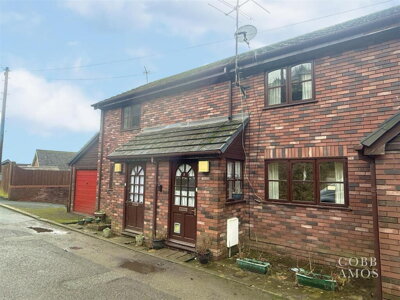
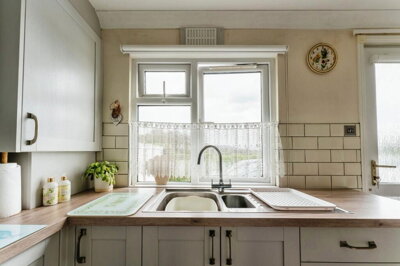
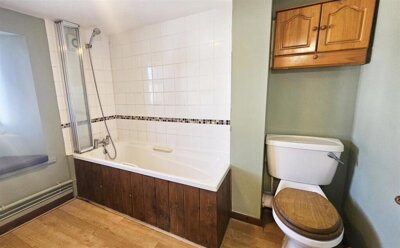
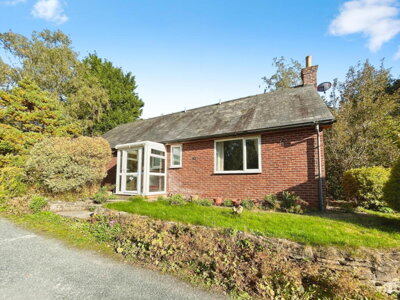
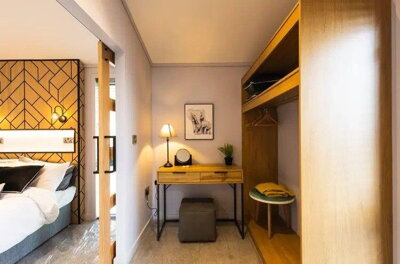
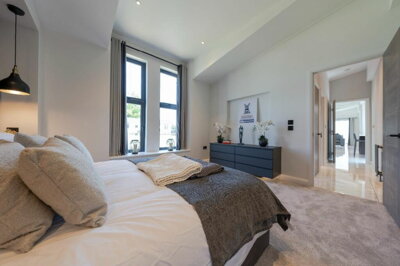
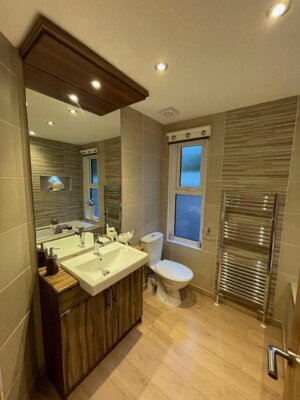
Browse 7 homes for sale in Whitton, Powys from local estate agents.
The 2 bed house market features detached, semi-detached, and terraced properties with two separate bedrooms plus living spaces. Properties in Whitton range from Victorian and Edwardian period homes to modern new builds, with pricing varying across different neighbourhoods.
£0k
0
0
0
Source: home.co.uk
Showing 0 results for 2 Bedroom Houses for sale in Whitton, Powys.
£538,000
Average Property Price
144
Properties Sold (12 months)
-2%
Annual Price Change
10,700
Population
The Whitton property market has experienced steady activity over the past year, with 144 property sales completed in the TW2 postcode area. Average property prices currently sit at £538,000, reflecting the area's popularity as a residential suburb within Greater London. The market has seen a modest correction of around 2% over the past twelve months, bringing prices more in line with broader London trends and potentially creating opportunities for buyers who were previously priced out of the market.
Detached properties in Whitton command the highest prices, with the average detached home selling for approximately £925,000. Semi-detached houses typically sell for around £679,000, while terraced properties average £550,000. Flats and apartments represent the most affordable entry point to the local market, with average prices of approximately £315,000. This range of prices makes Whitton accessible to a variety of buyers, from first-time purchasers looking for a flat to families seeking a larger detached home with a garden.
New build activity in Whitton includes The Whitton Collection development on Whitton High Street, TW2 7BA. This scheme by Catalyst (part of The Peabody Group) offers 1, 2, and 3-bedroom apartments with prices starting from £325,000 for a one-bedroom unit. Such new build options provide buyers with modern specifications and energy-efficient homes, though they typically command a premium over equivalent older properties in the area.
Whitton boasts a diverse housing stock that reflects its development history spanning the Victorian era through to modern times. According to Census data for the wider Richmond borough, flats make up approximately 44.6% of the housing stock, with semi-detached properties at 26.2%, terraced houses at 21.4%, and detached homes at just 7.8%. This mix provides options for different household types and budgets, from young professionals seeking a flat to growing families looking for a three or four-bedroom semi-detached house.
The majority of houses in Whitton were built between the 1930s and 1960s, during the period of suburban expansion that transformed much of outer London. These properties typically feature brick construction, often with cavity walls for post-1930s builds, pitched roofs covered in clay tiles or slate, and characteristic bay windows that add space and light to the front rooms. Many homes have been updated over the years with replacement windows, modern kitchens, and bathroom suites, while some retain their original features that appeal to buyers seeking period character.
Victorian and Edwardian properties can be found in the older core of Whitton, particularly near the original village centre. These homes often feature more ornate architectural details, higher ceilings, and larger rooms compared to the more functional 1930s semis. Some properties around Whitton High Street and Kneller Road are listed buildings or located within the Whitton Village Conservation Area, which preserves the historic character of the area and imposes restrictions on alterations and extensions.

Whitton offers a suburban lifestyle that balances residential tranquility with practical convenience. The area is characterised by tree-lined residential streets, local shops, pubs, and restaurants, as well as good access to green spaces including local parks and the nearby River Crane corridor. The population of the Whitton ward stands at approximately 10,700 residents across around 4,200 households, creating a close-knit community atmosphere while still benefiting from the facilities and services associated with being part of Greater London.
The local economy benefits from proximity to major employment hubs in West London, including Heathrow Airport, as well as strong transport links into central London. Many residents commute to the City, Canary Wharf, or other London employment centres via the local rail and Underground connections. The presence of Twickenham Stadium nearby contributes to local economic activity, with hospitality businesses, shops, and services benefiting from match-day visitors and event-related trade throughout the year.
Retail, education, and healthcare sectors provide significant local employment opportunities, with various shops and businesses along the main roads serving the day-to-day needs of residents. The surrounding borough of Richmond upon Thames consistently ranks as one of the most desirable places to live in London, with good schools, low crime rates, and an abundance of parks and open spaces contributing to quality of life. Whitton's location within this borough means residents benefit from these broader advantages while enjoying the specific character of their own neighbourhood.

Education is a major draw for families considering Whitton, with the area benefiting from access to good primary and secondary schools within the Richmond upon Thames borough. The borough is well-known for its strong school performance, with many primary schools achieving above-average results in Key Stage 2 assessments and secondary schools providing solid academic foundations. Parents moving to Whitton should research specific catchment areas, as school admissions in popular boroughs can be competitive and distance-based criteria mean property location significantly affects placement chances.
Several primary schools serve the Whitton area, with class sizes that allow for individual attention and strong community connections between teachers, pupils, and families. These schools typically offer a broad curriculum with emphasis on core subjects, as well as extracurricular activities that develop skills beyond the classroom. Secondary education options in the surrounding area include schools with good reputations for academic achievement, sporting facilities, and arts programmes, catering to a range of interests and learning styles.
Welsh medium education options are available within the wider region for families seeking bilingual schooling, though the primary language of instruction in most Richmond schools is English. Parents should visit potential schools, meet with staff, and review latest Ofsted reports when evaluating options for their children. The presence of good schools in and around Whitton contributes significantly to property values and demand, with homes in strong catchment areas often commanding a premium.
Whitton enjoys good transport connections that make commuting into central London and accessing the wider transport network straightforward. The A316 provides direct access to the M25 motorway and connects to the M3 and M4 corridors, while the A4 offers routes towards central London and Heathrow Airport. For residents working in West London or needing to travel further afield, these major routes provide reliable car access throughout the day.
Public transport options include local bus services connecting Whitton to surrounding areas, with routes serving nearby towns and railway stations. The rail network provides access to major destinations, with regular services from nearby stations connecting to London Waterloo and other key locations. For international travel, Heathrow Airport is accessible by road within approximately 30 minutes, making Whitton practical for frequent flyers or those working in the aviation sector.
Residents should factor transport needs into their property search, considering that daily access to amenities and commuting requirements typically necessitate car ownership in this suburban area. Cycle routes and pedestrian-friendly streets make local travel by bike or on foot pleasant for shorter journeys, while the excellent rail and road connections provide flexibility for longer trips. Properties closer to main roads and rail stations typically command premiums, reflecting the value buyers place on commute times and transport convenience.
Before committing to a purchase in Whitton, explore the area thoroughly at different times of day and week to understand noise levels, traffic patterns, and community atmosphere. Visit local shops, parks, and facilities to assess whether they meet your needs, and speak to residents about their experience of living in the area. Consider factors like school catchment boundaries, nearest transport options, and proximity to amenities when evaluating specific properties.
Contact local estate agents to arrange viewings of properties matching your criteria, taking notes and photographs during each visit. Ask about the property's history, including how long it has been on the market, previous sales, and any renovation or extension work undertaken. Pay attention to the condition of fixtures and fittings, and note any areas that may require maintenance or improvement.
Obtain a mortgage agreement in principle from a lender before making an offer, providing documentation of your income, savings, and credit history. This demonstrates your financial readiness to sellers and estate agents, strengthening your negotiating position in what can be a competitive market. Be aware that pre-approved mortgage sums are subject to formal valuation of the specific property.
Given that much of Whitton's housing stock dates from the 1930s to 1960s, a thorough survey is essential to identify any structural issues, defects, or maintenance concerns before purchase. A RICS Level 2 Survey typically costs between £450 and £750 depending on property size and complexity, and can reveal problems such as damp, roof condition, subsidence risk from the local London Clay geology, or outdated electrics that may not be visible during a viewing.
Choose a solicitor experienced in London property transactions to handle the legal aspects of your purchase, including local authority searches, contracts, and registration of the title. Your solicitor will investigate planning restrictions, conservation area designations, and any charges or encumbrances affecting the property. They will liaise with your mortgage lender and coordinate the transaction through to completion.
Once all searches are satisfactory, your mortgage is approved, and financing is confirmed, contracts are exchanged and a deposit (typically 10% of the purchase price) is paid. Completion usually follows within a few weeks, when the remaining funds are transferred and you receive the keys to your new home in Whitton.
Properties in Whitton often present unique characteristics that require careful consideration before purchase, particularly given the age of much of the local housing stock. Stone and brick-built properties, while attractive and durable, may have specific maintenance requirements including roof condition assessment, repointing needs, and damp management. The clay soil underlying much of the area can cause foundation movement, especially in properties with mature trees nearby, making structural surveys particularly important.
Buyers should investigate planning restrictions affecting any property they are considering. Conservation area designations, such as those covering the Whitton Village area, impose limitations on extensions, alterations, and even external paint colours. Listed buildings require special consent for most works and may demand more extensive surveys and specialist conservation knowledge. septic tank or private drainage systems are less common in this suburban area but may exist in certain properties, and their condition and compliance should be verified during the conveyancing process.
The condition of electrical systems deserves particular attention in older properties. Many homes built in the 1930s to 1960s may still have original wiring or only partial upgrades, which may not meet current safety standards and could require rewiring before or shortly after purchase. Similarly, plumbing and heating systems should be assessed for age and efficiency, as replacement costs can be substantial. A thorough RICS Level 2 Survey will identify such concerns and allow you to budget appropriately for any necessary works.
Given the prevalence of 1930s-1960s housing in Whitton, several common defects are frequently identified during property surveys in the area. Damp issues, including rising damp, penetrating damp, and condensation, are commonly found in older properties where damp-proof courses may have failed or ventilation is inadequate. Walls affected by damp show visible staining, peeling wallpaper, and musty odours, while more serious cases can lead to timber decay and structural damage over time.
Roof condition is another area of concern in many Whitton's older properties. Original slate or clay tile roofs may show signs of wear, cracked or missing tiles, and deteriorating leadwork around chimneys and valleys. Blocked or damaged gutters can allow water to overflow onto walls and foundations, exacerbating damp problems and potentially causing structural issues. Fascias and soffits may show rot or weather damage, particularly where painted timber has not been properly maintained over the years.
The underlying London Clay geology presents a significant consideration for property buyers in Whitton. This high plasticity clay can expand when wet and contract during dry periods, causing ground movement that affects foundations. Properties with shallow strip foundations, common in the era when many local homes were built, are particularly vulnerable to this shrink-swell behaviour. The presence of large trees close to a property can exacerbate the risk, as tree roots extract moisture from the soil and mature specimens can cause substantial subsidence or heave damage.
Asbestos-containing materials may be present in properties built before 2000, most commonly in textured coatings (Artex), insulation boards, and some floor tiles. While these materials are generally safe if left undisturbed, any renovation or maintenance work that might disturb them requires specialist asbestos surveys and licensed removal contractors. Drainage issues, including blocked or cracked pipes, root ingress from nearby trees, and failed connections to the main sewer, are also encountered in the area's older properties and should be addressed promptly to avoid more serious problems.
The average property price in Whitton is currently £538,000, based on recent sales data for the TW2 postcode area. Detached properties average £925,000, semi-detached homes around £679,000, terraced houses approximately £550,000, and flats around £315,000. Prices have decreased by approximately 2% over the past twelve months, reflecting broader London market trends and potentially creating opportunities for buyers who previously found the area beyond their budget.
Properties in Whitton fall under Richmond upon Thames Council's council tax banding system, which assigns bands from A to H based on property value. Specific bands are assigned by the Valuation Office Agency and can be verified on their website for any particular property. Buyers should note that council tax bands affect ongoing running costs and should be checked as part of the due diligence process before purchase.
Whitton benefits from access to good primary and secondary schools within the Richmond upon Thames borough, which consistently performs well in educational assessments. Primary schools in the area include several that serve the local community with strong academic foundations and good facilities. Secondary education options in nearby towns and the wider borough include schools with excellent reputations, though catchment areas can be competitive and property location significantly affects placement chances.
Whitton offers good transport links for a suburban area, with access to local bus services and rail connections serving wider London and beyond. The A316 provides road connections to the M25 and onwards to major destinations including Heathrow Airport and the M3/M4 corridors. For commuting into central London, the rail network provides regular services, while residents with cars will find the major road network accessible for travel throughout the region.
Given that much of Whitton's housing stock dates from the 1930s to 1960s, buyers should pay particular attention to the condition of roofs, foundations, and electrical systems. The underlying London Clay geology creates a risk of subsidence or heave, especially in properties with mature trees nearby. A thorough RICS Level 2 Survey is essential to identify any structural issues, damp problems, or outdated systems that may require attention after purchase.
New build options in Whitton include The Whitton Collection development on Whitton High Street, offering 1, 2, and 3-bedroom apartments from £325,000. This development by Catalyst (part of The Peabody Group) provides modern specifications and energy-efficient homes for buyers seeking a new property. Such homes typically command a premium over equivalent older properties but offer the advantage of modern construction standards and minimal maintenance requirements.
Stamp Duty Land Tax applies to all residential property purchases in England, including Whitton. For standard purchases, you pay 0% on the first £250,000 of the purchase price, 5% on the portion from £250,001 to £925,000, 10% on £925,001 to £1.5 million, and 12% on any amount above £1.5 million. First-time buyers may benefit from relief on the first £425,000 of the purchase price for eligible properties.
When purchasing a property in Whitton, you need to budget for several costs beyond the purchase price itself. Stamp Duty Land Tax is calculated based on the purchase price and your buyer status, with standard rates applying to most purchases. First-time buyers may qualify for relief on the first £425,000 of qualifying properties, which can significantly reduce the amount of tax payable on properties within that price range.
Additional costs include solicitor fees for conveyancing, which typically cover searches, contract preparation, and registration of the title. Survey costs vary depending on the property type and level of inspection required, with RICS Level 2 Surveys ranging from approximately £450 for smaller properties to £750 or more for larger or more complex homes. Given the age of many properties in Whitton, investing in a thorough survey is particularly worthwhile to identify any issues before you commit to the purchase.
Mortgage arrangement fees, valuation fees charged by your lender, and removal costs should all be factored into your overall budget when buying in Whitton. It is advisable to have additional funds available for unexpected repairs or issues discovered during the survey, particularly in older properties where maintenance has been deferred. Building insurance must be in place from the point of exchange, and you should also consider the costs of setting up utilities and services in your new home.
From £450
A detailed inspection of the property condition, essential for homes in Whitton given the age of local housing stock. Identifies defects including damp, roof issues, and structural concerns.
From £600
A comprehensive building survey recommended for older properties, listed buildings, or homes with visible defects. Provides detailed advice on condition and maintenance.
From £85
Energy Performance Certificate required for all property sales. Shows the energy efficiency rating and provides recommendations for improvements.
From £300
Required if you are repaying a Help to Buy equity loan. A valuation of the property for government repayment purposes.
Properties for Sale In London

Properties for Sale In Plymouth

Properties for Sale In Liverpool

Properties for Sale In Glasgow

Properties for Sale In Sheffield

Properties for Sale In Edinburgh

Properties for Sale In Coventry

Properties for Sale In Bradford

Properties for Sale In Manchester

Properties for Sale In Birmingham

Properties for Sale In Bristol

Properties for Sale In Oxford

Properties for Sale In Leicester

Properties for Sale In Newcastle

Properties for Sale In Leeds

Properties for Sale In Southampton

Properties for Sale In Cardiff

Properties for Sale In Nottingham

Properties for Sale In Norwich

Properties for Sale In Brighton

Properties for Sale In Derby

Properties for Sale In Portsmouth

Properties for Sale In Northampton

Properties for Sale In Milton Keynes

Properties for Sale In Bournemouth

Properties for Sale In Bolton

Properties for Sale In Swansea

Properties for Sale In Swindon

Properties for Sale In Peterborough

Properties for Sale In Wolverhampton

Enter your details to see if this property is within your budget.
Loans, cards, car finance
Estimated property budget
Borrowing + deposit
You could borrow between
Typical borrowing
Monthly repayment
Est. at 4.5%
Loan-to-value
This is an estimate only. Your actual budget may vary depending on interest rates, credit history, and personal circumstances. For an accurate affordability assessment, speak to one of our free mortgage advisors.
This calculator provides estimates for illustrative purposes only and does not constitute financial advice. Your home may be repossessed if you do not keep up repayments on your mortgage. Estimates based on 4.5% interest rate, repayment mortgage. Actual rates depend on your circumstances.
Homemove is a trading name of HM Haus Group Ltd (Company No. 13873779, registered in England & Wales). Homemove Mortgages Ltd (Company No. 15947693) is an Appointed Representative of TMG Direct Limited, trading as TMG Mortgage Network, which is authorised and regulated by the Financial Conduct Authority (FRN 786245). Homemove Mortgages Ltd is entered on the FCA Register as an Appointed Representative (FRN 1022429). You can check registrations at NewRegister or by calling 0800 111 6768.

We use cookies to show you personalised content and improve your experience of our website. Find out more in our Privacy policy and Cookie policy.