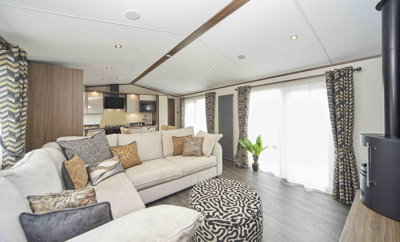
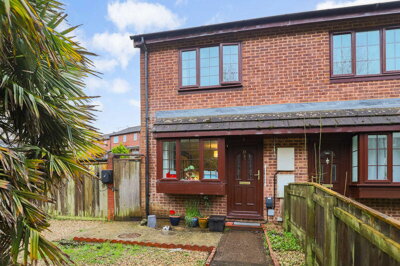
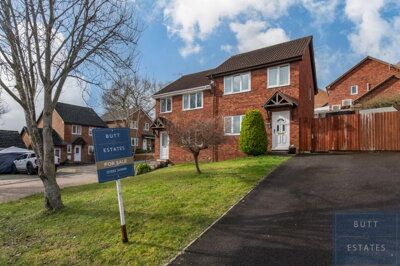
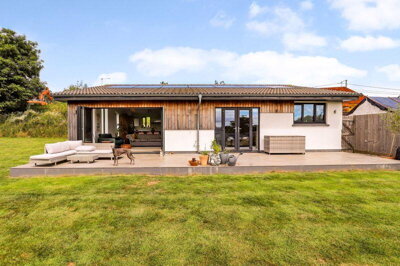
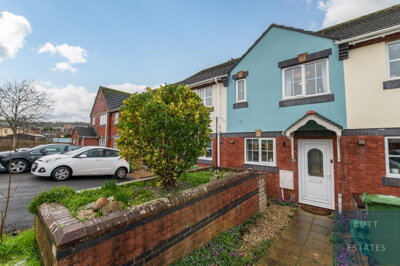
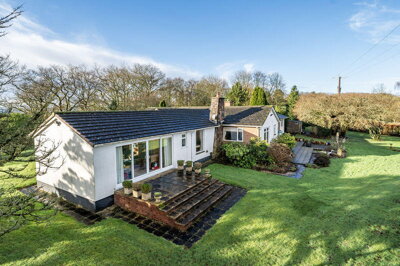
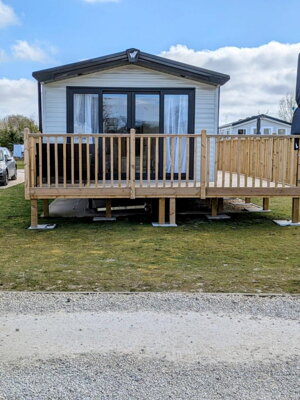
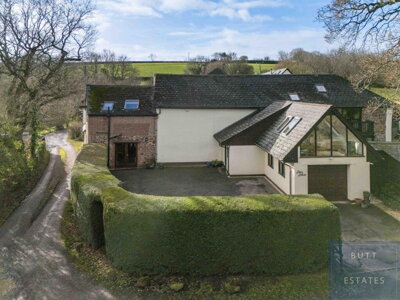
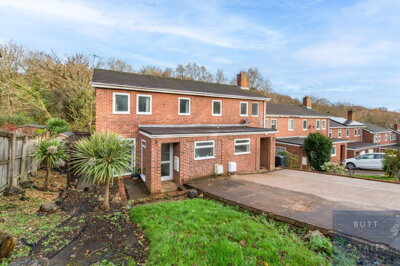
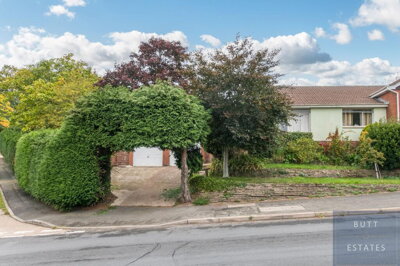
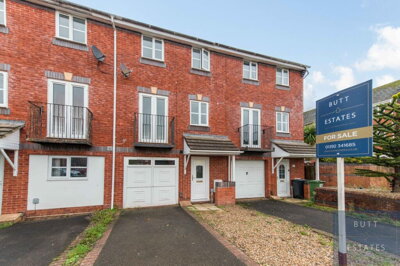
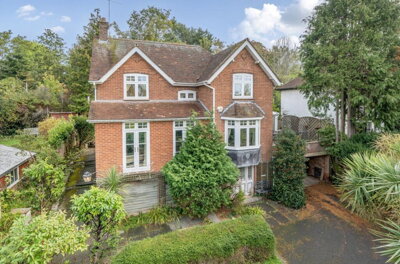
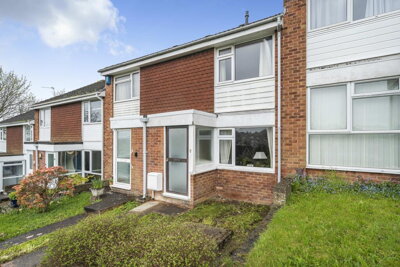
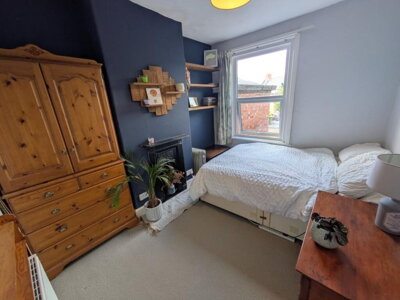
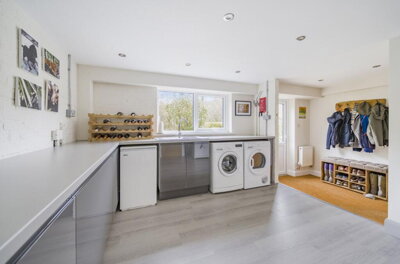
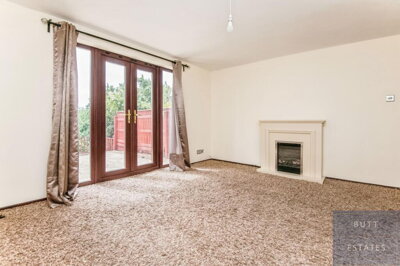
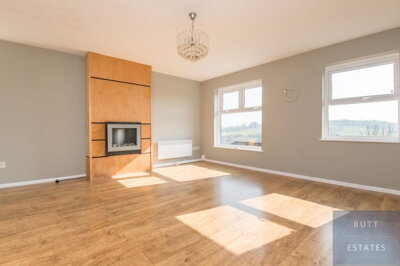
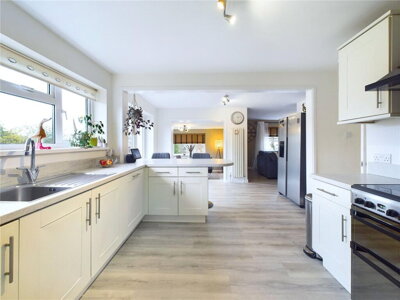
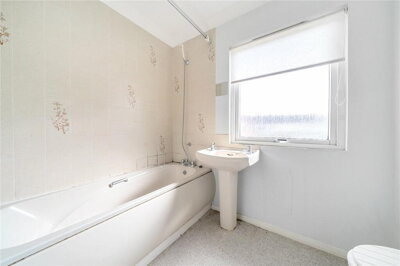
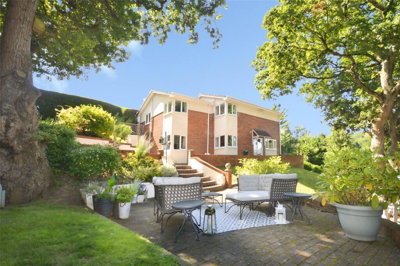
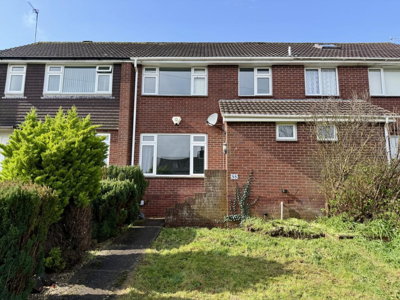
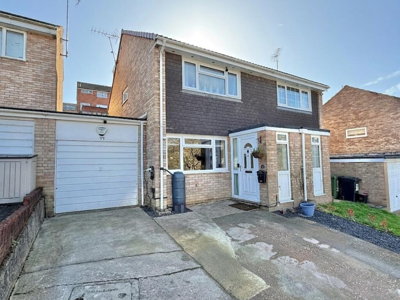
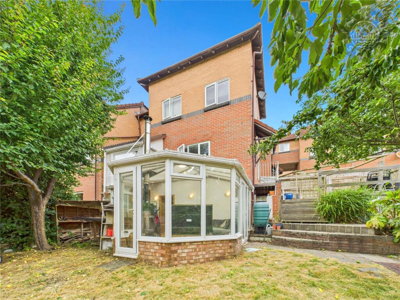
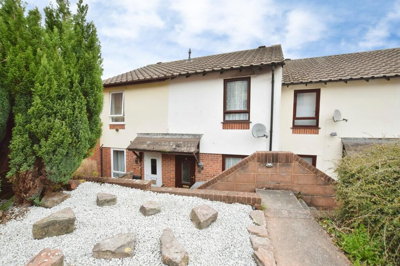
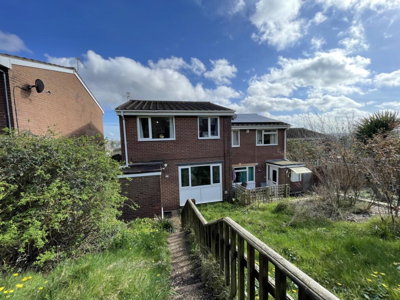
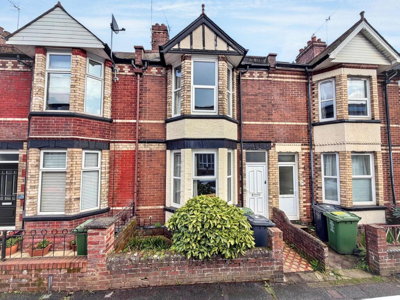
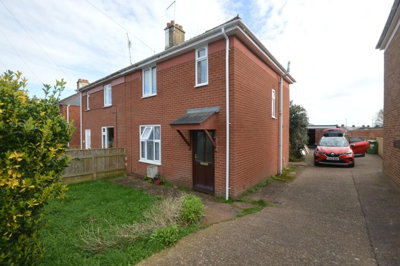
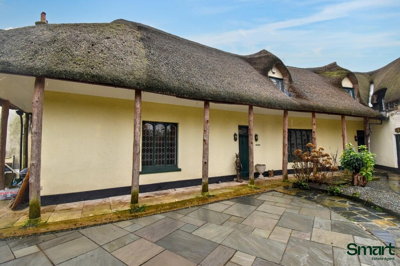
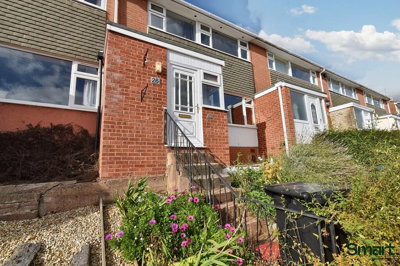
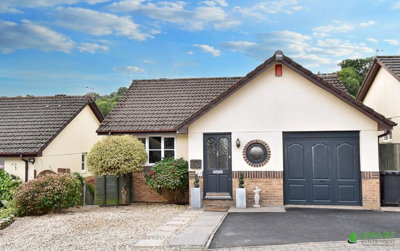
Browse 212 homes for sale in Whitestone, Teignbridge from local estate agents.
The Whitestone property market offers detached, semi-detached, and terraced houses spanning various price ranges and neighbourhoods. Each listing includes detailed property information, photographs, and direct contact with the marketing agent.
£655k
4
0
142
Source: home.co.uk
Showing 4 results for Houses for sale in Whitestone, Teignbridge. The median asking price is £655,000.
Source: home.co.uk
Detached
4 listings
Avg £877,500
Source: home.co.uk
Source: home.co.uk
The property market in Whatley, Somerset reflects the broader trends of the BA11 postcode area, where detached homes dominate the sales mix, accounting for approximately 67% of all transactions. This prevalence of larger detached properties contributes to the village's character as a residential area favoured by families and those seeking spacious homes in a rural setting. Recent sales data shows properties changing hands in the £500,000 to £550,000 range, with detached homes on Old Wells Road achieving prices around £510,000 to £540,000. The postcode area BA11 3LA, which covers part of Whatley and the surrounding Egford area, shows an estimated average property value of £802,785, suggesting that premium properties within this specific sub-area command higher prices.
Price growth in the Whatley area has been steady over recent years, with BA11 3LA recording a 1.3% increase over the past twelve months. Looking at longer-term trends, property values in this postcode area have risen by 16.9% over the past five years and an impressive 41.5% over the past decade. Historical data for comparable nearby areas (Langport TA10) shows prices peaked in 2022 before experiencing a modest correction of around 11%, though the current market appears to be stabilizing. Active new-build developments specifically within Whatley village remain limited, meaning buyers are primarily looking at the existing housing stock of characterful period properties.
Transaction volumes in Whatley reflect its character as a small village, with recorded sales remaining relatively low. Over the past 26 years, only 15 property sales have been documented in the BA11 3LA postcode area, and just 2 properties sold in the most recent 12-month period. This limited supply reinforces the village's appeal to buyers seeking exclusivity and a genuine rural lifestyle away from busier towns. Properties such as The Old Rectory, which sold for £1,888,000 in 2021, demonstrate that premium homes in Whatley can command significant prices, while more modest period cottages like Whatley Cottage have achieved prices around £665,500 in recent years.

Life in Whatley offers residents a peaceful village atmosphere rooted in Somerset's rich rural heritage. As a small village near Frome, Whatley provides the tranquility of countryside living while maintaining access to everyday amenities. The village sits within the Mendip Hills, an area celebrated for its distinctive limestone geology, scenic valleys, and extensive public footpaths. Local residents enjoy walking through ancient lanes bordered by traditional Somerset stone walls, exploring nearby woodland, and discovering the natural beauty that has drawn people to this part of England for centuries. The proximity to Frome, just a short drive away, means villagers can easily access supermarkets, independent shops, restaurants, and healthcare facilities.
The community spirit in Whatley reflects the best of village life in Somerset, with local events, traditional pubs serving locally sourced food, and strong connections to neighbouring communities. The area's geology, characterized by Carboniferous limestone similar to the wider Mendip region, shapes both the landscape and the architecture. Properties in Whatley typically feature traditional construction using local stone and brick, with materials such as Doulting Stone commonly used in historic buildings throughout this part of Somerset. The distinctive golden colour of Doulting Stone, quarried near Shepton Mallet, has been used in many Mendip villages for centuries, giving properties a warm appearance that distinguishes them from other parts of the country.
The village's position inland means residents do not face coastal flooding concerns, though surface water drainage varies with local topography. Given Whatley's character as a historic settlement, the area likely contains listed buildings and may adjoin conservation areas, though specific designations were not verified in available records. The Mendip Hills area is known for its karst topography, which can include geological features such as caves and sinkholes. While these features are more commonly associated with areas further north in the Mendips, buyers with concerns about ground stability should request a geological survey for any property near significant slope changes or known cave systems.
Families considering a move to Whatley will find educational options available in the surrounding area, primarily centered in the nearby town of Frome. Frome offers a range of primary schools catering to different educational approaches and catchment areas, with several maintained schools serving the BA11 postcode. Parents should research specific catchment boundaries through Somerset County Council's school admission information, as these can affect placement eligibility for children in the village. Primary schools in Frome include St John's Church of England Primary School, which serves families seeking a faith-based education, and Frome Vale Primary Academy, which offers a broader secular curriculum within the local community.
For secondary education, Frome College provides comprehensive secondary schooling and sixth form provision, serving students from Whatley and the surrounding villages. The college has undergone significant investment in recent years and maintains strong ties to the local community, offering a range of A-level courses and vocational qualifications. Parents should research specific catchment areas and school performance data through Ofsted's website to identify the most suitable options for their children's needs. Frome College's exam results and student outcomes are published annually, allowing prospective parents to make informed decisions about secondary education provision. The school also offers various extracurricular activities, including sports teams and arts programmes, that contribute to its positive reputation within the wider Frome community.
Beyond statutory education, Somerset offers various independent schooling options within reasonable driving distance of Whatley. The county is home to several well-regarded preparatory and senior independent schools, particularly in towns like Bruton, Wells, and Bath. Bruton hosts King's School, a well-established co-educational independent school, while Wells Cathedral School provides excellent educational provision for both day and boarding pupils. For families pursuing further and higher education, Yeovil College and the University of Bath, University of Somerset campuses in Taunton, and the broader further education network across Somerset provide accessible options. Transport arrangements for secondary school pupils typically involve school buses serving villages within the Frome catchment area, though parents should confirm current arrangements with Somerset County Council before finalizing any property purchase.
Transport connectivity from Whatley balances the peaceful nature of village living with practical commuting options. The village sits within easy reach of major road networks, with the A361 providing access to Frome and connecting to the A303 for broader regional travel across the South West. The A303 serves as a key route for commuters travelling toward Andover and the M3 corridor, while also providing access to the A36 toward Southampton and Salisbury. Junction 23 of the M5 motorway is accessible within approximately 30 minutes by car, offering direct routes to Bristol, Exeter, and the national motorway network. For residents working in larger cities, the road connections make day commuting to Bristol or Bath feasible for those who prefer to avoid public transport.
Public transport options serving Whatley include bus routes connecting the village to Frome and surrounding towns, though rural bus services typically operate on reduced frequencies compared to urban areas. Bus services in this part of Somerset are managed by various operators, with First Group and other regional providers offering routes connecting smaller villages to market towns. The nearest railway stations are located in Frome and Castle Cary, providing access to regional train services. Frome station offers connections to major destinations including Bristol Temple Meads, Bath Spa, and Portsmouth, making it a practical option for commuters working in larger cities. Castle Cary station, slightly further away, provides access to the West of England line connecting to London Paddington via Reading.
For air travel, Bristol Airport provides international connections within approximately an hour's drive of Whatley, offering flights to European destinations and beyond. Cyclists will find the Somerset countryside offers scenic but sometimes challenging routes, with varying terrain reflecting the Mendip Hills landscape. National Cycle Network routes pass through parts of Somerset, providing opportunities for both leisure cycling and commuting by bike where practical. Parking availability in the village reflects its rural character, with most properties offering off-street parking and generous driveways, which many buyers consider essential given the limited public transport options.
Start by exploring Whatley's property market on Homemove, reviewing current listings and recent sold prices to understand the local market conditions and property types available. Pay particular attention to the distinction between the village centre and outlying areas, as properties near Old Wells Road may command different prices than those in other parts of the village. Reviewing Land Registry sold prices for the past few years will help you understand how prices have moved in this specific market.
Contact local estate agents to arrange viewings of properties that match your requirements. Consider viewing properties across different seasons to appreciate the village's character and any seasonal variations in access or light. In Whatley, where many properties are surrounded by farmland, seasonal changes can significantly affect the appeal of gardens and outdoor spaces. Take time to walk the village and speak with residents to gauge the community atmosphere and any local issues that might not be apparent during a formal viewing.
Before making an offer, obtain a mortgage agreement in principle from a lender. This strengthens your position when negotiating and demonstrates your financial readiness to sellers. Given the higher property values in Whatley, with many homes exceeding £500,000, ensure your mortgage broker understands the rural property market and can arrange appropriate lending. Some lenders have specific criteria for properties in small villages, so seeking specialist advice is worthwhile.
For older properties, which are prevalent in Whatley, we strongly recommend a RICS Level 2 Survey to identify any structural issues, damp, or timber defects common in period properties. Many homes in this village will have solid wall construction and traditional features that require specialist inspection. Given the Mendip Hills location and proximity to the Somerset coalfield, our inspectors pay particular attention to ground stability and any signs of subsidence or movement that might indicate underlying geological issues.
Appoint a conveyancing solicitor to handle the legal aspects of your purchase, including searches, contracts, and registration with the Land Registry. Your solicitor should conduct local authority searches with Somerset Council and investigate any planning permissions or listed building status relevant to the property. Given the age of many Whatley properties, they should also search the Mines and Minerals Record for any historical mining activity that might affect the property.
Once all legal processes are complete and both parties are ready, exchange contracts and set a completion date to receive your keys and move into your new Whatley home. Our team can recommend local tradespeople for any renovations or maintenance you may need to undertake on your new property, from specialist stonework contractors familiar with Mendip architecture to thatchers and roofers experienced with traditional Somerset properties.
Buying a property in Whatley requires careful consideration of factors specific to this historic Somerset village. The age of the local housing stock means many properties will be over 50 years old, with characteristics such as solid wall construction, traditional timber floors, and period features. When viewing properties, pay close attention to signs of damp, which can manifest in older buildings due to outdated damp proof courses or poor ventilation. Timber defects including rot and woodworm require thorough inspection, particularly in properties with extended leasehold histories. Roof conditions warrant careful examination, as older properties may have original coverings showing wear or require maintenance.
The local geology around Whatley, situated near the Mendip Hills with its limestone formations, means buyers should investigate ground conditions and any potential for ground instability. The Carboniferous limestone in this area can create karst topography, which may include subsurface voids or sinkholes, though these are not commonly encountered in the village itself. Properties near the Somerset coalfield area should prompt enquiries about historical mining records and any potential subsidence risks. Our inspectors check for signs of structural movement, including cracking to walls and distortion to door and window frames, which might indicate ground-related issues. Requesting a mining search from the Coal Authority or local records office can provide valuable information about historical extraction activity in the area.
For properties believed to be listed buildings, specialist surveys may be required due to their historical significance and specific planning regulations governing alterations. Many historic properties in Whatley and the surrounding Mendip villages will be listed for their architectural or historical importance, with Grade II listings being most common for private dwellings. Understanding the distinction between freehold and leasehold ownership, service charges, and any ground rent obligations is essential before committing to a purchase. A thorough RICS Level 2 Survey will identify many of these concerns before you proceed to completion. Our inspectors have extensive experience surveying period properties across Somerset and understand the common defects found in traditional Mendip stone construction, including issues with lime mortar pointing, stone decay, and the performance of traditional damp proof courses that were installed in older buildings.
The average sold house price in Whatley and the surrounding BA11 postcode area is approximately £510,000 over the past twelve months. The specific postcode BA11 3LA, which covers part of Whatley and Egford, shows higher estimated values of around £802,785, influenced by larger premium properties such as The Old Rectory, which sold for £1,888,000 in 2021. Property prices have shown steady growth, rising by 16.9% over five years and 41.5% over the past decade, with a modest 1.3% increase in the most recent twelve-month period. Recent comparable sales include Ponderosa on Old Wells Road, sold for £510,000 in March 2025, and Zacharys Mill, also on Old Wells Road, which achieved £540,000 in June 2025.
Council tax bands for specific properties in Whatley vary depending on the valuation of the individual home. Somerset Council sets bands A through H based on the assessed value of properties as of April 1991. Most detached family homes in the BA11 area typically fall into bands D through F, reflecting their higher values in the current market. Properties with significant land or outbuildings may attract higher bands, while smaller period cottages could fall into lower bands. Prospective buyers should check specific bandings on the Valuation Office Agency website or request this information during the conveyancing process, as council tax bands can affect ongoing running costs.
Whatley itself is a small village, so families typically access primary education in nearby Frome, which offers several primary schools with good Ofsted ratings. St John's Church of England Primary School provides faith-based education, while Frome Vale Primary Academy offers secular options, both serving families within the BA11 catchment area. Secondary education is provided by Frome College, which serves the wider BA11 catchment area and includes sixth form provision. The college has received positive reports from Ofsted in recent years and offers a range of academic and vocational courses. Parents should verify current catchment boundaries and admission arrangements with Somerset County Council, as these can affect school placement eligibility for children living in the village.
Public transport options from Whatley include local bus services connecting the village to Frome and surrounding towns, though frequencies reflect rural service levels with limited evening and weekend provision. Frome railway station, a short drive away, provides direct train services to Bristol, Bath, and Portsmouth, with regular connections throughout the day. The A361 road offers reliable connections to surrounding towns including Frome and connecting routes to the A303 for broader regional travel. The M5 motorway is accessible within approximately 30 minutes by car for those with vehicles, providing connections to Bristol, Exeter, and the wider motorway network. Bristol Airport, offering international flights, is reachable within approximately one hour by car.
Whatley offers several factors that appeal to property investors seeking exposure to the rural Somerset market. The village has seen consistent price growth over the past decade, with values rising by 41.5% over ten years, demonstrating sustained demand for properties in this location. The scarcity of new-build developments means limited supply entering the market, while demand for rural Somerset properties remains steady from buyers seeking village lifestyles. Detached homes command strong prices, with recent sales demonstrating values above £500,000 for quality period properties. The village's proximity to Frome and good transport links maintains appeal for commuters seeking rural lifestyles while remaining connected to employment centres. However, buyers should consider that transaction volumes are relatively low, with only 15 property sales recorded over 26 years in the BA11 3LA area, which could affect liquidity and the speed of any future sale.
Stamp duty Land Tax rates for standard buyers start at 0% on properties up to £250,000, rising to 5% on the portion between £250,001 and £925,000. Given the average property price in Whatley exceeds £500,000, most buyers should budget for stamp duty in the 5% bracket on the amount above £250,000. On a typical £510,000 property, this would amount to £13,000 in stamp duty. For first-time buyers, relief applies to the first £425,000 of a property's value, with 5% charged between £425,001 and £625,000. Properties above £625,000 do not qualify for first-time buyer relief. Additional relief is available for purchases of multiple dwellings, though this should be discussed with a tax adviser to ensure eligibility criteria are met.
Purchasing a property in Whatley involves several costs beyond the purchase price that buyers should factor into their budget. Stamp duty Land Tax represents a significant expense, with standard rates applying 5% duty on property values between £250,001 and £925,000. Given the average property price in Whatley exceeds £500,000, most buyers should expect to pay approximately £13,000 in stamp duty on a £500,000 purchase, rising to around £14,500 for properties at £540,000. First-time buyers benefit from relief on the first £425,000 of a property's value, reducing the stamp duty burden to 5% only on the amount between £425,001 and £625,000, though this relief does not apply to properties valued above £625,000.
Additional buying costs include solicitor conveyancing fees, typically ranging from £500 to £1,500 depending on complexity and property value. Given the age of many properties in Whatley, conveyancing may involve additional searches including mining records, environmental searches, and flood risk assessments. A RICS Level 2 Survey costs between £350 and £600 for most residential properties, with larger or more complex homes commanding higher fees. Given the age of many properties in Whatley, a thorough survey is particularly valuable for identifying issues such as damp, structural movement, or timber defects common in period buildings. An Energy Performance Certificate is legally required and costs around £60 to £120. Mortgage arrangement fees, typically 0.5% to 1.5% of the loan amount, and valuation fees should also be budgeted for when calculating the total cost of purchasing your Whatley home.
Other costs to consider include removal expenses, which can vary significantly depending on the distance of your move and the volume of belongings. Buildings insurance must be in place from the date of completion, and your mortgage lender will typically require this before releasing funds. For leasehold properties, there may be ground rent and service charge obligations that should be factored into ongoing running costs. If the property requires renovation or modernisation, budget for these costs separately and factor in the time required to complete any works, particularly if planning permission is needed for alterations to listed buildings. Our team can provide guidance on typical costs associated with buying in Whatley and recommend local professionals familiar with the area.

Properties for Sale In London

Properties for Sale In Plymouth

Properties for Sale In Liverpool

Properties for Sale In Glasgow

Properties for Sale In Sheffield

Properties for Sale In Edinburgh

Properties for Sale In Coventry

Properties for Sale In Bradford

Properties for Sale In Manchester

Properties for Sale In Birmingham

Properties for Sale In Bristol

Properties for Sale In Oxford

Properties for Sale In Leicester

Properties for Sale In Newcastle

Properties for Sale In Leeds

Properties for Sale In Southampton

Properties for Sale In Cardiff

Properties for Sale In Nottingham

Properties for Sale In Norwich

Properties for Sale In Brighton

Properties for Sale In Derby

Properties for Sale In Portsmouth

Properties for Sale In Northampton

Properties for Sale In Milton Keynes

Properties for Sale In Bournemouth

Properties for Sale In Bolton

Properties for Sale In Swansea

Properties for Sale In Swindon

Properties for Sale In Peterborough

Properties for Sale In Wolverhampton

Enter your details to see if this property is within your budget.
Loans, cards, car finance
Estimated property budget
Borrowing + deposit
You could borrow between
Typical borrowing
Monthly repayment
Est. at 4.5%
Loan-to-value
This is an estimate only. Your actual budget may vary depending on interest rates, credit history, and personal circumstances. For an accurate affordability assessment, speak to one of our free mortgage advisors.
This calculator provides estimates for illustrative purposes only and does not constitute financial advice. Your home may be repossessed if you do not keep up repayments on your mortgage. Estimates based on 4.5% interest rate, repayment mortgage. Actual rates depend on your circumstances.
Homemove is a trading name of HM Haus Group Ltd (Company No. 13873779, registered in England & Wales). Homemove Mortgages Ltd (Company No. 15947693) is an Appointed Representative of TMG Direct Limited, trading as TMG Mortgage Network, which is authorised and regulated by the Financial Conduct Authority (FRN 786245). Homemove Mortgages Ltd is entered on the FCA Register as an Appointed Representative (FRN 1022429). You can check registrations at NewRegister or by calling 0800 111 6768.

We use cookies to show you personalised content and improve your experience of our website. Find out more in our Privacy policy and Cookie policy.