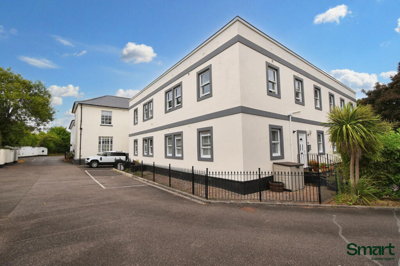
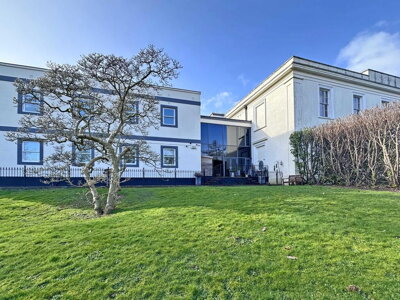
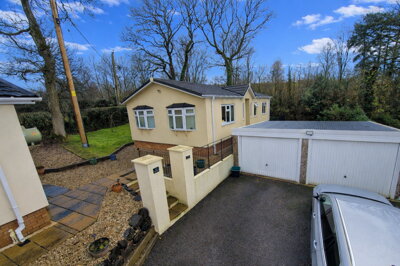
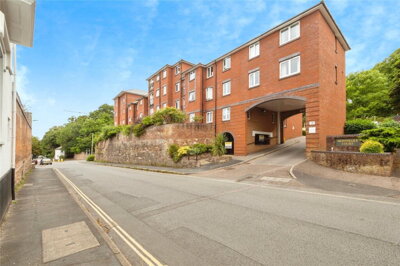
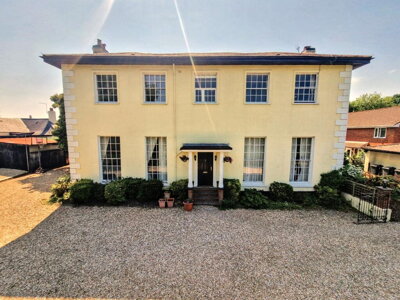
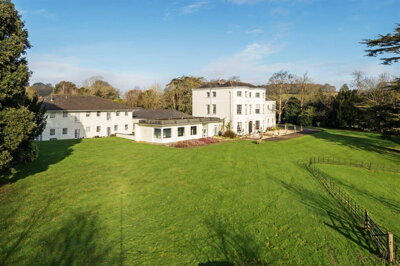
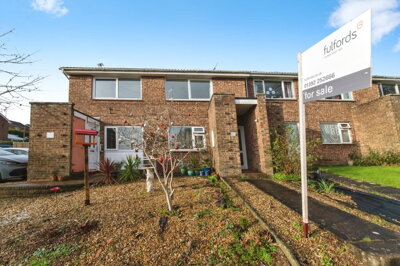
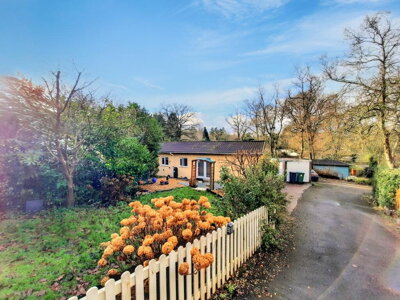
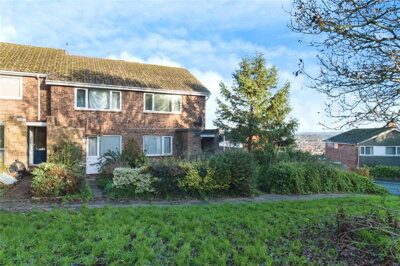
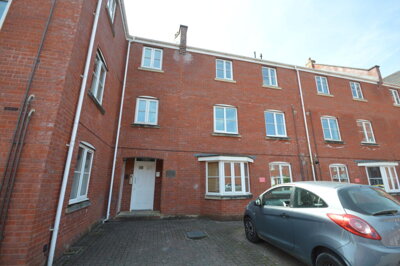
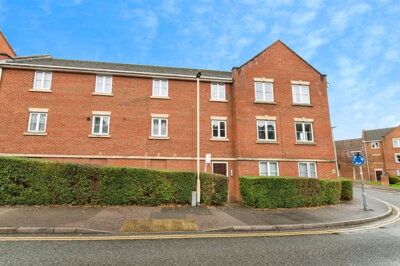
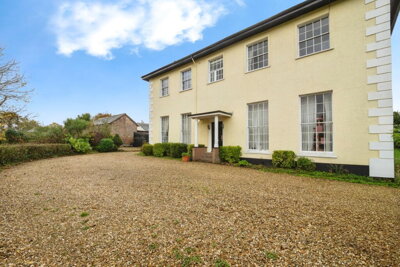
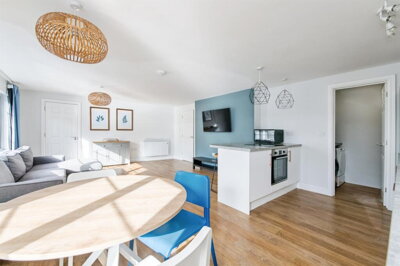
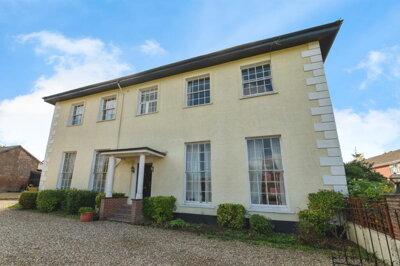
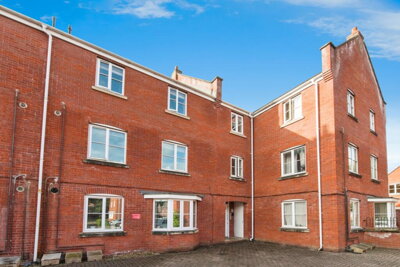
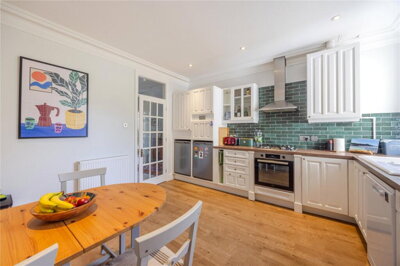
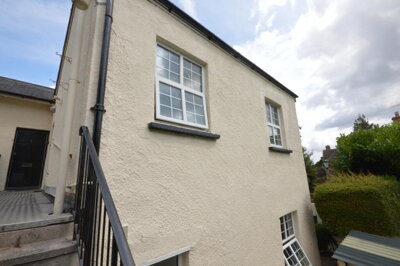
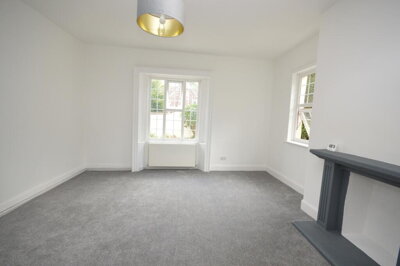
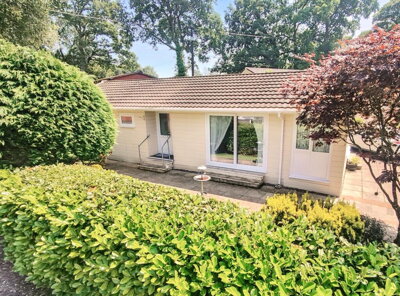
Browse 23 homes for sale in Whitestone, Teignbridge from local estate agents.
The 2 bed flat sector typically includes two separate bedrooms, dedicated living areas, and bathroom facilities. Properties in Whitestone span purpose-built blocks, converted period houses, and modern apartment complexes on various floors.
£0k
0
0
0
Source: home.co.uk
Showing 0 results for 2 Bedroom Flats for sale in Whitestone, Teignbridge.
The property market in Whatley reflects the unique character of this small Somerset village, where detached homes dominate the housing landscape. Recent sales data shows two properties changing hands in the village over the past twelve months, including Ponderosa on Old Wells Road that sold for £510,000 in March 2025 and Zacharys Mill on the same road that reached £540,000 in June 2025. These transactions demonstrate consistent demand for quality homes in this sought-after location, with the broader BA11 3LA postcode area showing a five-year price increase of 16.9% and a ten-year appreciation of 41.5%. Over the past 26 years, 15 property sales have been recorded in the BA11 3LA postcode area, indicating steady but measured market activity typical of a small rural village.
Property types available in the Whatley area span the full range of the Somerset housing market, from traditional stone-built cottages to substantial detached residences. The postcode area data indicates that terraced properties average around £227,964, while semi-detached homes command approximately £272,118. Detached properties, which form the majority of the local housing stock, average £417,413 in comparable areas. For buyers considering the BA11 3LA sub-area specifically, estimated average property values stand higher at approximately £802,785, influenced by larger premium properties within this catchment. The substantial gap between the village average and the wider postcode average reflects the presence of higher-value period homes in certain locations.
While no specific new build developments were identified within Whatley itself, the Somerset county market offers various options for buyers seeking modern construction. The county average for new build properties sits at approximately £396,000, with 340 new homes sold across Somerset in the past twelve months. Buyers interested in new build opportunities in the broader Frome area may find suitable options, though the character of Whatley itself leans towards period properties and established homes that reflect the village's historic origins. Properties such as The Old Rectory, which sold for £1,888,000 in 2021, and Whatley Cottage, which changed hands for £665,500 in 2015, demonstrate the premium attached to substantial period residences in this part of Somerset.

Whatley embodies the essence of rural Somerset living, positioned within the limestone landscape of the Mendip Hills area. The village's setting amidst Carboniferous Limestone geology contributes to the distinctive character of local architecture, with traditional stone construction using materials sourced from nearby quarries. The geology of this region includes karst features such as caves and natural formations that attract visitors to the wider Mendip area, including the famous Cheddar Caves and Gough's Cave nearby. The village itself maintains an unhurried pace of life that appeals to families, retirees, and anyone seeking an escape from urban pressures.
The demographic character of Whatley reflects that of a traditional Somerset village, with a population befitting a small rural community where neighbours tend to know one another. Residents typically enjoy strong community ties and access to the natural landscape surrounding the village, with footpaths and bridleways offering connections to the wider Mendip Hills AONB. The proximity to Frome, just a short drive away, provides access to a wider range of amenities including supermarkets, independent shops, healthcare facilities, and cultural attractions. Frome has earned recognition as one of the most desirable towns in Britain, with its Georgian architecture, vibrant arts scene, and regular markets drawing visitors from across the region.
The local economy around Whatley draws from agriculture, tourism, and small businesses, with many residents commuting to Frome or other nearby towns for employment. The village's position in Somerset places it within reach of major employment centres including Bath, Bristol, and Yeovil, making it viable for commuters who require access to larger job markets while prioritising quality of life. Weekend and evening pursuits often centre on the excellent walking routes throughout the Mendip Hills, local pubs serving Somerset cider and produce, and the cultural offerings of the surrounding towns. The annual Frome Fair and various community events throughout the year provide additional opportunities for social engagement with the wider community.
Families considering a move to Whatley will find educational provision primarily centred around the nearby town of Frome. Primary education in the area includes several well-regarded schools serving the BA11 postcode, with Ofsted-rated Good and Outstanding establishments within reasonable commuting distance. Parents should research specific catchment areas and admission policies, as places in popular schools can be competitive. The village's small population means that primary school-aged children typically travel to schools in surrounding villages or Frome itself, with bus services operating on certain routes.
Secondary education in the Frome area includes Vallis First School progressing to critical secondary options within the wider Somerset education framework. For families seeking grammar school provision, the surrounding region offers selective education options, though competition for places can be intense. Selwood Academy in Frome serves as a key secondary option for local families, while St Mary's Catholic Primary School provides faith-based education for those who prefer it. Post-16 education is available at Frome College and other sixth form providers in the county, with further education colleges in Yeovil and other nearby towns offering vocational and academic courses.
Somerset maintains a comprehensive education system with various options including academy trusts, community schools, and faith schools. The rural setting of Whatley does mean that school transport arrangements should be factored into family planning, as distances to schools may require bus services or parental transportation. Early years provision in the form of nurseries and pre-schools operates in the Frome area, providing childcare options for working parents. The quality of Somerset schools, combined with the rural lifestyle on offer, makes Whatley an attractive proposition for families prioritising both education and quality of life. Parents are encouraged to visit potential schools and understand admission criteria before committing to a property purchase, as school catchment areas can significantly impact property values and family logistics.
Transport connectivity from Whatley revolves primarily around road networks and the nearby town of Frome. The village sits within reach of the A361 and A37, providing access to the wider Somerset road network. These routes connect residents to Frome itself, where the A361 links to Trowbridge and Devizes, while the A37 offers routes towards Yeovil and Dorchester. For those travelling by car, Bristol lies approximately 30 miles north of Whatley, with Bath reachable in around 45 minutes depending on traffic conditions. The M5 motorway provides further connectivity for longer-distance travel, with junction 23 accessible via the A361.
Rail services are accessible from Frome station, which offers direct connections to major destinations including London Paddington. The Great Western Railway service from Frome provides journey times to the capital of approximately two hours, making Whatley viable for commuters who need occasional or regular access to London. Bristol Temple Meads is reachable within approximately 45 minutes by train, opening employment and leisure opportunities in the south-west's largest city. For air travel, Bristol Airport provides international connections within reasonable driving distance of Whatley, serving destinations across Europe and beyond.
Local bus services operated by First Somerset and other providers offer connections between Whatley, Frome, and surrounding villages, though rural bus routes typically operate less frequently than urban services. The 162 bus service provides a connection between Frome and surrounding villages, though timetable frequencies may limit its usefulness for daily commuters. Cycling infrastructure in the area includes traffic-free routes through the Mendip Hills, though the hilly terrain presents challenges for less experienced cyclists. Parking in Whatley itself is generally adequate for a village of its size, while Frome offers various parking options for those travelling to shop or access services. Many residents find that a car is essential for full participation in village and town life, though the rail connection to London and Bristol adds significant value for commuters who can work from home or travel to offices periodically.
Before arranging viewings in Whatley, spend time exploring the village at different times of day and on different days of the week. Visit local pubs such as the village inn, attend community events if possible, and get a feel for the pace of rural Somerset life. Understanding the proximity to Frome, local road conditions, and nearest amenities will help you make an informed decision about whether Whatley suits your lifestyle requirements.
Contact a mortgage broker or lender to obtain an agreement in principle before viewing properties. This document confirms how much you can borrow and demonstrates to estate agents that you are a serious buyer. Current mortgage rates vary, so comparison shopping is advisable. Having your financing confirmed strengthens your position when making offers on properties in Whatley, particularly in a market where demand can outstrip supply for desirable homes.
Work with local estate agents active in the Frome and Whatley area to arrange viewings of properties matching your requirements. Take notes during viewings and ask about the age of the property, construction materials, recent renovations, and any planning permissions granted. For older properties in Whatley, understanding the history of the building and any previous structural issues is particularly important.
Once your offer is accepted, instruct a RICS Level 2 survey (homebuyer report) on the property. Given that many homes in Whatley are likely to be period properties over 50 years old, this survey is invaluable for identifying defects such as damp, timber issues, roof condition, and potential structural concerns. The report will flag any areas requiring attention or further investigation before you commit to purchase.
Appoint a conveyancing solicitor to handle the legal aspects of your purchase. They will conduct searches specific to Somerset, including local authority searches with Mendip District Council, drainage and water searches, and environmental searches that may reveal ground stability or mining considerations relevant to the Whatley area. Your solicitor will manage the contract process, liaise with the seller's representatives, and guide you through exchange and completion.
Once all searches are satisfactory and financing is confirmed, you will exchange contracts with the seller and pay a deposit, typically 10% of the purchase price. On the agreed completion date, the remaining funds are transferred, and you receive the keys to your new Whatley home. Allow time for utilities setup and any immediate renovations before moving in.
Properties in Whatley are predominantly older construction, likely dating from the Georgian, Victorian, or earlier periods given the village's historic character. When viewing properties, pay close attention to the condition of traditional stone walls, as limestone construction using materials such as Doulting Stone can be susceptible to weathering and moisture ingress over time. Traditional construction methods in this area typically include solid wall construction without cavity insulation, timber suspended floors, and pitched roofs covered with slate or clay tiles. These features require different maintenance approaches compared to modern properties and may affect energy efficiency ratings.
The geological setting of Whatley within the Mendip Hills raises potential considerations for ground conditions that buyers should understand. The village's proximity to the Somerset coalfield, particularly the eastern Somerset area, means that historical mining activity in the broader region could present risks of ground instability or subsidence. While specific mining records for Whatley itself would require detailed investigation, buyers should consider commissioning a mining search as part of their conveyancing process. The Carboniferous Limestone geology of the Mendip Hills can also exhibit karst features, though these are more commonly associated with areas further north such as Cheddar. Properties on steep slopes or with unusual settlement patterns should be examined particularly carefully by a qualified surveyor.
Flood risk for Whatley appears limited given its inland position, though surface water flooding depending on local topography should be assessed on a property-by-property basis. The presence of traditional construction features such as solid walls, timber floors, and pitched slate or tile roofs means that insulation standards may be lower than modern properties, potentially affecting energy efficiency and running costs. Buyers should review current Energy Performance Certificate ratings and consider the cost implications of upgrading older properties to contemporary insulation standards. Conservation area or listed building status, if applicable to specific properties, would impose restrictions on alterations and should be confirmed with Mendip District Council before purchase. Properties such as The Old Rectory and Whatley Cottage on previous sale records suggest that substantial period homes form part of the local housing stock, and these may require specialist maintenance approaches befitting their heritage status.
The average sold house price in Whatley over the past twelve months stands at approximately £510,000, based on recorded sales including Ponderosa on Old Wells Road which sold for £510,000 in March 2025. Properties in the BA11 3LA postcode area show estimated average values of around £802,785, influenced by larger premium properties within this specific catchment. Over the past decade, the BA11 3LA area has seen price growth of 41.5%, demonstrating strong long-term appreciation in this part of Somerset. Detached properties form the majority of transactions in the village and command the highest prices, while terraced properties in comparable areas average around £227,964.
Properties in Whatley fall under Mendip District Council for council tax purposes, serving this part of rural Somerset. The village is part of the BA11 postcode area, and council tax bands range from A through to H depending on the property value. Specific band information for individual properties can be obtained from the Valuation Office Agency or Mendip District Council's website. Prospective buyers should check the council tax band during the conveyancing process as it affects ongoing costs of homeownership, with band A properties paying significantly less than band H residences.
Primary education serving Whatley is accessed primarily through schools in Frome and surrounding villages, with several Ofsted-rated Good and Outstanding options within the BA11 area. Key primary schools in the Frome area include St Mary's Catholic Primary School and Vallis First School, both serving families from the Whatley area. Secondary education is available at schools in Frome and the wider Somerset area, with Selwood Academy providing secondary education for many local families. For grammar school provision, families may consider options further afield, though this involves competitive entrance testing. Parents should research specific catchment areas and admission policies with Somerset County Council, as school places can be competitive in popular areas. Post-16 education is available at Frome College and other providers in the county.
Whatley has limited local public transport, with bus services connecting the village to Frome and surrounding areas, though frequencies may be reduced compared to urban services. The 162 bus service provides connections to the wider area, though timetable information should be verified before relying on it for daily commuting. Frome railway station provides direct services to London Paddington (approximately 2 hours) and Bristol Temple Meads (approximately 45 minutes), making Whatley viable for commuters with access to rail. Road connectivity is provided via the A361 and A37, with Bristol approximately 30 miles north and Bath reachable in around 45 minutes by car. A car is generally considered essential for full functionality of daily life in rural Whatley.
Property in Whatley has shown consistent appreciation over the long term, with prices in the BA11 3LA postcode rising by 41.5% over the past ten years and 16.9% over the past five years. The village's proximity to the desirable market town of Frome, combined with its rural setting in the Mendip Hills, suggests continued demand from buyers seeking the Somerset lifestyle. The prevalence of detached properties and period homes attracts families and those seeking character properties. Properties like The Old Rectory, which sold for £1,888,000, demonstrate the premium that discerning buyers will pay for substantial period residences in this area. While small villages can experience limited liquidity and longer selling times, the strong fundamentals of the Whatley area make it a reasonable consideration for long-term property investment.
For standard purchases, stamp duty rates start at 0% on the first £250,000 of property value, rising to 5% on the portion between £250,001 and £925,000. Above £925,000, the rate increases to 10% up to £1.5 million, then 12% for amounts exceeding that threshold. First-time buyers benefit from relief on the first £425,000 (0% rate), with 5% applying to the £425,001 to £625,000 portion. Given the average property price in Whatley of around £510,000, a typical purchase by a non-first-time buyer would attract approximately £13,000 in stamp duty, while first-time buyers may pay less depending on their purchase price.
Whatley is located in Somerset near the eastern Somerset coalfield, with historical mining activity in the broader region that could potentially pose risks of ground subsidence or instability. While specific mining records for Whatley itself were not found in available data, the regional association with the Somerset coalfield suggests that buyers should commission appropriate mining searches as part of their conveyancing process. Mining search reports can reveal historical coal and mineral extraction that might affect ground stability. Properties showing signs of settlement, cracking, or unusual ground movement should be examined by a structural engineer before purchase. Your solicitor can advise on whether a mining search is appropriate for the specific property you are considering.
Properties in Whatley predominantly consist of period residences built using traditional Somerset construction methods, including stone walls constructed from local limestone materials. The village includes substantial homes such as The Old Rectory, which sold for £1,888,000 in 2021, and character cottages like Whatley Cottage, which achieved £665,500 in 2015. The majority of properties are detached homes, making up approximately 67% of recent transactions in the BA11 3LA area. Traditional features typically include solid wall construction, timber suspended floors, and pitched roofs with slate or tile coverings. Modern new build options are limited within the village itself, though the wider Somerset area offers various new build developments for those seeking contemporary construction.
Understanding the full cost of purchasing property in Whatley requires careful consideration of stamp duty land tax alongside other expenses. For a property valued at the local average of £510,000, a purchasing buyer who is not a first-time buyer would incur stamp duty charges calculated as follows: 0% on the first £250,000 equals £0, then 5% on the remaining £260,000 equals £13,000. This brings total stamp duty to £13,000 on a typical Whatley property purchase. First-time buyers purchasing the same property would benefit from increased thresholds, paying 0% on the first £425,000 and 5% on the remaining £85,000, resulting in stamp duty of £4,250.
Beyond stamp duty, buyers should budget for solicitor conveyancing fees, which typically start from £499 for standard transactions in the Somerset area. Additional conveyancing costs include local authority searches, which cover Mendip District Council records, drainage and water searches, and environmental searches that may reveal ground stability considerations relevant to the Mendip Hills location. These searches typically add several hundred pounds to the total legal costs. Disbursements such as Land Registry fees and bankruptcy searches add further modest amounts to the overall conveyancing bill.
Survey costs represent another important budget item, particularly for older properties in Whatley where a RICS Level 2 survey is strongly recommended. Survey fees typically start from around £350 for a standard property, with higher fees for larger or more complex homes. If the property is being purchased with a mortgage, the lender will require a valuation, which is usually paid for by the buyer but arranged through the mortgage lender. Buyers should also account for removal costs, potential renovation or repair expenses identified during survey, and the cost of setting up utilities and services at the new property. Building insurance must be in place from the point of completion, and life insurance or critical illness cover should be considered as part of a comprehensive financial plan for your new Somerset home.

From £350
Expert survey for homes in Whatley
From £450
Comprehensive structural survey for older properties
From £60
Energy performance certificate for Whatley homes
From £499
Expert property solicitors
From 4.5%
Competitive mortgage rates
Properties for Sale In London

Properties for Sale In Plymouth

Properties for Sale In Liverpool

Properties for Sale In Glasgow

Properties for Sale In Sheffield

Properties for Sale In Edinburgh

Properties for Sale In Coventry

Properties for Sale In Bradford

Properties for Sale In Manchester

Properties for Sale In Birmingham

Properties for Sale In Bristol

Properties for Sale In Oxford

Properties for Sale In Leicester

Properties for Sale In Newcastle

Properties for Sale In Leeds

Properties for Sale In Southampton

Properties for Sale In Cardiff

Properties for Sale In Nottingham

Properties for Sale In Norwich

Properties for Sale In Brighton

Properties for Sale In Derby

Properties for Sale In Portsmouth

Properties for Sale In Northampton

Properties for Sale In Milton Keynes

Properties for Sale In Bournemouth

Properties for Sale In Bolton

Properties for Sale In Swansea

Properties for Sale In Swindon

Properties for Sale In Peterborough

Properties for Sale In Wolverhampton

Enter your details to see if this property is within your budget.
Loans, cards, car finance
Estimated property budget
Borrowing + deposit
You could borrow between
Typical borrowing
Monthly repayment
Est. at 4.5%
Loan-to-value
This is an estimate only. Your actual budget may vary depending on interest rates, credit history, and personal circumstances. For an accurate affordability assessment, speak to one of our free mortgage advisors.
This calculator provides estimates for illustrative purposes only and does not constitute financial advice. Your home may be repossessed if you do not keep up repayments on your mortgage. Estimates based on 4.5% interest rate, repayment mortgage. Actual rates depend on your circumstances.
Homemove is a trading name of HM Haus Group Ltd (Company No. 13873779, registered in England & Wales). Homemove Mortgages Ltd (Company No. 15947693) is an Appointed Representative of TMG Direct Limited, trading as TMG Mortgage Network, which is authorised and regulated by the Financial Conduct Authority (FRN 786245). Homemove Mortgages Ltd is entered on the FCA Register as an Appointed Representative (FRN 1022429). You can check registrations at NewRegister or by calling 0800 111 6768.

We use cookies to show you personalised content and improve your experience of our website. Find out more in our Privacy policy and Cookie policy.