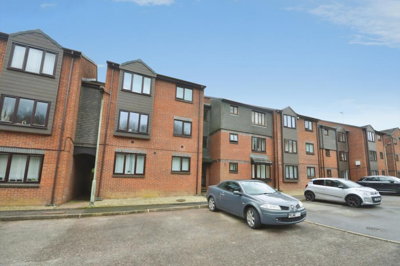
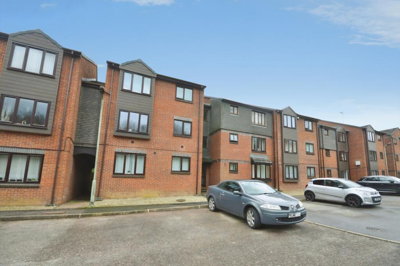
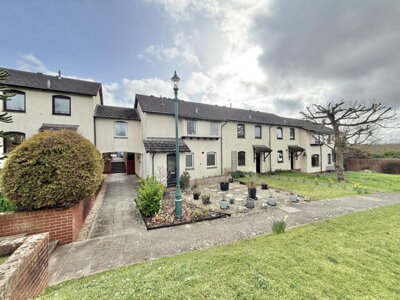
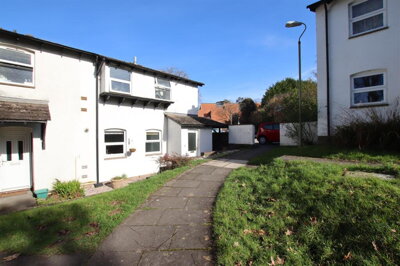
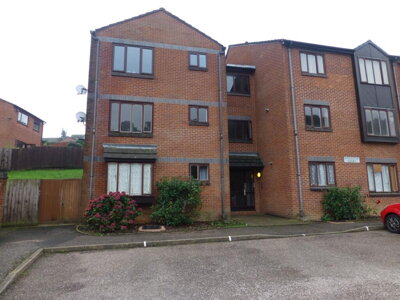
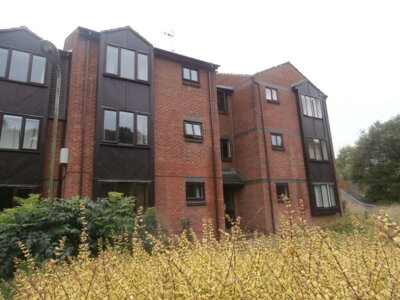
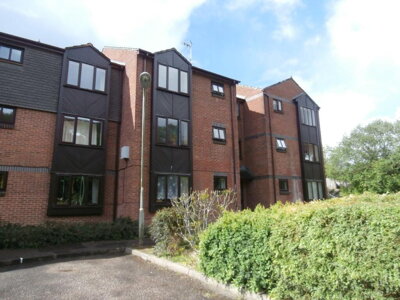
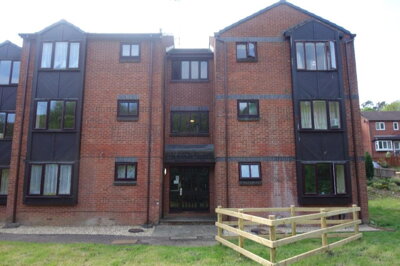
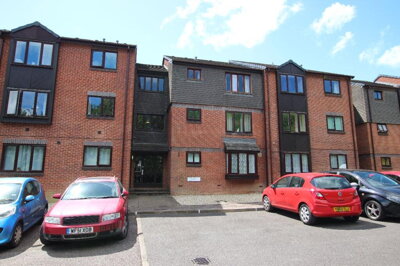
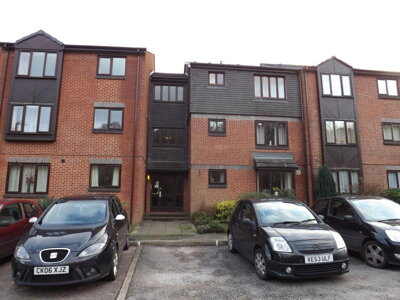
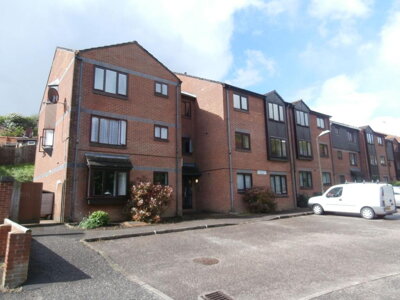
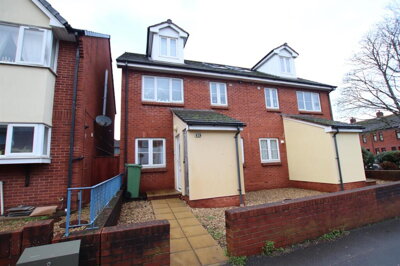
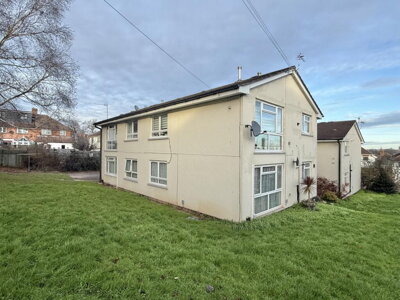
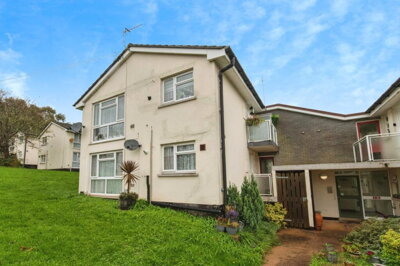
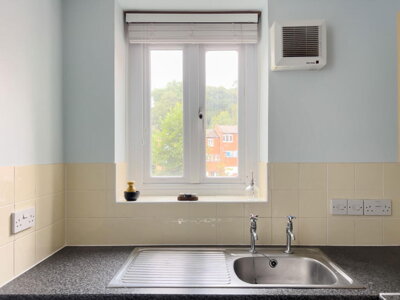
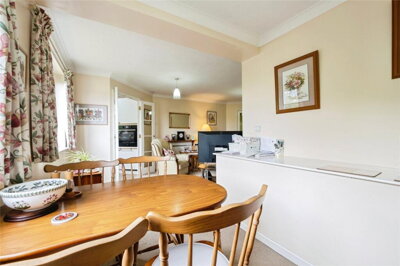
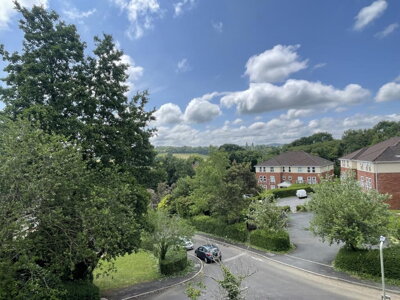
Browse 17 homes for sale in Whitestone, Teignbridge from local estate agents.
One bed apartments provide a separate bedroom alongside distinct living space, bathroom, and kitchen areas. Properties in Whitestone are available in various building types including mansion blocks, contemporary developments, and house conversions.
£0k
0
0
0
Source: home.co.uk
Showing 0 results for 1 Bedroom Flats for sale in Whitestone, Teignbridge.
The Whatley property market reflects its status as an exclusive rural enclave within Somerset's BA11 postcode area. Property prices have demonstrated steady growth over the long term, with values in the BA11 3LA postcode rising by 41.5% over the past decade and 16.9% over the last five years. The 12-month price change shows a modest increase of 1.3%, indicating a stable market that has avoided the volatility seen in some urban areas. This consistent growth trajectory makes Whatley an attractive proposition for both homeowners and investors seeking tangible returns on their property investments.
Detached properties dominate the local market, accounting for approximately 67% of all transactions in the area. This preference for standalone homes reflects buyer demand for privacy, generous garden spaces, and the quintessential rural lifestyle that Whatley embodies. The average sold price for detached properties in comparable Somerset areas stands at £417,413, though larger estates in Whatley itself command premiums, with specific sales such as Ponderosa on Old Wells Road achieving £510,000 and Zacharys Mill nearby selling for £540,000. These figures demonstrate the premium that Whatley's village setting and limited supply can add to property values.
The village's housing stock includes properties spanning several eras, from historic farmhouses and converted agricultural buildings to more recent additions. The Old Rectory represents the upper echelon of Whatley property, having sold for £1,888,000 in 2021, demonstrating the premium commanded by exceptional period homes in this sought-after location. Semi-detached properties average around £272,118 in the wider area, while terraced homes typically fetch approximately £227,964, though Whatley's premium location and scarcity of stock can push prices well above these regional averages. Over the past 26 years, just 15 property sales have been recorded in the BA11 3LA postcode area, underscoring how rarely opportunities arise in this village.

Whatley epitomises the appeal of rural Somerset living, offering residents a peaceful village atmosphere while maintaining connections to surrounding towns and cities. The village sits within the Mendip Hills area, an Area of Outstanding Natural Beauty that provides stunning landscapes, ancient woodlands, and excellent walking routes right on the doorstep. The Carboniferous limestone geology of the region creates distinctive rolling hills, dramatic gorges, and the famous Cheddar Gorge, all within a short drive of Whatley village centre. Residents can explore the many public footpaths that crisscross the surrounding farmland, connecting the village to neighbouring hamlets and offering panoramic views across the Somerset countryside.
The local community in Whatley benefits from rich traditions of Somerset life, with historic buildings, country lanes, and a pace of life that feels a world away from urban pressures. The village's proximity to Frome, approximately four miles away, provides access to a wider range of amenities including supermarkets, independent shops, restaurants, and healthcare facilities. Frome itself has gained recognition as one of the most desirable towns in England, celebrated for its independent retail scene, vibrant cultural offerings, and regular markets that have earned it a reputation as Somerset's creative hub. The town's cobbled streets and Georgian architecture create an attractive destination for residents seeking culture alongside convenience.
The wider Mendip region offers numerous leisure pursuits, with cave exploring, climbing, and cycling proving popular among residents. Local pubs and farm shops provide opportunities for socialising and sampling fresh local produce, with several farms in the surrounding area selling seasonal vegetables, meat, and dairy direct to local residents. The village's location within Somerset's coalfield region, combined with its limestone foundations, gives the area a fascinating industrial and geological heritage that adds depth to its rural character. Historical mining records for the area should be checked when purchasing property, as former coal workings exist in the broader region and may affect ground conditions in some locations.

Families considering a move to Whatley will find a selection of educational options within reasonable distance. The village falls within the Somerset local education authority, with primary schooling available in nearby villages and towns. Critically, parents should research specific catchment areas, as admission policies can be competitive, particularly for popular rural schools. The nearest primary schools are typically located in surrounding villages, with many offering small class sizes and strong community connections that smaller schools can provide. Several primary schools in the Frome area have received Good or Outstanding ratings from Ofsted, providing parents with reassurance about educational standards.
Secondary education in the area is served by schools in Frome and the surrounding market towns. Critically, parents should verify current school performance data and admission criteria with Somerset County Council, as catchment boundaries and admission policies can change. For daily travel to secondary school, families should factor in transport arrangements, as many students will require bus transportation. Selwood Academy in Frome serves the local area, while other secondary options in nearby towns provide additional choices for families willing to travel. Independent schooling is available at several notable institutions in Somerset and Wiltshire, accessible by car for those seeking private education options.
Further and higher education opportunities are readily accessible for older students, with colleges in Frome, Bath, and Bristol offering diverse vocational and academic pathways. The proximity to Bath, a UNESCO World Heritage City, provides particularly strong options for sixth form and university-level education, with the University of Bath consistently ranked among the UK's top institutions. Bath College offers a wide range of vocational courses, while Bristol's two universities and numerous colleges provide extensive choices across all subject areas. This accessibility makes Whatley suitable for families at all stages of their educational journey, from young children requiring primary schooling to older students pursuing higher education.
Connectivity from Whatley balances its rural village character with practical access to major urban centres. The village sits within comfortable driving distance of the A361 and A37, providing routes to Frome, Wells, and Yeovil. For those commuting to larger cities, Bath is approximately 30 miles away, offering access to the M4 corridor, while Bristol lies further east with its international airport and extensive rail connections. The A303 trunk road, connecting the South West to London and the M3, is accessible via the A36 through nearby Warminster, providing a direct route westward to Exeter and the Devon coast.
Rail services from Frome station provide connections to the wider rail network, with regular services to Bath Spa and Bristol Temple Meads. These stations offer onward connections to major destinations including London Paddington, with journey times to the capital typically around 90 minutes from Bath Spa. Westbury station, also accessible from the Whatley area, provides additional route options via the Wessex main line. For international travel, Bristol Airport offers flights across Europe and beyond, approximately an hour's drive from the village. This connectivity makes Whatley viable for commuters who need occasional access to major business centres while enjoying the benefits of rural village living.
Local bus services operate in the surrounding area, though as with many rural locations, frequency may be limited compared to urban routes. Residents typically find that car ownership is essential for full convenience, though the village's compact nature means local journeys can often be completed on foot or by bicycle. Parking in the village itself is generally straightforward, with properties typically offering off-street parking or garaging, a significant advantage over more urban settings. For those working from home, the availability of superfast broadband should be verified for specific properties, as rural connectivity can vary across the village.
Start by exploring Whatley's property market thoroughly. Our platform lists current available homes, while local knowledge about village character, neighbouring communities, and specific roads can help narrow your search to the most suitable properties. Given the limited number of sales in this area, patience is often required while waiting for the right property to become available.
Before viewing properties, arrange a mortgage agreement in principle with a lender. This strengthens your position when making offers and demonstrates to sellers that you have financing in place. Several competitive mortgage options are available through our partners, with lenders familiar with the Somerset property market and the valuation considerations for rural properties.
Visit shortlisted properties in person, paying attention to construction quality, garden boundaries, parking arrangements, and the condition of traditional stone buildings. Older properties may require more thorough inspection, and we recommend booking a RICS Level 2 Survey before proceeding. Given Whatley's older housing stock, including many properties likely exceeding 50 years of age, a professional survey is money well spent.
Once you find your ideal home, submit a competitive offer through the estate agent. In Whatley's tight-knit market, having your finances verified and being prepared to move quickly can make the difference in securing your preferred property. With just 15 property sales recorded in the BA11 3LA postcode over the past 26 years, opportunities are rare and competition for quality homes can be strong.
Choose a conveyancing specialist to handle the legal aspects of your purchase. They will conduct searches, review contracts, and manage communication between all parties to ensure a smooth transaction through to completion. For rural properties like those in Whatley, searches should include local mining records and drainage enquiries specific to Somerset geology.
After satisfactory survey results and contract negotiations, you will exchange deposits and agree on a completion date. On the agreed date, the remaining funds are transferred, and you receive the keys to your new Whatley home. Our team can connect you with recommended conveyancers experienced in Somerset property transactions.
Properties in Whatley often feature traditional construction methods that require careful inspection before purchase. Given the village's rural Somerset setting and the prevalence of older properties, potential buyers should pay particular attention to the condition of stone walls, which may have experienced settlement over decades or centuries. Traditional Somerset stone construction, often using local materials such as Doulting Stone or other regional limestones, requires specialist knowledge to assess properly. Timber-framed elements, where present, should be checked for rot or insect damage, while traditional pitched roofs with slate or tile coverings require inspection for slipped or damaged tiles, particularly after severe weather.
The geological characteristics of the Mendip Hills warrant specific consideration during the buying process. Properties in areas with limestone geology may be affected by ground conditions, and the proximity to the former Somerset coalfield means historical mining activity could potentially affect certain locations. A thorough building survey can identify any structural concerns, and local searches should investigate any historical mining records that might be relevant to the specific property and its plot. While the village itself may not have extensive mining beneath it, the broader region has a documented coal mining history that prudent buyers should verify.
Conservation considerations are important in villages of Whatley's character. Properties may be listed buildings or located within conservation areas, imposing restrictions on alterations, extensions, or renovations. These designations protect the village's heritage but require planning permission for certain works. Prospective buyers should verify the listed status of any property and understand the implications for future plans. Similarly, drainage arrangements in rural areas may differ from standard urban systems, and septic tank or private water supply arrangements should be verified before purchase. Properties relying on private water supplies should be tested for quality, and septic tank systems require appropriate maintenance records and compliance with current regulations.
The average sold price in Whatley over the past twelve months is approximately £510,000, based on recorded sales in the BA11 postcode area. Recent transactions include Ponderosa on Old Wells Road, which sold for £510,000 in March 2025, and Zacharys Mill on Old Wells Road in nearby Egford, which achieved £540,000 in June 2025. Properties in BA11 3LA have shown strong long-term growth, rising 41.5% over the past decade and 16.9% over five years. The market remains stable with a 12-month price increase of 1.3%, indicating sustained demand for this rural Somerset location.
Properties in Whatley fall under Mendip District Council and Somerset County Council for council tax purposes. Bands range from A through to H, depending on the property's assessed value. Band A properties might attract annual charges around £1,400 to £1,500, while higher-band properties proportionately increase. Given Whatley's range of property values, from modest cottages to substantial country estates, council tax bands vary considerably across the village. Prospective buyers should verify the specific band for any property they are considering, as this forms part of the ongoing cost of homeownership alongside mortgage payments and maintenance.
Whatley is served by primary schools in nearby villages and towns, with several rated Good or Outstanding by Ofsted within reasonable driving distance. For secondary education, Selwood Academy and other schools in Frome serve the local area, though catchment areas and transportation arrangements should be verified with Somerset County Council. Independent schools in Bath and Somerset offer alternatives for families seeking private education, with Bath providing particularly strong options at secondary and sixth form level. The proximity to Bath's universities also makes the area attractive for families with older children pursuing higher education.
Public transport options in Whatley reflect its rural village setting, with local bus services providing limited connections to surrounding towns. Frome station, approximately four miles away, offers rail services to Bath and Bristol with onward connections to London Paddington, typically taking around 90 minutes to the capital. For daily commuting, car ownership is typically essential, though the village's position provides reasonable driving access to larger centres including Bath (around 30 miles), Bristol (approximately 40 miles), and the M4 motorway via Bath. Bristol Airport, about an hour's drive, provides international travel connections.
The Whatley property market has demonstrated consistent long-term growth, with values in the BA11 3LA area rising by 41.5% over the past decade and continuing to increase, albeit modestly, with 1.3% growth in the past year. The village's rural character, proximity to Areas of Outstanding Natural Beauty, and limited property supply suggest continued demand. With just 2 property sales recorded in the past year and only 15 sales over the past 26 years in BA11 3LA, opportunities are rare but historically have shown strong returns. Properties in this sought-after Somerset location tend to hold their value well, making it attractive for both homeowners seeking a quality lifestyle investment and landlords looking for stable rental yields in a desirable rural setting.
Stamp Duty Land Tax (SDLT) applies to all property purchases in England. For residential purchases, you pay nothing on the first £250,000 of property value, 5% on the portion from £250,001 to £925,000, 10% on the portion from £925,001 to £1.5 million, and 12% on any amount above £1.5 million. First-time buyers purchasing properties up to £625,000 pay 0% on the first £425,000, then 5% on amounts up to £625,000. For a typical Whatley property priced around £510,000, standard buyers would pay approximately £13,000 in SDLT, while qualifying first-time buyers would pay around £4,250.
Period properties in Whatley typically feature traditional Somerset stone construction that may show signs of settlement or weathering after decades of use. Our inspectors recommend checking stone walls for cracking or bulging, timber elements for rot or woodworm, and roofs for slipped tiles or deteriorating flashings. Given the Mendip Hills geology, verifying ground conditions and any historical mining records for the specific plot is advisable. Properties may be listed buildings, requiring planning permission for alterations, and drainage arrangements in rural settings often involve private systems that need verification before purchase.
Whatley is located near the Somerset coalfield, and while the village itself may not sit directly above extensive mine workings, historical mining activity in the broader region warrants investigation. A local search through Somerset County Council's mining records should be obtained during the conveyancing process. Properties in areas with former mining activity can experience ground movement, though this is not necessarily a widespread issue throughout Whatley. A RICS Level 2 Survey can identify any visible signs of subsidence or structural concern that might relate to ground conditions, and your surveyor can advise whether further investigation is needed.
From 4.5%
Competitive mortgage rates available for Whatley properties
From £499
Expert property solicitors for Whatley purchases
From £350
Thorough inspection of Whatley properties
From £85
Energy performance certificate for your new home
Understanding the full costs of purchasing property in Whatley extends beyond the purchase price itself. Stamp Duty Land Tax represents the most significant additional cost for most buyers. For a typical Whatley property priced around £510,000, standard buyers would pay approximately £13,000 in SDLT, calculated as 5% on the amount between £250,001 and £510,000. First-time buyers benefiting from relief would pay around £4,250, having the first £425,000 exempt from SDLT. These calculations assume the property is residential and the buyer's first purchase above the nil-rate threshold. For higher-value properties such as The Old Rectory, which sold for £1,888,000, stamp duty costs would increase significantly.
Solicitor fees for conveyancing typically start from around £499 for standard transactions, though complexity increases costs. Searches in rural areas may include additional enquiries about local mining records, drainage arrangements, and environmental factors specific to the Somerset geology. Survey costs vary by property type and value, with RICS Level 2 Surveys starting from approximately £350 for modest properties but increasing for larger homes or those requiring more detailed inspection. Given Whatley's older housing stock, including many period properties that would benefit from thorough inspection, a professional survey is money well spent before committing to purchase. The investment can reveal issues that might otherwise prove costly after completion.
Additional costs to budget for include mortgage arrangement fees (typically 0-0.5% of loan amount), valuation fees, removal costs, and potential renovation or repair expenses. Properties in Whatley may require updating of electrical systems, replacement of old heating systems, or work to traditional building fabric. Building insurance should be in place from the point of completion, and owners of period properties should set aside funds for ongoing maintenance of stone walls, traditional windows, and period features that require specialist care. Setting aside a contingency fund equivalent to 10-15% of the purchase price is prudent for older properties, particularly those requiring renovation or presenting maintenance issues identified during survey.
Properties for Sale In London

Properties for Sale In Plymouth

Properties for Sale In Liverpool

Properties for Sale In Glasgow

Properties for Sale In Sheffield

Properties for Sale In Edinburgh

Properties for Sale In Coventry

Properties for Sale In Bradford

Properties for Sale In Manchester

Properties for Sale In Birmingham

Properties for Sale In Bristol

Properties for Sale In Oxford

Properties for Sale In Leicester

Properties for Sale In Newcastle

Properties for Sale In Leeds

Properties for Sale In Southampton

Properties for Sale In Cardiff

Properties for Sale In Nottingham

Properties for Sale In Norwich

Properties for Sale In Brighton

Properties for Sale In Derby

Properties for Sale In Portsmouth

Properties for Sale In Northampton

Properties for Sale In Milton Keynes

Properties for Sale In Bournemouth

Properties for Sale In Bolton

Properties for Sale In Swansea

Properties for Sale In Swindon

Properties for Sale In Peterborough

Properties for Sale In Wolverhampton

Enter your details to see if this property is within your budget.
Loans, cards, car finance
Estimated property budget
Borrowing + deposit
You could borrow between
Typical borrowing
Monthly repayment
Est. at 4.5%
Loan-to-value
This is an estimate only. Your actual budget may vary depending on interest rates, credit history, and personal circumstances. For an accurate affordability assessment, speak to one of our free mortgage advisors.
This calculator provides estimates for illustrative purposes only and does not constitute financial advice. Your home may be repossessed if you do not keep up repayments on your mortgage. Estimates based on 4.5% interest rate, repayment mortgage. Actual rates depend on your circumstances.
Homemove is a trading name of HM Haus Group Ltd (Company No. 13873779, registered in England & Wales). Homemove Mortgages Ltd (Company No. 15947693) is an Appointed Representative of TMG Direct Limited, trading as TMG Mortgage Network, which is authorised and regulated by the Financial Conduct Authority (FRN 786245). Homemove Mortgages Ltd is entered on the FCA Register as an Appointed Representative (FRN 1022429). You can check registrations at NewRegister or by calling 0800 111 6768.

We use cookies to show you personalised content and improve your experience of our website. Find out more in our Privacy policy and Cookie policy.