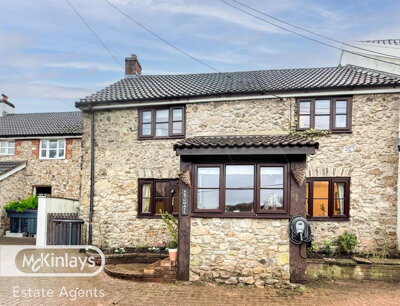
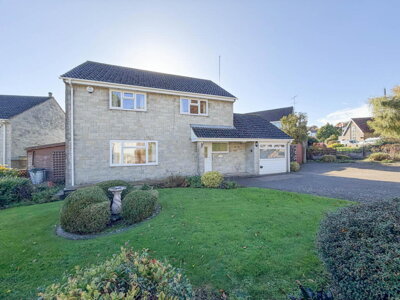
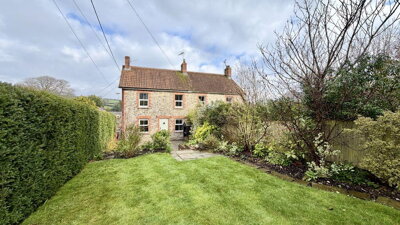
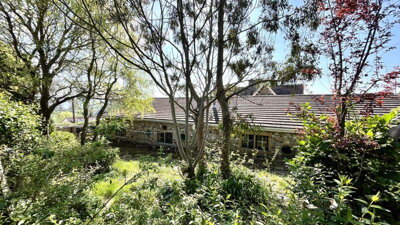
Browse 11 homes for sale in Whitestaunton, Somerset from local estate agents.
Three bedroom properties represent a significant portion of the Whitestaunton housing market, offering space for families with multiple reception rooms and gardens in many cases. Browse detached, semi-detached, and terraced options ranging from period character homes to contemporary developments.
£0k
0
0
0
Source: home.co.uk
Showing 0 results for 3 Bedroom Houses for sale in Whitestaunton, Somerset.
The Whitestaunton property market reflects the village's desirable rural location and historic character, with detached properties commanding premium prices due to their scarcity and the generous plot sizes that typically accompany them. Recent sales data shows detached homes in the broader Staunton area averaging £456,750, while semi-detached properties have sold for around £381,500 and terraced properties for approximately £244,250. The market has shown resilience despite broader national fluctuations, with overall prices in the Staunton area rising 6% over the past year compared to the previous year, though values remain around 16% below the 2023 peak of £473,462.
New build activity within Whitestaunton itself remains extremely limited, with most new housing developments in the TA20 postcode area located in neighbouring villages such as Combe St Nicholas rather than Whitestaunton village itself. A recent planning application for a rural workers dwelling at Cindervale Farm represents the typical scale of new construction in the parish, reflecting the community's commitment to preserving its character. For buyers seeking newly built homes, nearby developments like Ham Farm offer 4 and 5-bedroom detached properties with prices starting around £375,000, though these require consideration of commuting implications given their location outside Whitestaunton proper.
The Somerset housing market overall has shown modest growth, with average house prices increasing by 1.1% from December 2024 to December 2025, while detached properties across the county rose by 2.6% over the same period. This stability suggests that Whitestaunton property remains a solid investment, particularly for buyers prioritising lifestyle and community over rapid capital appreciation. The village's position within South Somerset continues to attract buyers from across the South West who appreciate the combination of rural charm, excellent local schools, and proximity to major transport links.

Whitestaunton offers a quintessentially English village lifestyle that has become increasingly rare in modern Britain, where community spirit and traditional values remain central to daily life. The village takes its name from the distinctive local limestone known as Whitestaunton Stone, a calcareous grit that forms the foundation of most historic buildings in the area and contributes to the warm honey-gold appearance of the village's cottages and farmhouses. The local geology also includes Chert, a hard stone traditionally used for all kinds of buildings in the central Blackdown Hills, which can be seen in the random rubble construction of properties throughout the village. This architectural heritage creates a visually cohesive environment that has been carefully preserved through the designation of a Conservation Area centred on the historic core.
The village sits at the source of the River Yarty, a tributary that flows through the surrounding countryside and contributes to the lush landscape character of the area. Residents enjoy access to extensive walking routes across the Blackdown Hills, an Area of Outstanding Natural Beauty that attracts visitors from across the country. The combination of rolling farmland, ancient woodlands, and historic villages makes Whitestaunton ideal for those who appreciate outdoor pursuits, with cycling, horse riding, and rambling popular activities among locals. The village pub provides a focal point for community gatherings, while the proximity to larger villages and towns ensures access to additional amenities including shops, restaurants, and recreational facilities.
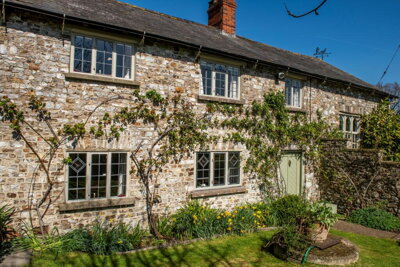
The demographic profile of Whitestaunton reflects its appeal to families and retirees seeking a peaceful rural environment, with the population of 300 distributed among households that predominantly consist of detached family homes and converted agricultural buildings. The village has maintained its population relatively stably over recent decades, avoiding the decline that has affected some smaller rural communities. Property types in Whitestaunton range from 17th-century farmworkers' cottages to substantial Victorian and Edwardian family houses, with architecture that showcases the local building tradition of random rubble stone walls under slate roofs, often with Ham Stone dressings on more prestigious buildings.

Families considering a move to Whitestaunton will find a range of educational options within reasonable travelling distance, with primary school provision available in nearby villages and larger towns. The village's position in South Somerset places it within the catchment areas of several well-regarded primary schools serving the Blackdown Hills communities, many of which have achieved good or outstanding Ofsted ratings in recent inspections. Primary aged children can typically access schools within a 10-15 minute drive, with school transport provision available for those living in more isolated farmsteads within the parish.
Secondary education is provided by schools in the nearby market towns of Chard and Axminster, both of which offer comprehensive secondary curricula and sixth form provision for older students. Chard School provides education from ages 11 through 18, while the nearby Holyrood Academy in Chard offers a strong academic programme with particular strengths in STEM subjects. Parents seeking faith-based education will find Catholic and Church of England options available in the broader area, providing choice for families with specific educational preferences. The presence of multiple secondary schools within 10-15 miles of Whitestaunton ensures competitive provision and avoids the pressures sometimes experienced in more isolated rural communities.
For families prioritising private education, several independent schools operate within reasonable commuting distance, including establishments in Taunton and Exeter that offer boarding and day options across the full age range. These schools often have strong traditions in the arts, sports, and academic achievement, attracting families willing to travel for educational excellence. Early years provision in Whitestaunton and immediately surrounding villages provides childcare for pre-school children, with registered childminders and small nurseries offering flexible arrangements that accommodate rural working patterns. The quality of local schools significantly influences the village's appeal to families, and many buyers specifically cite educational provision as a key factor in their decision to relocate to the Whitestaunton area.
Whitestaunton is well positioned for road transport, with the A358 providing connections to the larger towns of Taunton and Chard, while offering links to the M5 motorway at junction 25 approximately 15 miles to the north. This motorway access opens up the broader South West region, including Exeter, Bristol, and Plymouth, making Whitestaunton suitable for commuters who work in these cities but wish to live in a more rural environment. The journey time to Taunton by car is approximately 30-35 minutes, while Bristol can be reached in around an hour and a quarter, depending on traffic conditions. The A30 trunk road also provides an alternative route towards Exeter and the south coast.
Public transport options from Whitestaunton reflect the village's smaller scale, with limited bus services connecting the community to nearby towns and villages. The nearest railway stations are located in Axminster (approximately 12 miles) and Taunton (approximately 18 miles), both offering regular services to major destinations including London Waterloo and Bristol. Axminster station provides a more peaceful commuting option with car parking facilities, while Taunton offers a greater frequency of services and direct connections to London Paddington via the Great Western Railway line. For commuters working from home or maintaining flexible working arrangements, Whitestaunton's broadband infrastructure has improved in recent years, though prospective buyers should verify current speeds at specific properties given the rural location.
Cycling infrastructure in the surrounding Blackdown Hills has developed in response to growing interest in sustainable transport and recreational cycling, with several scenic routes available for confident cyclists. The Devon and Somerset Countryside Access Forum has promoted the development of additional bridleways and byways that benefit both residents and visitors. However, visitors to Whitestaunton should note that the hilly terrain makes cycling for transport challenging, and car ownership is effectively essential for most daily activities. Local employers are increasingly offering flexible working arrangements that reduce the frequency of commuting, making Whitestaunton more accessible to a broader range of potential buyers including those in professional occupations who can work remotely for part of the week.
Understanding the local building tradition is essential for anyone considering purchasing property in Whitestaunton, as the village's distinctive architecture reflects centuries of craftsmanship using materials quarried from the immediate surroundings. The predominant building stone is Whitestaunton Limestone, technically known as Calcareous Grit, which forms part of the Cretaceous limestone and chalk sequence underlying the Blackdown Hills. This hard, nodular calcareous sandstone contains poorly-sorted grains of translucent quartz and chalky calcite, giving it exceptional durability that has proven itself over hundreds of years of exposure to the Somerset climate. The warm honey-gold colour of this stone contributes significantly to the village's visual character and explains why Whitestaunton is such a sought-after location for buyers who appreciate traditional English architecture.
Chert represents another significant building material throughout the Blackdown Hills area, valued for its hardness and versatility in construction. Local builders have traditionally used Chert in two distinct ways: roughly squared or knapped and laid in regular courses for Victorian and more recent buildings, or used without knapping for traditional rubblestone walling in older properties. The combination of these materials can be seen clearly at Whitestaunton Manor, a Grade I listed building dating from the 15th century with significant enlargements in the late 16th and early 17th centuries, which is constructed of random rubble Whitestaunton Limestone with squared and coursed Chert detailing. More prestigious buildings, including the 13th-century Parish Church of St Andrew, feature Ham Stone dressings that provide elegant contrast against the local stonework.
Roof construction in Whitestaunton predominantly uses natural slate, another locally characteristic feature that complements the stone walls and contributes to the visual unity of the villagescape. Properties throughout the village typically feature steeply pitched roofs designed to shed the high rainfall common to this part of Somerset, with rooflines broken by dormers, chimneys, and dormer windows that add visual interest to the street scene. The combination of traditional materials and construction methods creates homes of considerable character, but buyers should recognise that these properties require ongoing maintenance to preserve their fabric. Lime-based mortars were traditionally used for pointing and rendering, and any future maintenance work should use compatible materials to avoid damaging the historic stonework through the use of inappropriate Portland cement mortars.
Visit Whitestaunton at different times of day and week to understand the village's character, noise levels, and community atmosphere. Speak with local residents about their experiences living in the village and gather information about specific roads or properties that may have particular advantages or drawbacks. Spend time exploring the surrounding footpaths and local amenities to confirm that rural village life matches your expectations.
Once you have identified suitable properties through Homemove, arrange viewings with the listing agents and attend with a checklist covering construction quality, natural light, storage space, and garden orientation. Take photographs and notes during each viewing to help compare properties later and ensure you do not miss important details. For older stone properties, pay particular attention to the condition of walls, windows, and roofing during your visits.
Before making an offer, obtain a mortgage Agreement in Principle from a lender to demonstrate your financial capability to sellers and estate agents. This document strengthens your position in negotiations and helps expedite the formal mortgage application process once your offer has been accepted. Given the higher property values in Whitestaunton, ensure your mortgage advisor is familiar with rural property valuations and the requirements of lenders for properties in conservation areas.
Given Whitestaunton's historic property stock, arrange a RICS Level 2 Home Survey before proceeding to completion. This report will identify any structural issues, defects, or maintenance concerns with older stone-built properties, providing you with important information for price negotiations or enabling you to withdraw if serious problems are discovered. For Grade II listed properties or those of unusual construction, a RICS Level 3 Building Survey may be more appropriate and will provide more detailed analysis of the property's condition.
Appoint a conveyancing solicitor with experience in rural Somerset properties to handle the legal aspects of your purchase. They will conduct searches, review the contract, handle land registry matters, and coordinate with your mortgage lender to ensure a smooth transaction. Your solicitor should also be prepared to advise on any planning conditions affecting the property, including those related to the Conservation Area designation.
Once all surveys, searches, and legal checks are satisfactory, your solicitor will arrange for contracts to be signed and a deposit paid to exchange commitments. Completion typically follows within 7-28 days, after which you will receive the keys to your new Whitestaunton home and can begin moving in. Factor in time for removals and for setting up utilities, as some services may require longer lead times in rural locations.
Properties in Whitestaunton are predominantly constructed from local stone using traditional methods that predate modern building regulations, requiring careful inspection to identify common issues associated with historic housing stock. Rising damp affects many solid-walled properties built before the introduction of damp-proof courses, appearing as tide marks on ground floor walls and potentially causing timber deterioration if left unaddressed. Penetrating damp can occur where pointing has deteriorated or where stone walls have been exposed to persistent weathering without adequate maintenance, particularly on north and west facing elevations that receive less sun. A thorough RICS Level 2 Survey will identify the presence and severity of any damp issues and recommend appropriate remediation measures.
Roof conditions demand particular attention given the age of many properties and the prevalence of natural slate as a roofing material in the village. Individual slates can crack or slip over time, allowing water ingress that may not become immediately apparent inside the property. The condition of ridge mortar and flashings around chimneys should also be assessed, as deterioration in these areas is a common source of leaks in older stone buildings. Properties in Whitestaunton may have complex roof structures with multiple valleys and penetrations that require more maintenance than simpler modern designs. Buyers should factor the potential cost of roof repairs into their budget when evaluating properties with older coverings.
The geology of the Whitestaunton area, characterised by chalk and limestone overlying Jurassic strata, presents specific considerations for property buyers regarding ground conditions and potential movement. While the local geology is not identified as a coal mining area, clay-rich soils in the region may exhibit shrink-swell behaviour in response to moisture changes, potentially causing subsidence or structural movement in susceptible properties. Trees planted close to buildings can exacerbate these issues by extracting moisture from the subsoil during dry periods. Properties with existing structural movement, such as cracks in walls or uneven floors, should be investigated by a structural engineer before purchase. Insurance costs may be higher for properties with a history of subsidence claims, and this should be factored into the overall cost of ownership.
Conservation Area restrictions apply to properties within Whitestaunton's designated area, affecting permitted development rights and requiring planning approval for certain alterations, extensions, or demolitions. The presence of listed buildings, including Whitestaunton Manor (Grade I) and its outbuildings (Grade II), creates additional obligations for owners of neighbouring properties and those seeking to modify their own homes. Exterior paint colours, window styles, and roofing materials may all be subject to approval by South Somerset District Council's conservation officers, potentially limiting future flexibility for property owners. Buyers should satisfy themselves that any planned modifications would be achievable within the planning framework before committing to a purchase.
The average sold price for a property in Whitestaunton over the last 12 months stands at £760,000, placing the village among the more expensive locations in South Somerset. Detached properties in the broader Staunton area have sold for approximately £456,750 on average, with semi-detached homes averaging £381,500 and terraced properties around £244,250. Whitestaunton ranks as the 18th most expensive parish out of 106 parishes in South Somerset with at least 10 sales recorded since 2018, reflecting its desirability as a rural location. The village's average price reflects the premium commanded by historic stone properties with generous plots in the Blackdown Hills, where supply of quality homes remains limited.
Properties in Whitestaunton fall under South Somerset District Council's council tax banding system, which ranges from Band A for the lowest value properties to Band H for the most expensive homes. Given the village's high average property values, a significant proportion of homes are likely to be in higher bands, typically Band D through Band G for substantial detached houses and period properties. The Grade II listed outbuildings at Whitestaunton Manor, for example, may have been assessed with consideration of their historic status and traditional construction. Prospective buyers should check specific properties on the Valuation Office Agency website to confirm the applicable council tax band, as this will affect ongoing running costs alongside energy bills, which may be higher in older stone properties with solid walls.
Primary schools in the surrounding Blackdown Hills villages and nearby towns serve Whitestaunton families, with several achieving good or outstanding Ofsted ratings in recent inspections. The nearest primary schools are typically located within a 10-15 minute drive, with school transport available for more isolated properties within the parish. Secondary education is available at Chard School and Holyrood Academy in Chard, both offering sixth form provision and serving the wider South Somerset area with strong academic programmes. Independent schools within commuting distance include establishments in Taunton and Exeter that provide education from early years through to A-levels, offering families additional choices beyond the state provision.
Public transport options from Whitestaunton are limited, reflecting the village's rural character and smaller population of approximately 300 residents. The nearest railway stations are in Axminster (approximately 12 miles) offering regular services to London Waterloo, and Taunton (approximately 18 miles) with direct connections to London Paddington via Great Western Railway. Bus services connecting Whitestaunton to nearby towns operate on reduced frequencies compared to urban routes, making car ownership effectively essential for most residents. The village's position near the A358 provides reasonable road connections to surrounding towns and access to the M5 motorway at junction 25, approximately 15 miles to the north, for those commuting further afield.
Whitestaunton offers several characteristics that make it attractive for property investment, including its desirable rural location within the Blackdown Hills Area of Outstanding Natural Beauty, limited supply of available properties, and strong community atmosphere that continues to attract buyers from across the South West. The village's position in South Somerset benefits from proximity to major employment centres in Taunton and Exeter while offering a peaceful living environment that commands premium prices. Properties constructed from traditional local materials such as Whitestaunton Limestone and Chert may require higher maintenance costs, but their character and scarcity value tend to hold well over time. The Conservation Area designation helps protect the village's character, which supports long-term property values by preventing unsympathetic development.
Stamp duty rates for 2024-25 apply a nil rate on the first £250,000 of residential property purchases, with 5% charged on amounts between £250,001 and £925,000, 10% on values from £925,001 to £1.5 million, and 12% above £1.5 million. First-time buyers benefit from relief on the first £425,000, with 5% applying between £425,001 and £625,000, though no relief is available above £625,000. Given Whitestaunton's average property price of £760,000, a standard buyer purchasing at this level would pay approximately £25,500 in stamp duty, while a first-time buyer would pay £16,750 assuming they qualify for the relief. Properties at the upper end of the market, such as substantial period farmhouses or converted agricultural buildings, may exceed the £925,000 threshold and attract higher rate charges.
Properties in Whitestaunton often date from the 17th century or earlier, bringing typical risks associated with historic housing stock including damp penetration through solid walls, outdated electrical and plumbing systems, and potential structural movement related to the local clay-rich geology. Many homes were built before modern damp-proof courses and may require remedial work to meet contemporary standards, including re-pointing with lime mortar and improved ventilation. The use of traditional building materials means that maintenance approaches differ from modern properties, with lime-based products required rather than Portland cement. A RICS Level 2 Survey is strongly recommended before purchase to identify any defects and provide cost estimates for necessary repairs, enabling informed decisions about property values and negotiating positions. For Grade II listed properties, buyers should budget for potentially higher maintenance costs as any works may require listed building consent and specialist contractors.
Purchasing a property in Whitestaunton involves several costs beyond the purchase price itself, with stamp duty representing one of the most significant expenses for buyers. At current 2024-25 rates, a buyer purchasing a property at the village average price of £760,000 would incur SDLT of £25,500 on a standard purchase, calculated as 5% on the portion between £250,001 and £925,000. First-time buyers may benefit from reduced rates, paying £16,750 in stamp duty assuming they meet the eligibility criteria and the property price falls within the relief threshold. Higher value purchases approaching or exceeding £1 million will incur significantly higher rates, with 10% applying to the portion between £925,001 and £1.5 million.
Survey costs for Whitestaunton properties merit particular attention given the age and construction methods typically found in the village. A RICS Level 2 Home Survey typically costs between £395 and £1,250 depending on the property value and number of bedrooms, with the average cost in nearby Taunton around £432. Older properties constructed before 1900 may incur additional charges of 20-40% due to the increased complexity of surveying traditional construction. Listed buildings require specialist assessment and will need a Level 3 Building Survey rather than a standard Level 2, adding to the overall survey budget. These costs should be viewed as essential investments that can reveal defects requiring price negotiation or preventing costly purchases.
Conveyancing fees for purchasing property in South Somerset typically start from around £499 for basic transaction handling, rising to £1,500 or more for more complex purchases involving mortgages, chains, or unusual terms. Search fees charged by South Somerset District Council and other authorities typically total £200-300, while Land Registry fees for registering the transfer add a further £200-500 depending on the property price. Buyers should also budget for valuation fees charged by their mortgage lender, typically £150-300, and factor in removals costs, which vary significantly depending on the volume of belongings and distance travelled. Overall, buyers should anticipate spending approximately 3-5% of the purchase price on these additional costs, meaning a £760,000 property would involve around £22,800-£38,000 in stamp duty, surveys, legal fees, and other expenses.
From £395
A detailed inspection of your Whitestaunton property, ideal for traditional stone construction
From £600
Comprehensive structural survey recommended for older or listed properties
From £499
Expert legal services for your Whitestaunton property purchase
From 4.5%
Competitive rates for Whitestaunton property buyers
Properties for Sale In London

Properties for Sale In Plymouth

Properties for Sale In Liverpool

Properties for Sale In Glasgow

Properties for Sale In Sheffield

Properties for Sale In Edinburgh

Properties for Sale In Coventry

Properties for Sale In Bradford

Properties for Sale In Manchester

Properties for Sale In Birmingham

Properties for Sale In Bristol

Properties for Sale In Oxford

Properties for Sale In Leicester

Properties for Sale In Newcastle

Properties for Sale In Leeds

Properties for Sale In Southampton

Properties for Sale In Cardiff

Properties for Sale In Nottingham

Properties for Sale In Norwich

Properties for Sale In Brighton

Properties for Sale In Derby

Properties for Sale In Portsmouth

Properties for Sale In Northampton

Properties for Sale In Milton Keynes

Properties for Sale In Bournemouth

Properties for Sale In Bolton

Properties for Sale In Swansea

Properties for Sale In Swindon

Properties for Sale In Peterborough

Properties for Sale In Wolverhampton

Enter your details to see if this property is within your budget.
Loans, cards, car finance
Estimated property budget
Borrowing + deposit
You could borrow between
Typical borrowing
Monthly repayment
Est. at 4.5%
Loan-to-value
This is an estimate only. Your actual budget may vary depending on interest rates, credit history, and personal circumstances. For an accurate affordability assessment, speak to one of our free mortgage advisors.
This calculator provides estimates for illustrative purposes only and does not constitute financial advice. Your home may be repossessed if you do not keep up repayments on your mortgage. Estimates based on 4.5% interest rate, repayment mortgage. Actual rates depend on your circumstances.
Homemove is a trading name of HM Haus Group Ltd (Company No. 13873779, registered in England & Wales). Homemove Mortgages Ltd (Company No. 15947693) is an Appointed Representative of TMG Direct Limited, trading as TMG Mortgage Network, which is authorised and regulated by the Financial Conduct Authority (FRN 786245). Homemove Mortgages Ltd is entered on the FCA Register as an Appointed Representative (FRN 1022429). You can check registrations at NewRegister or by calling 0800 111 6768.

We use cookies to show you personalised content and improve your experience of our website. Find out more in our Privacy policy and Cookie policy.