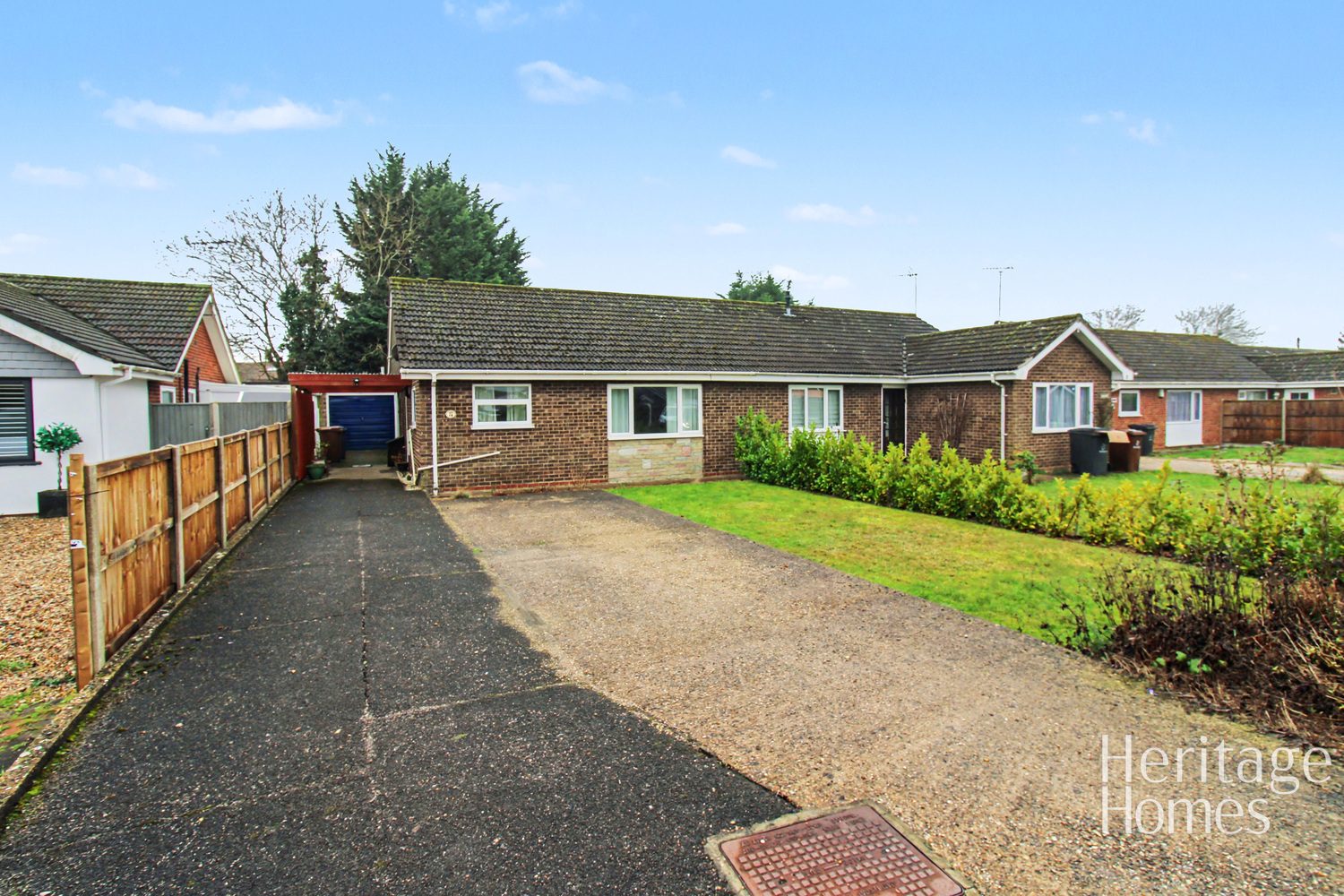
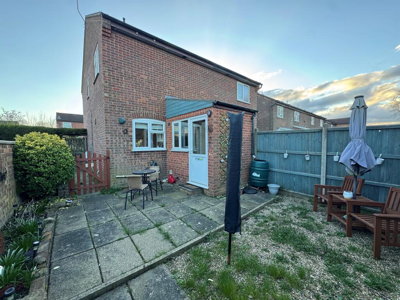
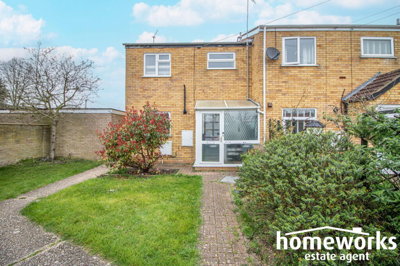
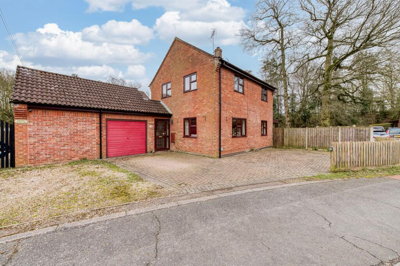
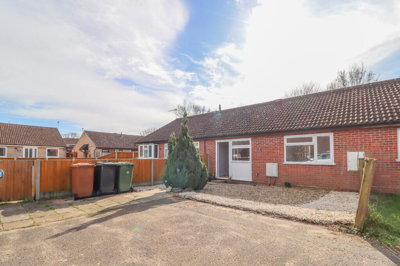
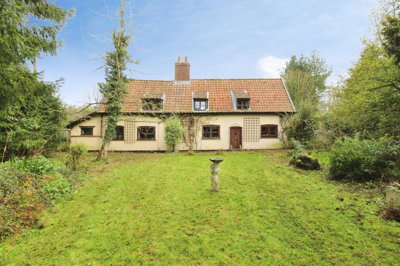
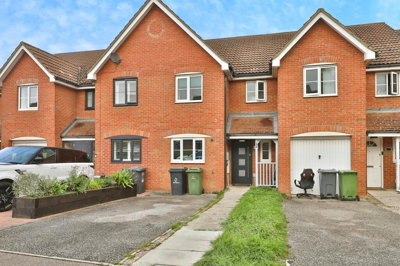
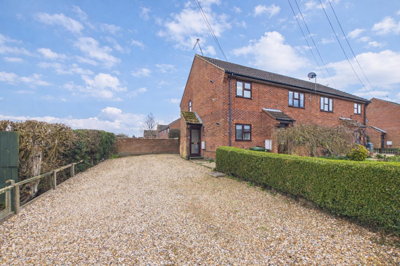
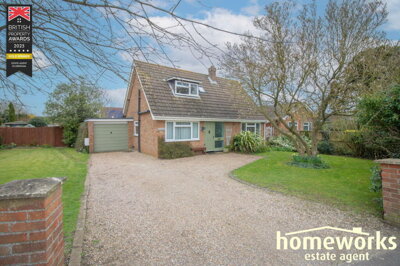
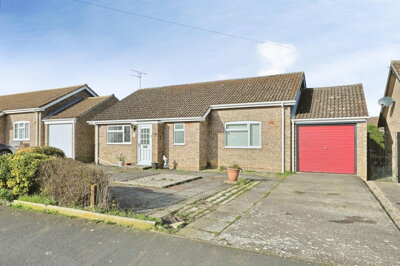
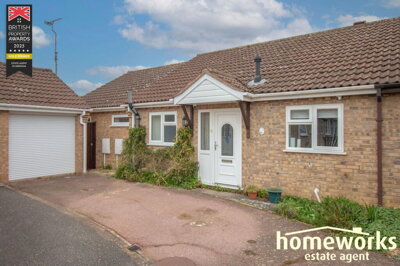
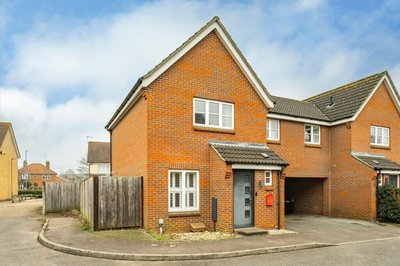
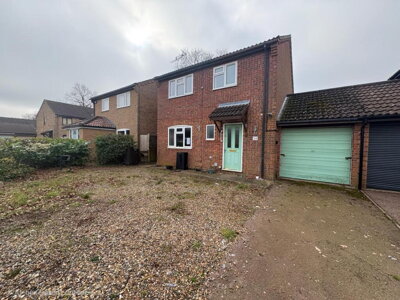
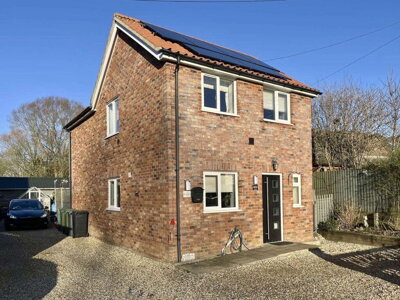
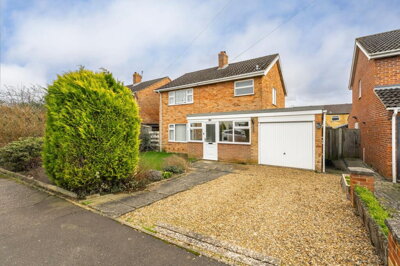
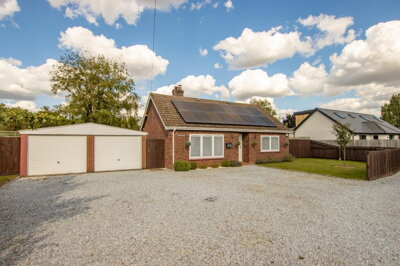
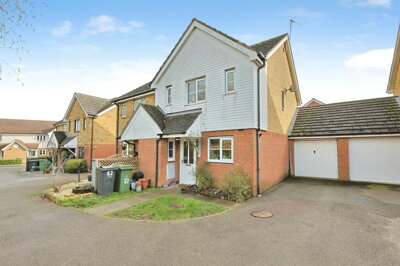
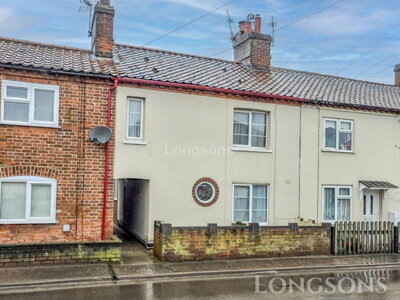
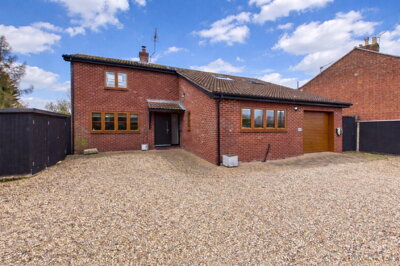
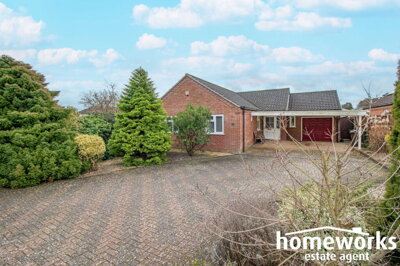
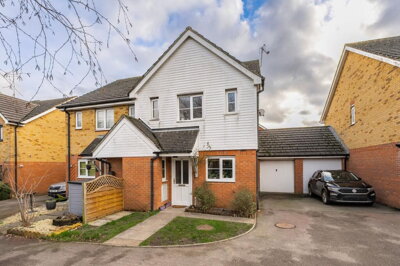
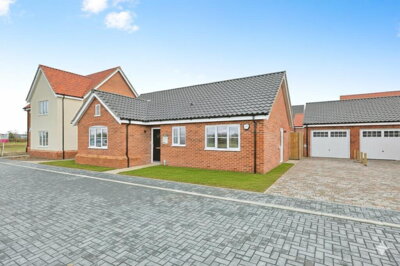
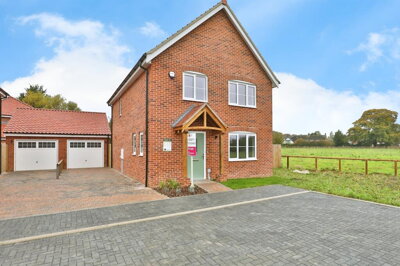
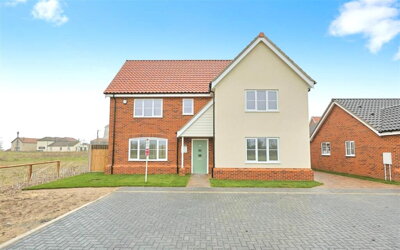
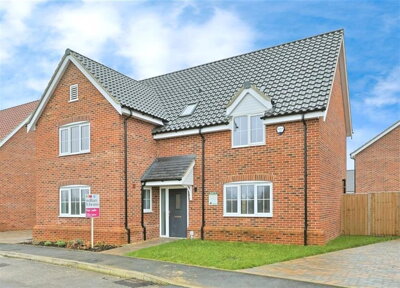
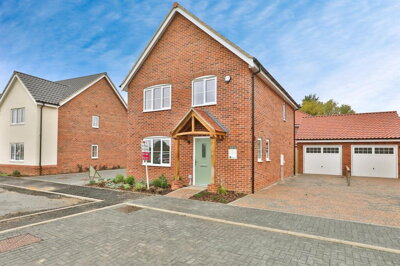
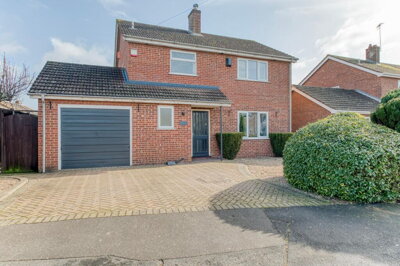
Browse 145 homes for sale in Whinburgh and Westfield from local estate agents.
The West Lancashire property market presents a compelling proposition for buyers, with detached properties averaging £362,000, semi-detached homes at £223,000, terraced properties at £172,000, and flats at £119,000. These price points reflect a market that offers genuine affordability compared to the nearby Liverpool city region, where comparable properties often command significantly higher premiums. The borough attracted 1,574 recorded sales in 2018 according to Land Registry data, demonstrating consistent transaction volumes that suggest a healthy, functioning local market with motivated buyers and sellers. Semi-detached properties have historically dominated sales in the area, reflecting the strong demand for family-sized accommodation at accessible price points.
Recent price trends show terraced properties leading growth at 1.4% over the past twelve months, while flats have experienced a modest correction of 3.4%. Semi-detached and detached properties have remained relatively stable, reflecting buyer preference for family-sized accommodation in an area that continues to attract those priced out of neighbouring regions. The Rightmove average of £271,351 recorded in February 2026 sits slightly above the Land Registry figure, reflecting different data collection methodologies, though both sources confirm the borough's position as more affordable than surrounding areas. For buyers timing their purchase, the current stable market conditions offer an opportunity to view multiple properties and negotiate without the pressure of rapidly rising prices.
Several major new build developments are adding fresh inventory to the market, including Story Homes submitting planning for 287 homes in Burscough with a 35% affordable housing component, Bellway Homes offering 2, 3, 4, and 5-bedroom properties near Ormskirk at Lathom Pastures, and Redrow's The Grange at Yew Tree Park in Burscough featuring 3, 4, and 5-bedroom family homes. New builds in Rufford, approximately 5 miles northeast of Ormskirk, are also contributing to housing supply in the village setting that many buyers find appealing. The Tawd Valley Developments, a community-focused company wholly owned by West Lancashire Borough Council, continues to add affordable homes to buy and rent across the borough, providing options for those with lower deposits or shared ownership arrangements.

West Lancashire sits at an attractive crossroads between Lancashire's rural heartland and the economic powerhouse of Liverpool, just a short drive to the city centre. The borough covers approximately 113 square miles of varied landscape, from rolling farmland and river valleys to established residential areas with their own distinct characters. Towns like Ormskirk retain a traditional market town atmosphere with independent shops, cafes, and a weekly market, while Skelmersdale has evolved into a significant residential centre with comprehensive local amenities. The Tawd Valley, traversed by the River Tawd, offers scenic walking routes and green spaces that residents cherish, demonstrating how the area balances practical urban living with easy access to nature. The flat terrain across much of the borough makes it particularly suitable for cycling and walking, with various bridleways and dedicated paths connecting communities.
The demographic profile of West Lancashire reflects its appeal to diverse buyer groups, with a population of approximately 117,400 growing to an estimated 122,000 by mid-2024, representing steady growth over recent years. Employment is predominantly in the service sector, with education proving particularly significant due to the presence of Edge Hill University in Ormskirk, a major institution employing hundreds of staff and attracting students from across the UK. The biggest industry employers are wholesale and retail trade alongside vehicle repair businesses, reflecting the practical nature of the local economy. Healthcare, manufacturing, and professional services also provide significant employment across the borough, meaning local workers have varied career options without necessarily commuting to Liverpool or Manchester.
The borough's proximity to Liverpool has made it increasingly popular with commuters who desire more affordable housing while maintaining access to the city's employment opportunities, a factor that continues to support property values despite affordability ratios of 6.24 being among the highest in Lancashire. This high ratio indicates that housing costs relative to earnings are stretched compared to some neighbouring authorities, yet the comparison to Liverpool house prices still favours West Lancashire significantly. The combination of community atmosphere, good schools, and practical amenities makes the borough particularly popular with families seeking more space than city living allows, while retaining convenient access to major employment centres for those who need it.

Education provision across West Lancashire serves families well, with the borough offering a mix of primary and secondary schools across both the state and independent sectors. Primary education is well distributed throughout the towns and villages, with many schools serving their local communities effectively. For secondary education, families should research individual school performance through Ofsted reports and examination results, as standards vary across the borough. Several schools have earned strong reputations for academic achievement and extracurricular provision, making proximity to high-performing schools a significant factor in property location decisions for family buyers. The distribution of schools means that buyers should verify catchment areas carefully, as these directly determine which schools children can attend based on their home address.
Edge Hill University in Ormskirk stands as the borough's most significant educational institution, offering undergraduate and postgraduate degrees across a wide range of subjects and employing a substantial local workforce. The university campus, set in attractive grounds, contributes significantly to Ormskirk's character and economy, supporting local businesses and bringing younger residents into the area. For families considering further education options within the borough itself, the presence of this established university provides progression pathways for students remaining in the area after GCSEs and A-Levels, reducing the need to relocate for higher education. Student rental demand from Edge Hill also supports the buy-to-let market, with properties near the university commanding reliable tenant interest.
Families moving to West Lancashire should register with local authorities for school place allocations and research catchment areas carefully, as these directly influence which schools children can access based on their home address. Primary school applications are coordinated through West Lancashire Borough Council, with secondary transfers typically arranged through Lancashire County Council. For families relocating from outside the area, visiting schools during open days or arranging tours can provide valuable insight into each institution's character and provision. The combination of good local primary schools, varied secondary options, and the presence of Edge Hill University means families at all stages can find appropriate educational pathways within the borough.
West Lancashire benefits from transport connections that make it practical for residents to commute to major employment centres while enjoying lower property prices than would be available closer to those cities. The M58 motorway provides direct access to Liverpool, connecting the borough to the city centre and the wider motorway network including the M6 for Manchester and beyond. For those working in Liverpool, the journey by car typically takes 30-45 minutes depending on exact start point and time of travel, making it feasible for daily commuting while residing in more spacious surroundings. The M58 interchange at Junction 3 near Skelmersdale provides particularly convenient access for residents of that town and surrounding villages.
Rail services from stations including Ormskirk provide additional commuting options, with connections to Liverpool and the wider rail network through interchange at Liverpool itself. Bus services operated by various providers connect the borough's towns and villages, though frequencies may be reduced in more rural areas and on evenings and weekends. For residents without cars, the limited public transport options in some areas mean that access to a vehicle remains practically important for daily life, though Ormskirk and Burscough benefit from better service frequencies. The borough's position between Liverpool and Preston gives residents access to the economic opportunities of both cities, while Manchester remains accessible via the M6 motorway for those willing to accept a longer journey time.
For cyclists, the flat terrain of much of West Lancashire makes cycling a practical option for shorter local journeys, with various bridleways and cycle paths available for leisure and commuting alike. The flat landscape is a particular advantage compared to neighbouring hilly areas, making the borough popular with recreational cyclists and those who cycle to work. Parking availability varies by location, with town centre parking more limited than in more rural settlements, a consideration for those who drive regularly to Ormskirk or other town centres for shopping and services. Park and ride schemes in Liverpool itself can help commuters heading into the city centre avoid the costs and stress of city centre parking.
Before viewing properties, research West Lancashire's different neighbourhoods to understand which areas match your lifestyle needs, whether you prioritise proximity to Edge Hill University, easy motorway access for commuting, or the character of conservation villages like Newburgh with its 40-plus listed buildings. Obtain a mortgage agreement in principle from a lender to understand your realistic budget before starting your property search in earnest. Current average prices range from £119,000 for flats to £362,000 for detached homes, giving a wide range of options at different price points.
Browse listings across West Lancashire's towns including Ormskirk, Burscough, Skelmersdale, and the surrounding villages, considering both existing stock and new build developments from builders like Bellway at Lathom Pastures, Redrow at The Grange in Burscough, and the proposed Story Homes development. Create a shortlist based on your must-haves and nice-to-haves, keeping in mind that the borough offers diverse property types from Victorian terraces to contemporary new builds. Setting up property alerts with major portals can help you stay informed about new listings in a competitive market.
Once you have shortlisted properties, arrange viewings through estate agents active in the area, viewing multiple properties in different locations to compare and understand the local market thoroughly. Take notes and photographs during viewings to help compare properties after you have visited several, and consider visiting properties at different times of day to assess traffic, noise, and neighbourhood character. For new build properties, visiting show homes at developments like The Grange or Lathom Pastures can give you a clear sense of the specification and community atmosphere on offer.
Before completing your purchase, book a RICS Level 2 Survey to assess the property's condition and identify any defects that might affect your decision or require remedial work. For West Lancashire's older properties, including those in the borough's 28 conservation areas and properties dating from the 17th to 19th centuries in villages like Newburgh, a thorough survey is particularly valuable for identifying heritage-related maintenance requirements. A RICS Level 2 Survey typically costs between £400-600 depending on property size and value, providing essential information about condition before you commit to purchase.
Choose a conveyancing solicitor to handle the legal aspects of your purchase, conducting local searches including flood risk checks for properties near watercourses like the River Tawd, handling contracts, and coordinating with your mortgage lender. Costs typically start from £499 for basic conveyancing, though more complex transactions involving leasehold properties or properties in conservation areas may cost more. Your solicitor will also investigate the tenure type, search for any planning restrictions affecting the property, and ensure all documentation is in order before completion.
Once all searches are satisfactory and your mortgage is confirmed, you will exchange contracts and pay your deposit, typically 10% of the purchase price. Completion typically follows within days or weeks, depending on your agreed timeline, when you receive the keys and take ownership of your new West Lancashire home. Arrange for buildings insurance from the point of completion and notify utility providers of your move-in date to ensure services are ready when you arrive.
West Lancashire's property landscape includes significant heritage considerations that buyers should investigate before committing to a purchase. The borough has 28 designated conservation areas and approximately 600 buildings on the statutory list of architectural and historic interest, meaning planning restrictions may affect what you can do with a property. Properties in areas like Newburgh, which was the first conservation area designated in West Lancashire in 1972 and features over 40 listed buildings dating from the 17th to 19th centuries, may have limitations on alterations, extensions, or even exterior maintenance like painting or roof replacement. If you are considering a period property, factor in the potential costs of maintaining historic features while respecting heritage obligations.
Flood risk should be researched thoroughly using the Environment Agency's flood maps, as some areas of West Lancashire may be susceptible to flooding, particularly those near watercourses like the River Tawd and its tributaries. Properties in low-lying areas or those with historical flooding should be treated with particular caution, and appropriate insurance should be factored into ongoing costs. A RICS Level 2 Survey will identify any existing damp, structural movement, or other defects, but cannot replace comprehensive flood risk assessment for properties in vulnerable locations. If flood risk is a concern, requesting a specific flood risk report from the Environment Agency provides more detailed information than standard conveyancing searches.
For those purchasing leasehold properties, which may be more common in newer developments or certain flat configurations, understanding the remaining lease term, ground rent obligations, and service charges is essential before proceeding. Freehold properties generally offer more straightforward ownership, though always verify the tenure type with your solicitor during conveyancing. Some newer developments may include estate management charges for communal areas and facilities, which can add significant annual costs to what initially appears to be an affordable property. The borough's mix of older freehold houses and newer leasehold apartments means buyers should clarify tenure early in their search to avoid wasted viewings.
The average house price in West Lancashire was £229,000 as of December 2025, showing a 0.2% increase compared to the previous year which indicates market stability rather than rapid price growth. Detached properties average £362,000, semi-detached homes £223,000, terraced properties £172,000, and flats £119,000. These prices make West Lancashire more affordable than nearby Liverpool and Southport while offering good connectivity to major employment centres, which explains the sustained demand from buyers looking to maximise their budget without sacrificing accessibility to employment opportunities.
Council tax bands in West Lancashire are set by West Lancashire Borough Council and Lancashire County Council, with bands ranging from A to H based on the property's assessed value at the time of valuation. Most residential properties in the borough fall within bands A through D, with flats and smaller terraced properties typically occupying the lower bands. Prospective buyers should check specific properties on the Valuation Office Agency website or request the information from the seller or estate agent during enquiries, as the band directly affects ongoing monthly costs and should be factored into budget calculations alongside mortgage payments.
West Lancashire offers a range of primary and secondary schools, with individual school performance varying significantly across the borough. Families should research current Ofsted ratings and examination results for specific schools through the official Ofsted website or reports, as school performance can change over time. The borough is also home to Edge Hill University in Ormskirk, providing higher education options within the area that contribute to the local economy and community. When buying property, verifying school catchment areas with the local authority is essential as these directly affect which schools your children can attend, and properties near school boundaries can create uncertainty about placements.
West Lancashire is served by bus services connecting towns and villages, with Ormskirk offering rail connections to Liverpool and the wider rail network. The M58 motorway provides road access to Liverpool and the wider motorway network including the M6 for Manchester and beyond. However, public transport options are less frequent than in major cities, particularly in rural villages and during evenings and weekends, so those relying on buses or trains should check specific timetables and routes for their intended location before committing to a purchase. For commuters to Liverpool, the car journey typically takes 30-45 minutes, making driving the most practical option for many residents.
West Lancashire offers several investment considerations that merit careful evaluation depending on your investment goals and strategy. The median house price to earnings ratio of 6.24 indicates less affordable housing than some neighbouring areas, suggesting sustained demand from buyers who work locally or commute to Liverpool, which can support property values over time. New developments are adding stock, and the presence of Edge Hill University supports rental demand from students and staff, particularly in Ormskirk town centre and surrounding streets. However, the borough is predominantly residential, so rental yields may be moderate compared to urban centres where higher tenant demand supports stronger returns, and investors should calculate specific yield projections for their target properties.
For standard purchases, stamp duty land tax applies at 0% on the first £250,000, 5% on amounts between £250,001 and £925,000, 10% on £925,001 to £1.5 million, and 12% above £1.5 million. First-time buyers benefit from enhanced relief, paying 0% on the first £425,000 with 5% charged between £425,001 and £625,000. Given West Lancashire's average price of £229,000, many purchases by first-time buyers would attract no stamp duty whatsoever, making the entry cost significantly lower than the headline price might suggest for those eligible for first-time buyer relief.
A RICS Level 2 Survey provides a visual inspection of a property's accessible areas, identifying defects in condition that may not be apparent during a standard viewing. For West Lancashire's older properties in conservation areas, the survey should pay particular attention to structural issues, damp, roof condition, and historic building materials like the original brickwork and timber framing found in properties dating from the 17th to 19th centuries. Given the borough's varied property stock from Victorian terraces to new builds at developments like Lathom Pastures and The Grange, the survey helps identify defects specific to each property type and construction era. Survey costs typically range between £400-600 depending on property size and value, representing a modest investment against the overall purchase price.
West Lancashire has 28 designated conservation areas and approximately 600 buildings on the statutory list of buildings of architectural or historic interest, indicating significant heritage stock across the borough. Newburgh Conservation Area, designated in 1972 as the first in West Lancashire, covers eight hectares and contains over 40 listed buildings including 17th to 19th-century houses and former farmhouses. Properties in conservation areas may be subject to stricter planning controls regarding alterations, extensions, and even exterior maintenance, which can affect both what you can do with the property and the costs of ownership. Before purchasing a period property in a conservation area, prospective buyers should consult with West Lancashire Borough Council's planning department to understand any relevant restrictions.
From 3.85%
Compare mortgage deals from leading lenders
From £499
Expert solicitors to handle your property transaction
From £400
Professional property survey by RICS qualified inspectors
From £85
Energy Performance Certificate for your property
Understanding the full costs of purchasing property in West Lancashire helps you budget accurately and avoid surprises during the transaction. The stamp duty land tax rates for 2024-25 are 0% on the first £250,000 of property value, rising to 5% on amounts between £250,001 and £925,000. For properties priced between £925,001 and £1.5 million, the rate is 10%, with 12% applying above £1.5 million. Given that West Lancashire's average house price is £229,000, many buyers purchasing at or near the average will pay no stamp duty whatsoever, representing a meaningful saving compared to purchasing in more expensive regions.
First-time buyers receive enhanced relief, paying 0% on the first £425,000 with 5% on the next £200,000 up to £625,000. This means first-time buyers purchasing properties up to £425,000 in West Lancashire will pay no stamp duty, while those buying at the borough's average price of £229,000 remain comfortably within the zero-rate threshold. The practical impact is that many buyers in West Lancashire can budget for the purchase price without adding stamp duty costs, making the overall transaction more affordable than the headline figures might suggest for those meeting the first-time buyer criteria.
Beyond stamp duty, buyers should budget for solicitor conveyancing costs starting from around £499 for basic transactions, rising for more complex situations involving leasehold properties or conservation area restrictions. Survey costs of £400-600 for a RICS Level 2 survey provide essential condition information before commitment. Mortgage arrangement fees if applicable, typically ranging from £0 to £1,500 depending on the deal chosen, should be factored in alongside valuation fees charged by lenders. Removal costs vary based on distance and volume, while buildings insurance must be in place from completion. Local authority search fees from West Lancashire Borough Council typically run to several hundred pounds. Taking all these costs into account, you should aim to have additional funds available equivalent to approximately 3-5% of the purchase price beyond your mortgage deposit to cover these transaction costs comfortably.
Properties for Sale In London

Properties for Sale In Plymouth

Properties for Sale In Liverpool

Properties for Sale In Glasgow

Properties for Sale In Sheffield

Properties for Sale In Edinburgh

Properties for Sale In Coventry

Properties for Sale In Bradford

Properties for Sale In Manchester

Properties for Sale In Birmingham

Properties for Sale In Bristol

Properties for Sale In Oxford

Properties for Sale In Leicester

Properties for Sale In Newcastle

Properties for Sale In Leeds

Properties for Sale In Southampton

Properties for Sale In Cardiff

Properties for Sale In Nottingham

Properties for Sale In Norwich

Properties for Sale In Brighton

Properties for Sale In Derby

Properties for Sale In Portsmouth

Properties for Sale In Northampton

Properties for Sale In Milton Keynes

Properties for Sale In Bournemouth

Properties for Sale In Bolton

Properties for Sale In Swansea

Properties for Sale In Swindon

Properties for Sale In Peterborough

Properties for Sale In Wolverhampton

Enter your details to see if this property is within your budget.
Loans, cards, car finance
Estimated property budget
Borrowing + deposit
You could borrow between
Typical borrowing
Monthly repayment
Est. at 4.5%
Loan-to-value
This is an estimate only. Your actual budget may vary depending on interest rates, credit history, and personal circumstances. For an accurate affordability assessment, speak to one of our free mortgage advisors.
This calculator provides estimates for illustrative purposes only and does not constitute financial advice. Your home may be repossessed if you do not keep up repayments on your mortgage. Estimates based on 4.5% interest rate, repayment mortgage. Actual rates depend on your circumstances.
Homemove is a trading name of HM Haus Group Ltd (Company No. 13873779, registered in England & Wales). Homemove Mortgages Ltd (Company No. 15947693) is an Appointed Representative of TMG Direct Limited, trading as TMG Mortgage Network, which is authorised and regulated by the Financial Conduct Authority (FRN 786245). Homemove Mortgages Ltd is entered on the FCA Register as an Appointed Representative (FRN 1022429). You can check registrations at NewRegister or by calling 0800 111 6768.

We use cookies to show you personalised content and improve your experience of our website. Find out more in our Privacy policy and Cookie policy.