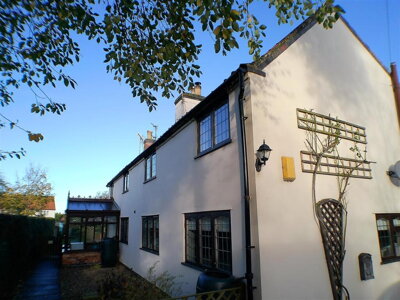
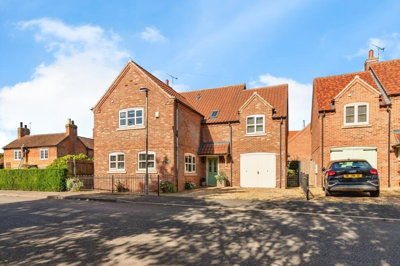
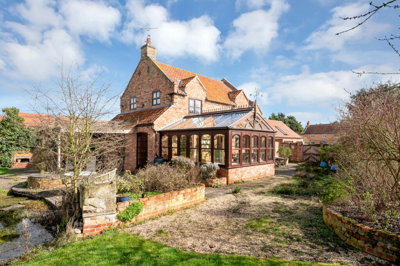
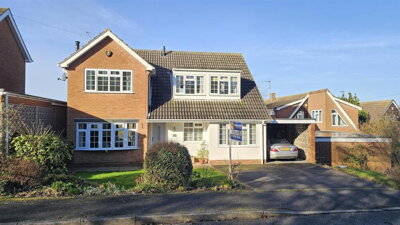
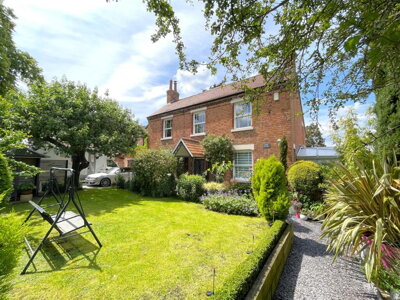
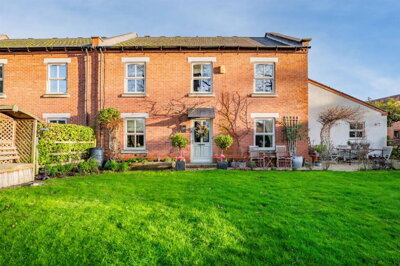
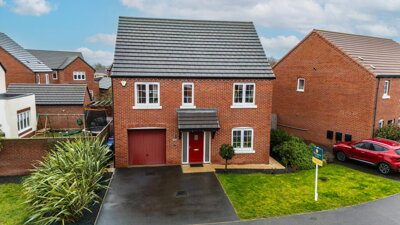
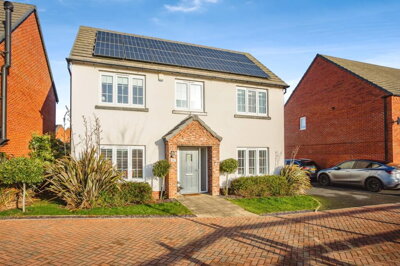
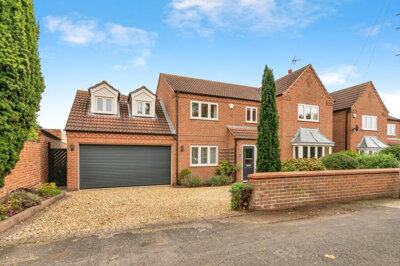
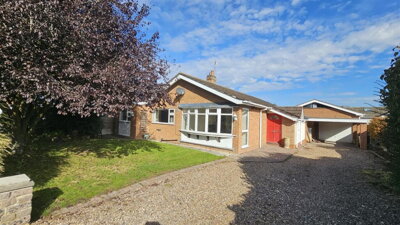
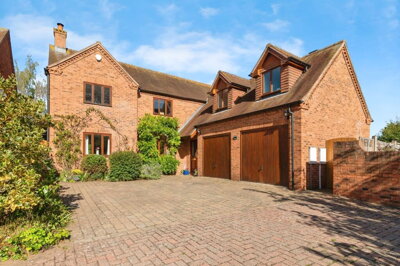
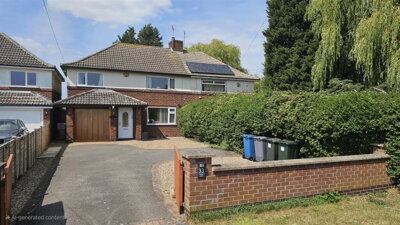
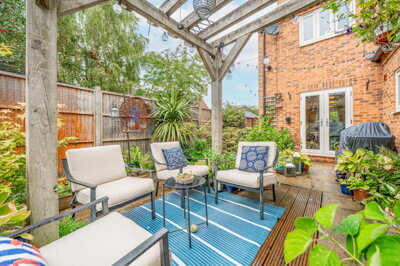
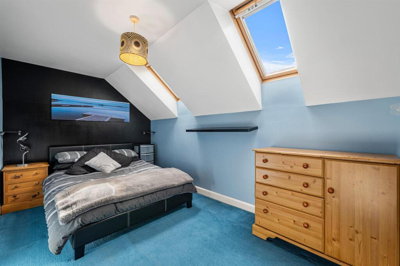
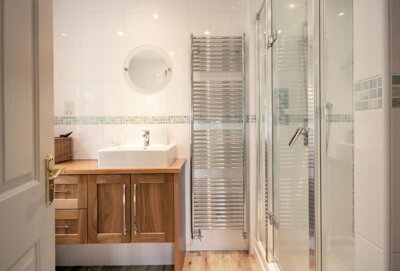
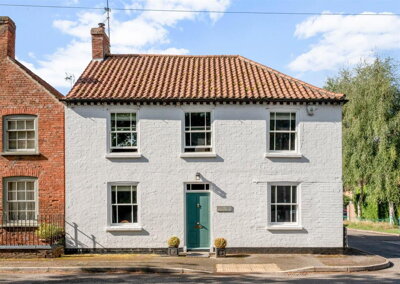
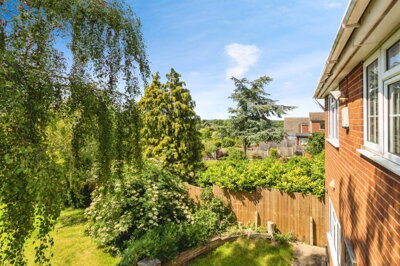
Browse 17 homes for sale in Whatton-in-the-Vale from local estate agents.
The larger property sector typically features multiple bathrooms, substantial reception space, and private gardens or off-street parking. Four bedroom houses in Whatton In The Vale span detached, semi-detached, and occasionally terraced configurations, with styles ranging from period properties to modern executive homes.
Our data for the NG13 postcode district shows the average house price in Whatton-in-the-Vale currently stands at approximately £347,750 to £369,143 depending on the source consulted. Detached properties command the highest values, averaging between £423,500 and £485,000, reflecting strong demand from families seeking generous space, privacy, and the rural lifestyle the village offers. Semi-detached homes average between £275,000 and £320,000, providing excellent value for buyers who want village character without the premium attached to detached properties. Terraced properties typically sell for £200,000 to £250,000, while flats average around £145,000, though the village has limited flat stock given its predominantly houses character and rural nature.
The housing stock breakdown from ONS Census data reveals why Whatton-in-the-Vale maintains its sought-after status. Detached properties comprise 51.5% of the housing stock, significantly above the national average, creating an open and spacious village character. Semi-detached homes make up 28.6%, terraced properties account for 11.0%, and flats represent just 8.9% of the total stock. This predominance of larger family homes shapes buyer expectations and contributes to the village's appeal for those seeking space both indoors and out. The 2014 Housing Needs Survey confirmed that 61% of village properties were family-sized with three or more bedrooms, while 39% comprised smaller one to two-bedroom homes, suggesting a demographic mix that serves both growing families and downsizers.
Price trends over the past twelve months reflect a market adjusting after post-pandemic peaks. Overall prices have declined by approximately 6-8%, with historical data showing values 13% down on the 2022 peak of £424,929. Detached properties have experienced the most significant correction, with declines around 10.2%, while semi-detached homes proved more resilient with drops of approximately 2.7%. Terraced properties fell 4.8%, though flats bucked the trend with a 3.6% increase. This price movement has opened opportunities for buyers previously priced out of the village market, particularly those seeking larger family homes in a semi-rural setting. The limited number of property sales, approximately 20 transactions in the past year, reflects the small population and consistent demand for village properties.
Whatton-in-the-Vale delivers a lifestyle that many buyers seek but few locations can provide: genuine rural community with essential amenities nearby and the cultural offerings of Nottingham just a short drive away. The village takes its name from its position in the Vale of Belvoir, a fertile valley farmed for centuries that now provides residents with scenic walking routes, cycling paths, and uninterrupted countryside views. Local footpaths connect to the broader public rights of way network, allowing residents to explore the surrounding farmland, woodland, and waterways without needing to drive. The strong community spirit, reflected in the 92% owner-occupancy rate, creates a stable and settled environment where long-term residents contribute to village life through events, volunteer work, and neighbourhood support networks.
The village architecture reveals different eras of construction and development across the community. The eastern part contains the original village centred around the 14th-century Church of St. John of Beverley, featuring scattered stone cottages and houses with the tall chimney stacks that characterise traditional Nottinghamshire rural architecture. These older properties, many constructed using local stone and traditional methods, require careful maintenance and present unique considerations for buyers regarding insulation, damp resistance, and period features. The western part developed more recently with modern 20th-century housing, creating a natural transition toward neighbouring Aslockton. Some older agricultural buildings, including the Old Forge, have been converted into residential properties, offering character homes that blend historic features with modern living requirements.
Whatton Mill, a distinctive five-storey brick tower windmill built in 1820, stands as a prominent landmark on the hillside overlooking the village. This Grade II listed structure reflects the agricultural heritage that shaped the community and remains a visible reminder of the area's farming past. The Conservation Area designation, first established in 1973 and extended in 2007 and 2024, encompasses the historic core and protects five listed buildings including the church, boundary walls, and stable court at Whatton Manor. The 2024 boundary extension demonstrates ongoing commitment to managing development while preserving village character, ensuring any changes respect the traditional street scene and protected buildings that define Whatton-in-the-Vale's appeal.

Families considering Whatton-in-the-Vale will find educational options spread across the surrounding area, with primary schools in nearby villages and secondary education available in the market town of Bingham and surrounding towns. The village's small population means that local primary schools may have limited capacity, making it essential for parents to research catchment areas and admission policies before completing any property purchase. Rushcliffe Borough Council maintains school admissions information and catchment boundaries that buyers should consult when evaluating the area for family relocation. Visiting potential schools, meeting headteachers, and understanding the application process helps families make informed decisions about their children's education before committing to a specific property.
Several primary schools serve the surrounding villages, with those in Aslockton and Bingham providing education for most primary-aged children in the community. These schools typically serve catchments that include Whatton-in-the-Vale, though specific arrangements can change and parents should verify current boundaries with Nottinghamshire County Council. Many families value the smaller class sizes and community feel that village primary schools provide, though this often comes with more limited facilities compared to larger town schools. For secondary education, students typically travel to schools in Bingham, Grantham, or Nottingham, with several excellent grammar schools available in nearby towns for those who secure places through the selection process.
Grantham, approximately 15 miles east, provides access to sixth form colleges and further education establishments that offer clear progression routes for students completing their GCSEs. Several independent schools in the wider Nottinghamshire area offer alternatives for families seeking private education, with some operating bus services from the surrounding villages. Parents buying in Whatton-in-the-Vale should understand that school quality and availability can significantly impact daily family life and long-term property values, making this factor particularly important during the property search process. Researching Ofsted reports, visiting schools during open days, and speaking with current parents provides valuable insight into educational provision beyond official statistics.
Whatton-in-the-Vale offers surprisingly strong connectivity for a village of its size, with multiple transport options available for commuters and visitors alike. Aslockton railway station, situated less than a mile north of the village centre, provides direct services to Grantham, Skegness, and Nottingham, with Nottingham offering connections to the broader East Midlands rail network including Derby, Leicester, and Birmingham. The station's proximity makes it practical for residents to commute without driving, particularly for regular journeys to Nottingham for work or leisure. Ticket prices to major destinations remain competitive compared to longer-distance commuter routes, making this an economical option for daily travel.
Grantham station, approximately 15 minutes from Aslockton, provides access to the East Coast Main Line with regular services to London Kings Cross taking approximately one hour. This transforms Whatton-in-the-Vale from a remote rural village into a practical base for professionals working in the capital, whether as regular commuters or those working from home who occasionally need to travel to London. The fast rail connection also supports weekend travel, cultural visits, and business meetings that would be impractical with longer journey times. Many buyers specifically seek villages with this level of rail connectivity, combining the lifestyle benefits of rural living with practical commuting options that would otherwise require much higher property prices closer to the capital.
Road transport complements rail options through the A52, which runs through nearby villages and connects to the A46 bypass around Nottingham, providing routes to Leicester, Newark, and the M1 motorway network. Grantham offers direct access to the A1 national road network, connecting north to Lincoln and York while heading south toward Peterborough and London. For air travel, East Midlands Airport is approximately 30 miles away, offering domestic and European destinations, while Birmingham Airport and Robin Hood Airport Doncaster Sheffield provide additional options for longer-haul travel. Daily bus services operated by local providers connect the village to surrounding towns, though frequencies are limited compared to urban areas, making private vehicle ownership practically essential for most residents.

Begin by exploring available properties in Whatton-in-the-Vale and understanding current market conditions through our platform. Given the village's Conservation Area status and variety of property types from stone cottages to modern family homes, research specific streets and property ages that match your requirements. Consider flood risk factors given the village's position between the River Smite and River Whipling, and obtain a mortgage agreement in principle before viewings to strengthen your buying position.
Schedule viewings of shortlisted properties through estate agents listing on our platform. During visits, pay attention to the property's position relative to the rivers when assessing flood risk, and note any signs of damp, cracking, or structural concerns in older properties. Take photographs and detailed notes to compare properties after visits, and don't hesitate to attend second viewings of properties that particularly appeal.
Once your offer is accepted, instruct a RICS Level 2 Survey to assess the property's condition. For a 2-bedroom property, expect to pay approximately £350-£450, rising to £450-£600 for a 3-bedroom semi-detached and £550-£750 for a larger 4-bedroom detached home. Given the prevalence of older properties and clay soils in the Vale of Belvoir that can cause shrink-swell foundation movement, pay particular attention to subsidence, damp, and roof condition findings. For listed buildings or properties showing significant defects, a RICS Level 3 Building Survey provides more detailed assessment.
Appoint a conveyancing solicitor to handle the legal aspects of your purchase. They will conduct local authority searches through Rushcliffe Borough Council, check the property's title, and ensure all Planning and Building Regulation consents are in order. This is particularly important for listed buildings or properties within the Conservation Area, where restrictions may apply to alterations and extensions. Exchange of contracts typically occurs 4-6 weeks after instructions, though complex transactions may take longer.
Once all searches are satisfactory and financing is confirmed, you will exchange contracts and pay your deposit, typically 10% of the purchase price. Completion usually follows within 2-4 weeks, after which you will receive the keys and can take possession of your new home in Whatton-in-the-Vale. At this point, you become part of a village community with strong roots in rural Nottinghamshire and excellent connections to major employment centres.
Purchasing property in Whatton-in-the-Vale requires careful consideration of factors specific to this village and the Vale of Belvoir region. Flood risk deserves particular attention given the village's position between the River Smite and River Whipling, with their watery situation creating potential for both river flooding and surface water accumulation during heavy rainfall. Request the Environment Agency flood risk assessment for any property and consider the elevation and drainage history of specific plots. Properties in the western part of the village near the River Smite may face higher flood risk than those in the eastern section centred around the historic church, though every property requires individual assessment.
The underlying geology of the Vale of Belvoir, dominated by the Mercia Mudstone Group with its clay content, creates potential shrink-swell risk that can affect property foundations over time. This type of clay expands when wet and contracts during dry periods, causing ground movement that can lead to subsidence, especially in older properties with shallower foundations. Signs of subsidence include cracks in walls wider than 3mm, doors and windows that stick, and uneven floors. Our inspectors regularly find evidence of past foundation movement in properties across the Vale of Belvoir, particularly following periods of extreme weather that have become more frequent in recent years.
Properties within the Conservation Area, which encompasses much of the village, face restrictions on alterations, extensions, and certain types of development. Five listed buildings are protected within the Conservation Area, including the Grade II* Church of St. John of Beverley, boundary walls, headstones, and the stable court at Whatton Manor. Any renovation plans should be discussed with Rushcliffe Borough Council planning department before purchase. Listed buildings require special consent for any works that might affect their character or structure, adding complexity and cost to future modifications. While these restrictions protect the village's character, they also limit what buyers can change about their properties, making thorough surveys before purchase even more important.
The average house price in the NG13 postcode district, which includes Whatton-in-the-Vale, stands at approximately £347,750 to £369,143 depending on the data source. Detached properties average between £423,500 and £485,000, while semi-detached homes typically sell for £275,000 to £320,000. Terraced properties average around £200,000 to £250,000, and flats approximately £145,000. The market has seen modest price corrections over the past year, with overall prices declining by approximately 6-8% from previous peaks, creating opportunities for buyers who were previously priced out of the village.
Properties in Whatton-in-the-Vale fall under Rushcliffe Borough Council for council tax purposes. Specific bands vary by property depending on valuation, with smaller terraced properties and flats typically falling into bands A to C, semi-detached homes in bands C to D, and larger detached properties in bands E to F. The predominance of detached properties in the village means a significant proportion of homes fall into higher bands. Buyers should request the specific council tax band from the seller or verify through the Valuation Office Agency website before completing a purchase.
Whatton-in-the-Vale itself has limited schooling facilities given its small population of 874 residents, so primary school-aged children typically attend schools in nearby villages such as Aslockton or Bingham. Parents should check current catchment areas and admission policies, as these can change and may affect access to preferred schools. Secondary education is available in Bingham, Grantham, or surrounding towns, with several grammar schools in the area for academically selective students. School performance data and Ofsted ratings should be researched through the government website for any schools under consideration, and parents are advised to visit schools before purchasing property in the village.
Whatton-in-the-Vale benefits from Aslockton railway station located less than a mile north, providing direct services to Grantham, Skegness, and Nottingham with connections to the broader East Midlands rail network. Grantham station offers fast trains to London Kings Cross in approximately one hour, making regular commuting to the capital practical for residents. Local bus services operate routes to surrounding towns, though frequencies are limited compared to urban areas, so private vehicle ownership remains practically essential for most daily activities. The A52 provides direct road access to Nottingham and Grantham, with the A1 accessible from Grantham for wider national connectivity.
Whatton-in-the-Vale offers several factors that appeal to property buyers: its Conservation Area status protects the village character and limits unsympathetic development, the strong commuter links via Aslockton station make it attractive to London-focused professionals, and the limited housing stock creates consistent demand from buyers seeking village properties. The village's small population of 874 and high owner-occupancy rate of 92% suggest a stable community with lower turnover than larger towns. However, investors should note the limited rental demand within the village itself and the potential for planning restrictions to limit development opportunities, making long-term capital growth rather than rental income the more likely investment outcome.
Stamp Duty Land Tax for residential purchases in England uses the following thresholds from 2024-25: 0% on the first £250,000, 5% on £250,001 to £925,000, 10% on £925,001 to £1.5 million, and 12% above £1.5 million. First-time buyers receive relief on the first £425,000 at 0% and the next £200,000 at 5%, with no relief above £625,000. Given the village's average price of around £347,750, most standard buyer purchases would attract stamp duty of approximately £4,888, while first-time buyers purchasing below the threshold would pay no stamp duty at all.
The local economy around Whatton-in-the-Vale includes HM Prison Whatton, a Category C closed male prison located at the west end of the village that has operated since 1960, providing employment for local residents. The Whatton Manor estate stables now house a successful stud farm, maintaining the agricultural heritage of the village while providing specialist employment. However, the primary driver of the local property market is commuters, with residents travelling to employment in Nottingham, Grantham, and further afield via the excellent rail and road connections. This commuter-driven demand supports property values and ensures consistent interest in village homes from buyers working in major employment centres.
Understanding the traditional building materials used in Whatton-in-the-Vale helps buyers appreciate the village's distinctive character and anticipate maintenance requirements. The older properties in the eastern part of the village, centred around the medieval church, feature traditional Nottinghamshire construction including scattered stone cottages and houses with characteristic tall chimney stacks. Local stone, typically sourced from quarries in the surrounding area, appears in older buildings and boundary walls throughout the Conservation Area. Some properties incorporate waney edge timber cladding and other timber styles that reflect the agricultural heritage of the village, where timber-framed construction was common before the widespread adoption of brick.
The 20th-century developments in the western part of the village use more conventional brick and block construction, similar to housing built across Britain during this period. These properties generally require less specialized maintenance than the older stone buildings but may have their own considerations regarding insulation, electrical systems, and plumbing that would have been updated during the intervening decades. Many stone cottages and older properties have been sympathetically modernised over the years, balancing the retention of period features with the need for comfortable contemporary living. Our inspectors assess these different construction types based on their specific characteristics, identifying defects that are common to each building era and material.
Whatton Mill, the five-storey brick tower windmill built in 1820, represents a unique construction type in the village and demonstrates the craftsmanship of agricultural builders in the Vale of Belvoir. As a Grade II listed structure, any changes to this building require special consent, illustrating the level of protection applied to distinctive local architecture. The mix of traditional and modern construction across Whatton-in-the-Vale creates diverse property types, from converted agricultural buildings to purpose-built family homes, each requiring different considerations during purchase and ongoing maintenance.
From £350
A thorough inspection of the property condition, ideal for most homes in Whatton-in-the-Vale
From £600
Detailed structural survey recommended for older properties and listed buildings
From £499
Legal services for your property purchase including local searches
From 4.5%
Competitive mortgage rates for buyers in Whatton-in-the-Vale
Understanding the full cost of purchasing property in Whatton-in-the-Vale extends beyond the advertised price to encompass stamp duty, legal fees, surveys, and moving costs. For a typical semi-detached property averaging £275,000 to £320,000, standard Stamp Duty Land Tax would amount to approximately £1,250 to £3,500 depending on whether you are a first-time buyer or a subsequent purchaser. First-time buyers purchasing properties up to £425,000 would pay no stamp duty at all on most properties in this price range, representing significant savings compared to the main residential rates. Those purchasing above £625,000 as first-time buyers would see their relief taper, with standard rates applying to any value above this threshold.
Additional buying costs include conveyancing fees typically ranging from £499 to £1,500 depending on the complexity of the transaction and whether the property is freehold or leasehold. A RICS Level 2 Survey costs between £350 and £750 depending on property size, with larger detached homes attracting higher fees. For older properties, converted cottages, or any property showing signs of structural concerns, a RICS Level 3 Building Survey at £600 and above provides more detailed assessment of construction and defects. Local authority searches through Rushcliffe Borough Council typically cost £250 to £300, while mortgage arrangement fees average 0-2% of the loan amount.
Removal costs, mortgage valuation fees, and buildings insurance should also be budgeted, bringing total additional costs to approximately 2-5% of the property purchase price beyond stamp duty. For a typical detached property at £423,500, this means additional costs of around £8,500 to £21,000 on top of stamp duty of approximately £8,675 for standard buyers. Budgeting carefully ensures buyers are not surprised by costs that can quickly accumulate during the transaction process, particularly important given the additional considerations that may apply to properties in the Conservation Area or listed buildings.
Properties for Sale In London

Properties for Sale In Plymouth

Properties for Sale In Liverpool

Properties for Sale In Glasgow

Properties for Sale In Sheffield

Properties for Sale In Edinburgh

Properties for Sale In Coventry

Properties for Sale In Bradford

Properties for Sale In Manchester

Properties for Sale In Birmingham

Properties for Sale In Bristol

Properties for Sale In Oxford

Properties for Sale In Leicester

Properties for Sale In Newcastle

Properties for Sale In Leeds

Properties for Sale In Southampton

Properties for Sale In Cardiff

Properties for Sale In Nottingham

Properties for Sale In Norwich

Properties for Sale In Brighton

Properties for Sale In Derby

Properties for Sale In Portsmouth

Properties for Sale In Northampton

Properties for Sale In Milton Keynes

Properties for Sale In Bournemouth

Properties for Sale In Bolton

Properties for Sale In Swansea

Properties for Sale In Swindon

Properties for Sale In Peterborough

Properties for Sale In Wolverhampton

Enter your details to see if this property is within your budget.
Loans, cards, car finance
Estimated property budget
Borrowing + deposit
You could borrow between
Typical borrowing
Monthly repayment
Est. at 4.5%
Loan-to-value
This is an estimate only. Your actual budget may vary depending on interest rates, credit history, and personal circumstances. For an accurate affordability assessment, speak to one of our free mortgage advisors.
This calculator provides estimates for illustrative purposes only and does not constitute financial advice. Your home may be repossessed if you do not keep up repayments on your mortgage. Estimates based on 4.5% interest rate, repayment mortgage. Actual rates depend on your circumstances.
Homemove is a trading name of HM Haus Group Ltd (Company No. 13873779, registered in England & Wales). Homemove Mortgages Ltd (Company No. 15947693) is an Appointed Representative of TMG Direct Limited, trading as TMG Mortgage Network, which is authorised and regulated by the Financial Conduct Authority (FRN 786245). Homemove Mortgages Ltd is entered on the FCA Register as an Appointed Representative (FRN 1022429). You can check registrations at NewRegister or by calling 0800 111 6768.

We use cookies to show you personalised content and improve your experience of our website. Find out more in our Privacy policy and Cookie policy.