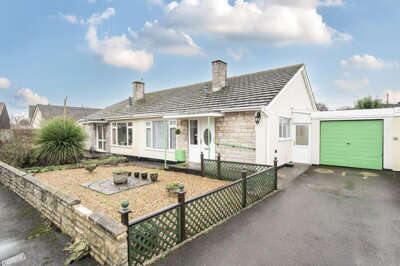
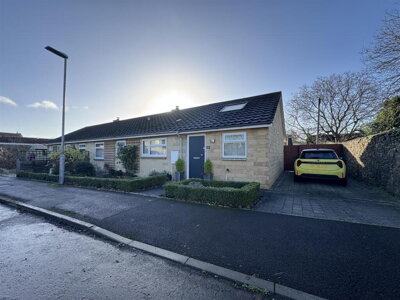
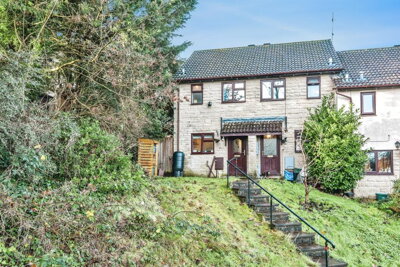
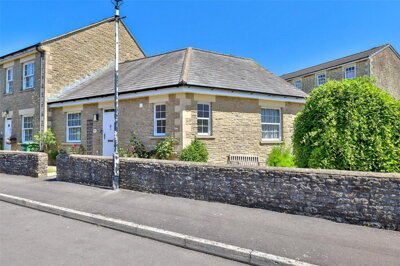
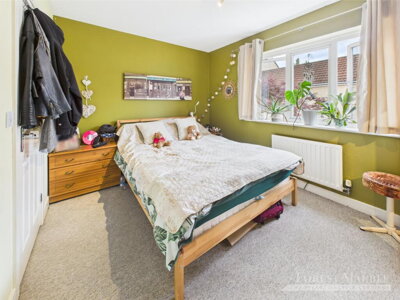
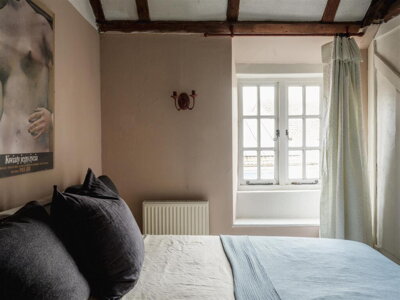
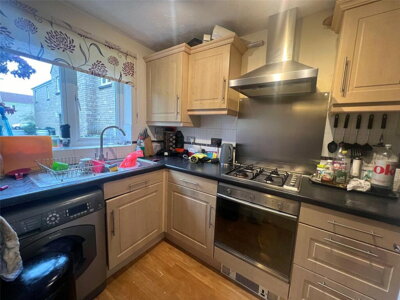
Browse 19 homes for sale in Whatley, Somerset from local estate agents.
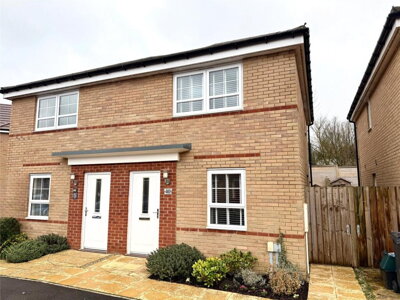
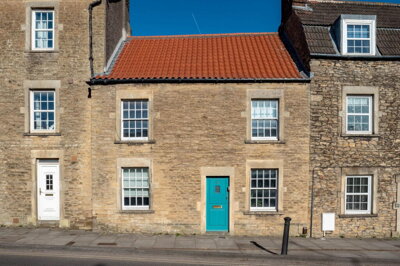
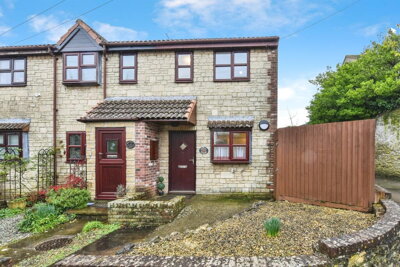
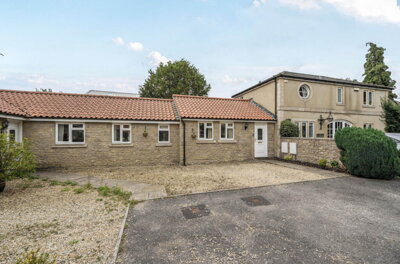
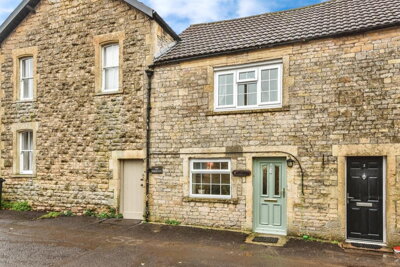
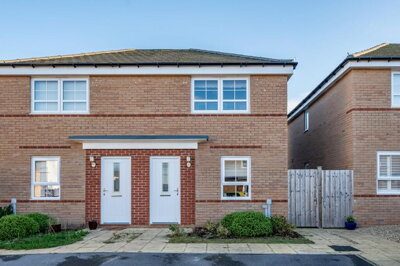
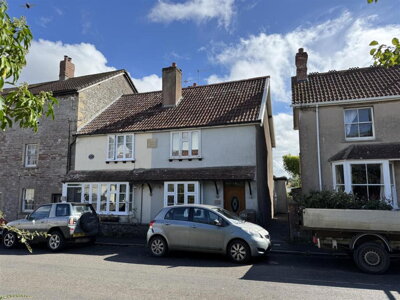
The 2 bed house market features detached, semi-detached, and terraced properties with two separate bedrooms plus living spaces. Properties in Whatley range from Victorian and Edwardian period homes to modern new builds, with pricing varying across different neighbourhoods.
£0k
0
0
0
Source: home.co.uk
Showing 0 results for 2 Bedroom Houses for sale in Whatley, Somerset.
The Whatley property market reflects the character of this small Somerset village, where detached homes dominate the housing stock. Recent sales data shows two notable transactions in the area, including Zacharys Mill on Old Wells Road sold for £540,000 and Ponderosa on the same road achieving £510,000. The BA11 3LA postcode area has recorded 15 property sales over the past 26 years, indicating a quiet but steady market for this sought-after village location. Property values in the broader BA11 postcode have shown resilience, with prices in BA11 3LA rising by 1.3% over the past year and by a substantial 16.9% over five years.
Looking at longer-term trends, properties in the Whatley area have appreciated by 41.5% over the past decade, demonstrating the enduring appeal of this Somerset village location. By property type, detached homes command premium prices averaging around £417,413, while semi-detached properties typically sell for approximately £272,118 and terraced homes for £227,964. The predominance of detached properties in Whatley reflects the rural character of the area, where larger plots and country homes are more common than urban terraced housing. For buyers seeking character properties, the village likely contains pre-1919 construction including historic farmhouses and cottages, though specific new build developments within Whatley itself remain limited.
The village's location near the historic Somerset coalfield means some properties may require additional structural consideration during the conveyancing process. Our team has assisted buyers in understanding mining risk reports and the implications of historical extraction activity on ground stability in the broader region. When we survey properties in this area, we pay particular attention to foundations and ground conditions that may have been affected by historical mining activity in Somerset.

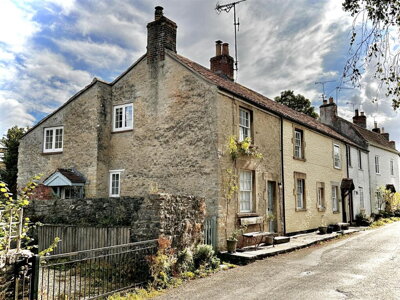
Life in Whatley offers residents a quintessential Somerset village experience, characterised by stone cottages, country lanes, and a strong sense of community. The village sits within the Mendip Hills, an Area of Outstanding Natural Beauty known for its dramatic limestone landscapes, ancient woodlands, and scenic walking trails. The local geology, predominantly Carboniferous limestone, shapes the distinctive character of the area with its rolling hills, hidden valleys, and characteristic dry stone walls that dot the countryside. This setting provides excellent opportunities for outdoor activities including hiking, cycling, and exploring the numerous public footpaths that crisscross the surrounding farmland.
The village attracts residents who value rural tranquility while maintaining access to larger towns for work and amenities. Whatley's proximity to Frome, just a short drive away, means residents benefit from a wider range of shops, supermarkets, restaurants, and leisure facilities without residing in a larger town themselves. The local economy around Whatley ties to agriculture, with farms and smallholdings forming the backbone of the rural community. Cultural attractions in the wider area include historic houses, traditional pubs serving local cider and ale, and community events that bring villagers together throughout the year. The combination of natural beauty, architectural heritage, and community spirit makes Whatley an attractive place to call home for those seeking an authentic Somerset village lifestyle.
The Carboniferous limestone geology underlying Whatley creates the distinctive karst topography typical of the Mendip Hills, with its characteristic caves, sinkholes, and underground river systems. While these geological features contribute to the Area of Outstanding Natural Beauty, they can occasionally present ground stability considerations for property owners. We always recommend a professional survey that accounts for local geology when purchasing any property in this part of Somerset.
Families considering a move to Whatley will find educational opportunities available in the surrounding area, with primary and secondary schools located in nearby towns and villages. The village's proximity to Frome provides access to primary schools serving the local community, with several rated Good or Outstanding by Ofsted according to recent inspection data. For secondary education, schools in Frome and the surrounding Somerset towns offer a range of options for families, with selective grammar schools available in the county for academically able students. Parents should research specific catchment areas and school admissions policies, as these can significantly impact schooling options for children in rural locations.
Beyond secondary education, sixth form colleges and further education establishments in Frome and nearby towns provide continued educational pathways for older students. The presence of the Mendip Hills and Somerset's beautiful countryside also offers unique learning opportunities through outdoor education centres and environmental programmes. Families moving to Whatley should contact Somerset County Council's education department for the most current information on school admissions, transport arrangements, and available places, particularly given the rural location which may affect school transport provision. Early registration for school places is advisable given the village's popularity and limited local school options.
Transport to schools from Whatley typically requires private vehicle arrangements or school bus services operating from the village to schools in Frome. Journey times to schools in Frome take approximately 15 to 20 minutes by car, though bus services may extend this considerably. Parents should factor school transport logistics into their property search, particularly if considering homes at different ends of the village.
Transport connectivity from Whatley centres on road networks, with the village accessible via country lanes connecting to the A361 and A37 trunk roads serving the Frome area. The A361 provides routes towards Taunton and the M5 motorway, while the A37 offers connections to Bristol and Yeovil. For residents commuting to work, regular bus services operate between Frome and surrounding towns, though rural bus frequencies may be limited compared to urban routes. Driving remains the primary transport mode for many Whatley residents, with Bristol accessible in approximately 45 minutes to an hour depending on traffic conditions.
Rail connections from Frome station offer services to major cities including Bath Spa and Bristol Temple Meads, providing options for commuters who prefer not to drive daily. Frome's railway station sits on the Heart of Wessex line, connecting passengers to destinations across the region. For air travel, Bristol Airport located approximately 30 miles north offers domestic and international flights. Cyclists benefit from scenic country lanes ideal for recreational cycling, though the hilly terrain of the Mendip Hills requires reasonable fitness levels. Parking availability in the village tends to be adequate given the low-density housing, though residents should consider parking arrangements when viewing properties with limited driveway space.
Commuters working in Bristol should budget for fuel costs and vehicle wear when calculating the true cost of living in Whatley while working in the city. The drive to Bristol typically takes 45 minutes to an hour outside peak times, though morning and evening rush hours can extend this significantly. Many residents find the rural lifestyle and lower property prices in Whatley more than compensate for the commuting commitment.
Spend time exploring Whatley at different times of day, visit local pubs and shops in Frome, and understand the rhythm of village life before committing to a purchase. Speak to existing residents about their experiences living in the area and the practicalities of rural living.
Contact a mortgage broker to obtain an agreement in principle before viewing properties. This demonstrates your seriousness to sellers and helps you understand your budget range. Average property prices of £510,000 to £800,000 mean most buyers will require substantial mortgages, so speak to lenders about suitable products for Somerset property.
View multiple properties in Whatley to compare the varied housing stock, from stone cottages to country homes. Pay attention to property conditions, as older buildings may require maintenance or renovation work. We recommend attending viewings with a critical eye and taking notes on property characteristics that may need further investigation.
Given the prevalence of older properties in Whatley, a Level 2 Homebuyer Report is essential. This survey identifies defects such as damp, timber issues, or roof problems common in period properties. We recommend our RICS Level 2 survey for most properties in the village, priced from £350 depending on property size. For larger country homes or historic properties, a Level 3 Building Survey may be more appropriate.
Choose a conveyancing solicitor experienced in Somerset property transactions to handle the legal aspects of your purchase. They will conduct searches, review contracts, and manage the transfer of ownership. Given the potential for mining risk in this part of Somerset, ensure your solicitor obtains appropriate ground stability searches.
Once surveys are satisfactory and legal checks complete, your solicitor will arrange the exchange of contracts and set a completion date. On completion day, you receive the keys and become the official owner of your new Whatley home. We recommend arranging a final walkthrough inspection on completion day to verify property condition.
Properties in Whatley typically date from earlier periods, meaning buyers should pay particular attention to construction quality and potential maintenance issues. The Somerset region is known for traditional building methods using local stone and solid wall construction, which differs significantly from modern cavity wall properties. Older properties may have less insulation than contemporary standards, resulting in higher heating costs and different thermal performance characteristics. A thorough building survey is strongly recommended given the likely age of properties in the village.
The limestone geology of the Mendip Hills area warrants consideration during the property purchase process. While specific mining records for Whatley were not identified, the region has historical connections to the Somerset coalfield, particularly in eastern areas. Properties may be constructed on ground that has been affected by historical mining activity, potentially requiring specialist structural assessment. Buyers should review any available mining records as part of their conveyancing searches and consider requesting additional investigations if records suggest potential risk. The karst topography associated with limestone areas can occasionally present ground stability considerations that a survey should address.
Conservation considerations and listed building status may affect properties in Whatley given its historic village character. If purchasing a listed building, special permissions apply for alterations and maintenance work, and buyers should budget for potentially higher renovation costs. Properties near watercourses should be checked for surface water flood risk, though the inland location reduces coastal flooding concerns. Understanding these local factors helps buyers make informed decisions and avoid unexpected issues after purchase.
Common defects our inspectors identify in Somerset period properties include rising damp affecting solid wall construction, timber decay in floors and roof structures, and deteriorating stonework requiring repointing. The characteristic dry stone walls surrounding many properties may need periodic maintenance, and roof coverings on older properties often require renewal. We check these elements carefully during every survey and report findings clearly to buyers.
The average sold house price in Whatley and the surrounding BA11 postcode area stands at approximately £510,000 based on recent transactions. The BA11 3LA postcode, which includes Whatley, shows higher average values around £802,785 for recent sales. Property prices have shown strong long-term growth, rising by 41.5% over the past decade and by 16.9% over five years. Detached properties typically command premium prices averaging around £417,413, while terraced homes sell for approximately £227,964. The village has seen limited transaction volumes with only 15 sales recorded in the BA11 3LA postcode over 26 years, reflecting its status as a small, sought-after rural location.
Properties in Whatley fall under Mendip District Council for council tax purposes. Specific band distributions for the village itself vary by property, with older stone cottages and period homes typically in bands C through E, and larger detached properties potentially in higher bands. Band D properties in the Mendip district currently pay around £1,900 to £2,000 per year in council tax. Prospective buyers should verify the specific council tax band for any property they are considering purchasing, as this information is publicly available through the Valuation Office Agency.
Whatley itself is a small village without a primary school, so children typically attend schools in nearby villages or Frome. Primary schools in the surrounding area include several rated Good or Outstanding by Ofsted, with Trinity Church of England Primary School and St John's Primary among options in Frome. Secondary options include schools in Frome and Selwood, with selective grammar schools available in Somerset for academically suitable students including Sexey's School in Bruton and King Edward's School in Bath. Families should research specific catchment areas and admissions criteria, as school places can be competitive in popular rural locations. Transport arrangements to schools should be considered when purchasing in Whatley.
Whatley has limited public transport options typical of a small rural village. Bus services connecting to Frome operate at reduced frequencies compared to urban areas, making car ownership practically essential for most residents. The 162 bus service connects Frome with surrounding villages including Whatley, though weekday frequencies typically allow only a few daily services in each direction. Frome railway station provides rail connections on the Heart of Wessex line to Bath, Bristol, and Weymouth, with Bristol reachable by car in approximately 45 minutes to an hour. Residents relying on public transport should carefully review bus timetables and rail connections before committing to a purchase.
Whatley offers several factors that may appeal to property investors, including strong long-term price appreciation of 41.5% over ten years and the enduring appeal of village locations in Somerset. The village saw recent sales including Zacharys Mill on Old Wells Road achieving £540,000 and Ponderosa reaching £510,000, demonstrating continued buyer interest in the area. The predominance of detached properties and character homes provides variety in the housing stock. However, the limited number of sales in the village (approximately 15 over 26 years in the BA11 3LA postcode) suggests relatively low transaction volumes that could affect liquidity and exit strategy. Rental demand in the village itself may be limited given its small size, though the proximity to Frome could generate some interest from commuters seeking rural character.
Stamp Duty Land Tax applies to all property purchases in England, including Whatley. For standard residential purchases, buyers pay 0% on the first £250,000, 5% on £250,001 to £925,000, 10% on £925,001 to £1.5 million, and 12% on any amount above £1.5 million. First-time buyers benefit from relief on the first £425,000, paying 5% on amounts between £425,001 and £625,000. For a typical £510,000 property in Whatley, a standard buyer would pay £13,000 in stamp duty, while a first-time buyer would pay £4,250. Higher value properties approaching £800,000 would incur approximately £21,500 for standard buyers and £22,750 for first-time buyers under current thresholds.
For most properties in Whatley, we recommend a RICS Level 2 Homebuyer Report as the minimum survey level. This inspection covers key structural elements, identifies defects like damp and timber issues, and assesses the condition of roofs, walls, and foundations. Given the likelihood of older construction and potential mining risk in the region, some buyers opt for the more comprehensive RICS Level 3 Building Survey, particularly for historic farmhouses or larger country homes. Our surveyors are experienced in assessing Somerset stone properties and understand the common issues affecting traditional construction in this area. We price surveys from £350 for a standard Level 2 report, with costs varying based on property size and value.
Purchasing a property in Whatley involves several costs beyond the purchase price, with stamp duty Land Tax being a significant consideration for most buyers. For a typical property valued at £510,000, a standard buyer would incur £13,000 in SDLT, while first-time buyers benefit from reduced rates of £4,250 thanks to the relief on the first £425,000. Higher value properties approaching £800,000 or more would result in stamp duty bills of approximately £21,500 for standard buyers. These costs should be factored into your overall budget alongside deposit, mortgage arrangement fees, and legal charges.
Survey costs represent another important consideration when purchasing in Whatley, particularly given the age and character of the local housing stock. A RICS Level 2 Homebuyer Report, priced from approximately £350 depending on property size and value, provides essential inspection of the property's condition. This survey proves particularly valuable for period properties where issues such as damp, timber defects, or roof condition may not be immediately apparent. Our inspectors have extensive experience surveying traditional Somerset properties and understand the specific construction methods used in this region.
Conveyancing fees for a property purchase typically start from around £499 for basic legal services, rising for more complex transactions or properties requiring additional searches. Given the rural location and potential for mining risk in Somerset, your solicitor should obtain appropriate ground stability and environmental searches as part of the conveyancing process. Additional costs include search fees, land registry charges, and potentially mortgage arrangement fees depending on your chosen lender. We recommend obtaining quotes from multiple conveyancers to ensure competitive pricing for your Whatley purchase.
Properties for Sale In London

Properties for Sale In Plymouth

Properties for Sale In Liverpool

Properties for Sale In Glasgow

Properties for Sale In Sheffield

Properties for Sale In Edinburgh

Properties for Sale In Coventry

Properties for Sale In Bradford

Properties for Sale In Manchester

Properties for Sale In Birmingham

Properties for Sale In Bristol

Properties for Sale In Oxford

Properties for Sale In Leicester

Properties for Sale In Newcastle

Properties for Sale In Leeds

Properties for Sale In Southampton

Properties for Sale In Cardiff

Properties for Sale In Nottingham

Properties for Sale In Norwich

Properties for Sale In Brighton

Properties for Sale In Derby

Properties for Sale In Portsmouth

Properties for Sale In Northampton

Properties for Sale In Milton Keynes

Properties for Sale In Bournemouth

Properties for Sale In Bolton

Properties for Sale In Swansea

Properties for Sale In Swindon

Properties for Sale In Peterborough

Properties for Sale In Wolverhampton

Enter your details to see if this property is within your budget.
Loans, cards, car finance
Estimated property budget
Borrowing + deposit
You could borrow between
Typical borrowing
Monthly repayment
Est. at 4.5%
Loan-to-value
This is an estimate only. Your actual budget may vary depending on interest rates, credit history, and personal circumstances. For an accurate affordability assessment, speak to one of our free mortgage advisors.
This calculator provides estimates for illustrative purposes only and does not constitute financial advice. Your home may be repossessed if you do not keep up repayments on your mortgage. Estimates based on 4.5% interest rate, repayment mortgage. Actual rates depend on your circumstances.
Homemove is a trading name of HM Haus Group Ltd (Company No. 13873779, registered in England & Wales). Homemove Mortgages Ltd (Company No. 15947693) is an Appointed Representative of TMG Direct Limited, trading as TMG Mortgage Network, which is authorised and regulated by the Financial Conduct Authority (FRN 786245). Homemove Mortgages Ltd is entered on the FCA Register as an Appointed Representative (FRN 1022429). You can check registrations at NewRegister or by calling 0800 111 6768.

We use cookies to show you personalised content and improve your experience of our website. Find out more in our Privacy policy and Cookie policy.