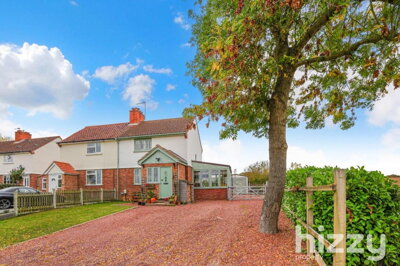
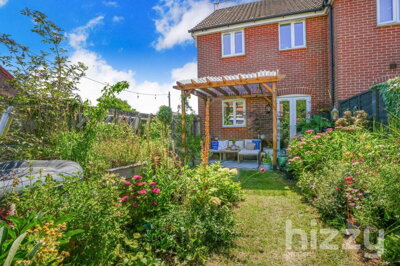
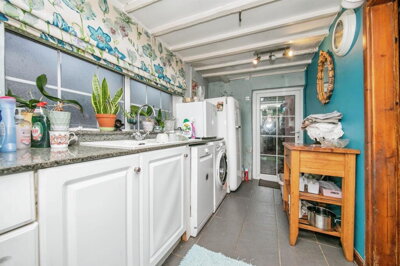
Browse 3 homes for sale in Whatfield, Babergh from local estate agents.
The 2 bed house market features detached, semi-detached, and terraced properties with two separate bedrooms plus living spaces. Properties in Whatfield range from Victorian and Edwardian period homes to modern new builds, with pricing varying across different neighbourhoods.
£0k
0
0
0
Source: home.co.uk
Showing 0 results for 2 Bedroom Houses for sale in Whatfield, Babergh.
The Whatfield property market has demonstrated remarkable resilience and growth in recent years. Our data shows that the overall average house price stands at £389,700, reflecting the village's appeal to buyers seeking rural charm with practical commuting options. The market has experienced significant movement, with prices rising 189% year-on-year, though they remain 24% below the 2019 peak of £510,000. This adjustment presents opportunities for buyers who may find properties at more accessible price points compared to the height of the previous market cycle.
Property types in Whatfield cater to diverse buyer requirements. Detached properties command the highest prices, averaging £429,375, offering generous space and privacy ideal for families or those working from home. Semi-detached homes provide an excellent middle ground at an average of £231,000, making them particularly attractive for first-time buyers or those downsizing. The village also features period cottages and farmhouses that characterise its historic streetscape, adding architectural diversity to the housing stock.
Our platform tracks listings across the IP7 postcode area, including the Wheatfields sub-area where average prices currently sit around £383,750. This neighbourhood data helps you understand micro-market variations within Whatfield itself. The village housing stock predominantly features detached and semi-detached properties, with terraced homes and flats less common in this rural setting. Understanding these proportions helps buyers set realistic expectations about availability and competition in different property segments.
New build activity within Whatfield itself remains limited, with the notable Church Farm Place development by Landex New Homes now complete. This development of 15 homes ranging from one to five bedrooms surrounding a central green has added modern living options to the village. Prospective buyers seeking newer construction may wish to explore neighbouring villages such as Hadleigh, Semer, and Elmsett, where additional new build opportunities exist within the broader IP7 postcode area.
The Whatfield property market presents genuine opportunities for buyers who understand the local landscape. With average prices sitting comfortably below the 2019 peak, purchasers can access period properties with character at more reasonable valuations than in previous market highs. The village attracts families, commuters working in Ipswich, and those seeking countryside retirement options.

Life in Whatfield revolves around community connections and appreciation for Suffolk's natural beauty. The village sits within the Babergh district, an area celebrated for its designated landscapes, historic villages, and productive farmland. Residents benefit from the slower pace of rural living while maintaining access to essential services in nearby market towns. The village's position offers sweeping views across the countryside, with public footpaths and bridleways providing immediate access to the surrounding agricultural landscape.
As a small rural parish, Whatfield maintains its traditional character through architecture that reflects Suffolk's building heritage. Properties often feature local brickwork constructed using Suffolk whites and reds, timber framing, and traditional renders that have defined the region's villages for centuries. The underlying geology of this part of Suffolk includes glacial till, sand, and gravel deposits over chalk, with clay-rich soils that can affect foundations in older properties. Our listings include photographs and details that help you identify these traditional construction features before visiting.
The absence of large commercial developments preserves the village atmosphere, though essential amenities including local pubs and village halls can be found within walking distance. Community events and seasonal gatherings bring residents together, fostering the friendly atmosphere that defines village life in this part of Suffolk. Many homes benefit from generous gardens backing onto farmland or open countryside, offering space that city dwellers often struggle to find. The village hall hosts regular activities from craft groups to quiz nights, providing social opportunities that strengthen neighbourly connections.
The local economy centres around agriculture and services, with residents often commuting to larger towns including Hadleigh and the county town of Ipswich for employment. This blend of rural tranquility and practical accessibility makes Whatfield particularly appealing to professionals who value their home environment while maintaining careers in nearby urban centres. The village provides an ideal base for families, retirees, and anyone seeking to escape the pressures of city living without complete isolation from modern conveniences.
Families considering a move to Whatfield will find educational provision centred on the surrounding villages and towns. As a small rural community, Whatfield itself may not host its own primary school, with local primary education typically provided in neighbouring villages. These smaller schools often benefit from close-knit learning environments where children receive individual attention and develop strong foundational skills. Parents should research specific catchment areas and admissions policies for the most current school placement information, as these can change and vary between properties.
Primary schools in nearby villages serve Whatfield families and typically accommodate children from Reception through Year 6. These settings often benefit from strong community ties between parents, teachers, and pupils, creating nurturing environments for early development. Many families appreciate the walkable distances to rural primary schools, encouraging independence in older children while maintaining safety through the village's quiet lanes. Our property listings include location details that help you assess which schools fall within reasonable distance of specific properties.
Secondary education options include schools in nearby Hadleigh, which offers comprehensive secondary schooling within reasonable travelling distance. The county of Suffolk maintains a network of well-regarded secondary schools, with many equipped with sixth form provision for students continuing their education beyond GCSE. For families prioritising academic excellence, researching individual school performance data and Ofsted ratings will provide valuable insights into local educational standards. Transport arrangements for secondary school students typically involve school bus services connecting rural villages to nearby towns, with routes and timings available through Suffolk County Council.
Further and higher education opportunities expand significantly with proximity to Ipswich, approximately 12 miles from Whatfield. The town hosts further education colleges providing vocational and academic courses across diverse subjects. Students seeking university education benefit from convenient access to institutions in Cambridge, Norwich, and Colchester, all reachable within reasonable journey times from Whatfield. Parents planning for their children's educational journey should consider these long-term factors when evaluating property purchases in Whatfield and the surrounding Babergh villages.
Transport connectivity from Whatfield balances rural tranquility with practical access to regional centres. The village sits within comfortable reach of the A1071, providing direct links to Hadleigh and eventually connecting to the A14, Suffolk's major trunk road. This road network enables straightforward commuting by car to employment centres including Ipswich, where many residents work in retail, healthcare, education, and professional services. Journey times by car to Ipswich town centre typically take around 30 minutes under normal traffic conditions, making daily commuting feasible for those working in the county town.
Public transport options reflect the village's rural character, with bus services connecting Whatfield to surrounding villages and towns. These services enable residents without private vehicles to access essential amenities including healthcare appointments, shopping, and educational facilities. Local bus routes typically operate on school run schedules and market days, so prospective residents should verify current timetables before committing to a property purchase. For longer-distance travel, the railway station in Ipswich provides connections to London Liverpool Street, with journey times of approximately one hour and twenty minutes. This rail access makes Whatfield viable for commuters working in the capital while enjoying the benefits of rural Suffolk living.
Cycling infrastructure in the area continues to develop, with many residents embracing cycle routes for local journeys and recreational purposes. The Suffolk countryside offers scenic routes for cycling enthusiasts, with quiet country lanes providing peaceful alternatives to busier roads. Several established cycle routes connect Whatfield to neighbouring villages, passing through farmland and woodland that showcase the area's natural beauty. For air travel, London Stansted and London Luton airports offer international connections within reasonable driving distance, typically under two hours from Whatfield.
Begin your property search by exploring current listings in Whatfield and surrounding Babergh villages. Understanding price trends and available property types will help you set realistic expectations and identify the best opportunities in this village market. Our platform provides up-to-date listings alongside historical pricing data to inform your decisions.
Before viewing properties, obtain a mortgage agreement in principle from a lender. This strengthens your position when making offers and demonstrates to sellers that you have secured financing. Our mortgage comparison tool helps you find competitive rates from different providers, with options tailored to rural property purchases including properties with land or period features.
Schedule viewings of properties that match your requirements. Pay attention to construction quality, especially in older period properties common in rural Suffolk. Consider factors including aspect, garden size, and proximity to neighbours when evaluating suitability. We recommend viewing properties at different times of day to assess noise levels, light quality, and community atmosphere.
Once you have had an offer accepted, commission a RICS Level 2 Survey to assess the property condition thoroughly. This homebuyer report identifies defects that may not be visible during viewings, providing essential information before you commit to purchase. Given Whatfield's older housing stock, surveys are particularly valuable for identifying issues with traditional construction materials and aging utilities.
Appoint a solicitor to handle the legal aspects of your purchase. They will conduct searches, review contracts, and manage the transaction through to completion. Our conveyancing service connects you with experienced property solicitors familiar with Suffolk transactions and rural property considerations including rights of way and agricultural covenants.
After satisfactory survey results and contract negotiations, you will exchange deposits and agree on a completion date. Your solicitor will transfer funds and register the property in your name, finalising your purchase of your new Whatfield home.
Purchasing property in a rural Suffolk village requires attention to factors specific to the local area. Properties in Whatfield often include older construction dating from various periods, and prospective buyers should assess the condition of traditional features including thatched or clay tile roofs, original timber windows, and period fireplaces. These characteristics contribute to the village's charm but may require ongoing maintenance and investment. A thorough survey can identify any issues requiring attention before purchase.
Common defects in older Suffolk properties warrant careful investigation during viewings and surveys. Rising damp affects solid brick walls common in period construction, while penetrating damp may occur where traditional renders have deteriorated. Timber defects including rot and woodworm can compromise structural elements in unmaintained properties, particularly in areas with high moisture levels. Roof conditions merit particular attention, with slipped tiles, damaged flashing, and inadequate ventilation creating problems that escalate without intervention.
The local geology presents considerations for property buyers unfamiliar with Suffolk's ground conditions. Clay-rich soils found in this part of Suffolk can experience shrink-swell movement affecting foundations, particularly where trees draw moisture from the ground. Properties with significant vegetation or large gardens may face elevated foundation movement risk during prolonged dry periods. Our survey recommendations include ground condition assessment where appropriate, especially for properties showing signs of structural movement.
Planning restrictions may apply within Whatfield due to the village's character and potential conservation considerations. Anyone considering modifications to a property should consult Babergh District Council planning portal before proceeding. These restrictions protect the village's appearance and may affect plans for extensions, outbuildings, or external alterations. Properties of historical interest may carry additional requirements under listed building consent, adding complexity to any renovation plans. Understanding these parameters ensures your investment aligns with your future plans for the property.
The overall average house price in Whatfield over the last year was £389,700 according to available market data. Detached properties averaged £429,375 while semi-detached homes achieved around £231,000. Prices have shown significant year-on-year movement, rising 189% compared to the previous year, though they remain 24% below the 2019 peak of £510,000. The sub-area of Wheatfields in the IP7 postcode shows an average price of £383,750, reflecting similar market conditions across the village area.
Properties in Whatfield fall under Babergh District Council's jurisdiction for council tax purposes. Specific band distributions within the village can be verified through the Valuation Office Agency website or your solicitor during the conveyancing process. Council tax bands in rural Suffolk villages typically span all bands from A through to H, with actual bands determined by the assessed value of individual properties. Your solicitor can confirm the applicable band and associated annual charges before completing your purchase.
As a small rural village, Whatfield may not host its own primary school, with local primary education provided in neighbouring villages. Parents should research specific school catchments and admissions criteria for the most accurate information. Secondary schools are available in nearby Hadleigh, with additional options accessible in Ipswich for families willing to travel. School performance data and Ofsted reports can be reviewed through the official Ofsted website to identify the most suitable educational options for your children. Many families in the IP7 postcode area choose to base school selection high on their priority list when property hunting.
Public transport from Whatfield operates through local bus services connecting the village to surrounding communities and market towns. These services provide access to essential amenities including healthcare, shopping, and educational facilities for residents without private vehicles. The nearest railway station is in Ipswich, approximately 12 miles away, offering direct services to London Liverpool Street with journey times around 80 minutes. For commuting purposes, the village's position near the A1071 and A14 provides road connections to employment centres throughout Suffolk and beyond, including straightforward access to the port of Felixstowe.
Whatfield offers several characteristics that appeal to property investors and buyers seeking long-term value. The village provides more accessible entry prices compared to commuter belt locations while maintaining good connections to major employment centres. The rural Suffolk lifestyle continues attracting buyers seeking escape from urban environments. Properties with character, adequate land, and good access to transport links typically retain and grow their value well. However, investors should consider factors including potential void periods, maintenance requirements for period properties, and local demand when evaluating specific opportunities.
Stamp duty land tax applies to all property purchases in England, including those in Whatfield. For primary residences, no stamp duty is payable on purchases up to £250,000. For purchases between £250,001 and £925,000, the rate is 5%. Higher rates apply for properties above £925,000. First-time buyers may benefit from relief on purchases up to £425,000, with 5% payable between £425,001 and £625,000. Additional properties including second homes and buy-to-let investments attract a 3% surcharge on all bands. Your solicitor will calculate the exact amount due based on your circumstances and the property purchase price.
New build activity within Whatfield itself remains limited, with the Church Farm Place development by Landex New Homes now complete. This 15-home development includes properties ranging from one to five bedrooms surrounding a central green. Buyers seeking newer construction should explore neighbouring villages within the IP7 postcode area, where developments include properties on Partridge Road in Hadleigh and Overgang Road in Semer. The Shrubland Park Nurseries site in nearby Elmsett received planning approval for up to 18 new homes, representing potential future supply in the surrounding area.
Period properties in Whatfield typically feature traditional Suffolk construction including solid brick walls, timber framing, and clay tile or thatched roofs. Our survey recommendations focus on identifying common defects in these construction types, including rising damp affecting solid brickwork, timber decay in exposed elements, and roof condition issues. Foundation movement related to clay shrink-swell soils warrants attention, particularly for properties with large trees nearby. A comprehensive RICS Level 2 Survey provides detailed assessment of these factors before you commit to purchase.
From 3.5%
Compare competitive mortgage rates from leading lenders for your Whatfield property purchase
From £499
Expert property solicitors to handle your legal work from offer to completion
From £350
Professional homebuyer report covering all major defects and building condition
From £60
Energy performance certificate required for all property sales
Understanding the full costs of purchasing property in Whatfield extends beyond the advertised price. Stamp duty land tax represents a significant consideration for all buyers, with current thresholds setting the zero-rate band at purchases up to £250,000 for standard residential transactions. Properties priced between £250,001 and £925,000 incur a 5% charge on the portion above £250,000, while higher value purchases face progressively higher rates reaching 12% for properties above £1.5 million. These costs are calculated on the purchase price and must be paid within 14 days of property completion.
First-time buyers purchasing in Whatfield benefit from enhanced thresholds under current government policy. Relief applies to purchases up to £425,000, with the zero-rate band extended accordingly. Purchases between £425,001 and £625,000 incur 5% on the amount above £425,000. Properties priced above £625,000 do not qualify for first-time buyer relief. Prospective buyers should verify their eligibility status and calculate anticipated costs before proceeding with offers to ensure their financial planning accounts for all expenses.
Additional purchase costs include solicitor fees for conveyancing, typically ranging from £500 to £1,500 depending on complexity and property value. Survey costs for a RICS Level 2 Homebuyer Report typically start from around £350 for standard properties, with larger or more complex homes commanding higher fees. Mortgage arrangement fees, valuation charges, and land registry fees complete the typical cost structure. Budgeting for these expenses alongside stamp duty ensures a smooth transaction without unexpected financial pressures at critical stages of your purchase.
Properties for Sale In London

Properties for Sale In Plymouth

Properties for Sale In Liverpool

Properties for Sale In Glasgow

Properties for Sale In Sheffield

Properties for Sale In Edinburgh

Properties for Sale In Coventry

Properties for Sale In Bradford

Properties for Sale In Manchester

Properties for Sale In Birmingham

Properties for Sale In Bristol

Properties for Sale In Oxford

Properties for Sale In Leicester

Properties for Sale In Newcastle

Properties for Sale In Leeds

Properties for Sale In Southampton

Properties for Sale In Cardiff

Properties for Sale In Nottingham

Properties for Sale In Norwich

Properties for Sale In Brighton

Properties for Sale In Derby

Properties for Sale In Portsmouth

Properties for Sale In Northampton

Properties for Sale In Milton Keynes

Properties for Sale In Bournemouth

Properties for Sale In Bolton

Properties for Sale In Swansea

Properties for Sale In Swindon

Properties for Sale In Peterborough

Properties for Sale In Wolverhampton

Enter your details to see if this property is within your budget.
Loans, cards, car finance
Estimated property budget
Borrowing + deposit
You could borrow between
Typical borrowing
Monthly repayment
Est. at 4.5%
Loan-to-value
This is an estimate only. Your actual budget may vary depending on interest rates, credit history, and personal circumstances. For an accurate affordability assessment, speak to one of our free mortgage advisors.
This calculator provides estimates for illustrative purposes only and does not constitute financial advice. Your home may be repossessed if you do not keep up repayments on your mortgage. Estimates based on 4.5% interest rate, repayment mortgage. Actual rates depend on your circumstances.
Homemove is a trading name of HM Haus Group Ltd (Company No. 13873779, registered in England & Wales). Homemove Mortgages Ltd (Company No. 15947693) is an Appointed Representative of TMG Direct Limited, trading as TMG Mortgage Network, which is authorised and regulated by the Financial Conduct Authority (FRN 786245). Homemove Mortgages Ltd is entered on the FCA Register as an Appointed Representative (FRN 1022429). You can check registrations at NewRegister or by calling 0800 111 6768.

We use cookies to show you personalised content and improve your experience of our website. Find out more in our Privacy policy and Cookie policy.