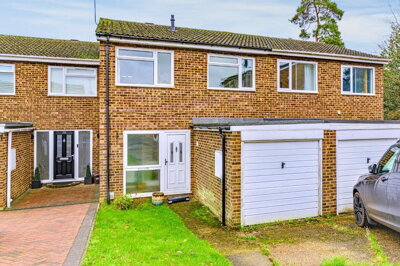
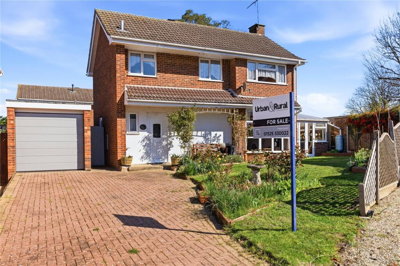
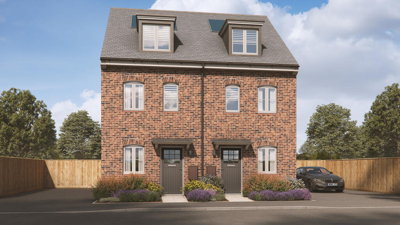
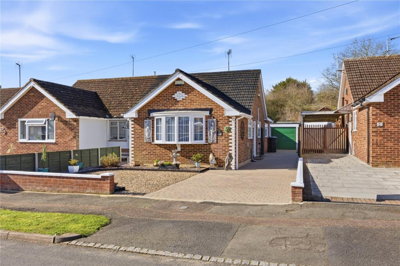
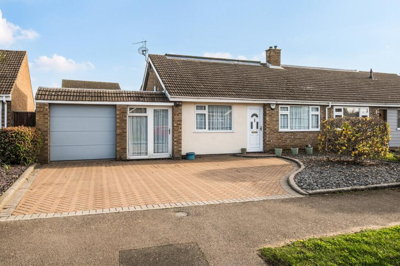
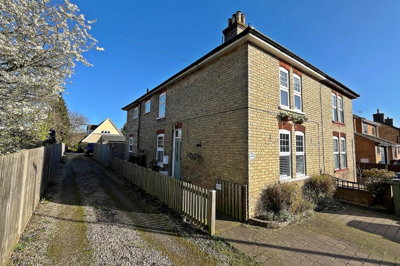
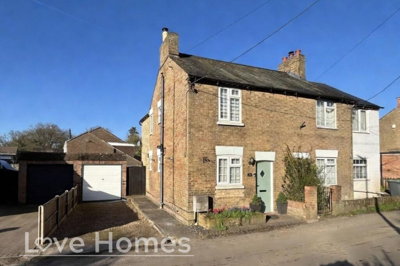
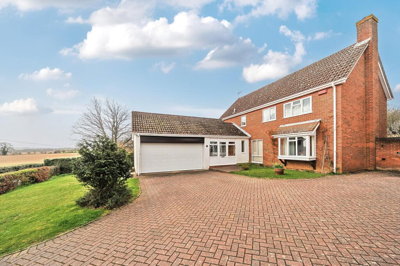
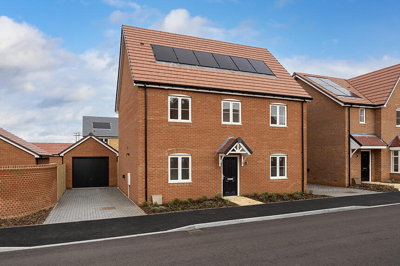
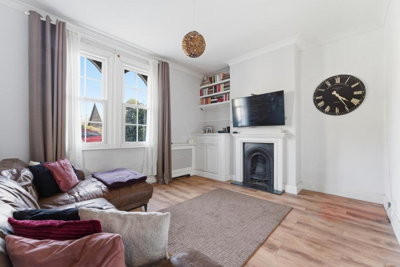
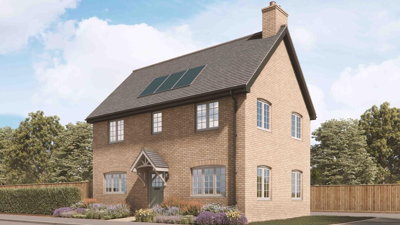
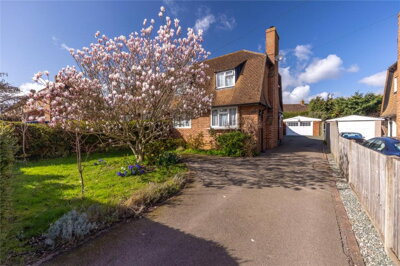
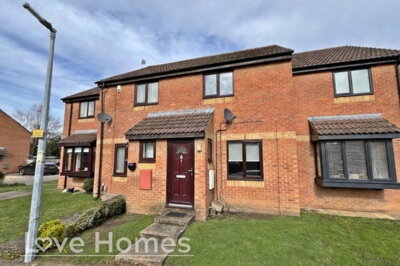
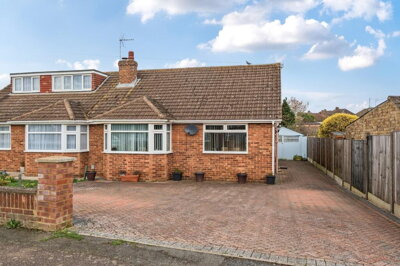
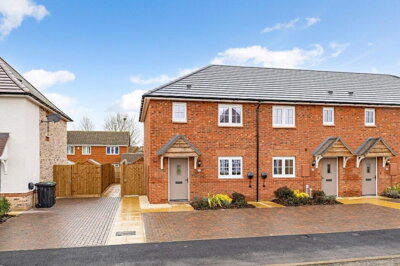
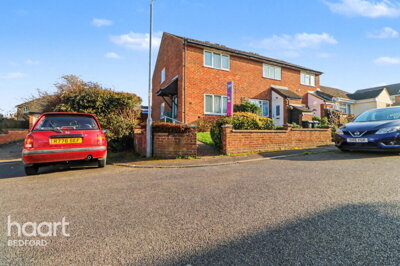
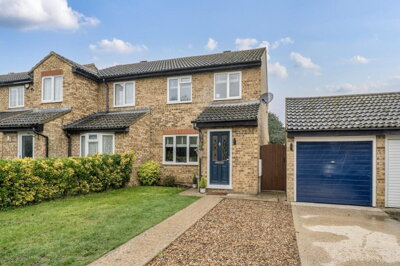
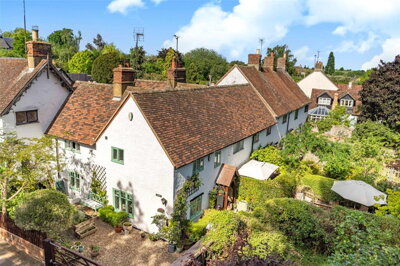
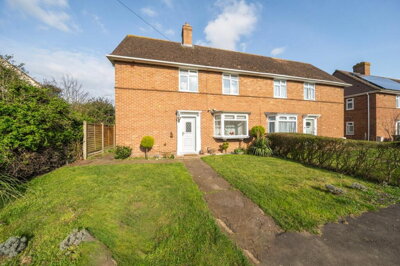
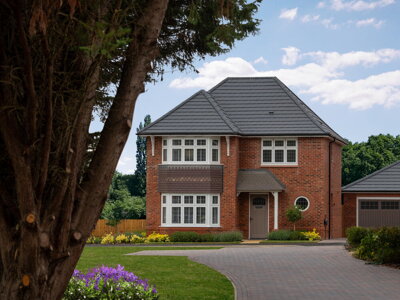
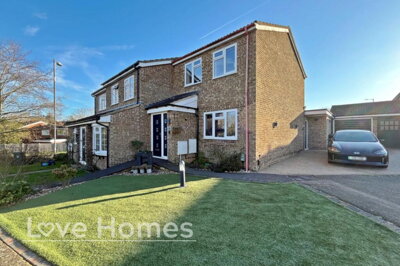
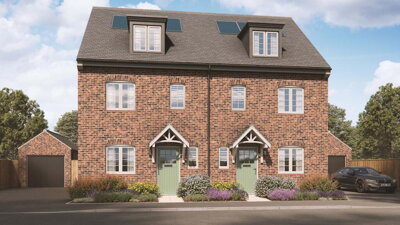
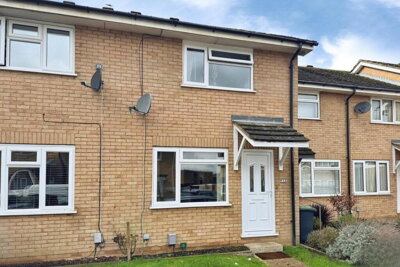
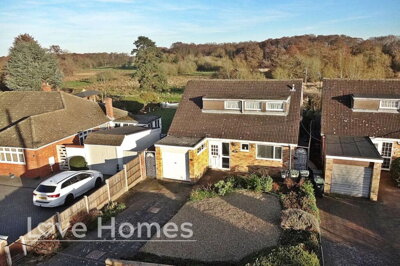
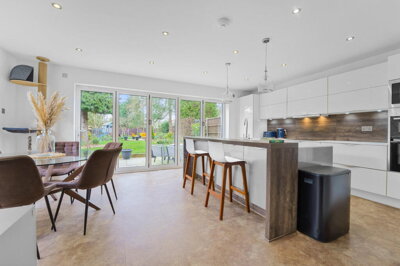
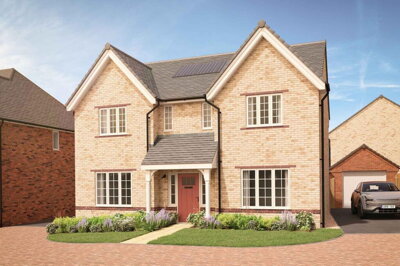
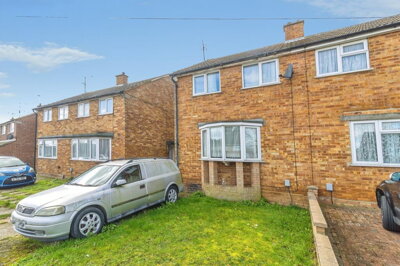
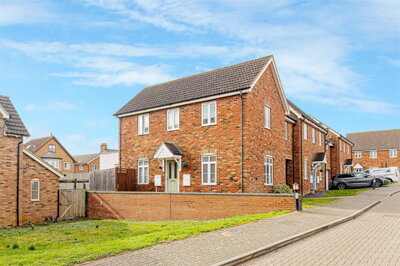
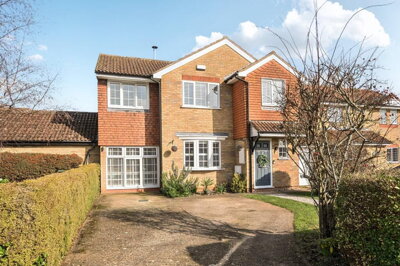
Browse 211 homes for sale in Westoning, Central Bedfordshire from local estate agents.
The Westoning property market offers detached, semi-detached, and terraced houses spanning various price ranges and neighbourhoods. Each listing includes detailed property information, photographs, and direct contact with the marketing agent.
£500k
27
0
95
Source: home.co.uk
Showing 27 results for Houses for sale in Westoning, Central Bedfordshire. The median asking price is £500,000.
Source: home.co.uk
Detached
17 listings
Avg £593,235
Semi-Detached
9 listings
Avg £393,889
Terraced
1 listings
Avg £360,000
Source: home.co.uk
Source: home.co.uk
The Ston Easton property market reflects the character of this intimate Somerset village, where transactions occur less frequently than in urban areas but each sale carries significant local impact. Recent sales data shows properties ranging from semi-detached homes sold around £300,000 to larger detached residences commanding higher figures. A five-bedroom detached house was listed at £580,000 in early 2026, while a three-bedroom semi-detached property with planning permission for conversion reached £500,000. These examples illustrate the premium placed on additional space and development potential within the village.
Price trends over the past year indicate a market correction of approximately 23% compared to the previous year, with average sold prices now standing at £300,000. This represents a more substantial 54% decline from the 2023 peak, suggesting a cooling period that may benefit buyers seeking value in this sought-after Mendip location. The presence of Ston Easton Park, a magnificent Grade I Listed mansion currently valued at £4,500,000, demonstrates the upper echelons of the local market and underscores the prestige associated with property ownership in this historic parish.
New build activity within the village itself remains limited, with only a single self-build dwelling receiving planning approval on Ston Easton Lane in January 2025. Broader new home developments exist in nearby Midsomer Norton within the BA3 postcode area, including Somer Meadows by David Wilson Homes and Cherry Blossom View, offering contemporary alternatives for buyers preferring modern construction. However, for those seeking authentic village character, the existing stone-built properties in Ston Easton itself remain the primary option.

Ston Easton embodies the essence of rural Somerset village life, with a population of approximately 631 residents according to the 2021 Census. The village traces its origins back to before the Norman Conquest, giving it an authentic historical depth rarely found in more modern settlements. The community takes its name from the prominent stone formations of the Mendip Hills that surround it, with traditional buildings constructed predominantly from local Carboniferous Limestone quarried from these very hillsides. The architecture reflects centuries of continuous habitation, from medieval farmsteads to Georgian estate buildings, creating a streetscape of considerable charm and architectural interest.
As a linear village along the A37, Ston Easton maintains an intimate scale where neighbours know one another and community ties remain strong. The presence of Ston Easton Park, a Palladian masterpiece built between 1750 and 1760, dominates the local landscape and serves as a focal point for understanding the village's historical significance. The estate's Grade I Listed status and its Grade II Listed grounds and stables underscore the national importance of the village's heritage. The Grade II* Listed stables, built around 1769, represent exceptional architectural quality that enhances the village's protected character.
Local amenities in the immediate village are limited by design, preserving the agricultural character that defines this Mendip community. However, surrounding villages provide essential services including traditional pubs, village shops, and community halls. The broader Mendip district, with its 28 conservation areas, ensures that development pressures are carefully managed to maintain the distinctive quality of villages like Ston Easton. For everyday requirements, residents typically travel to nearby towns such as Shepton Mallet or Midsomer Norton, both accessible along the A37 within 15 minutes by car.

Families considering relocation to Ston Easton will find educational opportunities available within reasonable travelling distance across the Mendip district. The village falls within the catchment area for primary schools in neighbouring communities, with several Good and Outstanding-rated establishments serving the surrounding countryside. Primary education is typically provided through small village schools in nearby parishes, offering intimate class sizes and strong community involvement that many parents value for younger children beginning their educational journey.
Several primary schools within a short drive of Ston Easton have achieved Good Ofsted ratings, including establishments in the villages surrounding the A37 corridor. These small rural schools benefit from dedicated teaching staff and close relationships between teachers and pupils. For families seeking faith-based education, primary schools with religious affiliations operate in nearby market towns, providing alternative educational philosophies within reasonable commuting distance.
Secondary education options include schools in the nearby towns of Shepton Mallet, Frome, and Midsomer Norton, all accessible via school transport services or parent transport along the A37. The district's secondary schools offer a range of academic and vocational pathways, with examination results and Ofsted ratings varying between institutions. For families prioritising selective education, grammar schools in Somerset such as those in Taunton and Yeovil operate competitive entrance procedures, requiring preparation for the 11-plus examination taken during primary school years.
Independent schooling options exist in Bath and Bristol for those seeking alternative educational approaches, with several renowned independent schools accepting day pupils from the Somerset region. Sixth form provision in the area continues to develop, with local colleges expanding their A-level and vocational course offerings to serve students across the Mendip region. Families should verify current catchment areas and admission arrangements directly with Somerset County Council, as these can change and may affect school placement eligibility.
Ston Easton's location along the A37 positions it favourably for commuters working in Somerset's major employment centres. The village lies approximately 11 miles south of Bristol, providing access to the city's extensive job market, cultural amenities, and motorway connections via the M5 corridor. Bath, equally distant, offers alternative employment opportunities, a renowned university, and excellent rail connections to London Paddington. The A37 itself connects Ston Easton to larger towns including Shepton Mallet and Wells, England's smallest city and home to a cathedral and comprehensive amenities.
Public transport options for Ston Easton include bus services operating along the A37 corridor, connecting residents to neighbouring towns and villages across the Mendip district. Service frequency is limited compared to urban areas, making car ownership a practical necessity for most residents rather than a luxury. However, for those working in Bristol or Bath, the journey by car takes approximately 30-40 minutes depending on traffic conditions, making regular commuting feasible for those with flexible working arrangements.
Rail access is available at nearby stations including Castle Cary and Frome, which provide connections to major cities including London, Bristol, and Exeter. Castle Cary station offers a direct service to London Paddington, taking approximately 90 minutes and making it particularly valuable for regular commuters working in the capital. Great Western Railway operates services from Castle Cary, providing regular connections to the southwest and London.
For those preferring to drive to national destinations, the M5 motorway junction 23 at Dunball provides access to the motorway network heading north to Bristol and the Midlands, while junction 22 at Edithmead serves the southern approaches to the region. Bristol Airport, located approximately 20 miles from Ston Easton, offers international destinations for business and leisure travellers, making this rural Somerset village surprisingly well-connected for a village of its size.
Start by exploring current property listings in Ston Easton to understand what is available within your budget. Given the village's modest size, properties appear infrequently, so setting up automated alerts can help you identify new listings quickly. Consider engaging with local estate agents who have specialist knowledge of the Mendip village market and may hear about properties before they reach public listings.
Before arranging viewings, obtain a mortgage agreement in principle from a lender. This demonstrates your financial readiness to sellers and can strengthen your position when making an offer. Our mortgage comparison tool helps you explore current rates from leading UK lenders and find competitive deals suited to your circumstances, with representative examples available from 4.5% APRC.
Visit properties that match your criteria, taking time to assess the village atmosphere and proximity to amenities in neighbouring communities. Pay particular attention to property condition given Ston Easton's older housing stock, and note any features that might require survey investigation such as stone wall condition, roof age, or signs of damp in traditional construction.
For traditional properties in Ston Easton, we recommend a RICS Level 2 survey to assess condition and identify any defects. Given the prevalence of older stone construction and listed buildings in the area, a thorough survey is particularly valuable. Our survey partners offer competitive rates starting from £350 for properties in this region, with costs varying based on property value and construction type.
Once your offer is accepted, instruct a solicitor to handle the legal transfer of ownership. Your solicitor will conduct searches, review contracts, and coordinate with your mortgage lender to ensure a smooth transaction. Our conveyancing service connects you with experienced property lawyers from £499, including local searches specific to the Mendip district.
Work with your solicitor and estate agent to exchange contracts and set a completion date. On completion day, the remaining balance is transferred and you receive the keys to your new Ston Easton home. Your solicitor will register the ownership with the Land Registry and settle any applicable Stamp Duty Land Tax.
Understanding the construction methods used in Ston Easton properties helps buyers appreciate the characteristics and maintenance requirements of this historic village. The Mendip Hills are largely formed from Carboniferous Limestone, which has been quarried locally for centuries and used as the predominant building material throughout the area. Traditional buildings in Ston Easton typically feature stone walls constructed from this local limestone, either as dressed ashlar blocks or as rubblestone walling depending on the property's age and status.
Ston Easton Park, the Grade I Listed Georgian country house at the village's heart, exemplifies the highest quality stone construction with its ashlar stone facades and plaster dressing. The estate's influence extended to the surrounding village, with workers' cottages and agricultural buildings constructed using similar local materials though typically with less refined finish. Dolomitic Conglomerate, found on the southern flanks of the Mendips, was historically used for lintels, chimney pieces, gateposts, paving stones, and rubblestone walling in properties throughout the area.
Medieval stone walls in the village were often constructed with weak lime mortars that deteriorate over centuries, requiring repointing with appropriate breathable materials to prevent moisture retention. Modern renovation work on historic properties should use lime-based mortars rather than cement, as cement can trap moisture within stone walls and cause deterioration. Properties built before modern building regulations may also contain materials such as asbestos, which was used in building products until 1999, so appropriate surveys should be conducted before renovation work commences.
Properties in Ston Easton require careful assessment given the village's age and traditional construction methods. The predominant building material is local Carboniferous Limestone, which gives the village its distinctive character but requires specific maintenance approaches. When viewing properties, examine stone walls for signs of cracking, mortar deterioration, or vegetation growth that might indicate structural movement. Older properties built before modern building regulations may have inadequate insulation, dated electrical systems, or plumbing that requires updating to contemporary standards.
Damp issues frequently affect older stone properties in the Mendip region due to the porosity of traditional materials and the absence of modern damp-proof courses. Rising damp occurs when moisture from the ground travels up through stone walls by capillary action, particularly in properties without effective damp-proof membranes. Penetrating damp results from defective gutters, damaged roof tiles, or deteriorating stonework that allows rainfall to penetrate the building fabric. Our survey partners check for these issues systematically during property assessments, identifying where remedial work may be required.
Timber decay represents another significant concern in traditional properties, with both dry rot and wet rot affecting roof timbers, floorboards, and structural elements. Woodworm infestations can weaken timber over time, requiring professional treatment to eradicate and prevent recurrence. The Mendip Hills have a history of lead and zinc mining in areas such as Charterhouse, and while specific mining-related subsidence risk for Ston Easton itself remains unverified, historic mining activity in the broader region means foundation conditions should be assessed by a qualified surveyor for properties showing signs of structural movement.
Subsidence and heave issues can arise from clay-rich superficial deposits underlying parts of the village, as shrink-swell behaviour in clay soils causes ground movement that affects foundations. The British Geological Survey GeoSure data identifies areas of potential shrink-swell hazard across Somerset, and properties showing cracking or uneven floors should be investigated thoroughly before purchase. Chimney issues including blocked flues and damaged brickwork are common in older properties and can lead to gas buildup or damp penetration if not properly maintained.
Conservation considerations play an important role in Ston Easton's property market. The presence of Grade I, Grade II*, and Grade II Listed buildings throughout the village strongly suggests that significant portions of the settlement fall within a conservation area, which imposes restrictions on external alterations, extensions, and permitted development rights. Properties in conservation areas require planning permission for works that would normally be permitted under householders' rights, and specific materials may be required to maintain the historic character.
Buyers considering renovation projects should verify the specific conservation area status and listed building implications with Mendip District Council before committing to a purchase. Listed building consent is required for any alterations that would affect the building's character as a heritage asset, inside and out. Properties with reduced permitted development rights may have more limited options for extensions or outbuildings, affecting the long-term flexibility of the purchase.
The village's location along the A37 means traffic noise can affect properties nearest the main road, particularly during peak hours when heavy vehicles pass through the village. Properties set back from the main road or located along quieter lanes may offer a more peaceful living environment. Additionally, limited on-street parking in the linear village layout may be a consideration for households with multiple vehicles.
The average sold house price in Ston Easton currently stands at £300,000 based on recent transactions. This represents a significant adjustment from the 2023 peak of £658,200, with prices falling approximately 54% from that high point. The village's property market is relatively small with limited annual sales, so prices can vary considerably depending on property type, size, and condition. Detached family homes and properties with development potential tend to command the highest values, while cottages and terraced properties offer more accessible entry points to the local market.
Properties in Ston Easton fall under Mendip District Council's jurisdiction for council tax purposes. Bands range from A through H based on property value, with most traditional village homes falling in bands C through E. Exact banding depends on the specific property's assessed value, and prospective buyers can verify current banding through the Valuation Office Agency website or during the conveyancing process when local authority searches are conducted.
Ston Easton itself has limited schooling facilities given its small population of 631 residents. Primary education is provided through schools in neighbouring villages and parishes, with several Good-rated establishments within a short drive along the A37. Secondary schools in nearby towns including Shepton Mallet, Frome, and Midsomer Norton serve the village's catchment area. For families considering Ston Easton, we recommend researching specific school Ofsted ratings and admission arrangements directly with Somerset County Council to understand current provision and any catchment area restrictions that may apply.
Ston Easton has reasonable connectivity for a rural village through bus services operating along the A37 corridor, linking residents to Wells, Frome, and Bristol. However, service frequency is limited compared to urban areas, making car ownership practical necessity for most residents. Rail access is available at Castle Cary station, approximately 15 miles from the village, offering direct services to London Paddington. For commuters working in Bristol or Bath, the journey by car takes approximately 30-40 minutes depending on traffic conditions and the specific route chosen.
Ston Easton offers genuine appeal for buyers prioritising lifestyle and community over rental yield. The village's restricted supply of properties, historic character, and proximity to Bath and Bristol support long-term value retention. Recent price corrections have brought entry costs to more accessible levels compared to the 2023 peak. However, investors should note that the small market size limits liquidity and rental demand is likely modest given the limited local employment base. For primary residence buyers seeking a peaceful Somerset village with excellent transport connections, Ston Easton represents a sound choice, while buy-to-let investors should conduct detailed rental market analysis before committing.
Stamp Duty Land Tax applies to all property purchases above £250,000 in England. For a property at the Ston Easton average price of £300,000, a standard buyer would pay £2,500 (5% on the amount between £250,001 and £925,000). First-time buyers purchasing properties up to £625,000 qualify for relief on the first £425,000, reducing their liability to £625. Buyers purchasing above £625,000 do not receive first-time buyer relief. Additional 3% surcharge applies for second homes and buy-to-let properties. Your solicitor will calculate the exact liability during the conveyancing process.
Specific flood risk data for Ston Easton itself is limited in available records. The village sits inland in the Mendip Hills, away from major river systems and coastal areas that typically pose flood risks. The Carboniferous Limestone geology of the Mendips generally provides good drainage, though superficial clay deposits in some areas could potentially affect local drainage patterns. We recommend requesting an environmental search during conveyancing that specifically addresses flood risk, drainage, and ground stability for the individual property being purchased.
Properties that are listed buildings, or those in close proximity to listed structures, may benefit from a more detailed assessment than a standard RICS Level 2 survey provides. Ston Easton contains several listed buildings including the Grade I Ston Easton Park, Grade II* stables, and Grade II listed gardener's cottage. A RICS Level 3 Building Survey is often recommended for older, complex, or historically significant properties, as it provides a more thorough assessment of construction, defects, and repair options while considering the property's heritage value. Your surveyor can advise on the most appropriate survey level during the initial consultation.
From 4.5% APRC
Compare mortgage deals from leading UK lenders
From £499
Expert property solicitors handling your legal work
From £350
Comprehensive condition report for your Ston Easton property
From £60
Energy performance certificate required for sale
Budgeting for a property purchase in Ston Easton requires careful consideration of Stamp Duty Land Tax alongside other acquisition costs. For a typical village home priced at £300,000, standard buyers incur SDLT at 5% on the amount exceeding £250,000, resulting in a liability of £2,500. First-time buyers benefit from more favourable treatment, paying nothing on the first £425,000 and just 5% on the remaining amount up to £625,000, reducing their SDLT liability to £625 for properties within this threshold. These calculations assume the purchase is your primary residence without any additional property interests.
Beyond Stamp Duty, purchasing a home in Ston Easton involves solicitor fees typically ranging from £500 to £1,500 depending on complexity and whether the property is freehold or leasehold. A RICS Level 2 survey costs between £350 and £600 for properties in this price range, with older stone construction and listed buildings potentially requiring more detailed assessment and higher fees. Survey costs increase for properties valued above £500,000, where average survey fees rise to around £586, while non-standard construction types including timber-framed, concrete, or thatched properties typically incur premium rates due to the additional expertise required.
An Energy Performance Certificate costs from £60 and is a legal requirement before marketing. Mortgage arrangement fees vary by lender, ranging from free to 2% of the loan amount, while broker fees if applicable typically range from 0.3% to 1%. Factor in search fees of approximately £300 to £500 for local authority, drainage, and environmental searches specific to the Mendip district. For a £300,000 property, total buying costs excluding mortgage repayments typically range from £3,000 to £5,000 depending on circumstances and the level of survey chosen.
Properties for Sale In London

Properties for Sale In Plymouth

Properties for Sale In Liverpool

Properties for Sale In Glasgow

Properties for Sale In Sheffield

Properties for Sale In Edinburgh

Properties for Sale In Coventry

Properties for Sale In Bradford

Properties for Sale In Manchester

Properties for Sale In Birmingham

Properties for Sale In Bristol

Properties for Sale In Oxford

Properties for Sale In Leicester

Properties for Sale In Newcastle

Properties for Sale In Leeds

Properties for Sale In Southampton

Properties for Sale In Cardiff

Properties for Sale In Nottingham

Properties for Sale In Norwich

Properties for Sale In Brighton

Properties for Sale In Derby

Properties for Sale In Portsmouth

Properties for Sale In Northampton

Properties for Sale In Milton Keynes

Properties for Sale In Bournemouth

Properties for Sale In Bolton

Properties for Sale In Swansea

Properties for Sale In Swindon

Properties for Sale In Peterborough

Properties for Sale In Wolverhampton

Enter your details to see if this property is within your budget.
Loans, cards, car finance
Estimated property budget
Borrowing + deposit
You could borrow between
Typical borrowing
Monthly repayment
Est. at 4.5%
Loan-to-value
This is an estimate only. Your actual budget may vary depending on interest rates, credit history, and personal circumstances. For an accurate affordability assessment, speak to one of our free mortgage advisors.
This calculator provides estimates for illustrative purposes only and does not constitute financial advice. Your home may be repossessed if you do not keep up repayments on your mortgage. Estimates based on 4.5% interest rate, repayment mortgage. Actual rates depend on your circumstances.
Homemove is a trading name of HM Haus Group Ltd (Company No. 13873779, registered in England & Wales). Homemove Mortgages Ltd (Company No. 15947693) is an Appointed Representative of TMG Direct Limited, trading as TMG Mortgage Network, which is authorised and regulated by the Financial Conduct Authority (FRN 786245). Homemove Mortgages Ltd is entered on the FCA Register as an Appointed Representative (FRN 1022429). You can check registrations at NewRegister or by calling 0800 111 6768.

We use cookies to show you personalised content and improve your experience of our website. Find out more in our Privacy policy and Cookie policy.