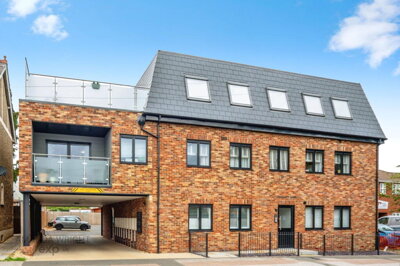
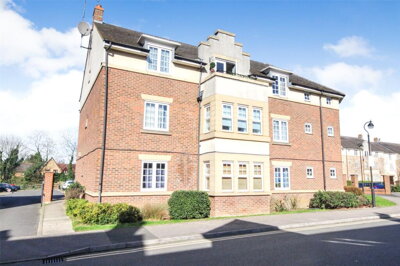
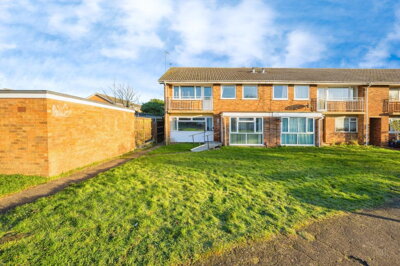
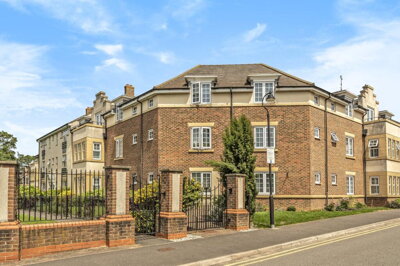
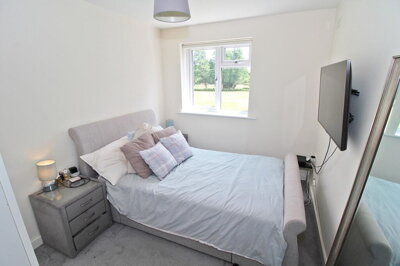
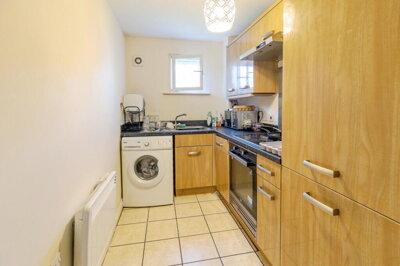
Browse 6 homes for sale in Westoning, Central Bedfordshire from local estate agents.
The 2 bed flat sector typically includes two separate bedrooms, dedicated living areas, and bathroom facilities. Properties in Westoning span purpose-built blocks, converted period houses, and modern apartment complexes on various floors.
£0k
0
0
0
Source: home.co.uk
Showing 0 results for 2 Bedroom Flats for sale in Westoning, Central Bedfordshire.
The Ston Easton property market reflects the unique character of this small Somerset village, with prices having experienced notable adjustment in recent years. Current data shows the average sold price at £300,000, representing a 23% decrease compared to the previous year and a significant 54% decline from the 2023 peak of £658,200. The market correction has created opportunities for buyers who previously found the village beyond their budget, with properties now available across a range of price points that better reflect genuine local demand.
Property types in Ston Easton include traditional stone cottages, substantial detached family homes, and the occasional grand estate. Recent sales activity includes a semi-detached house achieving £300,000 in May 2025, while larger family homes command premium prices. A five-bedroom detached property was listed at £580,000 in early 2026, demonstrating the variety available. For those with more substantial budgets, Ston Easton Park represents the pinnacle of local property, with this magnificent Grade I Listed mansion available at £4.5 million.
New development within the village remains exceptionally limited. A planning approval granted in January 2025 for a self-build detached dwelling on Ston Easton Lane indicates the constrained nature of development opportunity within the village boundary. This scarcity of new housing stock reinforces the value of existing properties and contributes to the stability of the local market. Prospective buyers should note that the BA3 postcode area surrounding Ston Easton does feature newer developments in nearby Midsomer Norton, such as Somer Meadows by David Wilson Homes, though these fall outside the village itself.

Ston Easton is a linear village that stretches along the A37 road, characterised by its attractive blend of traditional stone cottages and Georgian architecture that reflects its historical importance. The village predates the Norman Conquest, and its population of 631 residents according to the 2021 Census has remained relatively stable, having grown from 550 in the 2011 Census to approximately 598 by 2024. This gentle growth has allowed the community to maintain its intimate village character while gradually adapting to modern needs.
The Mendip Hills setting provides residents with easy access to outstanding natural beauty, with extensive walking routes, cycling paths, and outdoor pursuits available on the doorstep. The village's location within Somerset's limestone landscape has profoundly influenced its architecture, with buildings constructed predominantly from Carboniferous Limestone and Dolomitic Conglomerate sourced locally. The Carboniferous Limestone that forms the backbone of the Mendip Hills has been quarried for centuries and provides the distinctive golden-grey stone seen in many village properties.
Ston Easton Park, with its Grade I Listed status and surrounding Grade II registered parklands, serves as both a local landmark and the village's aristocratic heritage. The nearby towns of Midsomer Norton and Radstock provide essential shopping, while the cathedral city of Wells and the cultural hubs of Bath and Bristol are readily accessible for dining, entertainment, and employment. The village sits within the Mendip district, which encompasses 28 Conservation Areas, reflecting the area's rich built heritage and the care taken to preserve its character.

Families considering a move to Ston Easton will find a range of educational options within reasonable driving distance. Within Mendip district, which encompasses Ston Easton, there are numerous Ofsted-rated schools serving the local community. Primary education is available at nearby village schools, with secondary education typically provided at schools in the surrounding market towns of Midsomer Norton and Shepton Mallet.
For secondary education, families typically consider schools in the surrounding towns. The nearest secondary schools include those in Midsomer Norton, Radstock, and Shepton Mallet, all accessible via the A37. We recommend researching specific catchment areas and school performance data, as admissions policies can significantly impact options for families. School performance league tables and recent Ofsted reports are available online and should factor into your property search if education is a priority.
For older students, further and higher education opportunities are available in Bath, Bristol, and Taunton, all of which are accessible via the excellent road connections provided by the A37 and subsequent motorway links. The proximity to two major university cities makes Ston Easton particularly attractive to families who value educational choice. Independent schools in the region are also well-represented, with several highly regarded options available for those seeking private education. We recommend visiting the Ofsted website to review current school ratings and performance data before finalising any property purchase, as school admissions can be competitive in popular areas.
Transport connectivity ranks among Ston Easton's strongest attributes, with the village benefiting from its position along the A37, a major route connecting Bristol to the Somerset levels. The A37 provides direct access to Bristol city centre, approximately 11 miles north, with journey times typically taking 25-35 minutes outside peak hours. Bath is similarly accessible, positioned 11 miles to the north-east, making both major cities viable options for daily commuters. The village's location between these employment hubs offers residents the flexibility to choose between urban career opportunities and rural village living.
For rail travel, Bristol Temple Meads station offers excellent connections to London Paddington, with journey times of around 90 minutes, as well as regular services to other major UK destinations. Bath Spa station provides additional options with its direct services to the capital. Local bus services connect Ston Easton with surrounding villages and towns, though private vehicle ownership remains common given the rural nature of the area. The proximity to the A36 and subsequent motorway network extends travel options to the south coast and beyond, making Ston Easton well-connected for both commuting and leisure travel.
For those who commute by train, the journey to London from Bristol Temple Meads takes approximately 90 minutes on the fastest services. This makes day commuting to the capital feasible for those working in finance, government, or other sectors with London offices. Many residents choose to drive to the station before taking the train, and Bristol Airport, located further north, provides international travel connections for business and leisure.
Start by exploring our current listings in Ston Easton and understanding price trends. The village has seen significant price adjustment recently, with average prices falling 23% year-on-year, which may create opportunities for buyers. Take time to understand the difference between properties in the village centre versus those on the outskirts, and consider how proximity to Ston Easton Park might affect values.
Before arranging viewings, obtain a mortgage agreement in principle from a lender. This strengthens your position when making offers and demonstrates you're a serious buyer to estate agents in what remains a competitive local market. With average prices at £300,000, most properties will fall within standard lending criteria, though higher-value properties may require specialist mortgage arrangements.
Visit multiple properties to understand the variety available, from traditional stone cottages to grand Georgian homes. Take time to explore the village and assess whether Ston Easton's amenities and atmosphere suit your lifestyle. We recommend viewing properties at different times of day and, if possible, in various weather conditions to gauge how the village and individual properties perform.
Given Ston Easton's predominantly older property stock with heritage characteristics, a Level 2 survey is strongly recommended. Our inspectors frequently identify issues common to traditional Mendip stone construction, including damp penetration through solid walls, deterioration of lime mortar pointing, and timber defects in roofs and floors. Survey costs typically range from £376 for properties under £200,000 to £930 for homes above £600,000, varying by property value and condition.
Appoint a conveyancing solicitor with experience in Somerset property transactions, particularly if purchasing a Listed Building or property in a Conservation Area, as additional regulations may apply. The presence of significant Listed Buildings in Ston Easton means searches may need to cover historic building regulations and scheduled monument considerations.
Once all searches are satisfactory and finances are confirmed, your solicitor will arrange the exchange of contracts and set a completion date. On completion, you receive the keys to your new Ston Easton home. We recommend arranging a final walkthrough shortly before completion to confirm the property's condition remains satisfactory.
Purchasing property in Ston Easton requires careful attention to several area-specific considerations. The village's historic status means that numerous properties, including Ston Easton Park and its associated buildings, carry Listed Building status, imposing strict regulations on alterations and maintenance. If you're considering a Listed Building, budget for potential additional costs associated with sympathetic repairs and specialist survey requirements. Properties in Conservation Areas may face planning restrictions that affect permitted development rights, so always verify with Mendip District Council before committing to any renovation plans.
The local geology presents another important consideration for prospective buyers. Properties in the Mendip Hills area may be built on Carboniferous Limestone with varying superficial deposits, and areas with clay-rich soils can experience shrink-swell behaviour that leads to subsidence or heave. Our surveyors regularly inspect properties in this region and are experienced in identifying the signs of movement that can affect traditional stone buildings. The presence of historic mining activity in the broader Mendip area, particularly the lead and zinc orefield around Charterhouse, means that some properties may be built on or near historic mine workings.
Older properties, which form the majority of Ston Easton's housing stock given the village's pre-Norman origins, commonly exhibit defects such as rising damp, outdated electrical systems, and roof deterioration. Properties constructed before the 1970s may contain asbestos in building materials, and our inspectors will note any suspected asbestos-containing materials in their reports. Building materials locally include traditional stone construction using Carboniferous Limestone and Dolomitic Conglomerate, with ashlar and rubblestone walling techniques commonly used in older properties. A thorough RICS Level 2 survey can identify these issues before purchase, potentially saving significant expense and hassle.
The Mendip district's geology also influences foundation conditions. While limestone bedrock generally provides good bearing capacity, the variable nature of superficial deposits can lead to differential settlement in older properties. Our team has experience surveying properties across Somerset and understands the specific challenges posed by local ground conditions and traditional construction methods.
Properties in Ston Easton are predominantly traditional constructions that require careful inspection before purchase. Our surveyors frequently encounter several recurring issues when assessing homes in this part of Somerset. Understanding these common defects helps buyers prioritising inspections and budgeting for potential remediation costs.
Damp and moisture issues rank among the most common findings in Ston Easton properties. Traditional stone walls were built without modern damp-proof courses, making them susceptible to rising damp, particularly where ground levels have been raised over the years. Penetrating damp can affect properties where lime mortar pointing has deteriorated, allowing water ingress through the permeable stonework. Our inspectors use moisture meters and thermal imaging cameras to assess the extent of any damp issues and identify their underlying causes.
Structural movement and subsidence require careful assessment in properties across the Mendip region. While the underlying limestone generally provides stable foundations, clay-rich superficial deposits can shrink during dry spells and swell during wet periods, causing movement in buildings. Our surveyors look for signs of cracking, differential settlement, and door and window sticking that might indicate structural concerns requiring further investigation by a structural engineer.
Roof defects are prevalent in older properties, where traditional clay or slate tiles have reached the end of their serviceable life. We assess roof covering condition, examine roof timbers for signs of rot or woodworm infestation, and check flashings and parapet walls for water penetration. Properties with original thatched roofs, while rare in Ston Easton itself, require specialist assessment from a Thatcher registered with the National Federation of Roofers.
Outdated electrical systems and plumbing represent another category of common issues. Many older properties retain their original wiring and plumbing from decades past, which may not meet current safety standards. Our Level 2 surveys include assessment of the condition of visible electrical installations and plumbing, with recommendations for full inspection by qualified electricians and plumbers before purchase.
The construction methods used in Ston Easton reflect centuries of building tradition in the Mendip Hills. Understanding these local construction practices helps buyers appreciate the character of their potential new home and anticipate the maintenance requirements associated with traditional building techniques.
Traditional properties in Ston Easton are predominantly built from local Carboniferous Limestone, a durable sedimentary rock quarried from the Mendip Hills for centuries. This golden-grey stone appears throughout the village, from humble cottages to the grand facades of Ston Easton Park. The stone was traditionally cut into ashlar blocks for prominent elevations, while less Dressed stonework formed rubble walls in less visible locations or in agricultural buildings.
Dolomitic Conglomerate, another distinctive local stone, was widely used for lintels, chimney pieces, gateposts, paving stones, and rubblestone walling throughout the Mendip area. This distinctive conglomerate rock, formed during the Triassic period, weathers to produce characteristic pitted surfaces that add visual interest to traditional buildings. Our surveyors are familiar with the properties of this stone and can identify any deterioration or repairs that may be required.
Lime mortars rather than cement were traditionally used in the construction of older properties, and these breathable materials require different maintenance approaches compared to modern cement-based products. Repointing with inappropriate cement mortar can trap moisture within stone walls, leading to accelerated deterioration. If you're considering renovations to a traditional Ston Easton property, we recommend using lime mortar and other breathable materials to maintain the fabric of the building and prevent damp-related issues.
The average sold house price in Ston Easton currently stands at £300,000 according to recent market data. This represents a significant correction from the 2023 peak of £658,200, with prices falling 23% year-on-year. Property values vary considerably depending on type, with semi-detached homes achieving around £300,000 while larger detached properties command £500,000 or more. The landmark Ston Easton Park estate, a Grade I Listed Georgian mansion, is currently listed at £4.5 million. This wide price range reflects the diversity of property available in the village, from modest starter homes to grand country estates.
Properties in Ston Easton fall under Mendip District Council, which sets council tax bands based on property valuation. Specific bands vary by individual property and would be confirmed during the conveyancing process. We recommend checking the Valuation Office Agency website for specific properties, as bands can range from Band A for lower-valued cottages through to Band H for substantial homes and estates. Council tax payments in this part of Somerset typically fund local services including education, refuse collection, and local authority services.
Ston Easton is served by primary schools in nearby villages and secondary schools in the surrounding market towns of Midsomer Norton and Shepton Mallet. Mendip district has numerous Ofsted-rated schools, and families should research specific catchment areas as admissions can be competitive. Bath and Bristol offer excellent independent school options within reasonable commuting distance. The proximity to two major cities provides access to outstanding further and higher education institutions, including the University of Bath, University of Bristol, and Bath Spa University.
Ston Easton is primarily accessed by car via the A37, which connects directly to Bristol and Bath approximately 11 miles away. Local bus services operate between surrounding villages and towns, though private vehicle ownership remains common given the rural nature of the area. Bristol Temple Meads and Bath Spa stations provide mainline rail services to London and beyond, with Bristol offering 90-minute journeys to the capital. The village's road connectivity makes it practical for commuters who drive to nearby stations. For international travel, Bristol Airport is readily accessible via the A38 and M5 motorway.
Ston Easton offers unique investment potential given its limited property supply, historic character, and proximity to major cities. The recent price correction, with values falling 54% from the 2023 peak, may present buying opportunities for long-term investors. Rental demand in Somerset villages remains steady, supported by professionals commuting to Bristol and Bath. However, the village's small size and heritage restrictions limit development potential, which could constrain rapid price appreciation. Properties requiring renovation may offer additional value opportunities, particularly those where sympathetic improvements could enhance heritage value without compromising character.
Stamp Duty Land Tax rates for 2024-25 are 0% on the first £250,000 of residential property, 5% on £250,001 to £925,000, 10% on £925,001 to £1.5 million, and 12% above £1.5 million. First-time buyers benefit from relief on the first £425,000, with 5% charged between £425,001 and £625,000. For example, a £300,000 property would incur no stamp duty for a first-time buyer, while a £600,000 purchase would attract £8,750 in SDLT for a non-first-time buyer. Additional SDLT surcharges apply for second homes and overseas buyers.
We strongly recommend arranging a RICS Level 2 survey before purchasing any property in Ston Easton. Given the village's predominantly older housing stock, with many properties dating from before 1919, surveys frequently reveal issues requiring attention. Our inspectors are experienced in assessing traditional Mendip stone construction and can identify defects such as damp penetration, timber decay, roof deterioration, and structural movement. For Listed Buildings or properties with unusual construction, a more detailed RICS Level 3 Building Survey may be appropriate to assess conservation requirements and repair strategies.
Specific flood risk data for Ston Easton itself is limited, and the village is not situated in a high-risk flood zone. Being located on elevated Mendip limestone, the village benefits from good natural drainage compared to lower-lying areas of Somerset. However, as with any property purchase, we recommend reviewing the Environment Agency flood maps and conducting appropriate searches during conveyancing. Our surveyors will also assess drainage and guttering during inspections, as inadequate drainage can cause water-related issues regardless of broader flood risk.
Understanding the full costs of purchasing property in Ston Easton requires careful budgeting beyond the purchase price alone. Stamp Duty Land Tax rates for 2024-25 start at 0% for the first £250,000, rising to 5% on the portion between £250,001 and £925,000. For a typical Ston Easton property at the current average price of £300,000, a standard buyer would incur no SDLT, while a first-time buyer would pay nothing on the first £425,000 under current relief provisions. Higher-value properties approaching £600,000 would attract approximately £8,750 in stamp duty at standard rates.
Additional buying costs include solicitor conveyancing fees, which typically start from £499 for standard transactions but may increase for Listed Buildings or properties in Conservation Areas due to additional regulatory checks. A RICS Level 2 survey costs between £376 and £930 depending on property value, with older heritage properties potentially requiring more detailed assessment. An Energy Performance Certificate is mandatory and costs from £60. Removal expenses, mortgage arrangement fees, and potential renovation costs for period properties should also be factored into your budget.
For those purchasing with a mortgage, arrangement fees typically range from £0 to £2,000 depending on the lender and product selected. Valuation fees are often included but vary by lender and property value. We recommend setting aside 10-15% of the property price to cover these associated costs and any unforeseen expenses that may arise during the purchase process. Budgeting conservatively ensures you're prepared for any issues identified during survey or any unexpected costs that emerge during conveyancing.
From £376
A detailed inspection of the property's condition, ideal for conventional homes in Ston Easton
From £600
A comprehensive building survey recommended for older, larger or non-standard properties
From £60
Energy Performance Certificate required for all property sales
From 4.5%
Competitive mortgage rates for Ston Easton property purchases
From £499
Expert solicitors handling your property transaction
Properties for Sale In London

Properties for Sale In Plymouth

Properties for Sale In Liverpool

Properties for Sale In Glasgow

Properties for Sale In Sheffield

Properties for Sale In Edinburgh

Properties for Sale In Coventry

Properties for Sale In Bradford

Properties for Sale In Manchester

Properties for Sale In Birmingham

Properties for Sale In Bristol

Properties for Sale In Oxford

Properties for Sale In Leicester

Properties for Sale In Newcastle

Properties for Sale In Leeds

Properties for Sale In Southampton

Properties for Sale In Cardiff

Properties for Sale In Nottingham

Properties for Sale In Norwich

Properties for Sale In Brighton

Properties for Sale In Derby

Properties for Sale In Portsmouth

Properties for Sale In Northampton

Properties for Sale In Milton Keynes

Properties for Sale In Bournemouth

Properties for Sale In Bolton

Properties for Sale In Swansea

Properties for Sale In Swindon

Properties for Sale In Peterborough

Properties for Sale In Wolverhampton

Enter your details to see if this property is within your budget.
Loans, cards, car finance
Estimated property budget
Borrowing + deposit
You could borrow between
Typical borrowing
Monthly repayment
Est. at 4.5%
Loan-to-value
This is an estimate only. Your actual budget may vary depending on interest rates, credit history, and personal circumstances. For an accurate affordability assessment, speak to one of our free mortgage advisors.
This calculator provides estimates for illustrative purposes only and does not constitute financial advice. Your home may be repossessed if you do not keep up repayments on your mortgage. Estimates based on 4.5% interest rate, repayment mortgage. Actual rates depend on your circumstances.
Homemove is a trading name of HM Haus Group Ltd (Company No. 13873779, registered in England & Wales). Homemove Mortgages Ltd (Company No. 15947693) is an Appointed Representative of TMG Direct Limited, trading as TMG Mortgage Network, which is authorised and regulated by the Financial Conduct Authority (FRN 786245). Homemove Mortgages Ltd is entered on the FCA Register as an Appointed Representative (FRN 1022429). You can check registrations at NewRegister or by calling 0800 111 6768.

We use cookies to show you personalised content and improve your experience of our website. Find out more in our Privacy policy and Cookie policy.