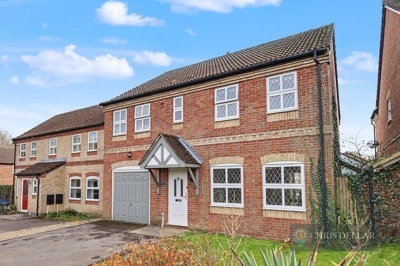
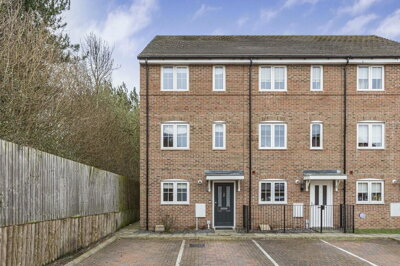
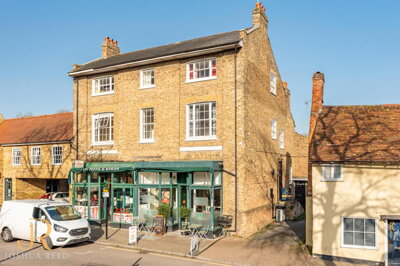
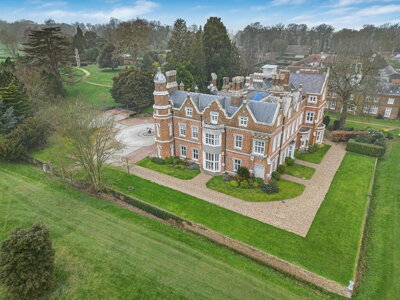
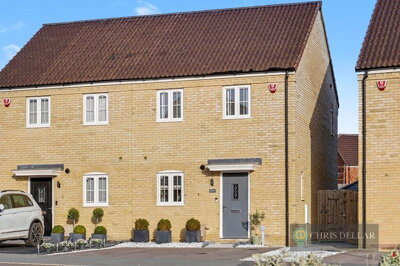
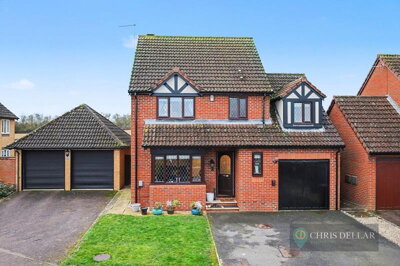
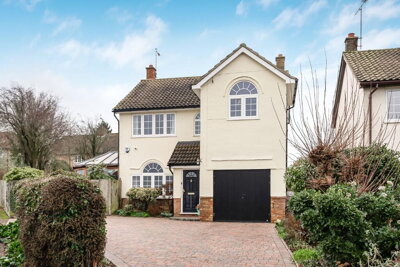
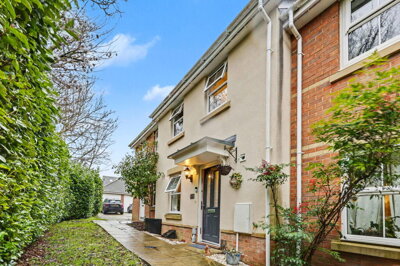
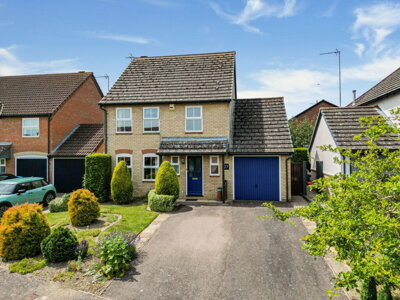
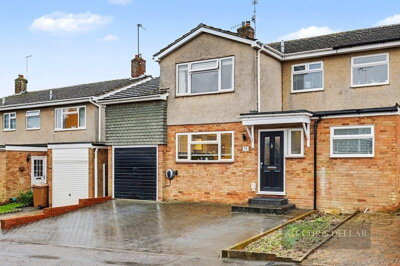
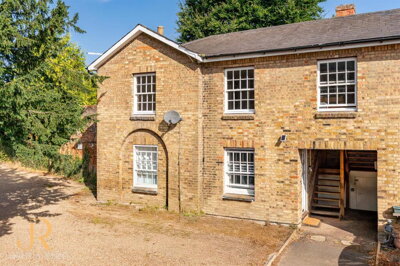
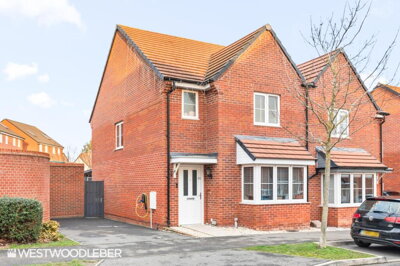
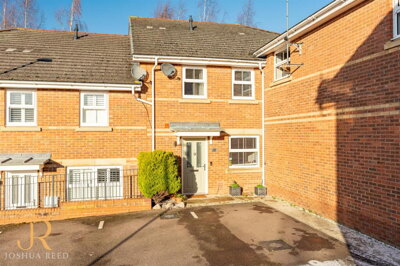
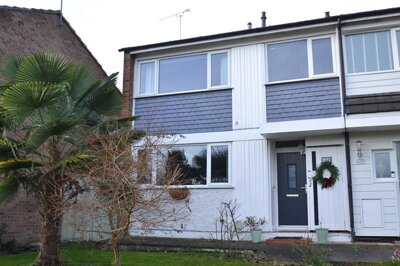
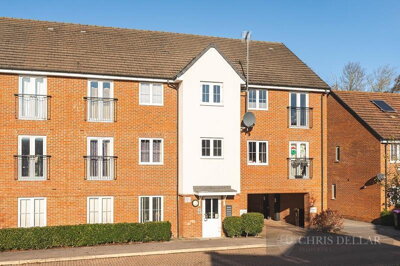
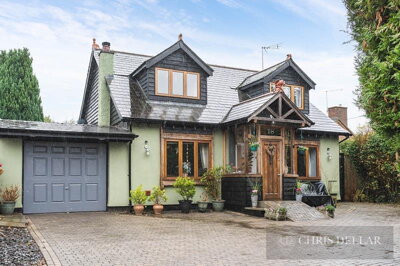
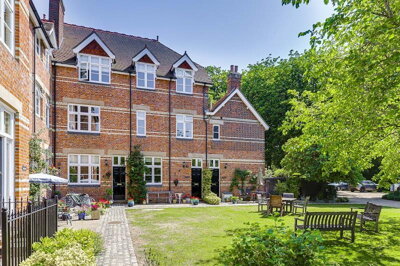
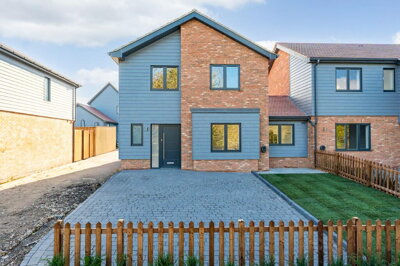
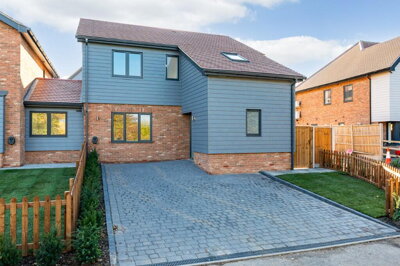
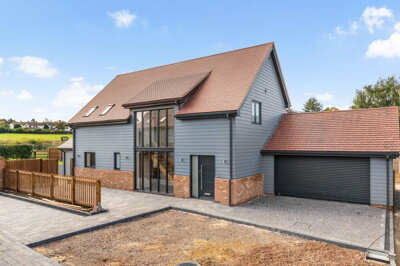
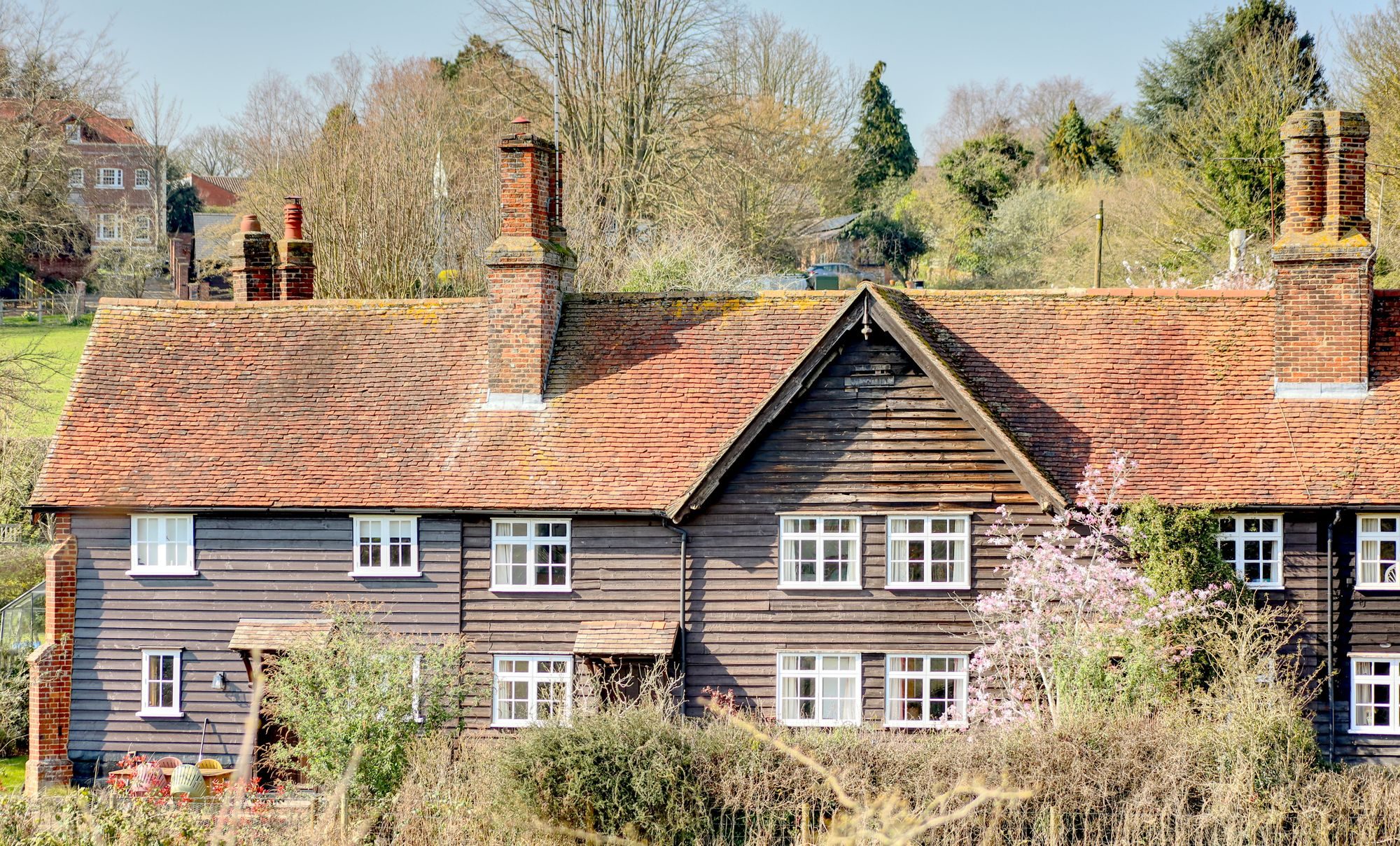
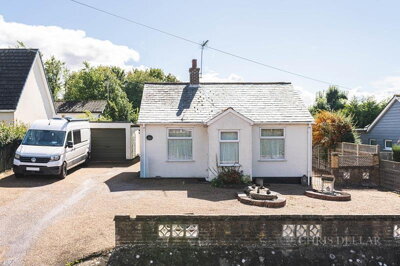
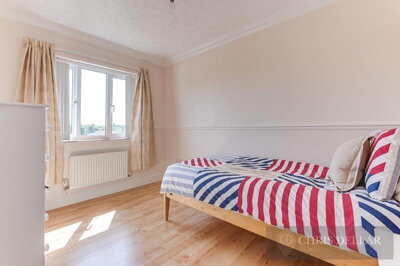
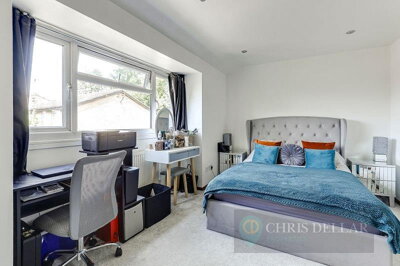
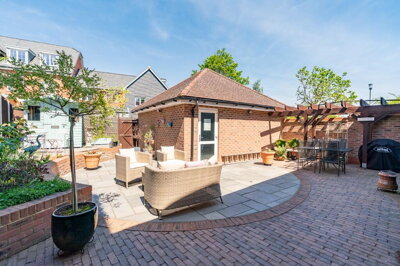
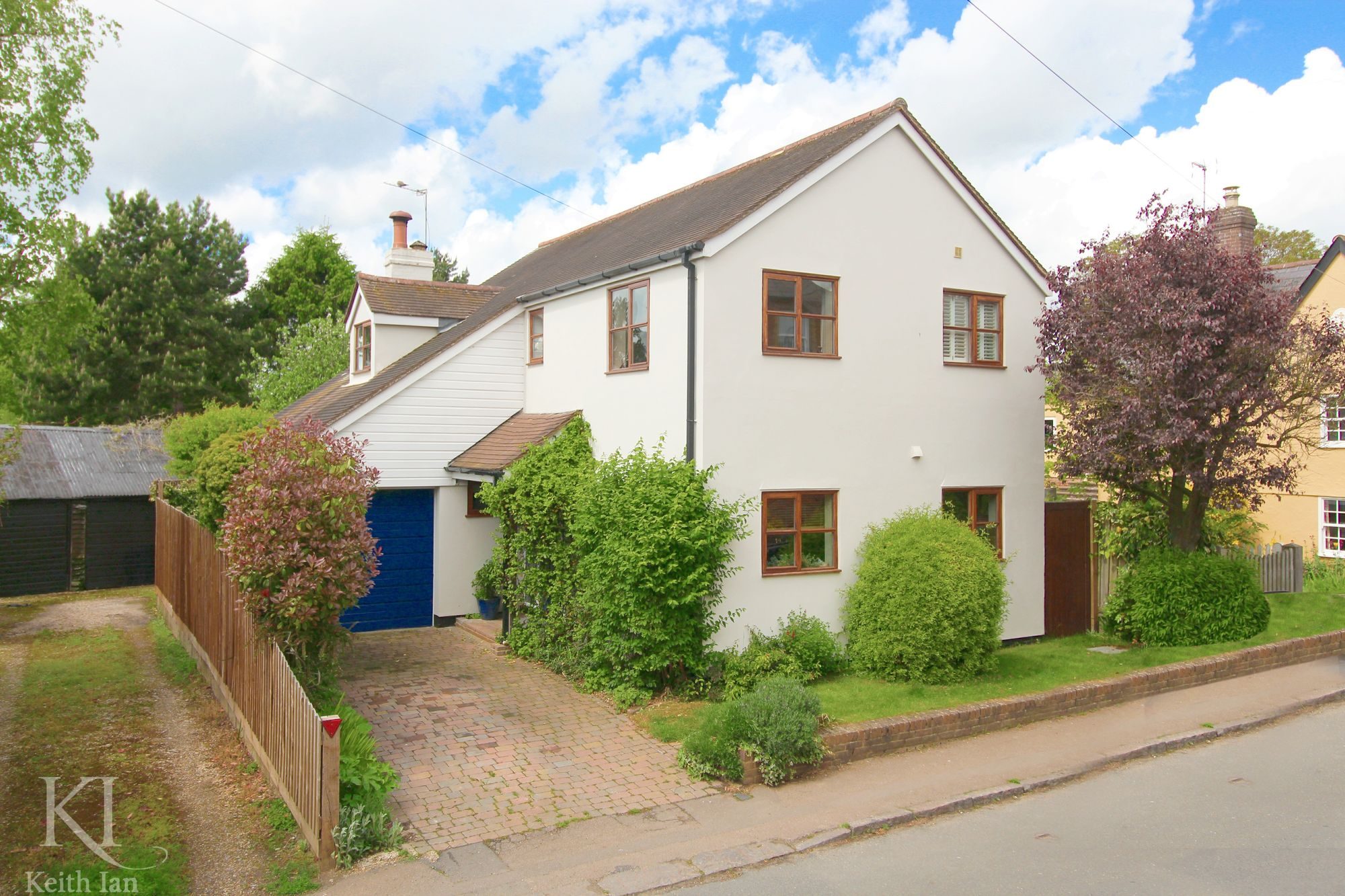
Browse 143 homes for sale in Westmill, East Hertfordshire from local estate agents.
£700k
4
0
157
Source: home.co.uk
Source: home.co.uk
Detached
1 listings
Avg £650,000
Detached Bungalow
1 listings
Avg £750,000
Semi-Detached
1 listings
Avg £825,000
Terraced
1 listings
Avg £475,000
Source: home.co.uk
Source: home.co.uk
The Burmington property market reflects the character of the village itself, offering a limited but characterful selection of homes that rarely come to market. Recent data indicates an average house price of approximately £300,000, with the market having experienced notable correction over recent years. Property values in the village showed a 47 percent decline compared to the previous year and sit 71 percent below the 2020 peak of £1,050,000, suggesting that buyers may find improved value compared to the height of the pandemic-era boom. This correction brings entry points more in line with the underlying appeal of the location, making Burmington an increasingly attractive option for those prioritising lifestyle over investment returns.
The housing stock in Burmington predominantly consists of historic period properties, with construction dating from various eras including the medieval period, 18th century, and Victorian era. Traditional building materials include local limestone rubble, brick laid in Flemish bond, and stone slate or clay tile roofs, all of which contribute to the village's visual coherence and historic character. Properties such as the converted Burmington Mill offer rare opportunities to acquire character homes that have been sensitively updated for modern living while retaining original features. No active new-build developments were identified within the village itself, meaning that buyers seeking contemporary accommodation may need to consider renovation projects or properties on the outskirts of the community.
What makes the Burmington market distinctive is the very low volume of properties that become available at any given time. The village's small population of around 164 residents, combined with its strong appeal to those seeking rural character, means that when a suitable property does come to market, it can attract significant interest. Buyers should be prepared to move decisively while also ensuring they have completed appropriate due diligence on the condition of historic properties before committing to a purchase.

Life in Burmington centres on the rhythms of rural English village living, where community bonds are strengthened through shared appreciation for the local environment and heritage. The village has grown gradually over centuries, with a population that stood at 164 residents according to the 2011 Census, up from 127 in 2001, suggesting modest growth that has not fundamentally altered the intimate scale of the settlement. This small population means that neighbours tend to know one another, village events foster community spirit, and the pace of life remains deliberately unhurried. New residents often remark on the welcome they receive and the ease with which they integrate into village life.
The physical environment of Burmington is shaped by its setting within the Upper Avon valley and its proximity to the River Stour, which creates a verdant corridor of wildlife habitat along the village's southern edge. The village's concentration of listed buildings, including the Church of St Barnabas and St Nicholas, several farmsteads, and traditional cottages along The Lane, gives the built environment a cohesiveness that newer developments often lack. Local walks connect residents to surrounding farmland, while the proximity of larger villages and market towns ensures that essential services remain accessible. The combination of historic architecture, natural landscapes, and genuine community spirit makes Burmington a place where many residents choose to put down long-term roots.
As a residential community, Burmington primarily serves those who commute to larger nearby towns for work, with Stratford-upon-Avon, Shipston-on-Stour, and surrounding market towns providing the majority of local employment opportunities. The village's proximity to the A429 road network means that residents with cars can reach these employment centres within a reasonable commute time. The village itself supports a handful of local businesses and amenities, including the village pub which serves as a focal point for community gatherings and social events throughout the year.
Families considering a move to Burmington will find a range of educational options within reasonable driving distance across the Stratford-on-Avon district. Primary education is available at several village and small town schools in the surrounding area, with many rated favourably by Ofsted and offering the kind of small class sizes and individual attention that larger urban schools struggle to match. The village's intimate scale means that primary-age children often walk or cycle to their local school, fostering independence while keeping school runs manageable for parents. Secondary education options include schools in Stratford-upon-Avon, Shipston-on-Stour, and surrounding towns, with several offering sixth form provision for older students.
The Stratford-on-Avon district is home to several well-regarded grammar schools, though admission policies mean that entry is based on competitive examination rather than geographic proximity alone. Parents should research specific catchment areas and admission criteria when considering secondary school options, as these can significantly impact which schools children are eligible to attend. Independent schooling options are also available in the wider area, including institutions with strong academic reputations and wide-ranging extracurricular programmes. For families prioritising educational outcomes, the availability of quality schools within commuting distance of Burmington adds another dimension to the village's appeal as a place to raise children in a rural yet connected setting.
Shipston-on-Stour, located approximately four miles from Burmington, provides local primary school options that are particularly popular with village families. The journey is manageable by car and represents a realistic option for daily school runs. For secondary education, Stratford-upon-Avon offers several comprehensive schools and the well-known King Edward VI School, a selective grammar school that draws students from across the wider area. Many families factor school catchment areas into their property search, particularly if they have children approaching secondary school age, making early research into local educational options an essential part of the house-hunting process.
Burmington enjoys a strategic position within south Warwickshire, offering reasonable connectivity to larger centres of employment while retaining its peaceful village character. The village sits within easy reach of the A429 road, which provides access to Stratford-upon-Avon to the north and Moreton-in-Marsh to the south, linking Burmington to the wider Cotswolds road network. The M40 motorway is accessible via the A46, connecting the area to Birmingham, Oxford, and London, with journey times to Birmingham city centre typically taking around 45 minutes by car. For commuters who travel less frequently, this balance of accessibility and rural tranquility proves particularly attractive.
Public transport options serving Burmington are limited, reflecting the village's small scale and the pattern of rural bus services across Warwickshire. The nearest railway stations are located in Stratford-upon-Avon and Honeybourne, offering connections to Birmingham and the broader national rail network. Stratford-upon-Avon station provides direct services to Birmingham Snow Hill and London Marylebone via the Chiltern Main Line, while Honeybourne offers access to the Cotswold Line running to Oxford and Worcester. Residents without access to a car may find daily commuting challenging, making Burmington most suitable for those who work from home, commute on an irregular basis, or have flexibility in their working arrangements.
The village's position within the Cotswolds Area of Outstanding Natural Beauty means that weekend connectivity to tourist destinations and recreational areas is excellent. The scenic routes connecting Burmington to surrounding villages and towns make car ownership particularly valuable for residents who wish to explore the wider Cotswolds region. Classic car tours, cycling routes, and walking holidays bring visitors to the area throughout the year, and residents benefit from this proximity to some of England's most treasured landscapes and historic sites.
Begin by exploring current property listings in Burmington and surrounding villages to understand the range of homes available and their asking prices. Given the limited number of properties that typically come to market in small villages, setting up automated alerts can help you respond quickly when suitable homes are listed. Keep an eye on historical sold prices as well, as the market data showing a 71 percent decline from the 2020 peak suggests there may be room for negotiation on asking prices.
Once you identify properties of interest, arrange viewings through Homemove or directly with estate agents. When viewing period properties in Burmington, pay particular attention to the condition of historic features, roof structures, and any signs of damp or structural movement common in older construction. Take time to examine the external brickwork and stonework, as properties along The Lane and around the village green often show their age in ways that require careful assessment before purchase.
Before making an offer, secure a mortgage agreement in principle from a lender to demonstrate your financial readiness to sellers. This is particularly important in competitive village markets where multiple buyers may be interested in the same property. With the current average price at around £300,000, most buyers will require mortgage financing, and having your financial position confirmed early in the process puts you in a stronger negotiating position.
Given the prevalence of historic properties in Burmington, we strongly recommend commissioning a Level 2 Survey before proceeding with your purchase. This survey will assess the condition of the property, identify any defects, and provide specialist guidance on the repair and maintenance of period construction. Our inspectors have experience surveying limestone and brick properties across Warwickshire and understand the specific issues that affect historic buildings in this part of the Cotswolds.
Appoint a solicitor experienced in rural property transactions to handle the legal aspects of your purchase. They will conduct searches, review the title deeds, and manage the exchange of contracts on your behalf. Properties with listed building status or those near the River Stour may require additional enquiries and searches that a specialist solicitor can manage efficiently.
Once all surveys, searches, and legal work are satisfactory, you will exchange contracts and agree on a completion date. On completion day, the remaining funds are transferred and you receive the keys to your new home in Burmington. Our team can recommend conveyancing solicitors with experience in the CV36 area if you need assistance finding the right professional for your transaction.
Properties in Burmington present unique considerations that buyers should carefully evaluate before committing to a purchase. The village's high concentration of listed buildings means that many homes carry Grade II or Grade II* listing status, which imposes restrictions on alterations, extensions, and exterior modifications. Before purchasing a listed property, prospective buyers should understand the implications for future renovation plans, as consent from the local planning authority will be required for most external works. Interior alterations may also be subject to approval, making it essential to factor potential planning constraints into your decision-making process.
The presence of the River Stour along Burmington's southern and western boundaries warrants consideration regarding flood risk, particularly for properties located in lower-lying areas of the village. While no specific flood risk maps were identified for Burmington itself, the proximity to a river means that some properties may be situated within flood zones or susceptible to surface water flooding during periods of heavy rainfall. A thorough survey will identify any signs of previous flooding or water damage, while local knowledge from neighbours and previous owners can provide valuable context about the property's history regarding water ingress. Buyers should also budget for potential flood insurance costs when calculating the ongoing affordability of any property near the river.
The traditional construction methods used in Burmington properties require specific maintenance approaches that differ from modern construction. Properties such as Burmington Manor demonstrate early 13th-century construction techniques using uncoursed limestone rubble, later squared and coursed rubble, and stone slate roofing with ashlar and brick stacks. The traditional cottages along The Lane, dating from the late 18th century, feature brick laid in Flemish bond with stone slate roofs. Buyers should assess the condition of roof coverings, the integrity of stone and brickwork, and the presence of any structural movement or cracking that may indicate foundation issues. Properties converted from agricultural buildings or mills may present additional considerations regarding insulation standards, boundary definitions, and shared access arrangements that should be clarified before purchase.
One practical consideration for buyers is the potential for renovation costs to exceed initial expectations when working with historic properties. Stone and brick buildings require specialist tradespeople for repairs, and the cost of lime mortar repointing, stone replacement, and traditional roof repairs can quickly accumulate. We recommend obtaining quotes from specialist contractors before finalising your budget, and our surveyors can provide guidance on the likely costs of any remedial works identified during the inspection process.
The average house price in Burmington stands at approximately £300,000 according to recent market data. This figure reflects a notable correction in the local market, with property values having fallen 47 percent compared to the previous year and 71 percent below the 2020 peak of £1,050,000. This price point positions Burmington as relatively accessible compared to some neighbouring Cotswolds villages, though the limited number of properties that typically come to market means that buyers should be prepared to act promptly when suitable homes are listed.
Properties in Burmington fall under Stratford-on-Avon District Council for council tax purposes, with bands ranging from A through H depending on the property's assessed value. Most period cottages and smaller homes in the village, including the traditional brick and stone properties along The Lane, typically fall into bands A to D, while larger detached properties, converted farmhouses, and manor houses may be placed in higher bands. Prospective buyers should check the specific council tax band of any property they are considering, as this forms part of the ongoing cost of ownership alongside mortgage payments, maintenance, and utility bills. Current band D charges from Stratford-on-Avon District Council can be confirmed on the council website or through the property listing details.
The Burmington area offers several well-regarded primary schools within easy driving distance, many of which have received positive Ofsted ratings and serve the surrounding villages in south Warwickshire. Shipston-on-Stour provides local primary options approximately four miles from the village, while The Dassett Primary School and other nearby village schools cater to younger children. Secondary education options include schools in Stratford-upon-Avon, Shipston-on-Stour, and surrounding towns, with some offering sixth form provision. The Stratford-on-Avon district also contains grammar schools including King Edward VI School for academically selective pupils. Parents should research specific admission criteria and catchment areas, as entry to grammar schools is determined by examination rather than proximity alone.
Public transport options in Burmington are limited, reflecting the village's small scale and the pattern of rural bus services across Warwickshire. The nearest railway stations are located in Stratford-upon-Avon and Honeybourne, providing connections to Birmingham and the national rail network. Stratford-upon-Avon station offers direct services to Birmingham Snow Hill and London Marylebone via the Chiltern Main Line, while Honeybourne provides access to the Cotswold Line running to Oxford and Worcester. The village is best suited to residents who have access to a car, though the A429 and A46 roads provide reasonable access to larger towns and the M40 motorway for those commuting to Birmingham, Oxford, or further afield.
Burmington offers a different proposition than buy-to-let investment opportunities, as the village's appeal lies primarily in lifestyle factors rather than rental yields. The small population of around 164 residents, limited local employment, and prevalence of owner-occupied period properties mean that the rental market is likely to be very thin. However, for buyers seeking a long-term home in a characterful Cotswolds village with strong community ties and good connectivity to larger centres, Burmington represents solid value at current price levels, particularly given the 71 percent reduction from the 2020 peak. The village's listed building stock and conservation character suggest that property values are likely to remain stable over the long term, even if rapid capital growth is not anticipated.
Stamp Duty Land Tax rates for 2024-25 apply 0 percent duty on the first £250,000 of residential property purchases. For properties priced between £250,000 and £925,000, the rate increases to 5 percent on that portion. First-time buyers benefit from increased thresholds, paying 0 percent on the first £425,000 and 5 percent between £425,000 and £625,000. At Burmington's average price of around £300,000, a standard buyer would pay £2,500 in stamp duty, calculated as 5 percent on the £50,000 above the threshold. A first-time buyer purchasing at this price point would pay nothing under current thresholds, representing a significant saving that can be redirected towards other purchase costs or property improvements.
The River Stour runs along Burmington's southern and western boundaries, indicating potential riverine flood risk for properties in lower-lying areas of the village. While specific flood risk maps were not identified, the proximity to a major watercourse means that buyers should investigate whether any properties of interest fall within Environment Agency flood zones. A thorough property survey will identify signs of previous flooding or water damage, and prospective buyers should consider the cost of flood insurance in higher-risk areas. Properties at higher elevations within the village, including those along the upper parts of The Lane and near the Church of St Barnabas and St Nicholas, may offer reduced flood risk while still benefiting from the village's rural character.
The housing stock in Burmington predominantly consists of historic period properties spanning several centuries of construction. Burmington Manor represents the oldest surviving structure with origins dating to the early 13th century, while cottages along The Lane were built in the late 18th century using traditional brick in Flemish bond. The village also includes converted agricultural buildings such as Burmington Mill, which was originally a medieval watermill and now provides character homes with original features. The traditional building materials of local limestone rubble, brick, and stone slate roofs define the village's distinctive character. No new-build developments exist within the village itself, meaning buyers seeking modern accommodation may need to look at renovation projects or properties on the outskirts of surrounding communities.
Understanding the full cost of purchasing a property in Burmington requires careful consideration of stamp duty and other associated fees beyond the purchase price itself. For a property at the village average price of approximately £300,000, a standard buyer would incur Stamp Duty Land Tax of £2,500, calculated as 5 percent on the £50,000 portion above the £250,000 threshold. First-time buyers benefit significantly under current relief provisions, paying zero stamp duty on properties up to £425,000, meaning most first-time buyers purchasing at average Burmington prices would pay no stamp duty whatsoever under current 2024-25 thresholds.
Beyond stamp duty, buyers should budget for solicitor fees typically ranging from £500 to £2,000 depending on complexity, with rural and listed properties sometimes requiring additional work to verify titles and manage planning restrictions. Survey costs should also be factored in, with a RICS Level 2 Survey generally ranging from £350 to £800 depending on property size and complexity. Historic properties in Burmington, particularly those with complex histories or multiple periods of alteration, may require more detailed surveying that reflects their individual characteristics and potential defect patterns.
Mortgage arrangement fees, valuation fees, and local search costs add further expenses to the purchase budget. Search fees for rural properties in Warwickshire typically include drainage and water searches, local authority searches, and environmental searches that can reveal information about flood risk, contaminated land, and planning history. Removals and potential renovation works represent additional outlays that can quickly accumulate, particularly for period properties where sympathetic updates may be needed to bring the property up to modern standards while respecting its historic character. Getting a mortgage agreement in principle before beginning your property search is essential for understanding your true budget and demonstrating your seriousness to sellers when making offers on homes in competitive village markets like Burmington.

Get a mortgage quote for your Burmington home
From 4.5%
Expert solicitors to handle your Burmington purchase
From £499
Full structural survey for your Burmington property
From £350
Energy performance certificate for your new home
From £60
Properties for Sale In London

Properties for Sale In Plymouth

Properties for Sale In Liverpool

Properties for Sale In Glasgow

Properties for Sale In Sheffield

Properties for Sale In Edinburgh

Properties for Sale In Coventry

Properties for Sale In Bradford

Properties for Sale In Manchester

Properties for Sale In Birmingham

Properties for Sale In Bristol

Properties for Sale In Oxford

Properties for Sale In Leicester

Properties for Sale In Newcastle

Properties for Sale In Leeds

Properties for Sale In Southampton

Properties for Sale In Cardiff

Properties for Sale In Nottingham

Properties for Sale In Norwich

Properties for Sale In Brighton

Properties for Sale In Derby

Properties for Sale In Portsmouth

Properties for Sale In Northampton

Properties for Sale In Milton Keynes

Properties for Sale In Bournemouth

Properties for Sale In Bolton

Properties for Sale In Swansea

Properties for Sale In Swindon

Properties for Sale In Peterborough

Properties for Sale In Wolverhampton

Enter your details to see if this property is within your budget.
Loans, cards, car finance
Estimated property budget
Borrowing + deposit
You could borrow between
Typical borrowing
Monthly repayment
Est. at 4.5%
Loan-to-value
This is an estimate only. Your actual budget may vary depending on interest rates, credit history, and personal circumstances. For an accurate affordability assessment, speak to one of our free mortgage advisors.
This calculator provides estimates for illustrative purposes only and does not constitute financial advice. Your home may be repossessed if you do not keep up repayments on your mortgage. Estimates based on 4.5% interest rate, repayment mortgage. Actual rates depend on your circumstances.
Homemove is a trading name of HM Haus Group Ltd (Company No. 13873779, registered in England & Wales). Homemove Mortgages Ltd (Company No. 15947693) is an Appointed Representative of TMG Direct Limited, trading as TMG Mortgage Network, which is authorised and regulated by the Financial Conduct Authority (FRN 786245). Homemove Mortgages Ltd is entered on the FCA Register as an Appointed Representative (FRN 1022429). You can check registrations at NewRegister or by calling 0800 111 6768.

We use cookies to show you personalised content and improve your experience of our website. Find out more in our Privacy policy and Cookie policy.