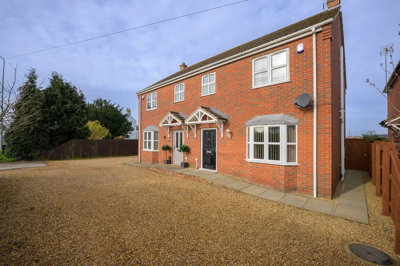
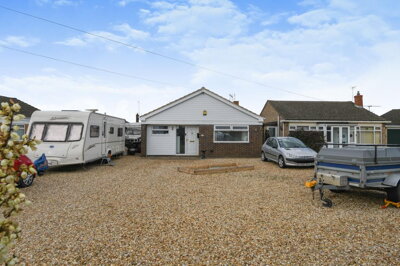
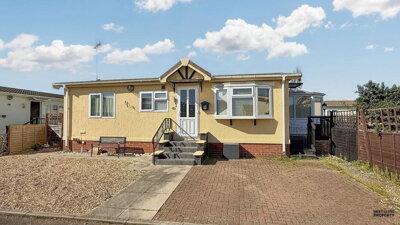
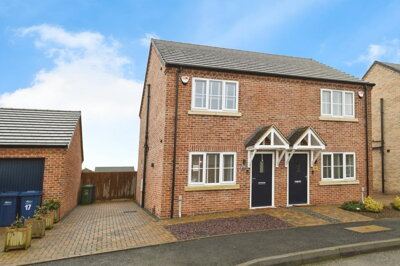
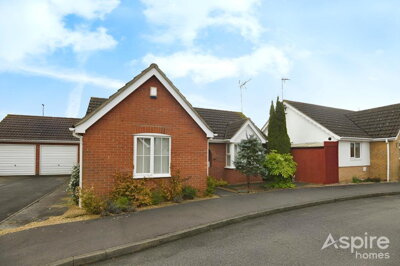
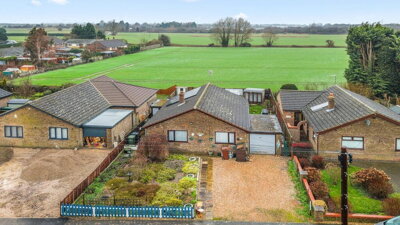
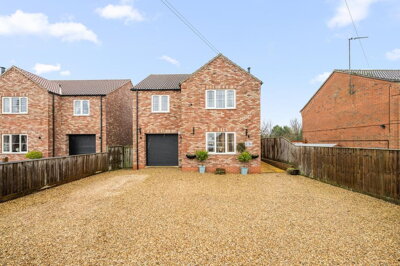
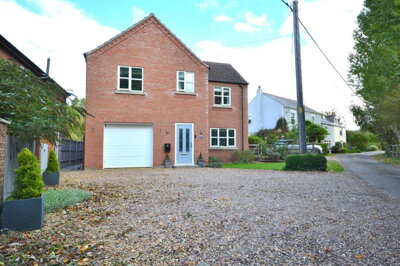
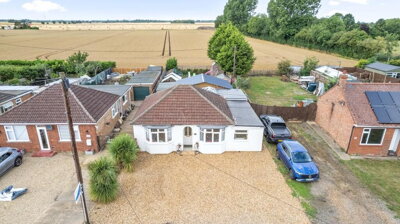
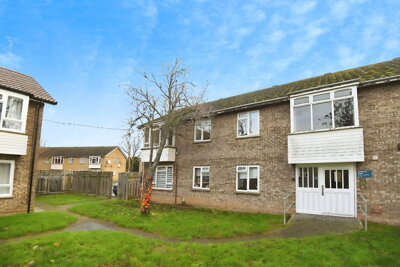
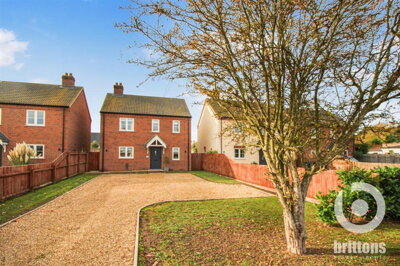
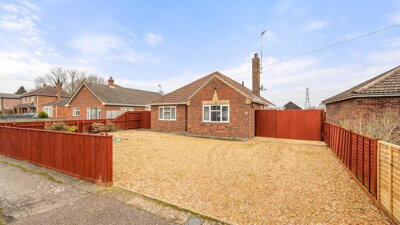
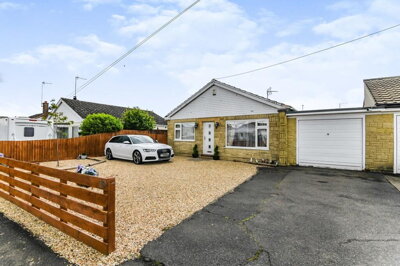
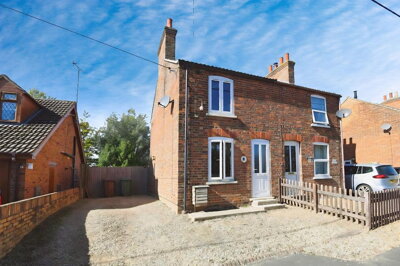
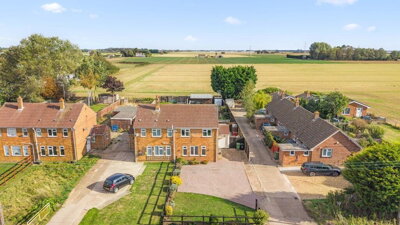
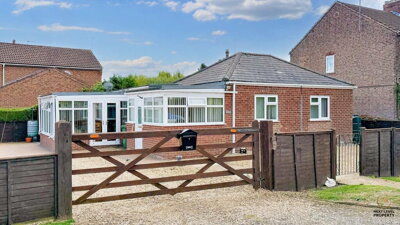
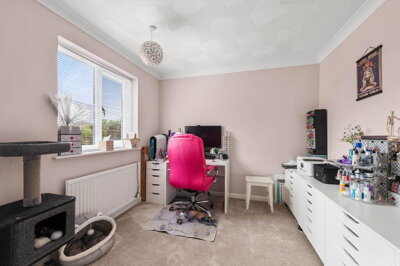
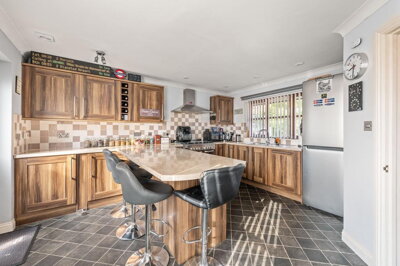
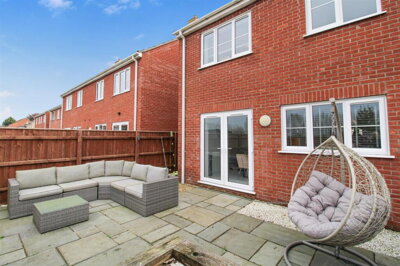
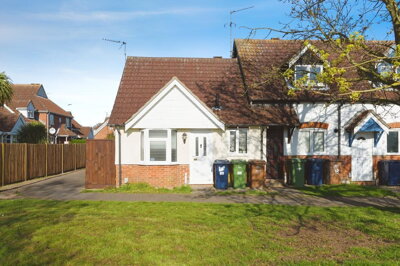
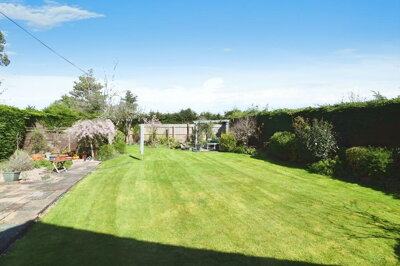
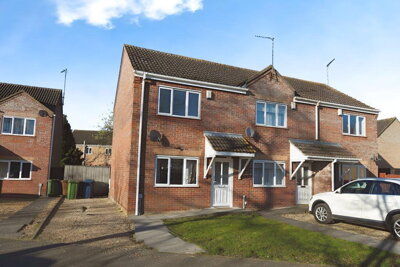
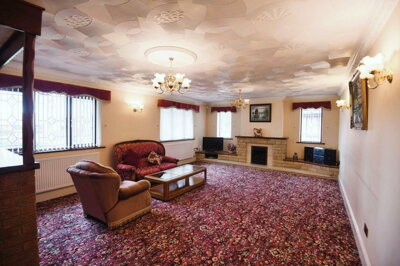
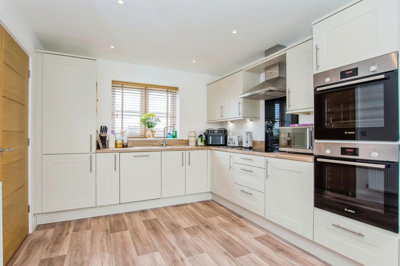
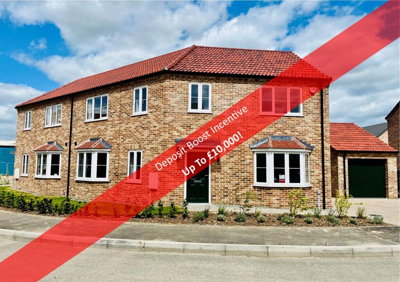
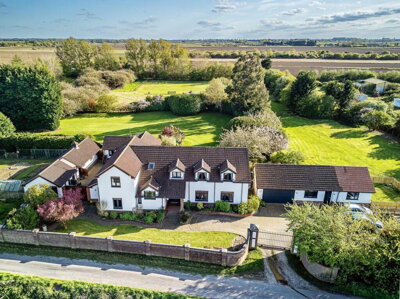
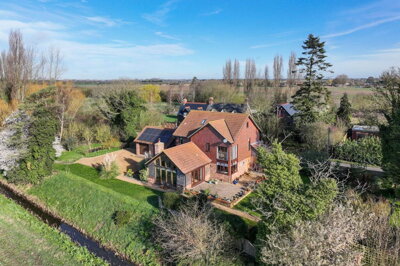
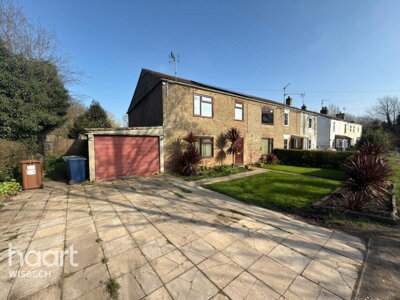
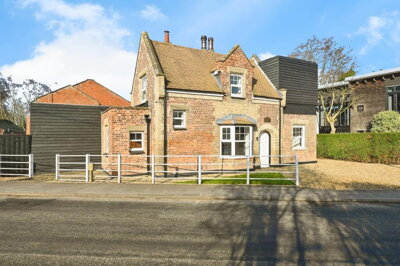
Browse 124 homes for sale in West Walton from local estate agents.
The Loxton property market reflects its status as a desirable village location within the Mendip Hills. Detached properties command the highest prices, averaging £625,000, while semi-detached homes typically sell for around £375,000 and terraced properties for approximately £350,000. The market has shown impressive resilience, with overall prices increasing by 10% over the past 12 months, demonstrating sustained demand from buyers seeking village living without sacrificing accessibility to larger towns and cities. This growth rate significantly outpaces many urban markets, underscoring the premium placed on rural village locations in North Somerset.
Property availability in Loxton village itself remains limited, with only 4 recorded sales in the past year, creating an environment where well-presented homes command strong interest from buyers. The wider BS26 postcode area, which includes nearby towns such as Axbridge, Cheddar, and Winscombe, offers greater selection with approximately 100 property sales over the same period. For those specifically seeking a village setting with character and history, the scarcity of Loxton properties themselves often creates competitive situations where quality homes sell quickly. Flats in the broader BS26 area average around £200,000, though availability within Loxton village itself remains minimal.
The predominant housing stock in Loxton consists of detached properties, which account for approximately 40-50% of homes in the wider BS26 area, reflecting the village's affluent character and larger plot sizes. Semi-detached homes make up roughly 25-35% of the housing mix, with terraced properties and flats representing smaller proportions. This housing profile means that buyers seeking the village atmosphere of Loxton will primarily encounter detached period homes and cottages, with fewer options for those seeking smaller or more affordable property types within the village itself.

Life in Loxton offers a rare opportunity to be part of a close-knit rural community while remaining connected to the amenities of North Somerset and beyond. The village sits beautifully on the northern slopes of the Mendip Hills, providing residents with stunning countryside views and immediate access to walking trails, including paths leading to Cheddar Gorge and the Mendip Ridge. Local amenities include a village pub and community facilities, while the nearby town of Axbridge provides essential services including shops, schools, and healthcare facilities. Many residents appreciate the balance between peaceful village life and the convenience of nearby towns.
The demographic composition of Loxton reflects a community attractive to families, professionals, and retirees alike, with many residents commuting to employment centres including Weston-super-Mare, Bristol, and the surrounding Mendip towns. Tourism contributes to the local economy, with visitors drawn to the natural beauty of the Mendip Hills and the adventure activities available at Cheddar Gorge. The agricultural heritage remains visible in the surrounding farmland and working farms, adding to the rural charm that defines the village character. Property buyers are drawn to this area not only for its natural beauty but also for the strong sense of community that has been maintained despite the proximity to larger urban centres.
The local economy benefits from a diverse range of sectors, with agriculture continuing to play a role in the surrounding area while tourism provides additional employment opportunities. Many residents work in the service sector, healthcare, and education, with Bristol and Weston-super-Mare serving as major employment hubs accessible by car or public transport. The proximity to Bristol Airport, approximately 15 miles away, also supports travel-related employment and business activities. This economic diversity helps sustain the village's population and property values even during broader economic fluctuations.

Families considering a move to Loxton will find educational options available within the local area, with primary schools serving the surrounding villages and towns. Children from Loxton typically attend local primary schools in nearby communities, with the nearest schools located in Axbridge and the surrounding villages. North Somerset operates a selective education system, with grammar schools available in Weston-super-Mare for academically able students who pass the 11-plus selection process. Parents should research specific catchment areas and school admissions policies, as these can significantly influence educational placement.
Secondary education options in the region include schools in Cheddar, Weston-super-Mare, and the surrounding towns, offering a range of academic and vocational pathways. For families seeking independent education, several private schools operate in the wider Somerset area, providing alternative educational approaches. The presence of good schools within reasonable travelling distance adds to Loxton's appeal for family buyers, though early research into school placements and transport arrangements is advisable. Further and higher education facilities are readily accessible in Weston-super-Mare, Bristol, and Bath, offering comprehensive options as children progress through their educational journey.
The nearest primary schools to Loxton include facilities in Axbridge, which is approximately 3 miles away and accessible via country lanes or the A38. Secondary school options include The Kings of Wessex Academy in Cheddar, which serves students from Year 7 through Sixth Form and has a strong reputation for academic achievement. For families considering grammar school placement, transport arrangements to schools in Weston-super-Mare should be factored into relocation planning, as the 12-mile journey requires either public transport provision or parental transportation.

Loxton enjoys a strategic position for commuters, situated on the A38 road which connects directly to the M5 motorway at nearby junctions, providing access to Bristol, Exeter, and the broader national motorway network. Bristol city centre is approximately 20 miles distant, making day-to-day commuting feasible for those working in the city while enjoying village life. The village is also well-positioned for access to Weston-super-Mare, approximately 12 miles away, which offers direct rail services to Bristol Temple Meads and beyond, with journey times to Bristol taking around 30-40 minutes by train.
For air travel, Bristol Airport is located approximately 15 miles from Loxton, offering domestic and international flights and making the village surprisingly well-connected for a rural location. Local bus services operate in the area, connecting Loxton with nearby towns and villages, though car ownership remains advantageous given the limited service frequency typical of rural areas. Cyclists benefit from the scenic country lanes and access to longer-distance routes through the Mendip Hills, while the proximity to Cheddar and Axbridge stations on the Weston-super-Mare to Bristol line provides additional rail options for those without direct access to the mainline services at Weston-super-Mare.
The A38 serves as the main arterial route through Loxton, providing direct connections to the M5 motorway at junction 22 (approximately 8 miles) and junction 23 (approximately 10 miles). These motorway connections significantly enhance the village's accessibility, reducing travel times to Bristol city centre to approximately 35-40 minutes by car under normal traffic conditions. The route also provides access to the Severn Bridge crossings for those travelling to South Wales, further expanding employment and lifestyle opportunities for residents.

Understanding the construction methods and materials used in Loxton properties is essential for any buyer considering a purchase in this historic village. The majority of properties in Loxton were built before 1919, using traditional building techniques that differ significantly from modern construction. Local grey limestone, quarried from the Mendip Hills, forms the primary building material for many period cottages and farmhouses, with the natural stone providing both structural integrity and the distinctive character that defines the village's Conservation Area. Red brick was often used for decorative features, chimney stacks, and later infill construction, while many properties feature rendered or painted exteriors that require periodic maintenance.
Roofing throughout Loxton typically features natural slate or clay tiles, materials that were traditionally sourced locally and remain the characteristic roof covering for period properties in the Mendip Hills. These roofing materials are durable but can suffer from age-related deterioration, including slipped, cracked, or missing tiles that require specialist repair. The timber structures beneath these roofs, including rafters, purlins, and ceiling joists, are susceptible to woodworm and both wet and dry rot if moisture penetrates the roof covering. Our team frequently identifies these issues during surveys of Loxton properties, particularly in homes where maintenance has been deferred.
The construction of walls in Loxton properties follows traditional solid wall methods, with stone or brick walls built without cavity insulation. These walls typically breathe differently from modern cavity constructions and may lack the damp-proof courses found in newer properties, making them more vulnerable to rising damp and penetrating damp. Many older properties also feature suspended timber ground floors, which can be susceptible to woodworm, rot, and deterioration of the supporting joists and bearers. Our inspectors assess these construction features carefully, identifying defects that may not be immediately apparent during a casual viewing but could result in significant repair costs.
Properties in Loxton are predominantly older constructions, with a significant proportion built before 1919, including period cottages and farmhouses constructed from local limestone and traditional materials. When viewing properties, pay close attention to signs of damp, which commonly affect older properties due to the absence of modern damp-proof courses or inadequate ventilation. Roof condition is another critical consideration, as many properties feature natural slate or clay tiles that may require maintenance or replacement. The presence of traditional solid wall construction means insulation standards may be below modern expectations, potentially affecting energy efficiency and running costs.
The geology of the Mendip Hills, particularly areas with Mercia Mudstone deposits, can create moderate to high shrink-swell risk for foundations, particularly where mature trees are present. The Mercia Mudstone, a clay-rich geological formation, expands and contracts with moisture changes, potentially causing movement in foundations that were not designed to accommodate such ground conditions. Properties in Loxton situated in valley locations or near watercourses may be more susceptible to these ground movements, and signs of subsidence or structural cracking should be investigated thoroughly before purchase. Our surveyors are experienced in identifying the indicators of foundation movement and can advise on appropriate action.
Electrical and plumbing systems in period properties often require updating to meet current standards, as older installations may not cope with modern demands. Many Loxton homes still retain their original wiring and plumbing, which could pose safety concerns and may require significant investment to bring up to current regulations. Drainage systems in older properties frequently use clay pipes, which are prone to fracture, blockages, and root ingress from nearby trees and hedges. Our Level 2 surveys examine all accessible electrical, plumbing, and drainage installations, flagging items that require immediate attention or future planning.

Loxton village is designated as a Conservation Area, which means that any significant alterations, extensions, or demolitions require consent from North Somerset Council. This designation protects the village's historic character and ensures that new development respects the traditional scale, materials, and layout of the existing properties. Buyers considering properties within the Conservation Area should be aware that permitted development rights may be more restricted than in non-designated areas, potentially limiting the scope for future home improvements without seeking planning permission.
Several properties in Loxton are Grade II Listed, including notable buildings along the main village street, with St Andrew's Church holding the higher Grade I designation. Listed Building status provides legal protection for the property's historic fabric, inside and out, meaning that virtually any alteration that might affect the building's character requires Listed Building Consent from the local planning authority. Our team understands the implications of purchasing Listed properties and can advise on the additional considerations and potential costs associated with owning a heritage property.
Properties in Conservation Areas or those that are Listed Buildings often benefit from specialist surveys beyond the standard RICS Level 2 assessment. The RICS Level 3 Building Survey provides a more detailed evaluation of construction, condition, and defects, and is particularly appropriate for historic properties where defects may be hidden within traditional construction or where specialist repair techniques may be required. For buyers of period properties in Loxton, budgeting for a comprehensive survey is particularly important given the age and construction methods of most homes in the village.
Take time to explore Loxton thoroughly before committing to a purchase. Visit at different times of day and week, speak with residents, and understand the local amenities and community atmosphere. Given the limited property availability, understanding your priorities will help you act quickly when suitable properties become available.
Before viewing properties, obtain a mortgage agreement in principle from a lender. This demonstrates your financial readiness to sellers and estate agents, strengthening your position in a market where desirable village properties attract multiple interested buyers. Having your finances arranged also means you can move swiftly when you find the right property in this competitive village market.
Work with local estate agents to arrange viewings of suitable properties. Given the village's Conservation Area status and many period properties, viewings provide an opportunity to assess the condition, character, and potential of homes in person. Pay particular attention to the construction materials, signs of damp, roof condition, and any structural cracking during your visits.
Once your offer is accepted, arrange a RICS Level 2 Survey to assess the property condition. For older or Listed properties in Loxton, this survey will identify potential issues including damp, roof condition, and structural concerns common to period properties built on local limestone and traditional construction methods. For Listed Buildings or particularly complex period properties, consider upgrading to a RICS Level 3 Building Survey.
Choose a conveyancing solicitor to handle the legal aspects of your purchase. They will conduct searches, review contracts, and manage the transaction through to completion. Local solicitors familiar with North Somerset properties can provide efficient service, and those with experience in Conservation Area and Listed Building transactions will understand the additional searches and considerations required.
Once all searches are satisfactory and contracts are signed, your solicitor will arrange the exchange of contracts and set a completion date. On completion day, the remaining balance is transferred and you receive the keys to your new Loxton home. Ensure that buildings insurance is in place from the point of completion, as older properties may present risks that require adequate coverage.
Properties in Loxton are predominantly older constructions, with a significant proportion built before 1919, including period cottages and farmhouses constructed from local limestone and traditional materials. When viewing properties, pay close attention to signs of damp, which commonly affect older properties due to the absence of modern damp-proof courses or inadequate ventilation. Roof condition is another critical consideration, as many properties feature natural slate or clay tiles that may require maintenance or replacement. The presence of traditional solid wall construction means insulation standards may be below modern expectations, potentially affecting energy efficiency and running costs.
The geology of the Mendip Hills, particularly areas with Mercia Mudstone deposits, can create moderate to high shrink-swell risk for foundations, particularly where mature trees are present. A thorough survey will identify any signs of subsidence or movement that might affect the property's structural integrity. Properties within the Conservation Area or those that are Listed Buildings require careful consideration, as permitted development rights may be restricted and any alterations must respect the property's historic character. Always verify whether a property is freehold or leasehold, and for flats in the wider BS26 area, investigate service charges and ground rent arrangements carefully before committing to a purchase.
When viewing period properties in Loxton, ask the current owners about the history of any building work, previous surveys, and any known issues with the property. Check the condition of windows, doors, and skirting boards for signs of timber decay or woodworm infestation. Examine walls internally for cracking, bulging, or uneven surfaces that might indicate structural movement. Outside, assess the condition of the roof covering, chimney stacks, and any outbuildings or boundaries. Properties with obvious deferred maintenance may offer negotiating opportunities but could also indicate underlying issues that warrant further investigation.

The average house price in Loxton currently stands at £492,500, with detached properties averaging £625,000, semi-detached homes around £375,000, and terraced properties approximately £350,000. Prices have increased by 10% over the past 12 months, reflecting strong demand for village properties in this sought-after location on the Mendip Hills. Given the limited number of properties available in the village itself, well-presented homes in good condition tend to command prices at or above these averages, with competitive bidding situations common when quality properties come to market.
Properties in Loxton fall under North Somerset Council, which sets council tax rates based on property valuation bands A through H. Most period properties and cottages in the village typically fall within bands C to E, while larger detached homes may be in higher bands. You can verify the specific band for any property through the Valuation Office Agency or North Somerset Council's website, and this information is usually included in property details. Council tax payments fund local services including education, waste collection, and road maintenance.
Local primary schools serving Loxton include facilities in nearby Axbridge and surrounding villages, with specific placements determined by catchment area boundaries. The nearest primary schools are located within easy driving distance, with Axbridge First School serving younger children in the local area. Secondary education is available at schools in Cheddar and Weston-super-Mare, with grammar school options in Weston-super-Mare for students who pass the 11-plus examination. Parents should contact North Somerset Council's admissions team for the most current information on school placements and catchment areas relevant to their specific address in Loxton.
Loxton is served by local bus routes connecting to nearby towns including Axbridge and Cheddar, though service frequency reflects the rural nature of the location with typically 2-3 buses per day on most routes. For rail travel, the nearest stations are in Axbridge and Cheddar on the Weston-super-Mare to Bristol line, with direct services to Bristol Temple Meads available from Weston-super-Mare station approximately 12 miles away. Bristol Airport is approximately 15 miles away, providing domestic and international flights to numerous destinations. Many residents find that car ownership is essential for convenient daily travel, though public transport options do provide connectivity for occasional use and those working flexible schedules.
Loxton offers several characteristics that make it attractive for property investment, including its position within the Mendip Hills Area of Outstanding Natural Beauty, Conservation Area status, and proximity to Bristol and major transport links. The 10% price growth over the past year demonstrates strong capital appreciation potential, while the village's limited property supply creates conditions where well-presented homes retain their value. However, investors should be aware that the small population and limited rental demand may affect rental yields, and any plans for holiday lets should consider local planning regulations, licensing requirements under the new Short-Term Let regime, and the restrictions that apply within the Conservation Area.
Stamp Duty Land Tax rates for 2024-25 start at 0% for properties up to £250,000, rising to 5% on the portion between £250,001 and £925,000, 10% between £925,001 and £1.5 million, and 12% above £1.5 million. First-time buyers benefit from relief on the first £425,000, with 5% payable between £425,001 and £625,000. For a typical Loxton property at the village average of £492,500, a first-time buyer would pay no stamp duty, while a subsequent buyer would pay approximately £12,125. Always verify your tax position with a qualified professional based on your specific circumstances.
Loxton village itself sits on higher ground and carries a low risk of fluvial flooding, though some lower-lying agricultural land to the north and west may experience surface water flooding during periods of heavy rainfall due to runoff from the Mendip Hills and proximity to smaller watercourses. The village's position on the northern slopes of the Mendip Hills generally provides good protection from river flooding, as surface water drains naturally away from the settlement. Properties near smaller watercourses or in valley locations should be investigated for any flood history or drainage concerns, and a thorough property survey will assess any specific flood risk for individual properties.
For most properties in Loxton, we recommend a RICS Level 2 Survey as a minimum, as this provides a thorough inspection of the property condition and identifies defects common to period properties. Given that the majority of homes in Loxton were built before 1919 and feature traditional construction methods including solid walls and natural materials, a survey by a qualified professional is particularly valuable. For Listed Buildings or properties with significant defects or unusual construction, a RICS Level 3 Building Survey provides a more detailed assessment. Survey costs for Loxton properties typically range from £450 to £800 depending on property size and complexity.
Loxton offers a unique combination of village character, Conservation Area protection, and accessibility that distinguishes it from nearby towns such as Axbridge and Cheddar. The village's intimate scale, with only 90 households, creates a genuine sense of community that is difficult to replicate in larger settlements. Properties in Loxton benefit from the protection of Conservation Area status, ensuring the village retains its historic character for years to come. The location on the northern slopes of the Mendip Hills provides stunning views and immediate access to open countryside, while the A38 connection keeps Bristol and the M5 within easy reach for commuting or leisure.
From 4.5%
Expert mortgage advice and competitive rates for your Loxton property purchase
From £499
Specialist solicitors handling property transactions in North Somerset
From £450
Thorough condition surveys for Loxton properties
From £80
Energy performance certificates for property sales
When purchasing a property in Loxton, budget carefully for all associated costs beyond the purchase price itself. Stamp Duty Land Tax is calculated on a tiered system, with 0% charged on the first £250,000 of property value, 5% on the portion between £250,001 and £925,000, 10% on values between £925,001 and £1.5 million, and 12% on any amount exceeding £1.5 million. For a typical Loxton property at £492,500, a standard buyer would incur approximately £12,125 in stamp duty, while first-time buyers benefit from increased thresholds of 0% up to £425,000, meaning no stamp duty would be payable on properties within this range.
Additional purchase costs include solicitor fees, typically ranging from £500 to £2,000 depending on complexity, plus disbursements for searches, which cover local authority searches, drainage and water searches, and environmental searches relevant to the Mendip Hills geology. Survey costs should also be factored in, with RICS Level 2 Surveys for Loxton properties typically ranging from £450 to £800 depending on property size and complexity. Given that many Loxton properties are older period homes, budgeting for potential repairs and improvements is advisable, as older constructions may require maintenance that newer properties would not.
Factor in moving costs, potential mortgage arrangement fees, and buildings insurance from the point of completion to ensure your budget covers all necessary expenses for your new home. Properties in flood-risk areas may require specialist insurance, though Loxton's elevated position generally means standard buildings insurance is readily available. For Listed Buildings, factor in the potential costs of specialist surveys, Listed Building Consent applications, and historically appropriate repair materials and techniques that may exceed standard building costs.

Properties for Sale In London

Properties for Sale In Plymouth

Properties for Sale In Liverpool

Properties for Sale In Glasgow

Properties for Sale In Sheffield

Properties for Sale In Edinburgh

Properties for Sale In Coventry

Properties for Sale In Bradford

Properties for Sale In Manchester

Properties for Sale In Birmingham

Properties for Sale In Bristol

Properties for Sale In Oxford

Properties for Sale In Leicester

Properties for Sale In Newcastle

Properties for Sale In Leeds

Properties for Sale In Southampton

Properties for Sale In Cardiff

Properties for Sale In Nottingham

Properties for Sale In Norwich

Properties for Sale In Brighton

Properties for Sale In Derby

Properties for Sale In Portsmouth

Properties for Sale In Northampton

Properties for Sale In Milton Keynes

Properties for Sale In Bournemouth

Properties for Sale In Bolton

Properties for Sale In Swansea

Properties for Sale In Swindon

Properties for Sale In Peterborough

Properties for Sale In Wolverhampton

Enter your details to see if this property is within your budget.
Loans, cards, car finance
Estimated property budget
Borrowing + deposit
You could borrow between
Typical borrowing
Monthly repayment
Est. at 4.5%
Loan-to-value
This is an estimate only. Your actual budget may vary depending on interest rates, credit history, and personal circumstances. For an accurate affordability assessment, speak to one of our free mortgage advisors.
This calculator provides estimates for illustrative purposes only and does not constitute financial advice. Your home may be repossessed if you do not keep up repayments on your mortgage. Estimates based on 4.5% interest rate, repayment mortgage. Actual rates depend on your circumstances.
Homemove is a trading name of HM Haus Group Ltd (Company No. 13873779, registered in England & Wales). Homemove Mortgages Ltd (Company No. 15947693) is an Appointed Representative of TMG Direct Limited, trading as TMG Mortgage Network, which is authorised and regulated by the Financial Conduct Authority (FRN 786245). Homemove Mortgages Ltd is entered on the FCA Register as an Appointed Representative (FRN 1022429). You can check registrations at NewRegister or by calling 0800 111 6768.

We use cookies to show you personalised content and improve your experience of our website. Find out more in our Privacy policy and Cookie policy.