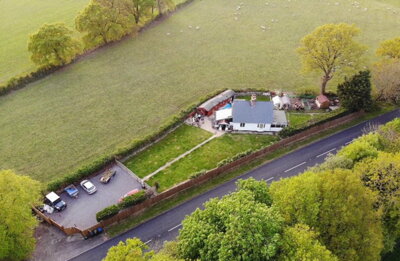
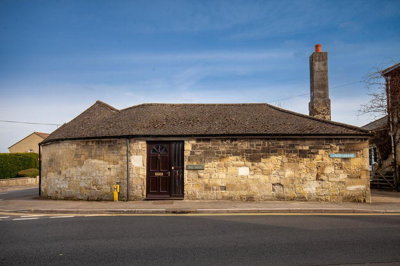
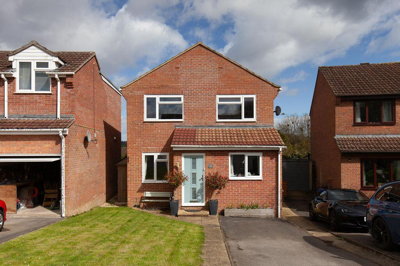
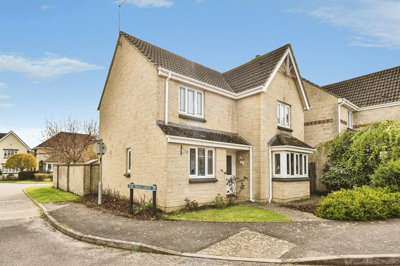
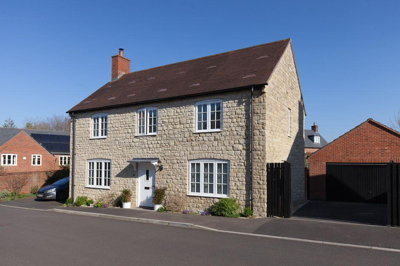
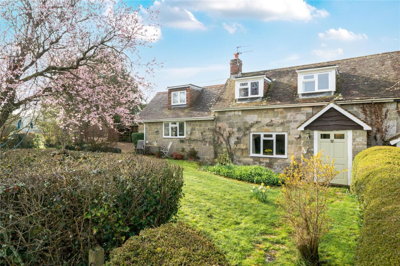
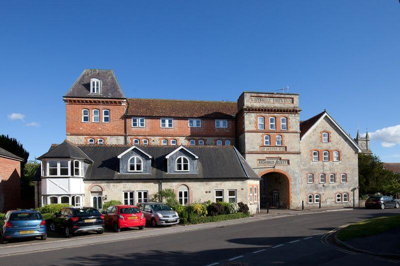
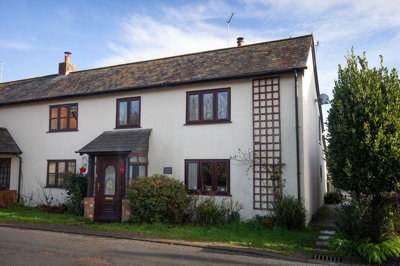
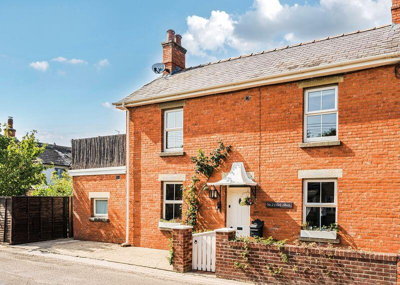
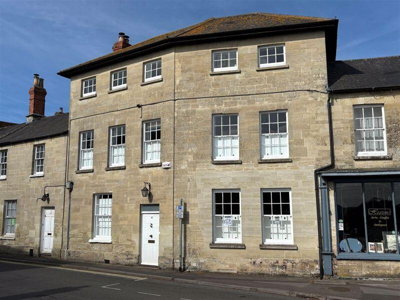
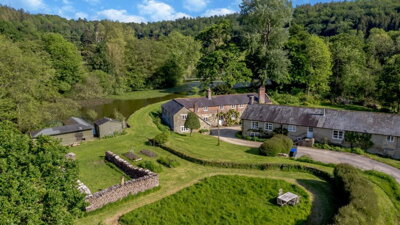
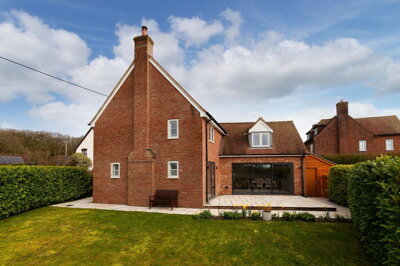
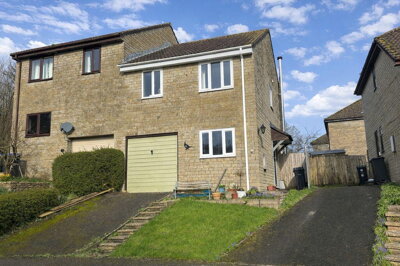
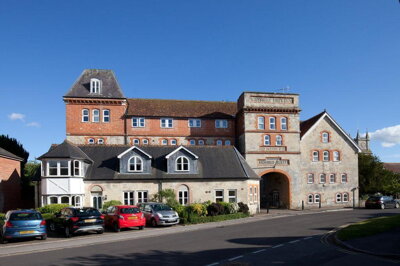
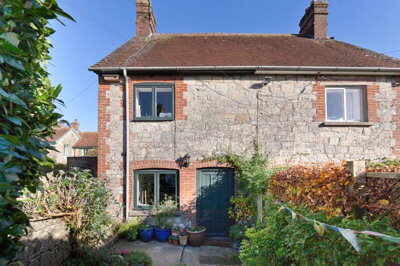
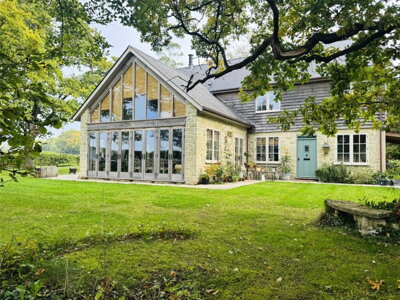
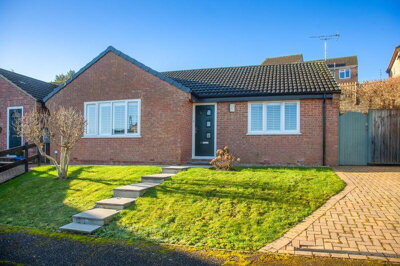
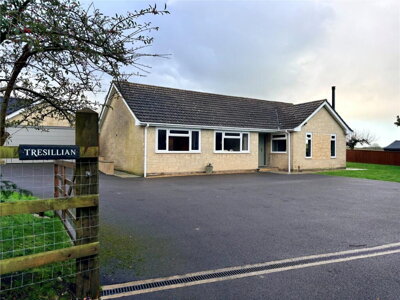
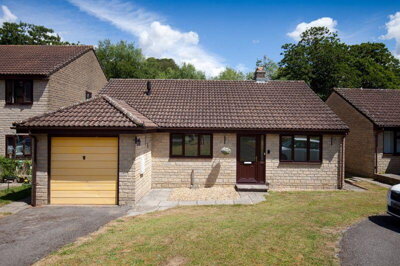
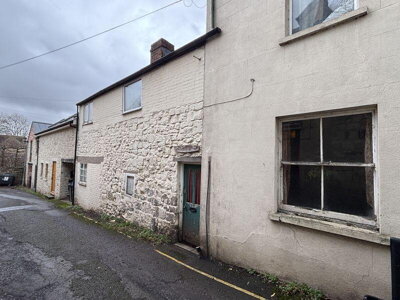
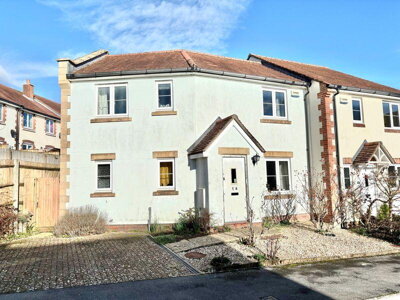
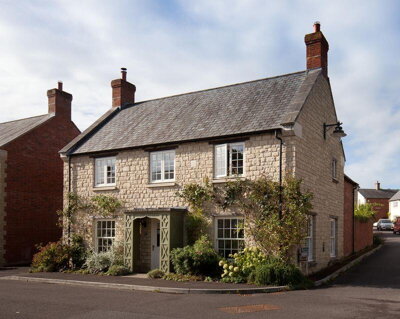
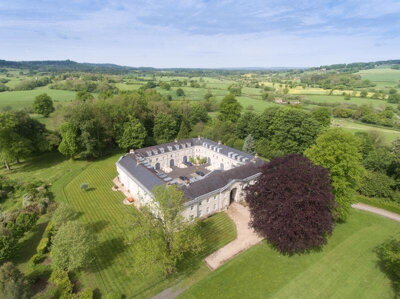
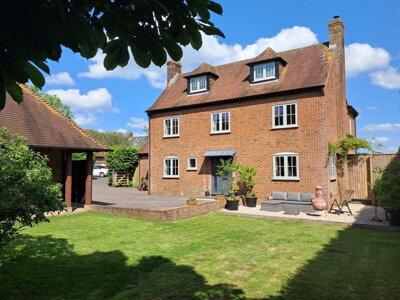
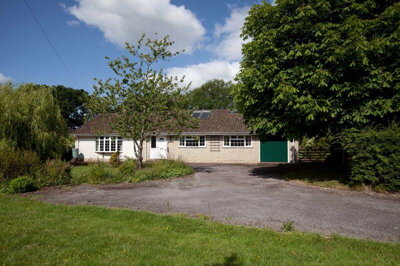
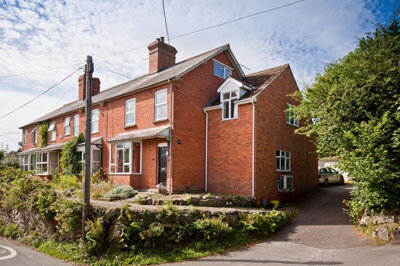
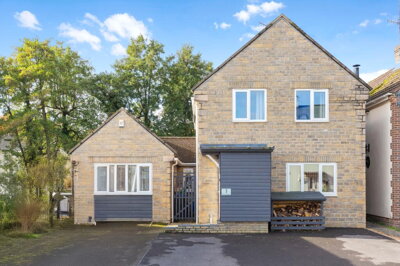
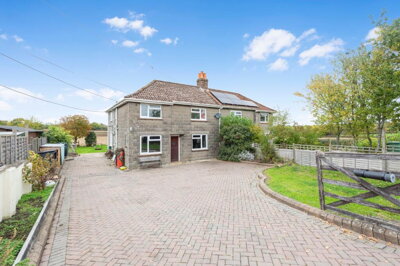
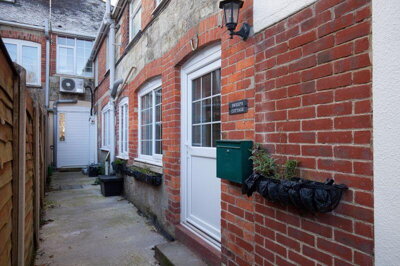
Browse 36 homes for sale in West Tisbury from local estate agents.
The West Tisbury property market offers detached, semi-detached, and terraced houses spanning various price ranges and neighbourhoods. Each listing includes detailed property information, photographs, and direct contact with the marketing agent.
The West Tisbury property market reflects its position as a desirable rural village with strong connections to the wider Salisbury Plain area. Our listings include properties across all price brackets, from terraced cottages priced around £350,000 to substantial detached homes reaching £750,000 and beyond. The housing stock is predominantly detached, with approximately 55% of properties falling into this category, making West Tisbury particularly attractive to families and those seeking space and privacy. Semi-detached properties account for around 25% of the housing stock, while terraced homes represent approximately 15% and flats just 5%.
Property prices in West Tisbury have demonstrated consistent growth, with the overall average increasing by 3% over the past twelve months. This trend reflects broader market patterns across rural Wiltshire, where demand for character properties in conservation villages continues to outpace supply. The village does not currently feature large-scale new build developments, with most available properties being existing homes or smaller infill developments that respect the local architectural character. For buyers seeking newly constructed homes, the surrounding area offers limited options, making the existing period property stock particularly valuable.
Beyond the residential market, West Tisbury's Conservation Area designation encompasses much of the historic village centre, protecting buildings and spaces of architectural and historic interest. The village contains numerous Listed Buildings spanning multiple grades, with the Grade I listed Church of St Andrew standing as the most significant protected structure. Many cottages, farmhouses, and agricultural buildings throughout the village hold Grade II listing, meaning any alterations require Listed Building Consent from Wiltshire Council. This regulatory framework helps maintain the village's distinctive appearance but adds considerations for buyers planning any future works to older properties.

West Tisbury offers a quintessential English village lifestyle, with a population of approximately 1,100 residents distributed across 450 households according to the 2021 Census. The village sits within an area characterised by rolling chalk downland, part of the wider Salisbury Plain, with the underlying geology featuring chalk bedrock overlaid with clay-with-flints deposits. This landscape creates the distinctive rolling fields and dry valleys that define the Wiltshire countryside, providing beautiful walking routes and views across the area. The local topography includes some undulating terrain, and prospective buyers should be aware that certain areas may experience surface water flooding during periods of heavy rainfall.
The local economy surrounding West Tisbury is primarily agricultural, with farming operations playing a significant role in both employment and the landscape character of the area. Many residents choose to live in West Tisbury specifically for its village atmosphere while commuting to larger employment centres including Salisbury, Shaftesbury, and occasionally further afield to cities such as Southampton and Bath. This blend of rural tranquility and practical connectivity makes the village particularly appealing to professionals seeking a better quality of life without sacrificing career opportunities. The presence of independent schools in the wider area also attracts families to the locality, contributing to the stable housing market and strong community bonds.
The village traces its origins to the Saxon period, with the place name deriving from the personal name of a local landowner combined with the Old English word for settlement. Throughout its history, West Tisbury has maintained its agricultural character, with the surrounding farmland still predominantly used for mixed farming including arable crops and livestock. The chalk geology of the area creates free-draining soils that have shaped both the landscape and the traditional building methods used in local properties. The surrounding farmland falls within a Nitrate Vulnerable Zone designated by Natural England, reflecting the agricultural nature of the surrounding land and relevant for any property with adjacent farmland or drainage considerations.
West Tisbury itself offers a limited range of local facilities, with a parish church, village hall, and a working farm shop serving the community. The neighbouring village of Chilmark, a short drive away, provides additional amenities including a primary school and village pub. The wider area benefits from numerous public footpaths and bridleways crossing the surrounding farmland, with the Wiltshire Cycle Route passing through the vicinity for recreational cyclists. Broadband connectivity varies across the village, with some areas benefiting from superfast services while others may experience slower speeds, an important consideration for those working from home.

Families considering a move to West Tisbury will find a selection of educational options available within the surrounding area. The village itself falls within the catchment areas for several primary schools in nearby towns and villages, with parents able to choose from a mix of community and faith-based primary education. Secondary education options in the wider Wiltshire area include both comprehensive and selective grammar schools, with notable institutions in Salisbury and the surrounding market towns. Parents should research specific catchment areas and school performance data, including recent Ofsted ratings, to identify the most suitable options for their children's education.
The wider West Tisbury area also benefits from the presence of several independent schools, which contribute significantly to the local housing market by attracting families from across the region. These institutions range from preparatory schools serving primary-age children to senior schools offering comprehensive secondary education, often with strong academic and extra-curricular programmes. For families prioritising educational opportunities, the availability of quality independent schooling within reasonable driving distance adds considerable appeal to the West Tisbury property market. Sixth form and further education provision is available in Salisbury, where students can access a wide range of A-level courses and vocational qualifications.
The proximity of West Tisbury to several well-regarded independent schools influences buyer decisions in the local property market. Schools serving the wider area include Chafyn Grove in Salisbury, a co-educational preparatory school, and Benedict House in the Shaftesbury area for younger children. Senior independent options include leadership-focused institutions that attract families willing to travel for quality education. The independent school catchment area extends across a significant radius, meaning West Tisbury residents compete with buyers from across Wiltshire and neighbouring counties for places at the most sought-after institutions.
West Tisbury benefits from its position within the Wiltshire countryside while maintaining reasonable connections to major transport routes. The village is situated within the SP3 postcode area, with the A303 trunk road providing access to the wider strategic road network, connecting to the M3 motorway towards London and the south coast. Local bus services operate between West Tisbury and nearby towns including Salisbury, where residents can access the national rail network with direct services to London Waterloo, Bristol, and the south west. Journey times to Salisbury by bus typically range from 30 to 45 minutes depending on the service.
For commuters working in larger cities, West Tisbury offers a practical base with reasonable journey times to major employment centres. Salisbury railway station provides regular services to London Waterloo with journey times of approximately 90 minutes, making day commuting feasible for those working in the capital. The village itself has a rural character with limited on-street parking, and residents should consider the importance of private parking provisions when viewing properties. Cycling infrastructure varies throughout the area, with country lanes popular among recreational cyclists though dedicated cycle paths are limited. The absence of coastal flood risk due to the inland location means the village is generally well-positioned for long-term resilience.
Road connections from West Tisbury extend to several major employment centres beyond Salisbury. The A303 provides direct access to the M3 motorway near Southampton, opening routes to Portsmouth and the south coast. The journey to Bath takes approximately one hour by car, making that city's employment opportunities accessible for those willing to commute. The historic city of Salisbury itself offers a significant local employment hub, with the NHS trust, local government, retail, and hospitality sectors providing substantial job opportunities. Many West Tisbury residents combine remote working with occasional office attendance in larger cities, taking advantage of the village's peaceful setting while maintaining career connections in urban centres.
Start by exploring current listings in West Tisbury through Homemove, noting property types, prices, and how they compare to national averages. Given that approximately 55% of properties are detached and 40% were built before 1919, understanding the age and style of available homes will help you narrow your search effectively. Pay particular attention to whether properties fall within the Conservation Area or are Listed Buildings, as these carry additional purchase considerations.
Before arranging viewings, obtain a mortgage agreement in principle from a lender. This strengthens your position when making offers and demonstrates your financial readiness to estate agents. With average prices around £570,000, most buyers in West Tisbury will require significant mortgage finance. Specialist rural mortgage brokers may offer products tailored to properties in conservation areas or with agricultural ties.
Contact local estate agents to arrange viewings of properties matching your criteria. When viewing older properties, pay attention to signs of damp, roof condition, and any structural movement, which are common concerns in properties built before 1980. Given that approximately 80% of West Tisbury properties predate 1980, the vast majority of available homes will be period properties requiring careful inspection. Consider attending viewings at different times of day and in varying weather conditions to assess the property thoroughly.
Once your offer is accepted, instruct a RICS Level 2 Survey to assess the property condition. For a typical 3-bedroom semi-detached property, expect costs between £500 and £750, while larger detached homes may require surveys ranging from £650 to £900 or more. Given the high proportion of older properties in West Tisbury, a thorough survey is particularly valuable for identifying defects common to traditional construction methods.
Appoint a solicitor experienced in rural property transactions to handle the legal aspects of your purchase. Given West Tisbury's Conservation Area and Listed Buildings, your solicitor will need to manage additional considerations regarding property restrictions and planning permissions. Local knowledge of Wiltshire Council planning policies and the specific requirements for Listed Building Consent will prove valuable throughout the transaction.
After satisfactory survey results and completion of legal searches, you will exchange contracts and agree a completion date. On completion day, your solicitor will transfer the remaining funds and you will receive the keys to your new West Tisbury home.
Properties in West Tisbury present unique considerations for prospective buyers, particularly given the age and construction methods of the local housing stock. Approximately 40% of homes were built before 1919 using traditional methods and materials such as greensand stone, flint, and brick with lime mortar. These charming period properties require careful inspection for common issues including rising damp, penetrating damp, and timber defects such as woodworm or rot. The absence of modern damp-proof courses in older properties means moisture management is particularly important, and buyers should look for signs of damp ingress, especially in ground-floor rooms and basements.
The presence of clay-with-flints superficial deposits in certain areas means some properties may be subject to shrink-swell ground movement, which can affect foundations and lead to structural movement over time. While minor settlement is almost universal in older buildings, prospective buyers should look for signs of significant cracking, doors and windows that stick, or uneven floors that might indicate foundation issues. Properties in the designated Conservation Area and those that are Listed Buildings require specialist considerations, as planning restrictions apply to alterations, extensions, and even external decorations. Buyers purchasing such properties should budget for potentially higher maintenance costs and longer project timelines when undertaking any renovations.
Understanding the traditional construction methods used in West Tisbury helps buyers appreciate both the character and the maintenance requirements of period properties. Pre-1919 properties in the area were typically built with solid wall construction using local materials including greensand stone, flint, and brick, often in combination. Lime mortar and lime-based renders were universally used, allowing the structures to breathe and manage moisture naturally. These materials require specific maintenance approaches, and using modern cement-based products for repointing or rendering can cause moisture to become trapped within the walls, leading to deterioration.
Mid-century properties built between 1919 and 1980 typically feature cavity wall construction with brick or rendered blockwork, representing a transition from traditional to modern building methods. Properties from this era may exhibit different defect patterns, including corrosion of wall ties in cavity walls and deterioration of original windows and doors. Properties built after 1980 generally follow contemporary construction standards with cavity wall insulation, uPVC windows, and modern roofing materials, though these may lack the character of older properties that many West Tisbury buyers seek.
The chalk geology underlying West Tisbury creates generally free-draining ground conditions, but this has implications for drainage systems and septic tanks. Properties without connection to mains drainage will rely on private septic tanks or treatment systems, with drainage fields needing careful consideration given the permeability of chalk bedrock. The Environment Agency regulates septic tanks under General Binding Rules, and buyers should establish the condition and compliance status of any private drainage system before completing a purchase.
With approximately 80% of properties in West Tisbury built before 1980, a RICS Level 2 Survey provides valuable protection for buyers investing in the local property market. Our inspectors frequently identify defects related to traditional construction methods, including issues with lime mortar pointing, solid wall insulation deficiencies, and the condition of original timber windows and doors. Properties without modern damp-proof courses require particular attention, as moisture management differs fundamentally from modern buildings.
Common defects identified in West Tisbury properties include deterioration of traditional roofing materials, with original slates and tiles often showing signs of wear after decades of exposure to the elements. Leadwork on valleys, chimneys, and flat roof sections frequently requires attention in properties over 50 years old. Timber defects including woodworm and wet rot remain prevalent in older properties where damp issues have developed, often as a result of inadequate ventilation or maintenance. Our inspectors assess the condition of all accessible elements, providing buyers with a clear picture of works required both now and in the medium term.
For buyers considering Listed Buildings or properties within the Conservation Area, a RICS Level 2 Survey provides a thorough condition assessment that forms the foundation for planning any future works. While the survey itself does not replace specialist heritage assessments, it identifies defects and maintenance requirements that buyers should understand before completing their purchase. Properties with unusual construction or significant historic alterations may warrant a more detailed RICS Level 3 Building Survey, and our team can advise on the most appropriate level of inspection for your circumstances.
The current average house price in West Tisbury stands at £570,000 as of early 2026. Property prices range significantly by type, with detached properties averaging around £750,000, semi-detached homes at approximately £450,000, terraced properties at £350,000, and flats at £250,000. Prices have increased by approximately 3% over the past twelve months, reflecting steady demand for properties in this desirable rural village. The market primarily features older properties, with around 40% of the housing stock built before 1919.
West Tisbury falls under Wiltshire Council's jurisdiction. Council tax bands in the village vary according to property value and type, typically ranging from Band C for smaller properties through to Band G or H for larger detached homes and period properties. Prospective buyers should check specific bandings for individual properties through the Valuation Office Agency website or request this information from the selling estate agent during the enquiry process.
West Tisbury itself has limited school provision, with children typically attending primary schools in nearby villages and towns. The wider area offers several well-regarded primary and secondary schools, including both community schools and those with religious affiliations. For families seeking independent education, several preparatory and senior schools operate within a reasonable driving distance of the village. Parents should research individual school performance data, recent Ofsted ratings, and specific catchment area boundaries when considering education options for children.
West Tisbury has limited but functional public transport links. Local bus services connect the village to Salisbury, with journey times of 30 to 45 minutes. Salisbury railway station provides access to national rail services with direct trains to London Waterloo taking approximately 90 minutes. For commuting purposes, the village is best suited to those with access to a car, as the frequency of public transport may not accommodate a conventional five-day working week commute without careful planning.
West Tisbury offers several factors that make it attractive to property investors. The village benefits from limited housing supply, strong demand from buyers seeking rural lifestyles, and proximity to employment centres including Salisbury, Southampton, and Bath. The presence of a Conservation Area and Listed Buildings helps protect the character of the village, which can support long-term property values. However, investors should be aware that the older property stock may require more maintenance expenditure, and properties within the Conservation Area face planning restrictions that limit development potential.
Stamp Duty Land Tax rates for 2024-25 are 0% on the first £250,000 of property value, 5% on the portion from £250,001 to £925,000, 10% on £925,001 to £1.5 million, and 12% on any amount above £1.5 million. With average prices around £570,000, most buyers purchasing at the market average would pay approximately £16,000 in stamp duty. First-time buyers benefit from relief on the first £425,000, meaning a first-time buyer purchasing at the average price would pay approximately £7,250. Given the property prices in West Tisbury, most purchases fall within the standard SDLT bands rather than the higher-rate additional properties band.
Flood risk in West Tisbury is relatively low compared to many areas. The primary risk comes from surface water flooding during periods of heavy rainfall, particularly in low-lying areas and where drainage may be insufficient. Fluvial flood risk from rivers is generally low, as the immediate area features smaller streams and tributaries rather than major rivers prone to extensive flooding. There is no coastal flood risk due to the inland location of the village. Prospective buyers should request a flood risk assessment as part of their due diligence and consider the specific topography and drainage of individual plots.
West Tisbury is not connected to mains drainage, with properties relying on private septic tanks or treatment systems. Drainage fields require careful consideration given the chalk bedrock underlying much of the area, which creates generally free-draining conditions but may affect the design and effectiveness of soakaway systems. The Environment Agency regulates septic tanks under General Binding Rules, and systems installed after 2020 require compliance with specific standards. Buyers should establish the condition, age, and compliance status of any private drainage system during their property survey and conveyancing process.
Understanding the full cost of purchasing property in West Tisbury requires consideration of several expenses beyond the purchase price itself. Stamp Duty Land Tax represents a significant cost for most buyers, with standard rates applying 0% on the first £250,000, 5% between £250,001 and £925,000, 10% from £925,001 to £1.5 million, and 12% on any amount exceeding £1.5 million. For a typical West Tisbury property at the current average price of £570,000, a buyer would calculate stamp duty as 5% of £320,000, resulting in a liability of £16,000. First-time buyers may benefit from increased thresholds, paying 0% on the first £425,000 and 5% on the amount between £425,001 and £625,000, potentially reducing costs for eligible purchasers.
Beyond stamp duty, buyers should budget for survey costs, with RICS Level 2 Surveys for West Tisbury properties typically ranging from £500 to £750 for standard family homes and £650 to £900 or more for larger detached properties. Conveyancing fees generally start from £499 for standard transactions, though the complexity of purchasing a Listed Building or property in the Conservation Area may increase legal costs. Additional expenses include search fees, Land Registry fees for registration, and potentially mortgage arrangement fees. Overall, buyers should expect to pay approximately 3% to 5% of the property value in additional purchase costs, meaning a £570,000 property would require around £17,000 to £28,500 to cover these expenses on top of the deposit and mortgage finance.
Property type significantly affects overall purchase costs in West Tisbury, with prices ranging from approximately £250,000 for flats to £750,000 and above for substantial detached homes. A terraced property at £350,000 would incur SDLT of £5,000, with total additional costs potentially reaching £10,500 to £17,500. At the other end of the spectrum, a detached property at £750,000 would attract SDLT of £25,000, with total additional costs of £47,500 to £60,000. Understanding these variations helps buyers set realistic budgets and avoid financial surprises as they progress through the purchase process.
From 3.89%
Find competitive mortgage deals for your West Tisbury purchase
From £499
Expert legal services for your property transaction
From £500
Professional property survey by qualified inspectors
From £80
Energy performance certificate for your new home
Properties for Sale In London

Properties for Sale In Plymouth

Properties for Sale In Liverpool

Properties for Sale In Glasgow

Properties for Sale In Sheffield

Properties for Sale In Edinburgh

Properties for Sale In Coventry

Properties for Sale In Bradford

Properties for Sale In Manchester

Properties for Sale In Birmingham

Properties for Sale In Bristol

Properties for Sale In Oxford

Properties for Sale In Leicester

Properties for Sale In Newcastle

Properties for Sale In Leeds

Properties for Sale In Southampton

Properties for Sale In Cardiff

Properties for Sale In Nottingham

Properties for Sale In Norwich

Properties for Sale In Brighton

Properties for Sale In Derby

Properties for Sale In Portsmouth

Properties for Sale In Northampton

Properties for Sale In Milton Keynes

Properties for Sale In Bournemouth

Properties for Sale In Bolton

Properties for Sale In Swansea

Properties for Sale In Swindon

Properties for Sale In Peterborough

Properties for Sale In Wolverhampton

Enter your details to see if this property is within your budget.
Loans, cards, car finance
Estimated property budget
Borrowing + deposit
You could borrow between
Typical borrowing
Monthly repayment
Est. at 4.5%
Loan-to-value
This is an estimate only. Your actual budget may vary depending on interest rates, credit history, and personal circumstances. For an accurate affordability assessment, speak to one of our free mortgage advisors.
This calculator provides estimates for illustrative purposes only and does not constitute financial advice. Your home may be repossessed if you do not keep up repayments on your mortgage. Estimates based on 4.5% interest rate, repayment mortgage. Actual rates depend on your circumstances.
Homemove is a trading name of HM Haus Group Ltd (Company No. 13873779, registered in England & Wales). Homemove Mortgages Ltd (Company No. 15947693) is an Appointed Representative of TMG Direct Limited, trading as TMG Mortgage Network, which is authorised and regulated by the Financial Conduct Authority (FRN 786245). Homemove Mortgages Ltd is entered on the FCA Register as an Appointed Representative (FRN 1022429). You can check registrations at NewRegister or by calling 0800 111 6768.

We use cookies to show you personalised content and improve your experience of our website. Find out more in our Privacy policy and Cookie policy.