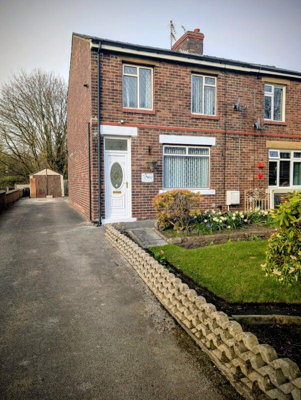
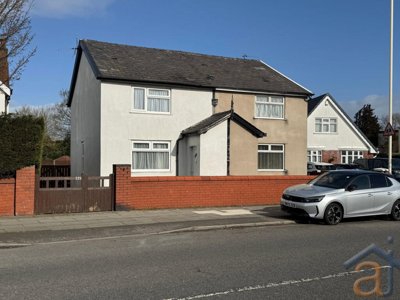
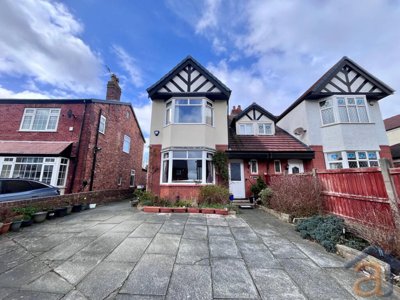
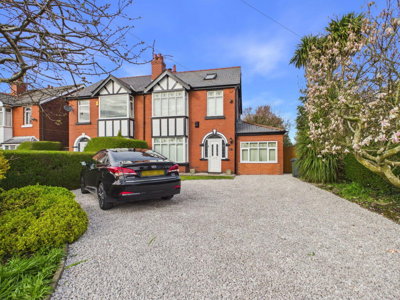
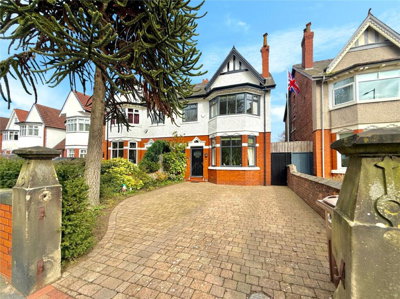
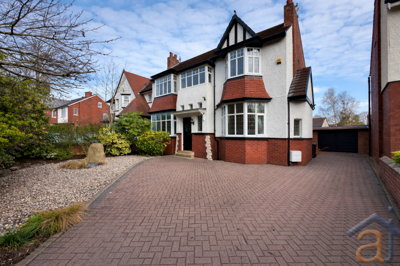
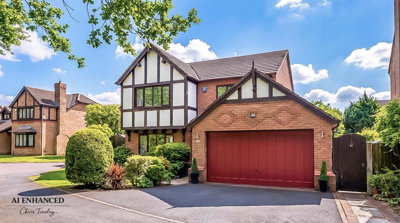
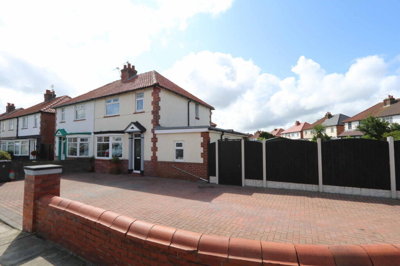
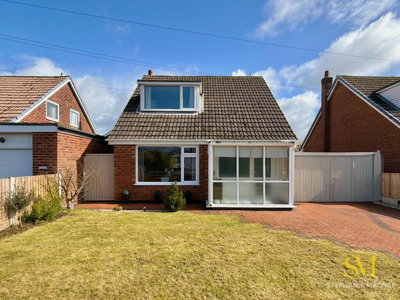
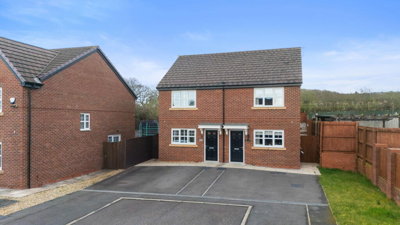
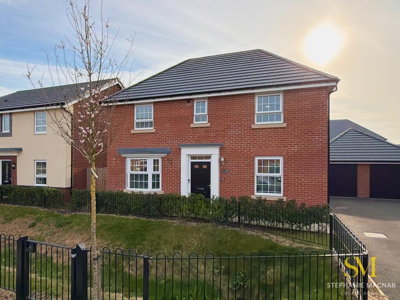
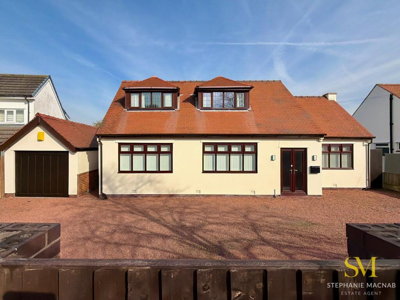
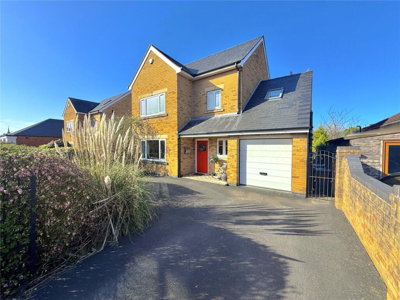
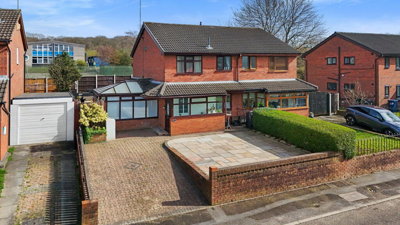
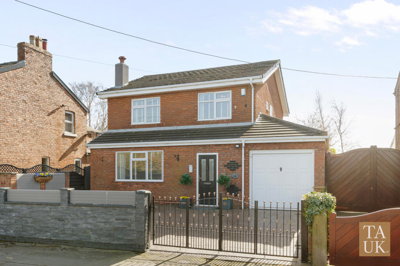
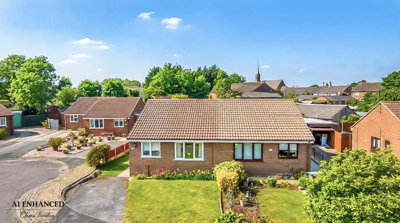
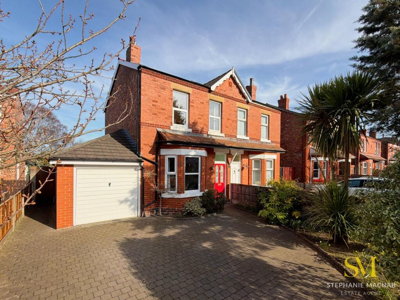
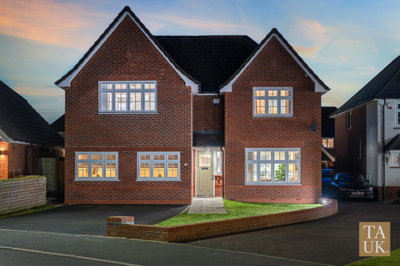
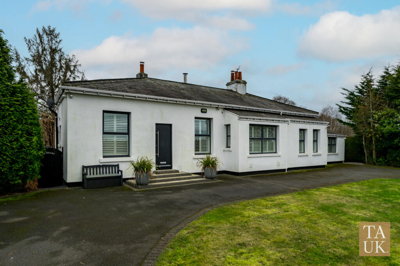
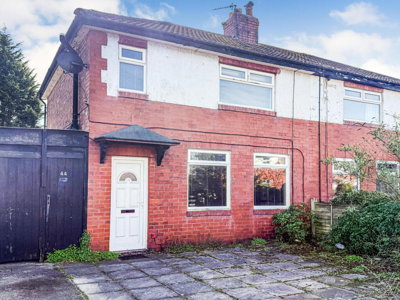
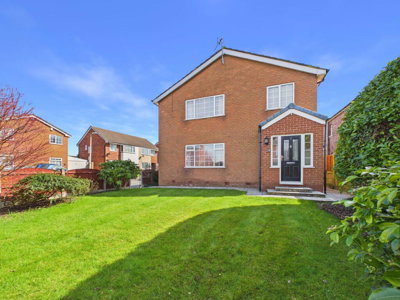
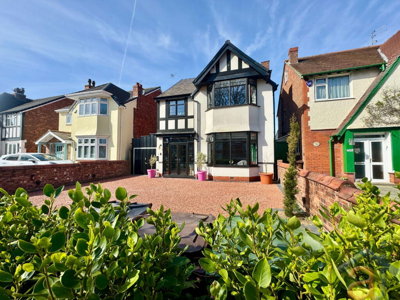
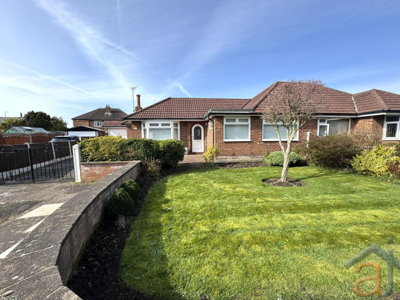
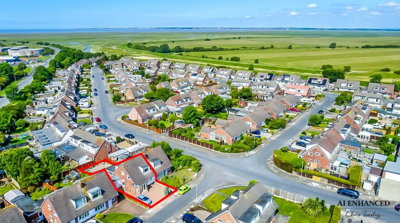
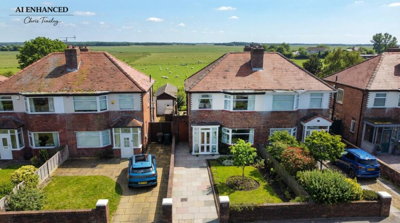
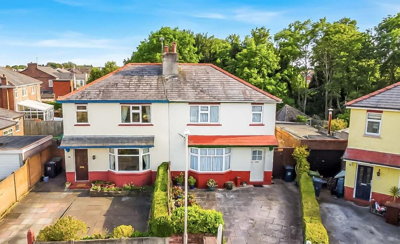
Browse 2,658 homes for sale in West Lancashire from local estate agents.
The West Lancashire property market offers detached, semi-detached, and terraced houses spanning various price ranges and neighbourhoods. Each listing includes detailed property information, photographs, and direct contact with the marketing agent.
The West Lancashire property market demonstrates stability and steady growth, with the average house price standing at £229,000 in December 2025, representing a modest 0.2% increase compared to the previous year. This consistency reflects the borough's enduring appeal as a residential destination, drawing buyers who seek the benefits of suburban and rural living without the premium prices found in major cities. Our listings include properties across all segments, from compact starter homes to substantial family residences, ensuring that every buyer can find something suited to their requirements.
Property types in West Lancashire are varied, with semi-detached homes forming the majority of sales in recent months. Detached properties command the highest prices, averaging £362,000, reflecting the additional space and privacy they offer. Semi-detached homes average £223,000, while terraced properties are available from around £172,000, making them accessible for first-time buyers and young families. This terraced segment has shown modest growth of 1.4% over the past year, suggesting sustained demand for this property type in West Lancashire's market.
Flats and maisonettes represent the most affordable entry point at approximately £119,000, though this segment has seen price reductions of 3.4% over the past year, creating opportunities for investors and those seeking lower maintenance living. The Rightmove data from February 2026 shows an overall average of £271,351, which is 5% down on the previous year. This presents a discrepancy with the ONS/Land Registry data, which captures completed sale prices rather than asking prices. The ONS/Land Registry figure of £229,000 provides the official benchmark for budgeting purposes when purchasing in West Lancashire.
West Lancashire occupies a special position between the urban centres of Liverpool and Preston, offering residents the best of both worlds. The borough comprises a collection of towns and villages including Ormskirk, Burscough, Skelmersdale, Tarleton, and Rufford, each contributing to the area's diverse character. Ormskirk serves as the administrative centre, a traditional market town with historic buildings, independent shops, and a weekly market that has traded for centuries. The town's one-way system preserves its historic layout, creating a distinctive shopping environment that differentiates it from more generic high streets.
Rufford offers a village atmosphere, located approximately 5 miles northeast of Ormskirk, while Burscough benefits from rail connections and growing local amenities. Beyond the main towns, the local economy benefits significantly from Edge Hill University in Ormskirk, which employs a substantial workforce and contributes to the area's above-average concentration in the education sector. This institutional presence supports local services, attracts young families to the area, and creates a vibrant cultural atmosphere throughout the academic year. The university campus has undergone significant investment in recent years, enhancing facilities and attracting students from across the UK and internationally.
The biggest employment sectors include wholesale and retail trade, reflecting the strong local shopping centres and proximity to major retail destinations. West Lancashire contains approximately 52,200 dwellings, with 86% being owner-occupied or privately rented, demonstrating a stable and established residential base. For families, the quality of local schools ranks among the most important factors when selecting a property in West Lancashire, and our listings cover neighbourhoods across all school catchment areas.

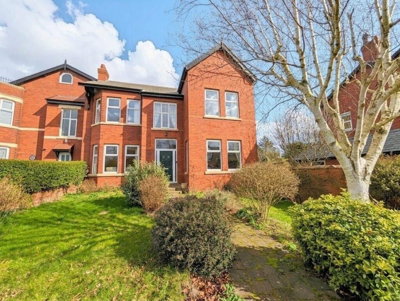
Understanding the construction methods prevalent in West Lancashire helps buyers appreciate the characteristics and potential issues of different property types. The area features a significant stock of brick-built properties spanning several centuries. Properties in conservation areas such as Newburgh include houses and former farmhouses from the 17th, 18th, and early 19th centuries, with some modern infill development. Mid-nineteenth-century industrial housing, such as the brick-built properties in Cobbs Brow Lane, Newburgh, represents the Victorian era of local construction. This variety means that West Lancashire's housing stock requires buyers to consider different construction approaches when evaluating properties.
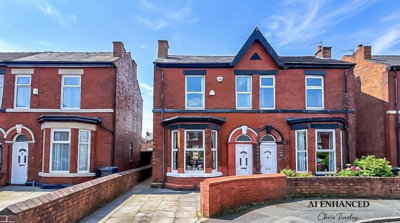
Victorian terraces in towns like Ormskirk and Burscough typically feature solid brick external walls, original timber sash windows, and solid timber floors rather than suspended timber construction. These properties often have cast iron fireplaces, original skirtings, and detailed plasterwork that form part of their character. However, older properties may require updating of electrical wiring, plumbing, and central heating systems that were not originally installed or that have reached the end of their serviceable life. A RICS Level 2 survey can identify these issues before purchase, providing a clear picture of maintenance requirements and potential renovation costs.
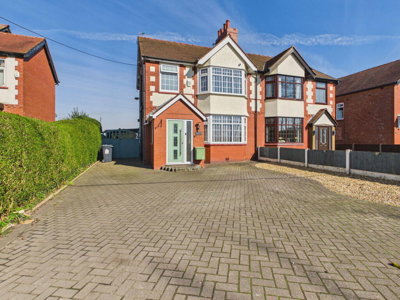
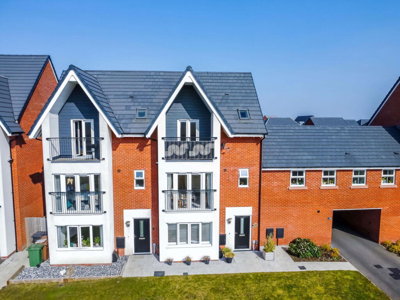
Semi-detached and detached homes built during the 20th century generally feature more modern construction techniques, though cavity wall insulation may be absent in properties built before the 1980s. Modern new build properties from developers such as Bellway at Lathom Pastures and Redrow at Yew Tree Park in Burscough incorporate contemporary building standards, energy-efficient specifications, and 10-year structural warranties. These properties offer reduced maintenance requirements compared to older stock, though buyers should still commission appropriate surveys to verify construction quality and identify any snagging issues.
Education provision in West Lancashire serves families well across all levels, with primary and secondary schools distributed throughout the borough's towns and villages. The presence of Edge Hill University extends educational opportunities beyond school age, offering undergraduate and postgraduate programmes in a range of disciplines. The university's strong reputation for teacher training has contributed to the quality of local education provision, with many graduates choosing to remain in the area. This connection helps maintain educational standards throughout West Lancashire's schools.
The borough's school catchment areas are important considerations for parents seeking to secure places at oversubscribed establishments. Secondary school options include both comprehensive schools serving their local communities and grammar schools operating selective admissions policies. Parents are advised to research individual school performance data and Ofsted ratings when evaluating properties, as quality differs between adjacent areas. Primary schools serving towns like Ormskirk, Burscough, and Skelmersdale provide solid foundations, while secondary options include both comprehensive schools serving local communities and grammar schools operating selective admissions policies.
Early application for school places is recommended given the strong family demographic in West Lancashire, and property searches often prioritise locations within preferred catchment zones. The hilly terrain in certain parts of the borough may affect cycling commutes, though designated routes exist for both commuting and leisure purposes. Families relocating to West Lancashire should factor school catchment areas into their property search alongside other considerations such as transport links and budget requirements.

Transport connectivity from West Lancashire serves both local and regional destinations effectively, with road and rail options providing access to major employment centres. The borough sits between Liverpool and Preston, with the M58 motorway providing connections to the M6 and M62 networks. Journey times to Liverpool city centre typically take around 30-40 minutes by car, while Manchester can be reached in approximately one hour. This accessibility makes West Lancashire attractive to commuters who wish to benefit from urban employment without residing in a city centre environment.
Rail services operate from stations including Ormskirk, which provides connections to Liverpool and Preston on separate lines. The Liverpool to Ormskirk line offers regular services, while the Burscough area provides additional rail access with connections to Manchester and beyond. Bus services operated by Arriva and other providers connect towns and villages throughout the borough, serving local shopping centres, healthcare facilities, and educational establishments. For cyclists, the Lancashire Cycling Framework identifies routes for commuting and leisure, though the hilly terrain in some areas requires appropriate fitness levels and equipment.
New build activity in West Lancashire remains steady, with several significant developments adding homes to the local market. The Story Homes development in Burscough represents a substantial planning application for 287 homes, proposing a mix of one to six-bedroom properties with 35% designated as affordable housing. This development, once completed, will provide opportunities for first-time buyers and families seeking newly constructed homes with modern specifications and energy efficiency standards. The Burscough location benefits from existing rail services and local amenities, making it an attractive option for various buyer profiles.
Redrow's Yew Tree Park at The Grange on Liverpool Road South in Burscough offers three, four, and five-bedroom homes, catering to buyers seeking spacious family accommodation in a well-connected location. Bellway Homes is developing properties at Lathom Pastures, situated approximately 3.5 miles from Ormskirk town centre, providing options for those who prefer the university town's atmosphere. Tawd Valley Developments, a company wholly owned by West Lancashire Borough Council, focuses specifically on affordable housing for purchase and rent, helping to address the borough's affordability challenges.
Buyers interested in new builds should factor in extended timelines, as developments may be in various stages of planning, construction, or completion. The current affordability ratio of 6.24 indicates sustained demand for housing in West Lancashire, making new developments commercially attractive to developers. Properties in new build developments typically come with a 10-year structural warranty, though buyers should still commission a thorough inspection to identify any snagging issues before completion and to verify that the property matches the specification agreed upon at reservation.
Before beginning your property search, obtain a mortgage agreement in principle from a lender. This confirms your budget and demonstrates to sellers that you are a serious buyer with financing in place. West Lancashire's median house price of £229,000 means most buyers will require a mortgage, and obtaining agreement in principle before viewing properties saves time and strengthens your position when making offers.
Spend time exploring different neighbourhoods within West Lancashire to find the area that best matches your lifestyle requirements. Consider proximity to work, schools, rail stations, and local amenities. Each town and village has distinct characteristics, from Ormskirk's market town atmosphere to the village feel of Rufford or the growth of Burscough. Renting initially in your preferred area can provide valuable insights before committing to a purchase.
Browse current listings in West Lancashire, using filters to narrow results by price, property type, number of bedrooms, and other requirements. Our platform aggregates properties from multiple estate agents operating in the area, providing comprehensive coverage of available stock. Set up property alerts to receive notifications when new homes matching your criteria come to market, as desirable properties can sell quickly in popular areas.
Arrange viewings of properties that meet your requirements, taking time to assess both the property condition and the neighbourhood. Consider factors such as natural light, room sizes, storage space, and outdoor areas. For older properties, be aware that West Lancashire has approximately 600 listed buildings and 28 conservation areas, which may impose restrictions on alterations and renovations. A RICS Level 2 survey can identify any structural issues or maintenance concerns before you commit to a purchase.
Once you find your ideal home, submit an offer through the selling agent and negotiate terms. Your solicitor will conduct searches, review the contract, and manage the conveyancing process. On exchange of contracts, you pay a deposit and commit to the purchase. Completion typically follows within four weeks, when you receive the keys and take ownership of your new West Lancashire home.
West Lancashire's varied property stock includes homes across all periods and construction types, requiring buyers to consider specific factors relevant to the local market. The area contains approximately 600 listed buildings and 28 conservation areas, meaning that many neighbourhoods have properties subject to planning controls. Properties in conservation areas such as Newburgh, the first designated in the borough in 1972, may be subject to planning restrictions that affect permitted development rights. The conservation area covers eight hectares and contains over 40 listed buildings, with some featuring architectural details from the 17th to 19th centuries. Any plans for extensions or alterations should be discussed with West Lancashire Borough Council planning department before completing a purchase.
Flood risk assessment is important for properties near watercourses, with the River Tawd and its tributaries flowing through several settlements. The Environment Agency provides detailed flood mapping that should be consulted for any property in a potentially affected area. Properties on lower ground or near drainage channels may face elevated flood risk, and this factor should be reflected in both property valuation and insurance considerations. For leasehold properties, which may be common in certain developments, review the terms carefully, including ground rent obligations and service charges that can increase over time.
The diversity of property types in West Lancashire means that different defect patterns occur in different eras of construction. Victorian terraces may show signs of roof spread at the junction with adjacent properties, while older brick properties may exhibit differential movement where foundations have been affected by nearby trees or drainage issues. Properties with original timber sash windows may require renovation to restore operation and improve thermal performance. A professional survey from a qualified RICS inspector will identify these issues and help you make an informed decision about your potential purchase.
West Lancashire presents solid investment fundamentals for property buyers, with 86% of the borough's 52,200 dwellings being owner-occupied or privately rented. The area's relative affordability compared to Liverpool creates demand from commuters seeking lower property costs while maintaining access to urban employment. The median house price to earnings ratio of 6.24 in 2024 indicates sustained demand for housing in the area, though this ratio also highlights affordability challenges that affect first-time buyers and lower-income households.
Investment considerations for West Lancashire property include the steady price growth of 0.2% annually, which reflects a stable rather than rapidly appreciating market. The presence of Edge Hill University supports rental demand from students and staff, particularly in areas close to Ormskirk town centre and the university campus. Terraced properties showing 1.4% annual growth may appeal to investors seeking capital appreciation alongside rental income, while flats at approximately £119,000 offer lower entry costs despite the 3.4% price reduction in this segment over the past year.
For investors considering new build properties, developments such as Story Homes in Burscough with 35% affordable housing provision may have different investment characteristics compared to open-market new builds. The affordable housing element typically has restricted resale values, while open-market units command premiums for their modern specifications and energy efficiency. Investors should consider the full implications of each development's housing mix when evaluating potential returns.
The average house price in West Lancashire was £229,000 in December 2025, according to official Land Registry data, with a 0.2% annual increase. Property prices vary significantly by type, with detached homes averaging £362,000, semi-detached properties at £223,000, terraced homes around £172,000, and flats at approximately £119,000. Rightmove data from February 2026 shows £271,351, which reflects asking prices rather than completed sales, creating a discrepancy with the official Land Registry figures. The ONS/Land Registry data provides the reliable benchmark for budgeting when purchasing property in West Lancashire.
West Lancashire offers good educational provision across primary and secondary levels, with individual school performance varying by location. The area benefits from Edge Hill University's presence in Ormskirk, which contributes to educational standards through its teacher training programmes and provides further education opportunities through undergraduate and postgraduate degrees. Parents should research specific Ofsted ratings and examination results for schools within their preferred catchment area, as quality differs between establishments.
West Lancashire has reasonable public transport connections, with Ormskirk railway station providing services to Liverpool and Preston on separate lines. Burscough offers additional rail access with connections to Manchester and beyond. Bus services operated by Arriva connect towns and villages throughout the borough, serving local facilities and providing links to larger centres. The M58 motorway provides road access to Liverpool, Preston, and the broader motorway network, with typical journey times of 30-40 minutes to Liverpool city centre.
West Lancashire presents solid investment fundamentals, with 86% of the borough's 52,200 dwellings being owner-occupied or privately rented. The presence of Edge Hill University supports rental demand from students and staff, while the relative affordability compared to Liverpool creates opportunities for commuters seeking lower property costs. The affordability ratio of 6.24 indicates sustained demand for housing in the area. However, investors should consider the modest price growth of 0.2% annually and ensure their investment strategy aligns with local market conditions.
Properties in West Lancashire are assessed by West Lancashire Borough Council for council tax purposes, with bands ranging from A to H based on property value. The majority of properties fall within bands A to C, which represent lower-value homes and correspond to more affordable annual council tax payments. Specific band allocations should be verified through the Valuation Office Agency when considering a property purchase, as bands affect ongoing ownership costs.
Stamp duty Land Tax rates from April 2025 apply 0% duty on residential properties up to £250,000, 5% on the portion from £250,001 to £925,000, 10% from £925,001 to £1.5 million, and 12% above £1.5 million. First-time buyers may benefit from relief on properties up to £625,000, paying 0% on the first £425,000 and 5% on the remainder. Given West Lancashire's average price of £229,000, many buyers purchasing at around the median value would pay no stamp duty, making this an attractive feature for first-time purchasers entering the market.
From 3.85%
Compare mortgage rates from leading lenders
From £499
Expert conveyancing solicitors for your property purchase
From £350
Professional property survey for buyers in West Lancashire
From £60
Energy performance certificate for your new home
Purchasing property in West Lancashire involves several costs beyond the purchase price, with stamp duty Land Tax being a significant consideration for many buyers. The current thresholds mean that buyers purchasing at or below the £250,000 mark pay no stamp duty, a threshold that encompasses a substantial proportion of the local market given the average price of £229,000. First-time buyers benefit from enhanced relief, with no duty payable on the first £425,000 of a property purchase, making the West Lancashire market particularly accessible for those taking their first step onto the property ladder.
Beyond stamp duty, buyers should budget for solicitor fees averaging £500-£1,500 depending on complexity, mortgage arrangement fees typically ranging from £0-£2,000, and survey costs. A RICS Level 2 survey costs around £455 on average nationally, typically ranging between £416 and £639. Survey costs vary by property value, with properties under £200,000 averaging £384 while those above £500,000 average £586. Removal costs, mortgage valuation fees, and buildings insurance all contribute to the total expenditure involved in moving home.
For those purchasing in new build developments, additional costs may include reservation fees and help-to-buy equity loan fees if applicable. The Story Homes development in Burscough and other new build projects in West Lancashire may offer various purchase schemes that affect the total costs involved. Preparing a comprehensive budget at the outset of your property search ensures you remain financially prepared throughout the transaction and avoid delays caused by cash flow issues.
Properties for Sale In London

Properties for Sale In Plymouth

Properties for Sale In Liverpool

Properties for Sale In Glasgow

Properties for Sale In Sheffield

Properties for Sale In Edinburgh

Properties for Sale In Coventry

Properties for Sale In Bradford

Properties for Sale In Manchester

Properties for Sale In Birmingham

Properties for Sale In Bristol

Properties for Sale In Oxford

Properties for Sale In Leicester

Properties for Sale In Newcastle

Properties for Sale In Leeds

Properties for Sale In Southampton

Properties for Sale In Cardiff

Properties for Sale In Nottingham

Properties for Sale In Norwich

Properties for Sale In Brighton

Properties for Sale In Derby

Properties for Sale In Portsmouth

Properties for Sale In Northampton

Properties for Sale In Milton Keynes

Properties for Sale In Bournemouth

Properties for Sale In Bolton

Properties for Sale In Swansea

Properties for Sale In Swindon

Properties for Sale In Peterborough

Properties for Sale In Wolverhampton

Enter your details to see if this property is within your budget.
Loans, cards, car finance
Estimated property budget
Borrowing + deposit
You could borrow between
Typical borrowing
Monthly repayment
Est. at 4.5%
Loan-to-value
This is an estimate only. Your actual budget may vary depending on interest rates, credit history, and personal circumstances. For an accurate affordability assessment, speak to one of our free mortgage advisors.
This calculator provides estimates for illustrative purposes only and does not constitute financial advice. Your home may be repossessed if you do not keep up repayments on your mortgage. Estimates based on 4.5% interest rate, repayment mortgage. Actual rates depend on your circumstances.
Homemove is a trading name of HM Haus Group Ltd (Company No. 13873779, registered in England & Wales). Homemove Mortgages Ltd (Company No. 15947693) is an Appointed Representative of TMG Direct Limited, trading as TMG Mortgage Network, which is authorised and regulated by the Financial Conduct Authority (FRN 786245). Homemove Mortgages Ltd is entered on the FCA Register as an Appointed Representative (FRN 1022429). You can check registrations at NewRegister or by calling 0800 111 6768.

We use cookies to show you personalised content and improve your experience of our website. Find out more in our Privacy policy and Cookie policy.