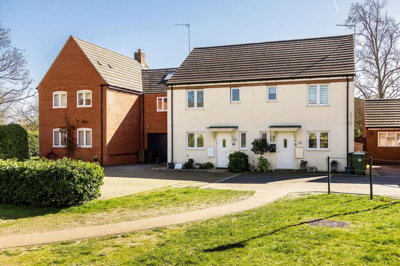
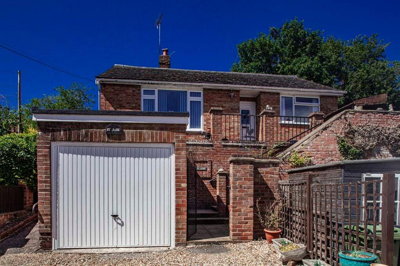
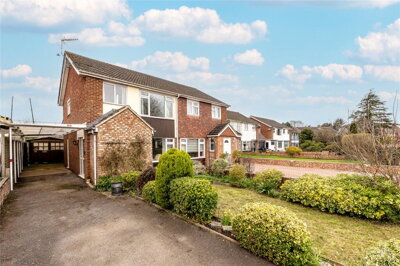
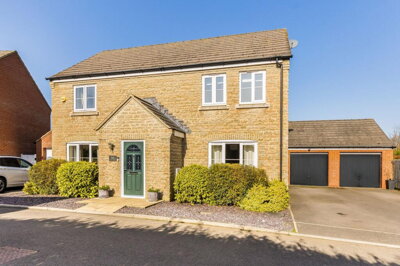
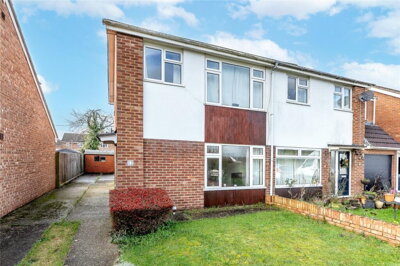
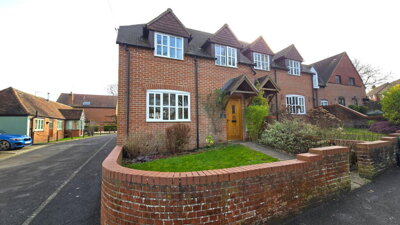
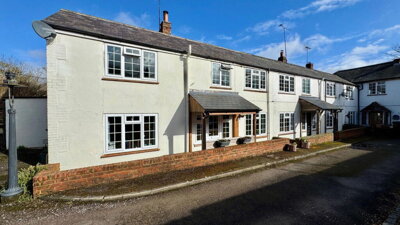
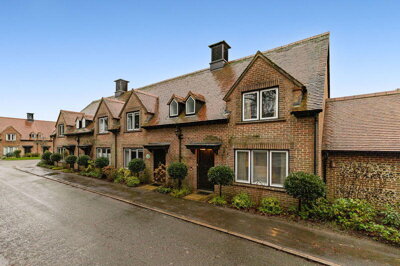
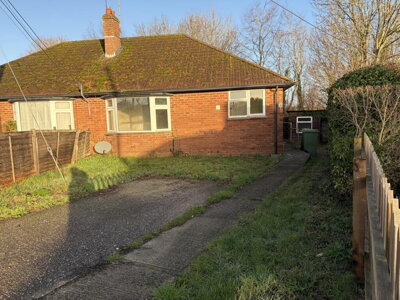
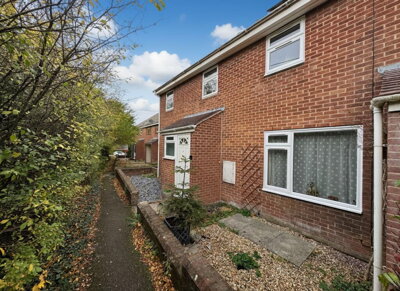
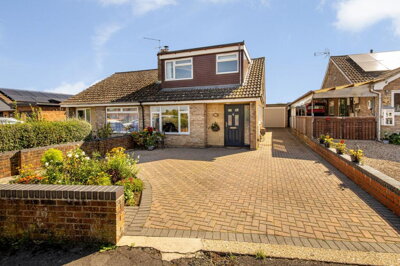
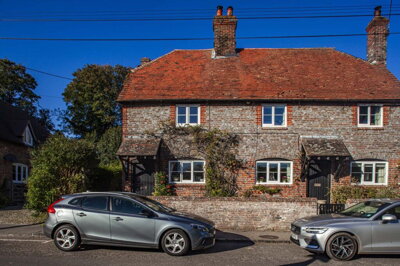
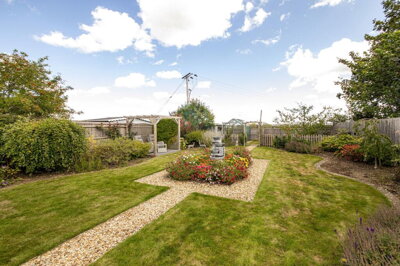
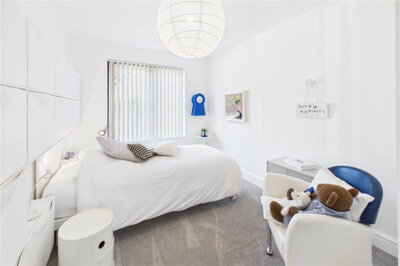
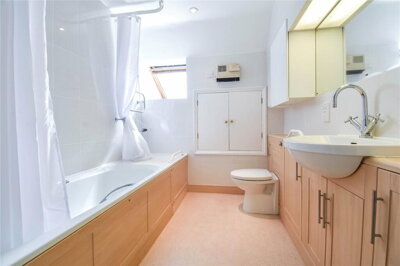
Browse 15 homes for sale in West Ilsley from local estate agents.
The Great Wratting property market reflects the village's status as an exclusive rural enclave within West Suffolk. Our data shows the overall average sold price stands at £349,000, though properties along The Street command a premium with an average of £476,667. The market has remained remarkably stable over the past twelve months, with price changes of less than 0.1%, indicating consistent demand despite broader national fluctuations. This stability makes Great Wratting an attractive prospect for buyers seeking long-term value in a proven location.
Recent sales demonstrate the range of properties available in this sought-after village. A detached bungalow at Maltings Farm sold for £770,000 in August 2024, while a substantial detached house on Withersfield Road achieved £790,000 in January 2024. More accessible entry points exist, with a semi-detached property at 5 Coronation Cottages on School Road selling for £405,000 in November 2022. Property searches on Rightmove currently show 35 results for recently sold properties, while Zoopla lists 89 transactions, giving buyers a comprehensive view of market activity. The limited number of new build developments within the village itself means that character-rich older properties dominate the available stock.
One notable exception to the village's lack of new builds is a property marketed by Savills, built by Laragh Homes in traditional style with modern features including an air source heat pump and underfloor heating. This single new home in Great Wratting demonstrates that some contemporary development does occur, though scarcity remains the defining characteristic of the local market.

Life in Great Wratting revolves around community, heritage, and the rhythms of rural Suffolk. The village traces its origins to Roman times, with significant medieval development centred around the Church of St Mary the Virgin, a Grade I listed building showcasing architecture spanning the 13th to 15th centuries. The flint walls of this ancient church stand as testament to centuries of local craftsmanship and remain a focal point for village life. Walking through Great Wratting, you will encounter estate cottages dating to the 16th century or earlier, many featuring the distinctive Suffolk straw thatch that defines the village's architectural character.
The village maintains a strong agricultural identity, with the surrounding countryside dedicated to farming and conservation. Many of the older houses in Great Wratting were once estate cottages on the Thurlow Estate, lending the village its distinctive character of historic properties clustered along The Street. The Red Lion pub serves as the social heart of the community, offering traditional hospitality and a gathering place for local events. The village's proximity to Haverhill, just 2.5 miles to the south-west, provides access to everyday amenities including supermarkets, healthcare facilities, and a range of independent shops.
Despite its rural setting, Great Wratting benefits from excellent road connections, with the A1307 providing straightforward access to Cambridge and the A11/M11 corridor within 11 miles, making commuting to Cambridge, Newmarket, or London entirely feasible for those working in professional sectors. Broadband connectivity varies across the village, so prospective buyers should check specific speeds at any property of interest, as some outlying properties may experience slower connection speeds than those closer to the village centre.
Families considering a move to Great Wratting will find educational provision centred primarily in the nearby market town of Haverhill. The town offers a selection of primary schools serving the surrounding villages, with several maintained schools providing education for children aged 4 to 11. The close-knit nature of Great Wratting's community means parents often coordinate school transport arrangements, with many families choosing to access primary education in Haverhill or the nearby village of Kedington.
Secondary education is available through Haverhill's secondary schools, which cater to students up to 16 years of age. The village's small population means that local primary school provision is limited, but families should research specific catchment areas and admission policies when planning a move, as these can significantly impact schooling options. Sixth form provision is available in Haverhill and the wider Suffolk area, with Cambridge colleges offering further educational opportunities for older students.
For families seeking more specialist educational options, the surrounding region offers several notable independent schools within reasonable driving distance. The proximity to Cambridge provides access to some of the country's most prestigious preparatory and secondary schools, including The Perse School and St Faith's, though these require consideration of transport logistics. Parents prioritising academic excellence may factor these options into their decision-making process when evaluating properties in Great Wratting.
Great Wratting enjoys a strategic position for commuters seeking to balance rural tranquility with access to major employment centres. The A1307 passes through the village, connecting directly to Cambridge approximately 15 miles to the north-west. This route provides a straightforward journey to the Cambridge science parks, the biomedical campus, and the city centre, making Great Wratting particularly attractive to professionals working in research, technology, or healthcare sectors. The A11/M11 corridor lies just 11 miles away, offering direct access to the motorway network for travel to London and beyond.
For those relying on public transport, train services are accessed via stations in surrounding towns, with connections to Cambridge, Bury St Edmunds, and London's Liverpool Street station available from nearby towns. Audley End station, offering regular services to Cambridge and London, is approximately 20 miles from the village. Bus services operate between Haverhill and surrounding settlements, providing essential connectivity for those without private vehicles. The village's location in the Stour valley means cycling can be challenging in places but is popular for recreational purposes along scenic country lanes. Parking within the village is generally straightforward given the low traffic volumes, a welcome feature for residents accustomed to urban parking pressures.
The strategic location of Great Wratting makes it particularly appealing to workers in Cambridge's growing technology and bioscience sectors, where salaries often justify the premium property prices. The journey to Cambridge's business parks typically takes 30-40 minutes by car, though this should be factored into any decision regarding daily commuting expectations.
Spend time exploring Great Wratting before committing to a purchase. Visit the village at different times of day, walk the footpaths, and familiarise yourself with local amenities in Haverhill. Understanding the community's character and checking broadband speeds will help ensure the village matches your lifestyle expectations. Consider attending events at The Red Lion pub to meet existing residents and gauge the community atmosphere firsthand.
Before viewing properties, obtain a mortgage agreement in principle from a lender. This demonstrates your financial readiness to estate agents and sellers, strengthening your position when making offers. Given the premium nature of properties in Great Wratting, with many detached homes priced above £700,000, securing appropriate financing is essential. Speak to a mortgage broker who understands the rural property market and can advise on specialist lending options if needed.
Work with local estate agents to arrange viewings of properties matching your requirements. Given the village's small size, inventory moves quickly. View properties with a critical eye, particularly older thatched cottages which may require specialist maintenance and insurance considerations. Our team can advise on which properties offer the best value relative to their condition and location within the village.
Once your offer is accepted, instruct a RICS Level 2 Survey to assess the property's condition. Given the prevalence of 16th-century properties in Great Wratting, this survey is particularly valuable for identifying structural issues, thatch condition, and any required renovations. Our inspectors regularly survey period properties in the area and understand the specific defects common to Suffolk straw thatch and Norfolk reed thatch construction.
Appoint a conveyancing solicitor to handle the legal aspects of your purchase. They will conduct searches with West Suffolk Council, investigate title deeds, and manage the exchange of contracts. Specialist knowledge of conservation area requirements may be beneficial for properties within Great Wratting's Conservation Area designation.
Once all searches are satisfactory and financing is confirmed, your solicitor will arrange contract exchange with the seller's legal team. Completion typically follows within days or weeks, depending on your agreed timeline, at which point you will receive the keys to your new home in Great Wratting.
Purchasing property in Great Wratting requires careful consideration of several area-specific factors that differ from more urban locations. The village's Conservation Area status means that any significant external alterations, extensions, or outbuilding developments require planning permission from West Suffolk Council. Prospective buyers should review the conservation area appraisal and consult with the local planning authority before committing to any renovation projects. This protection preserves the village's character but may limit future modification options.
The prevalence of thatched properties in Great Wratting demands particular attention during the buying process. Thatch roofs require specialist insurance coverage and regular maintenance by qualified thatchers, costs that should factor into your budget. Properties with traditional Suffolk straw thatch or Norfolk reed thatch represent significant heritage assets but carry ongoing maintenance responsibilities. A thorough RICS Level 2 Survey will assess roof condition, identify any signs of water ingress, and flag timber issues such as wet rot or woodworm that commonly affect older properties.
Electrical and plumbing systems in period cottages frequently require updating to meet modern standards, so budget accordingly for any necessary upgrades. Our inspectors commonly find outdated wiring and aging plumbing in properties of this age. Properties positioned near the River Stour in lower-lying areas of the village may require additional attention to drainage and potential flood resilience measures, given the presence of the historic ford crossing at the village centre.
Given the prevalence of older properties in Great Wratting, with many dating to the 16th century or earlier, understanding common defects is essential for prospective buyers. Structural wear and foundation issues frequently manifest as cracks in walls or ceilings, uneven floors, and doors that no longer close properly. The age of the housing stock means that some degree of movement is natural, but our inspectors assess whether any settlement has stabilised or requires further investigation.
Roofing deterioration represents one of the most common issues identified in Great Wratting properties. Thatched roofs, while characterful, require specialist knowledge to assess properly. Our surveyors examine the condition of Suffolk straw thatch and Norfolk reed thatch, looking for signs of weathering, water ingress, and pest activity. Wet rot and dry rot can affect both timber roof structures and wall timbers, particularly in properties where maintenance has been deferred. Woodworm activity is another frequent finding in period properties, and treatment may be required before purchase.
Outdated plumbing and electrical systems are almost universal in properties of this age. Corroded pipes, slow drains, and antiquated wiring frequently require complete replacement to meet modern standards and ensure safety compliance. Inadequate insulation, particularly single-pane windows and uninsulated lofts, affects energy efficiency and creates comfort issues. Damp problems, arising from poor ventilation or outdated waterproofing, are common in older properties and should be addressed before they cause more significant structural damage.
The average sold price in Great Wratting stands at £349,000 as of February 2026. Properties along The Street command higher prices, with an average of £476,667. Recent sales include detached properties ranging from £770,000 to £790,000, while semi-detached houses have sold for around £405,000. The market has shown remarkable stability with price changes of less than 0.1% over the past twelve months.
Properties in Great Wratting fall under West Suffolk Council's jurisdiction. Council tax bands range from A to H depending on property value and are set by the Valuation Office Agency. Given the village's mix of period cottages and larger detached homes, you may encounter properties across several bands. Contact West Suffolk Council directly or check the government council tax band database for specific properties.
Great Wratting itself has limited school provision due to its small population size. Primary education is typically accessed in nearby Haverhill, approximately 2.5 miles away, where several maintained primary schools serve the surrounding villages. Secondary education is also available in Haverhill. Families should research specific catchment areas and admission criteria, as these can vary. Cambridge offers additional independent school options within reasonable driving distance.
Great Wratting is primarily accessed by road via the A1307, which connects to Cambridge 15 miles away. Bus services operate between Haverhill and surrounding settlements, providing essential public transport links for those without private vehicles. Train services are accessed via stations in nearby towns, with connections to Cambridge, Bury St Edmunds, and London Liverpool Street. Audley End station, approximately 20 miles away, offers regular rail services to Cambridge and London. The village's rural location means private transport is generally more convenient for daily commuting needs.
Great Wratting offers several characteristics that appeal to property investors and homebuyers. The village's Conservation Area status and limited new build development help protect property values by maintaining scarcity and character. Stable prices over the past year suggest a mature market less susceptible to volatility. The proximity to Cambridge and the A11/M11 corridor maintains connectivity that supports long-term demand. However, the small population and limited rental market may restrict buy-to-let opportunities compared to larger towns.
Stamp Duty Land Tax (SDLT) rates for 2024-25 apply to purchases in Great Wratting. Standard rates are 0% on the first £250,000, 5% on £250,001 to £925,000, 10% on £925,001 to £1.5 million, and 12% above £1.5 million. First-time buyers benefit from relief on the first £425,000 at 0%, with 5% on the portion from £425,001 to £625,000. Given the village's property prices, most purchases fall within the standard rate bands. Calculate your specific liability based on the purchase price or consult a financial adviser.
Great Wratting sits in the valley of the River Stour, with a traditional ford crossing the river at the village centre. This positioning indicates potential for water-related issues, particularly during periods of heavy rainfall or flooding. Properties in lower-lying areas near the river require particular attention to drainage and flood resilience measures. We recommend requesting a specialist flood risk assessment and reviewing Environment Agency data before purchasing, and ensuring adequate buildings insurance coverage for flood damage.
Great Wratting contains several listed buildings, most notably the Church of St Mary the Virgin, which holds Grade I listed status and dates from the 13th to 15th centuries. The village's Conservation Area designation provides additional protection for many period properties, particularly the 16th-century thatched cottages that form part of its historic character. Properties within conservation areas or listed buildings require planning permission for certain alterations, and buyers should familiarise themselves with these restrictions before committing to purchase.
Understanding the additional costs of purchasing property in Great Wratting is essential for budgeting effectively. Stamp Duty Land Tax (SDLT) for standard buyers applies at 0% on the first £250,000 of purchase price, rising to 5% on amounts between £250,001 and £925,000. Given that the average property price in Great Wratting is £349,000, most buyers would pay approximately £4,950 in SDLT. For properties priced above £925,000, the 10% rate applies to the portion between £925,001 and £1.5 million. First-time buyers benefit from increased thresholds, paying 0% on the first £425,000 and 5% on amounts up to £625,000.
Beyond stamp duty, buyers should budget for solicitor fees typically ranging from £500 to £1,500 depending on complexity, plus search fees of approximately £300 to £500 for West Suffolk Council searches. A RICS Level 2 Survey costs between £380 and £639 for properties in Great Wratting's price range, with older thatched cottages potentially requiring additional specialist assessments. Removal costs, surveyor's fees, and potential renovation costs for period properties should also be factored into your overall budget. Mortgage arrangement fees, typically 0.5% to 1% of the loan amount, may be charged by lenders and should be considered when comparing mortgage deals.
For period properties in Great Wratting, additional costs may include specialist thatcher fees for roof maintenance, timber treatment for wet rot or woodworm, and upgrading electrical and plumbing systems to meet current regulations. Buyers purchasing within the Conservation Area should also budget for potential planning application fees if any external alterations are intended.
🏠
From 4.5% mortgage advice for Great Wratting buyers
From £499
Specialist conveyancing for Great Wratting properties
From £455
Condition reports for Great Wratting homes
From £85
Energy performance certificates
Properties for Sale In London

Properties for Sale In Plymouth

Properties for Sale In Liverpool

Properties for Sale In Glasgow

Properties for Sale In Sheffield

Properties for Sale In Edinburgh

Properties for Sale In Coventry

Properties for Sale In Bradford

Properties for Sale In Manchester

Properties for Sale In Birmingham

Properties for Sale In Bristol

Properties for Sale In Oxford

Properties for Sale In Leicester

Properties for Sale In Newcastle

Properties for Sale In Leeds

Properties for Sale In Southampton

Properties for Sale In Cardiff

Properties for Sale In Nottingham

Properties for Sale In Norwich

Properties for Sale In Brighton

Properties for Sale In Derby

Properties for Sale In Portsmouth

Properties for Sale In Northampton

Properties for Sale In Milton Keynes

Properties for Sale In Bournemouth

Properties for Sale In Bolton

Properties for Sale In Swansea

Properties for Sale In Swindon

Properties for Sale In Peterborough

Properties for Sale In Wolverhampton

Enter your details to see if this property is within your budget.
Loans, cards, car finance
Estimated property budget
Borrowing + deposit
You could borrow between
Typical borrowing
Monthly repayment
Est. at 4.5%
Loan-to-value
This is an estimate only. Your actual budget may vary depending on interest rates, credit history, and personal circumstances. For an accurate affordability assessment, speak to one of our free mortgage advisors.
This calculator provides estimates for illustrative purposes only and does not constitute financial advice. Your home may be repossessed if you do not keep up repayments on your mortgage. Estimates based on 4.5% interest rate, repayment mortgage. Actual rates depend on your circumstances.
Homemove is a trading name of HM Haus Group Ltd (Company No. 13873779, registered in England & Wales). Homemove Mortgages Ltd (Company No. 15947693) is an Appointed Representative of TMG Direct Limited, trading as TMG Mortgage Network, which is authorised and regulated by the Financial Conduct Authority (FRN 786245). Homemove Mortgages Ltd is entered on the FCA Register as an Appointed Representative (FRN 1022429). You can check registrations at NewRegister or by calling 0800 111 6768.

We use cookies to show you personalised content and improve your experience of our website. Find out more in our Privacy policy and Cookie policy.