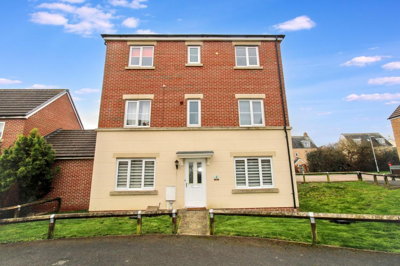
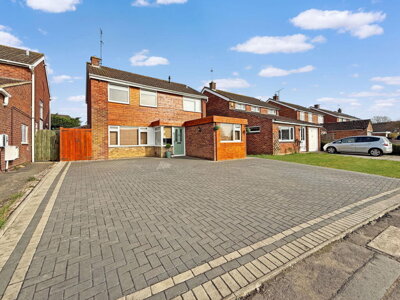
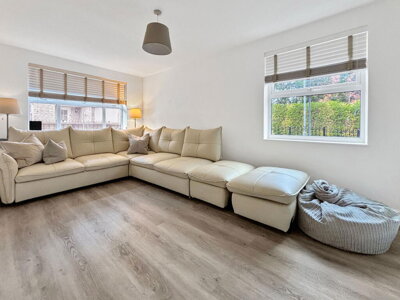
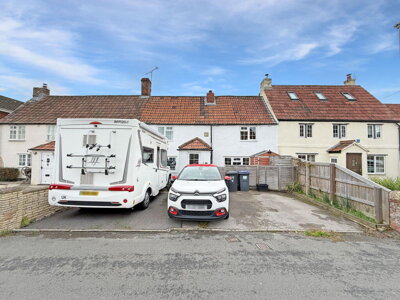
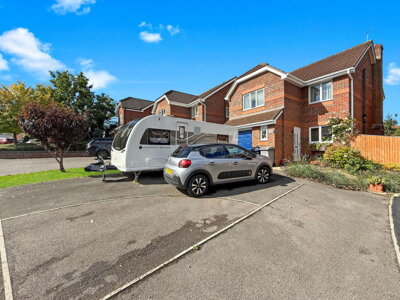
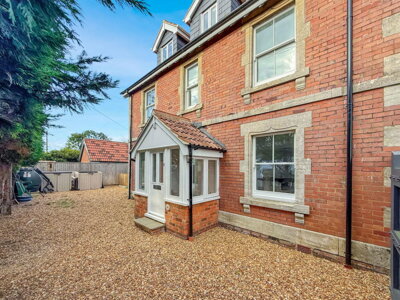
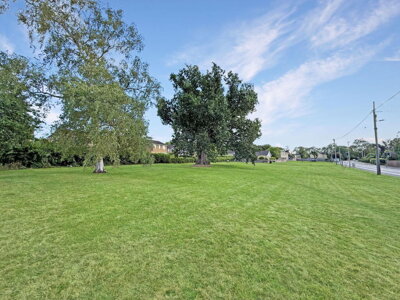
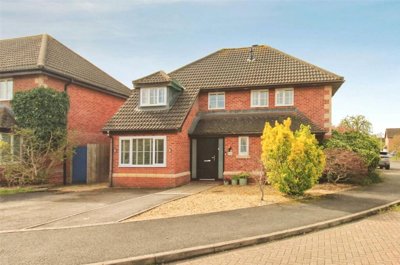
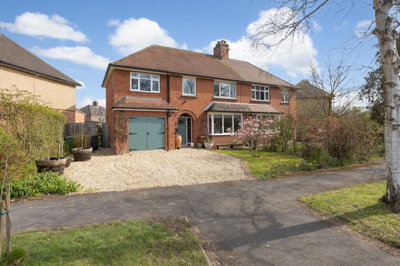
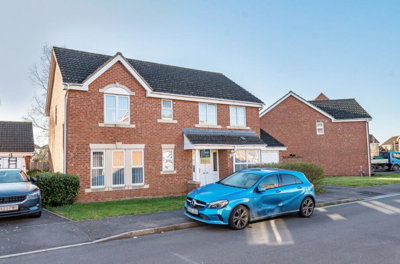
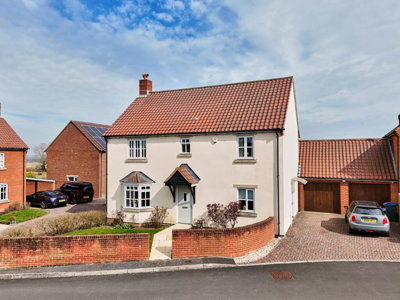
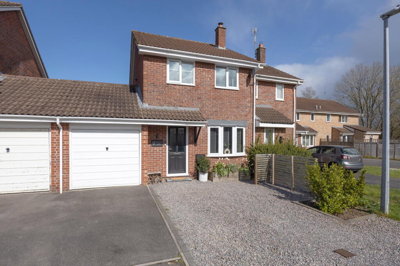
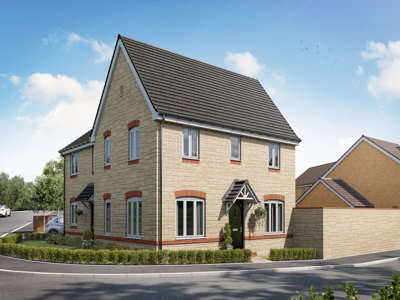
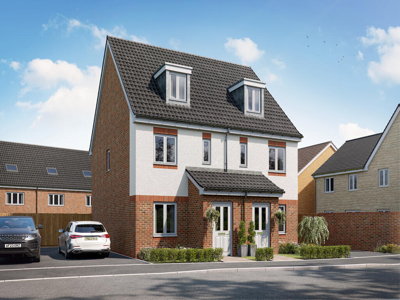
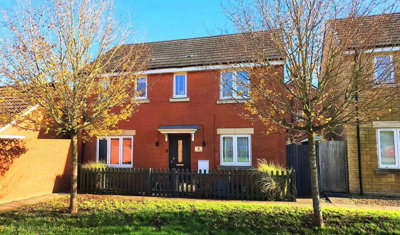
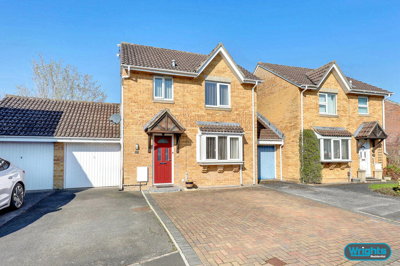
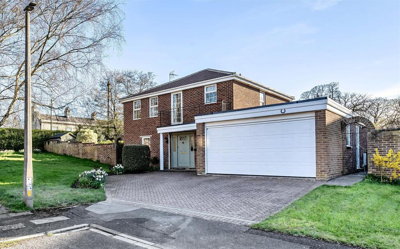
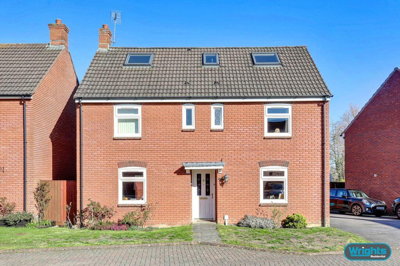
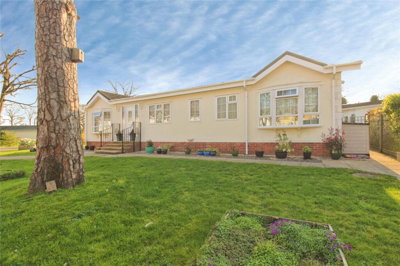
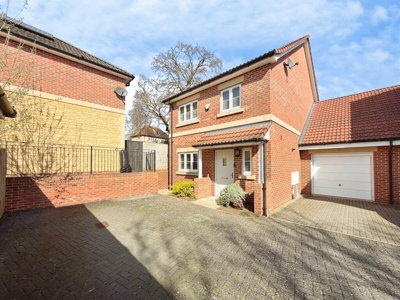
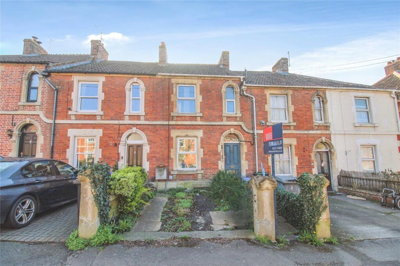
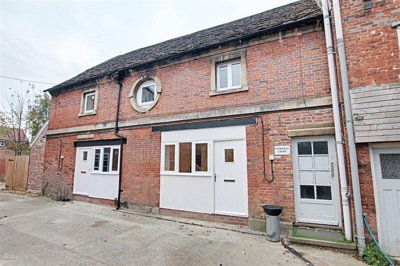
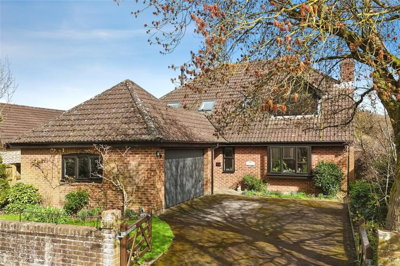
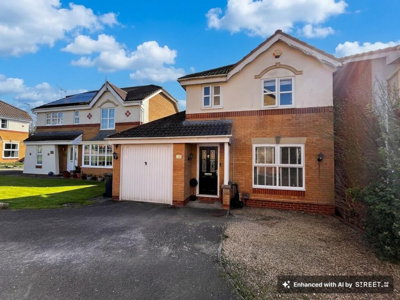
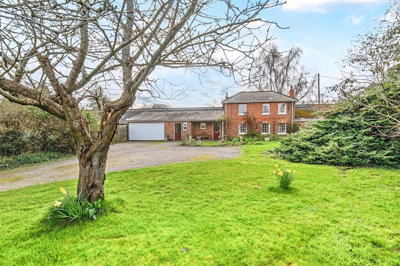
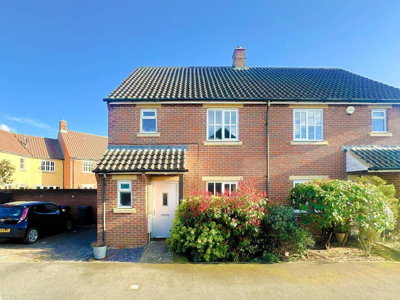
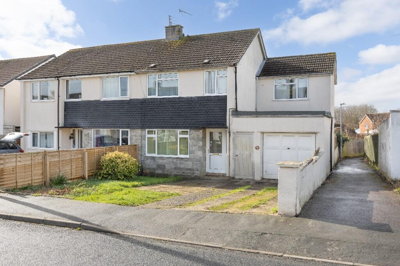
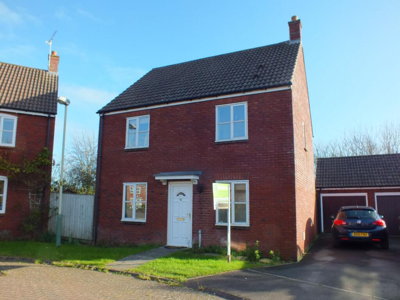
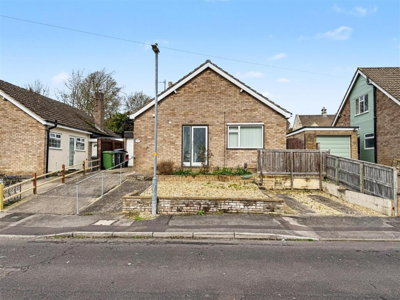
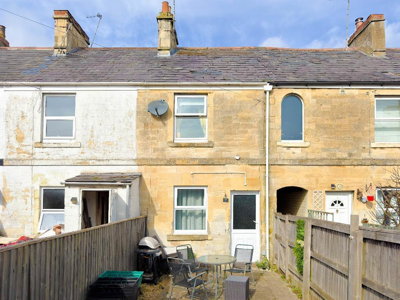
Browse 238 homes for sale in West Ashton from local estate agents.
The West Ashton property market offers detached, semi-detached, and terraced houses spanning various price ranges and neighbourhoods. Each listing includes detailed property information, photographs, and direct contact with the marketing agent.
The West Ashton property market offers a diverse range of housing options to suit different budgets and preferences. Detached properties dominate the upper end of the market, selling for an average of £475,000, while semi-detached homes provide more accessible entry points at approximately £275,000. The village has seen property prices rise by 2.7% over the last twelve months, with historical data showing a 17% decrease from the 2021 peak of £540,264, suggesting opportunities for buyers entering at a more favourable point in the market cycle. Our listings include everything from charming period cottages to contemporary family homes, ensuring you will find a property that matches your requirements.
New build activity in the area includes the significant Ashton Park development, a major urban extension of Trowbridge that extends into West Ashton parish. This strategic development has outline planning permission for up to 2,500 homes, with developers including Ashton Park Trowbridge Ltd, Persimmon Homes, and Barratt Redrow working on phased construction. The development includes a substantial affordable housing component, with 26% of homes designated as affordable units. Properties within this development benefit from modern construction standards, energy-efficient designs, and the infrastructure improvements that accompany such significant investment in the local area.

West Ashton is a small but vibrant village community nestled in the Wiltshire countryside, offering residents a peaceful lifestyle with the conveniences of nearby towns within easy reach. The village forms part of the Trowbridge Community Area, providing access to a wider range of shops, restaurants, and leisure facilities while maintaining its own close-knit village atmosphere. According to the 2011 Census, approximately 77.9% of households in West Ashton were owner-occupiers, reflecting the stability and desirability of the area for families looking to put down roots. The village attracts professionals in managerial and technical roles who appreciate the quality of life that rural Wiltshire provides.
The village features several notable historic buildings that contribute to its distinctive character, including the Church of St John the Evangelist and Castle Lodge, both Grade II listed. The estate workers' cottages on Bratton Road, constructed in the 1850s, still stand as testament to the village's agricultural heritage. The River Biss forms the northwestern boundary of the parish, adding to the scenic landscape and providing pleasant walking routes for residents. The village has evolved through a mixed pattern of residential development, with properties ranging from traditional stone cottages to contemporary homes built up to 2017, creating an interesting streetscape that combines heritage with modern living standards.
Most residents in West Ashton are employed in professional and managerial roles, with very low unemployment levels recorded in recent census data. Only 8 people were employed in agriculture as of 2011, reflecting the shift away from the village's farming heritage towards commuting-based employment. The proposed 15 hectares of employment land at the nearby Ashton Park development could eventually bring more local job opportunities, reducing the need for residents to travel to larger employment centres. The village's lack of significant local businesses means that commuting remains a fact of life for most working residents, making the excellent road connections and proximity to Trowbridge railway station particularly valuable.

Families considering a move to West Ashton will find a range of educational options available in the surrounding area. The village falls within the catchment areas for primary and secondary schools in the Trowbridge area, with several well-regarded establishments serving local residents. Primary education is available at schools in nearby towns, providing young children with a solid foundation before progressing to secondary school. Parents should research specific school catchments and admission criteria, as these can vary and change, to ensure their children can access their preferred educational establishments.
Secondary education options in the wider Trowbridge area include schools with strong academic records and diverse curricula. Sixth form provision is available at secondary schools and colleges in nearby towns, offering A-level and vocational qualifications for older students. West Ashton's small population means that school places can be competitive, particularly for popular establishments, making it advisable for families to research options and apply early when securing a property in the area. The presence of the Ashton Park development will bring additional investment in local infrastructure, potentially including new educational facilities to serve the growing community.
The catchment area system in Wiltshire means that property location directly affects school placement eligibility. Properties on the western side of West Ashton may fall into different catchment areas compared with those closer to the Ashton Park development on the southeastern edge of the parish. We recommend contacting Wiltshire Council's education department or checking the local authority school admissions map before purchasing, as catchment boundaries can be subject to review and adjustment. For families with children approaching secondary school age, visiting potential schools and understanding their admissions policies before committing to a property purchase can prevent significant disappointment later.
West Ashton benefits from excellent connectivity despite its village setting, making it an ideal base for commuters and those who need to travel regularly for work. The village sits within easy reach of major road networks, providing straightforward access to surrounding towns and cities. The A361 and A350 trunk roads connect West Ashton to Trowbridge, Warminster, and the wider Wiltshire road network, while the M4 motorway is accessible within a reasonable drive, linking the area to Bristol, Swindon, and London. Many residents commute daily to larger employment centres, taking advantage of the village's peaceful setting while maintaining their professional careers.
Public transport options include bus services connecting West Ashton to Trowbridge and surrounding villages, providing essential connectivity for those without private vehicles. Trowbridge railway station offers mainline services, with regular trains to major destinations including Bath, Bristol, and Southampton. The station provides direct connections to London Paddington, making the capital accessible for business travel or leisure trips. The proposed expansion of employment land at the nearby Ashton Park development, including 15 hectares of new business space, may eventually reduce the need for some residents to commute longer distances, bringing more employment opportunities closer to home.
For commuters working in Bristol, the journey from Trowbridge station takes approximately 35 minutes by train, making West Ashton viable for those employed in the city but seeking more affordable housing. The A350 provides a direct route north to Chippenham and the M4 corridor, while the A361 connects westwards to Frome and the A303 for travel further afield. Rush hour traffic on these routes can be busy, particularly during school term times, so factoring in journey times when planning daily commutes is advisable. Those working from home will appreciate the village's tranquil environment, while the improving digital connectivity in the area supports remote working arrangements.
Before starting your property search, obtain a mortgage agreement in principle from a lender to understand your budget. This strengthens your position when making offers and demonstrates to sellers that you are a serious buyer with funding secured.
Explore property listings in West Ashton and surrounding areas to understand the market. Consider factors like proximity to schools, transport links, and village amenities. Our platform shows current prices, recent sales data, and available properties across all major estate agents.
Once you have identified properties of interest, arrange viewings through our platform or directly with estate agents. Take time to assess the condition of properties, note any potential issues, and envision yourself living in the space.
When you find your ideal home, submit an offer through the selling estate agent. Be prepared to negotiate on price and terms. Having your mortgage in principle and any required surveys already considered strengthens your negotiating position considerably.
Arrange a RICS Level 2 Survey to assess the condition of the property. Given West Ashton's mix of historic and modern properties, a professional survey can identify defects that might not be visible during a standard viewing, from damp in older cottages to structural issues.
Once your offer is accepted, instruct a conveyancing solicitor to handle the legal aspects of the purchase. They will conduct searches, handle contracts, and manage the transfer of ownership through to completion.
Buying a property in West Ashton requires careful consideration of several area-specific factors that can affect your investment and quality of life. The presence of Grade II listed buildings throughout the village means that some properties may be subject to restrictions on alterations and renovations. If you are considering a listed property, factor in the additional costs and requirements associated with maintaining historic fabric, and ensure you understand what modifications may or may not be permitted under listing consent. Our survey services can help identify any current issues with historic properties that may require attention.
Flood risk should be considered when purchasing in West Ashton, particularly for properties near the River Biss which forms the northwestern boundary of the parish. While the river adds to the scenic beauty of the area, properties in close proximity may be subject to flood risk assessments and potentially higher insurance premiums. A thorough survey can identify any signs of water damage or damp that may indicate susceptibility to flooding or moisture ingress. The mix of older properties in the village, including those dating to the 1850s, means that issues such as damp, outdated electrics, and potential subsidence should be carefully evaluated before purchase.
The village's housing stock spans properties built from the 1850s through to contemporary homes constructed up to 2017, meaning buyers encounter vastly different construction methods and potential defect profiles. Older cottages on Bratton Road and similar historic properties may feature solid walls without modern damp-proof courses, original timber windows, and traditional roofing with plain tiles that require regular maintenance. These properties often have character in abundance but demand ongoing investment to maintain. Newer properties, including those within the Ashton Park development, benefit from modern building regulations and energy-efficient designs, though even new builds can have snagging issues that our surveyors commonly identify during inspections.
Properties in West Ashton span a wide age range, from Victorian and Edwardian cottages to modern family homes built within the last decade. This mix means our inspectors regularly encounter issues that are specific to different construction periods. Older properties, particularly those built before 1919, commonly show signs of rising damp where original damp-proof courses have failed or were never installed. Penetrating damp is also prevalent in solid-walled construction, especially where pointing has deteriorated or rendering has cracked. Our surveyors pay close attention to external walls, skirting boards, and ground-level indicators that suggest moisture ingress.
Roof condition varies significantly across the village depending on property age and maintenance history. Traditional pitched roofs with plain tiles, common on Victorian and Edwardian properties, can suffer from slipped or broken tiles, deteriorated ridge mortar, and failed flashings around chimneys. These defects can allow water ingress that damages rafters, ceiling joists, and internal decorations. Chimney stacks on older properties often show signs of weathering, crumbling brickwork, or mortar decay that our inspectors document in their reports. Flat roofs on extensions and modern properties can develop ponding issues and membrane failures that require attention.
Structural concerns in West Ashton typically relate to the age of the housing stock and local ground conditions. Properties built on clay soils may experience subsidence or settlement issues, particularly where trees are planted close to foundations. Our inspectors look for cracking patterns in walls, doors that no longer close properly, and uneven floors that might indicate underlying structural movement. Properties with a history of structural works should be investigated thoroughly, and any cracks wider than 5mm should be referred to a structural engineer for specialist assessment. The solid floor construction common in older properties can conceal issues with timber floor joists affected by rot or woodworm.
As of early 2026, the average house price in West Ashton sits at approximately £475,000 according to OnTheMarket data. Detached properties average around £475,000 while semi-detached homes are more affordable at approximately £275,000. The market has shown resilience with a 2.7% increase over the past twelve months, though prices remain 17% below the 2021 peak of £540,264. Individual property prices vary significantly based on type, size, condition, and location within the village.
Properties in West Ashton fall under Wiltshire Council tax jurisdiction. Specific band allocations depend on the valuation of individual properties. Most residential properties in the village will fall within bands A through E, with newer properties and larger homes potentially in higher bands. Prospective buyers should check the specific council tax band for any property they are considering, as this forms part of the ongoing costs of homeownership alongside other charges.
West Ashton is served by primary and secondary schools in the wider Trowbridge area, with the specific schools available depending on your postcode and catchment area. Families should research current school Ofsted ratings, admission criteria, and any planned changes to catchment boundaries before purchasing. The growing Ashton Park development may bring additional educational provision to the area as the new housing is completed. For families with older children, sixth form and further education options are available at colleges in Trowbridge and surrounding towns, offering a range of A-level and vocational qualifications to suit different academic pathways.
West Ashton has reasonable public transport connections despite its village setting. Bus services operate routes connecting the village to Trowbridge and surrounding communities, providing essential access for those without private vehicles. Trowbridge railway station offers mainline services to Bath, Bristol, Southampton, and London Paddington, with journey times to the capital typically around 90 minutes. The village is also well-positioned for road travel, with straightforward access to the A361 and A350 roads and the M4 motorway within easy driving distance for those commuting by car to employment in Bristol, Swindon, or beyond.
West Ashton offers several factors that may appeal to property investors. The village benefits from its proximity to the growing Ashton Park development, which includes 15 hectares of employment land that could attract residents who work locally. The mix of historic and modern properties provides options across different price points, while the village's character and community atmosphere help maintain demand. However, as a small village, the rental market may be more limited than in larger towns, and any investment should consider local market conditions, potential void periods, and the costs associated with maintaining older properties that may require more frequent repairs.
Stamp Duty Land Tax rates for 2024-25 are 0% on the first £250,000 of property value, 5% on £250,001 to £925,000, 10% on £925,001 to £1.5 million, and 12% on any amount above £1.5 million. First-time buyers may qualify for relief on the first £425,000, paying 5% on the portion between £425,001 and £625,000. For a typical West Ashton property at the average price of £475,000, a standard buyer would pay approximately £11,250 in stamp duty, while a first-time buyer would pay around £2,500.
West Ashton contains several Grade II listed buildings including the Church of St John the Evangelist, Castle Lodge, Manor Farmhouse, and the estate workers' cottages on Bratton Road. If you are considering purchasing a listed building, be aware that any external or structural alterations require listed building consent from Wiltshire Council. These properties often require specialist maintenance using traditional materials and techniques, which can be more expensive than standard building work. A standard RICS Level 2 Survey may not be suitable for listed buildings, and our team can advise on more comprehensive survey options for historic properties.
The River Biss runs along the northwestern boundary of West Ashton parish, and properties in close proximity to this waterway may face some flood risk. While the village centre sits at a higher elevation and is generally at lower risk, low-lying areas near the river could be susceptible to flooding during periods of heavy rainfall. We recommend checking the government flood risk mapping service and discussing any flood risk concerns with your surveyor during the property inspection. Properties with a known flood risk may face higher insurance premiums, and this ongoing cost should be factored into your budget when considering a purchase near watercourses.
From £350
A detailed inspection of the property condition, ideal for conventional homes in West Ashton
From £500
A comprehensive building survey recommended for older properties, listed buildings, or unusual construction
From £60
Energy Performance Certificate required for all property sales
From £150
Official valuation for Help to Buy ISA and Lifetime ISA bonus claims
Understanding the full costs of purchasing a property in West Ashton is essential for budgeting effectively and avoiding unexpected expenses. Beyond the property purchase price, buyers must account for Stamp Duty Land Tax, which applies to all freehold property purchases above certain thresholds. For properties in West Ashton averaging around £475,000, a standard buyer purchasing with no previous property ownership would pay approximately £11,250 in stamp duty under current 2024-25 rates. First-time buyers may benefit from reduced rates, paying around £2,500 on the same property value, subject to meeting eligibility criteria including not having previously owned property anywhere in the world.
Additional buying costs include conveyancing fees, which typically start from around £499 for standard purchases but can increase depending on complexity. A RICS Level 2 Survey costs between £350 and £600 depending on property size and value, providing and identifying any defects before you commit. An Energy Performance Certificate is legally required and costs from £60. Removal expenses, mortgage arrangement fees, and surveying costs for items like boundary disputes should also be budgeted for. Building insurance must be in place from the day of completion, and ongoing costs include council tax, utility bills, and maintenance reserves. For leasehold properties, ground rent and service charges apply, so always review these costs carefully before purchasing a flat or leasehold house.
Properties for Sale In London

Properties for Sale In Plymouth

Properties for Sale In Liverpool

Properties for Sale In Glasgow

Properties for Sale In Sheffield

Properties for Sale In Edinburgh

Properties for Sale In Coventry

Properties for Sale In Bradford

Properties for Sale In Manchester

Properties for Sale In Birmingham

Properties for Sale In Bristol

Properties for Sale In Oxford

Properties for Sale In Leicester

Properties for Sale In Newcastle

Properties for Sale In Leeds

Properties for Sale In Southampton

Properties for Sale In Cardiff

Properties for Sale In Nottingham

Properties for Sale In Norwich

Properties for Sale In Brighton

Properties for Sale In Derby

Properties for Sale In Portsmouth

Properties for Sale In Northampton

Properties for Sale In Milton Keynes

Properties for Sale In Bournemouth

Properties for Sale In Bolton

Properties for Sale In Swansea

Properties for Sale In Swindon

Properties for Sale In Peterborough

Properties for Sale In Wolverhampton

Enter your details to see if this property is within your budget.
Loans, cards, car finance
Estimated property budget
Borrowing + deposit
You could borrow between
Typical borrowing
Monthly repayment
Est. at 4.5%
Loan-to-value
This is an estimate only. Your actual budget may vary depending on interest rates, credit history, and personal circumstances. For an accurate affordability assessment, speak to one of our free mortgage advisors.
This calculator provides estimates for illustrative purposes only and does not constitute financial advice. Your home may be repossessed if you do not keep up repayments on your mortgage. Estimates based on 4.5% interest rate, repayment mortgage. Actual rates depend on your circumstances.
Homemove is a trading name of HM Haus Group Ltd (Company No. 13873779, registered in England & Wales). Homemove Mortgages Ltd (Company No. 15947693) is an Appointed Representative of TMG Direct Limited, trading as TMG Mortgage Network, which is authorised and regulated by the Financial Conduct Authority (FRN 786245). Homemove Mortgages Ltd is entered on the FCA Register as an Appointed Representative (FRN 1022429). You can check registrations at NewRegister or by calling 0800 111 6768.

We use cookies to show you personalised content and improve your experience of our website. Find out more in our Privacy policy and Cookie policy.