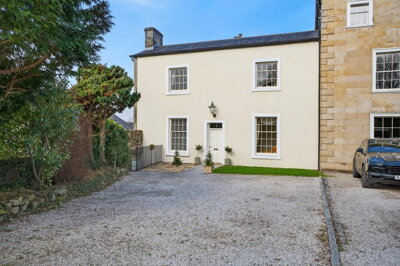
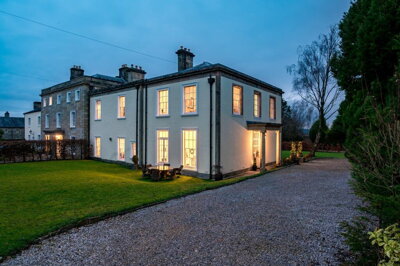
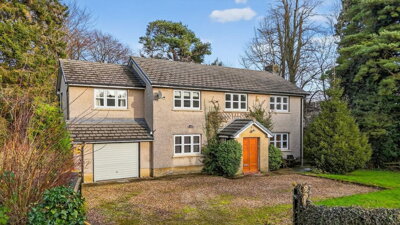
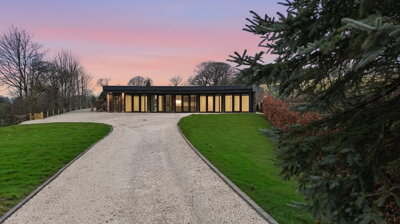
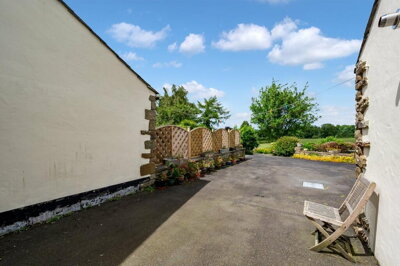
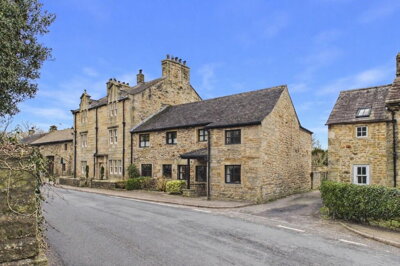
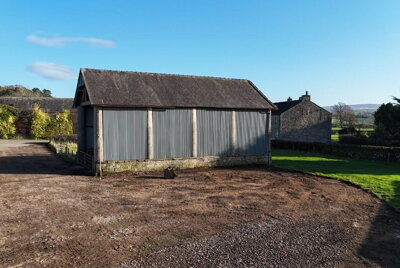
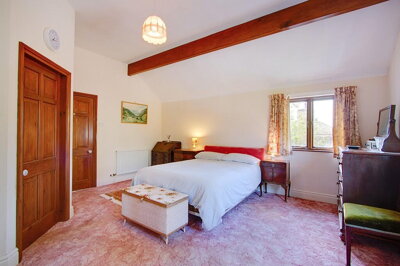
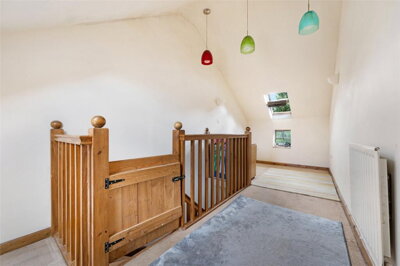
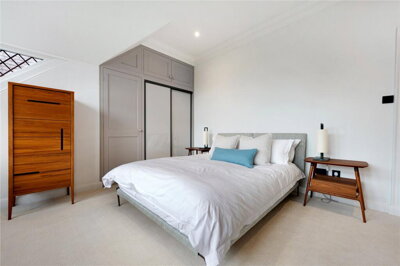
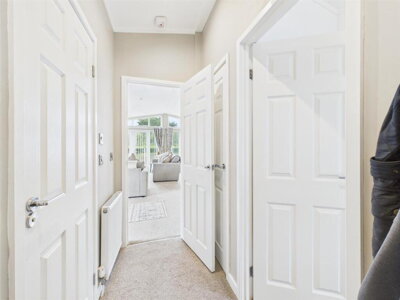
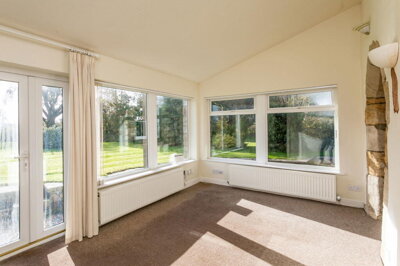
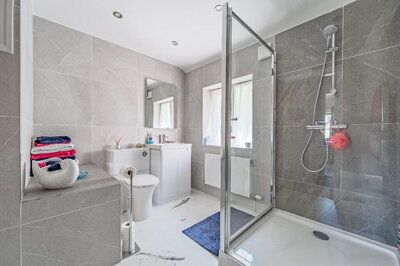
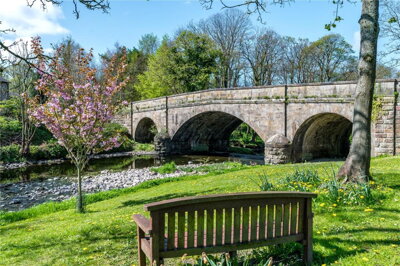
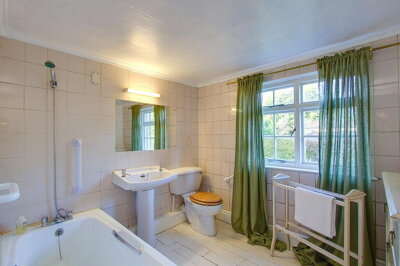
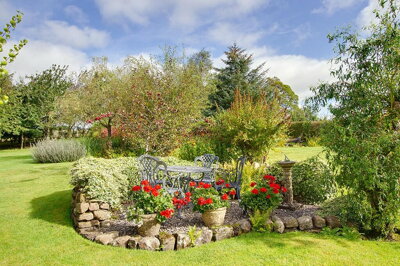
Browse 18 homes for sale in Wennington, Lancaster from local estate agents.
The Wennington property market offers detached, semi-detached, and terraced houses spanning various price ranges and neighbourhoods. Each listing includes detailed property information, photographs, and direct contact with the marketing agent.
£0k
0
0
0
Source: home.co.uk
Showing 0 results for Houses for sale in Wennington, Lancaster.
The Branxton property market has demonstrated impressive resilience and growth, with the average sold price reaching £447,500 over the last twelve months according to PropertyResearch.uk data. This figure represents a substantial 9% increase compared to the previous year and a remarkable 162% rise over the past decade, indicating sustained demand for homes in this sought-after corner of Northumberland. Detached properties command a median price of £428,750, while semi-detached homes have achieved median prices around £265,000 to £276,000, reflecting the premium placed on space and rural setting. The market has seen 65 total sales recorded in the area, with Rightmove showing 35 recent transaction completions.
New build opportunities in Branxton are limited but prestigious, with Stanley Court on the outskirts offering contemporary family homes sympathetically designed to complement the local architecture. This Cockburn Developments site includes a mix of two three-bedroom and one four-bedroom property, constructed from high-quality materials to blend with the village character. Recent sales at Stanley Court include a four-bedroom detached property sold for £447,500 in August 2025 and another sold for £410,000 in October 2024, demonstrating strong buyer appetite for quality new homes in the village. The predominant housing stock comprises detached properties at 44.6% of the 139 household spaces recorded in the 2021 Census, followed by semi-detached homes at 36% and terraced properties at 19.4%. Notably, the village has no flats or maisonettes, emphasising its exclusively residential character and appeal to families seeking space and privacy.

Branxton is a quiet rural community with a population of just 252 residents according to the 2021 Census, offering an authentic Northumberland village experience away from the pressures of urban life. The village and its surrounding civil parish boast a rich heritage, including several listed buildings that reflect centuries of continuous habitation. The Church of St Paul dates back to the 12th century with significant rebuilding in 1849, while Branxton House and The Vicarage represent fine examples of 19th-century domestic architecture. The Flodden Memorial stands as a poignant reminder of the area's dramatic history, commemorating those who fell in the infamous Battle of Flodden of 1513, which took place on nearby slopes and changed the course of English and Scottish history. This designated historic battlefield adds significant cultural weight to the area and attracts visitors interested in military history.
The local economy of wider Northumberland centres on diverse sectors including health employment at 16%, tourism at 15%, manufacturing at 11%, and retail, with the land-based sector of farming, forestry, and fisheries playing a vital role in rural communities like Branxton. Housing affordability presents challenges common to rural Northumberland, with properties costing on average five times annual earnings, underscoring the value that properties in villages like Branxton represent. The community spirit in Branxton is strong, with local events, traditional pubs, and proximity to the River Tweed providing recreational opportunities including fishing and riverside walks. The nearby market towns of Wooler and Kelso offer additional amenities, farmers markets, and cultural attractions within easy driving distance, while the larger centres of Berwick-upon-Tweed and Alnwick provide access to higher-level services and shopping.
The surrounding Northumbrian countryside offers exceptional opportunities for outdoor recreation, with the Northumberland National Park accessible within a short drive and the Cheviot Hills providing challenging terrain for walkers and cyclists. The coastal towns of Berwick-upon-Tweed and Holy Island offer day-trip opportunities, while the Scottish Borders provides additional attractions including abbeys, country houses, and golf courses. Equestrian facilities and shooting estates in the wider area cater to traditional country pursuits, reflecting the rural lifestyle that draws buyers to Branxton and similar villages in this picturesque corner of England.

Education provision in Branxton serves the local community through a village primary school, providing young families with accessible schooling without the need for lengthy journeys. The small class sizes typical of rural primary schools allow for individual attention and strong pupil-teacher relationships, factors that many parents cite as significant advantages of village education. For families considering primary-aged children, we recommend visiting the school, meeting staff, and reviewing recent Ofsted reports to assess current performance and ethos.
For secondary education, pupils typically travel to schools in the surrounding market towns, with bus services connecting Branxton to schools in Berwick-upon-Tweed, Alnwick, and the Scottish Borders area. The choice of secondary school often influences family relocation decisions, and parents are advised to verify current catchment area arrangements and transportation arrangements with Northumberland County Council. Schools in Berwick-upon-Tweed include a well-established secondary school serving the north Northumberland coast, while the market town of Alnwick offers additional options including grammar school provision for academically selective pupils.
The wider Northumberland area offers a range of educational options including grammar schools in selective admission areas, comprehensive secondary schools, and sixth form colleges providing pathways to further education and employment. Independent schools in the region cater to families seeking alternative educational approaches, with several well-established institutions within reasonable commuting distance of Branxton. For higher education, the proximity to Edinburgh at approximately 60 miles provides access to world-renowned universities including the University of Edinburgh and Heriot-Watt University, while Newcastle offers additional university options and vocational training facilities at institutions including Newcastle University and Northumbria University. Parents researching schools are encouraged to consult Ofsted reports and performance data to make informed decisions aligned with their children's specific educational needs and aspirations.
Transport connectivity from Branxton reflects its rural Northumberland location, with residents relying primarily on road travel for daily commuting and access to services. The village lies in proximity to the A697, a scenic route connecting Morpeth to the Scottish border region, providing access to major road networks including the A1 trunk road which runs through Northumberland. Journey times by car to Berwick-upon-Tweed take approximately 30 minutes, while Newcastle city centre is reachable in around one hour, making day trips and weekend visits to the city practical for work or leisure purposes. Edinburgh can be reached in approximately 90 minutes by car, opening up opportunities for commuting to Scotland's capital for those working in sectors with strong employment markets.
Public transport options are more limited than in urban areas, with regional bus services connecting Branxton to nearby towns and villages on predetermined timetables. The village is served by bus routes linking to Cornhill-on-Tweed, Coldstream, and onward to Berwick-upon-Tweed, though frequencies may be sparse, particularly at weekends and during evening hours. Those commuting to major cities often find that driving to a station with parking facilities provides the most practical solution for combining rural living with city employment. The nearest railway station is located in Berwick-upon-Tweed, approximately 30 minutes drive away, offering East Coast Main Line services to Edinburgh (approximately 45 minutes), Newcastle (approximately 1 hour), and London King's Cross (approximately 4 hours).
For air travel, Newcastle International Airport offers domestic flights and a selection of European destinations, while Edinburgh Airport provides a broader range of international flights including direct services to major hub airports. Both airports are accessible within approximately 90 minutes drive from Branxton. Cyclists and walkers can enjoy the scenic rural lanes and designated routes that traverse the Northumberland countryside, though dedicated cycling infrastructure remains limited compared to urban areas. The Pennine Way National Trail passes nearby, providing long-distance walking opportunities, while local byways and bridleways offer routes for occasional cycling and horse riding.
Explore current property listings and recently sold prices in Branxton to understand the market dynamics before committing to viewings. We provide up-to-date information on homes for sale, including median prices of £447,500 and details of property types available from traditional stone cottages to new builds at Stanley Court. Review the comparison between asking prices and achieved sale prices to gauge negotiation margins in this competitive rural market.
Contact lenders or use mortgage comparison tools to obtain an agreement in principle before viewing properties. This strengthens your position when making offers and demonstrates serious intent to sellers. Given that the average property price of £447,500 typically requires mortgage borrowing of £350,000 or more, securing suitable financing in advance is essential for smooth progression through the purchase process.
Schedule viewings of properties matching your criteria, taking time to assess the property condition, surroundings, and proximity to amenities. For older properties with stone construction typical of Northumberland, note features that may require survey investigation. View properties at different times of day to assess lighting, traffic noise, and neighbour activity, particularly important in small villages where community dynamics can significantly affect quality of life.
Before completing your purchase, arrange for a RICS Level 2 Survey to assess the property condition. Given Branxton's mix of period properties including 19th-century homes and traditional stone cottages, this is particularly important for identifying defects common to older construction. Survey costs for properties in the £400,000-£500,000 range typically start from £376 for smaller homes and reach approximately £586 for larger detached properties, with older properties potentially incurring additional premiums of 20-40% due to their age and construction complexity.
Appoint a solicitor to handle the legal aspects of your purchase, including local searches, contract review, and registration of title. We work with conveyancing partners offering competitive fixed fees for Northumberland property transactions, with standard costs starting from £499 for straightforward freehold purchases. Local searches will include matters relevant to rural Northumberland including flood risk, planning constraints, and any rights of way affecting the property.
Once searches are satisfactory and financing is confirmed, your solicitor will coordinate the exchange of contracts and set a completion date. On completion, keys are released and ownership transfers. We recommend arranging buildings insurance from the date of contract exchange, as liability for the property passes at this point. Consider timing your completion for a weekday to ensure solicitor and estate agent availability for key collection.
Purchasing property in Branxton requires careful consideration of factors specific to this rural Northumberland location, where the housing stock includes traditional stone-built homes alongside modern developments. Properties in the village typically feature local sandstone construction, with many homes built using traditional methods before modern cavity wall insulation became standard. Solid-walled construction can be susceptible to penetrating damp through aging brickwork or rising damp where original damp-proof courses have failed, making thorough inspection of walls and foundations essential. Timber-framed elements in older properties may be vulnerable to rot or woodworm where ventilation has been compromised by modern additions or poor maintenance.
Given that Branxton contains listed buildings including the 12th-century Church of St Paul and various Grade II protected structures, buyers should investigate whether any planning restrictions apply to properties in the vicinity of these heritage assets. Conservation area considerations may affect permitted development rights, so prospective buyers should request confirmation from Northumberland County Council planning department regarding any designations affecting the property. Listed building consent requirements can add complexity and cost to any future renovation plans, making specialist building survey advice essential for period properties. The presence of the Flodden Memorial and Battle of Flodden 1513 scheduled monument adds additional heritage considerations for properties in certain locations within the civil parish.
The geological conditions in Northumberland present specific considerations for property purchasers, with clay soils prevalent across the county presenting potential shrink-swell risks that can affect foundations over time. While the British Geological Survey indicates that Northumberland clay formations are generally older and less susceptible to moisture-related movement than southern English equivalents, any signs of cracking, subsidence, or uneven floors warrant professional investigation. Properties built on or near the local sandstone bedrock may exhibit different settlement characteristics to those on heavier clay soils, and professional surveyors will assess these factors during inspection. The lack of flats in Branxton means that leasehold considerations are less relevant, with most properties sold freehold, though shared estate arrangements in the new Stanley Court development may include management company obligations and service charges that buyers should clarify before proceeding.
The average sold house price in Branxton is £447,500 based on transactions over the last twelve months, according to PropertyResearch.uk data. This represents a 9% increase compared to the previous year and a 162% rise over the past decade, indicating strong sustained growth in this desirable rural village. Detached properties command around £428,750, while semi-detached homes have sold at median prices of approximately £265,000 to £276,000, reflecting strong demand for family homes in this sought-after corner of Northumberland. With 65 total sales recorded and 35 recent transaction completions on Rightmove, the market remains active despite limited stock levels typical of small rural villages.
Properties in Branxton fall under Northumberland County Council's jurisdiction and are subject to their council tax banding system. Banding depends on the property's valuation as of April 1991, with current bands ranging from A through to H. Given the village's average property price of £447,500, most homes would fall into bands D to F, though specific banding should be verified for each property. Prospective buyers should confirm the specific band and associated annual charges, as these charges fund local services including Northumberland County Council services, police and fire authorities, and local parish council provisions.
Branxton has a local primary school serving the immediate community, providing education for children in the early years and Key Stage 1. The village's small school benefits from close community ties and individual attention, though parents should review recent Ofsted inspection outcomes when making relocation decisions. For secondary education, pupils typically travel to schools in nearby market towns, with options including schools in Berwick-upon-Tweed, Alnwick, and the Scottish Borders area. Parents should verify current catchment area arrangements and consider transport arrangements when selecting a property, as school admissions can be competitive in popular rural areas and transportation logistics can significantly impact family routines.
Public transport options in Branxton reflect its rural Northumberland location, with regional bus services connecting the village to nearby towns on scheduled routes, though frequencies are lower than in urban areas. The nearest railway station is in Berwick-upon-Tweed, approximately 30 minutes drive away, offering East Coast Main Line services to Edinburgh, Newcastle, and London King's Cross. Most residents rely on private vehicles for daily commuting and accessing services, with the A697 and A1 providing road connections to major centres including Newcastle (approximately 1 hour), Edinburgh (approximately 90 minutes), and Morpeth (approximately 40 minutes).
Branxton has demonstrated consistent property price growth, with values increasing by 162% over the past decade and 9% year-on-year, suggesting a healthy investment case for the right property. The village's rural character, historic appeal, and proximity to the Scottish border attract buyers seeking lifestyle changes, retirement retreats, or weekend getaways from urban centres. The limited new build supply in Branxton helps maintain property values, while the absence of flats ensures a consistent market for family homes. However, rental demand may be limited due to the small population and scarcity of employment opportunities within the village itself, making capital appreciation a more likely investment return than rental income in most cases. Any rental potential would likely centre on holiday lettings given the area's tourism appeal and proximity to historic attractions.
Stamp duty rates in England apply uniformly across all locations including Branxton in Northumberland. Standard rates start at 0% for properties up to £250,000, rising to 5% on the portion between £250,001 and £925,000, 10% between £925,001 and £1.5 million, and 12% above £1.5 million. First-time buyers benefit from relief on properties up to £625,000, paying 0% up to £425,000 and 5% on the remainder. At the current average price of £447,500, a standard buyer would pay approximately £9,875 in stamp duty, calculated at 0% on the first £250,000 and 5% on the remaining £197,500. First-time buyers would pay just £1,125 on the same property, taking advantage of the higher threshold for first-time buyer relief.
Older properties in Branxton typically feature traditional Northumberland sandstone construction, which requires specific knowledge to assess properly. Look for signs of penetrating damp in solid-walled properties, where modern damp-proof courses may be absent or failed. Check roof conditions carefully, as older properties often have original slate or stone tiles that may have been replaced with inconsistent materials over the years. Timber elements including joists, rafters, and floorboards should be inspected for rot or woodworm, particularly in properties where ventilation has been compromised. Original electrical wiring and plumbing systems may require complete replacement to meet modern safety standards. Given these considerations, commissioning a RICS Level 2 Survey from qualified surveyors experienced in traditional Northumbrian construction is strongly recommended before proceeding with any purchase of a period property.
Northumberland faces general risks from river, surface water, and coastal flooding, though specific flood risk data for Branxton itself is not detailed in county-level assessments. The village sits approximately 3 miles from the England-Scotland border and 4 miles from Coldstream on the River Tweed, placing it in a region where river flooding requires consideration for properties near watercourses or in low-lying areas. The Northumberland Preliminary Flood Risk Assessment did not identify specific indicative flood risk areas in the county, though flooding does occur across Northumberland. We recommend requesting information about any flooding history from sellers and reviewing Environment Agency flood risk maps before committing to a purchase. Properties in new developments like Stanley Court should include appropriate drainage and flood mitigation measures as part of modern building standards.
From 4.5%
Compare competitive mortgage rates from trusted lenders
From £499
Expert legal services for your property transaction
From £376
Professional property survey by RICS qualified surveyors
From £60
Energy performance certificate for your property
Understanding the total costs of purchasing property in Branxton extends beyond the purchase price to include stamp duty, solicitor fees, survey costs, and ongoing financial commitments. At the current average sold price of £447,500, a standard buyer purchasing with a mortgage would pay stamp duty of £9,875, calculated at 0% on the first £250,000 and 5% on the remaining £197,500. First-time buyers benefit significantly, with stamp duty of just £1,125 on the same property, as relief applies to the portion between £425,000 and £447,500. For higher-value properties approaching £925,000, the stamp duty calculation becomes more complex, with rates of 10% applying to the portion above this threshold and 12% above £1.5 million.
Survey costs for Branxton properties range from approximately £376 for properties under £200,000 up to £586 for homes priced above £500,000, according to national pricing data for RICS Level 2 Surveys. Older properties in Branxton may incur additional costs of 20-40% due to their age and potential for defects common to period construction. Properties with four or five bedrooms typically cost more to survey than smaller homes due to increased inspection time and report preparation. Listed building status can add £150-400 to survey costs, and properties with complex features, multiple extensions, or unusual construction methods may require additional specialist assessment. Conveyancing fees typically start from £499 for standard transactions, though properties with complex titles or those requiring additional local searches may cost more.
Other costs to budget for include mortgage arrangement fees (typically 0-1.5% of loan amount), search fees for local authority and drainage searches, Land Registry registration charges, and removal costs. Buildings insurance should be arranged from the date of contract exchange, typically ranging from £200-500 per year for properties in this price range. Buyers should also consider ongoing costs including council tax (properties in Branxton typically fall in bands D-F), building insurance, and maintenance reserves for properties ranging from traditional stone cottages requiring regular maintenance to modern detached family homes in developments like Stanley Court. Setting aside a contingency fund of 1-2% of the purchase price for unexpected works identified during survey or after completion is prudent for any property purchase in this area.
Properties for Sale In London

Properties for Sale In Plymouth

Properties for Sale In Liverpool

Properties for Sale In Glasgow

Properties for Sale In Sheffield

Properties for Sale In Edinburgh

Properties for Sale In Coventry

Properties for Sale In Bradford

Properties for Sale In Manchester

Properties for Sale In Birmingham

Properties for Sale In Bristol

Properties for Sale In Oxford

Properties for Sale In Leicester

Properties for Sale In Newcastle

Properties for Sale In Leeds

Properties for Sale In Southampton

Properties for Sale In Cardiff

Properties for Sale In Nottingham

Properties for Sale In Norwich

Properties for Sale In Brighton

Properties for Sale In Derby

Properties for Sale In Portsmouth

Properties for Sale In Northampton

Properties for Sale In Milton Keynes

Properties for Sale In Bournemouth

Properties for Sale In Bolton

Properties for Sale In Swansea

Properties for Sale In Swindon

Properties for Sale In Peterborough

Properties for Sale In Wolverhampton

Enter your details to see if this property is within your budget.
Loans, cards, car finance
Estimated property budget
Borrowing + deposit
You could borrow between
Typical borrowing
Monthly repayment
Est. at 4.5%
Loan-to-value
This is an estimate only. Your actual budget may vary depending on interest rates, credit history, and personal circumstances. For an accurate affordability assessment, speak to one of our free mortgage advisors.
This calculator provides estimates for illustrative purposes only and does not constitute financial advice. Your home may be repossessed if you do not keep up repayments on your mortgage. Estimates based on 4.5% interest rate, repayment mortgage. Actual rates depend on your circumstances.
Homemove is a trading name of HM Haus Group Ltd (Company No. 13873779, registered in England & Wales). Homemove Mortgages Ltd (Company No. 15947693) is an Appointed Representative of TMG Direct Limited, trading as TMG Mortgage Network, which is authorised and regulated by the Financial Conduct Authority (FRN 786245). Homemove Mortgages Ltd is entered on the FCA Register as an Appointed Representative (FRN 1022429). You can check registrations at NewRegister or by calling 0800 111 6768.

We use cookies to show you personalised content and improve your experience of our website. Find out more in our Privacy policy and Cookie policy.