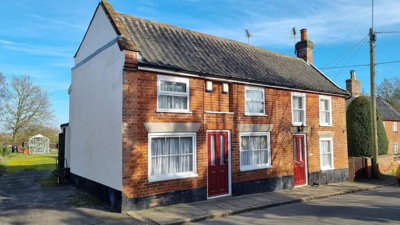
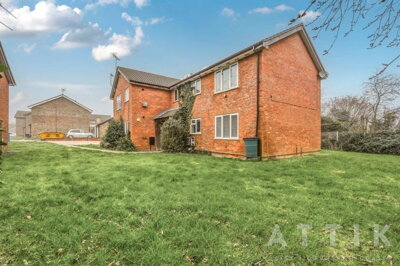
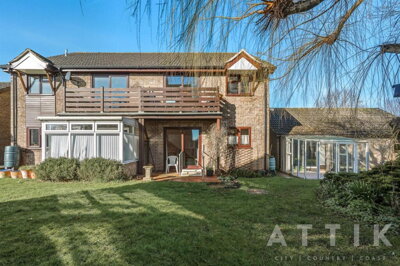
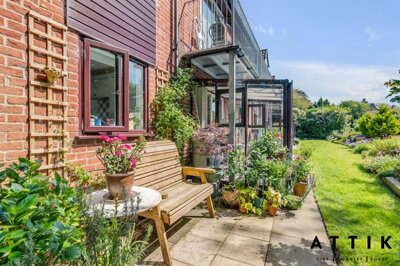
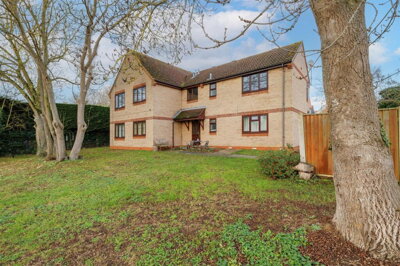
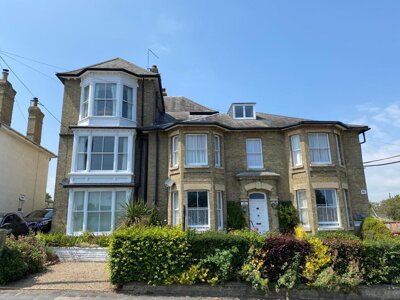
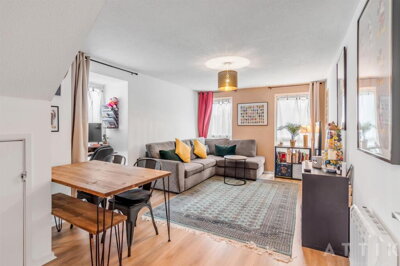
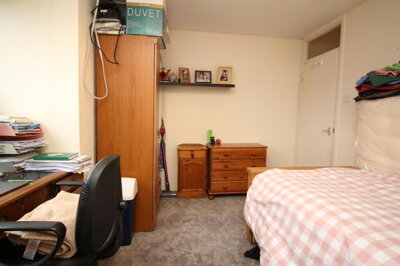
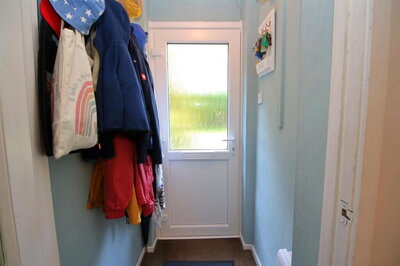
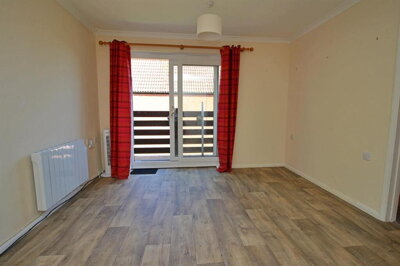
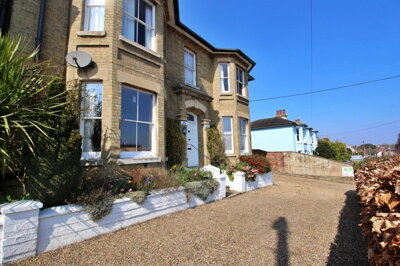
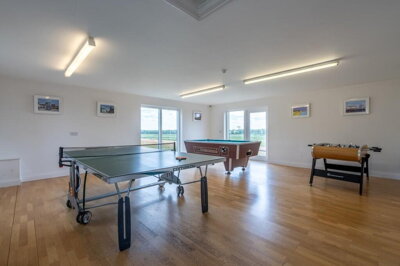
Browse 13 homes for sale in Wenhaston with Mells Hamlet from local estate agents.
Studio apartments feature open-plan living spaces without separate bedrooms, incorporating sleeping, living, kitchen, and bathroom facilities. The Wenhaston With Mells Hamlet studio market includes properties in modern apartment complexes, converted Victorian and Georgian buildings, and purpose-built developments.
The Little Finborough property market reflects its status as a sought-after rural village in Suffolk. Our data shows that detached homes command the highest prices, with the average detached property selling for £495,000. Semi-detached homes average £310,000, while terraced properties in the village start from around £265,000. This pricing structure indicates healthy demand across property types, with larger family homes attracting a premium from buyers seeking generous indoor and outdoor space.
Over the past 12 months, there have been 4 confirmed property sales in Little Finborough, a figure that aligns with the village's small-scale residential character. The modest transaction volume reflects the limited housing supply typical of smaller Suffolk parishes, where opportunities to purchase arise infrequently. For buyers, this means acting decisively when suitable properties appear on the market, as stock moves quickly among established local and commuter buyers who value the village's accessibility and peaceful environment.
The housing stock in Little Finborough is predominantly older construction, with the majority of properties likely dating from before 1945. This means many homes feature traditional building methods including solid wall construction, lime mortar pointing, and timber floor structures that differ substantially from modern cavity-wall properties. Buyers should understand that while these characterful homes offer considerable charm, they also require different maintenance approaches and may harbour defects that a professional survey would identify.

Little Finborough embodies the classic Suffolk village, offering residents a pace of life that has become increasingly rare in modern Britain. The population of 180 across 79 households creates an intimate community where neighbours often know one another by name. The village's agricultural heritage remains visible in the surrounding farmland, with country lanes and hedgerows defining the parish boundaries. For families and individuals seeking respite from urban congestion, noise, and the pressures of city living, this rural setting provides an genuinely restorative environment.
The demographics of Little Finborough skew towards established families and older residents who have roots in the area, alongside newcomers drawn by the village's charm and proximity to larger towns. The absence of flats in the local housing stock underscores the village's family-oriented character and the prevalence of larger properties suited to households requiring multiple bedrooms and garden space. Community life centres around the village hall and local parish activities, with residents typically travelling to nearby Stowmarket or Bury St Edmunds for supermarkets, healthcare appointments, and retail therapy.
The surrounding Mid Suffolk landscape offers excellent walking opportunities, with public footpaths crossing farmland and connecting to neighbouring villages. The area's geology, characterised by glacial till overlying Crag Group bedrock, produces the rolling terrain and productive agricultural land that define this part of Suffolk. Properties in the village predominantly feature traditional construction methods, including red brick, timber framing with weatherboarding, and slate or clay tile roofs, reflecting centuries of local building tradition.
The local economy surrounding Little Finborough remains primarily agricultural, with residents commonly commuting to larger towns including Stowmarket, Bury St Edmunds, and Ipswich for employment. Technology and logistics sectors centred around Cambridge and Ipswich are particularly accessible via the A14 corridor, attracting professionals who appreciate the village's countryside setting while maintaining career connections in these regional hubs.
Parents considering a move to Little Finborough will find that educational provision operates at a local rather than village level, with children typically attending primary schools in neighbouring communities. The surrounding Mid Suffolk area includes several primary schools serving rural parishes, with the nearest typically located within a 10-15 minute drive. Secondary education options include schools in Stowmarket and Bury St Edmunds, both of which are accessible via school transport or family travel.
For families prioritising educational achievement, the wider Suffolk region offers a selection of well-regarded secondary schools and sixth forms. Grammar schools in nearby towns provide academic pathways for students meeting entry criteria, while independent schooling options exist within reasonable travelling distance. Parents are advised to research specific school catchment areas and admission arrangements, as these can significantly influence property values and availability in surrounding villages. The rural location means that school transport logistics should form part of any property purchase planning.
Early years and childcare facilities are generally accessed through larger neighbouring villages or towns, where childminders and nurseries operate. Families relocating to Little Finborough often arrange childcare contracts with providers in Stowmarket, budgeting for the travel time involved. The village's small population means that formal childcare provision within the parish itself remains limited, a characteristic shared by many rural communities across Suffolk where service consolidation has occurred over recent decades.
When evaluating schools near Little Finborough, families should note that Suffolk County Council maintains detailed information on school performance tables, catchment boundaries, and admission policies. Primary school options in nearby villages such as Great Finborough, Onehouse, or Stowupland serve the local rural community, while secondary provision in Stowmarket includes Stowmarket High School and Stowmarket Sixth Form College. Transport arrangements for school-age children typically require private vehicle use or arranged school bus services.
Living in Little Finborough requires a car for everyday convenience, as is typical of rural Suffolk villages. The nearest major road connections include the A14, which runs through Stowmarket and provides access to Cambridge to the northwest and the port of Felixstowe to the southeast. This strategic route positions Little Finborough favourably for commuters working in the technology and logistics sectors centred around Cambridge and Ipswich. Journey times by car to Bury St Edmunds typically take around 25 minutes, while Stowmarket railway station is approximately 15 minutes away.
Stowmarket railway station offers regular services on the East Suffolk Line, with connections to Ipswich, where faster services to London Liverpool Street operate. The journey from Stowmarket to London takes approximately 90 minutes, making day commuting feasible for those with employer flexibility or hybrid working arrangements. For residents who require frequent rail travel, proximity to Stowmarket represents a significant practical advantage, and many buyers factor railway accessibility heavily when considering villages like Little Finborough.
Bus services in rural Mid Suffolk operate on limited timetables, typically serving village-to-town routes for market days and essential travel needs. Residents without private vehicles rely on community transport schemes or lift-sharing arrangements for regular journeys. Cycling infrastructure remains basic, with country lanes offering cycling routes to nearby towns for confident cyclists. For buyers accustomed to urban public transport networks, the rural transport reality of Little Finborough requires careful consideration and likely a household car or two.
Those working in Bury St Edmunds will find the A14 and A143 routes provide reasonable access, though journey times can vary depending on traffic conditions. Commuters to Ipswich typically use the A14 eastbound, while Cambridge-bound workers face a longer but manageable commute via the A14 northwest. The village's position relative to these major employment centres makes it attractive to professionals who value rural living but need reliable access to regional job markets.
Properties in Little Finborough require careful structural assessment due to the prevalence of older construction and local geology. The clay-rich soils underlying the village create potential for shrink-swell movement, particularly where mature trees draw moisture from the ground during dry periods. Buyers should pay close attention to any signs of subsidence, cracking to walls, or doors and windows that stick, as these may indicate foundation movement. A thorough RICS Level 2 Survey will highlight such concerns and allow you to negotiate repairs or price adjustments before completing.
Traditional building materials common to Suffolk villages, including solid wall construction, lime mortar, and timber framing, require different maintenance approaches compared to modern cavity-wall properties. Rising damp can affect older properties lacking modern damp-proof courses, while timber-framed structures may harbour woodworm or fungal decay if not adequately maintained. Verify that current owners have maintained these elements appropriately and budget for ongoing maintenance of character features that contribute to the village's visual appeal.
Roof condition represents another common area of concern in older Little Finborough properties. Slate and clay tile roofs, while highly durable, eventually require maintenance including replacement of broken tiles, repair of lead flashing, and treatment of timber rafters showing signs of decay. Our inspectors frequently identify issues with roof structures during surveys of properties in this age bracket, particularly where original materials have been supplemented with mismatched modern replacements.
Electrical and plumbing systems in pre-war properties frequently fall below current standards, requiring updating for safety and functionality. Properties with original wiring may need complete rewire before habitation, while lead pipes or outdated consumer units represent additional considerations for buyers. Given the village's older housing stock, we strongly recommend budgeting for potential electrical and plumbing works when purchasing a property in Little Finborough.
Flood risk in Little Finborough is generally low from rivers and coastal sources, reflecting the village's inland position away from major watercourses. However, localised surface water flooding can occur during periods of heavy rainfall, particularly where drainage infrastructure may be overwhelmed. The glacial till geology that underlies much of the surrounding farmland can create areas of poor drainage, especially in lower-lying parts of the parish.
Buyers should review the property's flood history and consider drainage patterns across the site before purchasing. The Environment Agency provides detailed flood risk maps that overlay property boundaries, allowing prospective purchasers to assess surface water and groundwater flood risk for specific plots. Properties near field boundaries or natural depressions may be more susceptible to surface water pooling during exceptional rainfall events.
No historical mining activity is recorded for the Little Finborough area, meaning mining-related subsidence does not present a significant concern for property buyers. Similarly, coastal erosion poses no risk given the village's inland position. The primary environmental consideration remains the clay geology and its potential impact on foundations, particularly for properties with nearby trees or where ground conditions have been altered by drainage works or construction activity.
Before purchasing in Little Finborough, spend time exploring the village at different times of day and week. Visit local amenities in nearby Stowmarket and Bury St Edmunds, and speak with residents to understand day-to-day living in this rural parish. Check flood risk reports and planning records for any properties you are considering. Understanding the village's character, including its limited local services and reliance on neighbouring towns for amenities, helps ensure the lifestyle fit is right for your household.
Arrange a mortgage agreement in principle before viewing properties. Given the higher average property values in Little Finborough, ensure your borrowing capacity matches detached home prices around £495,000 or semi-detached options from £310,000. Factor in stamp duty, solicitor fees, and moving costs when setting your budget. Speaking with a mortgage broker familiar with rural Suffolk properties can help navigate the sometimes-complex financing requirements for character homes in smaller villages.
Work with estate agents listing properties in the Little Finborough area to arrange viewings. Given the limited stock, be prepared to act quickly when suitable properties appear. Consider engaging a buyer's agent who knows the local market if you are not based locally. The low transaction volume means that properties in good condition attract multiple enquiries quickly, making financial readiness essential for competitive positioning.
Properties in Little Finborough are likely to include older construction with potential issues including damp, roof wear, timber defects, and potential foundation movement from clay soils. A RICS Level 2 Survey (homebuyer report) typically costs £400-900 depending on property size and value. This professional assessment identifies defects that may not be visible during viewings and provides detailed guidance on maintenance requirements for traditional construction methods common to the village.
Appoint a solicitor experienced in rural property transactions to handle the legal work. They will conduct local authority searches with Mid Suffolk District Council, check for planning restrictions affecting the property, and manage the transfer of ownership. Budget for conveyancing costs of £500-1500, with additional disbursements for local searches covering drainage, environmental factors, and any local development plans affecting the parish.
Once all surveys, searches, and mortgage arrangements are satisfactory, you will exchange contracts and pay your deposit. Completion typically follows within 2-4 weeks, at which point you receive the keys and take ownership of your new Little Finborough home. Given the village's tight-knit community, moving day coordination with neighbours and understanding of any shared responsibilities for lanes or verges represents good practice for new residents.
The average house price in Little Finborough stands at £398,000 as of February 2026, according to recent market data. Detached properties average £495,000, semi-detached homes £310,000, and terraced properties from £265,000. The market has shown stability with a 12-month price increase of 2.6%, reflecting continued demand for rural Suffolk property despite economic headwinds affecting national markets. This pricing reflects the village's desirable rural character and limited housing supply.
Properties in Little Finborough fall under Mid Suffolk District Council administration. Council tax bands range from A through to H, with actual banding depending on the property's assessed value. Most detached homes in the village would likely fall into bands D to F, while smaller terraced properties may attract bands B to D. Contact Mid Suffolk District Council or view the Valuation Office Agency banding records for specific properties to confirm the exact liability before purchasing.
Little Finborough itself has limited formal schooling provision due to its small village population. Primary schools in neighbouring villages serve the local area, with families typically travelling to Stowmarket, Bury St Edmunds, or surrounding parishes for school places. The nearest primary schools are located within a 10-15 minute drive, while secondary schools in Stowmarket and Bury St Edmunds are accessible by car or school transport. Parents should verify current catchment areas and admission arrangements with Suffolk County Council, as these can change and directly affect school place eligibility.
Public transport connections from Little Finborough are limited, reflecting its status as a small rural village. Bus services operate on reduced timetables, primarily serving village-to-town routes for essential travel and market days. The nearest railway station is Stowmarket, approximately 15 minutes by car, offering regular services to Ipswich and connections to London Liverpool Street with journey times around 90 minutes. Residents generally require private vehicles for daily commuting and essential travel, with cycling along country lanes providing an alternative for shorter journeys to neighbouring villages.
Little Finborough offers moderate investment potential for buyers prioritising lifestyle over high rental yields. The village's rural character, limited housing supply, and proximity to major towns and transport links support long-term property values. However, the small local population and absence of commercial amenities may limit rental demand to commuting professionals or those seeking countryside living. Capital appreciation has been modest at 2.6% annually, suggesting a stable rather than rapidly appreciating market. Properties with character features and traditional construction appeal to buyers seeking rural Suffolk living.
Stamp Duty Land Tax rates from April 2025 start at 0% on the first £250,000 of residential property purchases, rising to 5% on amounts between £250,001 and £925,000, 10% between £925,001 and £1.5 million, and 12% on anything above £1.5 million. First-time buyers benefit from relief on the first £425,000, paying 5% on the portion between £425,001 and £625,000. For a typical Little Finborough property at £398,000, standard buyers pay no stamp duty on the first £250,000 and 5% on the remaining £148,000, totalling £7,400, while first-time buyers would pay nothing on the first £425,000.
Given the village's predominantly older housing stock with traditional construction methods, a RICS Level 2 Survey represents the minimum recommended assessment for most purchases. However, properties that are listed or contain unusual construction may benefit from the more detailed RICS Level 3 Building Survey. Our inspectors assess issues common to Suffolk's older properties, including damp, timber defects, roof condition, and potential movement from clay soils. The report provides detailed findings that can inform purchase negotiations and future maintenance planning.
As a rural Suffolk parish, Little Finborough is likely to contain a number of listed buildings typical of villages with centuries of history. Listed buildings require careful consideration during purchase, as permitted development rights may be restricted and alterations require relevant approvals. Properties within listed designations would benefit from more detailed survey assessment, and buyers should understand the obligations and costs associated with maintaining historically significant structures before committing to purchase.
From £400
A RICS Level 2 Survey identifies defects in Little Finborough's older properties including damp, timber issues, and potential movement from clay soils
From 4.5% APR
Get expert mortgage advice tailored to rural Suffolk property purchases
From £499
Expert legal services for property transactions in Little Finborough and Mid Suffolk
From £85
Energy Performance Certificate required for all property sales in England
Budgeting accurately for your Little Finborough purchase requires consideration of costs beyond the property price itself. At the current average price of £398,000, most buyers benefit from the lower stamp duty bands, with standard purchasers paying nothing on the first £250,000. The portion between £250,001 and £398,000 attracts 5% stamp duty, resulting in a liability of £7,400. First-time buyers purchasing properties up to £425,000 would pay no stamp duty at all, representing meaningful savings for those eligible.
Solicitor and conveyancing costs typically range from £500 to £1,500 depending on complexity and whether the property is freehold or leasehold. Local search fees with Mid Suffolk District Council and Suffolk County Council generally cost £200-400, with additional searches for drainage, environmental, and planning matters. A RICS Level 2 Survey for a detached property in Little Finborough would typically cost between £450 and £800, while larger homes may require higher fees reflecting the additional inspection time involved.
Other costs to budget include removal expenses, which vary based on distance and volume of belongings, as well as Land Registry fees for registering your ownership. If you require a mortgage, arrangement fees of £500-2,000 may apply depending on your lender, though these can sometimes be added to the loan amount. Building insurance should be in place from the point of completion, protecting your investment against unforeseen damage. Careful budgeting across these elements ensures a smoother transaction when purchasing your new Little Finborough home.

Properties for Sale In London

Properties for Sale In Plymouth

Properties for Sale In Liverpool

Properties for Sale In Glasgow

Properties for Sale In Sheffield

Properties for Sale In Edinburgh

Properties for Sale In Coventry

Properties for Sale In Bradford

Properties for Sale In Manchester

Properties for Sale In Birmingham

Properties for Sale In Bristol

Properties for Sale In Oxford

Properties for Sale In Leicester

Properties for Sale In Newcastle

Properties for Sale In Leeds

Properties for Sale In Southampton

Properties for Sale In Cardiff

Properties for Sale In Nottingham

Properties for Sale In Norwich

Properties for Sale In Brighton

Properties for Sale In Derby

Properties for Sale In Portsmouth

Properties for Sale In Northampton

Properties for Sale In Milton Keynes

Properties for Sale In Bournemouth

Properties for Sale In Bolton

Properties for Sale In Swansea

Properties for Sale In Swindon

Properties for Sale In Peterborough

Properties for Sale In Wolverhampton

Enter your details to see if this property is within your budget.
Loans, cards, car finance
Estimated property budget
Borrowing + deposit
You could borrow between
Typical borrowing
Monthly repayment
Est. at 4.5%
Loan-to-value
This is an estimate only. Your actual budget may vary depending on interest rates, credit history, and personal circumstances. For an accurate affordability assessment, speak to one of our free mortgage advisors.
This calculator provides estimates for illustrative purposes only and does not constitute financial advice. Your home may be repossessed if you do not keep up repayments on your mortgage. Estimates based on 4.5% interest rate, repayment mortgage. Actual rates depend on your circumstances.
Homemove is a trading name of HM Haus Group Ltd (Company No. 13873779, registered in England & Wales). Homemove Mortgages Ltd (Company No. 15947693) is an Appointed Representative of TMG Direct Limited, trading as TMG Mortgage Network, which is authorised and regulated by the Financial Conduct Authority (FRN 786245). Homemove Mortgages Ltd is entered on the FCA Register as an Appointed Representative (FRN 1022429). You can check registrations at NewRegister or by calling 0800 111 6768.

We use cookies to show you personalised content and improve your experience of our website. Find out more in our Privacy policy and Cookie policy.