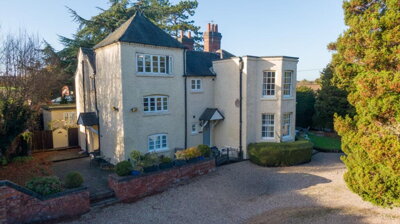
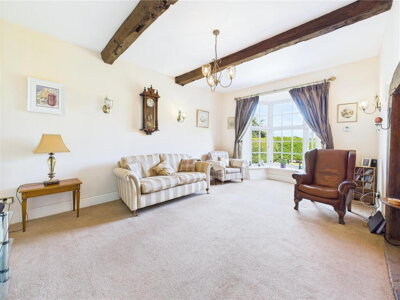
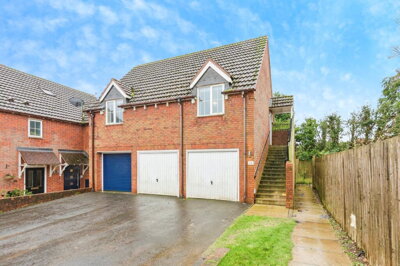
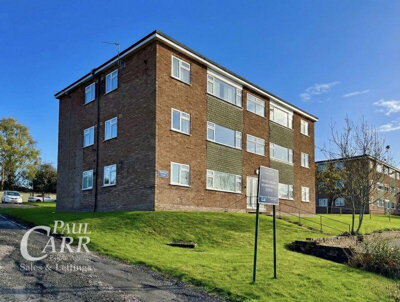
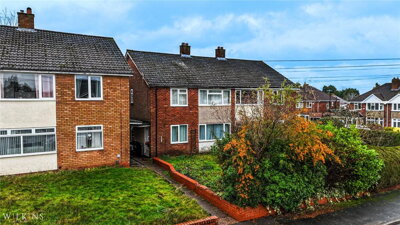
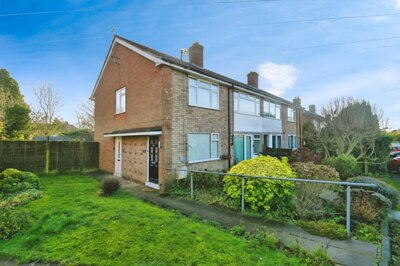
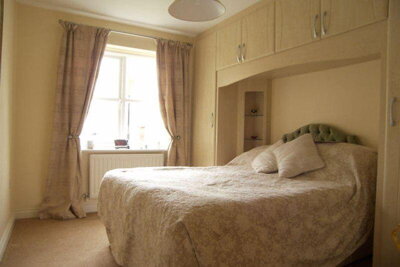
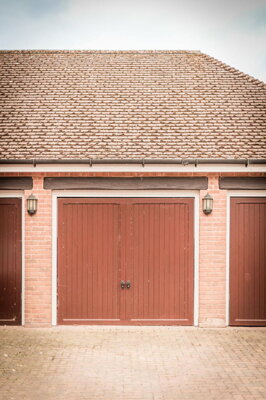
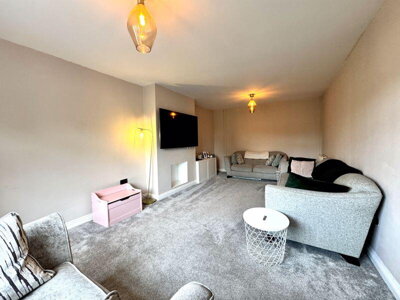
Browse 9 homes for sale in Weeford, Lichfield from local estate agents.
Studio apartments feature open-plan living spaces without separate bedrooms, incorporating sleeping, living, kitchen, and bathroom facilities. The Weeford studio market includes properties in modern apartment complexes, converted Victorian and Georgian buildings, and purpose-built developments.
£0k
0
0
0
Source: home.co.uk
Showing 0 results for Studio Flats for sale in Weeford, Lichfield.
The Farlington property market demonstrates the characteristics of a stable suburban housing area, with property prices showing modest adjustment over the past twelve months. The overall average stands at £391,332, representing a slight decrease of 1.77 percent compared to the previous year. Detached properties continue to command the highest values at approximately £588,683, reflecting the premium associated with larger gardens and greater privacy that such homes offer. Semi-detached properties, which form a substantial portion of the local housing stock at 35-40 percent, average around £380,000 and remain popular among families seeking generous living space without the higher costs of detached alternatives.
Terraced properties in Farlington offer an accessible entry point to the local market at approximately £305,000, making them particularly attractive to first-time buyers and investors. Flats represent the most affordable segment at around £195,000, though this sector has experienced the most significant price correction with a decline of 3.80 percent over the past year. The housing stock composition reflects the area's development history, with substantial proportions built during the post-war expansion period between 1945 and 1980. Properties from this era account for a significant portion of available homes and often present excellent value for buyers willing to undertake modest modernisation works.
Price trends across different property types reveal a market in cautious adjustment, with terraced properties showing the most significant annual decline at 2.40 percent. Semi-detached homes have decreased by 1.30 percent, while detached properties experienced a more modest correction of 0.83 percent. These variations suggest that buyers in Farlington currently benefit from negotiating conditions that favour careful evaluation of individual properties over rushed purchasing decisions. The relative stability of the market compared to more volatile urban centres makes Farlington an attractive prospect for buyers prioritising long-term value over speculative gains.

Farlington benefits from a rich blend of natural and built environments that contribute to its appeal as a residential location. The area encompasses approximately 8,700 residents across 3,700 households, creating a community scale that maintains neighbourly character while offering comprehensive local amenities. Farlington Marshes and its surrounding conservation area represent significant environmental assets, providing residents with access to coastal landscapes and wildlife habitats that enhance the quality of everyday life. The historic village centre, featuring listed buildings including St Andrew's Church, anchors the community's sense of identity and provides architectural interest that distinguishes Farlington from more uniform suburban developments.
The character of Farlington reflects its evolution from a traditional village into a suburban district, with traditional brick construction in red and brown tones characterising many properties alongside rendered finishes that add visual variety to residential streets. The predominant construction method for properties built after 1920 is traditional cavity wall construction, which provides good thermal performance when maintained properly. Timber roof trusses and suspended timber floors are common features in these properties, though buyers should be aware that such construction elements require periodic inspection and maintenance to ensure structural integrity over time. The proximity to Langstone Harbour and the Solent coast provides recreational opportunities including sailing, birdwatching, and coastal walks that attract residents to the area.
Local shopping facilities, pubs, and community services cater to everyday needs, while the nearby Portsmouth retail parks and city centre offer extended choices for dining, entertainment, and specialist shopping. The blend of established residential streets, access to green spaces, and practical amenities creates a living environment that appeals to diverse buyer profiles from young professionals to established families. For buyers considering investment potential, the combination of stable employment bases in healthcare and maritime sectors, combined with strong transport connections, supports consistent demand for rental accommodation in the area. This economic foundation helps sustain property values even during broader market fluctuations, providing confidence for long-term holding strategies.

For secondary education, students from Farlington access schools across the Portsmouth area, with several options available that serve the local community including Trafalgar School and King Richard School. Sixth form and further education opportunities are readily accessible through Portsmouth College and sixth form facilities at nearby secondary schools, providing clear progression pathways for students completing their secondary education. The proximity to the University of Portsmouth adds a further dimension for families considering the longer-term educational trajectory of their children, with higher education options available locally. When purchasing property in Farlington, families should verify current school Ofsted ratings and admission policies, as these can change and directly impact the educational journey of children in the household.
Farlington enjoys excellent transport connectivity that makes it attractive to commuters working across the South Hampshire and wider southern England region. The area sits conveniently close to the A27, providing direct access to Portsmouth city centre, Southampton, and the major employment zones along the south coast. The A3(M) offers additional route options, connecting residents to the A3 trunk road and providing onward access to London and the motorway network beyond. These road connections mean that residents can reach major employment centres without necessarily requiring the stress and cost of city centre living, capturing the value proposition that makes Farlington popular among commuters.
Rail services from nearby stations provide access to the national rail network, with regular connections to London and other major destinations that serve the commuting population. Portsmouth's rail hub offers services to London Waterloo with journey times that make day commuting feasible for those working in the capital. Locally, bus services connect Farlington to the wider Portsmouth area, providing options for those who prefer not to drive for daily travel. For residents working from home or making occasional journeys, the combination of road and rail access from Farlington positions the area well within the regional transport network, reducing the practical barriers that can limit employment opportunities in more isolated locations.
Begin by exploring Farlington's property market in detail, understanding the price ranges for different property types and neighbourhoods. With detached homes averaging £588,683 and terraced properties around £305,000, establishing a realistic budget aligned with your financial position is essential before commencing your search. Consider the additional costs associated with older properties, including potential maintenance requirements for homes built during the post-war expansion period between 1945 and 1980.
Before viewing properties, obtain a mortgage agreement in principle from a lender to confirm your borrowing capacity. This strengthens your position when making offers and demonstrates to sellers that you are a serious, prepared buyer with financing already considered. Factor in the current interest rate environment and explore fixed-rate versus variable-rate options that suit your financial circumstances and risk tolerance.
Visit a selection of properties across your target price range to understand what Farlington offers at different levels. Pay attention to the condition of properties, as many homes in the area date from the 1945-1980 period and may require maintenance or modernisation work. Take notes on property condition, ask about the age of key systems such as heating and electrical installations, and assess the exterior condition including roof coverings and chimney stacks.
Once your offer is accepted, arrange a RICS Level 2 Survey to assess the property condition thoroughly. Given the prevalence of London Clay geology in Farlington, the survey should specifically examine foundations and any signs of subsidence or movement. For properties showing significant defects or those of non-standard construction, a more detailed RICS Level 3 Building Survey may prove more appropriate despite the higher investment.
Appoint a solicitor to handle the legal aspects of your purchase, including property searches, contract review, and registration at the Land Registry. Local conveyancing experience with Farlington properties ensures familiarity with area-specific considerations including flood risk and conservation area requirements. The solicitor will conduct searches related to planning, building regulations, environmental conditions, and any local authority notices that affect the property.
Once all searches are satisfactory and financing is confirmed, proceed to exchange contracts and pay your deposit. Completion typically follows within weeks, at which point you receive the keys to your new Farlington home. Arrange for buildings insurance to commence from the completion date and plan your move logistics well in advance to avoid last-minute complications.
Property buyers in Farlington should pay particular attention to the geological conditions that affect the area, as the underlying London Clay presents specific considerations for property condition and maintenance. The shrink-swell potential of this clay formation means that properties with shallow foundations or those situated near mature trees may show signs of movement over time. When viewing properties, look for cracks in walls, doors that stick or fail to close properly, and other indicators of potential subsidence issues. A thorough RICS Level 2 Survey becomes particularly valuable in Farlington given these ground conditions, providing professional assessment of structural integrity and any remedial works that may be required.
Damp issues represent one of the most common defects identified in Farlington's older property stock, particularly properties built before 1980. Rising damp occurs when moisture travels up through brick or stone walls through capillary action, while penetrating damp results from defective render, damaged guttering, or deteriorated window frames allowing water ingress. Condensation-related issues often affect properties with inadequate ventilation, particularly in kitchens and bathrooms where moisture generation is highest. During viewings, inspect walls for visible staining, peeling paint, or swollen skirting boards that may indicate ongoing damp problems requiring attention.
The condition of roof coverings and associated elements merits careful examination across Farlington's housing stock. Many properties dating from the mid-twentieth century feature clay or concrete roof tiles that show wear over time, with individual tiles becoming cracked, slipped, or requiring replacement. Lead flashings around chimneys and roof junctions commonly deteriorate with age, leading to water penetration at these vulnerable points. Guttering and downpipe systems require inspection for blockages, damage, or inadequate capacity that could contribute to damp problems affecting walls and foundations. Timber elements including roof trusses and fascias should be checked for signs of woodworm infestation or rot that compromises structural integrity.
Electrical and plumbing systems in Farlington's older properties frequently require assessment and potential upgrading. Properties constructed before the 1970s often retain original wiring that fails to meet current electrical safety standards, with fabric-covered cables and outdated consumer units representing potential fire hazards. Galvanised steel or lead water pipes found in some older properties may be approaching the end of their serviceable life and could require replacement with modern copper or plastic alternatives. Heating systems in mid-century properties may be original or poorly maintained, representing both an inefficiency concern and a potential safety issue that buyers should investigate thoroughly before purchase.
The overall average house price in Farlington stands at approximately £391,332 based on recent market data from the PO6 postcode area. Detached properties average around £588,683, semi-detached homes at £380,000, terraced properties at £305,000, and flats at £195,000. The market has experienced slight price corrections over the past twelve months, with the overall figure decreasing by 1.77 percent and terraced properties showing the largest adjustment at 2.40 percent. These figures represent current values in the Farlington property market and provide a useful benchmark for buyers establishing their budget and expectations when searching for homes for sale in Farlington.
Properties in Farlington fall under Portsmouth City Council's jurisdiction for council tax purposes. Bands range from A through to H, with the specific band determined by the valuation of the individual property. Most standard three-bedroom semi-detached properties in Farlington typically fall within bands B to D, while larger detached homes may attract higher bands E through G. Buyers should verify the council tax band for any specific property during the conveyancing process, as this annual charge forms part of the ongoing cost of homeownership. Current Portsmouth City Council rates for band D properties are approximately £1,900 per year, though this figure should be confirmed with the local authority as bands and rates are subject to annual review.
Farlington provides access to primary and secondary education through schools within the Portsmouth area, with several establishments serving the local community including Furringdon Primary School and Spring School for younger children. Families should research individual school performance data and Ofsted ratings to identify the most suitable options for their children, as ratings can change over time and directly affect educational outcomes. School catchment areas can significantly influence which establishments a child can access, making this an important consideration when selecting a property in Farlington. The proximity to the University of Portsmouth also provides higher education opportunities for older students within reasonable travelling distance, while Portsmouth College offers further education pathways for students completing secondary school.
Farlington benefits from good transport connectivity through bus services that connect the area to Portsmouth city centre and surrounding suburbs, including regular services along the main routes through the PO6 postcode area. Rail services from nearby Portsmouth stations provide access to the national rail network, with regular trains to London Waterloo taking approximately 90 minutes to two hours depending on the service. The A27 and A3(M) roads provide direct access for car travel to major employment centres along the south coast including Southampton, Chichester, and beyond to the motorway network. Residents without vehicles can access essential services and commuting options through these public transport connections, making Farlington practical for those who prefer alternatives to car ownership.
Farlington offers several characteristics that make it attractive for property investment, including its proximity to major employment centres, good transport links, and diverse housing stock that appeals to various tenant profiles. The area's connection to the Queen Alexandra Hospital and other major employers ensures ongoing demand for rental properties from professionals working in the healthcare and maritime sectors. Property prices have shown relative stability with modest adjustments rather than dramatic fluctuations, suggesting a market that rewards patient investors seeking long-term capital growth. However, prospective buyers should consider specific factors including flood risk for certain properties near Langstone Harbour, the condition of older housing stock that may require maintenance investment, and the proportion of leasehold versus freehold properties available.
Stamp Duty Land Tax rates for residential property purchases in England start at zero percent on the first £250,000 of purchase price, rising to 5 percent on the portion between £250,001 and £925,000, 10 percent up to £1.5 million, and 12 percent on any amount exceeding £1.5 million. First-time buyers benefit from increased thresholds, paying zero percent on the first £425,000 and 5 percent between £425,001 and £625,000, though no relief applies above £625,000. For a typical Farlington property at the average price of £391,332, a standard buyer would pay no stamp duty on the first £250,000 and 5 percent on the remaining £141,332, totalling £7,067 before any applicable reliefs.
The primary risk factors for property buyers in Farlington relate to ground conditions, flood exposure, and the age of the housing stock. London Clay geology creates shrink-swell subsidence risk, particularly for properties with shallow foundations or those situated near mature trees that extract moisture from the soil during dry periods. Coastal flooding affects areas closer to Langstone Harbour, while surface water flooding can occur during heavy rainfall events due to urban drainage capacity limitations. A significant proportion of Farlington's properties date from the 1945-1980 period, meaning many homes may require updating of electrical systems, plumbing, insulation, and other elements that have reached or exceeded their expected service life.
From £400
Professional survey assessing property condition, ideal for standard properties in Farlington's housing stock
From £600
Comprehensive building survey for older or non-standard properties requiring detailed assessment
From 3.99%
Competitive mortgage rates for Farlington property purchases
From £499
Solicitors experienced in Farlington property transactions
Understanding the full costs of purchasing property in Farlington enables buyers to budget accurately and avoid financial surprises during the transaction process. Beyond the property purchase price, buyers should account for Stamp Duty Land Tax, which for a property at the Farlington average price of £391,332 would amount to approximately £7,067 for a standard buyer not claiming first-time buyer relief. Solicitor fees for conveyancing typically range from £500 to £1,500 depending on the complexity of the transaction and whether the property is leasehold or freehold. Survey costs for a RICS Level 2 Survey range from £400 to £700 depending on property size, with the local market data suggesting an average of around £450-550 for a typical three-bedroom Farlington home.
Additional costs to factor into your budget include mortgage arrangement fees, which can range from zero to around £2,000 depending on the lender and product chosen, as well as valuation fees that lenders may require. Land Registry registration fees for transferring ownership cost around £200-500 depending on the property price. For properties in Farlington's conservation area or those with particular characteristics, specialist surveys such as a RICS Level 3 Building Survey may be advisable, which typically costs from £600 upwards but provides comprehensive assessment suitable for older or historic properties. Building insurance must be in place from the point of completion, and buyers should also budget for moving costs and any immediate works required to make the property habitable. Careful financial planning for these expenses ensures a smoother path to completing your Farlington property purchase.
Properties for Sale In London

Properties for Sale In Plymouth

Properties for Sale In Liverpool

Properties for Sale In Glasgow

Properties for Sale In Sheffield

Properties for Sale In Edinburgh

Properties for Sale In Coventry

Properties for Sale In Bradford

Properties for Sale In Manchester

Properties for Sale In Birmingham

Properties for Sale In Bristol

Properties for Sale In Oxford

Properties for Sale In Leicester

Properties for Sale In Newcastle

Properties for Sale In Leeds

Properties for Sale In Southampton

Properties for Sale In Cardiff

Properties for Sale In Nottingham

Properties for Sale In Norwich

Properties for Sale In Brighton

Properties for Sale In Derby

Properties for Sale In Portsmouth

Properties for Sale In Northampton

Properties for Sale In Milton Keynes

Properties for Sale In Bournemouth

Properties for Sale In Bolton

Properties for Sale In Swansea

Properties for Sale In Swindon

Properties for Sale In Peterborough

Properties for Sale In Wolverhampton

Enter your details to see if this property is within your budget.
Loans, cards, car finance
Estimated property budget
Borrowing + deposit
You could borrow between
Typical borrowing
Monthly repayment
Est. at 4.5%
Loan-to-value
This is an estimate only. Your actual budget may vary depending on interest rates, credit history, and personal circumstances. For an accurate affordability assessment, speak to one of our free mortgage advisors.
This calculator provides estimates for illustrative purposes only and does not constitute financial advice. Your home may be repossessed if you do not keep up repayments on your mortgage. Estimates based on 4.5% interest rate, repayment mortgage. Actual rates depend on your circumstances.
Homemove is a trading name of HM Haus Group Ltd (Company No. 13873779, registered in England & Wales). Homemove Mortgages Ltd (Company No. 15947693) is an Appointed Representative of TMG Direct Limited, trading as TMG Mortgage Network, which is authorised and regulated by the Financial Conduct Authority (FRN 786245). Homemove Mortgages Ltd is entered on the FCA Register as an Appointed Representative (FRN 1022429). You can check registrations at NewRegister or by calling 0800 111 6768.

We use cookies to show you personalised content and improve your experience of our website. Find out more in our Privacy policy and Cookie policy.