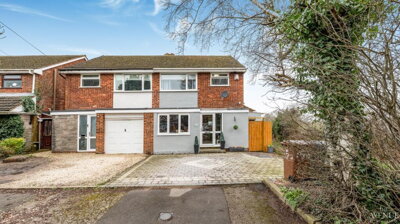
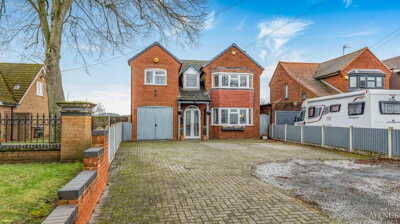
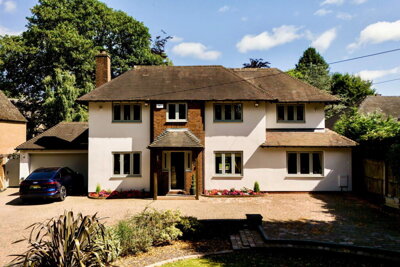
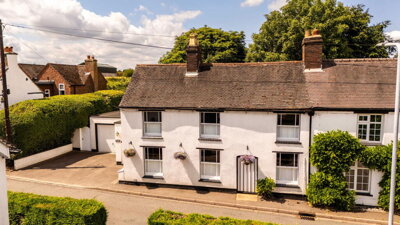
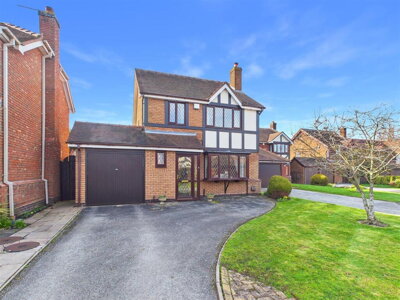
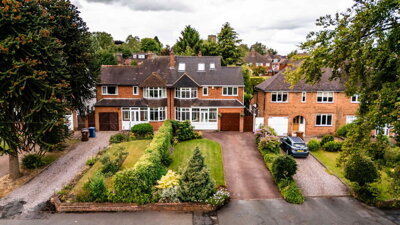
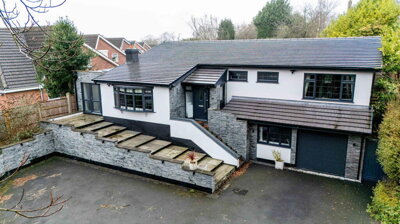
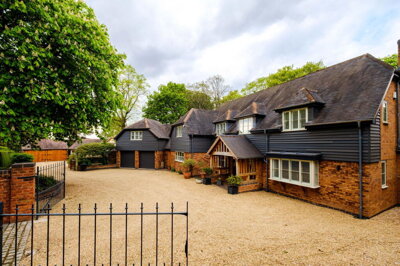
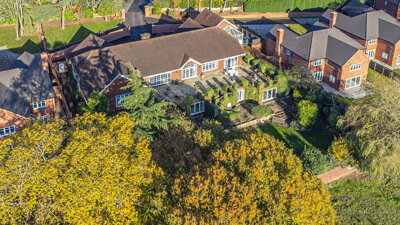
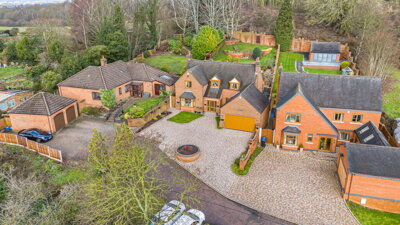
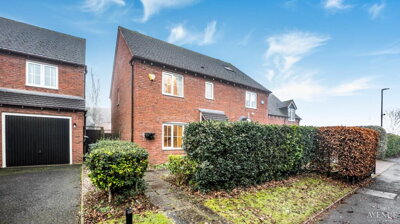
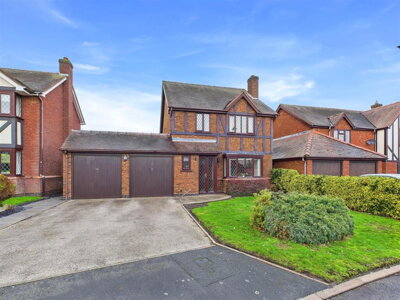
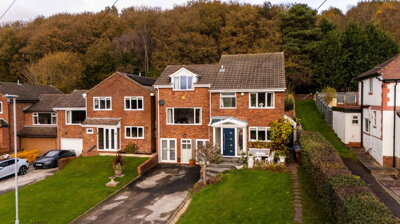
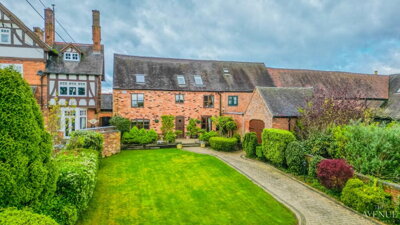
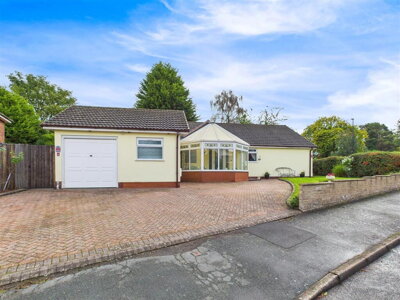
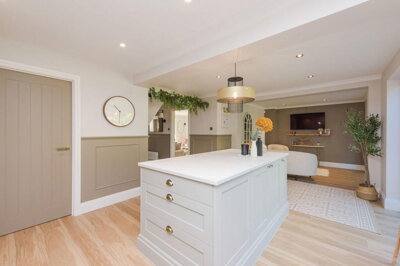
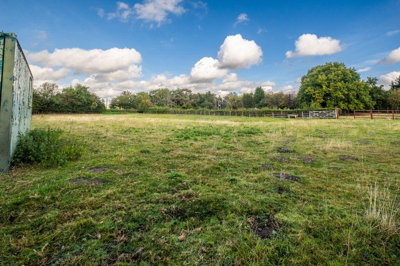
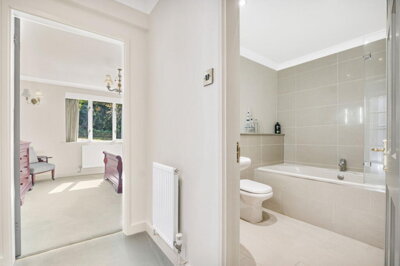
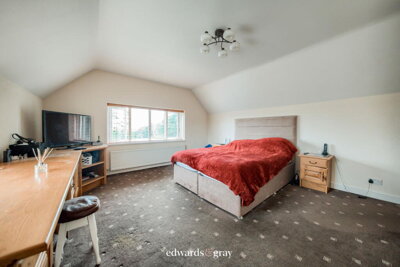
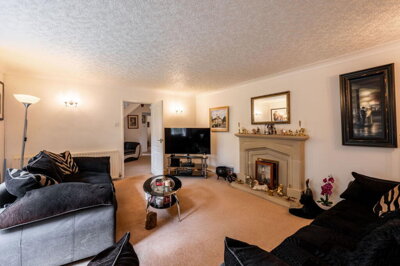
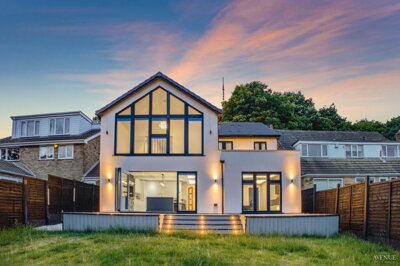
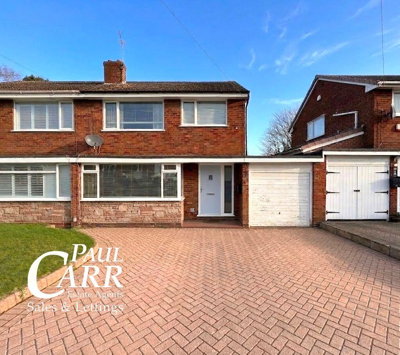
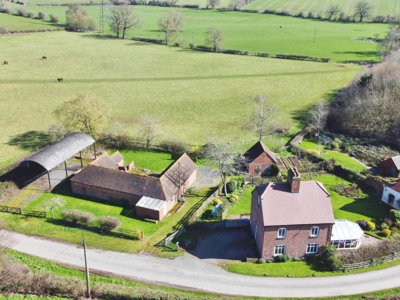
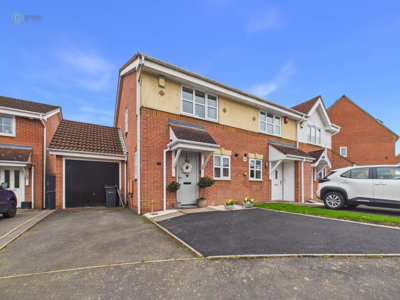
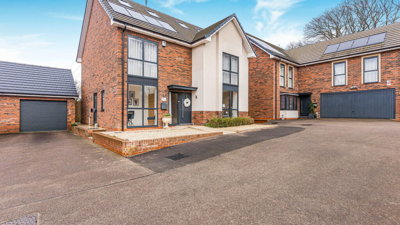
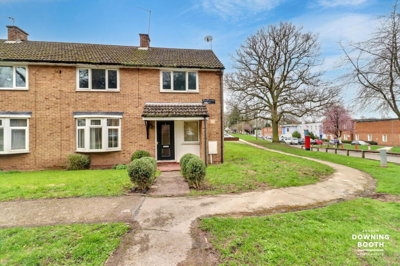
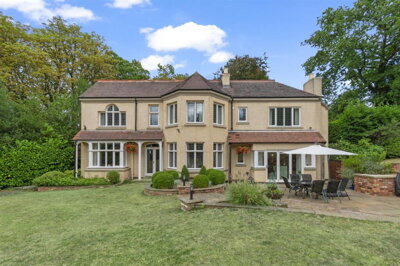
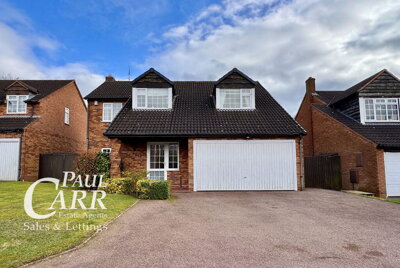
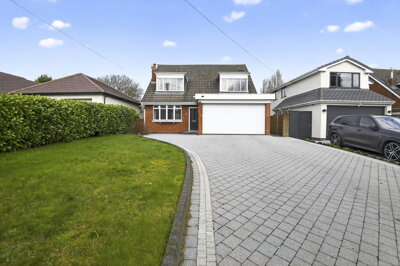
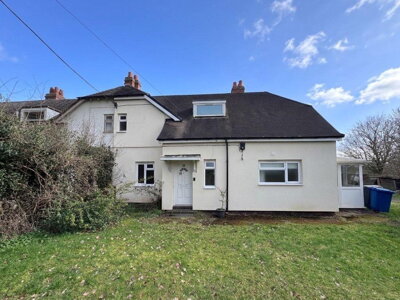
Browse 126 homes for sale in Weeford, Lichfield from local estate agents.
The Weeford property market offers detached, semi-detached, and terraced houses spanning various price ranges and neighbourhoods. Each listing includes detailed property information, photographs, and direct contact with the marketing agent.
£685k
2
0
123
Source: home.co.uk
Showing 2 results for Houses for sale in Weeford, Lichfield. The median asking price is £685,000.
Source: home.co.uk
Detached
1 listings
Avg £995,000
Semi-Detached
1 listings
Avg £375,000
Source: home.co.uk
Source: home.co.uk
Farlington's property market has demonstrated remarkable resilience over the past year, with 198 sales completed in the PO6 postcode area. The overall average property price stands at £391,332, reflecting a modest annual decline of 1.77%. This slight softening presents opportunities for buyers who may find slightly better negotiating positions compared to the heated markets of nearby Portsmouth city centre. The market benefits from strong local demand driven by the area's excellent schools, convenient transport links, and comprehensive local amenities.
Property types in Farlington cater to a wide spectrum of buyers. Detached homes command the highest prices, averaging £588,683, appealing to families seeking generous living space and larger gardens. Semi-detached properties, which form a significant proportion of the housing stock at 35-40%, average around £380,000 and represent excellent value for money for growing families. Terraced properties from £305,000 offer an accessible entry point to the local market, while flats averaging £195,000 provide options for first-time buyers and investors. The variety of property types ensures that downsizers, upsizers, and first-time buyers can all find suitable accommodation within the area.
Looking at price trends by property type, each segment has shown different patterns over the past year. Detached properties have proven the most resilient with a decline of just 0.83%, suggesting continued strong demand for larger family homes in desirable locations like Farlington. Semi-detached properties have seen a 1.30% annual decline, while terraced homes have softened by 2.40%. Flats have experienced the most significant adjustment at 3.80%, which may present opportunities for investors or first-time buyers seeking to enter the market at a more accessible price point.

Farlington offers a welcoming community atmosphere that distinguishes it from the busier Portsmouth suburbs. The population of approximately 8,700 residents across 3,700 households creates a close-knit neighbourhood feel while still providing all the essential services residents need. The area combines residential streets with good local shops, cafes, and essential services, making everyday life convenient without the need to travel into the city centre. Farlington maintains a family-oriented character with several parks and green spaces providing recreational opportunities for children and adults alike.
The area's history is preserved through its Conservation Area, which encompasses the historic Farlington Marshes and parts of the old village. St Andrew's Church and several other listed buildings stand as reminders of the area's heritage, adding architectural interest and character to the neighbourhood. The proximity to Farlington Marshes provides residents with access to important wildlife habitats and scenic walking routes, while the nearby coast at Langstone Harbour offers opportunities for birdwatching and coastal walks. This blend of history, natural beauty, and modern convenience makes Farlington an appealing place to call home.
The housing stock in Farlington reflects the area's development over many decades. A significant proportion of properties were built during the inter-war and post-war periods between 1919 and 1980, giving many streets their characteristic semi-detached and terraced appearance. Traditional brick construction in red or brown tones, often with rendered finishes, defines the visual character of these established neighbourhoods. Some properties in the older village centre predate 1919, while more recent additions include smaller infill developments constructed after 1980. This variety in property ages means that buyers should consider the specific construction period when assessing maintenance needs and potential defects.

Education is a significant driver of property demand in Farlington, with the area served by several well-regarded primary and secondary schools. Parents will find a good selection of educational establishments within easy reach, making Farlington particularly popular among families with children of all ages. The local schools benefit from strong community support and have established reputations for academic achievement and pastoral care. Many families choose to relocate to Farlington specifically to access these educational opportunities, and proximity to good schools remains a key factor influencing property values throughout the area.
For secondary education, pupils in Farlington typically attend schools in the wider Portsmouth area, with several good options available within reasonable travelling distance. The area's proximity to Portsmouth means that students have access to excellent sixth-form provision and further education colleges, including those in the city centre. Parents researching schools should verify current catchment areas and admissions criteria with the local education authority, as these can change and may affect school placement eligibility. The school admission process can be competitive in popular areas, so buyers with school-age children should research current arrangements before committing to a purchase.
Beyond school-age education, Farlington's proximity to the University of Portsmouth and other higher education facilities adds to the area's appeal for families planning for the future. Further education options including vocational courses and apprenticeships are available through colleges in the wider Portsmouth area, providing pathways for students of all ages and aspirations.
Farlington boasts excellent transport connections that make it ideal for commuters working in Portsmouth, Southampton, or further afield. The A27 provides direct access to Portsmouth city centre and the M27 motorway network, connecting residents to Southampton and the wider south coast. The A3(M) offers a direct route northward, giving access to Petersfield and the A3 trunk road towards London. This strategic positioning means that major employment centres, shopping destinations, and transport hubs are all within easy reach.
Public transport options include regular bus services connecting Farlington to Portsmouth city centre, Cosham railway station, and surrounding areas. Cosham station provides rail connections to Portsmouth Harbour, Southampton, and major cities including London Waterloo. Journey times to London Waterloo via Portsmouth Harbour typically take around 2 hours, making Farlington a viable option for commuters who work in the capital but prefer a more affordable location than many London suburbs. The comprehensive road and rail network ensures that residents can enjoy the benefits of semi-rural living while maintaining convenient access to urban employment and leisure facilities.
For those who drive to work, parking provision varies throughout Farlington depending on the specific street and property type. Older properties may have limited off-street parking, while more recent developments often include dedicated parking spaces. Buyers who require guaranteed parking should factor this into their property search and check parking arrangements before making an offer on any property in the area.
Spend time exploring Farlington's different neighbourhoods, checking local amenities, commute times to work, and proximity to schools. Our detailed area guides and property listings can help you understand what each part of Farlington offers. Consider visiting at different times of day and on weekends to get a genuine feel for the community atmosphere and any potential noise or traffic issues.
Contact a mortgage broker or lender to obtain an Agreement in Principle before you start viewing properties. This strengthens your position when making offers and shows sellers you are a serious, financially-prepared buyer. Given current average property prices in Farlington of around £391,332, understanding your borrowing capacity early helps narrow your search to properties within budget.
Use Homemove to browse all available properties in Farlington and book viewings through our partner estate agents. Take notes and photographs during viewings to help compare properties later. Pay attention to property condition during viewings, noting any signs of damp, structural issues, or areas that may require future maintenance investment.
Once your offer is accepted, instruct a RICS Level 2 Survey (Homebuyer Report) to assess the property condition. In Farlington, these typically cost £400-£700 depending on property size. The underlying London Clay geology makes professional surveys particularly valuable, as clay shrink-swell can affect foundations over time. Our inspectors are experienced in identifying defects common to Farlington's housing stock.
Appoint a conveyancing solicitor to handle the legal aspects of your purchase, including searches, contracts, and registration. Our conveyancing partners offer competitive rates for Farlington properties. Your solicitor will conduct local authority searches through Portsmouth City Council and environmental searches relevant to the specific location.
After satisfactory survey and searches, your solicitor will arrange contracts and coordinate completion. On completion day, you receive the keys and become the proud owner of your new Farlington home. Remember to arrange buildings insurance from the date of exchange, as you become legally responsible for the property at that point.
Understanding the common issues affecting properties in Farlington helps buyers prioritise their survey requirements and budget for potential repairs. The predominant housing stock, built largely between 1919 and 1980, shares typical defects associated with properties of that era. Our inspectors regularly encounter damp issues in these properties, including rising damp caused by failed or missing damp-proof courses, penetrating damp resulting from degraded pointing or render, and condensation problems in areas with inadequate ventilation.
Roof condition represents another frequent area of concern in Farlington properties. Many homes built before 1980 feature clay or concrete tile roofs that show wear over decades of exposure to weather. Defective lead flashings around chimneys, valleys, and penetrations commonly allow water ingress that may not become apparent until significant damage has occurred. Our surveyors check gutters, fascias, and soffits as part of any RICS Level 2 assessment, identifying maintenance needs before they develop into costly repairs.
The London Clay geology underlying Farlington presents specific challenges that buyers should understand. Clay soils shrink during dry periods and swell when wet, creating ground movement that can stress foundations. Properties with shallow foundations, particularly those near mature trees, may show signs of subsidence or heave including cracking to walls and doors or windows sticking in their frames. A thorough structural assessment forms a key part of any survey in Farlington, and our inspectors know exactly what signs of movement to look for in properties on this geology.
Electrical and plumbing systems in properties built before the 1970s often require attention. Original wiring may use materials no longer considered safe, and consumer units may lack modern circuit protection. Similarly, older pipework including galvanised steel or even lead supply pipes may need replacement. Our RICS Level 2 Surveys include assessment of services, flagging any concerns that require further investigation by qualified electricians or plumbers before completion.
Buyers considering properties in Farlington should be aware of the local geology and its implications for property condition. The area is underlain by London Clay Formation, which presents a moderate to high shrink-swell risk that can affect properties with shallow foundations, particularly those near mature trees. Before purchasing, arrange for a thorough structural survey that specifically assesses foundation conditions and any signs of subsidence or ground movement. Properties in the older parts of Farlington, particularly those near the Conservation Area, may have historic construction methods that require specialist attention.
Flood risk should also factor into your purchasing decision. While Farlington is not significantly affected by major river flooding, coastal areas near Langstone Harbour and Farlington Marshes carry coastal flood risk, and surface water flooding can occur during heavy rainfall across the wider area. Review the Environment Agency flood maps and check with your surveyor about any history of flooding at the specific property. Properties in designated flood risk zones may require additional insurance considerations and flood resilience measures. A RICS Level 2 Survey will identify any existing water damage or damp issues that may be costly to remedy.
Properties within the Farlington Conservation Area or those that are listed buildings require particularly careful consideration. These properties often have unique construction methods and materials that require specialist assessment beyond a standard survey. If you are considering a heritage property, we recommend a RICS Level 3 Building Survey that provides detailed analysis of historic construction and conservation implications. The character features that make these properties desirable also bring additional responsibilities and potential restrictions on alterations.
The current average property price in Farlington is approximately £391,332 based on recent sales data. Detached properties average £588,683, semi-detached homes around £380,000, terraced properties from £305,000, and flats approximately £195,000. Property prices have shown a modest annual decline of 1.77%, creating potential opportunities for buyers in a market with 198 sales in the past 12 months. The price variations between property types reflect different levels of living space, garden size, and location within the Farlington area.
Farlington falls under Portsmouth City Council administration for council tax purposes. Property bands range from A to H depending on the assessed value of the home. Most semi-detached and terraced properties in the area typically fall into bands B to D, while larger detached homes may be in higher bands. You can verify the specific band for any property through the Portsmouth City Council website or your solicitor during conveyancing. Council tax bands affect the ongoing cost of homeownership and should be factored into your budget alongside mortgage payments and utility bills.
Farlington is served by several well-regarded primary schools within the immediate area, with secondary options available in the wider Portsmouth region. The area is popular with families due to its educational provision and good Ofsted-rated schools in the vicinity. Parents should check current admission criteria and catchment areas with Portsmouth City Council, as these can affect school placement eligibility. The proximity to quality schools significantly influences property values in Farlington, and homes within desirable catchment zones often command a premium. Secondary school-aged children from Farlington typically attend schools in Cosham or the wider Portsmouth area, with transport links making reasonable journey times feasible.
Farlington has good public transport links including regular bus services to Portsmouth city centre and surrounding areas. Cosham railway station is within easy reach, offering direct services to Portsmouth Harbour, Southampton, and London Waterloo. The A27 and A3(M) provide excellent road connections to the wider south coast and beyond. Commuters to London can reach Waterloo in approximately 2 hours via rail from Portsmouth Harbour, making Farlington practical for those who work in the capital but wish to live in a more affordable area with strong community character.
Farlington offers solid investment potential due to its strategic location near Portsmouth, good transport connections, and strong local demand for housing. The area benefits from employment at the Queen Alexandra Hospital, retail centres, maritime industries, and educational establishments. Property values have remained relatively stable with only modest annual fluctuations of around 1.77% for the overall market. The mix of property types appeals to both owner-occupiers and tenants, making it suitable for buy-to-let investments, though buyers should research rental yields and tenant demand in the specific postcode area. Flats and terraced properties at lower price points may offer particularly attractive rental yields for investors seeking regular income.
Stamp Duty Land Tax (SDLT) rates from April 2025 are 0% on the first £250,000 of property value, 5% on £250,001 to £925,000, 10% on £925,001 to £1.5 million, and 12% above £1.5 million. First-time buyers enjoy increased thresholds with 0% on the first £425,000 and 5% between £425,001 and £625,000. For example, a first-time buyer purchasing a typical terraced property at £305,000 would pay no stamp duty at all. A standard rate buyer purchasing a semi-detached home at £380,000 would pay SDLT of £6,500, calculated as 5% on the amount above £250,000.
When viewing properties in Farlington, pay particular attention to signs of damp on walls and ceilings, especially in older properties built before 1980. Check window frames and doors for evidence of rot or decay, and look for cracking to walls both inside and outside the property. In properties with gardens, assess the proximity of trees to the building as the London Clay geology makes foundation movement a genuine concern. View the property during daylight hours to properly assess lighting and the condition of exterior finishes. Take measurements to ensure furniture will fit, and consider whether the property has adequate storage and parking for your needs.
Understanding the full costs of buying property in Farlington is essential for budgeting effectively. Beyond the property price, buyers should account for Stamp Duty Land Tax (SDLT), solicitor fees, survey costs, and moving expenses. For a typical semi-detached property in Farlington at £380,000, a home-buying couple would pay SDLT at the standard rate of £6,500 (5% on the amount above £250,000). First-time buyers would pay no SDLT on properties up to £425,000, saving significantly on purchase costs compared to previous thresholds.
Professional survey costs are particularly important in Farlington due to the local geology. A RICS Level 2 Survey (Homebuyer Report) typically costs between £400 and £700 for a standard 3-bedroom property, with larger homes commanding higher fees. Given the London Clay underlying Farlington and its associated shrink-swell risks, we strongly recommend that buyers invest in a comprehensive survey rather than relying solely on a mortgage valuation. Our RICS-registered inspectors know the common defect patterns in Farlington's housing stock and can provide detailed reports that help you negotiate on the price or require the seller to address issues before completion.
Conveyancing costs for Farlington properties generally range from £499 for basic packages to higher amounts for more complex transactions. Additional costs include Land Registry fees, search fees from Portsmouth City Council, and potentially mortgage arrangement fees. Factor in removal costs, and consider setting aside a contingency fund for any urgent repairs identified during survey. Being financially prepared for all these expenses will ensure a smoother path to completing your Farlington property purchase.
Properties for Sale In London

Properties for Sale In Plymouth

Properties for Sale In Liverpool

Properties for Sale In Glasgow

Properties for Sale In Sheffield

Properties for Sale In Edinburgh

Properties for Sale In Coventry

Properties for Sale In Bradford

Properties for Sale In Manchester

Properties for Sale In Birmingham

Properties for Sale In Bristol

Properties for Sale In Oxford

Properties for Sale In Leicester

Properties for Sale In Newcastle

Properties for Sale In Leeds

Properties for Sale In Southampton

Properties for Sale In Cardiff

Properties for Sale In Nottingham

Properties for Sale In Norwich

Properties for Sale In Brighton

Properties for Sale In Derby

Properties for Sale In Portsmouth

Properties for Sale In Northampton

Properties for Sale In Milton Keynes

Properties for Sale In Bournemouth

Properties for Sale In Bolton

Properties for Sale In Swansea

Properties for Sale In Swindon

Properties for Sale In Peterborough

Properties for Sale In Wolverhampton

Enter your details to see if this property is within your budget.
Loans, cards, car finance
Estimated property budget
Borrowing + deposit
You could borrow between
Typical borrowing
Monthly repayment
Est. at 4.5%
Loan-to-value
This is an estimate only. Your actual budget may vary depending on interest rates, credit history, and personal circumstances. For an accurate affordability assessment, speak to one of our free mortgage advisors.
This calculator provides estimates for illustrative purposes only and does not constitute financial advice. Your home may be repossessed if you do not keep up repayments on your mortgage. Estimates based on 4.5% interest rate, repayment mortgage. Actual rates depend on your circumstances.
Homemove is a trading name of HM Haus Group Ltd (Company No. 13873779, registered in England & Wales). Homemove Mortgages Ltd (Company No. 15947693) is an Appointed Representative of TMG Direct Limited, trading as TMG Mortgage Network, which is authorised and regulated by the Financial Conduct Authority (FRN 786245). Homemove Mortgages Ltd is entered on the FCA Register as an Appointed Representative (FRN 1022429). You can check registrations at NewRegister or by calling 0800 111 6768.

We use cookies to show you personalised content and improve your experience of our website. Find out more in our Privacy policy and Cookie policy.