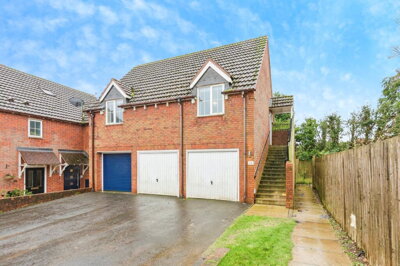
Browse 1 home for sale in Weeford, Lichfield from local estate agents.
One bed apartments provide a separate bedroom alongside distinct living space, bathroom, and kitchen areas. Properties in Weeford are available in various building types including mansion blocks, contemporary developments, and house conversions.
£0k
0
0
0
Source: home.co.uk
Showing 0 results for 1 Bedroom Flats for sale in Weeford, Lichfield.
The Farlington property market offers a healthy mix of housing types to suit different buyer requirements. Our current listings include detached properties averaging £588,683, semi-detached homes around £380,000, terraced houses at approximately £305,000, and flats from £195,000. Over the past twelve months, the Farlington area has seen approximately 198 property sales, indicating steady market activity and sustained buyer interest in the locality. This diversity means buyers can find everything from compact starter homes to expansive family residences within a relatively compact geographic area.
Recent price trends show a modest softening across most property types, with the overall market declining by 1.77% over the past year. Detached properties have proven most resilient with a 0.83% decrease, while flats have seen larger adjustments of around 3.80%. Semi-detached properties showed a 1.30% reduction and terraced homes a 2.40% decline. This market correction presents opportunities for buyers seeking better value, particularly in the terraced and semi-detached segments where properties represent excellent value for families looking to establish roots in the area. First-time buyers may find the current conditions particularly favourable for entering the market.
The local economy benefits significantly from proximity to major employers including Queen Alexandra Hospital, the maritime sector in Portsmouth, and the retail hubs throughout the region. Many residents commute via the A27 or A3(M) to employment centres, making Farlington an attractive option for professionals who require good road connections while benefiting from lower property prices compared to central Portsmouth. The area also attracts families drawn by the choice of schools and the semi-rural character offered by Farlington Marshes and surrounding green spaces. Investment demand remains steady given these fundamental strengths of location and connectivity.

Farlington Ward is home to approximately 8,700 residents across 3,700 households, creating a vibrant yet intimate community atmosphere. The area balances residential tranquility with practical amenities, offering local shops, restaurants, and recreational facilities that serve daily needs without requiring trips into larger town centres. The community hosts several local events throughout the year, fostering connections between neighbours and contributing to the area's strong sense of identity. Many residents appreciate the convenience of having essential services within walking distance while enjoying access to larger urban centres nearby.
The character of Farlington draws significantly from its relationship with the natural landscape, particularly the designated Conservation Area encompassing Farlington Marshes and the historic old village. Farlington Marshes represents one of the most important coastal grazing marshes on the south coast, providing habitat for diverse bird species and offering residents excellent opportunities for walking, birdwatching, and outdoor recreation. The historic village centre contains several listed buildings including St Andrew's Church, which dates from the medieval period and serves as a focal point for the community. Properties in the older parts of Farlington showcase traditional brickwork construction, often in red or brown brick with rendered finishes, while later developments bring more variety through post-war and contemporary architecture.
The housing stock reflects decades of careful development, with semi-detached properties forming the backbone of the neighbourhood at 35-40% of all homes. Property age distribution shows significant development during the 1919-1945 and 1945-1980 periods, meaning many homes retain traditional construction methods including cavity wall construction for post-1920s properties and solid walls for older buildings. Terraced properties account for approximately 25-30% of the housing stock, while detached homes represent 20-25% and flats make up the remaining 10-15%. Local amenities include parks, community centres, healthcare facilities, and proximity to quality schools, making it an attractive option for families and professionals alike.

Families considering a move to Farlington will find a range of educational options within easy reach. The area is served by several primary schools catering to children from reception through to Year 6, with many achieving good or outstanding Ofsted ratings. These schools serve the local community and benefit from deep roots established during the periods of significant housing development in the 1920s through 1970s. Parents should visit potential schools during open days to assess their suitability for individual family circumstances and understand the specific ethos and facilities each institution offers.
Secondary schools in the surrounding area provide comprehensive education options, with several offering sixth-form provision for older students seeking A-level qualifications or vocational pathways. Schools in the nearby Portsmouth area and wider Hampshire region offer diverse curricula and extracurricular programmes that complement academic studies. The proximity to the University of Portsmouth and other higher education institutions adds to the educational ecosystem, providing opportunities for adult learners and continuing education programmes. Transport links make commuting to secondary schools relatively straightforward for families living in different parts of Farlington.
School admissions policies can significantly impact property values and demand in particular streets or estates within Farlington. Catchment areas are determined by geographic proximity, meaning properties closer to popular schools often command premium prices and experience stronger resale demand. Early preparation of school applications is advisable, particularly for families targeting popular primary schools that may have waiting lists during peak moving periods. Researching current catchment boundaries and understanding how they might change is essential when evaluating properties in different parts of Farlington. Estate agents familiar with the local market can provide insights into school performance and catchment considerations that affect property values.
Farlington benefits from excellent transport connections that make it particularly attractive to commuters and those needing to travel regularly for work. The area has good access to major road networks including the A27 and A3(M), providing direct routes to Portsmouth, Southampton, and the wider motorway network. These road connections explain why many professionals working in the maritime, retail, and healthcare sectors choose to live in Farlington rather than in more expensive city centres. Traffic management improvements in recent years have helped ease congestion during peak hours, though residents should factor typical commute times into their property decisions.
Public transport options include regular bus services connecting Farlington to surrounding areas, while rail links from nearby stations provide direct services to major destinations including Portsmouth, Southampton, and London. Train services from Portsmouth and Havant stations offer regular connections to the capital, with journey times to London Waterloo typically taking around 90 minutes. Bus routes serve local schools, shopping centres, and employment areas, providing viable alternatives to car travel for many residents. The availability of multiple transport options enhances the accessibility of Farlington for diverse buyer profiles.
The proximity to Queen Alexandra Hospital makes Farlington particularly convenient for healthcare workers seeking to reduce their commute times. The hospital represents one of the largest employers in the region, creating significant demand for housing from medical staff at all career stages. Other key employment sectors including education, retail, and civil service administration contribute to local job markets while maintaining strong demand for rental properties from professionals relocating to the area. Cycling infrastructure continues to improve, with several routes connecting residential areas to employment hubs and town centres, supporting sustainable commuting choices.
Property buyers in Farlington should be aware of several area-specific considerations that can significantly impact their purchase. The underlying London Clay geology presents a notable shrink-swell risk, meaning properties with shallow foundations or those situated near mature trees may be susceptible to subsidence or heave movement. This risk is particularly relevant for the significant proportion of properties built between 1919 and 1980, which may have foundations designed to older standards that are less resistant to ground movement. A thorough RICS Level 2 Survey is strongly recommended before completing any purchase, particularly for properties built before 1980, which comprise a large percentage of the local housing stock.
Flood risk assessment is another essential consideration, with parts of Farlington near Langstone Harbour and Farlington Marshes facing coastal flooding potential. Properties located in low-lying areas closer to the harbour should be checked against current flood risk data from the Environment Agency, and appropriate insurance arrangements should be confirmed before completing a purchase. Surface water flooding can occur during periods of heavy rainfall, especially in more urbanised areas where drainage capacity may be strained by the extensive hardstanding associated with residential development. Properties within the designated Conservation Area or those that are listed buildings may face additional planning restrictions and maintenance requirements, potentially affecting renovation options and associated costs.
Building materials in Farlington predominantly feature traditional brick construction with cavity wall insulation for post-1920s properties, while older buildings may have solid walls requiring different treatment for insulation and damp proofing. Many properties from the mid-20th century retain original electrical wiring and plumbing systems that would benefit from updating to meet current standards. Common defects found in local properties include damp issues, particularly rising damp in properties without adequate damp proof courses, roof deterioration affecting tiles and flashings, and timber defects including woodworm and rot in structural elements. Prospective buyers should budget for potential rewiring, plumbing upgrades, and enhanced insulation when purchasing older properties.
Properties in Farlington often feature traditional construction elements including timber roof trusses and suspended timber floors that require careful inspection for signs of rot or insect damage. Lead flashings around chimneys and roof junctions commonly deteriorate over time, leading to water penetration and associated damage to timbers and plasterwork. Given that the majority of properties exceed 50 years of age, comprehensive surveys by qualified professionals provide essential protection for buyers investing significant sums in what may be their most valuable asset. Understanding the specific construction characteristics of different property types helps buyers prioritise inspections and negotiate appropriate terms based on survey findings.
Before beginning your property search in Farlington, establish a clear budget considering not just the purchase price but also solicitor fees, survey costs, and moving expenses. Current RICS Level 2 Survey costs in the area range from £400-700 depending on property size, while conveyancing typically starts from £499. Getting a mortgage agreement in principle before viewings strengthens your position when making offers and demonstrates serious intent to sellers.
Use Homemove to browse all available properties in Farlington and schedule viewings with local estate agents. Pay particular attention to the condition of properties given the area's clay geology and age of housing stock. Take notes during viewings and ask about construction materials, foundation depth, and any previous structural work or insurance claims. Viewing multiple properties helps establish a realistic understanding of current market values and condition standards across different price ranges.
Commission a RICS Level 2 Survey for any property you intend to purchase, particularly given the common defects found in Farlington properties including damp issues, roof deterioration, and potential subsidence risks from clay soils. For listed buildings or historic properties, consider a more comprehensive RICS Level 3 Building Survey to ensure all structural and conservation requirements are properly assessed. Survey costs represent a worthwhile investment given the potential repair costs identified in older properties.
Once your offer is accepted, instruct a conveyancing solicitor to handle the legal aspects of your purchase. They will conduct local authority searches, check flooding and drainage records, and ensure all planning permissions for any extensions or alterations are in order. This step is especially important in Farlington where conservation area restrictions may apply to certain properties, including listed buildings and properties near Farlington Marshes.
Your solicitor will coordinate the final checks and arrangements before you exchange contracts and pay your deposit. On completion day, you will receive the keys to your new Farlington home. Allow time to familiarise yourself with the property and arrange any immediate repairs or improvements identified during your survey. Register with local services and introduce yourself to neighbours to begin establishing your roots in the community.
The average property price in Farlington currently stands at £391,332. Detached properties average around £588,683, semi-detached homes cost approximately £380,000, terraced properties are priced at roughly £305,000, and flats start from around £195,000. The market has shown a modest downward trend of 1.77% over the past twelve months, creating potential opportunities for buyers seeking better value in a location with strong fundamental attributes including transport links and local amenities.
Council tax bands in Farlington vary by property size and value, typically ranging from Band A for lower-value properties through to Band E or higher for larger family homes. Exact bands can be confirmed through the local council's website or by requesting this information during the conveyancing process. Band D properties in the area typically pay around £1,800-2,200 annually, though this varies depending on whether your property falls under Portsmouth City Council or Hampshire County Council jurisdiction. The age and construction type of the property generally influence its banding.
Farlington is served by several primary schools with good Ofsted ratings, many of which serve the local community from reception through Year 6. Secondary schools in the surrounding area offer comprehensive education with sixth-form provision at several locations. Parents should research specific catchment areas as school admissions policies directly influence property demand on particular streets and estates, with properties falling within popular school catchments often commanding premium values. Early application is recommended given competition for popular schools, and families should verify current catchment boundaries as these can change with housing development and demographic shifts.
Farlington benefits from regular bus services connecting to surrounding areas, with direct routes to Portsmouth and nearby towns including Waterlooville and Havant. Rail connections from nearby stations provide access to major destinations across the region, with direct services to London available from Portsmouth and Havant stations. The area's road connections via the A27 and A3(M) are particularly strong, making car travel to employment centres in Portsmouth, Southampton, and the wider south coast convenient for residents. Cycling routes continue to expand, providing sustainable commuting options for shorter distances and contributing to the area's accessibility.
Farlington offers solid investment potential due to its strong transport links, proximity to major employers including Queen Alexandra Hospital, and the diverse range of property types available. The area attracts professionals, families, and commuters, maintaining consistent demand for rental properties from the private rented sector. Recent modest price corrections may present buying opportunities for investors seeking long-term capital growth, while the conservation area designation and local amenities help preserve property values over time. Rental yields in the area benefit from strong tenant demand driven by employment opportunities and transport connections to major urban centres.
Stamp duty rates currently apply at 0% on the first £250,000 of property value, 5% on the portion from £250,001 to £925,000, 10% up to £1.5 million, and 12% above that threshold. For a typical Farlington property at the current average price of £391,332, stamp duty for a main residence buyer would amount to approximately £7,067 after applying the nil-rate threshold. First-time buyers benefit from relief on the first £425,000, with 5% applied between £425,001 and £625,000. Using a qualified solicitor helps ensure accurate calculation and timely submission of SDLT returns to HM Revenue and Customs.
Key considerations include the underlying London Clay geology which creates subsidence risk for some properties, particularly those with shallow foundations or located near mature trees that extract moisture from the soil. Coastal and surface water flooding potential exists in certain areas, especially properties closer to Langstone Harbour and Farlington Marshes. The age of much of the housing stock means many properties require updates to electrics, plumbing, and insulation to meet current standards. Properties in the Conservation Area or listed buildings face additional planning considerations that may restrict renovation options. A comprehensive survey before purchase is essential to identify any structural or environmental concerns specific to your chosen property.
Farlington contains several listed buildings concentrated primarily in the historic village centre and older parts of the community. St Andrew's Church represents one of the most significant listed structures, dating from the medieval period and serving as a focal point for the conservation area. Properties near the old village and those adjacent to Farlington Marshes may be subject to listed building consent requirements for alterations or extensions. Buyers considering listed properties should budget for potentially higher maintenance costs and specialist survey requirements, with a RICS Level 3 Building Survey recommended to assess the unique construction and condition of historic buildings. The conservation area designation helps preserve the character of these older properties but imposes obligations on owners regarding external appearance and alterations.
Beyond the property purchase price, buyers should budget for several additional costs when purchasing in Farlington. Stamp duty rates currently apply at 0% on the first £250,000, rising to 5% on amounts between £250,001 and £925,000. For a typical Farlington property at the current average price of £391,332, stamp duty for a main residence buyer would amount to approximately £7,067 after applying the nil-rate threshold. First-time buyers purchasing properties up to £425,000 benefit from full relief, while those buying between £425,001 and £625,000 pay 5% on the amount above £425,000. These thresholds apply to the total purchase price including any fixtures, fittings, and chattels included in the sale.
Additional costs include mortgage arrangement fees typically ranging from £500-2,000 depending on the lender and product selected, with many borrowers choosing to add these fees to their mortgage loan. Survey costs for a RICS Level 2 Survey typically range from £400-700 in the Farlington area, with larger or more complex properties at the upper end of this range. Conveyancing fees generally start from £499 for standard transactions, though additional disbursements for searches, registration fees, and postage may increase the total. Planning for these expenses alongside your deposit and moving costs ensures a smoother transaction without unexpected financial strain during what is typically one of the most significant purchases of your life.
From £400
A detailed inspection of the property condition, ideal for most homes in Farlington given the age of the housing stock
From £499
Expert legal support for your property purchase
From 3.5%
Competitive mortgage rates from trusted lenders
From £80
Energy performance certificate for your new home
Properties for Sale In London

Properties for Sale In Plymouth

Properties for Sale In Liverpool

Properties for Sale In Glasgow

Properties for Sale In Sheffield

Properties for Sale In Edinburgh

Properties for Sale In Coventry

Properties for Sale In Bradford

Properties for Sale In Manchester

Properties for Sale In Birmingham

Properties for Sale In Bristol

Properties for Sale In Oxford

Properties for Sale In Leicester

Properties for Sale In Newcastle

Properties for Sale In Leeds

Properties for Sale In Southampton

Properties for Sale In Cardiff

Properties for Sale In Nottingham

Properties for Sale In Norwich

Properties for Sale In Brighton

Properties for Sale In Derby

Properties for Sale In Portsmouth

Properties for Sale In Northampton

Properties for Sale In Milton Keynes

Properties for Sale In Bournemouth

Properties for Sale In Bolton

Properties for Sale In Swansea

Properties for Sale In Swindon

Properties for Sale In Peterborough

Properties for Sale In Wolverhampton

Enter your details to see if this property is within your budget.
Loans, cards, car finance
Estimated property budget
Borrowing + deposit
You could borrow between
Typical borrowing
Monthly repayment
Est. at 4.5%
Loan-to-value
This is an estimate only. Your actual budget may vary depending on interest rates, credit history, and personal circumstances. For an accurate affordability assessment, speak to one of our free mortgage advisors.
This calculator provides estimates for illustrative purposes only and does not constitute financial advice. Your home may be repossessed if you do not keep up repayments on your mortgage. Estimates based on 4.5% interest rate, repayment mortgage. Actual rates depend on your circumstances.
Homemove is a trading name of HM Haus Group Ltd (Company No. 13873779, registered in England & Wales). Homemove Mortgages Ltd (Company No. 15947693) is an Appointed Representative of TMG Direct Limited, trading as TMG Mortgage Network, which is authorised and regulated by the Financial Conduct Authority (FRN 786245). Homemove Mortgages Ltd is entered on the FCA Register as an Appointed Representative (FRN 1022429). You can check registrations at NewRegister or by calling 0800 111 6768.

We use cookies to show you personalised content and improve your experience of our website. Find out more in our Privacy policy and Cookie policy.