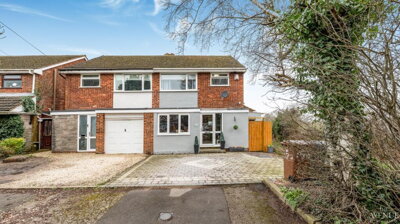
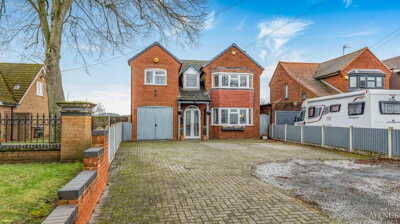
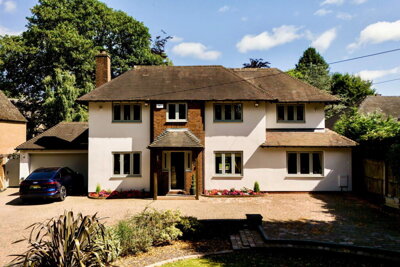
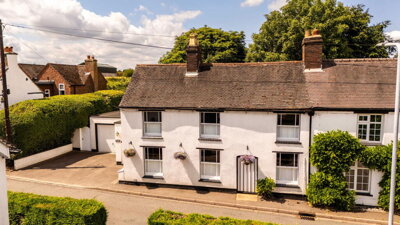
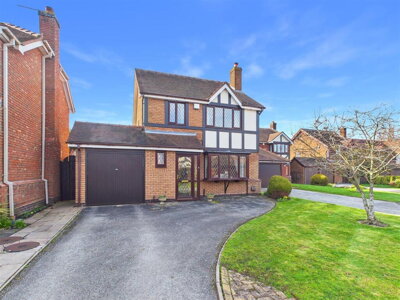
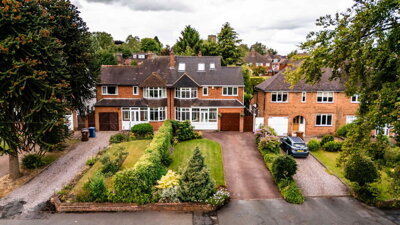
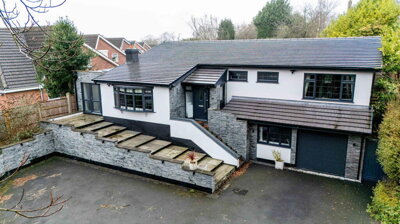
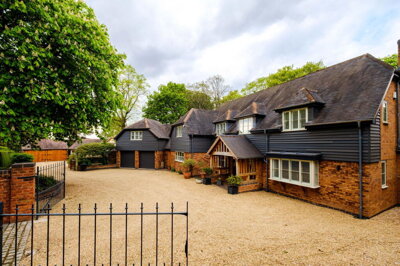
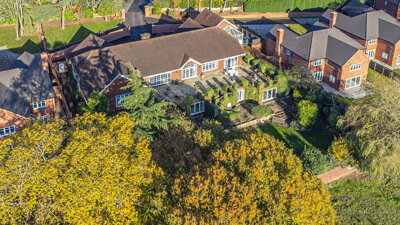
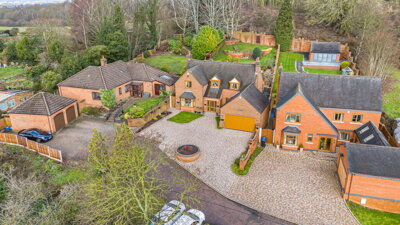
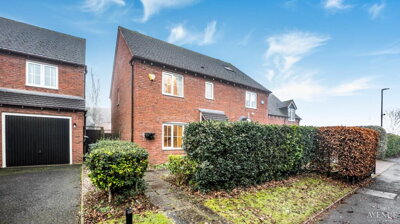
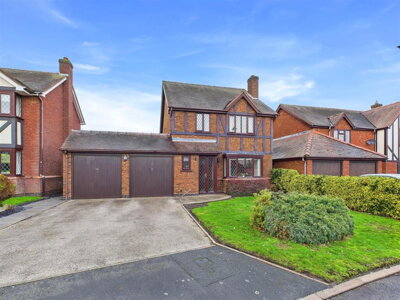
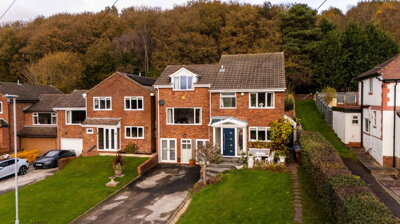
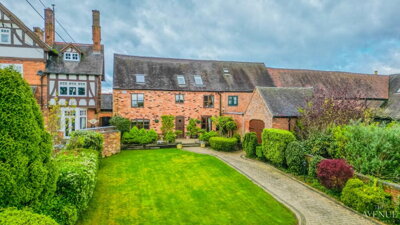
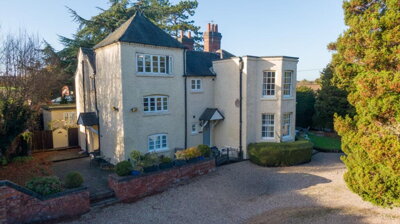
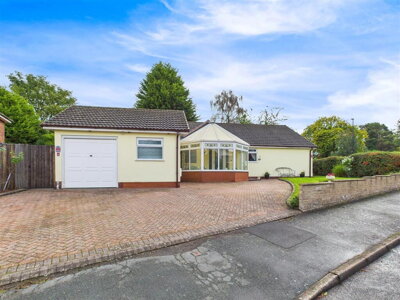
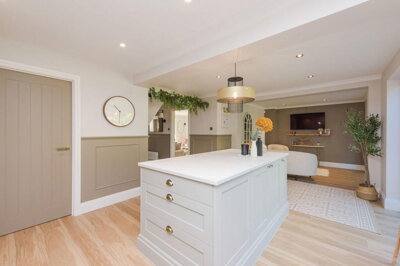
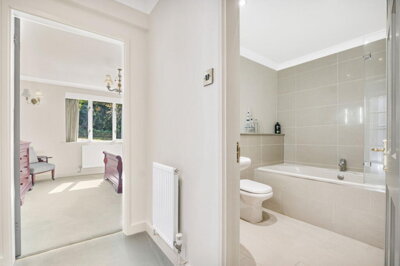
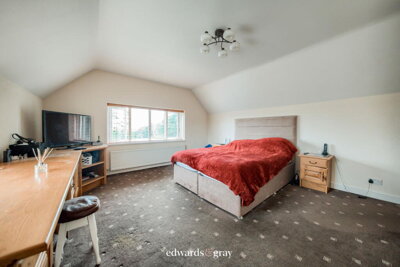
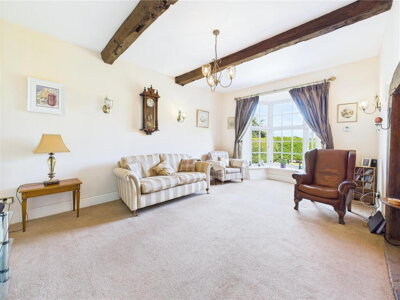
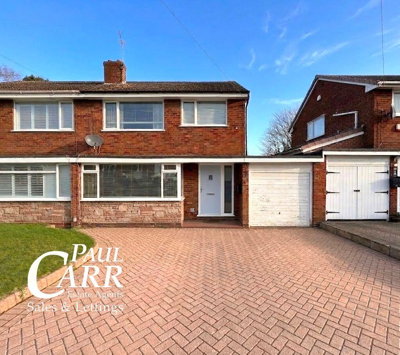
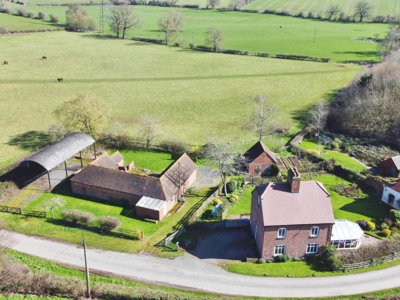
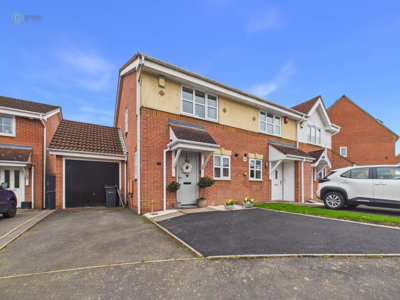
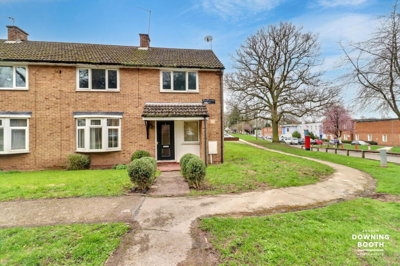
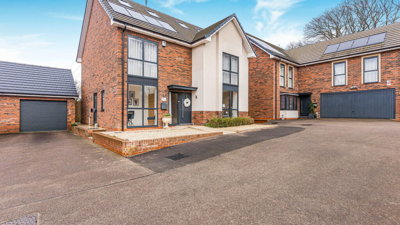
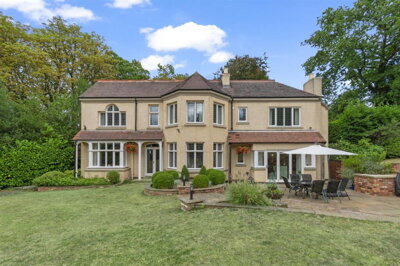
Browse 137 homes for sale in Weeford, Lichfield from local estate agents.
£373k
4
0
172
Source: home.co.uk
Source: home.co.uk
Apartment
2 listings
Avg £352,500
Detached
1 listings
Avg £995,000
Semi-Detached
1 listings
Avg £375,000
Source: home.co.uk
Source: home.co.uk
The Farlington property market presents a balanced mix of housing types to suit different budgets and lifestyles. Detached properties command the highest prices, averaging £588,683, offering generous proportions and space that appeals to families seeking room to grow. Semi-detached homes, averaging £380,000, represent strong value for money given their size and the excellent primary schools nearby, making this segment particularly popular among young families looking to settle long-term.
Terraced properties in Farlington start from around £305,000, providing an accessible entry point to the local market for first-time buyers and investors alike. Flats remain the most affordable option at approximately £195,000, ideal for young professionals or those seeking a low-maintenance lifestyle. Recent market data shows a modest cooling trend over the past 12 months, with overall prices falling by 1.77%, suggesting increased opportunities for buyers to negotiate favourable terms in a market that has steadied after years of rapid growth.
Looking at price movements by property type, we see terraced properties have experienced the most significant correction, falling 2.40% over the past year, while flats have seen a 3.80% reduction. Semi-detached homes dropped 1.30% and detached properties showed the smallest decline at 0.83%. These variations suggest that buyers seeking the best value might find terraced properties offer the most negotiating room, while detached homes have proved more resilient to market shifts.

Farlington offers a distinctive blend of urban convenience and semi-rural character that sets it apart from neighbouring areas. The Farlington Ward is home to approximately 8,700 residents across 3,700 households, creating a close-knit community atmosphere while remaining connected to the broader Portsmouth metropolitan area. The older village centre features a designated Conservation Area around Farlington Marshes and historic structures including St Andrew's Church, preserving the architectural heritage that gives the neighbourhood its unique sense of place.
The area boasts a good selection of local shops, pubs, and everyday amenities within walking distance, while the nearby Portsmouth retail parks and city centre provide extended shopping and entertainment options for those seeking more variety. Outdoor enthusiasts appreciate the proximity to Farlington Marshes, a renowned wildlife habitat that offers scenic walking and cycling routes across coastal marshland. The community spirit in Farlington is strong, with local events, sports clubs, and village organisations providing ample opportunities for residents to connect with their neighbours and build lasting friendships.
The property age distribution across Farlington tells the story of how the area has developed over the decades. A smaller proportion of homes pre-date 1919, concentrated in the older village parts near the conservation area, featuring traditional solid-wall construction and period details. The inter-war period between 1919 and 1945 saw significant development, particularly semi-detached and terraced housing built with cavity wall construction methods. The largest proportion of the housing stock dates from the post-war period between 1945 and 1980, reflecting the national drive to provide family homes during this era. Smaller infill developments constructed after 1980 have added variety to the local market without significantly altering the established character of most neighbourhoods.
Education is a major draw for families considering Farlington, with several well-regarded schools serving the area. The neighbourhood falls within the catchment areas for primary schools that consistently achieve favourable Ofsted ratings, providing solid foundations for children in their early educational journey. Families moving to Farlington should note that school catchment boundaries can influence property values significantly, with homes within easy walking distance of popular primaries often commanding a measurable premium in the local market.
Secondary options in the surrounding area include schools with strong academic records and comprehensive facilities for sports, arts, and sciences, making Farlington attractive to parents prioritising educational outcomes. The housing stock in Farlington reflects its educational appeal, with semi-detached and terraced properties accounting for roughly 65-70% of homes, providing family-friendly accommodation at various price points. For those with older children, sixth form colleges and further education facilities in the wider Portsmouth area are readily accessible by public transport, ensuring continuity of education as children progress through their academic careers.
We often advise buyers to verify current catchment boundaries with the local education authority before committing to a purchase, as these can change between academic years. Parents should also check admission policy details for oversubscription criteria, which typically prioritise siblings of current pupils, children living within the catchment area, and then distance from the school.
Farlington enjoys excellent transport connections that make it a practical choice for commuters and those who travel regularly for work. The A27 provides direct access to Portsmouth city centre and continues east to Chichester and beyond, while the A3(M) offers a swift route north towards Petersfield and the A3 trunk road. These major arterial routes connect Farlington to employment hubs across the region, reducing commute times and expanding the range of job opportunities accessible to residents. The proximity to these key routes is a significant factor in Farlington's popularity among commuters who work in Portsmouth, Southampton, or further afield.
Rail services from nearby stations offer direct connections to major cities including London, Southampton, and Brighton, with regular trains throughout the day. The mainline station at Portsmouth and South Hilversum provides access to London Waterloo with journey times of around 90 minutes, making Farlington viable for those working in the capital but seeking more affordable housing. Bus services provide local connectivity throughout the Farlington area, linking residents to shopping centres, healthcare facilities, and recreational amenities without the need for car ownership. The local bus network connects to Queen Alexandra Hospital, a major employer and healthcare facility serving the wider region.
For cyclists, the local infrastructure includes several dedicated cycle paths and quiet lanes suitable for commuting or leisure rides, with Farlington Marshes offering particularly scenic routes for weekend exploration. Parking provision varies by property type, with larger homes typically offering off-street parking while some terraced properties may rely on on-road parking arrangements. We recommend checking parking availability at any property you are considering, as this can significantly affect daily convenience, particularly during evening hours when on-road spaces fill quickly.
Obtain a mortgage agreement in principle before beginning your property search. This strengthens your position when making offers and helps you establish a realistic budget that accounts for all associated costs including solicitor fees, stamp duty, and survey costs. Given that average property prices in Farlington stand at £391,332, most buyers will need mortgage finance, making a decision in principle an essential first step.
Explore current listings in Farlington and understand price trends across different property types. Note that the market has shown a slight cooling trend over the past year, with overall prices falling 1.77%. This gives buyers more negotiating power than in previous years, particularly in the terraced property segment where prices have dropped 2.40%. However, detached properties have proven more resilient, falling only 0.83%, suggesting strong underlying demand for family homes in this area.
Visit a selection of properties that match your criteria, paying attention to construction quality, proximity to schools and transport, and any signs of common issues. Given that a significant proportion of the housing stock dates from the 1945-1980 period, look for indicators of age-related wear. Traditional brick construction with cavity walls is prevalent, and we recommend checking window frames, external render condition, and roof appearance from ground level during viewings.
Before completing your purchase, arrange a thorough survey of the property. Given the prevalence of London Clay geology in Farlington, a Level 2 Survey is particularly valuable for identifying potential subsidence risks and other defects common to local properties. Our inspectors regularly encounter issues related to clay shrink-swell in this area, particularly in properties with mature trees nearby or those with shallow foundations.
Appoint a solicitor experienced in local transactions to handle the legal aspects of your purchase, including searches, contracts, and registration of ownership. Local solicitors familiar with Farlington properties understand the specific issues that can arise, including conservation area restrictions and any planning conditions that affect the properties you are considering.
Once all checks are satisfactory, exchange contracts with the seller and agree on a completion date. On completion day, your solicitor will transfer the remaining funds and you will receive the keys to your new Farlington home. Allow time for utility transfers and register with local services such as doctors and dentists, as these can have waiting lists in popular areas.
Property buyers in Farlington should be aware of several area-specific factors that can affect their purchase. The underlying London Clay geology presents a moderate to high shrink-swell risk, meaning properties with shallow foundations or those situated near mature trees may show signs of subsidence or ground movement over time. A thorough RICS Level 2 Survey should check for cracks, door and window alignment issues, and other indicators of structural movement that could require remediation. Our inspectors often find that properties on the edges of Farlington, particularly those bordering open land or near the marshes, require careful assessment of foundation depths and tree influence.
Flood risk requires careful consideration depending on the specific location within Farlington. While major river flooding is not a significant concern, coastal flooding affects areas closer to Langstone Harbour and Farlington Marshes, and surface water flooding can occur during periods of heavy rainfall due to drainage capacity limitations. Prospective buyers should review Environment Agency flood maps and consider the property history regarding any previous flooding incidents. Buildings insurance costs may be higher in areas with elevated flood risk, and lenders will require appropriate coverage before completing a mortgage.
Many properties in Farlington fall within the designated Conservation Area, which imposes restrictions on alterations, extensions, and certain renovations. Listed buildings, including St Andrew's Church and other historic structures, require special consent for any works that might affect their character or fabric. If you are considering a property that is listed or located within the conservation boundary, factor in the additional planning requirements and potential costs of specialist surveys such as a RICS Level 3 Building Survey that may be necessary.
The construction materials commonly found in Farlington properties should inform your inspection priorities. Traditional brickwork in red or brown tones dominates the local streetscape, with rendered finishes on many semi-detached and terraced properties. Tile roofs, whether clay or concrete, are prevalent throughout the area. During viewings, look for signs of damp on ground-floor walls, check that roof tiles appear secure with no obvious missing or slipped sections, and note the condition of window frames and external doors. Properties built before 1980 may have original wiring and plumbing systems that will require updating, so factor potential rewiring costs into your budget when comparing properties at different price points.

The average house price in Farlington stands at approximately £391,332 according to recent data. Detached properties average £588,683, semi-detached homes around £380,000, terraced properties from £305,000, and flats approximately £195,000. The market has shown a slight downward trend over the past 12 months with prices falling by 1.77% overall, creating opportunities for buyers to negotiate in what is becoming a more balanced market. This cooling trend has been most pronounced in the terraced and flat segments, where price reductions of 2.40% and 3.80% respectively suggest increased buyer bargaining power in these categories.
Council tax bands in Farlington vary depending on the property valuation and the local authority area in which the property falls. Most residential properties in the Farlington Ward fall within bands A through D, with the majority of standard family homes typically assessed in bands B to C. The specific band affects your annual contribution to council services, emergency services, and local amenities provision. Prospective buyers should check the specific band with Portsmouth City Council or the relevant local authority as part of their due diligence, as bands can be challenged and potentially reduced if there are grounds for valuation disputes.
Farlington is served by several well-regarded primary schools with good Ofsted ratings, making it popular with families. The neighbourhood sits within catchment areas for schools that typically have strong reputations for academic achievement and student welfare. Secondary schools in the surrounding area include options with comprehensive facilities and established track records. Parents should verify current catchment boundaries and admission policies with the local education authority, as these can change and may influence which schools your child can attend. We recommend visiting schools directly and speaking to current parents where possible to gain a fuller picture of the educational experience on offer.
Farlington benefits from good public transport links that connect residents to the wider Portsmouth area and beyond. Local bus services provide regular connections to Portsmouth city centre, shopping facilities, and healthcare services including the Queen Alexandra Hospital. Nearby railway stations offer direct services to major destinations including London Waterloo, Southampton, and Brighton. The A27 and A3(M) provide straightforward road access for those who prefer to drive, reducing journey times to employment centres and amenities across the region. For commuters working in London, the rail journey to the capital takes approximately 90 minutes, making Farlington a viable base for those working in the city but seeking more affordable housing.
Farlington presents several attractive features for property investors. The strong local demand is supported by the area's family-friendly character, good schools, and reliable transport connections to major employment centres in Portsmouth and beyond. The mix of property types, including terraced homes and flats at accessible price points, provides options for rental strategies targeting different tenant demographics, from young professionals to small families. Recent modest price adjustments may offer entry points for investors seeking long-term capital growth, while rental yields in the wider Portsmouth area remain competitive compared to some other UK regions. As with any investment, prospective buyers should conduct thorough research on rental demand, void periods, and ongoing maintenance costs before committing.
Stamp duty land tax rates for residential purchases in England currently start at 0% on the first £250,000 of property value, rising to 5% on the portion between £250,001 and £925,000, 10% up to £1.5 million, and 12% on amounts exceeding £1.5 million. First-time buyers benefit from increased thresholds, paying 0% on the first £425,000 and 5% between £425,001 and £625,000. Given the average property price of £391,332 in Farlington, most standard purchases would fall below the basic rate threshold, resulting in no SDLT for qualifying first-time buyers and modest duty for other purchasers. Our team recommends verifying current rates with HMRC or your conveyancing solicitor, as thresholds and rates are subject to policy changes.
Our inspectors frequently encounter several recurring issues when surveying properties in Farlington. Given the prevalence of London Clay geology, subsidence and heave related to clay shrink-swell is a significant concern, particularly in properties with shallow foundations or those near mature trees. Damp issues, both rising and penetrating damp, are commonly found in properties over 50 years old, especially where maintenance has been neglected. Roof condition is another frequent concern, with tile deterioration, defective flashings, and guttering issues regularly observed on properties built before 1980. Properties from the mid-20th century often have original electrical systems and plumbing that may require upgrading to meet current standards. We strongly recommend a thorough RICS Level 2 Survey before completing any purchase in this area.
Beyond the property purchase price, buyers should budget for several additional costs when buying in Farlington. Stamp duty land tax represents the largest upfront expense for many purchasers, though at current rates a property priced at the local average of £391,332 would attract no SDLT for qualifying first-time buyers purchasing within the relief thresholds. Standard purchasers would pay 0% on the first £250,000 plus 5% on the remaining £141,332, totalling £7,066.60. It is worth noting that these thresholds and rates are subject to policy changes, and buyers should verify current rates at the time of their transaction.
Survey costs are an essential consideration given Farlington's housing stock characteristics. A RICS Level 2 Survey typically costs between £400 and £700 for an average 3-bedroom property in the area, with flats and smaller terraced homes at the lower end and larger detached properties at the higher end. Given the prevalence of properties over 50 years old in Farlington, where issues such as damp, roof condition, and potential subsidence from clay soils are more common, a thorough survey provides valuable protection and negotiation leverage. Our inspectors recommend the Level 2 Survey for most properties in Farlington, though older or listed properties may benefit from the more comprehensive RICS Level 3 Building Survey.
Conveyancing fees generally range from £499 to £1,500 depending on complexity, covering legal work, local authority searches, and registration. Additional costs include mortgage arrangement fees which can range from £0 to around £2,000 depending on the lender and product chosen, plus valuation fees of typically £150 to £500. Removal costs vary widely based on distance and volume of belongings, while buildings insurance should be budgeted at around £200 to £400 per year for an average Farlington property. Buyers purchasing flats should also budget for service charges and ground rent, which can vary significantly between developments.
From £400
Thorough inspection for standard properties
From £600
Comprehensive survey for older or complex properties
From £80
Energy performance certificate
From 3.8% APR
Finance options for your purchase
From £499
Legal services for your purchase
Properties for Sale In London

Properties for Sale In Plymouth

Properties for Sale In Liverpool

Properties for Sale In Glasgow

Properties for Sale In Sheffield

Properties for Sale In Edinburgh

Properties for Sale In Coventry

Properties for Sale In Bradford

Properties for Sale In Manchester

Properties for Sale In Birmingham

Properties for Sale In Bristol

Properties for Sale In Oxford

Properties for Sale In Leicester

Properties for Sale In Newcastle

Properties for Sale In Leeds

Properties for Sale In Southampton

Properties for Sale In Cardiff

Properties for Sale In Nottingham

Properties for Sale In Norwich

Properties for Sale In Brighton

Properties for Sale In Derby

Properties for Sale In Portsmouth

Properties for Sale In Northampton

Properties for Sale In Milton Keynes

Properties for Sale In Bournemouth

Properties for Sale In Bolton

Properties for Sale In Swansea

Properties for Sale In Swindon

Properties for Sale In Peterborough

Properties for Sale In Wolverhampton

Enter your details to see if this property is within your budget.
Loans, cards, car finance
Estimated property budget
Borrowing + deposit
You could borrow between
Typical borrowing
Monthly repayment
Est. at 4.5%
Loan-to-value
This is an estimate only. Your actual budget may vary depending on interest rates, credit history, and personal circumstances. For an accurate affordability assessment, speak to one of our free mortgage advisors.
This calculator provides estimates for illustrative purposes only and does not constitute financial advice. Your home may be repossessed if you do not keep up repayments on your mortgage. Estimates based on 4.5% interest rate, repayment mortgage. Actual rates depend on your circumstances.
Homemove is a trading name of HM Haus Group Ltd (Company No. 13873779, registered in England & Wales). Homemove Mortgages Ltd (Company No. 15947693) is an Appointed Representative of TMG Direct Limited, trading as TMG Mortgage Network, which is authorised and regulated by the Financial Conduct Authority (FRN 786245). Homemove Mortgages Ltd is entered on the FCA Register as an Appointed Representative (FRN 1022429). You can check registrations at NewRegister or by calling 0800 111 6768.

We use cookies to show you personalised content and improve your experience of our website. Find out more in our Privacy policy and Cookie policy.