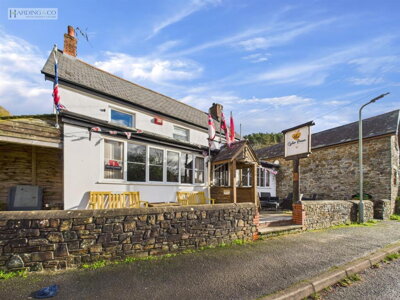
Browse 1 home for sale in Weare Giffard from local estate agents.
The 2 bed flat sector typically includes two separate bedrooms, dedicated living areas, and bathroom facilities. Properties in Weare Giffard span purpose-built blocks, converted period houses, and modern apartment complexes on various floors.
The Weare Giffard property market reflects the character of a small, desirable North Devon village where supply naturally remains limited. Detached properties command the highest prices in the area, with an average of £450,000, offering generous space and often featuring traditional construction methods that suit family buyers seeking room to grow. Semi-detached homes average £310,000, presenting an attractive option for those wanting more space than a terraced property without the premium of a detached home.
Terraced properties in Weare Giffard average £280,000, representing the most accessible entry point to this sought-after village. The market has shown steady resilience over the past twelve months, with prices increasing by 2.5 percent, indicating consistent demand despite the rural location. No active new build developments exist within the EX32 7 postcode area, meaning buyers here are acquiring established properties with genuine character and history. This scarcity of new supply helps support property values and makes existing homes particularly valuable to the market.
The predominant housing stock in Weare Giffard skews heavily toward detached and semi-detached properties, with terraced homes forming a smaller portion of available properties. Flats are virtually absent from the village, reflecting its rural nature and the preference for houses with gardens and outdoor space. Given the limited inventory, buyers should be prepared to act quickly when suitable properties come to market, as properties in desirable rural villages like Weare Giffard tend to attract motivated buyers quickly.

Weare Giffard is a small parish with a population of 397 residents across 169 households, creating an intimate community atmosphere where neighbours often know one another by name. The village maintains a strong sense of historical identity, evidenced by the presence of Weare Giffard Hall, a Grade I listed building that stands as the area's heritage centrepiece. Several other listed buildings cluster around the village centre and church, preserving the architectural character that makes this part of North Devon so distinctive.
The rural setting offers an enviable lifestyle for those who value space, natural beauty, and tranquility. Agriculture remains an important economic factor in the surrounding area, while tourism to the wider North Devon region brings seasonal visitors who appreciate the coast, countryside, and creative communities. Many residents enjoy active lifestyles, taking advantage of the numerous footpaths, the River Torridge valleys, and the proximity to Exmoor and the coastal towns of Instow and Westward Ho. The village itself has a quiet, timeless quality that appeals strongly to buyers seeking an escape from urban life.
For those considering homes for sale in Weare Giffard, the village offers a genuine sense of community that is harder to find in larger towns. Local events, village associations, and the general friendliness of rural North Devon neighbours create an environment where newcomers are often quickly welcomed. The pace of life here is deliberately slower, with village life organised around community connections rather than urban conveniences, though the proximity to Great Torrington and Bideford means amenities are never far away.

Families considering a move to Weare Giffard will find a selection of educational options within reasonable travelling distance. The village falls within the Torridge local education authority, which oversees a network of primary and secondary schools across North Devon. Primary-aged children in the village may attend schools in nearby settlements such as Great Torrington or Bideford, both of which offer a choice of first and primary schools catering to different age groups.
Secondary education in the area includes the celebrated Great Torrington School, which serves students from age 11 through to sixth form and maintains a strong reputation for both academic and vocational pathways. For families seeking faith-based education, schools in Barnstaple expand the options further. The presence of quality educational provision within a reasonable commute makes Weare Giffard viable for families, though buyers should research specific catchment areas and school capacities as part of their property search process.
Transport arrangements to schools are worth considering carefully, as the rural location means many families will need to factor in school run logistics when choosing a property in Weare Giffard. Some families opt to drive children to schools in surrounding towns, while others may use the limited bus services available. Given that school capacities can vary year to year, we recommend contacting schools directly to understand current admissions policies and any waiting list situations before committing to a purchase.
Transport connections from Weare Giffard reflect its rural character, with the village primarily accessed by road rather than rail. The A39 Atlantic Highway provides the main route through the area, connecting Great Torrington to Bideford and eventually leading to Barnstaple, the regional centre of North Devon. For residents commuting to larger employment centres, journey times to Barnstaple typically range from 30 to 40 minutes by car, making it feasible for those who need to travel regularly but prefer countryside living.
Public transport options include bus services operating along the main routes, connecting Weare Giffard with surrounding villages and towns, though frequencies are naturally limited compared to urban areas. The nearest railway stations are located in Barnstaple and Umberleigh, offering connections to the wider rail network via Exeter. For those travelling further afield, Exeter and Plymouth provide access to faster intercity services. Many residents of Weare Giffard embrace the rural commute, accepting that a car is typically necessary for daily logistics while enjoying the compensations of village life.
For buyers relocating from urban areas, the transport situation requires honest assessment before purchasing. Daily commuting by public transport to major employment centres is not practical from Weare Giffard, so those with significant commuting requirements should ensure their employer offers flexible working arrangements or consider whether remote working covers their needs adequately. The village suits those whose work patterns allow for periodic travel rather than daily commuting, or those who have already secured employment in the local area.
Understanding the construction methods common to Weare Giffard helps buyers appreciate what they are purchasing and anticipate potential maintenance needs. The geology of North Devon, including areas around Weare Giffard, typically features Devonian-era slates and sandstones as the underlying bedrock, with overlying superficial deposits including clay and alluvial material in the river valleys. These geological conditions have shaped how properties in the area were built over centuries, with local stone and slate being readily available building materials.
Traditional properties in Weare Giffard were constructed using solid wall methods rather than the cavity wall construction seen in post-war buildings. Solid walls, while offering excellent thermal mass, can be more susceptible to penetrating damp and rising damp, particularly where original ventilation has been compromised by modern improvements such as sealed floors or additional insulation. The presence of clay in local soils also raises potential shrink-swell considerations for foundations, especially during periods of drought or when trees are located near properties.
Roof construction in older Weare Giffard properties typically features pitched roofs with slate or clay tile coverings, reflecting the local availability of these materials. Many properties have single-ply or traditional bituminous felt underlay that may have deteriorated over time, leading to water ingress during heavy rainfall. The pitched roof design generally allows for loft space conversion or extension potential, though any alterations to listed buildings require consent from the relevant planning authority. For buyers considering renovations, understanding these construction characteristics is essential for accurate budgeting.
Before viewing properties, understand the local market by reviewing average prices in Weare Giffard. Detached homes average £450,000 while terraced properties start from £280,000. Factor in additional costs including stamp duty, solicitor fees, and surveys. Getting a mortgage agreement in principle early will strengthen your position when you find the right property.
Once you have registered with local estate agents, schedule viewings of properties that match your criteria. In a small village like Weare Giffard, inventory is limited, so acting quickly on new listings is advisable. Take notes during each viewing and ask about the property age, any recent renovations, and whether the property is freehold or leasehold.
Given the age of many properties in Weare Giffard, a RICS Level 2 Survey (HomeBuyer Report) is strongly recommended. These typically cost between £400 and £900 depending on property size and value. The survey will identify issues such as damp, roof condition, and electrical safety. For listed buildings, consider whether a more comprehensive Level 3 Building Survey may be necessary.
Your solicitor will handle the legal aspects of the purchase, including searches related to flooding risk near the River Torridge, local planning restrictions, and any conservation area implications. Given the presence of listed buildings in Weare Giffard, searches may need to verify permitted development rights and restrictions on alterations.
Once conveyancing is complete and both parties are satisfied, contracts are exchanged and a completion date is set. On completion day, your solicitor transfers the remaining funds and you receive the keys to your new Weare Giffard home. At this point, you become the legal owner and can begin enjoying life in this picturesque North Devon village.
Properties in Weare Giffard often date from periods before 1919, given the village's historic character and numerous listed buildings. This heritage brings considerable charm but also means buyers should be vigilant about common defects in older properties. Rising damp, penetrating damp, and condensation are frequent issues in solid-walled period cottages, particularly where ventilation has been reduced by modern improvements. A thorough survey will identify any moisture problems and recommend appropriate remedies.
The proximity of many properties to the River Torridge raises flood risk considerations that buyers must investigate carefully. Properties in low-lying areas near the river or its tributaries face elevated risk of river flooding, while surface water flooding can occur during periods of heavy rainfall. We recommend requesting flood risk searches during conveyancing and considering whether the property has any flood history or existing flood mitigation measures in place.
Electrical and plumbing systems in older Weare Giffard homes frequently require updating to meet current standards. Properties constructed before the 1980s often have wiring and pipework that would benefit from replacement. Similarly, roof conditions deserve close attention, as older roofs with slate or tile coverings may show signs of deterioration, slipped tiles, or failing pointing. Budget accordingly for any necessary upgrades when calculating the total cost of your purchase.
Timber defects including woodworm and wet or dry rot can affect properties of any age but are more common in older homes where ventilation may be inadequate or where there has been historic damp penetration. Our inspectors typically look for signs of timber deterioration in floors, roof structures, and window frames during surveys. Any identified timber issues should be addressed promptly to prevent structural damage from spreading.
The average property price in Weare Giffard stands at £402,000 according to recent Land Registry data. Detached properties average £450,000, semi-detached homes £310,000, and terraced properties around £280,000. The market has shown modest growth with a 12-month price increase of 2.5 percent, reflecting steady demand for homes in this rural North Devon village. Ten properties have sold in the past year, indicating a relatively quiet but consistent market where motivated buyers should expect competition for the most desirable homes.
Properties in Weare Giffard fall under Torridge District Council jurisdiction. Council tax bands range from A through to H and are determined by the valuation band assigned to each property. Most period cottages and smaller terraced homes in the village typically fall into bands A to C, while larger detached properties and those with higher valuations may be placed in bands D through F. Prospective buyers should check specific band information for any property they are considering, as these are available through the Torridge District Council website or the Valuation Office Agency.
Weare Giffard does not have its own primary school, so children typically attend schools in nearby settlements such as Great Torrington or Bideford. Great Torrington School serves as the main secondary school for the area, offering education from age 11 through to sixth form and maintaining good Ofsted ratings for both academic and vocational provision. Primary options include several first and primary schools in surrounding villages and towns, with catchment areas varying by address. Parents should verify current school admissions policies and any transport arrangements before committing to a purchase, as some schools may have waiting lists in popular year groups.
Public transport options in Weare Giffard are limited due to its rural location. Bus services operate on main routes connecting the village to Great Torrington and Bideford, though frequencies are typically every one to two hours rather than half-hourly. The nearest railway stations are in Barnstaple and Umberleigh, offering regional connections but not high-speed services. For commuting to Exeter or beyond, residents generally rely on car travel, with typical journey times to Barnstaple taking around 35 minutes. The A39 provides the primary road access through the area.
Weare Giffard offers several factors that appeal to property investors, including the relative scarcity of available homes, the presence of historic listed buildings that attract premium valuations, and the enduring appeal of rural North Devon as a lifestyle destination. The 2.5 percent annual price growth indicates stable appreciation, while limited new build supply means existing properties face less competition from new developments. However, the small market size and rural location mean liquidity may be lower than in urban areas, and investors should consider rental demand carefully before purchasing. Holiday let potential exists given the proximity to the North Devon coastline and Exmoor, though this requires appropriate permissions from Torridge District Council.
Stamp duty rates for 2024-25 apply as follows: no tax is charged on properties up to £250,000, 5 percent on the portion from £250,001 to £925,000, 10 percent from £925,001 to £1.5 million, and 12 percent above £1.5 million. First-time buyers benefit from relief on properties up to £425,000, paying 5 percent on the portion between £425,001 and £625,000. Given that the average Weare Giffard property price of £402,000 falls within the zero-rate threshold for standard buyers, many purchases in the village may incur no stamp duty at all, though first-time buyers with budgets above £625,000 would not qualify for relief.
Understanding the full costs of buying a property in Weare Giffard goes beyond the purchase price itself. Standard buyers pay zero stamp duty on the first £250,000 of a property purchase, meaning that many homes in Weare Giffard fall entirely within this tax-free threshold. For properties priced between £250,001 and £925,000, a 5 percent rate applies to the amount above £250,000. Given the village average of £402,000, most purchases would attract stamp duty on the £152,000 portion above the threshold, resulting in a bill of approximately £7,600.
First-time buyers enjoy enhanced relief, paying no stamp duty on the first £425,000 and just 5 percent on the portion between £425,001 and £625,000. This means first-time buyers purchasing at the village average of £402,000 would pay no stamp duty whatsoever. Beyond stamp duty, buyers should budget for solicitor conveyancing costs, which typically range from £500 to £1,500 depending on complexity, plus local searches, land registry fees, and mortgage arrangement fees. A RICS Level 2 Survey costs between £400 and £900 depending on property size, while an Energy Performance Certificate costs from £60.
For those purchasing with a mortgage, arrangement fees typically range from zero to £2,000 depending on the lender and deal chosen. Survey valuations arranged by lenders are separate from the independent RICS survey you should commission yourself. Building insurance must be in place from completion day, and buyers should factor in removal costs, potential redecoration, and any immediate repairs identified during survey. Altogether, buyers should expect to pay approximately 3 to 5 percent of the property price in additional costs on top of the purchase price itself.
From £400
A detailed inspection for properties in Weare Giffard, ideal for the village's older housing stock
From £600
Comprehensive structural survey recommended for listed buildings or period properties
From £60
Energy performance certificate required for all property sales
From £499
Solicitors to handle your legal work and property searches
From 4.5%
Finance options tailored to your buying budget
Properties for Sale In London

Properties for Sale In Plymouth

Properties for Sale In Liverpool

Properties for Sale In Glasgow

Properties for Sale In Sheffield

Properties for Sale In Edinburgh

Properties for Sale In Coventry

Properties for Sale In Bradford

Properties for Sale In Manchester

Properties for Sale In Birmingham

Properties for Sale In Bristol

Properties for Sale In Oxford

Properties for Sale In Leicester

Properties for Sale In Newcastle

Properties for Sale In Leeds

Properties for Sale In Southampton

Properties for Sale In Cardiff

Properties for Sale In Nottingham

Properties for Sale In Norwich

Properties for Sale In Brighton

Properties for Sale In Derby

Properties for Sale In Portsmouth

Properties for Sale In Northampton

Properties for Sale In Milton Keynes

Properties for Sale In Bournemouth

Properties for Sale In Bolton

Properties for Sale In Swansea

Properties for Sale In Swindon

Properties for Sale In Peterborough

Properties for Sale In Wolverhampton

Enter your details to see if this property is within your budget.
Loans, cards, car finance
Estimated property budget
Borrowing + deposit
You could borrow between
Typical borrowing
Monthly repayment
Est. at 4.5%
Loan-to-value
This is an estimate only. Your actual budget may vary depending on interest rates, credit history, and personal circumstances. For an accurate affordability assessment, speak to one of our free mortgage advisors.
This calculator provides estimates for illustrative purposes only and does not constitute financial advice. Your home may be repossessed if you do not keep up repayments on your mortgage. Estimates based on 4.5% interest rate, repayment mortgage. Actual rates depend on your circumstances.
Homemove is a trading name of HM Haus Group Ltd (Company No. 13873779, registered in England & Wales). Homemove Mortgages Ltd (Company No. 15947693) is an Appointed Representative of TMG Direct Limited, trading as TMG Mortgage Network, which is authorised and regulated by the Financial Conduct Authority (FRN 786245). Homemove Mortgages Ltd is entered on the FCA Register as an Appointed Representative (FRN 1022429). You can check registrations at NewRegister or by calling 0800 111 6768.

We use cookies to show you personalised content and improve your experience of our website. Find out more in our Privacy policy and Cookie policy.