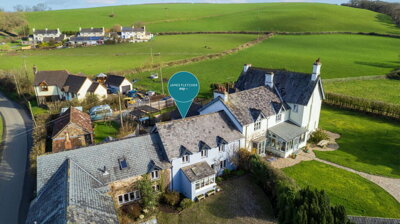
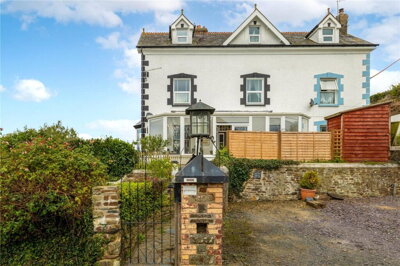
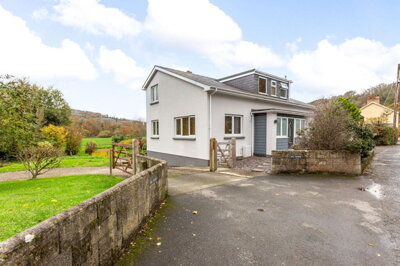
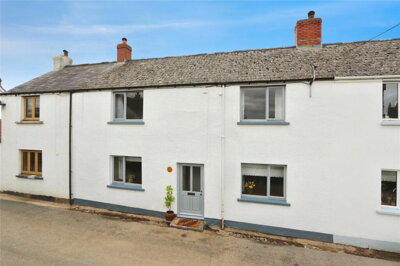
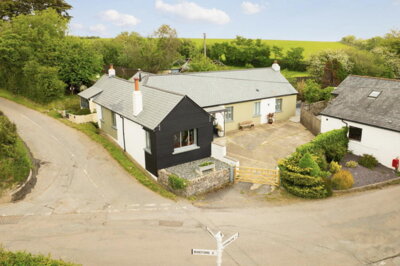
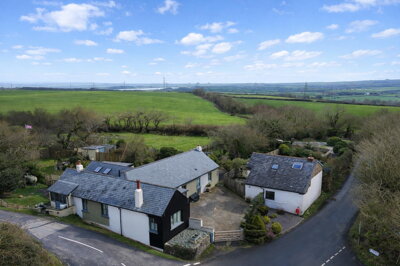
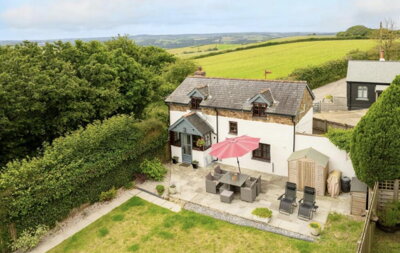
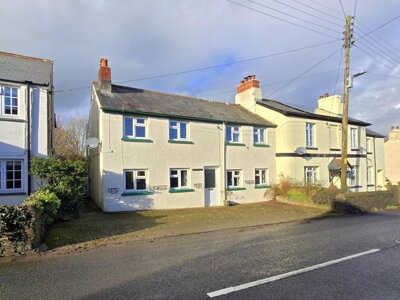
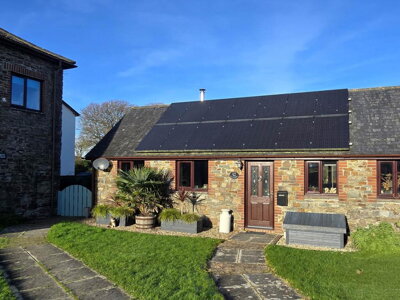
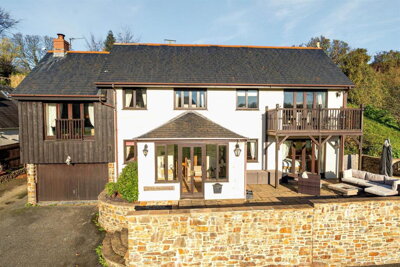
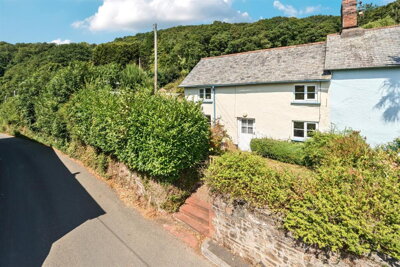
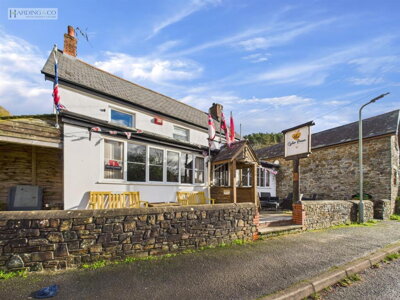
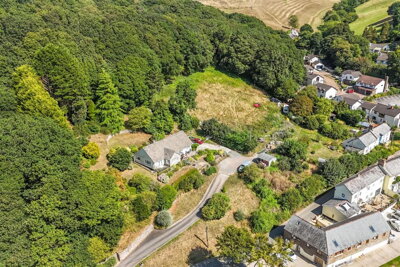
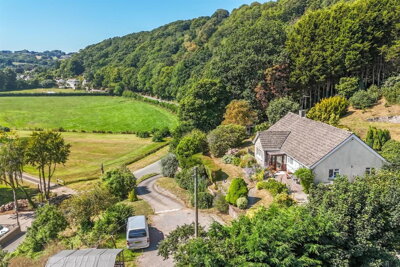
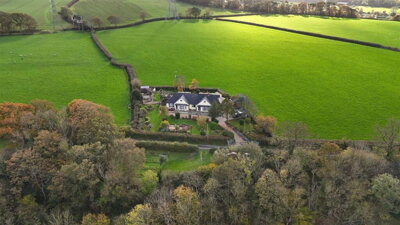
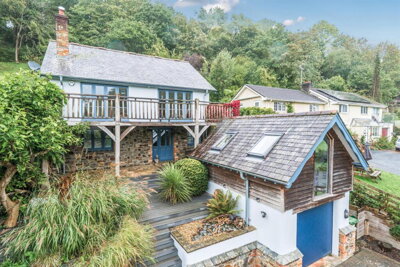
Browse 20 homes for sale in Weare Giffard from local estate agents.
The Halvergate property market reflects its status as a desirable Broadland village with a strong sense of community. Our data shows the overall average sold price in Halvergate reached £399,329 according to Zoopla figures over the last twelve months, with Rightmove reporting £427,917. Property values have demonstrated significant growth, with historical sold prices 40% up on the previous year and 20% above the 2020 peak of £356,714. This upward trajectory indicates continued buyer confidence in the Halvergate area as a long-term investment in the Norfolk property market.
Property types in Halvergate span a range of styles that reflect the village's agricultural heritage and historical development. Semi-detached properties average £301,667, offering excellent value for families seeking generous living space without the premium attached to detached homes. Detached properties command higher prices at around £682,500, reflecting the additional space, privacy, and often superior views across the surrounding marshes that these homes typically enjoy. Terraced properties averaging £297,500 provide an accessible entry point to village life, with several charming cottages featuring the distinctive flint construction and thatched roofs that characterise traditional Halvergate architecture.
Five properties have sold in Halvergate over the past twelve months according to Land Registry data, indicating a relatively modest turnover typical of rural Norfolk villages where properties change hands less frequently but with strong transaction values. New build activity within the village itself remains limited, with any contemporary developments typically found in nearby towns such as Acle or Freethorpe. For buyers seeking character properties, Halvergate's concentration of listed buildings offers unique opportunities, though these require careful consideration of conservation requirements and potential survey needs.
Life in Halvergate centres on the village's remarkable relationship with the surrounding landscape. The village sits on the western edge of the Halvergate Marshes, a vast area of traditionally managed grazing marsh that stretches towards the coast at sea level. Historically an estuary before drainage in the 1600s, the marshes were transformed using windpumps and an intricate network of drainage ditches that remain visible features of the landscape today. This unique geography creates an expansive, open environment where wildlife thrives and residents enjoy panoramic skies and unobstructed views across Norfolk's finest wetland scenery.
The village preserves its heritage through a designated Conservation Area covering Halvergate and Tunstall, containing buildings primarily ranging from the 17th to 19th centuries. The architectural character reflects the area's agricultural prosperity, with substantial farmhouses and manor houses built from materials both indigenous and imported. Indigenous materials include red bricks, red pantiles, and thatch, while imported materials traditionally include flint and gault bricks from other parts of Norfolk, and stone and slate from further afield. The arrival of the railway in the 19th century enabled the importation of gault bricks for buildings like the Primitive Methodist Chapel on Squires Road, built in 1878, marking a period of enhanced connectivity and building prosperity.
Community life in Halvergate revolves around its historic churches and village facilities. The Church of St Peter and St Paul stands as a Grade I listed medieval structure, while the village contains numerous Grade II listed buildings including Halvergate Hall, built in 1840, Halvergate House with its garden walls, The Rookery, Dawdys Farmhouse, and the distinctive Stone Cottage with its flint construction and thatched roof. Halvergate Mill and High's Mill, both Grade II listed, along with the K6 Telephone Kiosk, represent the village's industrial and modern heritage. The combination of medieval churches, Victorian architecture, and traditional cottages creates a streetscape of exceptional character that continues to attract buyers seeking authentic Norfolk village living.
Families considering a move to Halvergate will find educational provision centred on nearby villages and the broader Broadland area. The village's historical significance, with settlement recorded since the Neolithic period and 69 households noted in the Domesday survey of 1086, reflects a community that has supported education for centuries. Primary education is typically accessed through schools in neighbouring villages, with the broader Acle area providing first-school and primary options for younger children. Parents should research specific catchment areas and admissions criteria, as these can influence school placement decisions in rural Norfolk.
Secondary education in the area centres on schools in larger towns such as Acle, with its Strong Six Form provision, and further options in nearby market towns. The proximity to Norwich provides access to a wider range of educational establishments including grammar schools, independent schools, and further education colleges. For families prioritising educational options, the journey times from Halvergate to secondary schools in nearby towns should factor into property search criteria, particularly for those relying on school transport or personal vehicles.
For higher education and specialist training, Norwich offers the University of East Anglia, Norwich University of the Arts, and Norwich Institute of Science and Technology, providing a full spectrum of undergraduate and postgraduate programmes. The short commute from Halvergate to Norwich, approximately 20-30 minutes by car, means that students can live in the village while attending city-based universities, maintaining the quality of life benefits of countryside living alongside access to university facilities and resources.
Transport connections from Halvergate reflect its position as a rural Norfolk village, offering a balance between countryside tranquility and practical accessibility. The village sits between the Rivers Bure and Yare, with major road connections via the A47 running through nearby Acle, providing routes to Norwich to the west and Great Yarmouth to the east. The Acle village itself lies just a few miles from Halvergate, offering local amenities and bus services connecting to wider Norfolk. For residents commuting to Norwich, the journey takes approximately 25-35 minutes by car under normal traffic conditions, making day-to-day commuting feasible for those working in the city.
Public transport options include bus services connecting Halvergate with surrounding villages and towns, though frequency may be limited compared to urban areas. The nearest railway stations are typically found in Norwich or Great Yarmouth, providing connections to London Liverpool Street via Norwich station, with journey times to the capital taking around two hours. For international travel, Norwich Airport offers domestic flights and some European connections, while Stansted Airport is accessible via road for broader international travel requirements.
Cycling infrastructure in the area has developed in response to Norfolk's flat landscape and growing interest in sustainable transport. The Broads area attracts cycling enthusiasts with scenic routes across the marshes and between villages, though the low-lying nature of the marshes means that some routes may be affected by seasonal flooding. Residents planning regular cycle commuting should assess individual route suitability throughout the year, particularly during wetter months when path conditions may vary. Parking in the village remains straightforward given the low-density development, with most properties offering off-street parking typical of rural Norfolk homes.
Start by exploring current listings in Halvergate on Homemove, reviewing property prices, types, and availability. The village offers semi-detached homes from around £301,667, terraced properties from £297,500, and detached properties from £682,500. Understanding the price range and what each property type offers helps narrow your search effectively.
Arrange a mortgage agreement in principle before viewing properties. This demonstrates your purchasing capability to estate agents and sellers, streamlining the buying process when you find your ideal Halvergate home. Contact our mortgage partners to compare rates and find the best deal for your circumstances.
Schedule viewings of properties that match your criteria, paying attention to construction materials, property condition, and the surrounding landscape. Given Halvergate's concentration of period properties, consider factors like conservation area restrictions, listed building status, and proximity to flood risk areas near the marshes.
Before completing your purchase, arrange a RICS Level 2 Survey to assess the property condition. Given Halvergate's many older properties built from flint, brick, and with thatched or slate roofs, a professional survey is essential to identify any structural issues, damp problems, or timber defects common in period homes.
Appoint a conveyancing solicitor to handle the legal aspects of your purchase. They will conduct searches, review contracts, and manage the transfer of ownership. Our conveyancing partners offer transparent pricing from £499, providing expert legal services for your Halvergate property purchase.
Once all searches are satisfactory and finances are confirmed, you will exchange contracts and pay your deposit. Completion follows, when you receive the keys to your new Halvergate home and can begin enjoying life in this historic Norfolk village.
Purchasing property in Halvergate requires careful attention to factors specific to this historic Norfolk village and its unique geography. The village's position on the edge of the Halvergate Marshes means that flood risk requires consideration, particularly for properties with gardens or land extending towards lower-lying ground. While the marshes sit at sea level and have been managed through drainage systems since the 1600s, potential buyers should review any flood risk assessments and consider the implications for insurance and property management.
The conservation area designation covering Halvergate and Tunstall brings specific planning considerations that affect property modifications and renovations. Properties listed as Grade I or Grade II may require consent for alterations, and any external changes should respect the traditional character that the conservation area seeks to preserve. The predominant building materials, including flint, gault brick, thatch, and slate, each require specific maintenance approaches that differ from modern construction methods. Buyers should factor these considerations into their maintenance planning and budget estimates.
The age of Halvergate's housing stock means that many properties will be over 50 years old, with numerous homes dating from the 17th to 19th centuries or earlier. Common issues in period properties include damp and moisture problems, roofing damage, timber decay, and outdated electrical systems. A thorough RICS Level 2 Survey is strongly recommended for all purchases in the village, with more complex or listed properties potentially benefiting from a comprehensive RICS Level 3 Building Survey. These surveys identify defects before purchase, providing negotiating leverage and preventing unexpected costs after completion.
Understanding the traditional construction methods used in Halvergate helps buyers appreciate the character and maintenance requirements of local properties. The most distinctive building material in the village is flint, used extensively in medieval structures and still visible in buildings like Stone Cottage, a Grade II listed one-and-a-half-storey cottage featuring flint construction with red brick dressing and a thatched roof. Flint construction requires specialist knowledge to repair and maintain, as the material is hard but brittle, prone to crumbling at edges, and requires skilled craftsmen for any pointing or replacement work. Our inspectors frequently encounter flint-related issues in Halvergate properties, particularly where mortar has deteriorated or where inappropriate modern repairs have been attempted using incompatible materials.
Thatch and slate roofing dominate Halvergate's historic properties, each presenting distinct maintenance considerations for prospective buyers. Thatched roofs, made from reeds or straw, offer excellent insulation but require re-rendering every 15-30 years and are susceptible to fire risk and pest intrusion. The Church of St Peter and St Paul features a slate roof, likely installed during 19th-century renovations, while the Primitive Methodist Chapel on Squires Road, built in 1878, demonstrates the Victorian preference for gault brick with slate roofing. Gault bricks, imported via the railway from other parts of Norfolk, are notably different from the indigenous red bricks used in earlier buildings, creating a visual distinction between Georgian and Victorian additions to the village's architectural fabric.
The underlying geology of the Halvergate area influences foundation conditions and potential subsidence risk for local properties. The marshes sit on clay and silty deposits, remnants of the historic estuary, which can be susceptible to shrink-swell movement in response to moisture changes. Properties built before proper understanding of ground conditions may have foundations inadequate for the local soil type, particularly those constructed during the 17th to 19th centuries when the marshes were first being intensively drained. Our surveyors pay particular attention to crack patterns, door and window operation, and signs of movement in older Halvergate properties, as these can indicate foundation issues related to the challenging ground conditions.
Given the high proportion of older properties in Halvergate, prospective buyers should be aware of defects commonly identified during property surveys in the village. Damp and moisture problems rank among the most frequently encountered issues, particularly rising damp in properties with solid walls rather than cavity construction. The flint and brick construction common to Halvergate's historic buildings lacks the moisture barriers built into modern properties, making effective ventilation and regular maintenance of rainwater goods essential. Our inspectors regularly find evidence of penetrating damp in properties where pointing has deteriorated or where modern extensions have created moisture traps at junction points between old and new construction.
Timber defects represent another significant category of issues identified in Halvergate's period properties, where exposed timber frames, floor joists, and roof structures are integral to the building's construction. Wet rot and dry rot can develop when timber becomes persistently damp, often as a result of plumbing leaks, inadequate ventilation, or condensation problems. Woodworm infestation may be present in older properties where timbers have not been treated, and our surveyors check for live insects, exit holes, and frass (dust trails) as evidence of active infestation. The thatched roofs found on many traditional Halvergate cottages require particular attention to the timber battens and reed sarking that support the thatch layer.
Roofing defects beyond timber issues include damaged or slipped tiles, deteriorated flashings, and problems with chimney stacks and leadwork. The slate roofs on Victorian properties in Halvergate, such as those on Halvergate Hall and Halvergate House, often develop issues with individual slates cracking or becoming displaced over time, particularly along valleys and at verges. Thatch requires specialist inspection by a thatcher or roofing professional for a thorough assessment, as surface damage may mask more significant deterioration in the underlying layers. Our Level 2 surveys flag these roofing concerns and recommend specialist follow-up inspections where appropriate, ensuring buyers have a complete picture of maintenance requirements before completing their purchase.
The average sold price in Halvergate over the past twelve months reached £427,917 according to Rightmove data, with Zoopla reporting £399,329. Property prices vary significantly by type: semi-detached homes average £301,667, terraced properties £297,500, and detached properties command around £682,500. The market has shown strong growth with prices 40% up on the previous year and 20% above the 2020 peak, indicating sustained buyer interest in this Broadland village location.
Properties in Halvergate fall under Broadland District Council for council tax purposes. The village is part of the Broadland local authority area, and council tax bands range from A through to H depending on property value and type. Prospective buyers should check specific bandings for individual properties through the Valuation Office Agency website or request this information during the conveyancing process.
Halvergate itself is a small village, with primary education typically accessed through schools in nearby villages such as Acle. Secondary education options include schools in the surrounding Broadland area, with further choices available in Norwich. The proximity to Norwich, approximately 25-35 minutes by car, provides access to grammar schools, independent schools, and the University of East Anglia. Parents should verify current catchment areas and admissions criteria through Norfolk County Council's education department.
Halvergate has limited public transport options typical of a rural Norfolk village. Bus services connect the village to surrounding areas and towns, though frequencies are lower than urban routes. The nearest railway stations are in Norwich and Great Yarmouth, offering connections to London Liverpool Street with journey times of around two hours. For commuting to Norwich, car travel takes approximately 25-35 minutes via the A47, making Halvergate suitable for those with access to private transport.
Halvergate offers several factors that appeal to property investors and homebuyers. Historical price growth of 40% year-on-year demonstrates strong market performance, while the village's conservation area status and concentration of listed buildings help preserve property character and desirability. The Norfolk Broads proximity attracts buyers seeking countryside lifestyle properties, and the limited new build supply in the village itself helps maintain values. However, flood risk considerations and conservation restrictions should factor into any investment decision.
Stamp duty rates for 2024-25 are 0% on the first £250,000 of property value, 5% on £250,001 to £925,000, 10% on £925,001 to £1.5 million, and 12% above £1.5 million. First-time buyers benefit from relief on properties up to £625,000, paying 0% on the first £425,000 and 5% on the amount between £425,001 and £625,000. For a typical Halvergate property averaging £427,917, a standard buyer would pay around £8,896 in stamp duty, while first-time buyers would pay nothing on most purchases.
Period properties in Halvergate commonly present issues related to their traditional construction methods. Flint wall deterioration, where mortar pointing has failed allowing moisture ingress, ranks among the most frequent defects our inspectors identify in the village. Thatched roofs require specialist assessment for deterioration in the underlying sarking layer, while timber frame elements in older cottages may show signs of wet rot, dry rot, or woodworm. Properties with solid walls rather than cavity construction often suffer from rising damp, particularly where original ventilation has been blocked by modern alterations. A thorough RICS Level 2 Survey is essential for identifying these issues before purchase.
Properties within the Halvergate and Tunstall Conservation Area face planning restrictions designed to preserve the village's traditional character. External alterations including window replacement, roof material changes, and extensions typically require planning permission or consent from Broadland District Council. Listed buildings, which include the Church of St Peter and St Paul, Halvergate Hall, Stone Cottage, and several mills and farmhouses, require Listed Building Consent for any works that might affect their character or structure. These requirements can increase renovation costs and timelines, but they also protect your investment by maintaining the distinctive character that makes Halvergate properties desirable.
Understanding the full costs of purchasing property in Halvergate helps you budget accurately for your move. Stamp Duty Land Tax represents a significant expense, with standard rates applying 0% on the first £250,000, 5% between £250,001 and £925,000, 10% between £925,001 and £1.5 million, and 12% above £1.5 million. For a property at the Halvergate average price of £427,917, a non-first-time buyer would pay approximately £8,896 in stamp duty. First-time buyers benefit from relief on properties up to £625,000, paying nothing on the first £425,000 and 5% on the amount between £425,001 and £625,000, meaning most first-time buyers in Halvergate would pay minimal or no stamp duty.
Beyond stamp duty, additional buying costs include solicitor fees for conveyancing, typically ranging from £500 to £1,500 depending on complexity and whether the property is freehold or leasehold. Search fees, including local authority, drainage, and environmental searches, generally cost between £250 and £400. A RICS Level 2 Survey costs between £400 and £800 depending on property size and type, representing around 0.1-0.3% of the purchase price. For a typical Halvergate property, a Level 2 survey costs from £400, while larger or more complex period properties may require the more comprehensive Level 3 survey from £650.
Additional costs to budget for include mortgage arrangement fees, which can range from £0 to £2,000 depending on the lender and product chosen. Survey costs for period properties in Halvergate should account for the age and construction type of the property, with thatched roofs, flint walls, and historic features potentially requiring specialist assessment. Buildings insurance must be in place from exchange of contracts, and removals costs vary based on distance and volume of belongings. When calculating your total budget for a property in Halvergate, we recommend adding approximately 3-5% of the purchase price to cover these additional expenses, ensuring you have sufficient funds to complete your purchase smoothly.
From 4.5%
Compare mortgage rates and find the best deal for your Halvergate property purchase
From £499
Expert legal services for your property purchase
From £400
Professional property survey to identify defects in your Halvergate home
From £650
Comprehensive building survey for older or complex properties
Properties for Sale In London

Properties for Sale In Plymouth

Properties for Sale In Liverpool

Properties for Sale In Glasgow

Properties for Sale In Sheffield

Properties for Sale In Edinburgh

Properties for Sale In Coventry

Properties for Sale In Bradford

Properties for Sale In Manchester

Properties for Sale In Birmingham

Properties for Sale In Bristol

Properties for Sale In Oxford

Properties for Sale In Leicester

Properties for Sale In Newcastle

Properties for Sale In Leeds

Properties for Sale In Southampton

Properties for Sale In Cardiff

Properties for Sale In Nottingham

Properties for Sale In Norwich

Properties for Sale In Brighton

Properties for Sale In Derby

Properties for Sale In Portsmouth

Properties for Sale In Northampton

Properties for Sale In Milton Keynes

Properties for Sale In Bournemouth

Properties for Sale In Bolton

Properties for Sale In Swansea

Properties for Sale In Swindon

Properties for Sale In Peterborough

Properties for Sale In Wolverhampton

Enter your details to see if this property is within your budget.
Loans, cards, car finance
Estimated property budget
Borrowing + deposit
You could borrow between
Typical borrowing
Monthly repayment
Est. at 4.5%
Loan-to-value
This is an estimate only. Your actual budget may vary depending on interest rates, credit history, and personal circumstances. For an accurate affordability assessment, speak to one of our free mortgage advisors.
This calculator provides estimates for illustrative purposes only and does not constitute financial advice. Your home may be repossessed if you do not keep up repayments on your mortgage. Estimates based on 4.5% interest rate, repayment mortgage. Actual rates depend on your circumstances.
Homemove is a trading name of HM Haus Group Ltd (Company No. 13873779, registered in England & Wales). Homemove Mortgages Ltd (Company No. 15947693) is an Appointed Representative of TMG Direct Limited, trading as TMG Mortgage Network, which is authorised and regulated by the Financial Conduct Authority (FRN 786245). Homemove Mortgages Ltd is entered on the FCA Register as an Appointed Representative (FRN 1022429). You can check registrations at NewRegister or by calling 0800 111 6768.

We use cookies to show you personalised content and improve your experience of our website. Find out more in our Privacy policy and Cookie policy.