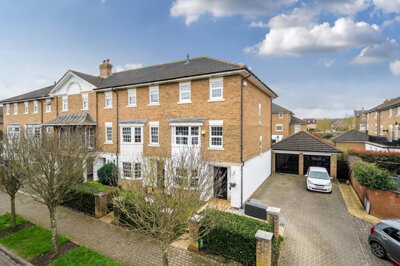
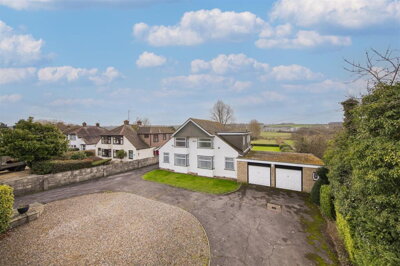
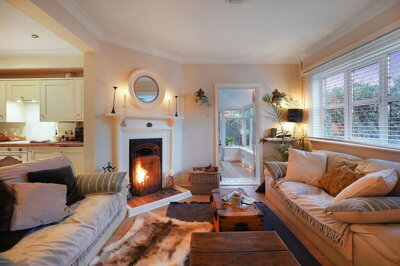
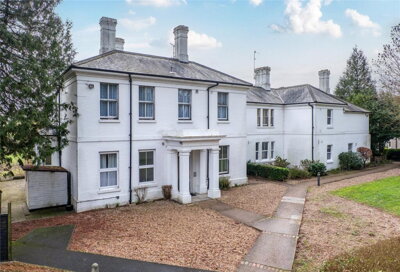
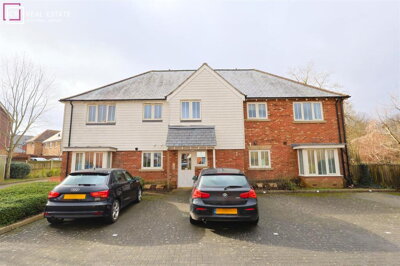
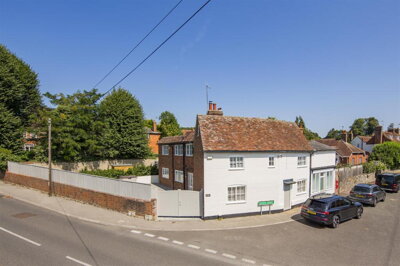
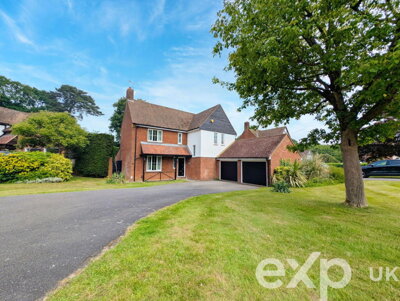
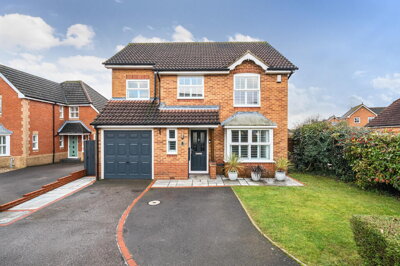
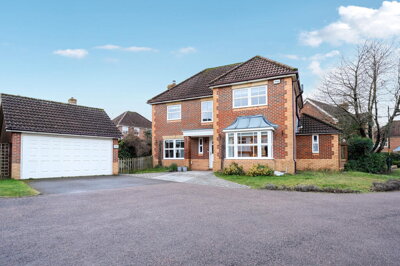
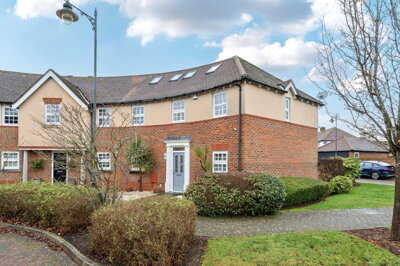
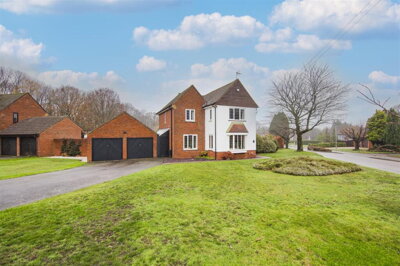
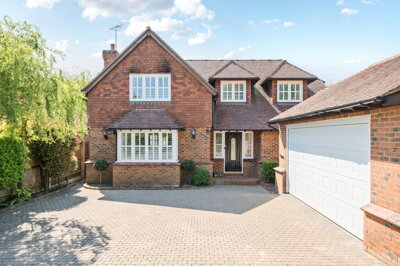
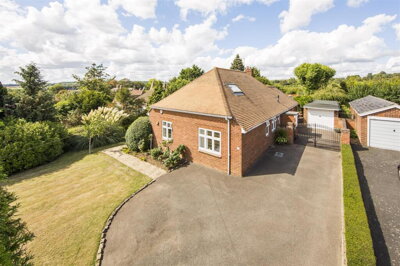
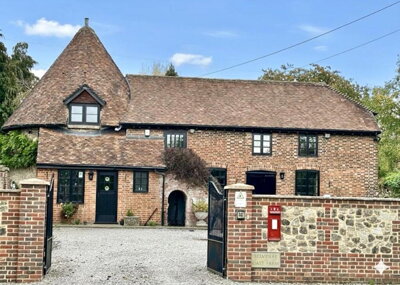
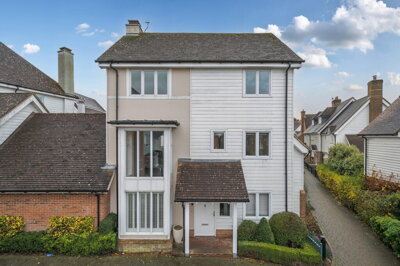
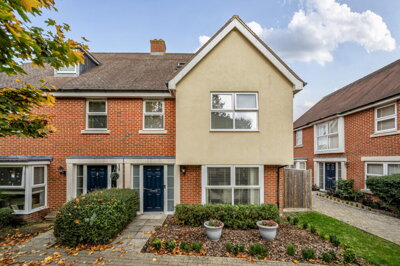
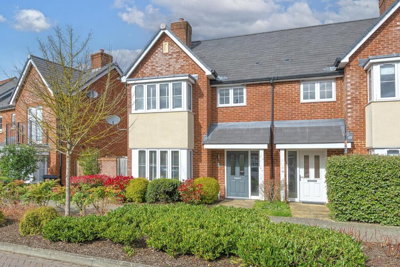
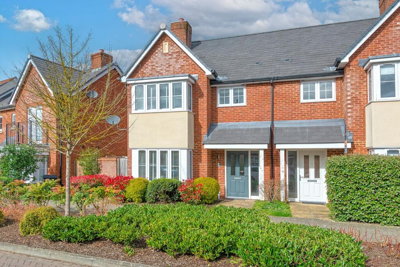
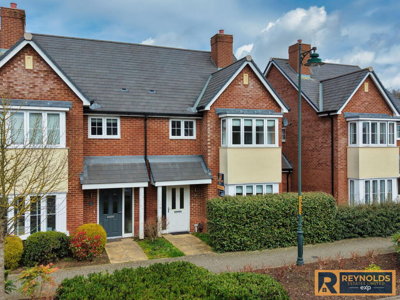
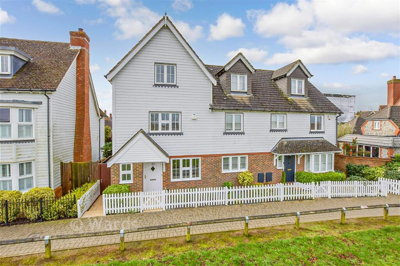
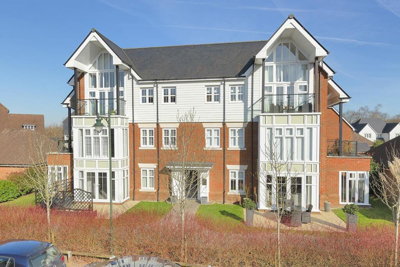
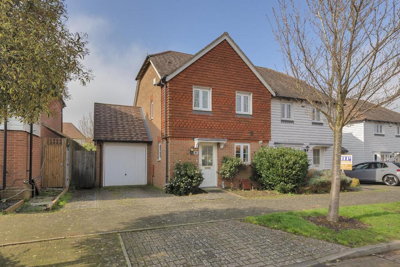
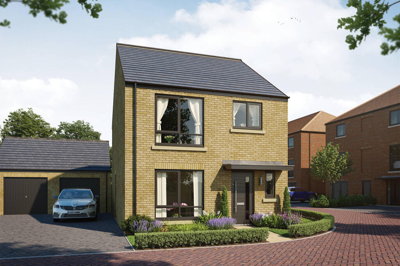
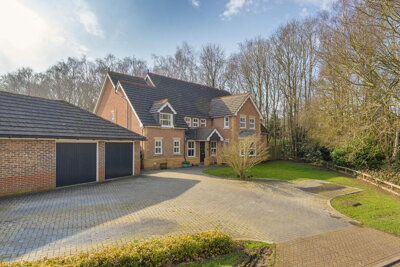
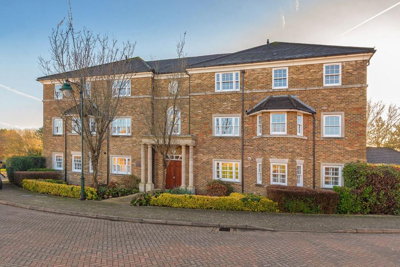
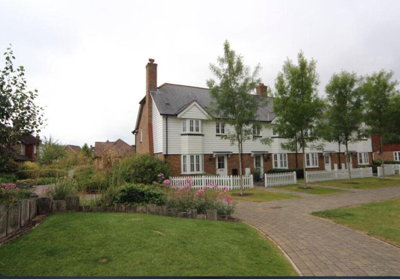
Browse 233 homes for sale in Wateringbury, Tonbridge and Malling from local estate agents.
£388k
18
0
139
Source: home.co.uk
Source: home.co.uk
Detached Bungalow
3 listings
Avg £558,333
Flat
3 listings
Avg £9,000
Detached
2 listings
Avg £762,500
End of Terrace
2 listings
Avg £475,000
Terraced
2 listings
Avg £450,000
Apartment
1 listings
Avg £260,000
Ground Flat
1 listings
Avg £280,000
House
1 listings
Avg £750,000
Retirement Property
1 listings
Avg £135,000
Semi-Detached
1 listings
Avg £400,000
Source: home.co.uk
Source: home.co.uk
The Dunster property market has demonstrated remarkable stability and steady appreciation over recent years. Property prices in this medieval Somerset village currently average £397,000, with detached properties commanding around £420,000 and semi-detached homes selling at approximately £383,750. Terraced properties, which form a significant portion of the village's historic housing stock, have achieved an average of £389,000 over the past twelve months. The market reflects the village's popularity among buyers seeking character properties in a preserved medieval setting. These figures represent a 3% increase year-on-year, demonstrating consistent demand for homes in this sought-after location.
Dunster's housing stock is predominantly characterised by older, traditional properties befitting its medieval heritage. The village features a notable concentration of historic cottages and period homes, many of which are believed to fall within conservation areas and carry listed building status. Our data shows no active new-build developments in the TA24 postcode area, meaning buyers are acquiring authentic period properties that have been carefully maintained by previous owners. This scarcity of new supply, combined with the village's enduring appeal, continues to support property values in the local market. The majority of properties sold in Dunster over the past year were semi-detached homes, though terraced cottages and detached period houses also feature prominently in transaction activity.
Understanding the seasonal nature of the Dunster property market helps buyers time their search effectively. Properties in the village occasionally attract interest from holiday let investors and those seeking weekend retreats, which can influence pricing at different times of year. The village's proximity to Exmoor National Park and the Somerset coastline means that properties with letting potential or stunning views sometimes command premium prices. Most homes trade between £350,000 and £550,000, with the rarest period properties exceeding these figures. Given the limited number of annual sales in the village, typically fewer than 20 transactions per year, buyers should be prepared to act decisively when the right property becomes available.

Dunster presents itself as one of Somerset's most enchanting places to call home, with a village atmosphere that harks back to a simpler time while offering everything needed for comfortable modern living. The village is renowned for its preserved medieval street pattern, with cobbled lanes and stone cottages creating an unmistakably historic character that has earned Dunster recognition as one of the finest villages in the Southwest. Residents enjoy a strong sense of community, with regular village events, traditional pubs serving local produce, and independent shops adding to the village's unique atmosphere. The annual Dunster Show and the Christmas light switch-on bring the community together, reinforcing the village's strong social fabric.
The village sits at the foot of the Quantock Hills, providing residents with immediate access to some of Somerset's most spectacular countryside for walking, cycling, and outdoor pursuits. The Quantock Hills were England's first designated Area of Outstanding Natural Beauty, spanning 38 square miles of heather moorland, ancient woodlands, and dramatic coastal cliffs. From Dunster, residents can explore the Coleridge Way, a 36-mile footpath connecting the Quantock Hills to the Quantock coast, as well as numerous shorter trails suitable for families and casual walkers. The network of public footpaths crisscrossing the surrounding countryside provides endless opportunities for countryside exploration right on the doorstep.
Dunster Beach and the Somerset coastline are a short drive away, offering further recreational opportunities along this designated Heritage Coast. The nearby town of Minehead provides additional shopping facilities, supermarkets, and healthcare services, ensuring that residents have access to everyday amenities without sacrificing village life. Minehead's seafront hosts the West Somerset Railway terminus, a heritage railway that runs through stunning scenery to Bishops Lydeard, offering both a practical transport link and a popular tourist attraction. The combination of natural beauty, heritage character, and community spirit makes Dunster particularly appealing to families, retirees, and anyone seeking a peaceful lifestyle in stunning surroundings. The village also benefits from being within easy reach of Exmoor National Park, with the open moorland just a few miles to the east offering further exploration opportunities.

Families considering a move to Dunster will find a selection of educational options available within reasonable travelling distance. Primary education is served by Dunster Primary School, a small village school that provides a nurturing environment for young children within the community itself. The school maintains strong links with the local community, allowing children to grow up immersed in village life while receiving a solid foundational education. With smaller class sizes than urban schools, Dunster Primary offers a more personal educational experience that many parents find appealing for their children's early school years. The school's Victorian-era building adds to the village's historic character and provides children with a unique learning environment.
For secondary education, students typically travel to schools in the surrounding area, with several options available in nearby towns. Students from Dunster commonly attend schools in Minehead, approximately 5 miles away, including the nearest secondary school with comprehensive facilities. The journey to secondary school typically involves school transport arrangements or a short drive, which is common for families in rural Somerset. Taunton, approximately 20 miles away, offers additional secondary school options including grammar schools for academically able students, such as The Castle School and Richard Huish College for sixth form education.
The wider Somerset area offers a choice of secondary schools including grammar schools in towns such as Taunton and Minehead, providing academic pathways for students of varying abilities and aspirations. Parents should research specific catchment areas and admission policies when considering schools, as these can significantly influence educational options for their children. For families prioritising education in their property search, consulting with local education authorities and visiting schools directly will provide the most current and relevant information for making informed decisions about schooling options near Dunster. Independent schools in Somerset and Devon also provide alternatives for families seeking private education, with several options within reasonable driving distance of the village.
Transport connectivity from Dunster centres primarily on road networks, with the village situated near the A39 which provides access to the coastal town of Minehead to the west and the county town of Taunton to the east. The A358 offers connections to the M5 motorway at Taunton, enabling onward travel to Bristol, Exeter, and the national motorway network. For village residents, car travel remains the most practical option for accessing wider services and employment centres, with journey times to Taunton taking approximately 45 minutes under normal traffic conditions. Bristol can be reached in around 90 minutes, making day trips to the city feasible for shopping, culture, or business purposes.
Public transport options include bus services connecting Dunster to Minehead and the surrounding villages, providing essential links for those without private vehicles. The 28 bus service operates between Minehead and Taunton via Dunster, offering a lifeline for residents without cars to access larger towns for shopping and appointments. The nearest railway station is located in Minehead, offering connections on the West Somerset Railway, a heritage line that runs to Bishops Lydeard. For national rail travel, Taunton station provides access to the Great Western mainline with regular services to London Paddington, taking approximately 1 hour 40 minutes, as well as direct connections to Bristol, Exeter, and Plymouth.
For air travel, Bristol Airport is approximately 90 minutes away by car, providing international connections and domestic flights across Europe and beyond. Exeter Airport, around 60 minutes drive, offers additional flight options including international destinations. Cyclists benefit from the surrounding countryside lanes and the proximity to the Coleridge Way and other scenic routes that make cycling a popular pastime in the area. The quiet lanes of the Quantock Hills provide challenging routes for experienced cyclists, while flatter routes along the coast offer gentler options. Many residents combine cycling with train travel from Taunton to access longer routes or travel to work by bike on the quieter village roads.
Explore current listings on Homemove to understand what properties are available in Dunster, from period cottages to traditional stone homes. Research the average price of £397,000 and consider how different property types, locations within the village, and condition affect value. Understanding the market before you view properties helps you make informed decisions and recognise good value when you see it. Given the village's small number of annual sales, being well-informed about current values and recent transactions will give you a significant advantage in negotiations.
Before viewing properties in Dunster, arrange a mortgage agreement in principle with a lender. This document confirms how much you can borrow and demonstrates to sellers that you are a serious buyer with finances in place. Having this in place gives you confidence in your budget and strengthens your position when making an offer on a property in this competitive village market. For period properties in Dunster, some lenders may require a specialist valuation due to the age and construction type of many homes, so factor this into your mortgage arrangements early.
Arrange viewings of properties that match your criteria and take time to assess the character, condition, and location of each home within Dunster. Consider factors such as proximity to village amenities, exposure to the Quantock Hills landscape, and any listed building considerations. When you find the right property, submit a competitive offer through your estate agent. In a village with limited stock, being prepared to move quickly while remaining measured in your offer will serve you well.
Given Dunster's prevalence of older, period properties, a RICS Level 2 Survey is essential before proceeding with your purchase. This homebuyer report identifies structural issues, potential defects, and maintenance concerns common in historic properties. The survey provides negotiating leverage if repairs or issues are identified before you commit fully to the purchase. For listed buildings or properties of non-standard construction, your surveyor may recommend a more detailed RICS Level 3 Building Survey to fully assess the property's condition.
Once your offer is accepted, instruct a solicitor to handle the legal aspects of your purchase. They will conduct searches, review contracts, and coordinate with the seller's representatives to ensure a smooth transaction. Choose a solicitor with experience in rural and period properties to handle any complexities that may arise with listed buildings or conservation area properties. Searches specific to Dunster may include drainage and water authority checks, environmental searches, and planning history investigations for older properties.
Your solicitor will arrange for contracts to be signed and deposits to be paid at the exchange stage, committing both parties to the transaction. Completion typically follows shortly after, at which point you receive the keys to your new Dunster home. Congratulations on acquiring your piece of this beautiful medieval Somerset village. Allow time for setting up utilities, notifying relevant parties of your change of address, and familiarising yourself with the village community and local services.
Purchasing a property in Dunster requires careful consideration of several factors unique to this historic village setting. The prevalence of period properties means that many homes will be of traditional construction, potentially predating modern building regulations. Buyers should pay particular attention to the condition of roofs, which on older properties may have been partially replaced over the years. Solid wall construction, common in historic cottages, offers different insulation and maintenance considerations compared to modern cavity wall properties. The absence of cavity wall insulation in many period properties means that heating costs may be higher than expected, so factor this into your running cost calculations.
Listed building status is a significant consideration in Dunster, where numerous properties carry Grade II or higher designation. These properties offer extraordinary character and protection of original features, but owners must obtain Listed Building Consent for certain alterations or improvements. Before purchasing, establish whether the property is listed and understand the implications this has for future maintenance and modifications. Your solicitor should investigate this during conveyancing searches to ensure you are fully informed. The additional responsibilities of listed building ownership include maintaining the property in a manner that preserves its historic character, which can increase maintenance costs compared to non-listed properties.
Conservation area restrictions may apply to properties throughout the village, placing additional controls on external alterations, extensions, and even some internal works. These designations protect the village's special character but require owners to work within defined parameters. Prospective buyers should consult with Somerset Council planning department to understand any applicable restrictions before committing to a purchase. Additionally, the age of properties in Dunster means that electrical wiring, plumbing, and heating systems may require updating to current standards, so budget accordingly for any necessary upgrades. Rewiring a period property to meet current regulations is a significant expense that can run to thousands of pounds, so an electrical inspection should be part of your pre-purchase assessment.
Understanding the costs associated with purchasing property in Dunster is essential for budgeting effectively. The average property price of £397,000 means that many buyers will fall below the standard stamp duty threshold of £250,000, resulting in no SDLT liability on the portion of the purchase price within that bracket. However, amounts between £250,001 and £397,000 would incur 5% stamp duty, meaning a typical Dunster purchase could attract around £7,350 in SDLT at current rates. First-time buyers purchasing properties under £425,000 may qualify for full relief from stamp duty, making the village more accessible for those taking their first step onto the property ladder.
Beyond stamp duty, buyers should budget for solicitor fees typically ranging from £500 to £2,000 depending on complexity and property value. Conveyancing costs for a period property in Dunster may be higher than average due to the need for additional searches related to listed building status and conservation area restrictions. A RICS Level 2 Survey costs from approximately £350 to £600 depending on property size and the surveyor selected, while an Energy Performance Certificate is a legal requirement costing from £80. Mortgage arrangement fees, valuation fees, and survey costs should also be factored into your overall budget when purchasing in this village market.
Annual ownership costs for properties in Dunster include council tax, which falls under Somerset Council's jurisdiction. Most properties in the village fall within Council Tax Bands A to D, with annual charges ranging from approximately £1,500 to £2,500 depending on the property's assessed value. Buildings insurance for period properties may cost more than for modern homes due to the higher rebuild costs and specialist materials required. Factor in ongoing maintenance costs for older properties, which typically run at 1-2% of property value annually, to maintain the fabric of historic buildings in good condition.
The average property price in Dunster currently stands at £397,000 based on sales over the past twelve months. Detached properties average around £420,000, semi-detached homes sell for approximately £383,750, and terraced properties achieve around £389,000. Prices have increased by 3% year-on-year and are now 8% higher than the 2022 peak of £366,798, indicating a stable and growing market in this historic Somerset village. The village's limited supply of properties, combined with consistent demand from buyers seeking character homes in a preserved medieval setting, continues to support prices.
Properties in Dunster fall under the council tax jurisdiction of Somerset Council. Council tax bands are assigned based on property value and can range from Band A through to Band H. Period cottages and smaller properties may fall into lower bands, while larger family homes and detached properties typically occupy higher bands. Most Dunster properties fall within Bands A to D given the village's predominantly smaller period housing stock. Prospective buyers should check the specific banding for any property they are considering, as this affects annual running costs.
Dunster Primary School serves the village directly, providing education for children of primary age in a small, community-focused setting with the advantage of children being educated within the village community. For secondary education, families typically consider schools in nearby towns including Minehead, where options include both comprehensive and grammar schools. Schools in Taunton and the surrounding Somerset area offer additional choices for families willing to travel, including access to selective grammar schools for academically able students. Always verify current school performance data and admission policies directly with the schools or local education authority, as catchment areas can change and may influence your options.
Dunster is primarily served by local bus services connecting the village to Minehead and surrounding communities, with the 28 service providing a regular link to both Minehead and Taunton. The nearest railway station is in Minehead, offering heritage railway connections on the West Somerset Railway to Bishops Lydeard. For national rail services and broader connectivity, Taunton station provides access to the Great Western mainline with regular services to London, Bristol, and Exeter, with London Paddington reachable in approximately 1 hour 40 minutes. Most residents find car travel essential for daily commuting and accessing services beyond the immediate village, though public transport options do exist for those without private vehicles.
Dunster presents several characteristics that make it attractive for property investment, including its medieval character, conservation status, and location near the Quantock Hills and Somerset coastline. The village's proximity to Exmoor National Park and the West Somerset Railway heritage line adds to its appeal as a tourism destination, which can support both holiday let income and long-term rental demand. Limited new-build supply means existing properties retain their appeal and scarcity value. The rental market may be driven by holiday lets and seasonal visitors, with properties commanding premium rates during peak seasons. Any investment should be considered with long-term capital appreciation in mind rather than expectation of rapid returns, as the village market moves deliberately.
Stamp duty rates for 2024-25 apply as follows: no stamp duty on purchases up to £250,000, 5% on the portion from £250,001 to £925,000, 10% from £925,001 to £1.5 million, and 12% above £1.5 million. First-time buyers benefit from relief on purchases up to £425,000, with 5% applying between £425,001 and £625,000. Given Dunster's average price of £397,000, most buyers would pay no stamp duty on the first £250,000 and approximately £7,350 on the portion above this threshold. First-time buyers purchasing under £425,000 may qualify for full relief, making the village accessible to those taking their first step on the property ladder.
Properties for Sale In London

Properties for Sale In Plymouth

Properties for Sale In Liverpool

Properties for Sale In Glasgow

Properties for Sale In Sheffield

Properties for Sale In Edinburgh

Properties for Sale In Coventry

Properties for Sale In Bradford

Properties for Sale In Manchester

Properties for Sale In Birmingham

Properties for Sale In Bristol

Properties for Sale In Oxford

Properties for Sale In Leicester

Properties for Sale In Newcastle

Properties for Sale In Leeds

Properties for Sale In Southampton

Properties for Sale In Cardiff

Properties for Sale In Nottingham

Properties for Sale In Norwich

Properties for Sale In Brighton

Properties for Sale In Derby

Properties for Sale In Portsmouth

Properties for Sale In Northampton

Properties for Sale In Milton Keynes

Properties for Sale In Bournemouth

Properties for Sale In Bolton

Properties for Sale In Swansea

Properties for Sale In Swindon

Properties for Sale In Peterborough

Properties for Sale In Wolverhampton

Enter your details to see if this property is within your budget.
Loans, cards, car finance
Estimated property budget
Borrowing + deposit
You could borrow between
Typical borrowing
Monthly repayment
Est. at 4.5%
Loan-to-value
This is an estimate only. Your actual budget may vary depending on interest rates, credit history, and personal circumstances. For an accurate affordability assessment, speak to one of our free mortgage advisors.
This calculator provides estimates for illustrative purposes only and does not constitute financial advice. Your home may be repossessed if you do not keep up repayments on your mortgage. Estimates based on 4.5% interest rate, repayment mortgage. Actual rates depend on your circumstances.
Homemove is a trading name of HM Haus Group Ltd (Company No. 13873779, registered in England & Wales). Homemove Mortgages Ltd (Company No. 15947693) is an Appointed Representative of TMG Direct Limited, trading as TMG Mortgage Network, which is authorised and regulated by the Financial Conduct Authority (FRN 786245). Homemove Mortgages Ltd is entered on the FCA Register as an Appointed Representative (FRN 1022429). You can check registrations at NewRegister or by calling 0800 111 6768.

We use cookies to show you personalised content and improve your experience of our website. Find out more in our Privacy policy and Cookie policy.