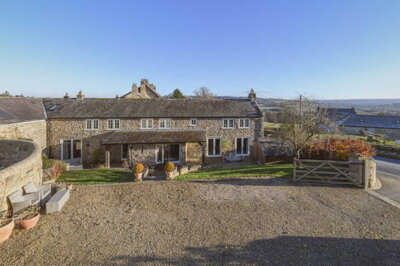
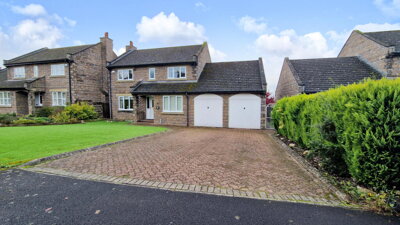
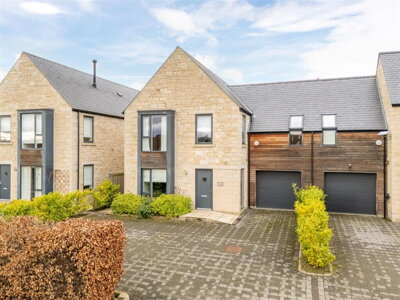
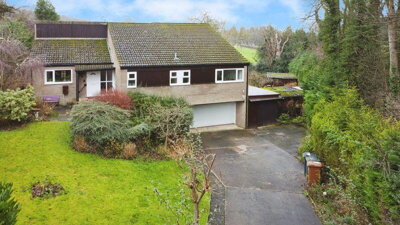
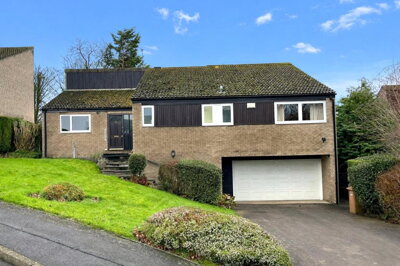
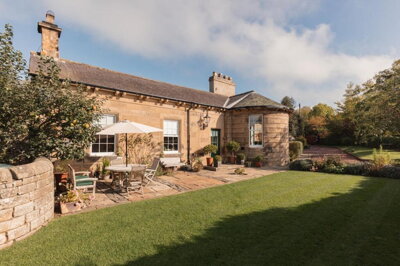
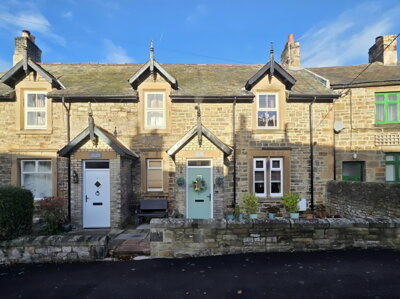
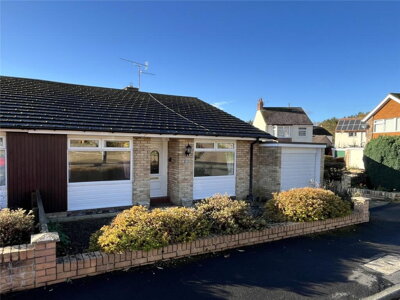
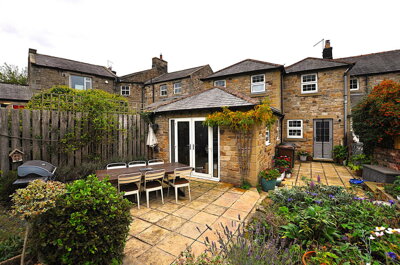
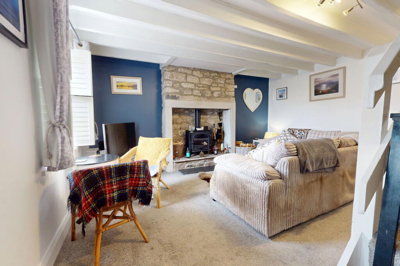
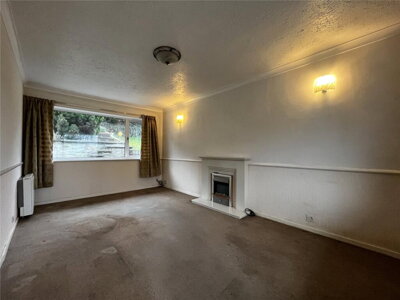
Browse 15 homes for sale in Warden, Northumberland from local estate agents.
£650k
1
0
91
Source: home.co.uk
Source: home.co.uk
Detached
1 listings
Avg £650,000
Source: home.co.uk
Source: home.co.uk
The Llanllawddog property market presents a compelling opportunity for buyers seeking rural Welsh charm without the premium prices seen in more metropolitan areas. Recent sales data indicates a median property price of £382,500 based on transactions recorded in 2023, though this figure reflects just two sales during that period and can therefore fluctuate significantly with limited transaction volumes. Historical data across all recorded sales shows an overall median price of £217,500, suggesting that property values have appreciated considerably in recent years as buyers increasingly seek rural retreats. Understanding these figures helps set realistic expectations when searching for property in this Carmarthenshire village.
Detached properties dominate the local market, with 2023 sales data showing a median price of £382,500 for standalone homes. Semi-detached properties have also changed hands at strong prices, with one notable sale in 2018 achieving £420,000. The housing stock in Llanllawddog consists predominantly of traditional stone-built cottages and farmhouses, many dating from the 18th and 19th centuries. These character properties feature locally-sourced rubble stone construction, often rendered, with original slate roofs and distinctive brick chimney stacks. Buyers seeking period properties will find a good selection of homes retaining original features such as exposed beams, inglenook fireplaces, and thick stone walls.
New build activity remains minimal in the immediate Llanllawddog area, with no large-scale developments by major housebuilders identified in the SA32 7xx postcode region. Instead, the market consists primarily of period properties and barn conversions that have been sensitively renovated to blend traditional character with modern living requirements. Properties such as converted agricultural barns offer buyers the opportunity to acquire spacious rural homes with contemporary interiors while retaining original features such as exposed stone walls and timber beams. This scarcity of new-build stock means buyers in Llanllawddog are largely purchasing homes with genuine character and history.
The local geology and construction methods found in Carmarthenshire create specific property characteristics that buyers should understand. Traditional properties feature rubble stone walls, often rendered or with brick dressings, and original slate roofs, though some older cottages may retain thatch now covered by corrugated iron sheets. These solid-wall buildings lack the cavity insulation found in modern properties, which affects both thermal performance and how the buildings should be maintained. The surrounding landscape features clay-rich soils that can cause foundation movement in some conditions, particularly during extended dry periods when trees and vegetation extract moisture from the ground. A professional survey can assess whether these ground conditions may affect a particular property.

Llanllawddog is a small rural community council nestled in the rolling countryside of Carmarthenshire, approximately 4 miles north of the market town of Carmarthen. The village takes its name from Saint Llawddog, whose legacy is preserved in the local church that forms the spiritual and historical heart of the community. With a population that has grown from 703 in the 2011 Census to 765 in 2021, the village has maintained its intimate character while gradually attracting new residents drawn to its peaceful atmosphere and strong sense of community spirit. This gradual population growth reflects the village's enduring appeal as a place to put down roots.
The character of Llanllawddog is deeply rooted in its agricultural heritage, with the surrounding countryside characterised by patchwork fields, hedgerows, and farmland that has shaped the landscape for centuries. The River Gwili flows through the community, adding to the rural charm and providing scenic walks along its banks. Traditional properties throughout the village showcase the building techniques of past generations, with rubble stone walls, thatched roofs on some older cottages, and distinctive architectural features that reflect the local vernacular. The village community council works actively to preserve this heritage while supporting appropriate development that enhances rather than compromises the area's character.
Daily life in Llanllawddog benefits from the proximity to Carmarthen, Wales' oldest town, which provides comprehensive retail, healthcare, and cultural amenities within a short drive. Locally, the village and surrounding hamlets support small businesses, farms, and artisan enterprises that contribute to a vibrant rural economy. Community events, local produce from surrounding farms, and traditional pubs create opportunities for social connection, while the stunning countryside on the doorstep offers endless possibilities for walking, cycling, and enjoying the natural beauty of West Wales. The River Gwili valley provides particularly attractive walking routes, with public footpaths offering access to the water's edge and surrounding farmland.
The seasonal rhythm of life in Llanllawddog brings its own character to village living. Winter months can bring occasional disruption to travel on country roads, and residents learn to keep provisions and be flexible during periods of adverse weather. Spring and summer reveal the countryside at its finest, with longer days providing ample opportunity to explore local footpaths and enjoy the natural environment. These seasonal variations influence property considerations, with traditional solid-wall buildings requiring thoughtful approaches to heating and ventilation throughout the year. The changing seasons contribute to the authentic rural character that distinguishes Llanllawddog from more urban environments.

Families considering a move to Llanllawddog will find a selection of educational options within reasonable distance, with Carmarthen serving as the primary hub for schools at all levels. The village itself falls within the catchment area for primary schools in the surrounding cluster, with Llanllawddog Primary School serving the immediate community and nearby villages. Primary education in rural Carmarthenshire typically features small class sizes that allow for individual attention and strong pupil-teacher relationships, benefits that parents frequently cite when choosing to raise children in the Welsh countryside. These smaller educational settings can provide a nurturing environment for young learners.
Secondary education is available at schools in Carmarthen, with several options including Ysgol Gyfun Carmarthen and Ysgol Gyfun Llangennech providing secondary education in Welsh and English mediums. For families seeking Welsh-medium education, Carmarthenshire offers numerous options as part of Wales' broader commitment to language preservation. Sixth form provision is available at these secondary schools and at Coleg Sir Gar in Carmarthen, which also offers further education courses and vocational qualifications for students progressing beyond GCSE level. The college provides pathways into various career directions, from academic A-levels to practical vocational training.
The wider Carmarthenshire area is home to several schools that have achieved excellent Ofsted and Estyn ratings, reflecting the high standard of education available in the county. Parents should research specific school catchments and admission arrangements, as rural catchments can span considerable geographic areas and entry policies can change. For those seeking private education, Carmarthen hosts independent school options, while university education is accessible through the University of Wales Trinity Saint David in Carmarthen, which offers undergraduate and postgraduate programmes in a range of disciplines. The university campus provides higher education opportunities without requiring students to relocate to larger cities.
Transport connectivity from Llanllawddog centres on road travel, with the village situated along country lanes that connect to the A485 and to Carmarthen, approximately 4 miles to the south. The A40 trunk road provides eastward access to the M4 motorway at St Clear, linking Llanllawddog to Swansea and the broader motorway network. Westward travel takes residents to the county town of Carmarthen itself, where comprehensive local bus services operate and the West Wales Line railway station offers connections to destinations including Carmarthen, Llanelli, Swansea, and Manchester Piccadilly. The A40 provides the main arterial route for those travelling further afield.
Carmarthen railway station provides direct services to Swansea (approximately 1 hour 15 minutes) and connections onwards to the rest of the UK rail network. For air travel, Cardiff Wales Airport is approximately 90 minutes' drive to the east, offering domestic and international flights. Bristol Airport provides an alternative within similar driving distance for those with preferences for different airlines or routes. Local bus services operate throughout Carmarthenshire, connecting Llanllawddog and surrounding villages to Carmarthen and other market towns, though service frequencies are typical of rural areas and may require planning for those accustomed to urban public transport provision. Weekend and evening services are particularly limited.
For commuters working in Carmarthen, the daily journey by car typically takes 10-15 minutes, making the village an attractive option for those who can work remotely several days per week or who have flexible working arrangements. The peaceful countryside setting combined with reliable road access to employment hubs makes Llanllawddog particularly suitable for professionals seeking a better work-life balance. Cyclists will find both challenging routes through the hilly Carmarthenshire countryside and more leisurely options along minor roads, while the Wales Coast Path passes nearby, attracting visitors and providing recreational opportunities. The terrain offers something for cyclists of all abilities.
Begin by exploring current listings in Llanllawddog using Homemove, comparing prices against recent sales data. Understanding that the median price sits around £382,500 will help you set realistic expectations and identify properties that represent good value in this rural Carmarthenshire market. Take time to understand the types of properties available, from traditional stone cottages to converted barns, and consider which property styles best suit your requirements and lifestyle preferences.
Contact lenders or brokers to obtain a mortgage Agreement in Principle before scheduling viewings. Having your finances confirmed strengthens your position as a buyer and demonstrates to sellers that you are a serious, prepared purchaser in what can be a competitive local market. Rural properties sometimes attract multiple interested parties, so being mortgage-ready from the outset gives you an advantage in the purchasing process.
Visit properties that match your criteria, taking time to assess not just the interior but the surroundings, access roads, and proximity to amenities. Pay particular attention to the construction materials of older stone properties, as traditional Welsh buildings require different considerations than modern construction. Consider factors such as orientation, garden size, and outbuilding potential, which can be important for rural living.
Given Llanllawddog's heritage of traditional stone-built properties, we strongly recommend a Level 2 survey before proceeding. This detailed inspection will identify any defects common to older buildings, such as damp, roof condition, or structural concerns, allowing you to negotiate repairs or price adjustments where necessary. Survey costs for properties in this area typically range from £450 to £700 depending on property size and complexity.
Appoint a solicitor experienced in rural Welsh property transactions to handle the legal aspects of your purchase. They will conduct local authority searches, check drainage arrangements, and ensure all planning permissions for any extensions or conversions are properly documented. Rural properties may require additional searches related to agricultural matters, rights of way, or common land.
Once all searches are satisfactory and your mortgage offer is confirmed, your solicitor will arrange the exchange of contracts with the seller's legal team. Completion typically follows within 2-4 weeks, after which you will receive the keys to your new home in Llanllawddog. At this point, you can begin planning any renovations or improvements to your new property.
Purchasing a property in Llanllawddog requires careful consideration of factors specific to rural Carmarthenshire properties. The village contains listed buildings including Y Dderwyn, a late 18th-century cottage of rubble stone construction, which demonstrates the architectural heritage you may encounter. If you are considering a listed property, remember that any alterations, extensions, or significant repairs require Listed Building Consent from Carmarthenshire County Council. Unauthorised works to listed buildings constitute a criminal offence, making thorough research essential before purchase. The additional responsibilities of listed property ownership should be weighed carefully.
Traditional Welsh properties in the area typically feature solid wall construction rather than cavity insulation, which affects both their thermal performance and how they should be maintained. You may encounter traditional lime mortar pointing rather than modern cement, which allows walls to breathe and prevents moisture trapping. Properties that have been inappropriately modernised with cement renders or non-breathable insulation may show signs of damp or timber decay. A thorough RICS Level 2 survey will identify such issues and their causes, providing you with crucial information for renovation planning.
Flood risk should be assessed for any property near the River Gwili or in low-lying areas of the village. While Llanllawddog is inland and not at risk from coastal flooding, properties adjacent to watercourses can be susceptible to fluvial flooding during periods of heavy rainfall. Request copies of any flood risk assessments and consider arranging an independent survey that includes drainage inspection. Drainage arrangements for rural properties can differ from urban homes, with some properties relying on private sewage treatment systems or septic tanks rather than mains drainage. These private systems require periodic maintenance and may need upgrading to meet current regulations.
Properties in Llanllawddog showcase traditional Welsh rural construction methods that have served the community for generations. The predominant building material is local rubble stone, often rendered with lime plaster or cement, and roofs typically feature slate or thatch. Lime mortar was traditionally used for pointing and bonding, allowing walls to breathe and move naturally with temperature and humidity changes. Understanding these construction methods helps buyers appreciate the character of older properties and the maintenance approaches they require.
Solid-wall construction, common in properties built before the mid-20th century, differs significantly from modern cavity wall insulation systems. These thick walls provide thermal mass that helps regulate indoor temperatures, though they may require supplementary heating in winter. Breathable materials and regular maintenance help prevent damp and structural issues in traditional buildings. Properties retaining original features such as exposed beams, inglenook fireplaces, and flagstone floors often command premium prices among buyers seeking authentic period character.
Stone properties may require repointing every few decades to maintain weather resistance, and this work should use lime mortar rather than modern cement to preserve the building's integrity. Professional guidance from architects or surveyors experienced in traditional buildings ensures that maintenance and renovation work respects the original construction methods. Using inappropriate modern materials on traditional buildings can accelerate decay rather than prevent it, making specialist advice valuable for any renovation project.
Utility arrangements in rural Llanllawddog differ from those in urban areas and require careful investigation before purchase. While most properties connect to the mains electricity network, some outlying properties or converted buildings may rely on alternative energy sources or have limited capacity connections. Mobile phone coverage can vary depending on location and network provider, which is worth checking if reliable communication is important for your circumstances.
Drainage arrangements require particular attention in rural Carmarthenshire. Properties not connected to mains drainage rely on private sewage treatment systems or septic tanks, which require regular maintenance and periodic emptying by specialist contractors. The condition and capacity of these systems should be assessed during the property survey, as replacement or upgrade costs can be substantial. Spring water or private borehole supplies may be encountered in some properties, requiring water quality testing and consideration of treatment requirements.
Llanllawddog's heritage is evident in its collection of listed buildings that reflect the village's agricultural past and traditional building techniques. Y Dderwyn represents the village's architectural character, described as a late 18th or early 19th century house of rubble stone construction with a thatch roof now covered by corrugated iron sheets. This cottage exemplifies the vernacular building traditions that characterise properties throughout the village and wider Carmarthenshire countryside. Its survival as an intact example of traditional rural architecture makes it significant in local heritage terms.
The Pound in the churchyard of St Llawddog provides further evidence of the village's history, representing a late 18th or early 19th-century structure built to contain livestock. This sub-circular pound of rubble stone demonstrates the practical concerns of rural village life in past centuries. While Llanllawddog is not formally designated as a conservation area, the concentration of listed buildings and traditional properties creates an cohesive character that residents value. These heritage elements contribute to the village's distinctive identity within Carmarthenshire.
The population of Llanllawddog has shown modest growth from 703 in the 2011 Census to 765 in 2021, with a 2024 estimate of 776 residents. This gradual increase reflects the village's continued appeal as a place to live while maintaining its intimate scale. New residents are typically drawn by the combination of rural character, community spirit, and proximity to Carmarthen. The village shows every sign of preserving its distinctive character for future generations.
Recent sales data shows a median price of £382,500 for properties sold in Llanllawddog during 2023, though this figure is based on only two transactions and should be treated with caution due to low volume. The all-time median price across all recorded sales stands at £217,500, suggesting significant appreciation as the market has shifted. Detached properties typically command higher prices, with individual sales reaching £420,000 for semi-detached homes in previous years. Buyers should note that limited sales activity means prices can vary considerably depending on property type, condition, and specific location within the village.
Properties in Llanllawddog fall under Carmarthenshire County Council's jurisdiction for council tax purposes. The council categorises properties into bands A through I, with valuations based on the property's market value as of April 2003. Traditional stone cottages and farmhouses in the village will typically fall into various bands depending on their assessed value. You can check the council tax band for any specific property through the Carmarthenshire County Council website or by requesting this information during your conveyancing process.
Primary-aged children from Llanllawddog typically attend schools within the local cluster, with the nearest primary schools serving the surrounding villages. For secondary education, options in Carmarthen include Ysgol Gyfun Carmarthen and other county schools offering both Welsh and English medium education. Estyn, Wales education inspectorate, provides reports on all schools. Families should verify current catchment arrangements with Carmarthenshire County Council as these can be subject to change and may affect school placement.
Llanllawddog is primarily served by road transport, with Carmarthen approximately 4 miles away providing bus connections throughout Carmarthenshire and beyond. Carmarthen railway station offers direct services to Swansea, Llanelli, and connections to the wider UK rail network. Bus services in rural Carmarthenshire operate with frequencies typical of rural areas, meaning some journey planning is advisable. For daily commuting to Carmarthen, car travel takes approximately 10-15 minutes, while Swansea can be reached in around an hour via the A40 and M4.
Llanllawddog offers potential for buyers seeking long-term investment in rural Carmarthenshire property. Limited sales volumes suggest a relatively stable market with properties holding value due to sustained demand for rural living. The village's proximity to Carmarthen, combined with the broader trend towards remote working, positions Llanllawddog favourably for buyers seeking countryside accommodation without complete isolation. Traditional properties, including stone cottages and barn conversions, appeal to buyers seeking character homes, potentially supporting values over time.
Stamp Duty Land Tax rates for 2024-25 apply to all property purchases in Llanllawddog, with the standard threshold set at £250,000 where no tax is due. Purchases between £250,001 and £925,000 attract a 5% rate, with higher rates for properties above this threshold. First-time buyers benefit from relief on purchases up to £425,000, with 5% applied between £425,001 and £625,000. Given the median property price of £382,500, many buyers purchasing at this level would pay approximately £6,625 in stamp duty under current thresholds, though professional advice should be sought for your specific circumstances.
Many properties in Llanllawddog date from the 18th or 19th century and feature traditional construction methods including solid stone walls, lime mortar pointing, and original slate or thatched roofs. These buildings require different maintenance approaches than modern properties, with breathable materials and regular maintenance helping to prevent damp and structural issues. Listed buildings require consent for any works. A RICS Level 2 or Level 3 survey is strongly recommended for period properties to identify defects common to traditional construction and inform renovation planning.
Given the prevalence of traditional stone-built properties in Llanllawddog, a RICS Level 2 survey is advisable before committing to purchase. These detailed inspections identify defects common to older buildings, including structural concerns, damp penetration, roof condition, and timber integrity. Survey costs for properties in this area typically range from £450 to £700 depending on size and complexity. The investment provides essential information for negotiating price adjustments or planning renovation work. Homemove can connect you with RICS-accredited surveyors experienced in local property types.
Understanding the full cost of purchasing property in Llanllawddog extends beyond the sale price to include stamp duty, legal fees, survey costs, and other associated expenses. The current Stamp Duty Land Tax thresholds for 2024-25 set the nil rate band at £250,000 for standard purchases, meaning many properties in Llanllawddog near the median price of £382,500 will incur stamp duty charges. A property priced at £382,500 would attract stamp duty of approximately £6,625, calculated at 5% on the amount between £250,001 and £382,500. These costs should be factored into your overall budget from the outset.
First-time buyers purchasing properties up to £425,000 benefit from increased thresholds, with no stamp duty payable on the first £425,000. This relief can significantly reduce purchase costs for those entering the property market, though the benefit is reduced for purchases above £625,000 where first-time buyer relief no longer applies. Those who have previously owned property anywhere in the world cannot claim first-time buyer relief, regardless of whether they currently own property. Eligibility for first-time buyer relief should be confirmed with your solicitor before relying on these thresholds.
Additional purchase costs include solicitor conveyancing fees, typically ranging from £500 to £1,500 depending on complexity and property value. A RICS Level 2 survey for a property in Llanllawddog might cost between £450 and £700, with higher fees for larger or older properties requiring more detailed inspection. Search fees, land registry fees, and mortgage arrangement fees (typically 0-1% of loan amount) add further costs. We recommend budgeting approximately 3-5% of the purchase price to cover all associated buying costs, ensuring you are not caught out by expenses beyond the mortgage and deposit.
From 4.5%
Expert mortgage advice and competitive rates for Llanllawddog buyers
From £499
Solicitors experienced in Carmarthenshire rural property transactions
From £450
Professional property surveys for traditional Welsh properties
From £80
Energy performance certificates for Llanllawddog properties
Properties for Sale In London

Properties for Sale In Plymouth

Properties for Sale In Liverpool

Properties for Sale In Glasgow

Properties for Sale In Sheffield

Properties for Sale In Edinburgh

Properties for Sale In Coventry

Properties for Sale In Bradford

Properties for Sale In Manchester

Properties for Sale In Birmingham

Properties for Sale In Bristol

Properties for Sale In Oxford

Properties for Sale In Leicester

Properties for Sale In Newcastle

Properties for Sale In Leeds

Properties for Sale In Southampton

Properties for Sale In Cardiff

Properties for Sale In Nottingham

Properties for Sale In Norwich

Properties for Sale In Brighton

Properties for Sale In Derby

Properties for Sale In Portsmouth

Properties for Sale In Northampton

Properties for Sale In Milton Keynes

Properties for Sale In Bournemouth

Properties for Sale In Bolton

Properties for Sale In Swansea

Properties for Sale In Swindon

Properties for Sale In Peterborough

Properties for Sale In Wolverhampton

Enter your details to see if this property is within your budget.
Loans, cards, car finance
Estimated property budget
Borrowing + deposit
You could borrow between
Typical borrowing
Monthly repayment
Est. at 4.5%
Loan-to-value
This is an estimate only. Your actual budget may vary depending on interest rates, credit history, and personal circumstances. For an accurate affordability assessment, speak to one of our free mortgage advisors.
This calculator provides estimates for illustrative purposes only and does not constitute financial advice. Your home may be repossessed if you do not keep up repayments on your mortgage. Estimates based on 4.5% interest rate, repayment mortgage. Actual rates depend on your circumstances.
Homemove is a trading name of HM Haus Group Ltd (Company No. 13873779, registered in England & Wales). Homemove Mortgages Ltd (Company No. 15947693) is an Appointed Representative of TMG Direct Limited, trading as TMG Mortgage Network, which is authorised and regulated by the Financial Conduct Authority (FRN 786245). Homemove Mortgages Ltd is entered on the FCA Register as an Appointed Representative (FRN 1022429). You can check registrations at NewRegister or by calling 0800 111 6768.

We use cookies to show you personalised content and improve your experience of our website. Find out more in our Privacy policy and Cookie policy.